Farmer & The Seahorse
Farmer & The Seahorse operates in Torrey Pines, San Diego's research-corridor neighbourhood where farm-to-table sourcing meets coastal California produce. The name signals the kitchen's dual axis: land and sea, with sourcing priorities that place it alongside the city's more produce-driven dining rooms rather than its white-tablecloth fine-dining tier. For the Sorrento Valley and UTC crowd, it fills a specific gap in the local dining map.
Pearl is the En Primeur Club membership app — saves, bookings, and concierge access live there. Same editors, same standards.
- Address
- 10996 Torreyana Rd Ste 240, San Diego, CA 92121
- Phone
- +18582605400
- Website
- farmerandtheseahorse.com
- Directions
- Get directions
 Saves & bookings on Pearl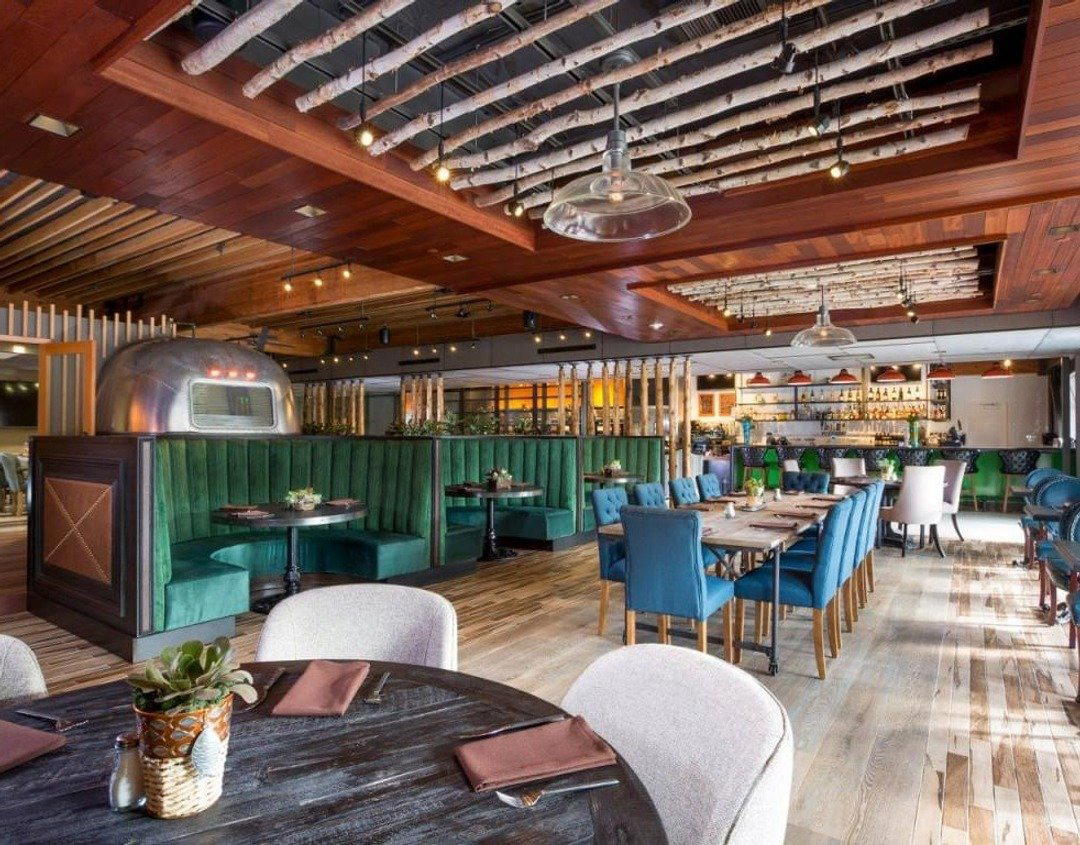
Torrey Pines and the Rise of the Neighbourhood Dining Room
San Diego's dining geography has fractured in useful ways over the past decade. Gaslamp and Little Italy still absorb the tourist-facing volume. But a quieter, more interesting tier has taken root in the city's northern research and tech corridors, where Torrey Pines, Sorrento Valley, and UTC have developed a working lunch and local-dinner economy that doesn't rely on foot traffic or destination reputation to survive. Farmer & The Seahorse sits at 10996 Torreyana Rd Ste 240 in San Diego, in a suite-format address that signals neighbourhood regular over destination pilgrim.
This is not the neighbourhood where you go looking for Addison's four-star French precision or Soichi's omakase discipline. The Torrey Pines corridor serves a different appetite: professionals from the nearby biotech campuses, UCSD faculty, and residents of the adjacent mesa communities who want a reliable, produce-forward kitchen within driving distance of home. The restaurant's name, pairing the agrarian (farmer) with the coastal (seahorse), locates it squarely in California's land-and-sea sourcing tradition rather than in any imported culinary framework.
The Farm-to-Coast Sourcing Axis in California Dining
California's farm-to-table movement has matured past its early evangelical phase. What began as a point of differentiation in the 1990s, sourcing local, naming farms on menus, building relationships with coastal fisheries, has become the baseline expectation at any restaurant above the casual tier in the state. The more precise question now is where a given kitchen sits within that sourcing spectrum: ingredient-forward and restrained, or technique-heavy with local ingredients as one component among many.
Farmer & The Seahorse's name frames its positioning clearly. The dual axis, farm produce and seafood, is the same core framework used by California's most discussed farm-to-sea kitchens, from Single Thread Farm in Healdsburg, which operates its own farm alongside a twelve-seat dining room, to Providence in Los Angeles, which has built a national reputation on sustainable seafood sourcing. Farmer & The Seahorse operates at a neighbourhood scale rather than a destination one, but the sourcing philosophy it signals connects it to that broader California conversation about what responsible, place-based cooking actually looks like in practice.
Elsewhere in the country, the land-and-sea pairing appears at restaurants like Blue Hill at Stone Barns in Tarrytown, where the farming operation is the centrepiece of the dining concept, or Smyth in Chicago, which runs a parallel farm to supply its tasting counter. What differentiates the California version of this model is the year-round access to both coastal and inland produce, which removes the seasonal scarcity constraint that drives menu structure at farm-reliant restaurants in colder climates.
What a Sorrento Valley Address Tells You About the Experience
Location in San Diego communicates format almost as clearly as price tier. Venues in the Gaslamp Quarter, like 777 G St, operate with the volume and energy of a downtown bar-and-kitchen hybrid. Balboa Park adjacents, including 1450 El Prado, carry the weight of the cultural precinct around them. A suite address on Torreyana Road, by contrast, removes theatrical pressure entirely. The room exists for the meal, not for the scene.
That neighbourhood neutrality tends to produce a particular kind of dining experience: lower ambient noise, a guest list drawn from repeat visitors rather than first-timers, and a kitchen that doesn't need to perform for an audience. It's the same dynamic that defines well-regarded neighbourhood anchors in other American cities, whether Frasca Food & Wine in Boulder or Emeril's in New Orleans before its closure, restaurants that became local institutions precisely because they served a community rather than a travelling audience.
The Torreyana Road address also places Farmer & The Seahorse close to the coast in the way that matters to California sourcing: Torrey Pines State Beach is minutes away, and the fishing supply chain that runs up the La Jolla coast through Del Mar feeds directly into restaurants in this corridor. For a kitchen whose name foregrounds seafood, that proximity is more than symbolic.
San Diego's Mid-Tier Dining Map
San Diego's restaurant scene is better understood as a series of distinct neighbourhood markets than as a single citywide dining economy. The fine-dining tier is small and largely concentrated around Addison, which holds a position comparable to what The French Laundry in Napa or Le Bernardin in New York City occupy in their respective markets: a defined ceiling that anchors the upper end of the conversation. Below that, restaurants like 94th Aero Squadron occupy experiential niches, while the middle tier, where most of the city's actual dining happens, is defined by neighbourhood-specific operators rather than citywide brands.
Farmer & The Seahorse fits the profile of that productive middle tier: a kitchen that takes sourcing seriously without building a theatrical dining apparatus around it. That positioning places it in a comparable set that includes Torrey Pines-area competitors and UTC restaurant rows rather than Michelin-aspirant kitchens in other parts of the city. For context, restaurants with comparable farm-and-coast frameworks in adjacent markets include the broader category of Californian-Mediterranean operators in Hillcrest and North Park, which share the emphasis on produce-forward cooking but operate with different cuisine anchors.
Internationally, the movement toward ingredient-led neighbourhood restaurants at this tier has strong parallels. Atelier Moessmer Norbert Niederkofler in Brunico represents the European version of place-based sourcing at its most disciplined, while Atomix in New York City demonstrates how ingredient transparency can function as the central organizing principle of a high-end kitchen. Farmer & The Seahorse works within the same sourcing ethos at a more accessible scale.
Planning Your Visit
The Torreyana Road address in the 92121 zip code is accessible by car from both I-5 and the Carmel Valley Road interchange. The suite-format building means parking is easier than street-parking challenges in Little Italy or Gaslamp. For visitors combining the meal with other San Diego experiences, the proximity to Torrey Pines State Reserve makes an afternoon walk before dinner a logical pairing.
At a Glance
Comparable venues nearby, for context on price, style, and recognition.
| Venue | Cuisine | Price | Notes |
|---|---|---|---|
| Farmer & The SeahorseThis venue — the venue you are viewing | University, Farm-to-Table American | $$ | Not listed |
| Ghirardelli Ice Cream & Chocolate Shop | Not listed | $$ | Downtown, American Ice Cream & Chocolate Shop |
| Cafe 222 | Downtown, American Breakfast & Brunch | $$ | Not listed |
| Studio Diner | Kearny Mesa, Classic American Diner | $$ | Not listed |
| NM Cafe | Not listed | $$ | Linda Vista, Contemporary American Californian |
| The Crack Shack - Little Italy | Downtown, SoCal Fried Chicken | $$ | Not listed |
Continue exploring
More in San Diego
Restaurants in San Diego
Browse all →
Bars in San Diego
Browse all →
At a Glance
- Casual
- Cozy
- Scenic
- Brunch
- Casual Hangout
- Garden
- Open Kitchen
- Live Music
- Terrace
- Craft Cocktails
- Farm To Table
- Local Sourcing
- Garden
Current opening hours
- Monday
- 8–10:30 AM, 11 AM–2 PM
- Tuesday
- 8–10:30 AM, 11 AM–2 PM
- Wednesday
- 8–10:30 AM, 11 AM–2 PM, 3–7 PM
- Thursday
- 8–10:30 AM, 11 AM–2 PM, 3–7 PM
- Friday
- 8–10:30 AM, 11 AM–2 PM
- Saturday
- 9:30 AM–2 PM
- Sunday
- 9:30 AM–2 PM
Hours can change for holidays and private events. Last verified .
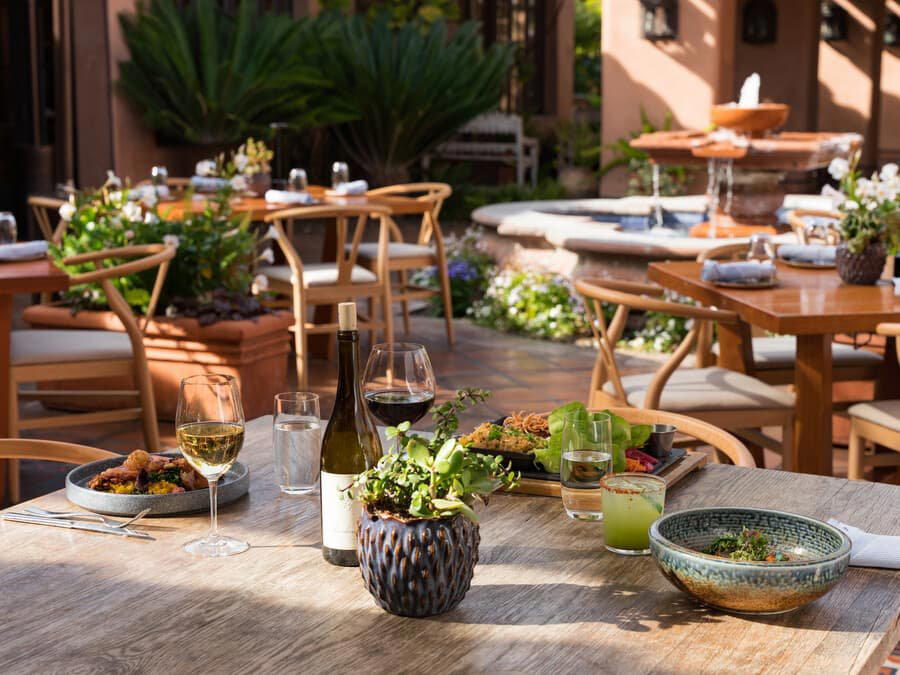
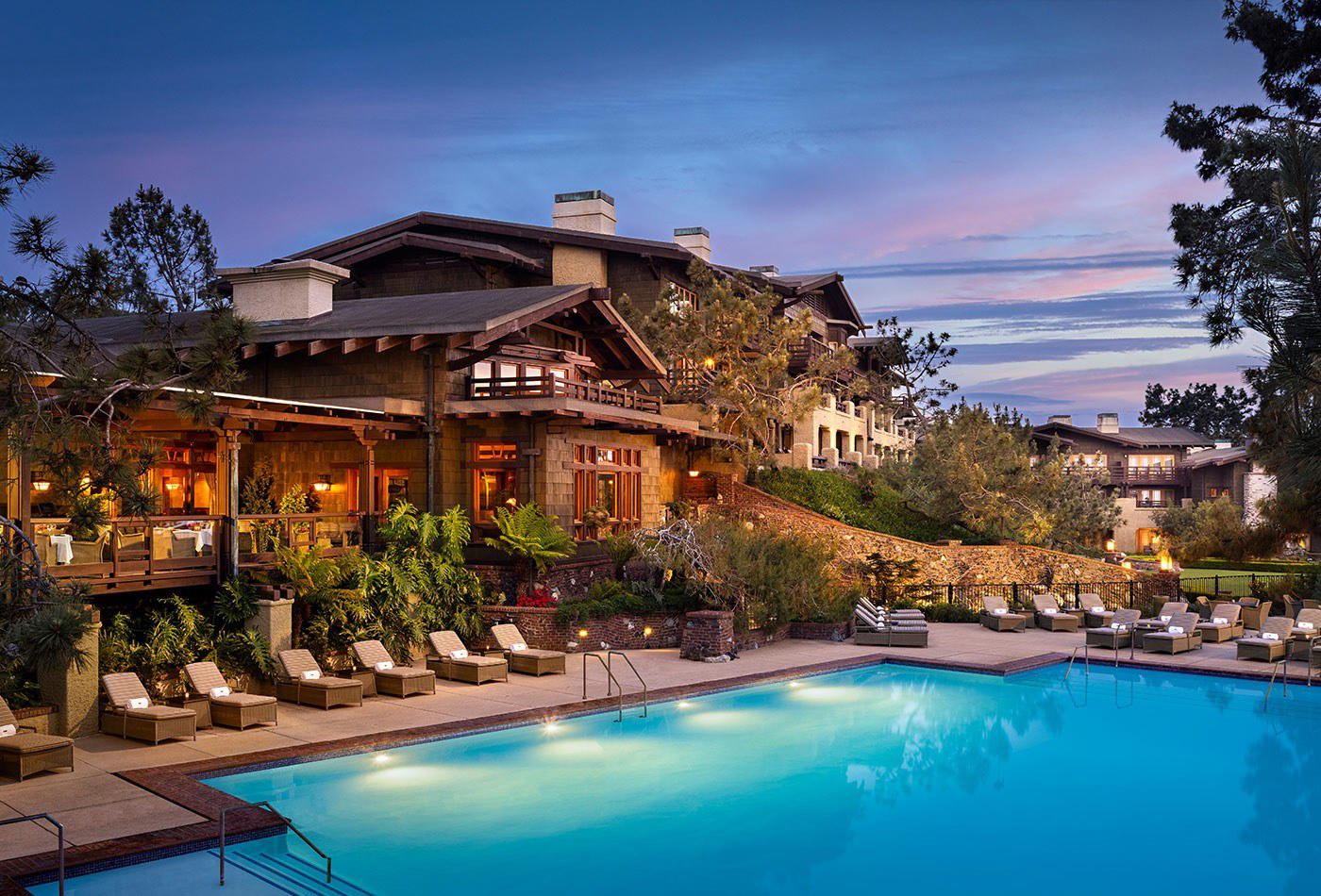
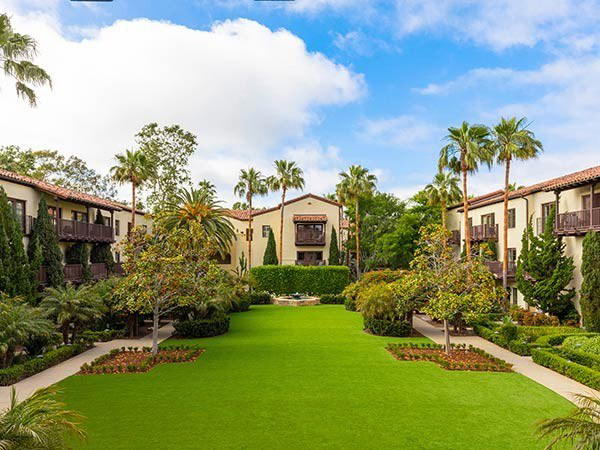
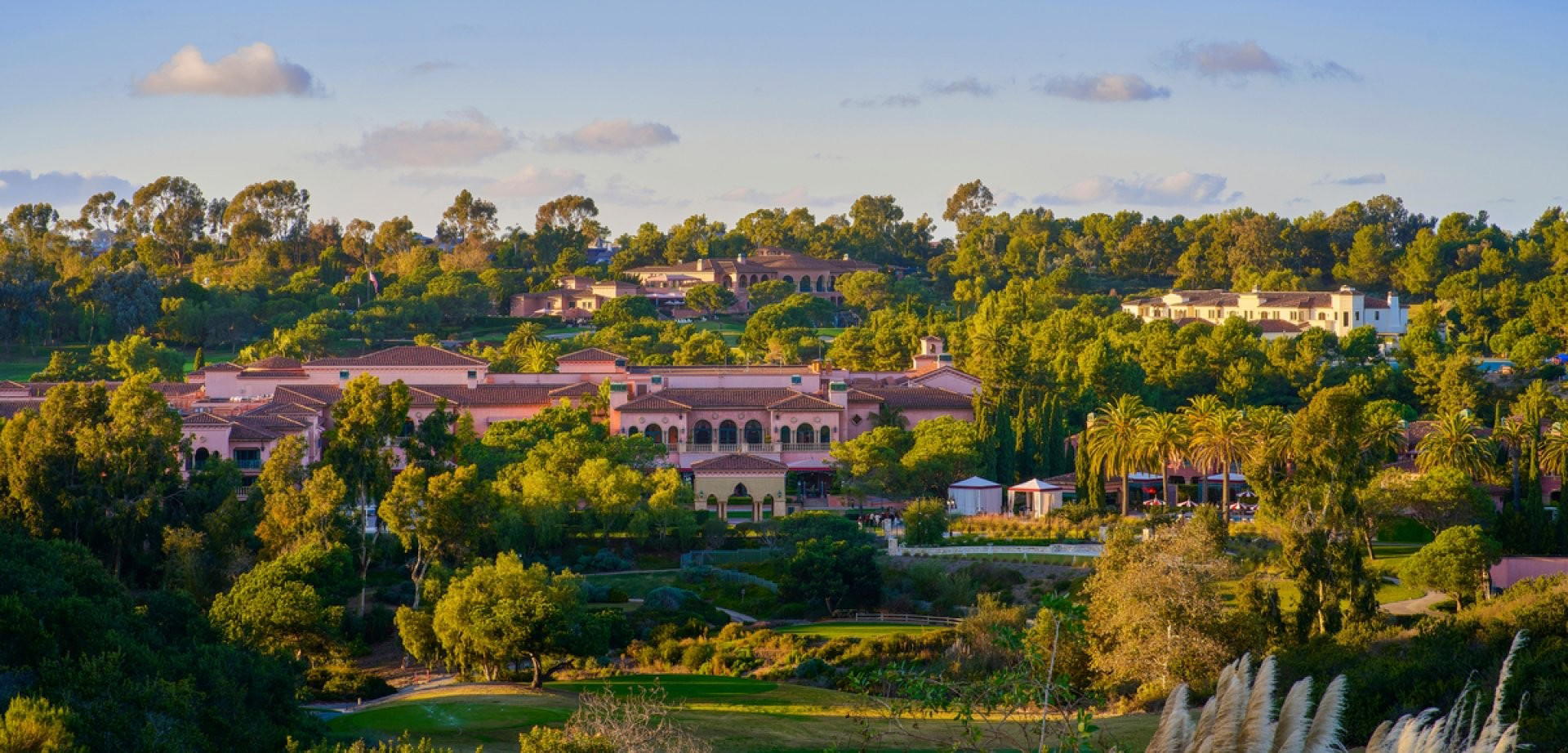
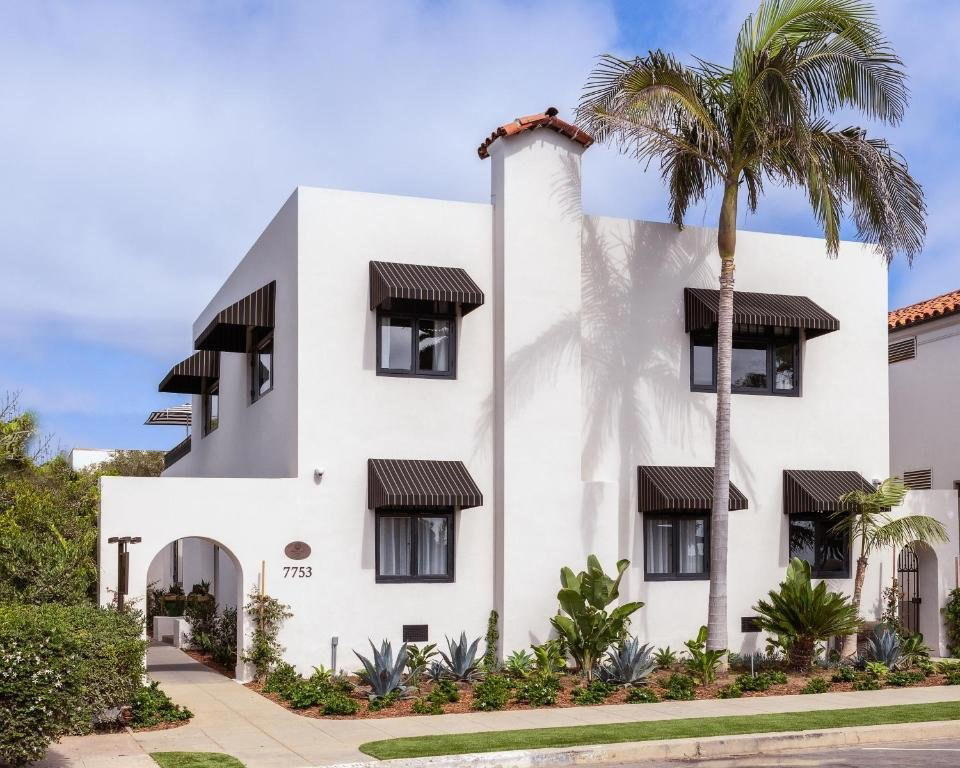
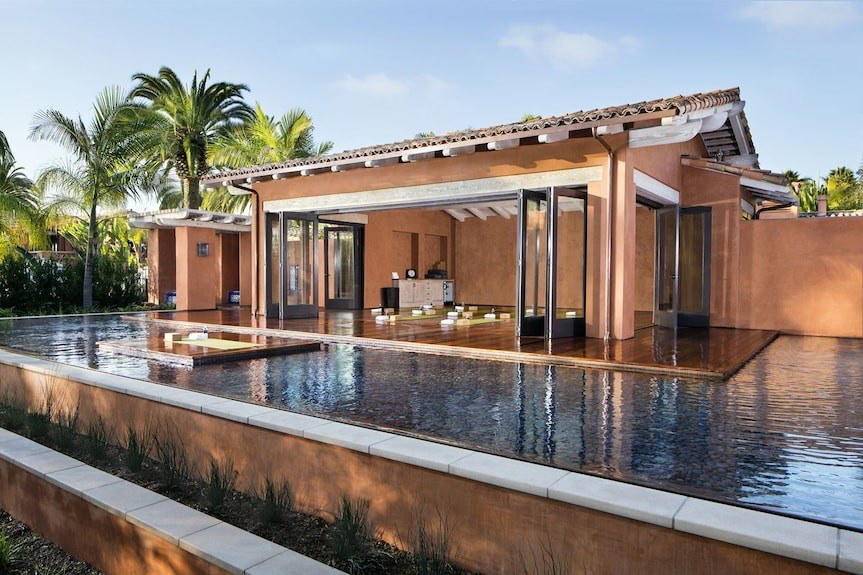
Casually sophisticated atmosphere with ample indoor and outdoor garden seating, moderate noise, and a welcoming vibe.