Fabulas enters Lisbon's creative dining conversation at a moment when the city's restaurants are increasingly defined by the tension between Portuguese terroir and international technique. Positioned among a generation of addresses reframing what local ingredients can do under global method, it represents a point of interest for anyone tracking where the capital's table is heading.
Pearl is the En Primeur Club membership app — saves, bookings, and concierge access live there. Same editors, same standards.
- Address
- Lisbon, Portugal
- Directions
- Get directions
 Saves & bookings on Pearl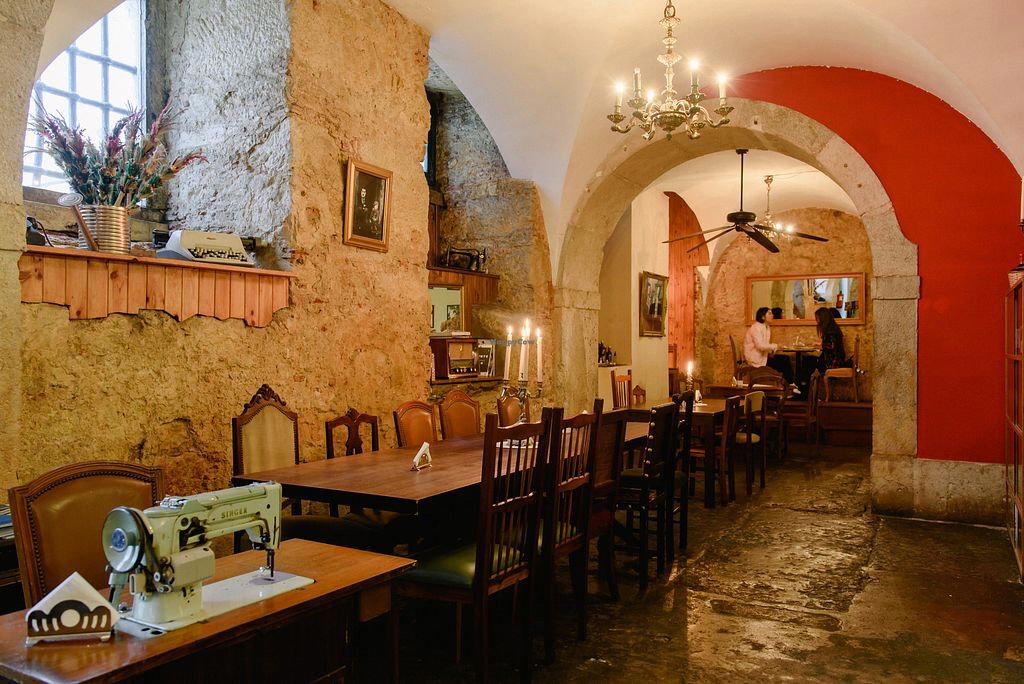
Where Lisbon's Ingredient Logic Meets Imported Method
Lisbon has developed a particular kind of culinary confidence over the past decade, one built not on imitation of northern European fine dining but on a more specific argument: that Portuguese ingredients, applied under rigorous modern technique, produce results that neither tradition alone nor technique alone could achieve. The city's most discussed addresses have largely settled into this framework. Belcanto and CURA anchor the upper tier at €€€€, both drawing on modern Portuguese cuisine as their organizing principle. Eleven and 2Monkeys operate in adjacent creative registers. Fabulas enters this conversation as a name that has begun circulating among the city's more attentive diners.
The Scene It Belongs To
What distinguishes the current generation of Lisbon dining from the fine-dining wave of the early 2000s is a shift in how kitchens treat provenance. An earlier model imported both technique and ingredient logic wholesale from France or Spain. The model now operating across Lisbon's serious restaurants inverts that: sourcing stays local, often hyper-regional, while method draws freely from wherever it is most useful. This is the context in which Fabulas sits. The name itself, carrying connotations of fable and story, signals an intention to frame the plate as narrative, a move that has become fairly standard among ambitious Lisbon openings but that can succeed or collapse depending on the execution behind it.
Portugal's ingredient vocabulary is genuinely broad. Bacalhau and grilled fish remain the obvious public-facing entries, but the country's larder extends to aged cheeses from the Serra da Estrela, cured meats from the Alentejo, wild herbs from the Beira interior, and shellfish from the Algarve coast that rival anything the Atlantic delivers further north. Kitchens that understand this geography, and know which techniques from classical French, Nordic, or Japanese traditions can amplify rather than obscure those flavors, are the ones producing credible work in the city right now. That is the operating logic Fabulas is understood to share.
Reading the Room
Lisbon's fine dining tier has become increasingly legible to international visitors over the past five years, partly because of Portugal's sustained run of Michelin recognition across the country. Vila Joya in Albufeira, Ocean in Porches, and The Yeatman in Vila Nova de Gaia have made Portugal's broader dining ambition legible on the international stage. Within Lisbon itself, Fortaleza do Guincho in Cascais and Casa de Chá da Boa Nova in Leça da Palmeira extend the conversation geographically. Against that backdrop, a newer address like Fabulas operates in a space where reputation is still forming, which means the experience is more contingent but also more open to surprise.
The €€€€ tier in Lisbon, occupied by addresses like Belcanto and CURA, tends to function on pre-booked tasting menus with wine pairings, advance reservations measured in weeks rather than days, and a front-of-house register that is formal without being stiff. What is clear is that the name is appearing in the same conversations as those addresses, which suggests a positioning that at minimum aspires to that register.
Technique as a Secondary Language
The editorial angle worth tracking at addresses like Fabulas is not which Portuguese ingredient appears on the plate but what the kitchen does to it once it arrives. Modern fermentation, precision temperature control, emulsification methods borrowed from molecular gastronomy's more durable contributions, and the Nordic-influenced emphasis on texture contrast have all entered Lisbon's serious kitchens without displacing the flavor vocabulary that Portuguese cooking depends on. At its most coherent, this produces dishes that taste immediately and recognizably Portuguese while delivering structural complexity that a traditional cozinha portuguesa would not attempt. At its least coherent, it produces technique for its own sake, applied to ingredients that would have been better served simply.
Restaurants in this city that have earned sustained critical attention, from Antiqvvm in Porto to Ó Balcão in Santarém, tend to succeed because they have resolved that tension in favor of the ingredient. Global technique becomes a tool for precision and consistency rather than an aesthetic end. Internationally, the same argument plays out differently: at Le Bernardin in New York City, classical French method serves the fish rather than overriding it; at Lazy Bear in San Francisco, American regional product is processed through a lens of technical ambition that reframes what Californian sourcing can produce. The question Fabulas is implicitly asked to answer is the Portuguese version of the same test.
Planning Your Visit
Reservations are recommended at Fabulas. Reservations are recommended.
Those who want to extend the Portugal fine dining circuit beyond Lisbon should consider Gusto by Heinz Beck in Almancil, Il Gallo d'Oro in Funchal, or Al Sud in Lagos as part of a wider itinerary.
A Lean Comparison
Comparable venues nearby, for context on price, style, and recognition.
| Venue | Cuisine | Price | Notes |
|---|---|---|---|
| FabulasThis venue — the venue you are viewing | Not listed | $$ | Not listed |
| SecAdegas | Estefania, Portuguese Petiscos | $$ | Not listed |
| Zé da Mouraria | Mouraria, Traditional Portuguese | $$ | Not listed |
| Le Chat | Not listed | $$ | Madragoa, Rooftop Lounge Bar with Small Plates |
| Pavilhão Chinês | Bairro Alto, Cocktail Bar & Gastropub | $$$ | Not listed |
| 2 à Esquina - Iguarias e Petiscos | Estefania, Portuguese Petiscos | $$ | Not listed |
Continue exploring
More in Lisbon
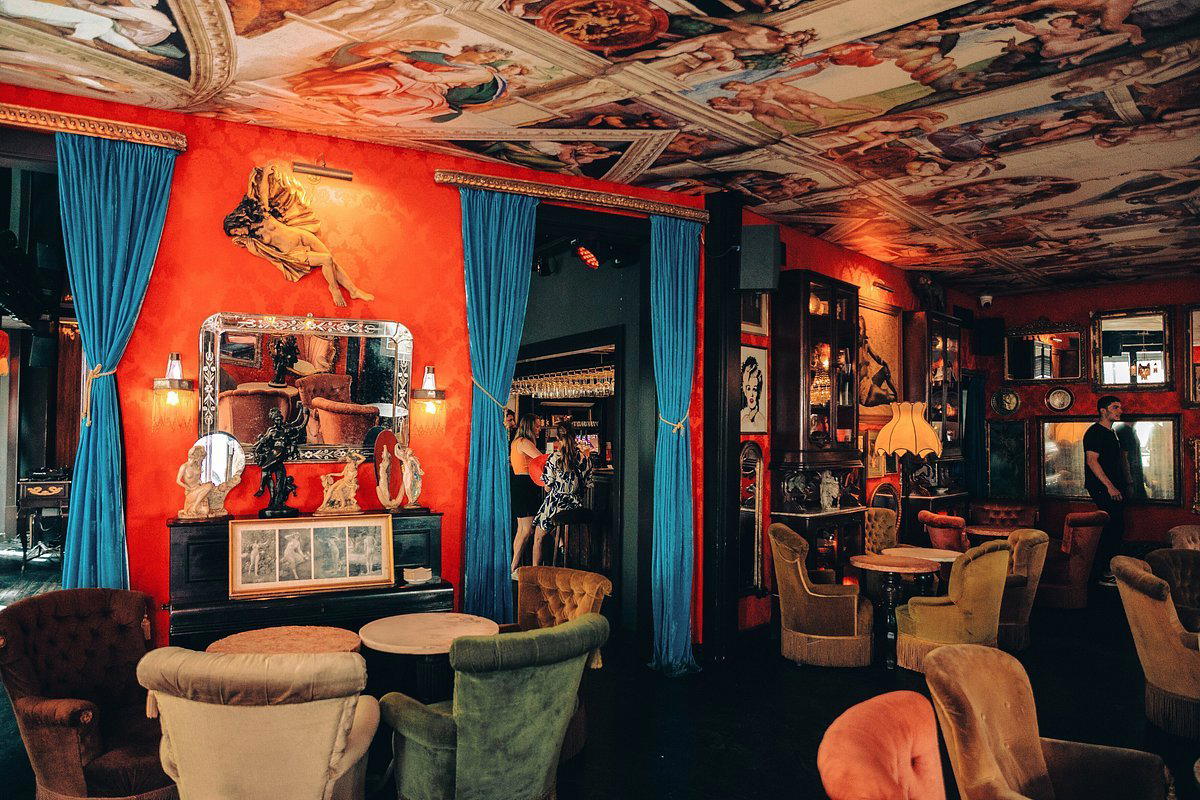
Restaurants in Lisbon
Browse all →
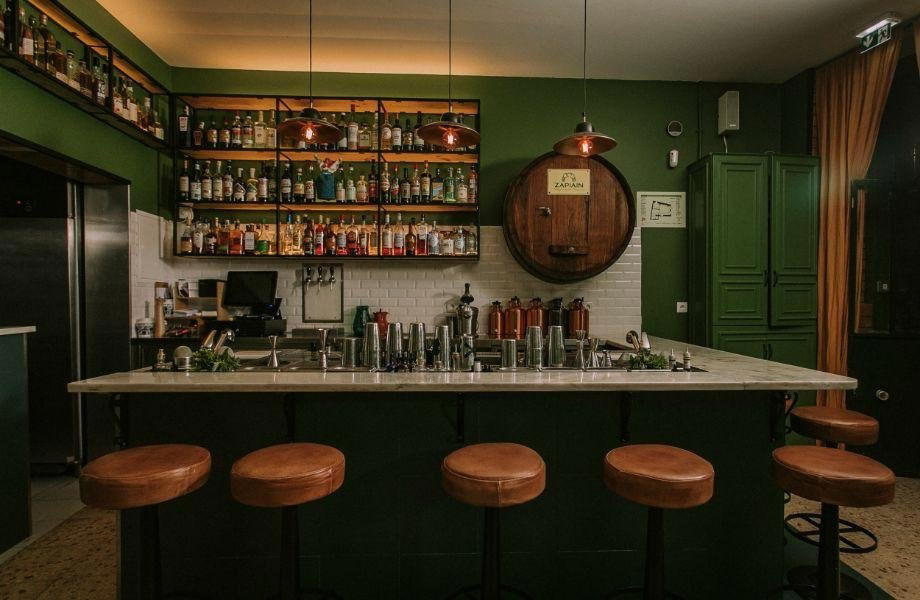
Bars in Lisbon
Browse all →
Hotels in Lisbon
Browse all →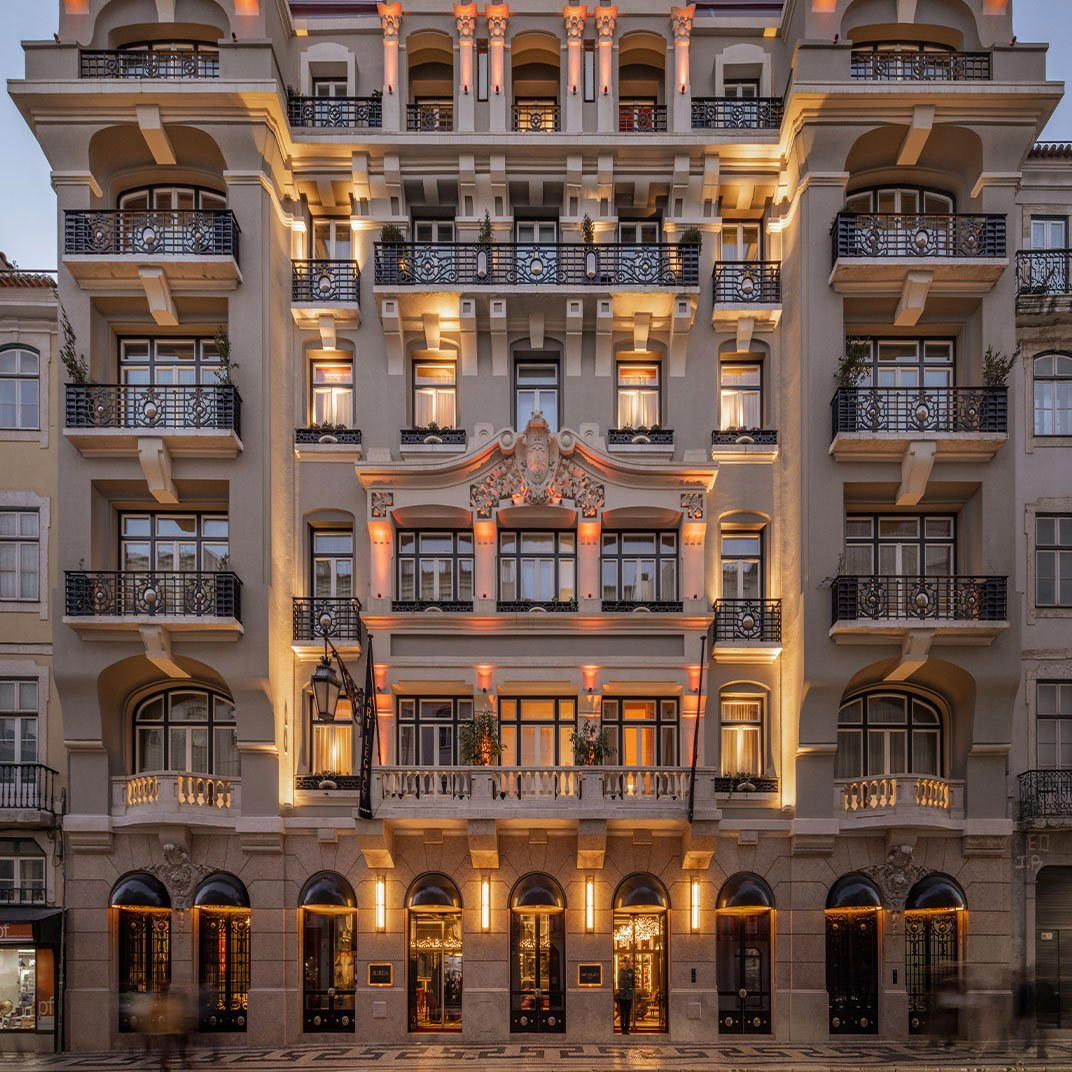

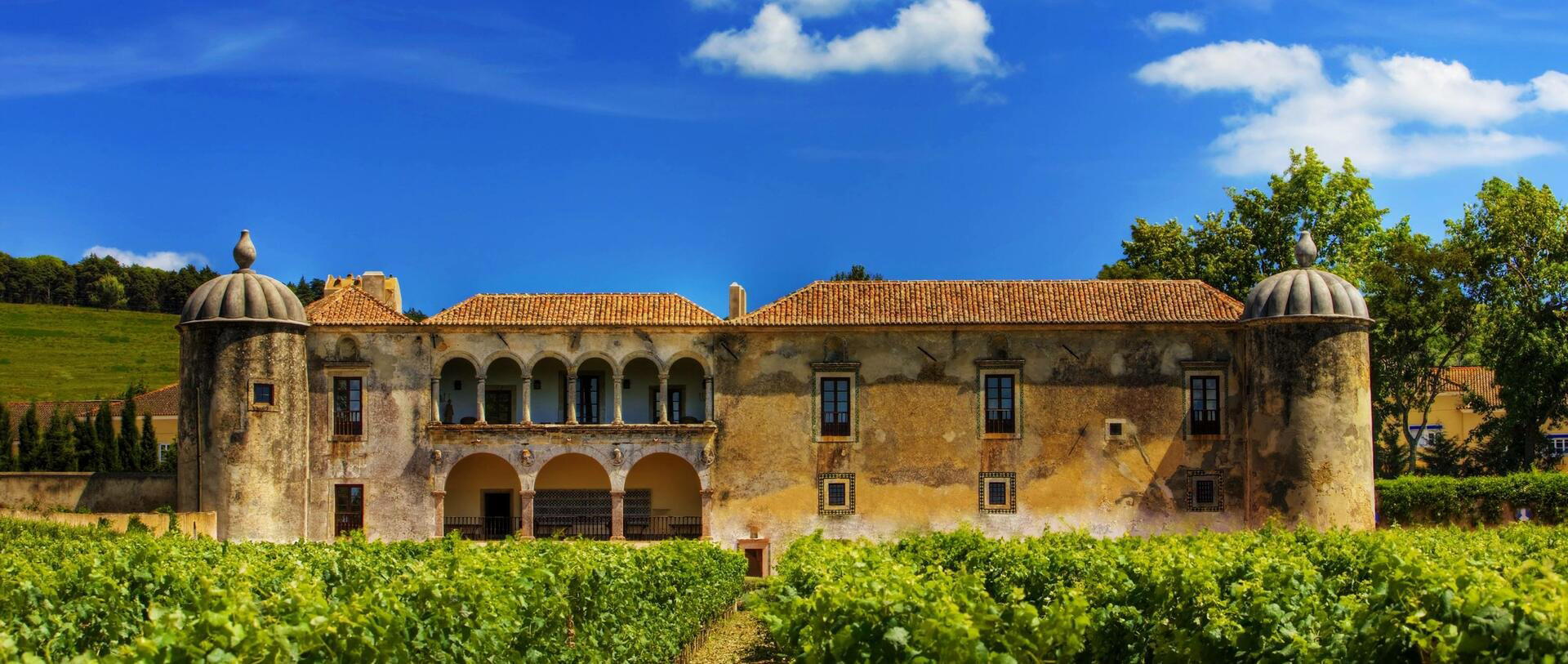
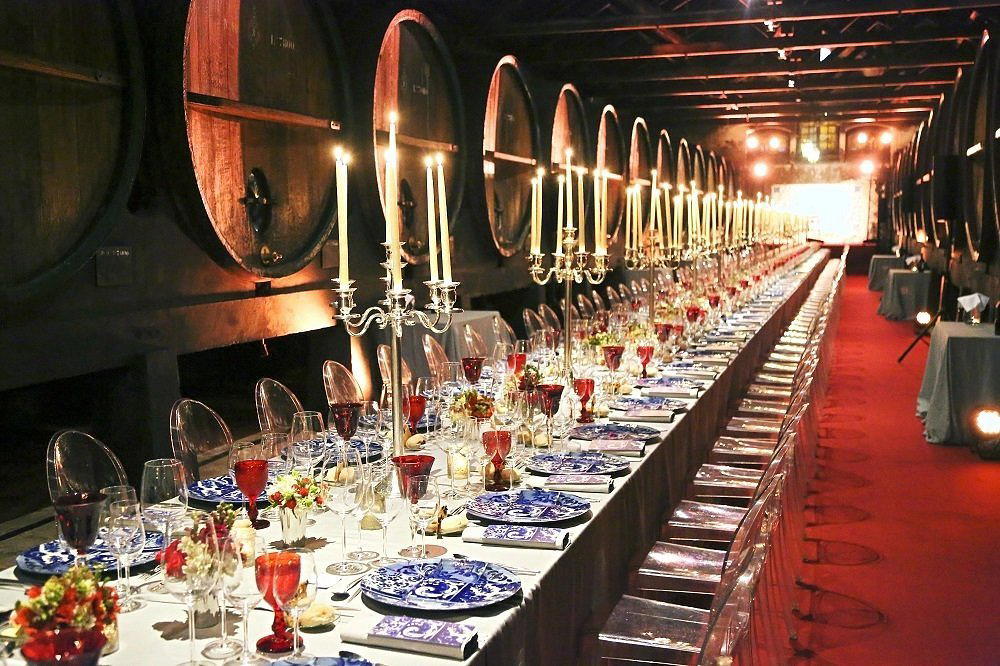
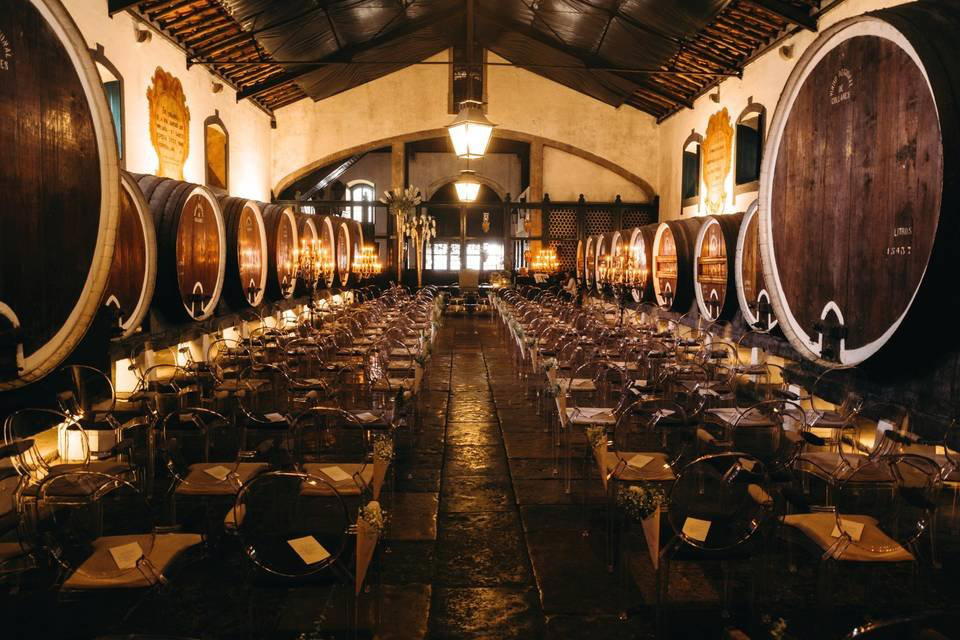
At a Glance
- Cozy
- Intimate
- Casual Hangout
- Historic Building
Comfy retreat with charming atmosphere.