Fabrik

We're Smart World 5 Radishes
Our verdict
Named the We're Smart Green Guide's pure plant discovery of the year in the USA, Fabrik operates out of East Austin with a 100% plant-based menu that chef-owner Je Wallerstein frames as low-impact, seasonally driven cooking. This is not wellness-market positioning, it is a serious kitchen applying precision and restraint to vegetables at a moment when that approach is reshaping American fine dining.

Pearl is the En Primeur Club membership app, where members save venues, book tables and use the concierge.
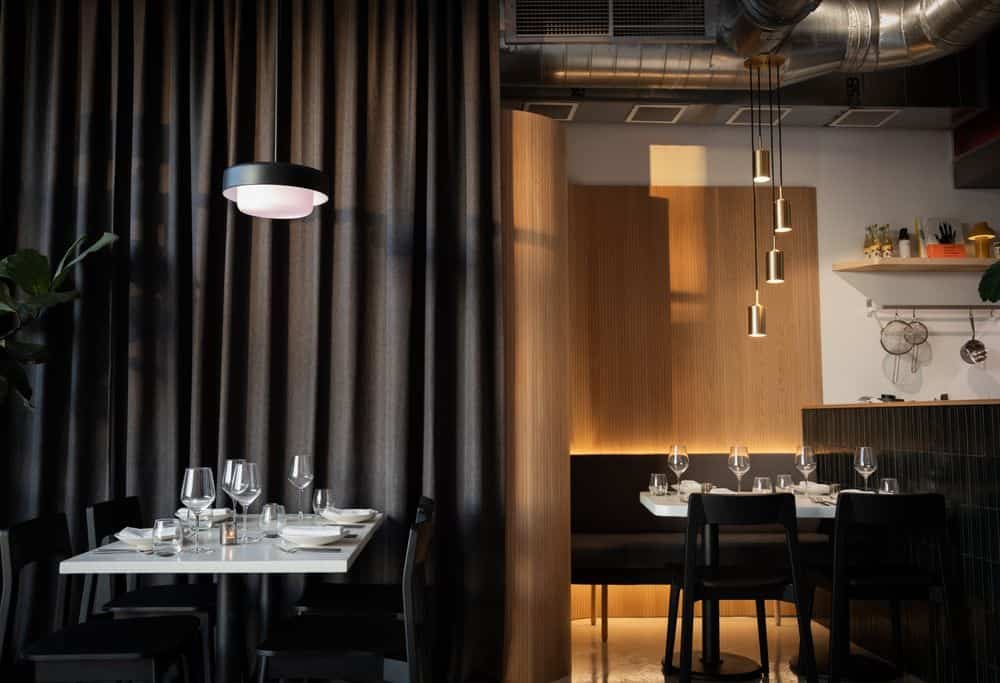
East Austin's Plant-Forward Argument
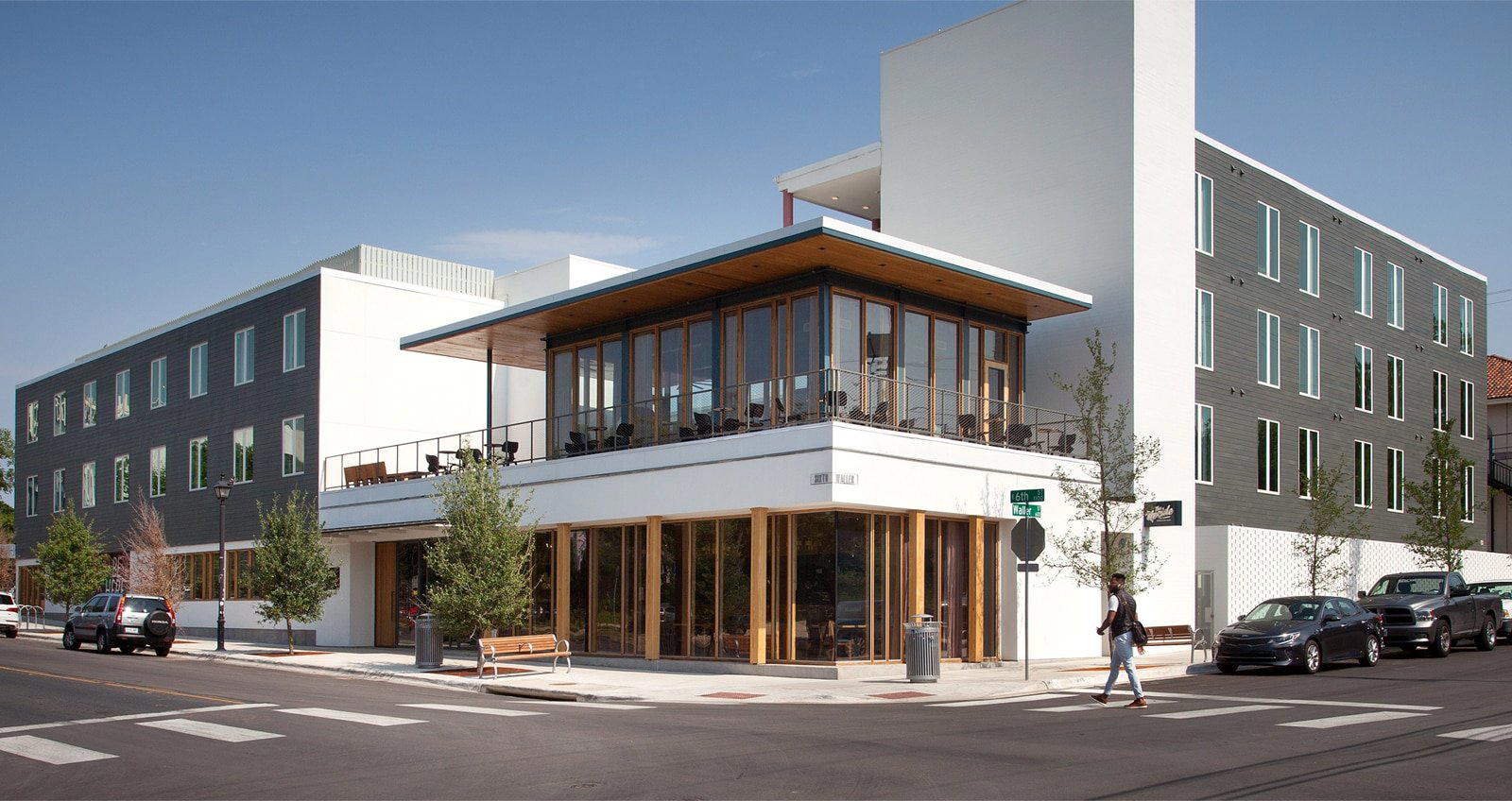
East Martin Luther King Jr Boulevard has become one of the more instructive stretches of road in Austin's restaurant geography. Over the past decade, the corridor running through the 78702 zip code has absorbed a particular type of operator: small, independent, technically serious, and often working in formats that the city's barbecue-and-brisket identity tends to overshadow. Fabrik, at 1701 E MLK Suite 102, fits that pattern precisely. The address is a suite number, which tells you something: this is not a destination-block flagship with a marquee facade. It sits in a commercial cluster that rewards the committed visitor over the casual passerby.
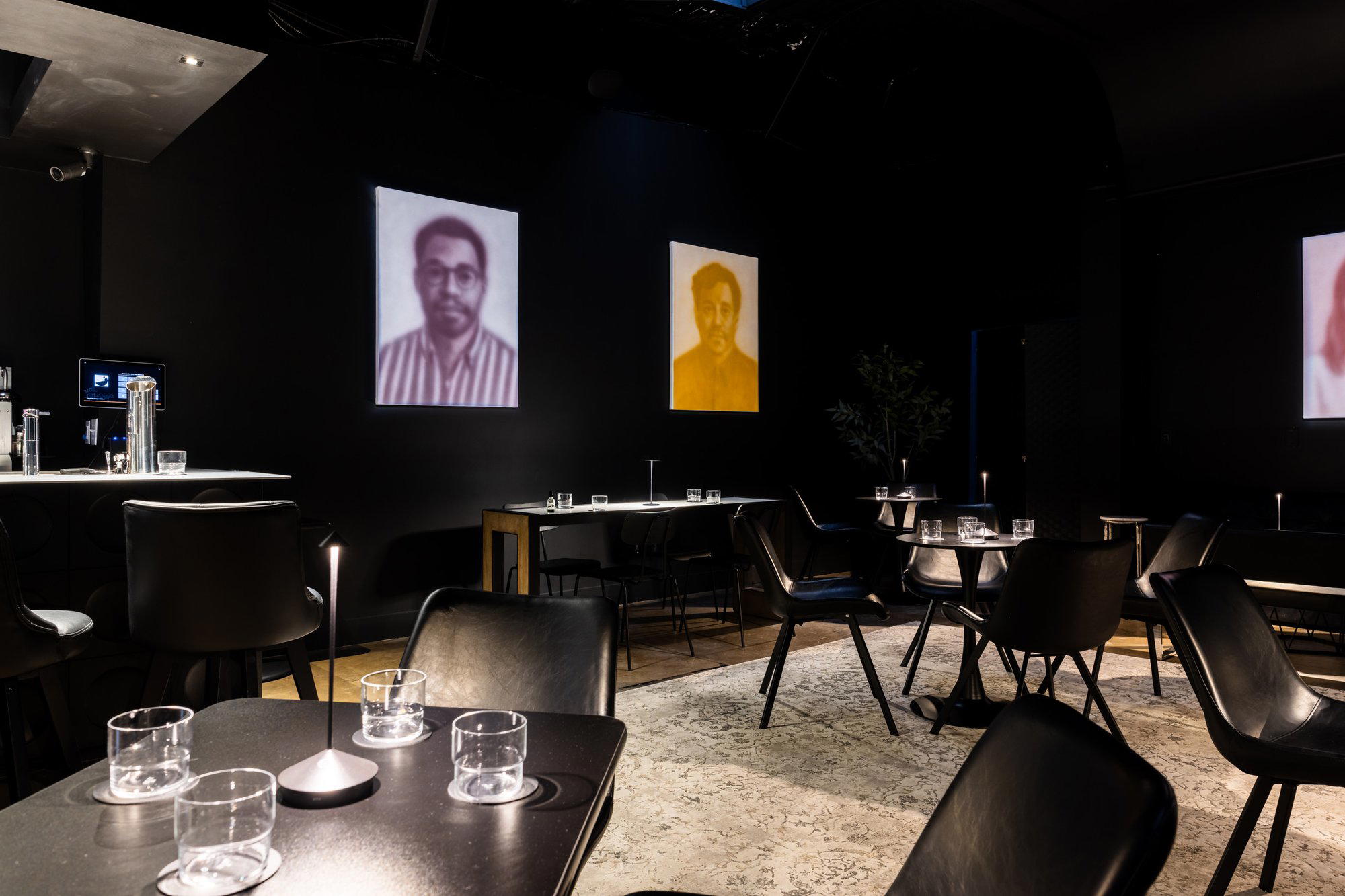
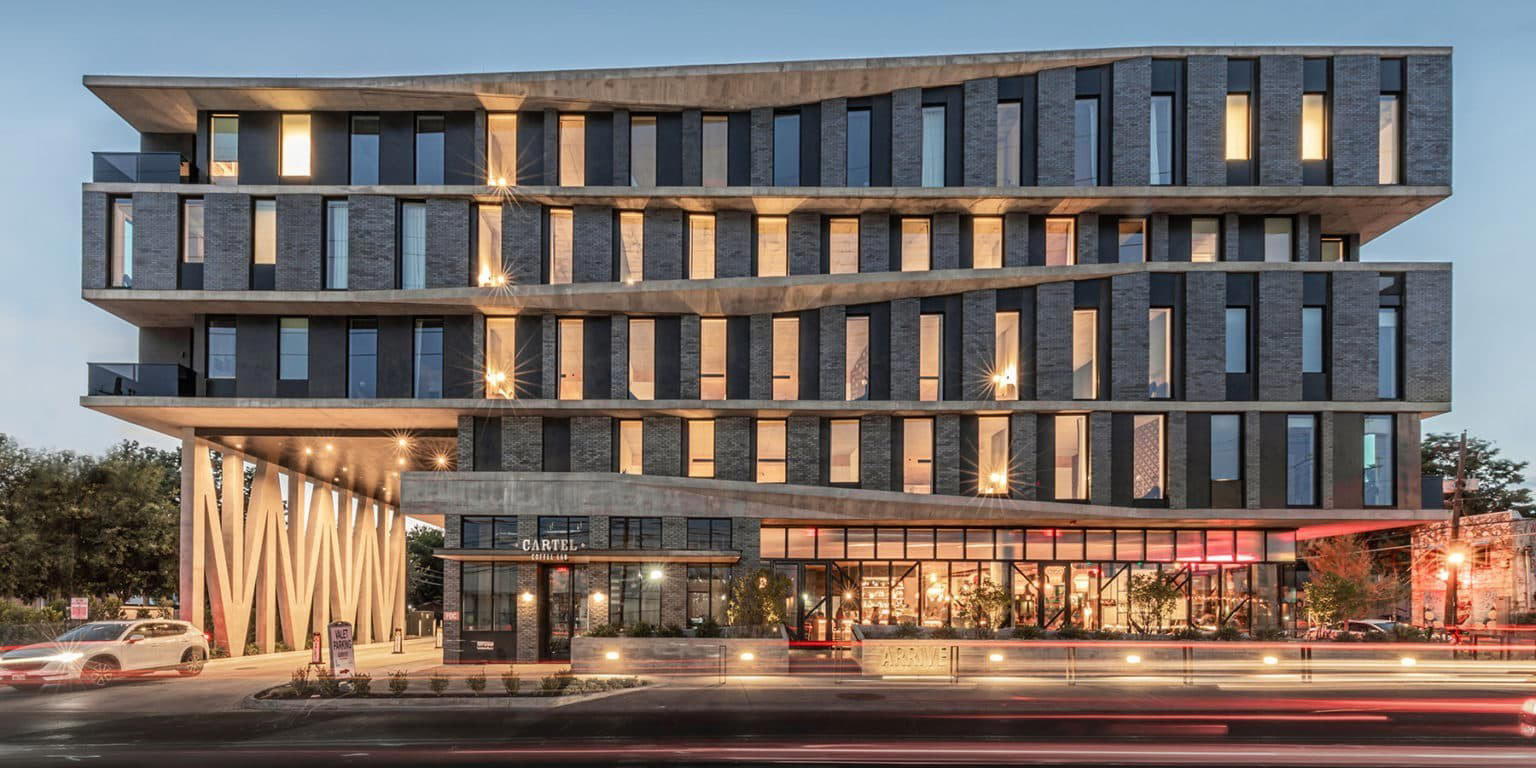
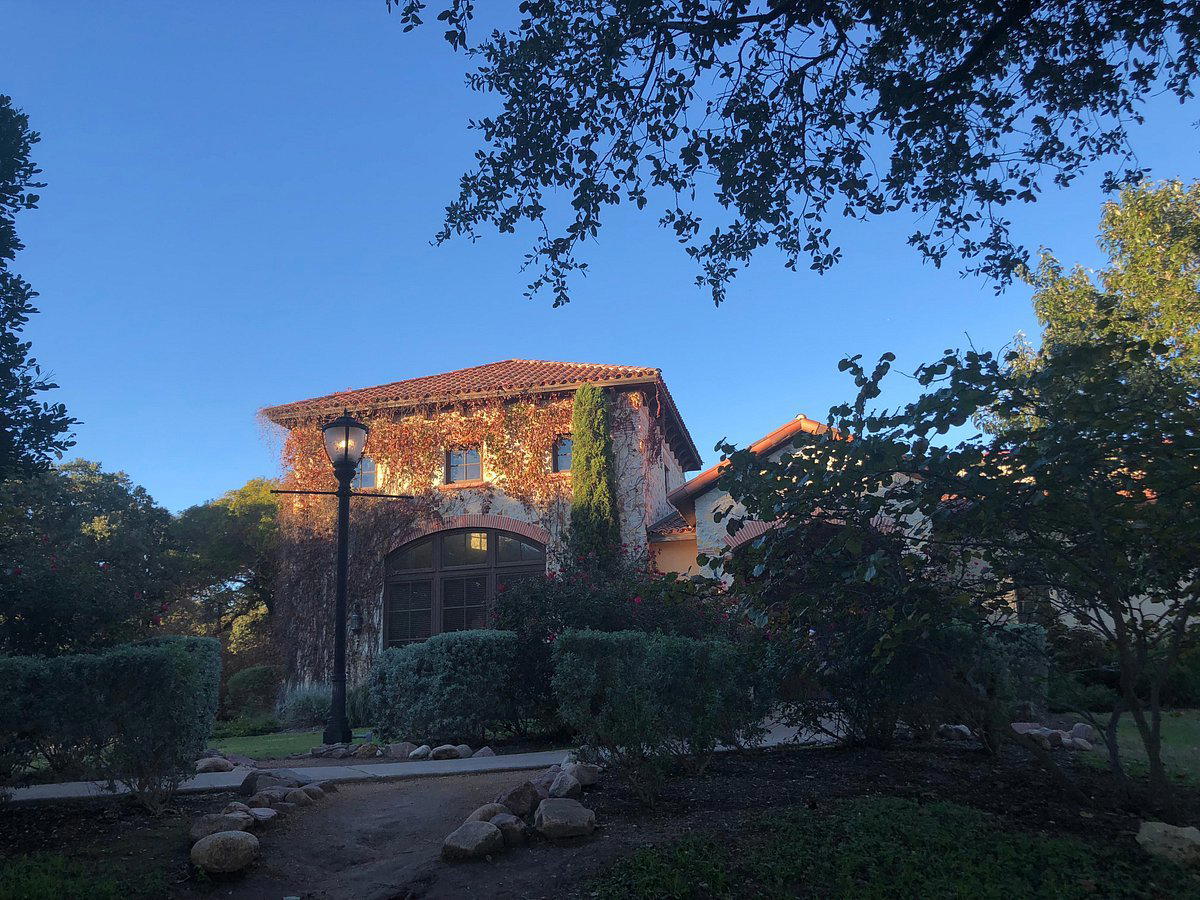
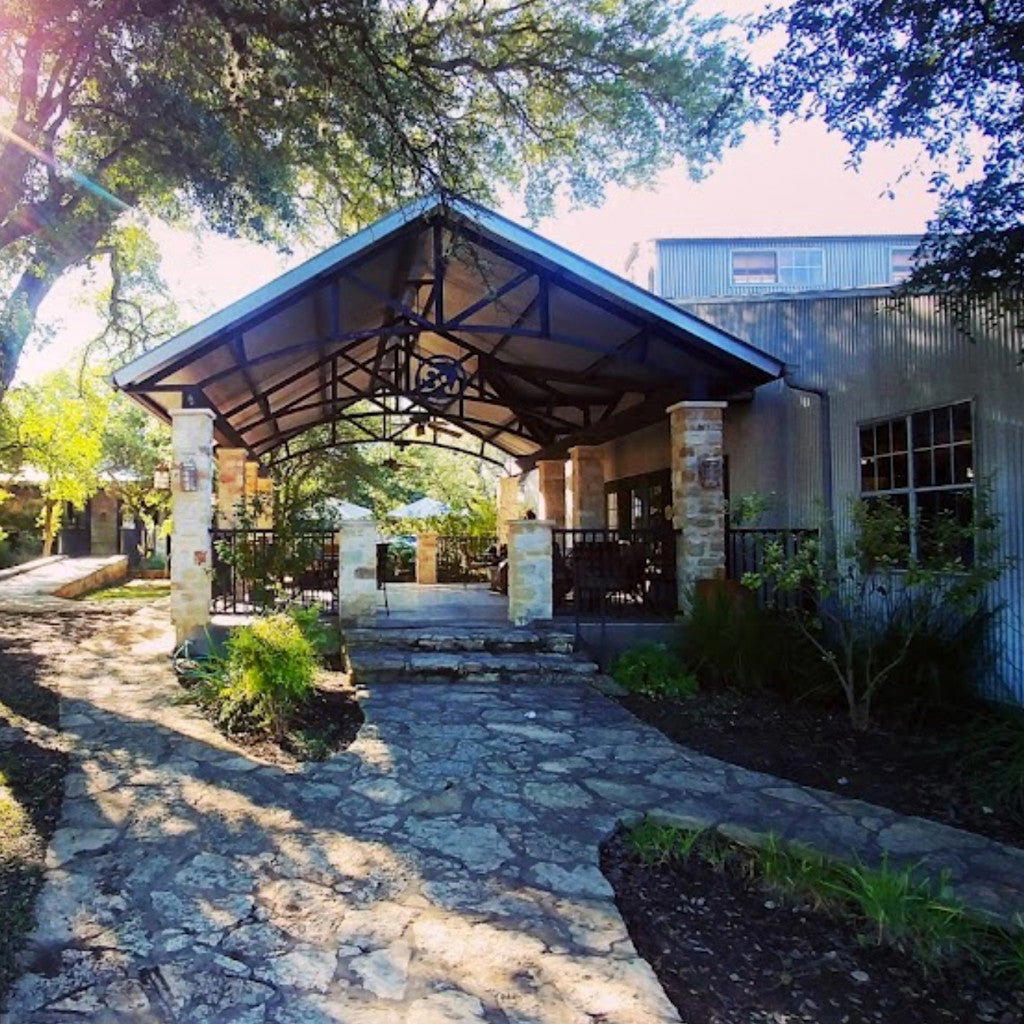
Arriving at Fabrik, the physical environment signals restraint before the food does. The scale is intimate rather than theatrical, the kind of room where cooking itself carries the room rather than the other way around. That restraint is structural, it is built into the premise of what chef-owner Je Wallerstein is doing here, which is 100% plant-based cooking framed not as a dietary category but as what Wallerstein calls "low impact cuisine, conscious and inspired by the seasons."
Where the Food Comes From, and Why That Defines the Menu
The phrase "seasonal" is used so broadly in contemporary restaurant marketing that it has nearly lost meaning. At Fabrik, it functions as an actual operational constraint. When your kitchen works exclusively with plants and explicitly identifies seasonal sourcing as a foundational commitment, the menu cannot stay fixed. What is available, what is at peak, and what the local growing calendar permits becomes the architecture of the cooking rather than a footnote in the press materials.
This approach places Fabrik in a specific and growing category of American fine dining that is distinct from both the vegan-restaurant tradition and the broader farm-to-table movement. The vegan tradition in the US has historically prioritised accessibility and volume; the farm-to-table movement has used local sourcing as a credential while often anchoring the plate around animal proteins. What Wallerstein is doing at Fabrik belongs to neither. The We're Smart Green Guide, which evaluates restaurants globally on their commitment to vegetable-forward cooking, named Fabrik the pure plant discovery of the year in the USA, a recognition that positions it alongside a European tradition of vegetable-focused fine dining that has been developing for considerably longer than its American equivalent.
In that European context, restaurants like Alain Ducasse at Louis XV in Monte Carlo shifted toward plant-forward menus years before the conversation reached American fine dining at scale. In the US, the pivot has been slower and more uneven. That the We're Smart recognition found its American discovery of the year in Austin rather than in New York or San Francisco says something worth noting about where serious ingredient-driven cooking is currently developing outside the established coastal markets.
For context on how plant-sourcing discipline differs from the broader Austin dining scene: the city's most recognised restaurants, Hestia with its live-fire American format, Barley Swine's New American tasting menu, and the barbecue operations at la Barbecue and InterStellar BBQ, are built around protein as the organising principle. Even Craft Omakase, which operates in a precision-cooking register, is structured around fish.
What "Low Impact" Means at the Table
Low-impact cooking, as a culinary category, carries a technical demand that is easy to underestimate. Removing animal proteins from a serious kitchen does not simplify the cooking, it transfers the technical burden entirely onto how ingredients are selected, prepared, and sequenced. The sourcing relationship with growers becomes the equivalent of the protein sourcing relationship in a conventional fine-dining kitchen. Texture, umami depth, and structural contrast across a tasting progression all have to be engineered through vegetable, grain, legume, and ferment rather than borrowed from fat-laden animal proteins that perform those functions reliably.
Wallerstein's We're Smart recognition is grounded in exactly this discipline. The guide evaluates not just ingredient sourcing but the sophistication with which plant ingredients are deployed culinarily. The designation "pure plant" in their taxonomy distinguishes kitchens that have committed entirely to the category from those that offer strong vegetarian options within an otherwise mixed menu. At the level of recognition Fabrik has received, the cooking is being assessed against international peers in that specific discipline.
Comparable kitchens in terms of ambition, if not format, include operations associated with the We're Smart movement in Europe and the plant-focused tasting menu format that has gradually established itself at SingleThread Farm in Healdsburg, where farm-to-table sourcing discipline underpins the entire format even though that kitchen is not exclusively plant-based.
Planning Your Visit
Fabrik is located at 1701 E Martin Luther King Jr Blvd, Suite 102, Austin, TX 78702, on the east side of the city. The suite address suggests a smaller, less commercially prominent footprint than many Austin restaurants of comparable culinary standing, which means first-time visitors should confirm current hours and booking availability directly before planning around it. Given the recognition it has received and the format it operates in, securing a reservation in advance is the prudent approach rather than arriving without one. The East Austin location is accessible from central Austin by car; rideshare from downtown takes under ten minutes in normal traffic.
For visitors building a broader Austin itinerary, EP Club's full Austin restaurants guide maps the complete dining scene across formats and price points. If accommodation is part of the planning, the Austin hotels guide covers the current options. For drinking before or after, the Austin bars guide and Austin wineries guide round out the picture, and the Austin experiences guide covers what the city offers beyond the table.
Frequently asked questions
Is Fabrik award-winning?
Fabrik has received recognition including: It is fair to say that for the We're Smart Green Guide, Fabrik is the pure plant discovery of the year in the USA. Chef-onwner Je Wallerstein cooks 100% pure plant with style. She herself calls her cuisine "low impact cuisine, conscious and….
Where is Fabrik located?
Fabrik is located at 1701 E Martin Luther King Jr Blvd Suite 102, Austin, TX 78702, Austin.
What dish is Fabrik famous for?
Fabrik's menu is built around 100% plant-based cooking that changes with the seasons, so no single dish defines the kitchen in a fixed way. Chef-owner Je Wallerstein frames her approach as 'low impact cuisine, conscious and inspired by the seasons,' which means the menu rotates with what is locally and seasonally available. The We're Smart Green Guide named Fabrik the pure plant discovery of the year in the US precisely because of this commitment to produce-led, ever-shifting cooking rather than signature set pieces.
Do they take walk-ins at Fabrik?
Contacting the restaurant directly before visiting is the safest approach, particularly given its recognition by the We're Smart Green Guide, which will have raised its profile considerably.
What makes Fabrik worth seeking out?
The We're Smart Green Guide named Fabrik the pure plant discovery of the year in the United States, a credential that carries weight in plant-forward culinary circles internationally. Chef-owner Je Wallerstein operates entirely without animal proteins, framing the kitchen's output as 'low impact cuisine, conscious and inspired by the seasons.' That combination of rigorous produce sourcing and a defined culinary philosophy sets Fabrik apart from the broader wave of plant-forward restaurants that treat vegetables as a trend rather than a discipline.
Side-by-Side Snapshot
| Venue | Cuisine | Price | Awards | Notes |
|---|---|---|---|---|
| FabrikThis venue (the venue you are viewing) | Modern Vegan Fine Dining | $50–100 | We're Smart World 5 Radishes | Not listed |
| Barley Swine | Modern American Fine Dining | $100–150 | 1 Michelin Star · James Beard Award Semi Finalist | New American, Contemporary |
| la Barbecue | Texas Barbecue | $50–100 | 1 Michelin Star · James Beard Award Semi Finalist | Barbecue |
| Olamaie | Modern Southern | $100–150 | 1 Michelin Star | Southern |
| Kemuri Tatsu-ya | Japanese-Texas BBQ Izakaya | $50–100 | Michelin Bib Gourmand | Not listed |
| Odd Duck | Creative Farm-to-Table American Small Plates | $50–100 | Michelin Bib Gourmand | Not listed |
Recognition history
Dated appearances from independent guides and award organizations, with the underlying list record or original source where available.
We're Smart World 5 Radishes
We're Smart World
Full recognition history (2 entries)
We're Smart World Top 100 #71
We're Smart World
Continue exploring
More in Austin
Restaurants in Austin
All restaurants in Austin →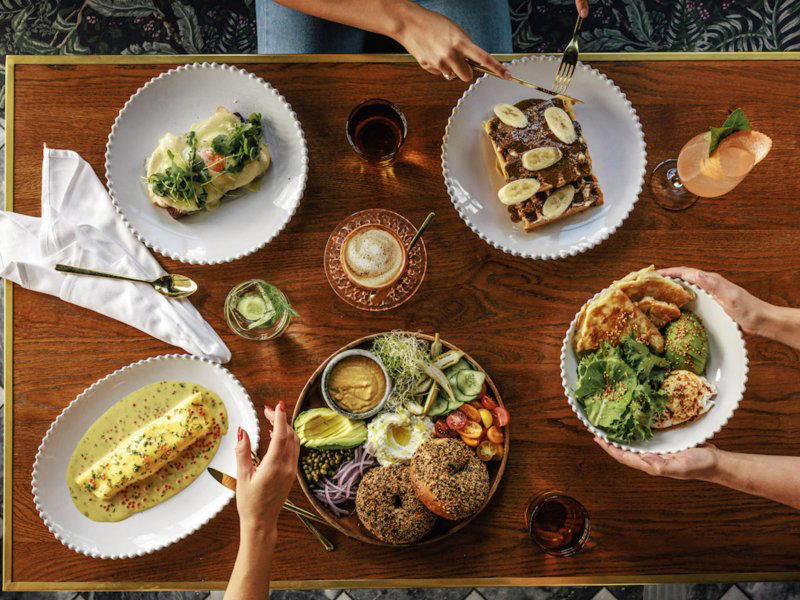
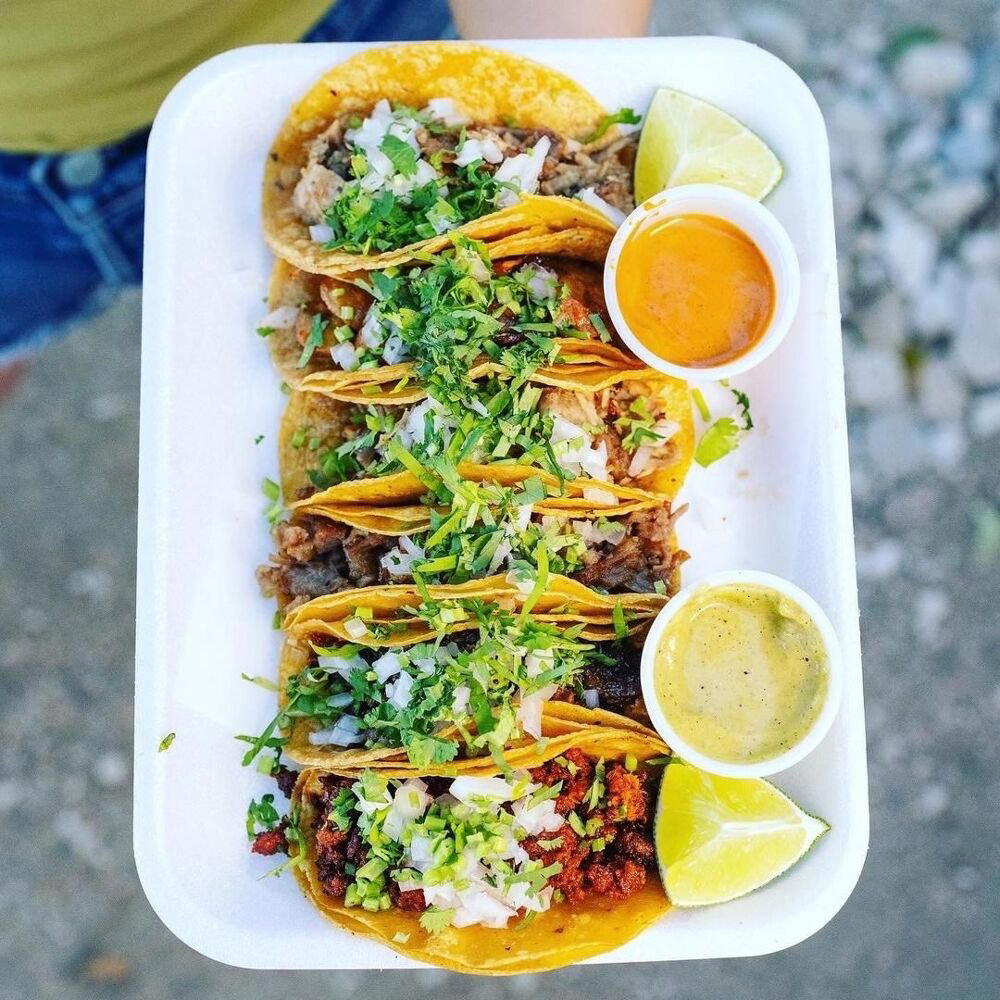
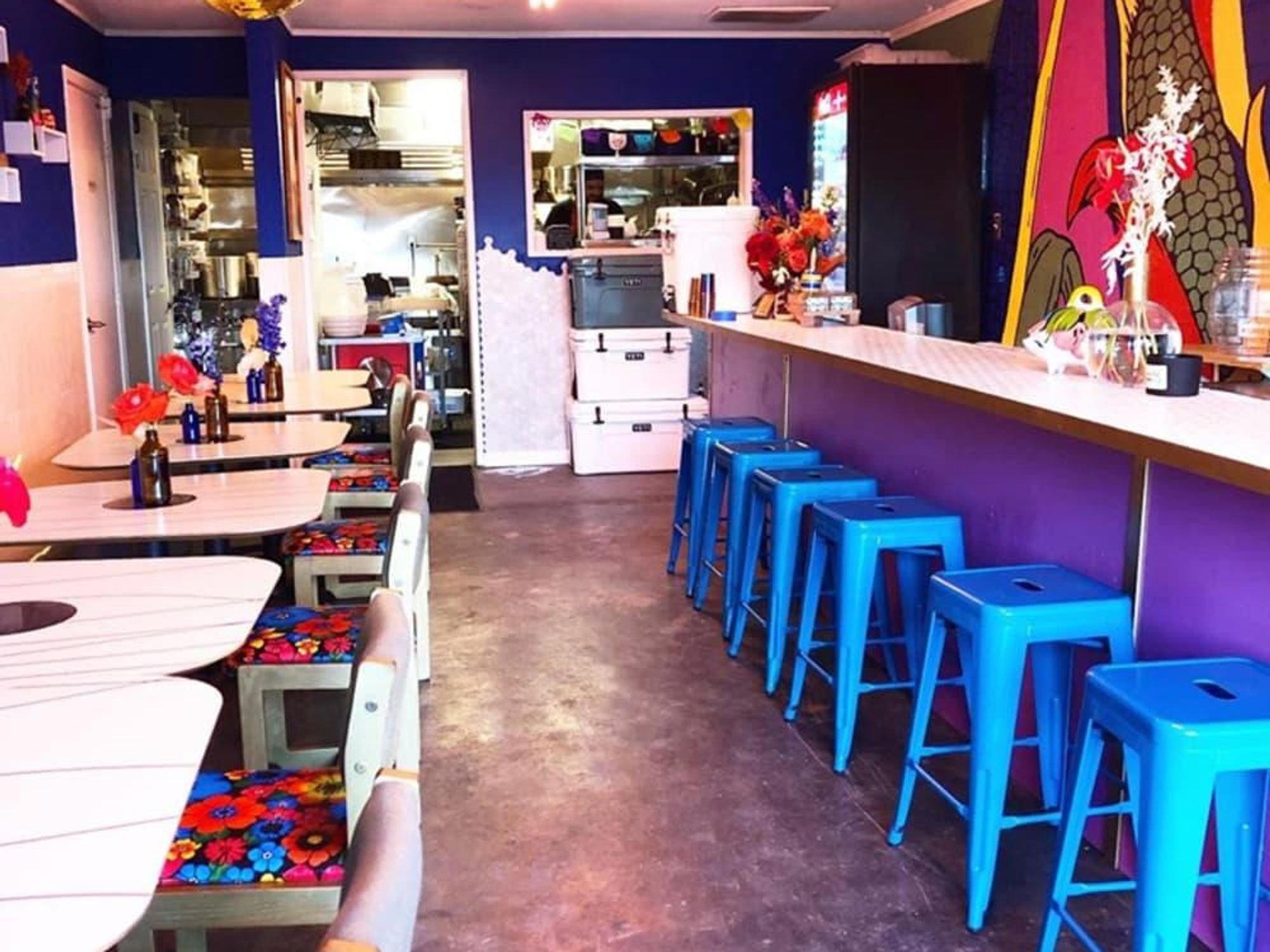
Bars in Austin
All bars in Austin →


Details
- Intimate
- Cozy
- Elegant
- Sophisticated
- Modern
- Minimalist
- Date Night
- Special Occasion
- Celebration
- Open Kitchen
- Extensive Wine List
- Local Sourcing
- Tasting Menu
- Vegan Options
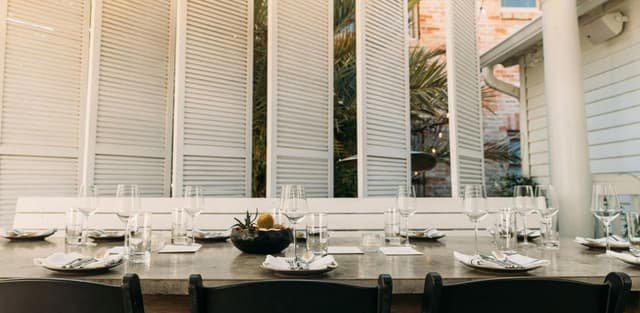
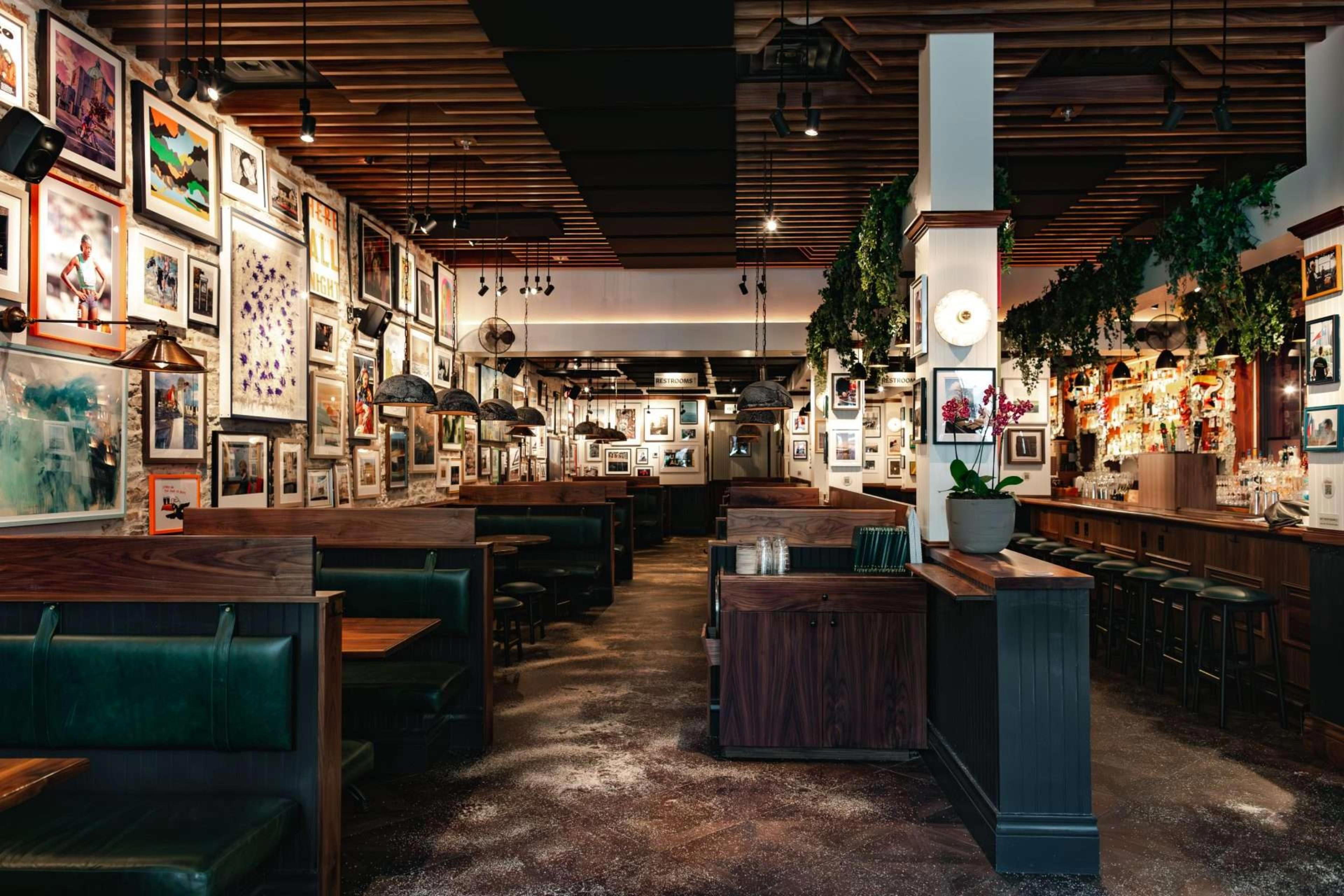
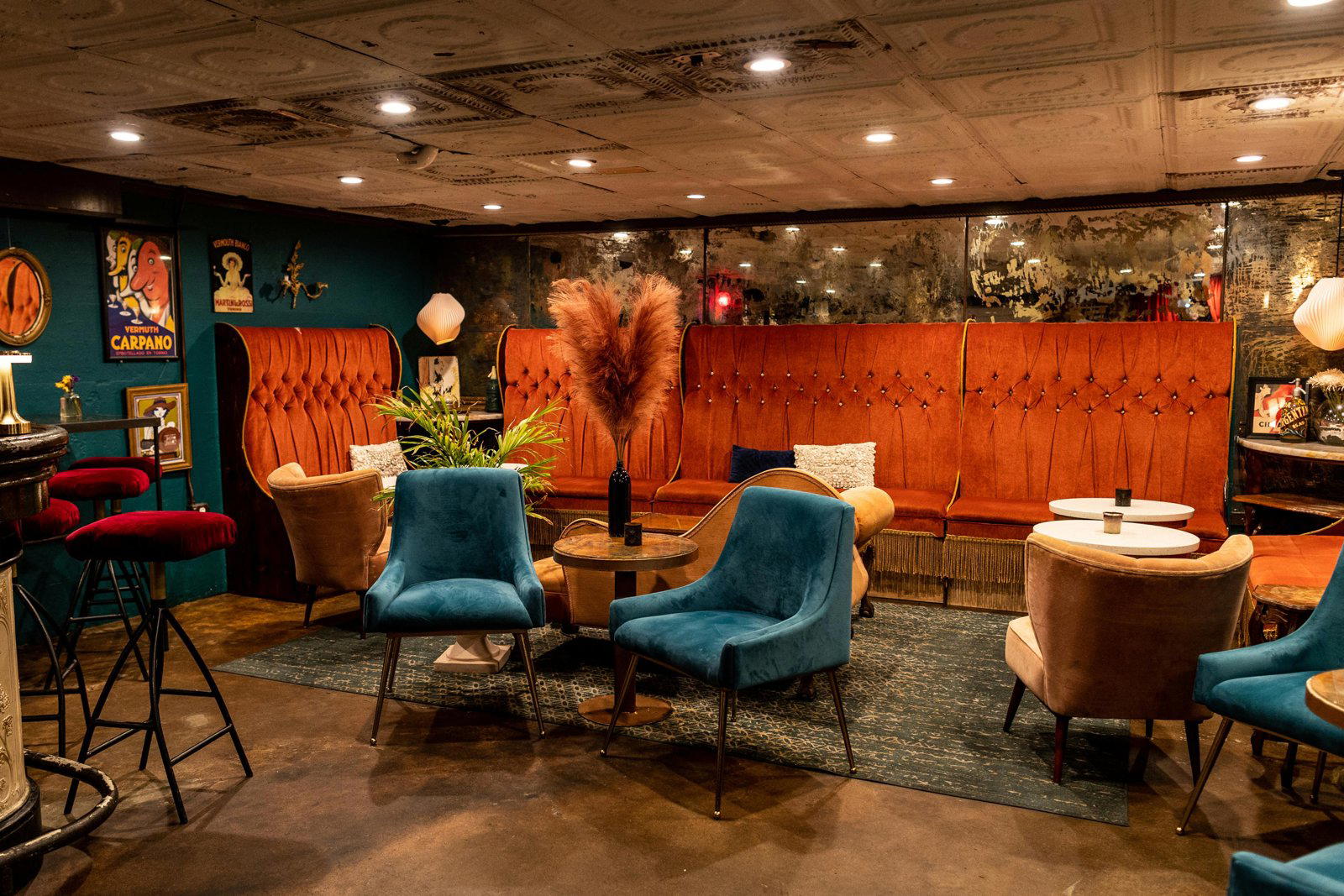
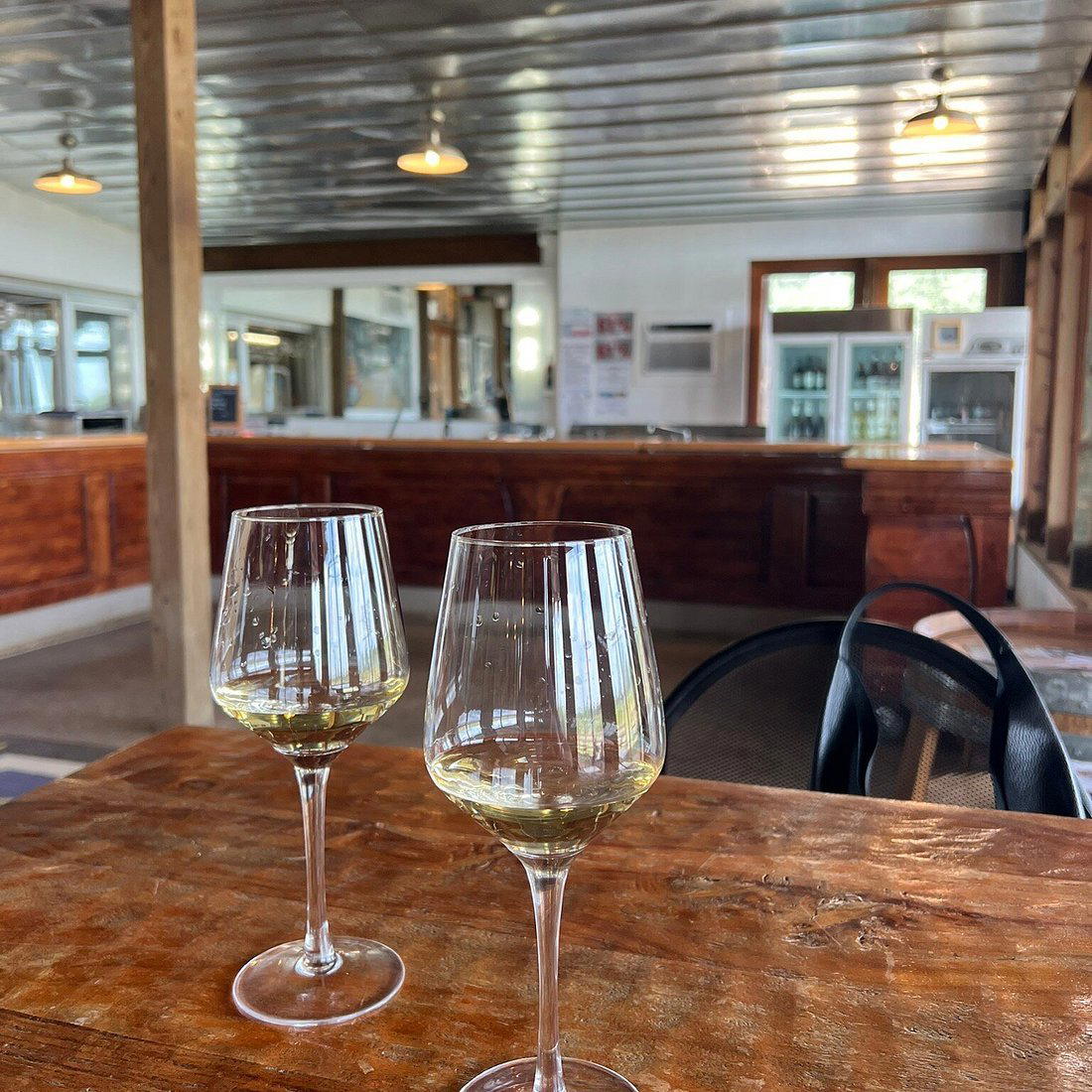
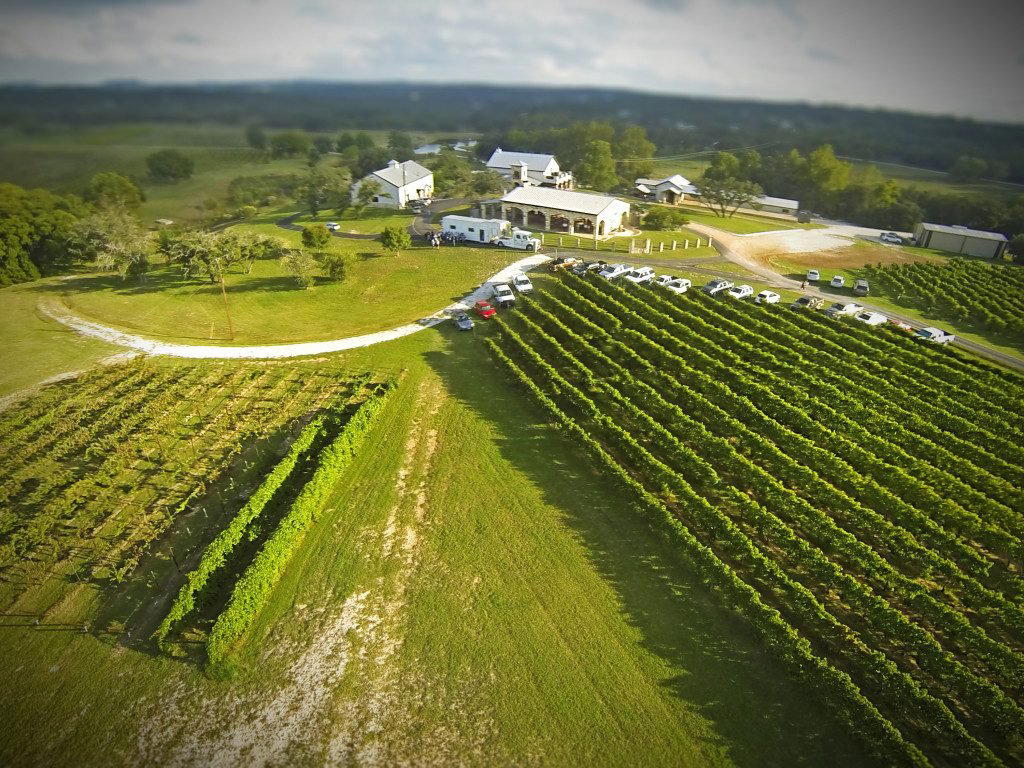
Serene, chic, and romantic with soft lighting, calm background music, and airy minimalist design creating a cozy, sophisticated atmosphere.