Nomade
On South First Street in Austin's 78704 zip code, Nomade occupies a corner of the city where global technique increasingly meets Texas terroir. The address places it among a cluster of South Austin independents that have reshaped the neighbourhood's dining character over the past decade. For those mapping the city's more considered end of the spectrum, it belongs in the same conversation as Odd Duck and Barley Swine.
Pearl is the En Primeur Club membership app — saves, bookings, and concierge access live there. Same editors, same standards.
- Address
- 1506 S 1st St, Austin, TX 78704
- Phone
- +15125205440
- Website
- nomadecocina.com
- Directions
- Get directions
 Saves & bookings on Pearl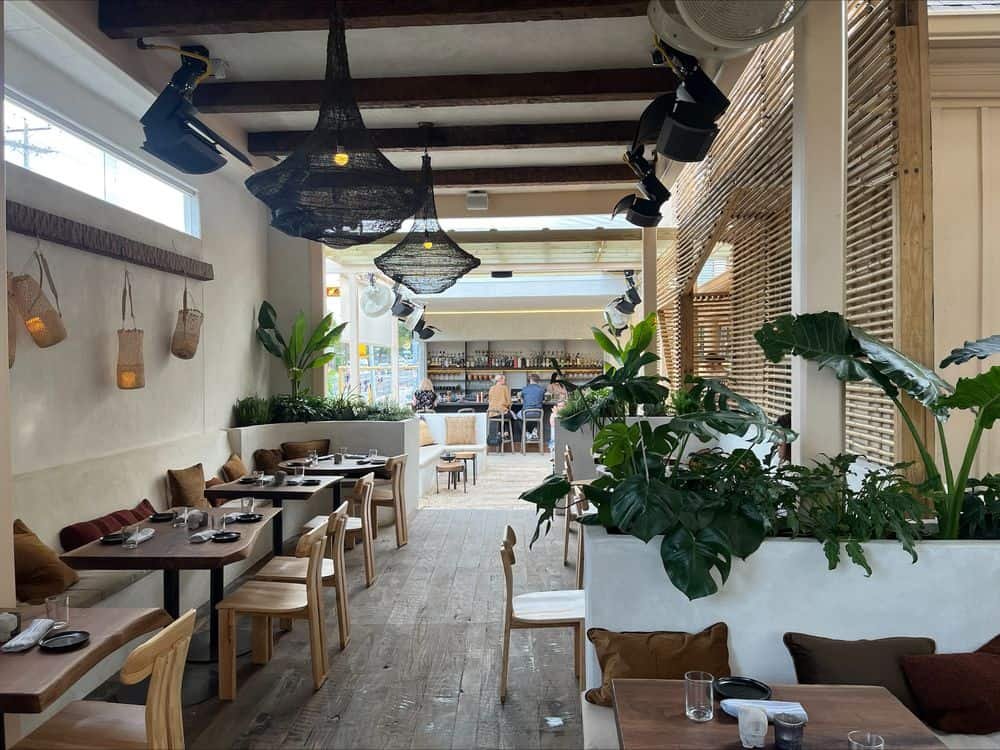
South First and the Case for Local Ingredients with Imported Methods
South Congress gets the tourist traffic, but the stretch of South First Street running through Austin's 78704 zip code has quietly become the more interesting address for independent restaurants. The neighbourhood draws a crowd that is largely Austin-born or Austin-adopted, people who grew up eating brisket and breakfast tacos and who now also want fermentation programs, seasonal menus, and technique borrowed from kitchens far outside Texas. Nomade is a restaurant at 1506 S 1st St in Austin, serving Coastal Yucatán Mexican cooking, and it sits inside that dynamic. The name itself signals something: nomadic thinking, the movement of ideas across borders, the application of elsewhere to here.
That intersection, imported culinary method applied to indigenous products, has become one of the more productive tensions in American regional cooking. You see it at Barley Swine, where New American technique gets applied to Hill Country sourcing. You see it at Hestia, where live-fire cooking draws on Argentine and Basque traditions while the proteins are Texan. The question at any restaurant working this territory is whether the technique serves the ingredient or overwhelms it.
Where Nomade Sits in Austin's Independent Dining Circuit
Austin's independent restaurant scene has stratified considerably over the last five years. At the entry level, you still have the la Barbecue tier, counter service, cash-friendly, product-driven in direct sense. At the upper end, you have the tasting-menu format with dedicated beverage programs and reservation windows measured in weeks. The middle ground, which South First largely represents, is where cooking ambition and neighbourhood accessibility tend to coexist most usefully. Nomade sits in this mid-to-upper independent bracket, alongside operations like Hestia and Odd Duck, that treat sourcing and technique as co-equal priorities.
For context, this positions Nomade outside the barbecue category that dominates Austin's national reputation, places like InterStellar BBQ operate in an entirely different tradition, one defined by smoke, time, and a specific regional lineage. Nomade's frame of reference is more cosmopolitan: the name and address together suggest a kitchen that looks outward even while drawing from local supply chains.
The Broader Conversation: Global Technique in American Regional Cooking
The local-ingredients, global-technique model has been argued across American fine dining for at least two decades. Restaurants like Blue Hill at Stone Barns in Tarrytown made terroir the entire editorial proposition. Single Thread Farm in Healdsburg built an entire property around that alignment of sourcing and kaiseki-inflected technique. At the other end of the technique spectrum, Alinea in Chicago and Lazy Bear in San Francisco use highly codified methods where the local product functions as input to a system rather than the system's organizing principle.
What South Austin independents tend to do is something less programmatic than either extreme: the sourcing is genuine and local, the technique is borrowed from wherever it is most useful, and the result is cooking that reads as confident and contemporary without requiring the diner to have a framework for it. This is a different proposition from the formal tasting-menu world of The French Laundry or Le Bernardin in New York City, and deliberately so. The audience on South First is not primarily looking for ceremony. It is looking for cooking that takes the product seriously.
Internationally, the conversation around this kind of cooking has also deepened. The degree to which a kitchen like 8 1/2 Otto e Mezzo Bombana in Hong Kong applies Italian classical technique to local and regional supply chains shows how portable this approach has become. The local-global synthesis is less a trend now than a mature category with its own internal standards.
Austin as Context for This Kind of Cooking
Austin's food culture has always had more range than its national reputation for barbecue suggests. The city's demographic growth over the past decade, driven by tech migration from the coasts, has expanded the appetite for cooking that draws from global traditions. Restaurants like Kemuri Tatsu-ya have built an audience for Japanese-Texan crossover in the izakaya format. Craft Omakase has demonstrated that Austin supports serious Japanese counter formats. The city's dining scene now competes with secondary markets like Nashville and Denver, and in some categories with larger markets. Destination-quality cooking in the local-global mode is not notable in Austin anymore, it is an expectation for the better independent restaurants.
South First, specifically, benefits from being a walkable strip with a neighbourhood character that resists the convention-centre tourism of Sixth Street. Diners who find their way to this address are generally already engaged with what the city's independent scene has produced, they are more likely to have read the menu before arriving and to have a view about sourcing. This is a more demanding audience in productive ways, and restaurants on South First tend to respond to that accordingly.
South First and South Congress together cover most of the independent mid-to-upper range, and Nomade's address puts it in reach of other South Austin destinations in a single evening without significant transit.
Planning a Visit
Nomade's address at 1506 S 1st St places it in a walkable cluster of South Austin restaurants and bars, reachable by rideshare from downtown in under ten minutes. Nomade recommends reservations, and its smart-casual dining room suits an early-evening booking. The neighbourhood's general character skews toward early-evening dining, with most independent kitchens in the area running service from late afternoon into the mid-evening window.
Nomade fits most naturally into an itinerary built around the independent mid-range, sitting alongside peers like Barley Swine and Hestia rather than the barbecue queues or the formal tasting-menu tier. The South Austin independent scene rewards comparative attention more than most American dining neighbourhoods at this scale.
Compact Comparison
Comparable venues nearby, for context on price, style, and recognition.
| Venue | Cuisine | Price | Notes |
|---|---|---|---|
| NomadeThis venue — the venue you are viewing | Bouldin, Coastal Yucatán Mexican | $$$ | Not listed |
| Tomalo | Town Lake, Modern Mexican Grill | $$$ | Not listed |
| Geraldine's | Not listed | $$$ | Town Lake, Modern Mexican with Southern Influences |
| Torchy's Tacos | Dawson, Gourmet Tex-Mex Tacos | $$ | Not listed |
| 44 East Ave #100 | Not listed | $$$ | Town Lake, Modern Mexican Grill with Coastal Latin Flair |
| El Chile Cafe Manor | Blackland, Tex-Mex and Interior Mexican | $$ | Not listed |
Continue exploring
More in Austin
Restaurants in Austin
Browse all →
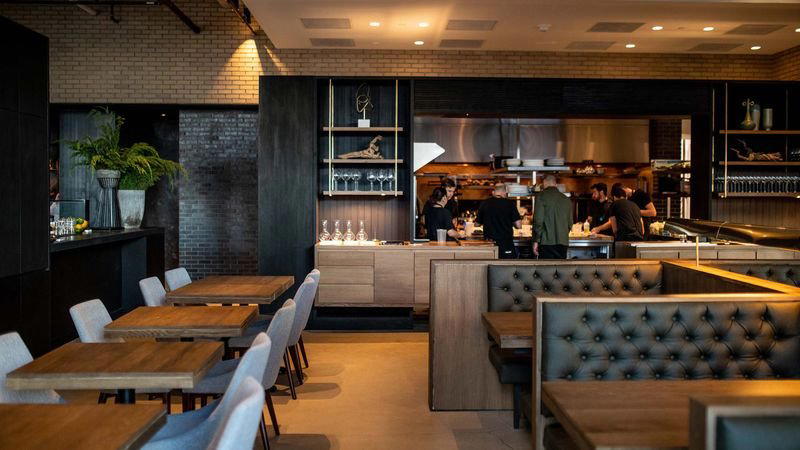
Bars in Austin
Browse all →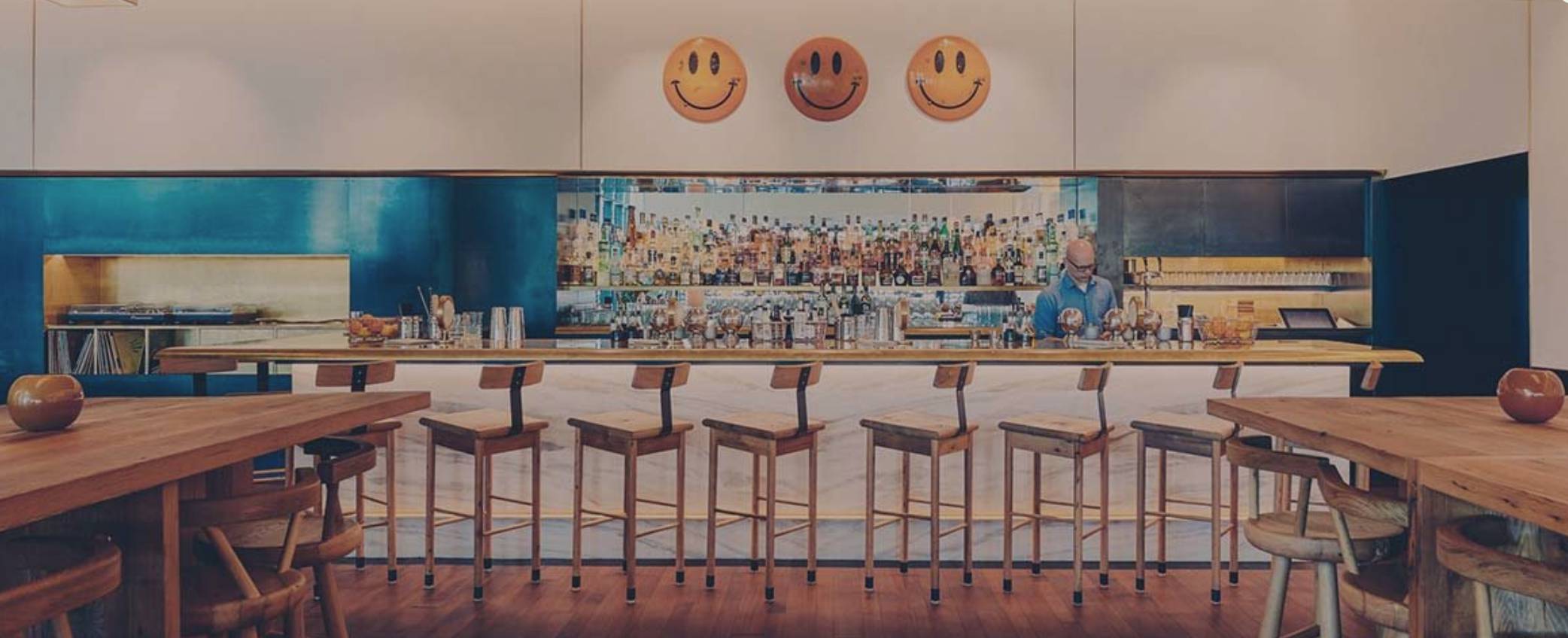
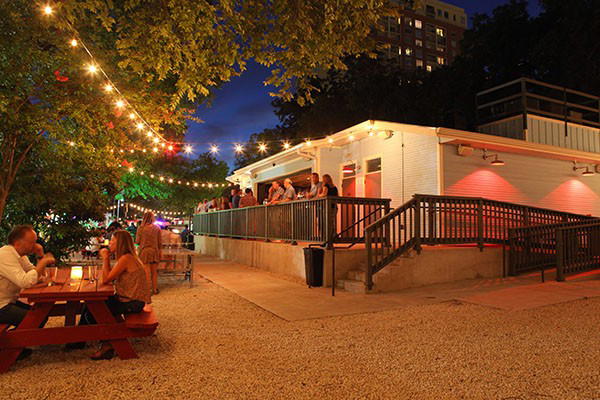
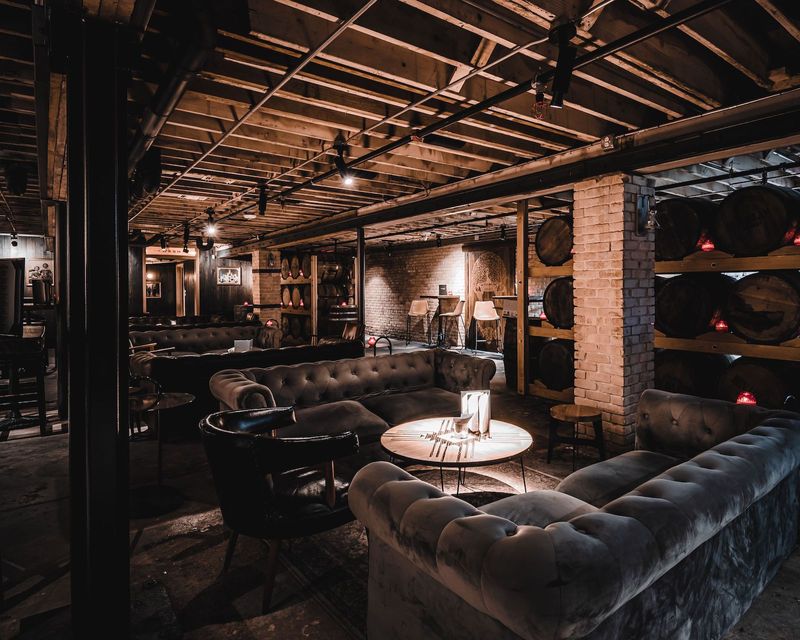
Hotels in Austin
Browse all →
At a Glance
- Trendy
- Modern
- Scenic
- Cozy
- Date Night
- Special Occasion
- Brunch
- Open Kitchen
- Craft Cocktails
Current opening hours
- Monday
- 4:30–9 PM
- Tuesday
- Closed
- Wednesday
- 4:30–9 PM
- Thursday
- 4:30–9 PM
- Friday
- 11 AM–2:30 PM, 4:30–9:30 PM
- Saturday
- 10:30 AM–2:30 PM, 4:30–9:30 PM
- Sunday
- 10:30 AM–2:30 PM, 4:30–9:30 PM
Hours can change for holidays and private events. Last verified .
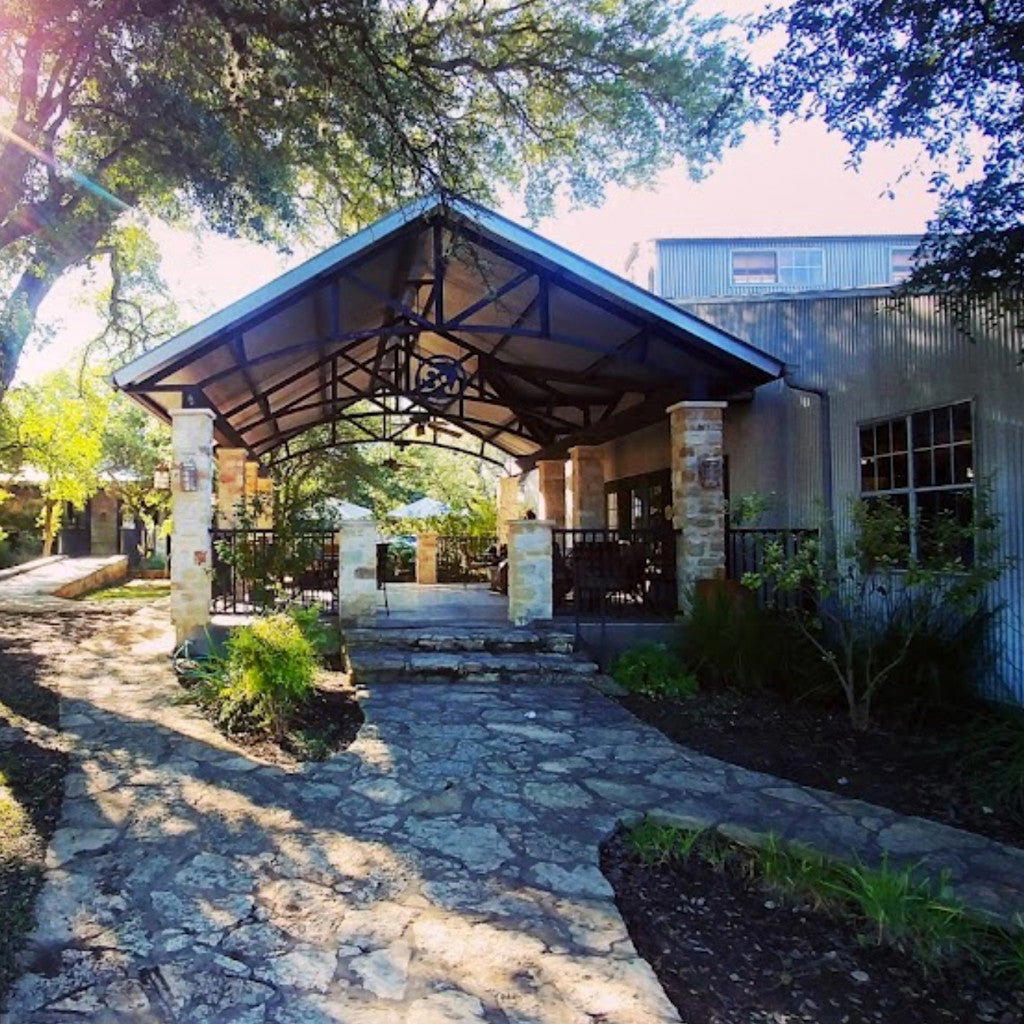
Lush jungle-inspired atmosphere with subtle copal scents, open-fire grills, and lively tropical escapism.