Fabia
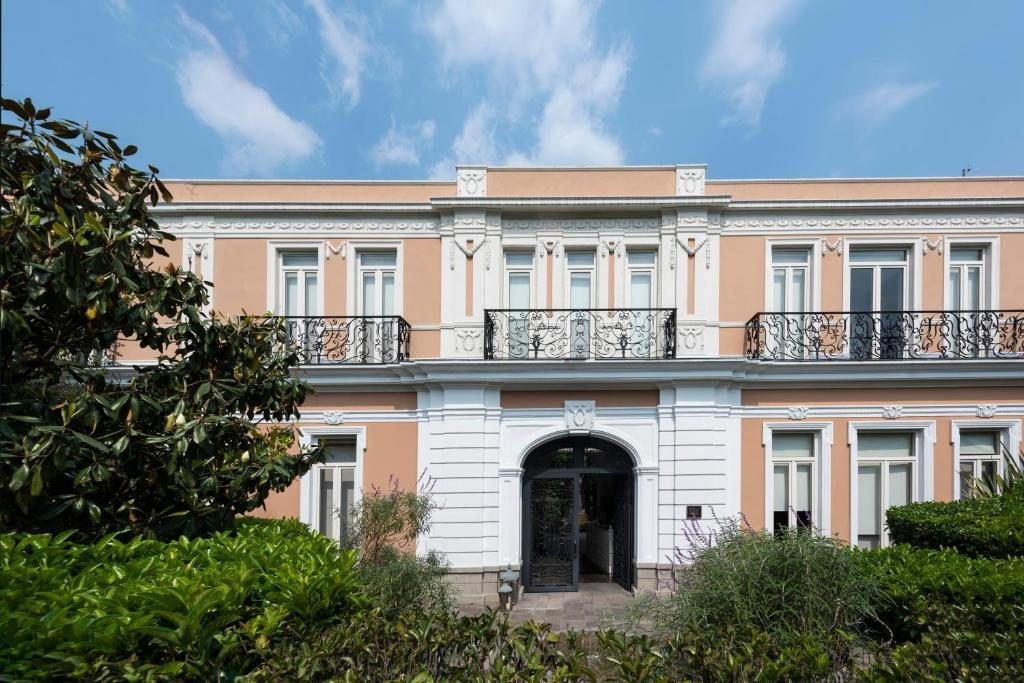
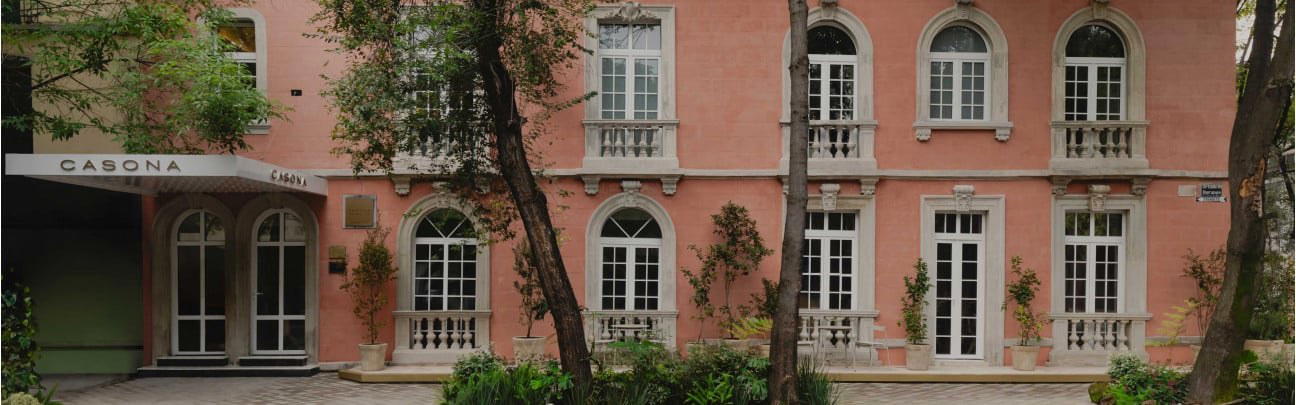
Fabia occupies a colonial address on Calle de la Amargura in San Ángel, one of Mexico City's most architecturally coherent southern neighborhoods. The restaurant sits within a dining scene defined by serious engagement with Mexican ingredient traditions, placing it alongside a broader wave of CDMX kitchens that treat sourcing as the primary editorial statement. Visitors making their way through the city's southern corridor will find San Ángel's cobblestone streets set a particular tone before the meal begins.
Pearl is the En Primeur Club membership app — saves, bookings, and concierge access live there. Same editors, same standards.
- Address
- C. de la Amargura 17, San Ángel TNT, San Ángel, Álvaro Obregón, 01000 Ciudad de México, CDMX, Mexico
- Phone
- +525522567945
- Website
- opentable.com
- Directions
- Get directions
 Saves & bookings on Pearl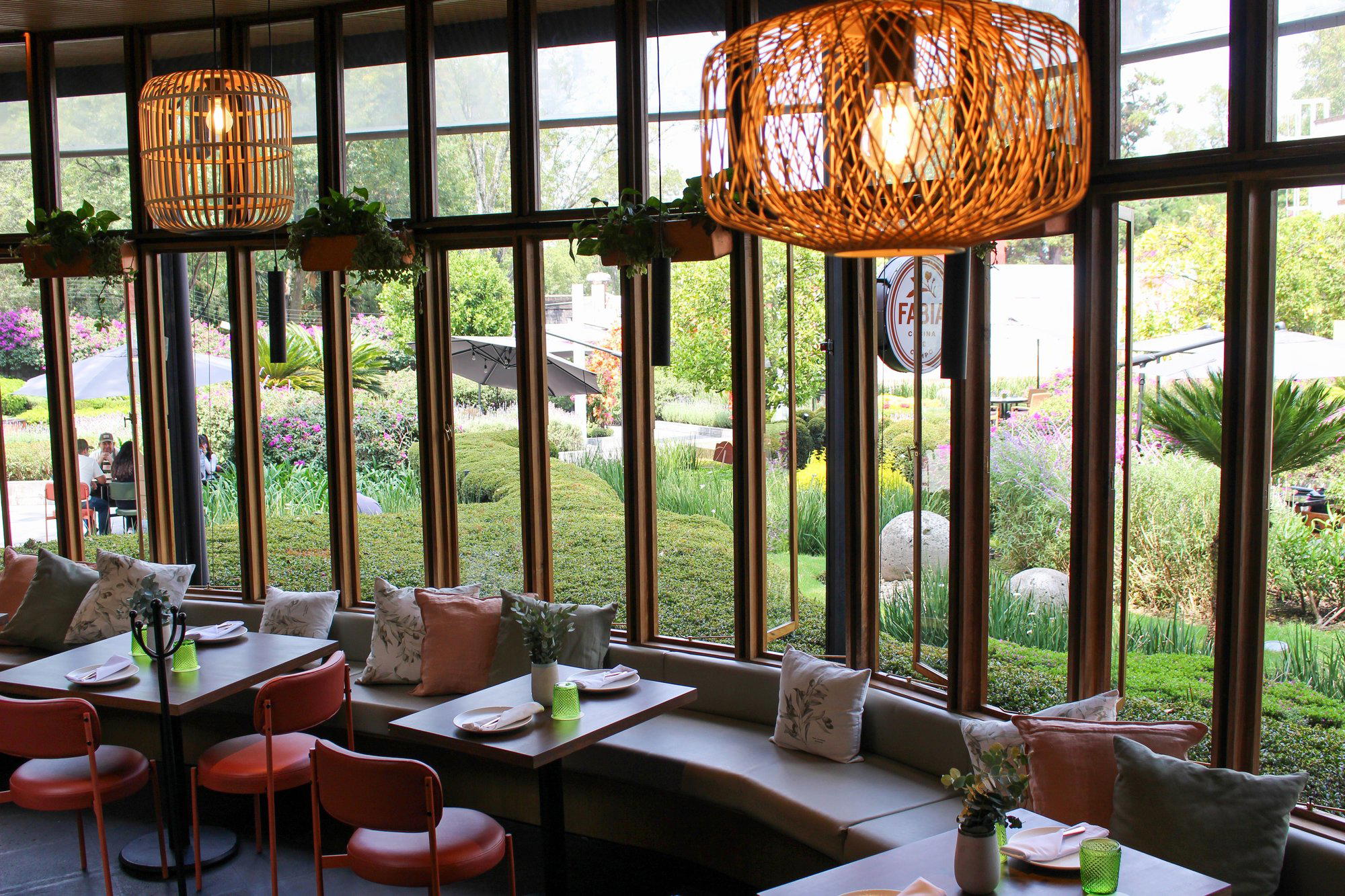
San Ángel and the Sourcing-Forward Turn in Mexico City Dining
Mexico City's serious restaurant conversation has, over the past decade, shifted its center of gravity from technique as spectacle to provenance as argument. The question kitchens now answer first is not how a dish is cooked but where its components originate, who grew or raised them, and what that relationship looks like across seasons. This is not a fringe position: Pujol built a global reputation on the back of it, and Quintonil has made smallholder vegetable supply chains a recurring subject of its menus. What distinguishes the current phase is that this sourcing discipline has moved beyond the flagship tier and into neighborhood restaurants across the city's southern quarters.
San Ángel is a particularly legible example of that diffusion. The neighborhood's preserved colonial architecture, weekend artisan markets, and proximity to older residential Mexico City give it a different register from Polanco or Roma Norte. Restaurants here do not compete on visibility or foot traffic; they depend on deliberate visits from guests who have already committed to crossing the city. That self-selection shapes what the kitchens do: the audience arrives with appetite for context, not just calories, which creates room for menus that require a degree of engagement from the diner.
Fabia, addressed at Calle de la Amargura 17 in the San Ángel TNT section of Álvaro Obregón, operates within this neighborhood logic. The street itself — Amargura, meaning bitterness in Spanish — carries a mild irony as an address for a kitchen that, by all neighborhood evidence, is concerned with the generative side of Mexican flavor: ferment, earth, cultivation, seasonality. Whether that irony is intentional is beside the point; what matters is that San Ángel's physical character sets a frame that restaurants here either work with or against.
What the Ingredient-Forward Approach Means at This Level of the Market
Mexico's most scrutinized sourcing-led restaurants draw from a geography that extends well beyond the capital. Animalón in Valle de Guadalupe operates within a wine-and-produce corridor that makes proximity to source a structural feature of the experience. Levadura de Olla in Oaxaca anchors its program in regional fermentation and heirloom grain traditions with deep geographic roots. Olivea Farm to Table in Ensenada builds its identity around the Baja California agricultural corridor. Each of these venues demonstrates that in Mexico, provenance-led cooking is not a stylistic affectation but a response to genuine biodiversity: the country holds one of the world's most complex inventories of chiles, maize varieties, wild herbs, and cultivated legumes.
For a Mexico City restaurant, translating that biodiversity into a coherent menu requires active supply chain management. The capital is not adjacent to its leading agricultural land; relationships with producers in Puebla, Oaxaca, Veracruz, Michoacán, or the State of Mexico require seasonal planning and distribution networks that add operational complexity. Kitchens that do this well earn a different kind of credibility than those operating from wholesale markets, because the traceability of the ingredient becomes part of what the guest is paying for and engaging with.
At the mid-to-upper tier of Mexico City dining, where Rosetta demonstrates that non-Mexican frameworks (in its case, Italian) can also foreground local ingredient sourcing, and where Em and Sud 777 have built sustained reputations on creative approaches to native ingredients, the bar for what counts as meaningful sourcing has risen. A restaurant in this competitive field needs to say something specific about where its food comes from, not simply gesture toward the general category of Mexican produce.
The Southern Corridor as Dining Destination
San Ángel's position in Mexico City's dining geography is worth understanding as context for any restaurant based here. The neighborhood sits in the southwest of the city, separated from the central dining clusters of Roma and Condesa by significant urban distance. Reaching it from the historic center or from Polanco involves either a sustained Metro journey (Line 3 to Miguel Ángel de Quevedo provides reasonable access to the area) or a taxi or rideshare of 30 to 45 minutes depending on traffic. That travel commitment changes the calculus of a dinner decision: guests are not walking by and deciding impulsively. They are building an evening around the destination.
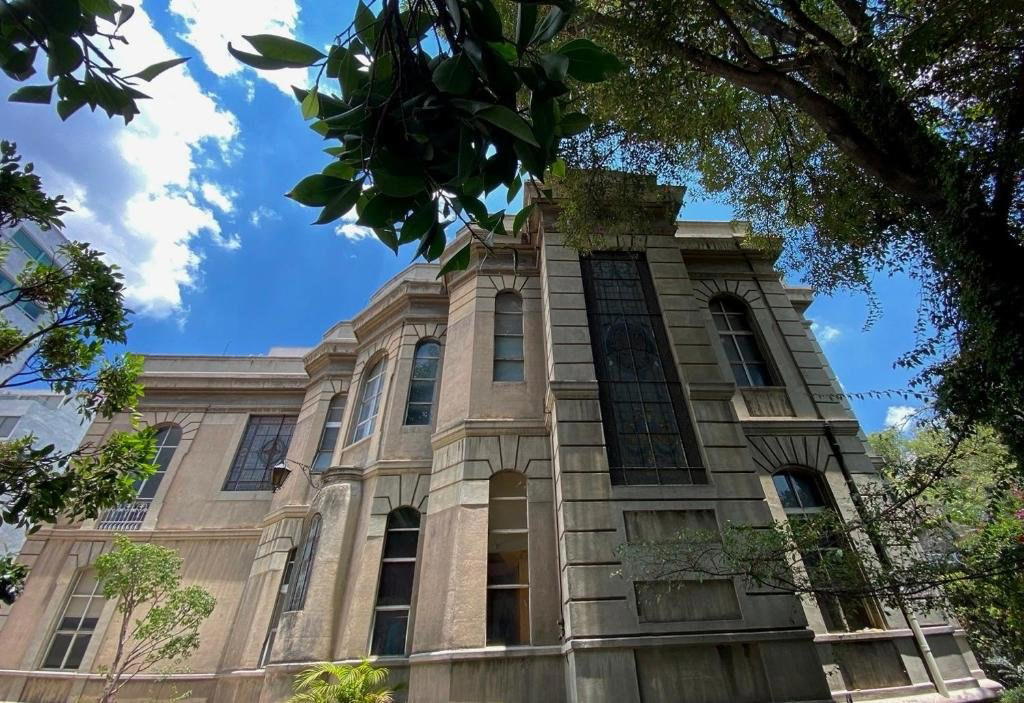
This dynamic is not unique to San Ángel within Mexico's restaurant geography. KOLI Cocina de Origen in Monterrey, Alcalde in Guadalajara, and Pangea in San Pedro Garza García all operate in neighborhoods where the dining audience is purpose-built rather than ambient. The restaurants that sustain themselves in those conditions tend to deliver experiences that reward the effort of arrival. San Ángel's colonial streetscape, which retains much of its original scale and material character, contributes to that reward before a diner even crosses a threshold.
Calle de la Amargura specifically is a narrow street within the older residential fabric of the neighborhood, at a remove from the busier commercial axis around Plaza San Jacinto. The address at number 17 places Fabia within a section of the street defined more by residential and small-scale institutional buildings than by restaurant clusters, which reinforces the sense that finding the venue requires intent. For restaurants elsewhere in Mexico making sourcing-led arguments, compare the approach at HA' in Playa del Carmen, Le Chique in Puerto Morelos, Arca in Tulum, or Lunario in El Porvenir, each of which has developed a distinct regional voice within the same broad national conversation about ingredient identity.
Planning Your Visit
Confirmed operational details for Fabia are limited at the time of writing. Address: C. de la Amargura 17, San Ángel TNT, San Ángel, Álvaro Obregón, 01000 Ciudad de México, CDMX. Getting there: Metro Line 3 to Miguel Ángel de Quevedo is the most direct public transit approach; rideshare from central CDMX neighborhoods typically runs 30 to 45 minutes. Reservations: Contact information is not currently listed publicly, visiting the restaurant directly or seeking the venue through local booking channels is advisable. Context: For the broader Mexico City dining picture, including peer restaurants across price tiers, see our full Mexico City restaurants guide. For international reference points on what ingredient-forward fine dining looks like at the highest tier, Le Bernardin in New York City and Lazy Bear in San Francisco represent the kind of sourcing discipline and menu coherence that sets a useful comparative frame.
Continue exploring
More in Mexico City
Restaurants in Mexico City
Browse all →
Bars in Mexico City
Browse all →



At a Glance
- Cozy
- Elegant
- Rustic
- Scenic
- Date Night
- Family
- Casual Hangout
- Garden
- Open Kitchen
- Craft Cocktails
- Farm To Table
- Local Sourcing
- Garden
Current opening hours
- Monday
- 8 AM–10 PM
- Tuesday
- 8 AM–10 PM
- Wednesday
- 8 AM–10 PM
- Thursday
- 8 AM–11 PM
- Friday
- 8 AM–11 PM
- Saturday
- 8 AM–11 PM
- Sunday
- 8 AM–6 PM
Hours can change for holidays and private events. Last verified .
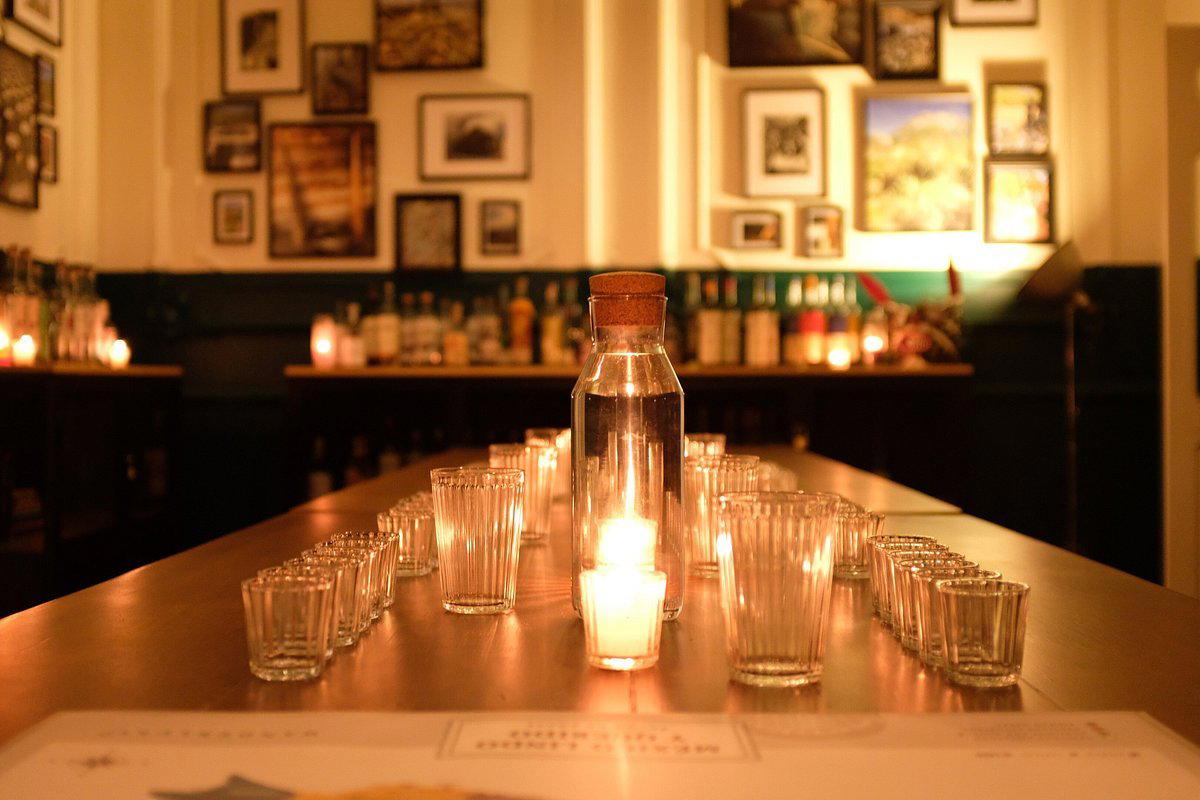
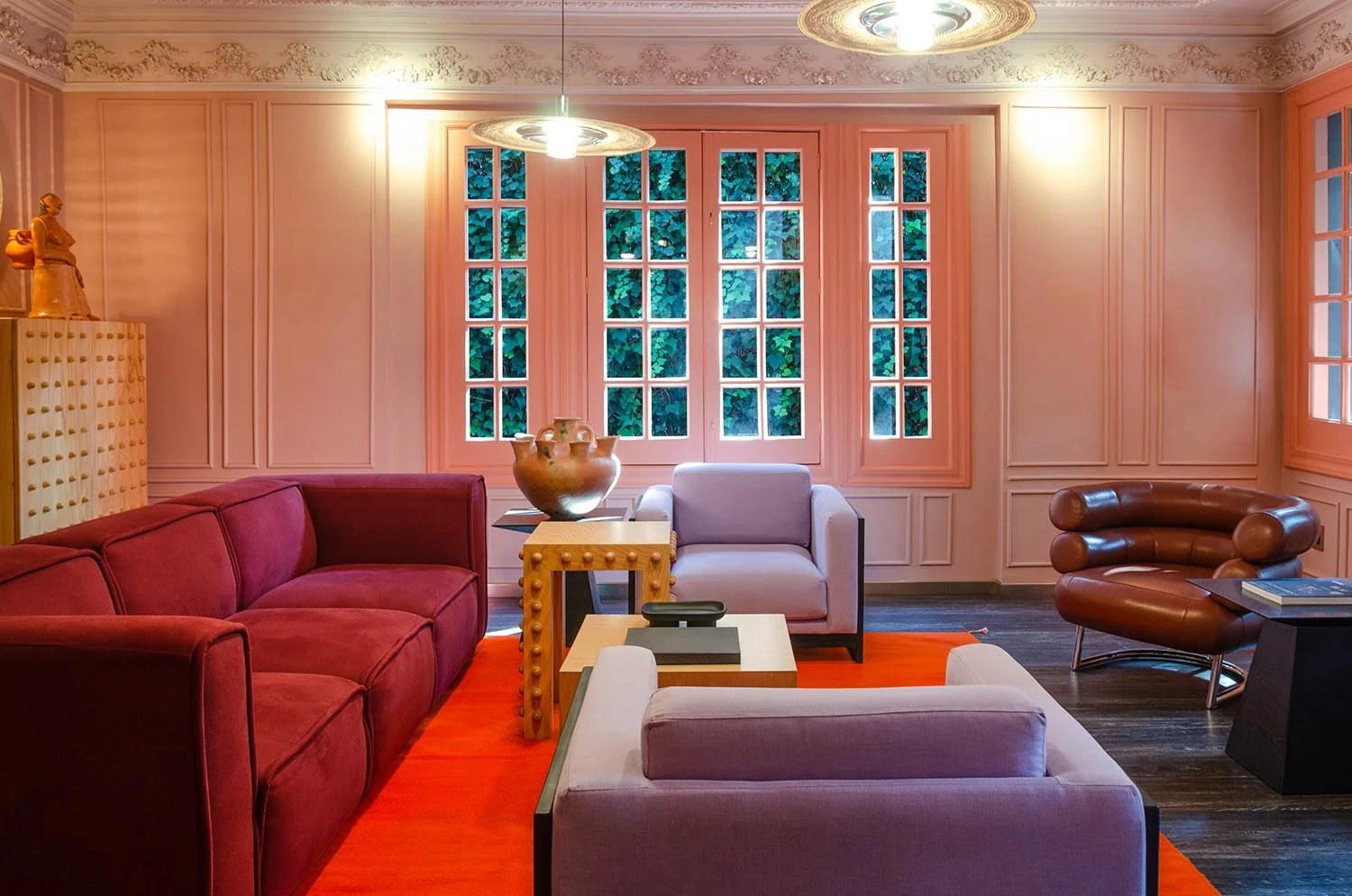
Cozy with earthy tones, garden views, soft music, well-lit, and a relaxed yet stylish countryside-inspired atmosphere.
Know Before You Go
- Getting there
- C. de la Amargura 17, San Ángel TNT, San Ángel, Álvaro Obregón, 01000 Ciudad de México, CDMX, Mexico