
A Michelin Plate-recognised Cantonese restaurant on Xibei Street in Suzhou's Ping Jiang district, excellent Bocuse brings southern Chinese roasting tradition into a city defined by Jiangsu cuisine. Priced at ¥¥¥, it sits in the same tier as the city's recognised Jiangsu specialists, offering a clear alternative for those seeking Cantonese technique. Rated 4.4 on Google from early reviews.
Pearl is the En Primeur Club membership app — saves, bookings, and concierge access live there. Same editors, same standards.
- Address
- 11 Xibei St, Ping Jiang Qu, Suzhou, Jiangsu, China, 215005
- Phone
- +86 512 6698 1777
- Directions
- Get directions
 Saves & bookings on Pearl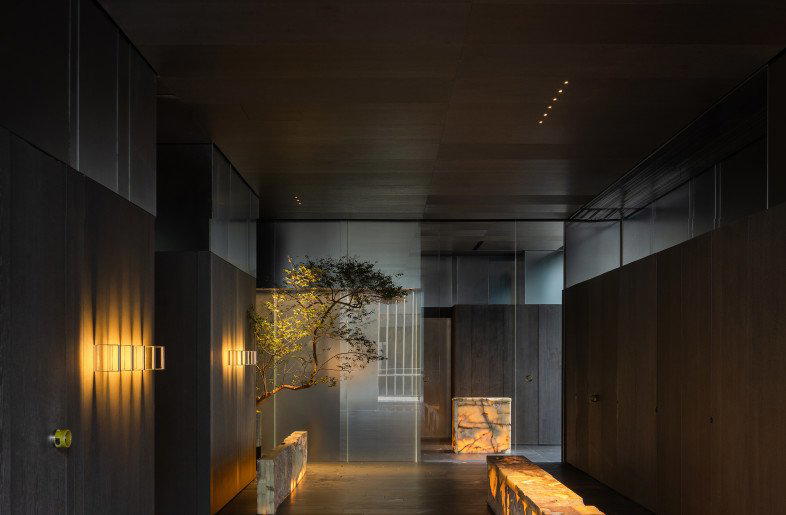
Cantonese Craft in a Jiangsu City
Suzhou's dining reputation has long been anchored to Jiangsu cuisine: the slow braises, the sweet-leaning sauces, the disciplined knife work that defines Su Bang cooking at places like Pingjiangsong and Dingshan·Jiangyan (Xiangcheng). Against that backdrop, a dedicated Cantonese kitchen operating at the ¥¥¥ tier is a deliberate departure. excellent Bocuse, on Xibei Street in the Ping Jiang district, sits in the ¥¥¥ tier and has. The Michelin Plate signals consistent quality of cooking rather than a starred ranking, a distinction worth keeping in mind when comparing it to the starred Jiangsu houses nearby.
The Roasting Tradition Cantonese Kitchens Carry
Cantonese cuisine's claim on the Chinese roasting canon is well-documented. The siu mei tradition, which covers char siu, roast goose, crispy-skinned pork, and whole poultry preparations, developed in Guangdong's commercial kitchens and spread outward through the diaspora and through the expansion of Cantonese restaurants into mainland cities over the past three decades. The technique demands a specific relationship between heat, time, and lacquering: char siu achieves its characteristic glaze through repeated basting with a maltose-honey mixture during high-heat roasting, while roast goose relies on air-drying the skin before the bird enters the oven, a step that determines whether the exterior cracks properly or stays soft. These are not shortcuts that translate well to improvisation.
What makes Cantonese roasting distinct from, say, the Peking duck tradition in the north is the range. A Peking duck house tends to specialise around a single preparation and its accompanying service ritual. A Cantonese siu mei counter typically handles multiple proteins simultaneously, each requiring different marinades, temperatures, and resting times. The discipline required to execute that range consistently is part of what separates a recognised Cantonese kitchen from a competent one. For diners more familiar with northern roasting styles, venues like Xin Rong Ji (Xinyuan South Road) in Beijing and Xin Rong Ji in Chengdu provide a useful point of comparison for how Cantonese technique travels across Chinese culinary contexts.
Cantonese at ¥¥¥ in Suzhou: The Competitive Context
At the ¥¥¥ price point, excellent Bocuse occupies the same spending tier as Dingshan·Jiangyan (Xiangcheng) and Ban Lan (Huqiu), the latter a Fujian-focused kitchen that similarly represents a southern Chinese cuisine tradition operating within a Jiangsu-dominant city. The comparison matters because it frames the decision a diner faces: three restaurants at the same spend level, each representing a distinct regional tradition. Bai Sheng Ren Jia (Wuzhong) and Chai Court sit at lower price brackets, offering Jiangsu-adjacent cooking at a different investment level.
For Cantonese specifically, the reference set extends well beyond Suzhou. The category is anchored at its highest tier by houses like Forum in Hong Kong and Jade Dragon in Macau, both operating in cities where Cantonese cuisine has its deepest institutional roots. On the mainland, Imperial Treasure Fine Chinese Cuisine in Guangzhou and Chef Tam's Seasons in Macau represent what the cuisine looks like at the formally recognised end of the spectrum. Within that broader context, a Michelin Plate in a non-Cantonese city represents a real credential: it means the inspectors found the cooking worth noting in a market where the cuisine competes against strong local alternatives.
Ping Jiang and the Xibei Street Address
The Ping Jiang district is Suzhou's most historically layered neighbourhood, built around the canal grid that has defined the city's urban structure for centuries. Xibei Street sits within that network, making the restaurant accessible from the district's main pedestrian and canal-side routes. The area draws a mix of residents and visitors, partly because it remains one of the few parts of Suzhou where the relationship between old architecture and active street life has not been entirely replaced by preservation-for-tourism staging. Dining in Ping Jiang tends to feel embedded in the city rather than positioned for visitors, which shapes the atmosphere at restaurants across price tiers in the area.
For those building a broader Suzhou itinerary,
Cantonese Outside Its Home Region
The broader pattern of Cantonese restaurants operating in non-Cantonese Chinese cities is worth understanding as context. Cantonese cooking has historically moved with economic migration: it established itself in Shanghai and Beijing during the twentieth century, and the past two decades have seen a second wave of formalised Cantonese kitchens in cities like Chengdu, Hangzhou, and Suzhou. The cuisine tends to arrive via two routes: high-end hotel restaurants that import Cantonese chefs as a prestige signal, and independent kitchens where the operators have Guangdong or Hong Kong backgrounds. In both cases, the challenge is maintaining access to ingredients that don't travel well, including specific varieties of fresh seafood and the precise cuts of pork that siu mei preparation requires.
Venues like 102 House in Shanghai and Ru Yuan in Hangzhou show how Cantonese and refined Chinese cooking traditions have established themselves in Yangtze Delta cities adjacent to Suzhou. The regional comparison is useful because it illustrates how Suzhou's dining scene, dominated as it is by Jiangsu cuisine, fits within the broader pattern of southern Chinese culinary traditions moving north and inland.
Planning a Visit
excellent Bocuse is located at 11 Xibei Street, Ping Jiang district, Suzhou, Jiangsu (215005). The ¥¥¥ price tier places it at a mid-to-upper spend level for Suzhou dining, broadly comparable to a meal at the city's recognised Jiangsu specialists. Reservations are recommended. For context on comparable Cantonese experiences elsewhere in the region, Pingjiangsong represents Suzhou's Jiangsu cuisine at the ¥¥¥¥ tier, useful for understanding what the spend difference buys across cuisine styles in the same city.
Cost and Credentials
Comparable venues nearby, for context on price, style, and recognition.
| Venue | Cuisine | Price | Awards | Notes |
|---|---|---|---|---|
| Exquisite BocuseThis venue — the venue you are viewing | Cantonese | $$$$ | Michelin Plate | Not listed |
| Gu Su Qiao (Diyi Tianmen) | Gusu, Modern Jiangnan Noodles | $$$ | Michelin Plate | Not listed |
| Hairy Crab Farm at Yangcheng Lake | Not listed | $$$$ | Not listed | Yangcheng Lake, Yangcheng Lake Hairy Crab |
| Hui Lao Tang | Not listed | $$$$ | Michelin Plate | Luxiang Ancient Village, Traditional Jiangnan Seasonal Cuisine |
| Chai Court | Huqiu, Authentic Cantonese | $$$ | Michelin Plate | Not listed |
| Xiu | Not listed | $$$ | Michelin Plate | Suzhou Industrial Park, Refined Jiangzhe Chinese with Cantonese and Sichuan influences |
Recognition history
Dated appearances from independent guides and award organizations, with the underlying list record or original source where available.
Michelin Plate
Michelin
Michelin Plate
Michelin
At a Glance
- Elegant
- Sophisticated
- Intimate
- Modern
- Special Occasion
- Date Night
- Business Dinner
- Waterfront
- Open Kitchen
- Sommelier Led
- Farm To Table
- Local Sourcing
- Waterfront
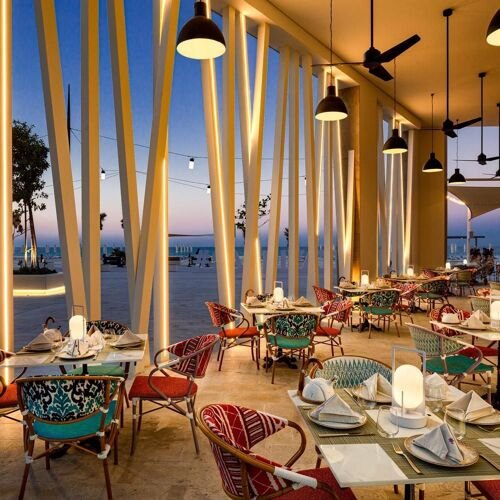
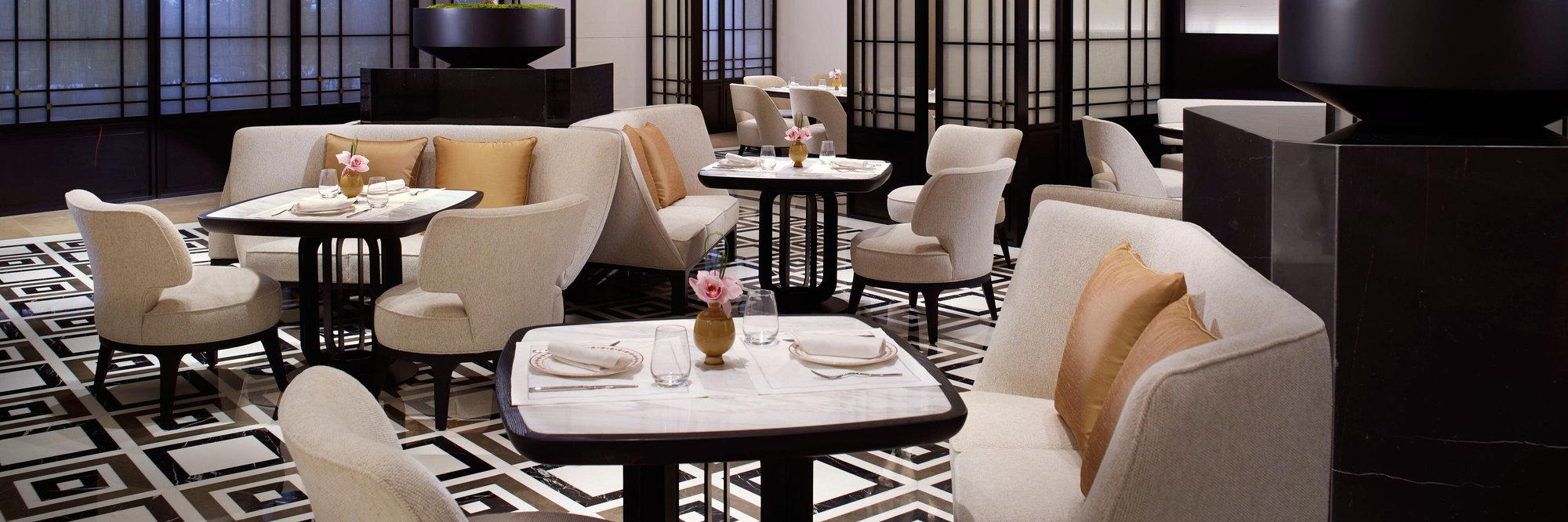
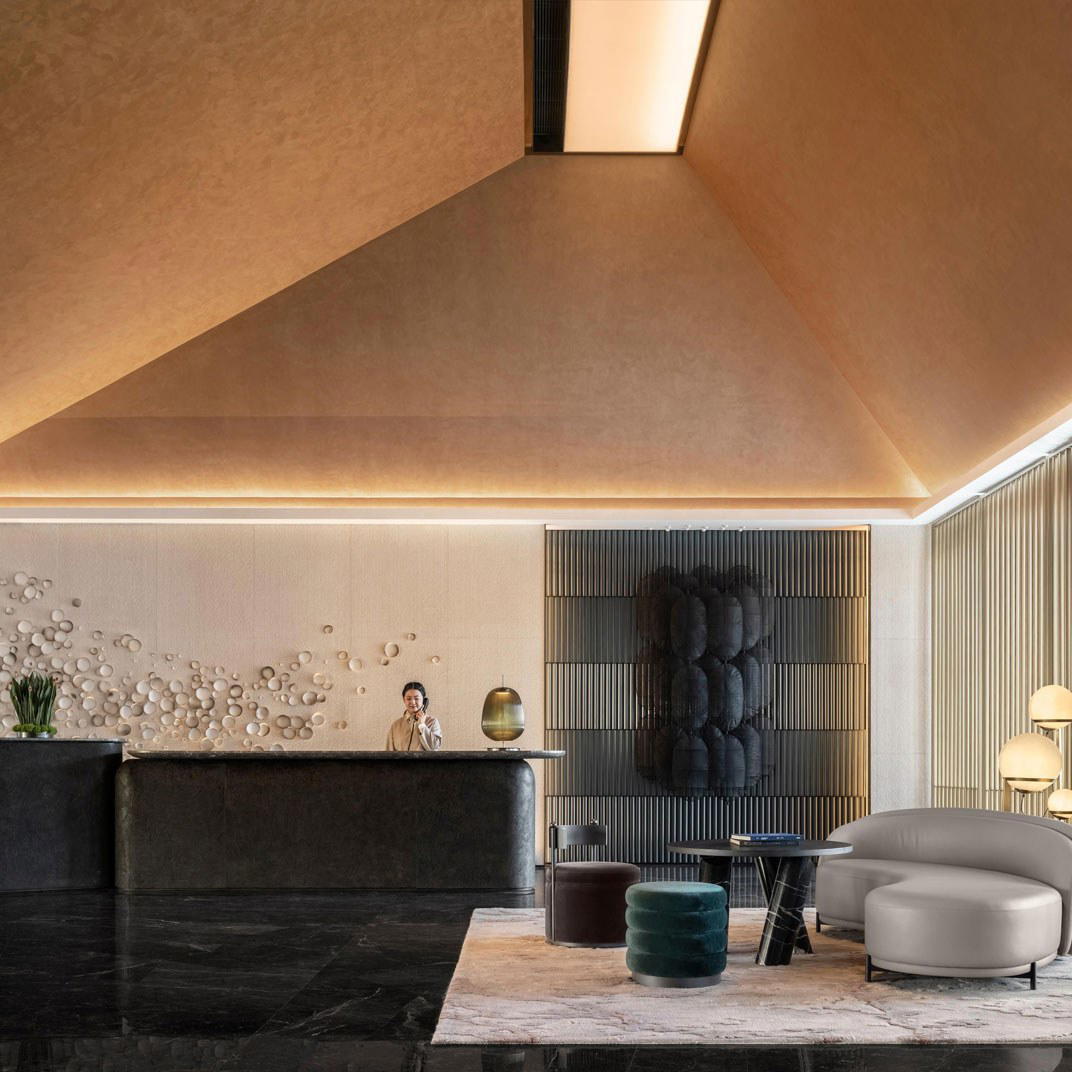
Tranquil expanse of glass framing the lake’s shifting light, with poised serenity enhanced by modern art installation.