Exceed Physical Culture
Our verdict
Exceed Physical Culture occupies a considered position on the Upper East Side at 1477 Third Avenue, operating within a New York fitness and wellness market that has shifted decisively toward intentional, low-volume programming over the past decade. Where large commercial gyms compete on square footage and equipment count, smaller specialist formats compete on methodology, coaching depth, and community specificity. Exceed sits in that specialist tier.
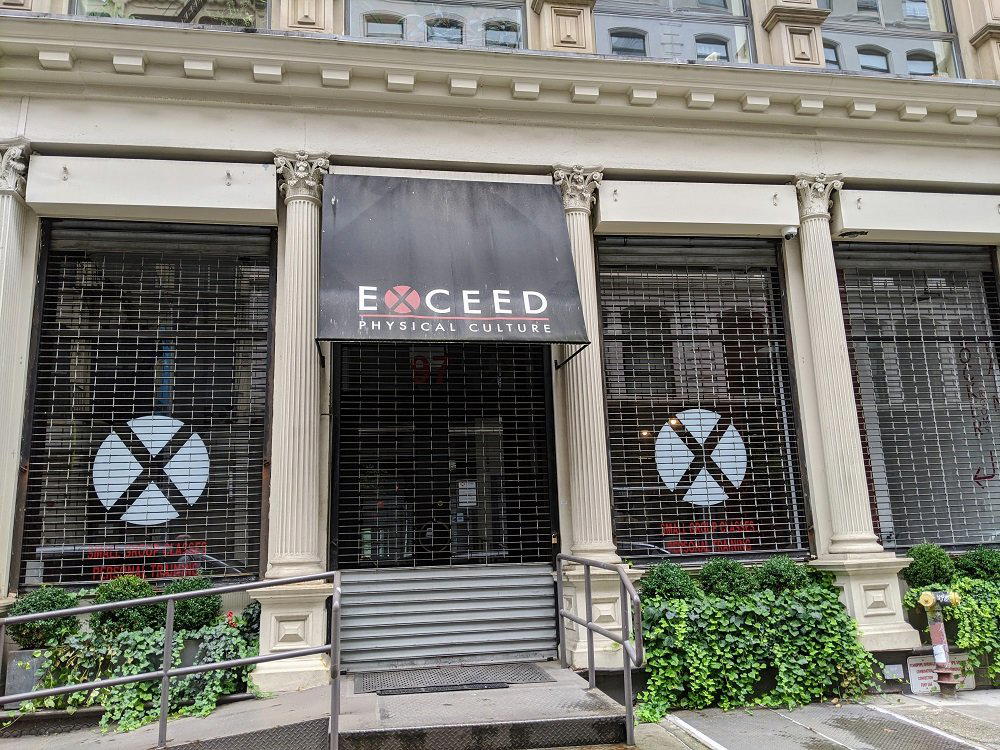
The Upper East Side's Shift Toward Specialist Wellness
Third Avenue in the upper eighties and nineties has always operated differently from the rest of Manhattan's fitness corridor. The avenue runs through a residential stretch of the Upper East Side where the clientele tends to be consistent, local, and attentive to quality over novelty. In that environment, large-format gym chains have historically struggled to hold retention, while smaller, more methodologically focused operations have built durable communities. Exceed Physical Culture, at 1477 Third Avenue, sits inside that pattern.
The broader shift is worth understanding before zooming in. New York's fitness market bifurcated sharply after 2015, with boutique studios commanding premium pricing and large-footprint gyms competing on access and volume. That split created a middle tier of specialist operators who are neither boutique fitness theater nor big-box facility, and who compete primarily on programming depth and coaching continuity. Exceed belongs to that cohort, and its positioning on the Upper East Side places it in a neighbourhood where that format finds its most receptive audience.
Wellness as a Sustainability Practice
The conversation around sustainability in premium wellness has moved well beyond recycled water bottles and energy-efficient lighting. The more substantive argument, increasingly made by specialist operators across New York and other dense urban markets, is that sustainable fitness is about reducing the churn inherent in high-volume, low-engagement models. A member who trains consistently with qualified instruction for three years generates less waste, in the broadest sense, than a member who cycles through four different studios annually, accumulates unused class packages, and eventually stops altogether.
This is the lens through which specialist physical culture operations like Exceed are worth assessing. The ethical sourcing question in wellness is not primarily about where equipment is manufactured; it is about whether the programming model creates genuine, lasting outcomes for the people it serves. Low-capacity, high-contact formats are structurally better positioned to deliver that than their high-volume counterparts, for the same reason that restaurants operating with tightly curated menus and smaller seat counts tend to produce more consistent food than those cooking for four hundred covers a night. The analogy extends: consider how Le Bernardin or Atomix maintain standard through constraint, or how Eleven Madison Park has consistently prioritized sourcing relationships over scale.
The same discipline applies in wellness. Reduce throughput, deepen engagement, build something that lasts. That philosophy, whether stated explicitly or embedded in operational choices, is what separates the specialist tier from the volume tier in both dining and physical culture.
What the Upper East Side Market Signals
Locating a specialist wellness operation on the Upper East Side rather than in, say, Tribeca or Williamsburg is itself a statement about audience. The Upper East Side client is typically less interested in the social performance of wellness, the branded water bottle and the post-class Instagram, and more interested in consistent, measurable progress. That demographic reality tends to reward operators who invest in programming depth over aesthetic spectacle.
It also creates a different competitive dynamic.
This is structurally similar to how the most considered dining operations in the same neighbourhood function. Restaurants in the upper eighties and nineties on the East Side succeed or fail on repeat business from nearby residents, not on destination dining traffic. The same logic applies to physical culture at this address.
Programming Depth and the Low-Volume Argument
The case for low-volume, high-engagement fitness programming has accumulated significant evidence over the past decade. Research consistently shows that individualized instruction and smaller group sizes produce better adherence and better outcomes than anonymous large-class formats. The wellness industry's premium tier has absorbed this finding and priced accordingly, with small-group and one-on-one formats now commanding rates that would have seemed implausible in 2010.
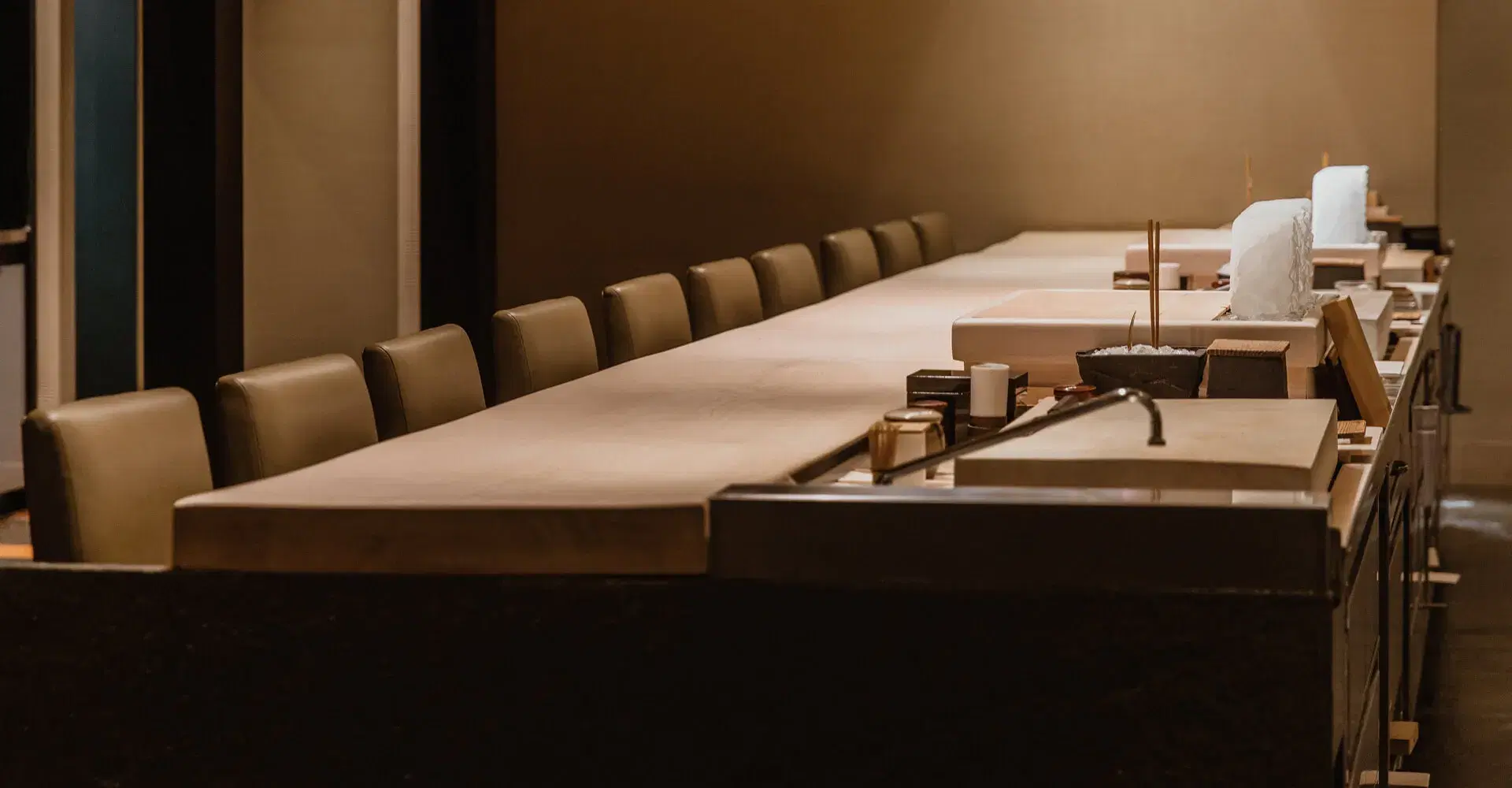
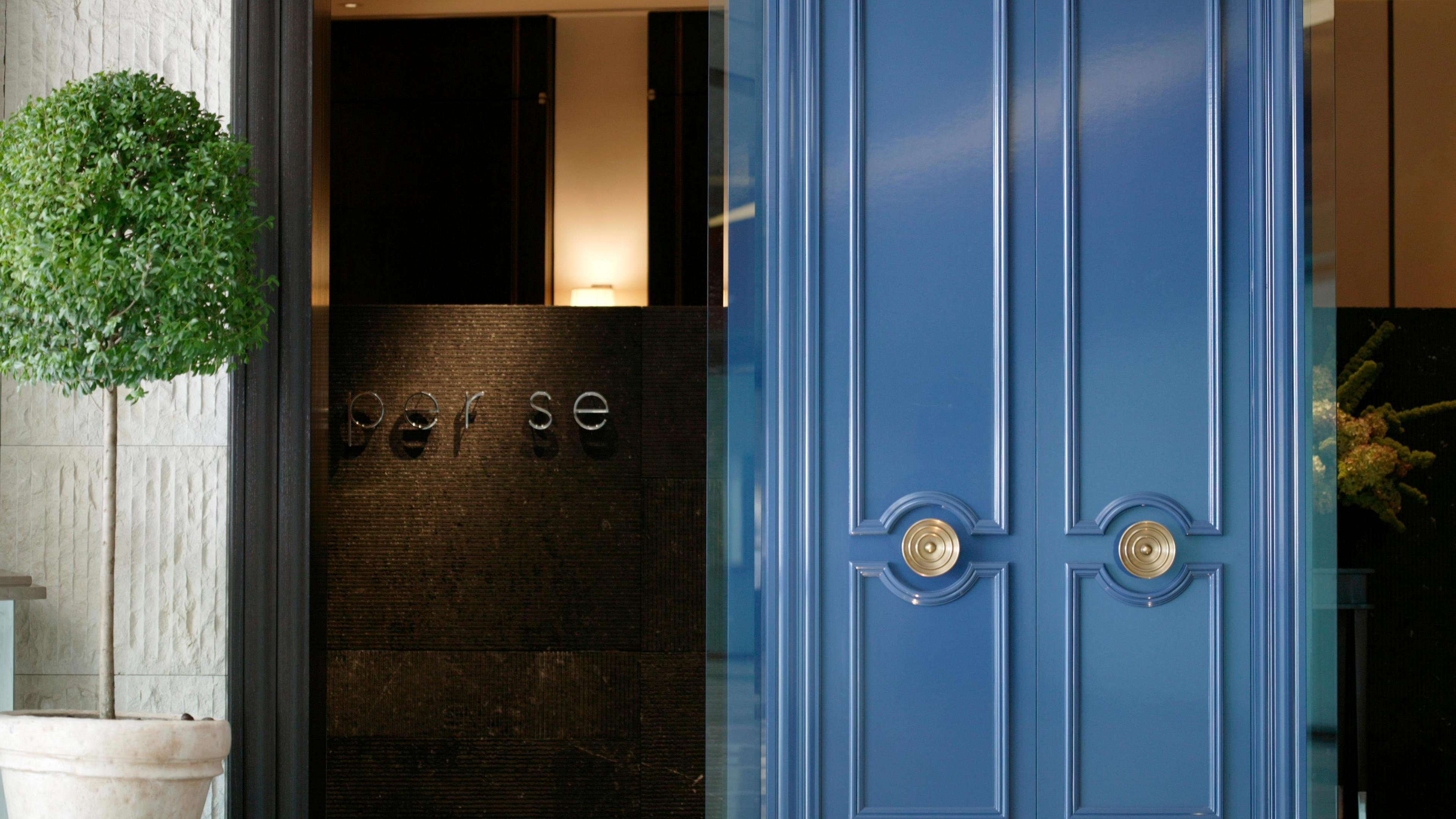
New York's most considered dining operations have made a parallel argument for years. Masa operates one of the smallest counters in the city and prices against that constraint. Per Se maintains a format that prioritizes service ratio over covers. Outside New York, the same pattern holds: Lazy Bear in San Francisco, Single Thread Farm in Healdsburg, and Blue Hill at Stone Barns in Tarrytown have all built their reputations on the argument that constraint produces quality. Smyth in Chicago, Providence in Los Angeles, and Addison in San Diego operate with the same logic. Even internationally, operations like Atelier Moessmer Norbert Niederkofler in Brunico and Dal Pescatore in Runate demonstrate that the constraint-quality relationship is not culturally specific.
The physical culture equivalent of this argument is what specialist operations like Exceed are implicitly making when they choose depth over volume. The format is the philosophy.
Where Exceed Sits in the Wider New York Wellness Map
New York's wellness market is large enough and fragmented enough that no single operator defines the category. But the Upper East Side specialist tier is worth tracking for readers who prioritize outcomes over atmosphere. The venues in this tier share several characteristics: they tend to avoid the language of aspiration-marketing, they compete on coaching credentials rather than facility aesthetics, and they build their client base through retention rather than acquisition.
For context on the wider New York dining and hospitality scene that shares the same residential neighbourhood logic, our full New York City guide maps the city's premium options across categories. The same standards of specificity and evidence that apply to dining, from Emeril's in New Orleans to The French Laundry in Napa to The Inn at Little Washington to Frasca Food and Wine in Boulder, apply equally to physical culture. Quality in any specialist field is readable in the same signals: format discipline, low throughput, high engagement, and a client base built on repeat rather than novelty.
Know Before You Go
- Address: 1477 Third Avenue, New York, NY 10028
- Neighbourhood: Upper East Side, Manhattan
- Booking: Contact details directly
- Price range: Not publicly listed; specialist Upper East Side operators in this category typically price at a premium to large-format gyms
- Hours: Not currently available; confirm directly before visiting
Frequently asked questions
Is Exceed Physical Culture good for families?
For New York City families, the answer depends on the specific programming on offer, which is not publicly detailed. Upper East Side specialist fitness operations in this price bracket typically serve adults seeking structured coaching rather than multi-generational recreational facilities.
What is the atmosphere like at Exceed Physical Culture?
If the format follows the pattern of specialist physical culture operations on the Upper East Side, expect a lower-noise, coaching-led environment rather than the high-energy class theater associated with downtown boutique studios. In New York's specialist wellness tier, atmosphere is generally subordinate to programming rigour, and the client base self-selects accordingly.
What's the signature dish at Exceed Physical Culture?
Exceed Physical Culture is a fitness and wellness operation, not a restaurant, so there is no culinary menu to reference. Specialist physical culture facilities in this category typically lead with their coaching methodology and programming format rather than a single signature offering.
How does Exceed Physical Culture compare to other Upper East Side fitness options?
New York City's Upper East Side supports a range of fitness formats, from large commercial gyms to small-group specialist operations. In the absence of published pricing or capacity data, the most useful signal is its address in a residential stretch of the avenue where referral-driven, retention-focused operators have historically found their strongest audience.
Recognition, Side-by-Side
| Venue | Cuisine | Price | Awards | Notes |
|---|---|---|---|---|
| Exceed Physical CultureThis venue (the venue you are viewing) | Vegetarian Health Food | Not listed | Not listed | Not listed |
| Le Bernardin | French Seafood Fine Dining | $300–500 | 3 Michelin Stars · World's 50 Best #13 | French, Seafood |
| Atomix | Modern Korean Tasting Menu | $300–500 | 2 Michelin Stars · World's 50 Best #7 | Modern Korean, Korean |
| Per Se | French Fine Dining Tasting Menu | $300–500 | 3 Michelin Stars · World's 50 Best #40 | French, Contemporary |
| Masa | Traditional Japanese Omakase | $500+ | 2 Michelin Stars · World's 50 Best #27 | Sushi, Japanese |
| Eleven Madison Park | Contemporary Plant-Based Fine Dining | $300–500 | 3 Michelin Stars · World's 50 Best #4 | French, Vegan |
Continue exploring
More in New York City
Restaurants in New York City
All restaurants in New York City →
Bars in New York City
All bars in New York City →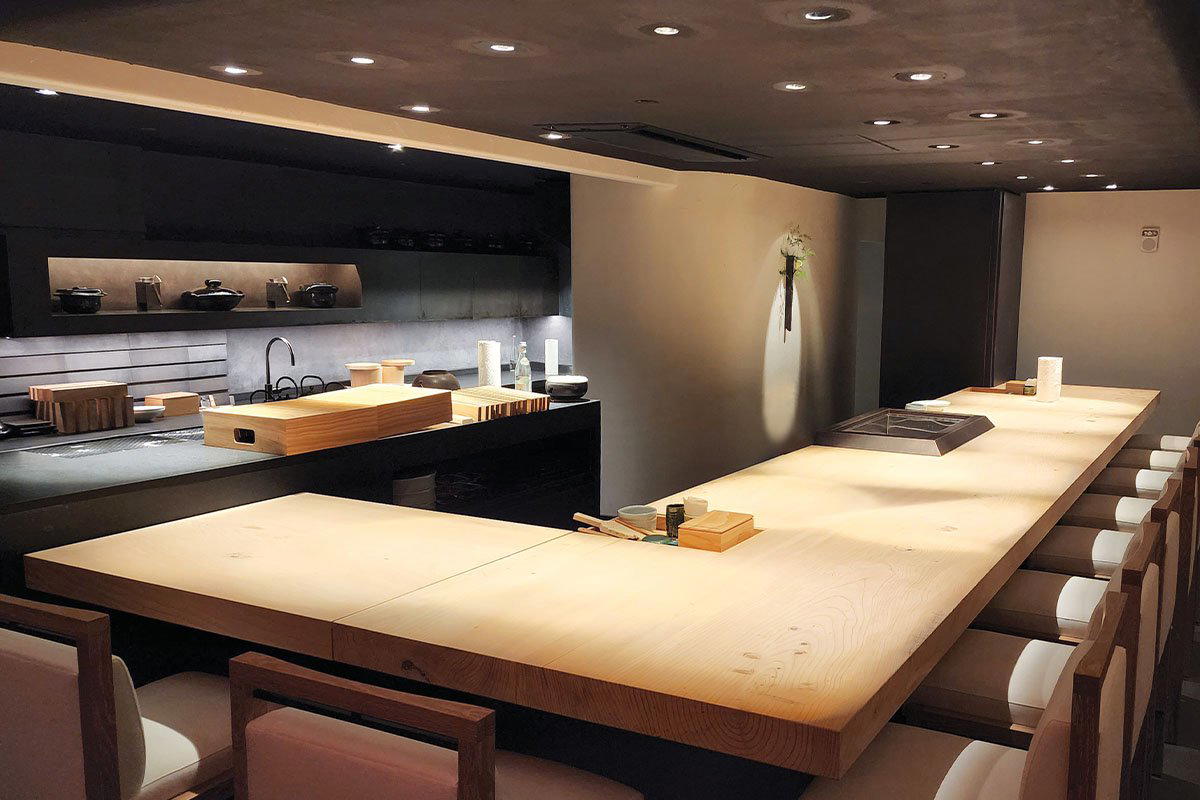




Details
- Casual Hangout
- Vegetarian Friendly
Simple health-focused atmosphere promoting physical culture.