
ERICK SOUTH Nishitenma brings South Indian cooking into Osaka’s casual dining range with a Tabelog 100 Asian cuisine and Ethnic cuisine WEST 2024 selection behind it. The appeal is not ceremony but value: dosa, biryani, vegetarian options, drinks, counter seating, and a compact room that suits both quick meals and planned group dinners.
Pearl is the En Primeur Club membership app — saves, bookings, and concierge access live there. Same editors, same standards.
- Address
- Japan, 〒530-0047 Osaka, Kita Ward, Nishitenma, 4 Chome−1−9 ニュー若松ビル 1F
- Phone
- +81 6-6585-0408
- Website
- info.erickcurry.jp
 Saves & bookings on Pearl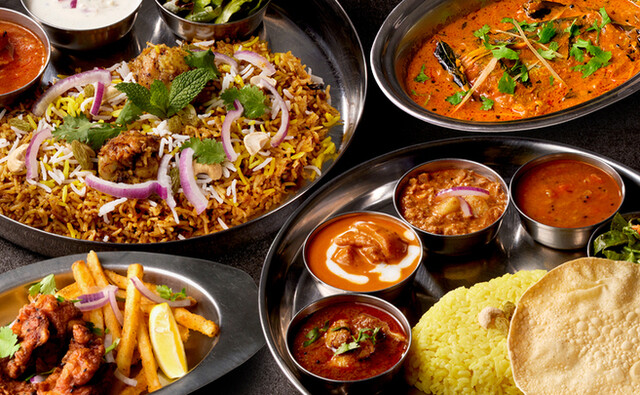
Approaching Nishitenma from Naniwabashi, Osaka shifts from loud retail corridors to a quieter pocket of offices, legal buildings, and small restaurants. That setting matters: in Japan, South Indian cooking often sits between quick curry lunch and fuller dinners of rice, lentils, breads, pickles, and spice structures that need no luxury staging. ERICK SOUTH Nishitenma works in that practical middle, where room, menu, and spend speak more clearly than theatrical service.
Osaka is often reduced to street food and late-night appetite, but its stronger restaurant culture is specialization at accessible scale: soba rooms, curry counters, bakeries, Chinese dining rooms, French neighbourhood restaurants, and Italian kitchens competing for repeat local use, not occasion-only traffic. This is not the same decision as a higher-spend Chinese meal at Chinese Sai Es Sawada or Chugokusai S. Sawada, nor the quiet minimalism of Sobakiri Arabompu. It belongs to the city’s everyday specialist category, where focused cuisine, disciplined pricing, and lunch-to-dinner utility matter.
South Indian food, Osaka value logic
South Indian food has a different grammar from the North Indian template that long shaped Japan’s curry imagination: dosa, biryani, vegetable-led combinations, rice, lentils, and sharper contrasts of heat, tang, and texture. In Osaka, it gives the format structure for a proper meal, speed for lunch, and range for groups avoiding a tasting-menu commitment.
The Tabelog 100 Asian cuisine and Ethnic cuisine WEST 2024 selection is the key external signal. Tabelog’s Hyakumeiten lists matter in Japan because they reward category depth, not luxury polish alone. A restaurant can enter the conversation by doing a narrower thing consistently, which is how ethnic and regional cuisines gain visibility beside sushi, tempura, kaiseki, and French dining. For ERICK SOUTH Nishitenma, the selection places a casual Indian and Indian curry address inside a serious regional conversation because it performs its format consistently, not because it imitates fine dining.
The value proposition is clear. The category includes Indian, Indian curry, and a bar-style format, with vegetarian options, sake, shochu, and wine. In Osaka, where diners choose by occasion, solo lunch, post-work dinner, family meal, casual date, or group table, a 35-seat room with counter and couple seating competes not with ceremony but with return-visit places where spend stays controlled and the menu has enough breadth to avoid fatigue.
For mapping a day of eating, this address belongs among neighbourhood specialists rather than destination trophies. A bakery stop at 52CHO-ME BAKERY, a casual snack run at 551 Horai (551蓬莱), or a coffee pause at .cafe follows the same Osaka logic: eat well, spend intelligently, and do not confuse informality with lack of intent.
Nishitenma suits the format better than a louder district would
Nishitenma gives the restaurant useful restraint: central enough for convenience, without Umeda or Namba’s entertainment-district pressure. For South Indian cooking, that quieter geography helps the meal feel quick without being disposable, social without needing a dressed-up room. No private rooms and counter seating underline turnover, accessibility, and regular use, not ceremony.
The comparison with other Osaka categories is instructive. La bonne tâche and Osteria Ottanta Sette reflect the city’s European neighbourhood dining current, while 99 Pizza Napoletana Gourmet and a canto (Italian) show how non-Japanese formats succeed when they become local dining rhythm rather than imported set pieces. ERICK SOUTH Nishitenma fits that pattern: specific cuisine, pragmatic city fit, lunch service, dinner service, drinks, take-out, delivery, children welcome, and seating flexibility for different meals.
That flexibility separates it from formats that define an evening. A higher-priced course restaurant asks the diner to surrender the schedule. A soba specialist often narrows the experience to craft and restraint. A curry-focused South Indian room offers structure without stiffness, leaving the rest of the day intact.
Osaka travellers often build itineraries around famous local categories, then find several days of takoyaki, okonomiyaki, and kushikatsu flatten the palate. South Indian cooking adds contrast without breaking the casual rhythm: a smarter middle meal before cocktails, after museum time, or between hotel check-in and a later bar reservation. For planning, pair it with Our full Osaka restaurants guide, then use Our full Osaka bars guide and Our full Osaka hotels guide to keep the evening coherent rather than overbuilt.
How to place it in a wider Japan dining itinerary
The strongest reason to include ERICK SOUTH Nishitenma is not rarity. It shows how Japan’s urban dining culture has absorbed regional South Asian cooking into ordinary restaurant life. The same country that sustains exacting sushi counters and kaiseki rooms also rewards compact, category-specific places with serious user attention. That breadth helps make eating in Japan compelling.
Nationally, it sits with focused casual formats rather than formal luxury rooms. Curry specialists such as [Curry Senmon Ten] Maruyama Kyoju. in Sapporo, Vietnamese cooking at (Shoku) Vietnam in Kawasaki, and Kyoto’s [ki:] in Kyoto show how regional and international categories can hold attention outside the conventional prestige ladder. Tokyo, Kamakura, and Kumamoto add other registers, from. 鮪と炭火焼き うお炭 秋葉原店 in Tokyo to -Grilled beef Sukiyaki- KAMAKURA TANUKIAN 鎌倉 たぬき庵 in Kamakura and.know in Kumamoto.
For international travellers, the reading is practical and editorial: a low-friction way to eat outside the expected Osaka script while staying within a reliable recognition framework. The Tabelog 100 selection supplies credibility; the South Indian focus supplies contrast; the casual room keeps the meal usable. It is stronger for diners who value category clarity over performance, and for families or mixed groups needing options without turning dinner into negotiation.
See Osaka as more than a restaurant checklist. A good trip connects meals with hotels, bars, neighbourhood movement, and daytime culture. For that route, keep Our full Osaka experiences guide nearby, and treat Our full Osaka wineries guide as context for wine-focused planning rather than a default pairing map. Beyond Japan, the same specialist-casual logic appears at Jōdo Saké Bar in Los Angeles and Onigiri Time in Pasadena, where narrow formats succeed by being legible, repeatable, and priced for actual use.
The editorial call is simple: the restaurant is for the diner who wants Osaka range, not another proof of status. Its recognition, format, vegetarian accommodation, and neighbourhood fit make it a persuasive value play in a city where casual meals can be as revealing as formal ones.
- Chicken Biryani
- Hyderabadi Mutton Biryani
- Sabá (mackerel) Special Biryani
- Masala Dosa
- Cheese Masala Dosa
- Onion Cheese Dosa
- South Indian Meals (thali/MEALS)
Recognition Snapshot
Comparable venues for orientation by cuisine and category.
| Venue | Cuisine | Price | Notes |
|---|---|---|---|
| ERICK SOUTH NishitenmaThis venue — the venue you are viewing | South Indian Dosa & Biryani House | $$ | Not listed |
| Ganesh N | Indian home-style curry plates | $$ | Kita |
| Singh's Kitchen | Authentic Indian curry house with Hyderabadi biryani | $$ | Chūō |
| curry bar nidomi | Sri Lankan‑influenced Curry Bar | $$ | Chūō |
| Nepal & Indian Manakamana | Nepalese & Indian Curry House | $ | Chūō |
| Spice Curry Babiru no To | Spice curry & Indian-style curry | $ | Chūō |
Recognition history
Dated appearances from independent guides and award organizations, with the underlying list record or original source where available.
Tabelog 100 #42 · No. 42
Tabelog · Tabelog 100 - Asian cuisine / Ethnic cuisine - WEST - 2024
Continue exploring
More in Osaka
Restaurants in Osaka
Browse all →




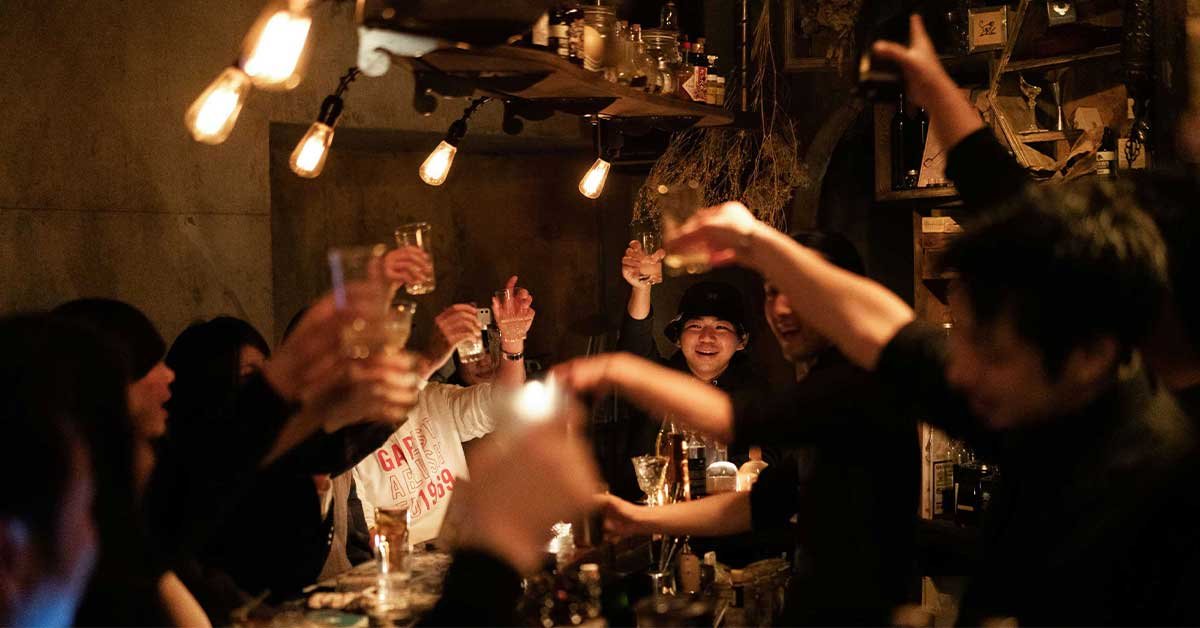
Bars in Osaka
Browse all →

Hotels in Osaka
Browse all →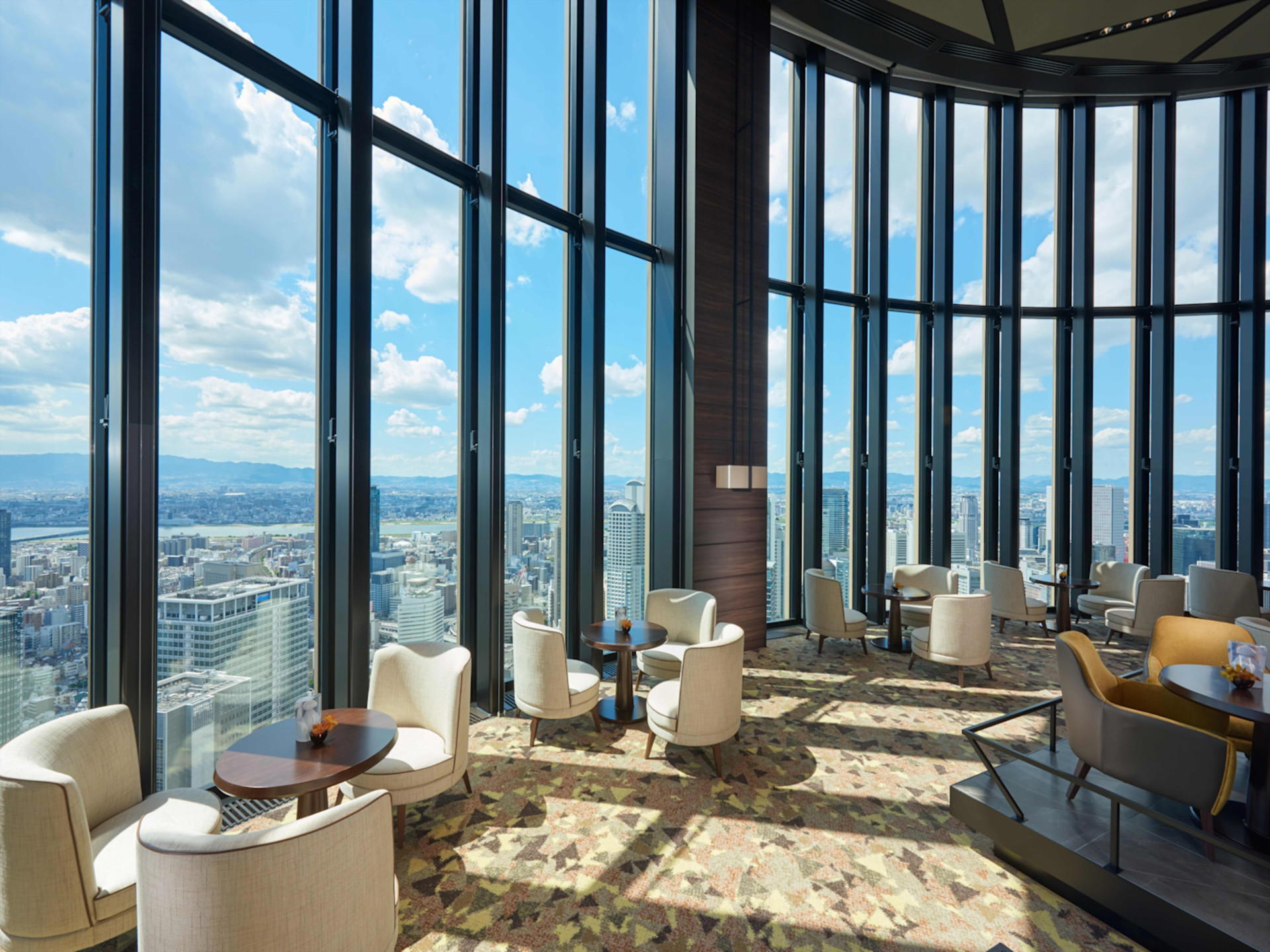




Wineries in Osaka
Browse all →
At a Glance
- Lively
- Cozy
- Casual
- Casual Hangout
- After Work
- Group Dining
- Solo
- Family
- Standalone
Current opening hours
- Monday
- 11 AM–2:30 PM, 5–9 PM
- Tuesday
- 11 AM–2:30 PM, 5–9 PM
- Wednesday
- 11 AM–2:30 PM, 5–9 PM
- Thursday
- 11 AM–2:30 PM, 5–9 PM
- Friday
- 11 AM–2:30 PM, 5–9 PM
- Saturday
- 11 AM–2:30 PM, 5–9 PM
- Sunday
- 11 AM–2:30 PM, 5–9 PM
Hours can change for holidays and private events. Last verified .
Casual, compact South Indian curry house with a cozy, bustling feel, focused on quick but sit-down meals for lunch and dinner rather than lingering, with an emphasis on the kitchen aromas of spices, biryani, and dosa griddles.