
Singh's Kitchen puts Osaka’s Indian curry culture in a compact Nipponbashi setting, with Tabelog 100 selections across curry and Asian-ethnic categories giving it more weight than its casual format suggests. The appeal is the dining ritual: quick ordering, table-led sharing, vegetable and fish options, and a price tier that keeps it closer to everyday Osaka eating than formal tasting-menu dining.
Pearl is the En Primeur Club membership app — saves, bookings, and concierge access live there. Same editors, same standards.
- Address
- 大阪府大阪市中央区日本橋 1-21-20 丸富パールビル 1F
- Phone
- +81666324433
- Website
- singh-kitchen.com
 Saves & bookings on Pearl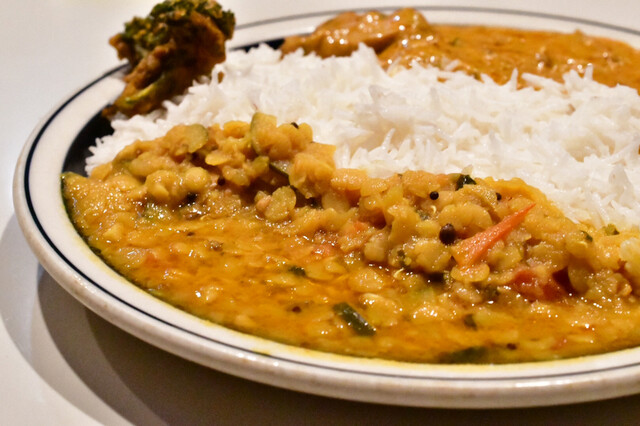
Approaching a small first-floor restaurant in Nipponbashi changes the rhythm of Osaka dining. The city’s usual hierarchy, counter sushi at one end, kushiage and wagyu rooms at another, leaves a serious middle ground for curry houses, ethnic kitchens, and compact tables where the meal is built around pace rather than ceremony. Singh's Kitchen belongs to that middle ground: Indian and Indian-curry cooking in a room scaled for regular use, not performance dining.
Osaka’s food identity is often reduced to takoyaki, okonomiyaki, and late-night drinking, but the better reading is broader. The city rewards formats that are direct, social, and built for repeat eating. Curry fits that logic neatly. It can be a quick lunch, a group dinner, a vegetarian fallback, or a spice-led counterpoint to the city’s heavier fried and grilled traditions. Recognition from Tabelog’s Asian cuisine and ethnic cuisine WEST “Tabelog 100” list in 2024 places this restaurant within a judged regional category rather than a neighbourhood-only recommendation.
Nipponbashi curry culture, without the tasting-menu costume
The dining ritual here is closer to Osaka’s everyday table than to the choreographed sequence of a formal restaurant. Indian curry in Japan has its own local grammar: diners often order around rice, bread, vegetables, fish, and shared sides, then calibrate heat and portion according to appetite rather than a chef’s fixed progression. That flexibility matters in Nipponbashi, where shoppers, market visitors, and evening groups move between quick meals and longer stops without treating dinner as an event.
The category signal is specific: Indian and Indian curry, with vegetarian options and vegetable- and fish-focused choices noted alongside a health-and-wellness menu. Those details are not garnish; they explain why this kind of restaurant travels well for mixed groups. Osaka dining can be unforgiving when one person wants meat, another wants a lighter plate, and a third wants something that does not require a full evening. Curry houses solve that social problem with less friction than many specialist counters.
Within Osaka, the contrast is useful. Rokkakutei represents kushiage’s single-format discipline, while Hon Sekiguchi occupies a far higher spending bracket. Datedachi, Ankera So, and Stand Aida sit in more casual price bands but point toward different genres of local eating. Singh's Kitchen is not competing with those venues on luxury signals. Its claim is category strength: repeated Tabelog 100 selection across curry and Asian-ethnic lists, including Curry selections in 2017, 2018, 2019, and 2020, then Asian-ethnic WEST selections in 2022, 2023, and 2024.
The meal works because the room keeps the pace casual
A 30-seat, six-table format changes how a curry meal feels. It avoids the anonymity of a large canteen and the pressure of a chef-counter performance. The social unit is the table: order, share, add, pause, and leave when the meal has done its work. That is a useful format in Osaka, where a day can move from Kuromon Market to Den Den Town to Namba without a clean break between sightseeing and dinner.
The drinks list includes shochu and wine, a pairing that says more about Osaka’s hybrid dining habits than about any imported idea of Indian restaurant service. Japanese diners often treat curry as compatible with beer, shochu, or soft drinks rather than a rigid beverage tradition. Wine on the list widens that use case for groups, while take-out gives the restaurant another role in the neighbourhood economy.
Smoking is allowed, which makes the atmosphere a practical choice rather than a universal one. That single detail will decide the room for some travellers faster than any award badge. Private rooms and private use are unavailable, so the meal should be read as a public, compact, table-based experience. The restaurant has been open since 2009, a tenure that matters in a city where casual restaurants can turn over quickly and where repeat local use is often a stronger sign than imported prestige language.
How to place it in an Osaka itinerary
For travellers building a food-led Osaka trip, this is the kind of stop that gives the itinerary balance. A city schedule built only from high-price counters and famous snacks misses how residents actually eat between errands, stations, and nights out. Indian curry in Nipponbashi adds spice, speed, and group flexibility without pulling the day into a formal reservation-led frame.
Use it as a counterweight to genre-specific Osaka meals. Pair the planning with Our full Osaka restaurants guide for the wider dining map, then compare casual daytime ideas such as .cafe, 52CHO-ME BAKERY, 551 Horai (551蓬莱), 99 Pizza Napoletana Gourmet, and a canto (Italian). For the rest of the trip architecture, keep Our full Osaka hotels guide, Our full Osaka bars guide, Our full Osaka wineries guide, and Our full Osaka experiences guide close.
The wider Japan and international map also helps clarify the role of this restaurant. It sits in a practical, category-led lane rather than the destination-dining register of -Grilled beef Sukiyaki- KAMAKURA TANUKIAN 鎌倉 たぬき庵 in Kamakura or the Tokyo urban-grill energy of. 鮪と炭火焼き うお炭 秋葉原店 in Tokyo. It is closer in decision logic to category specialists such as.know in Kumamoto, (Shoku) Vietnam in Kawasaki, [Curry Senmon Ten] Maruyama Kyoju. in Sapporo, and [ki:] in Kyoto. For readers comparing Japanese casual formats with overseas Japanese-adjacent dining, Jōdo Saké Bar in Los Angeles and Onigiri Time in Pasadena show how format, speed, and repetition shape appeal as much as cuisine label.
Just the Basics
Comparable venues for orientation by cuisine and category.
| Venue | Cuisine | Price | Notes |
|---|---|---|---|
| Singh's KitchenThis venue — the venue you are viewing | Not listed | $$ | Not listed |
| Ceylon Curry | Chūō, Authentic Sri Lankan Curry House | $$ | Not listed |
| Moriyama Ya | Kita, Indian-style Curry House | $ | Not listed |
| Curry Ya Nunkui | Not listed | $ | Sakai Ward, Curry / Indian Curry |
| Sosaku Curry Tsukinowa | Chūō, Japanese Curry | $ | Not listed |
| ANNAPURNA | Kita, Traditional Indian Curry House | $ | Not listed |
Recognition history
Dated appearances from independent guides and award organizations, with the underlying list record or original source where available.
Tabelog 100 #69 · No. 69
Tabelog · Tabelog 100 - Asian cuisine / Ethnic cuisine - WEST - 2024
Continue exploring
More in Osaka
Restaurants in Osaka
Browse all →




Bars in Osaka
Browse all →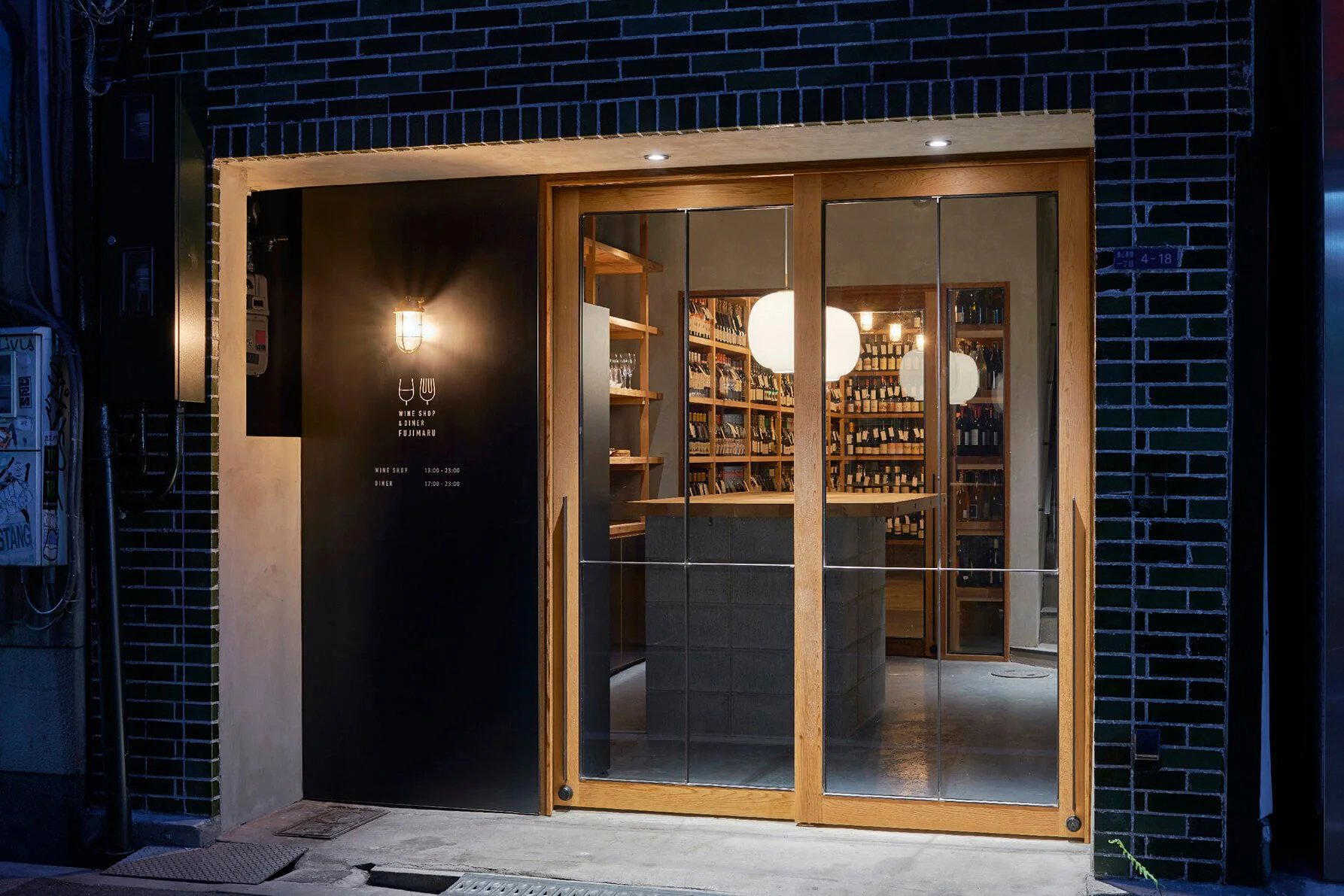


Hotels in Osaka
Browse all →



Wineries in Osaka
Browse all →
At a Glance
- Lively
- Cozy
- Casual Hangout
- Group Dining
- Solo
- After Work
- Family
- Standalone
- Local Sourcing
Unpretentious, cozy curry house popular with local salary workers, with a casual, bustling atmosphere focused on substantial, authentic Indian flavors rather than design frills.