Our verdict
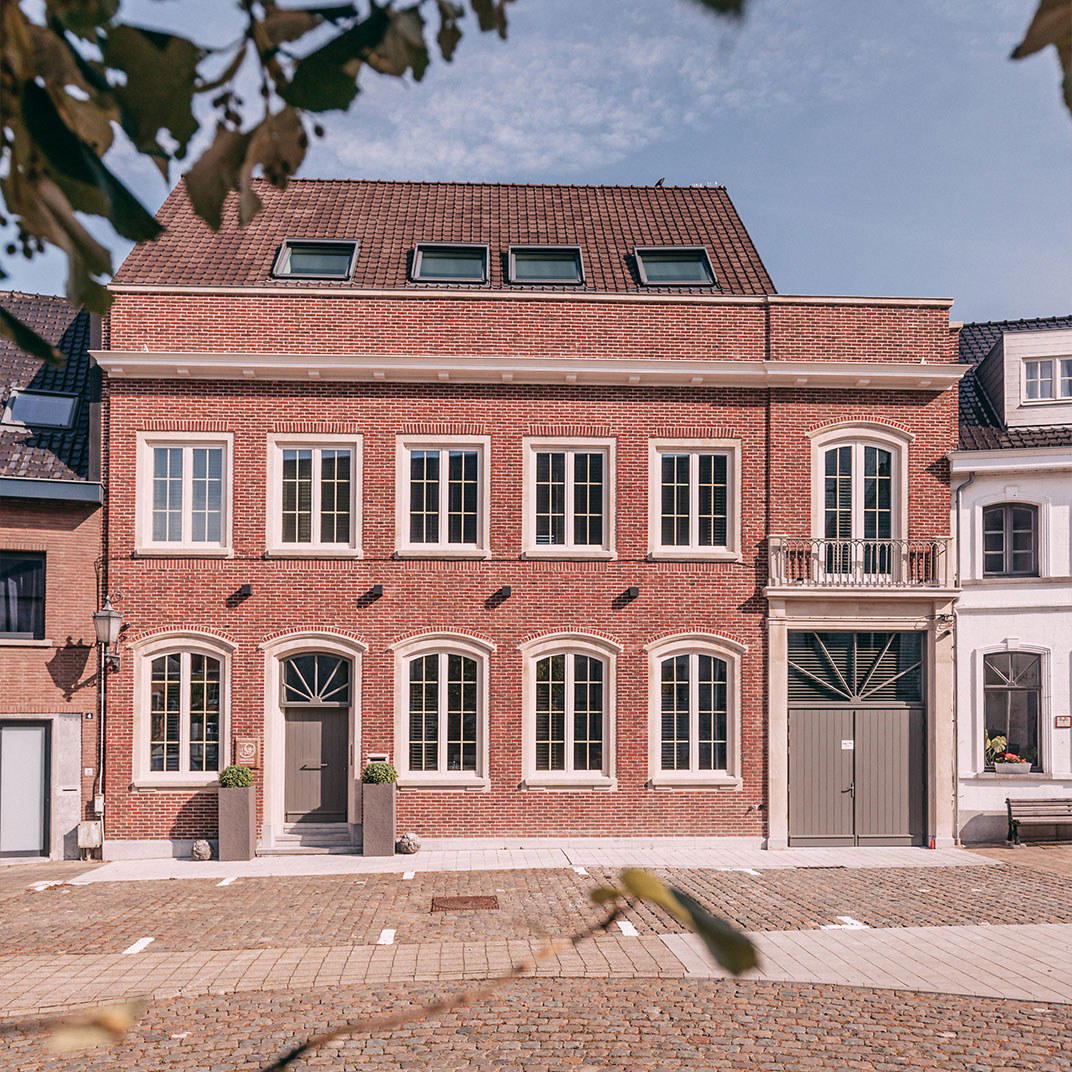
On Mechelen's Vismarkt, Emiel occupies a position that says something about how Belgian mid-sized cities now approach serious dining: grounded in regional produce, attentive without being stiff, and connected to the agricultural rhythms of the Flemish countryside rather than the prestige circuits of Antwerp or Brussels. The address alone places it in one of the city's most characterful squares, steps from the Dijle river and the market infrastructure that has long supplied Mechelen's kitchens.

Pearl is the En Primeur Club membership app, where members save venues, book tables and use the concierge.
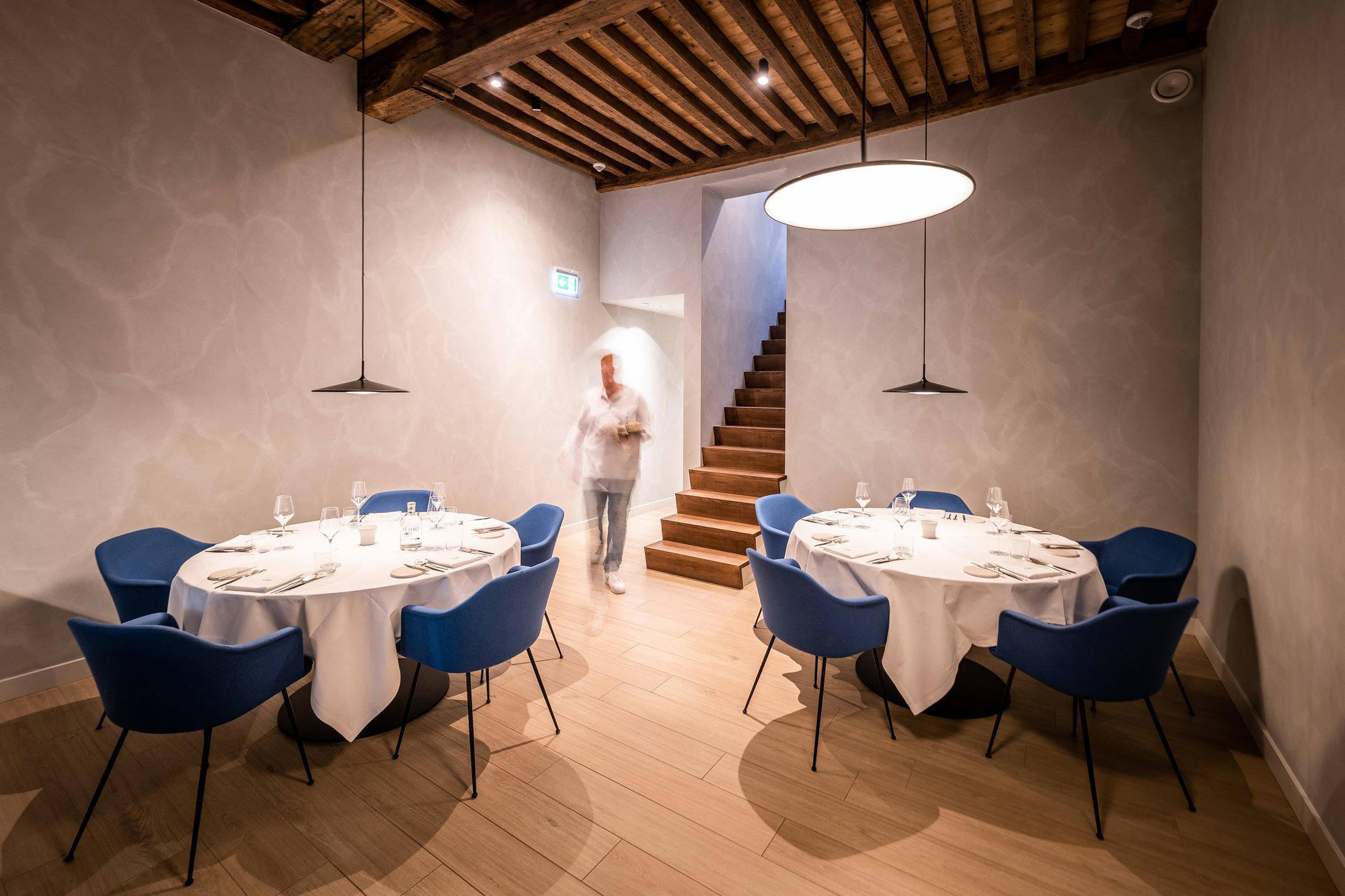
A Square With History, a Kitchen With Intentions
Mechelen's Vismarkt has been a provisioning point since the city's medieval trading peak, and the name alone tells you what happened here: fish, brought inland along the Dijle and distributed to a city that sat at the crossroads of Flemish and Brabantine trade routes. That history isn't decorative. It explains why this particular square, with its stone-fronted buildings and open sightlines toward the river, still attracts restaurants that take sourcing seriously. Emiel, at number six on the Vismarkt, inherits that geography without making a performance of it.
Approaching the address, the square functions as a kind of spatial reset from Mechelen's busier pedestrian arteries. The Vismarkt sits close enough to the city centre to draw foot traffic but retains a pace that separates it from the Grote Markt's tourist-facing intensity. For a restaurant that appears to operate in the mid-to-upper register of Mechelen's dining tier, this placement matters: the room's relationship to the street is part of the proposition before any plate arrives.
Where the Food Comes From
Belgian fine and near-fine dining has spent the last decade repositioning itself around provenance rather than technique as its primary marketing signal. Restaurants from Vrijmoed in Gent to 't Gasthuis by InstroomArt here in Mechelen itself have built their identities around named suppliers and seasonal rotation, moving away from the classical French grammar that dominated Belgian restaurant culture through the 1990s and into the 2000s.
Mechelen sits in particularly fertile sourcing territory. The Mechelse Koekoek, a chicken breed native to this region and one of Belgium's few protected poultry designations, comes from farms within a short radius of the city. Mechelen's asparagus season, which runs from roughly March through June, draws chefs across the country toward local growers who supply white spears that have defined Flemish spring menus for generations. The Dijle valley's proximity to both the Campine heathland and the Flemish Ardennes creates a catchment area for game, dairy, and root vegetables that gives kitchens in this city a sourcing advantage that larger urban centres have to work harder to replicate.
Any kitchen operating at Emiel's address on the Vismarkt sits inside that supply chain almost by default. The fish market history of the square is no longer literal, but the infrastructure of provisioning that made this area commercially significant persists in the form of regional networks that feed Mechelen's better kitchens. Whether Emiel exploits those networks aggressively or more selectively is something the menu would confirm, but the geography makes engagement with local produce a structural opportunity that would be difficult to ignore at this tier of dining.
How Emiel Sits Within Mechelen's Restaurant Range
Mechelen's dining scene has developed an internal logic over the past five or six years that is worth understanding before booking. The city is not Antwerp, which has the critical mass to support multiple Michelin-starred operations including Zilte, and it is not Ghent, which has built a reputation for progressive cooking partly through sheer density of operators. Mechelen functions differently: a mid-sized city with a strong civic identity, a growing visitor economy centred on its restored historic core, and a restaurant population that has quietly added depth without the recognition infrastructure of its larger neighbours.
At the more formal end, Mechelen places venues like Tinèlle, which operates in French Contemporary territory at the €€€ price point. The sharing-format end is anchored by places like Cosma, which operates at a more accessible €€ register. Emiel's Vismarkt address suggests it occupies the considered middle ground: a serious kitchen in a setting with genuine historical resonance, without the ceremonial weight of the city's most ambitious tables.
For context on what Belgian kitchens operating at this level can achieve, it is useful to look at the broader national tier. Hof van Cleve in Kruishoutem and Boury in Roeselare represent the ceiling of Belgian regional dining, both operating with three Michelin stars and both deeply connected to West Flemish and East Flemish agricultural networks. Mechelen's kitchens, including those at 't Witte Goud and De Fortuyne, operate in a lower tier of recognition but within the same sourcing logic: Belgian fine dining's credibility increasingly runs through the supply chain, not the classical brigade.
Planning a Visit to the Vismarkt
Mechelen is accessible by rail from Brussels in under thirty minutes and from Antwerp in roughly fifteen, which positions it as a genuinely practical destination for a serious lunch or dinner rather than a dedicated overnight trip, though the city's hotel stock has improved enough to make a stay worthwhile. The Vismarkt is within comfortable walking distance of Mechelen's main railway station, placing Emiel in a location that does not require additional transport once you arrive in the city.
Visitors travelling from Brussels who want to frame Mechelen's dining in a broader Belgian context might consider Bozar Restaurant as a reference point for the capital's approach to serious cooking, before moving north to explore what Mechelen's more intimate scale makes possible. For those assembling a wider Flemish itinerary, Willem Hiele in Oudenburg and La Durée in Izegem represent the kind of destination-specific cooking that rewards pre-planned travel across the region.
Booking details, current hours, and menu formats for Emiel are best confirmed directly with the venue or through current reservation platforms, as these specifics shift seasonally and the Vismarkt address can attract higher demand during Mechelen's festival calendar and asparagus season in spring. Our full Mechelen restaurants guide covers the city's dining range across formats and price points.
Frequently asked questions
Is Emiel a family-friendly restaurant?
Emiel's address on the Vismarkt, Mechelen's historic market square, places it in a walkable, public-facing part of the city rather than a secluded fine-dining corridor, which typically signals some tolerance for mixed-age groups. That said, the kitchen's focus on provenance-led cooking suggests a sit-down, attentive-service format rather than an informal family bistro. Contacting the restaurant directly before visiting with children is advisable.
Is Emiel formal or casual?
Emiel occupies a position that Mechelen's restaurant scene has carved out over the past half-decade: serious about ingredients and sourcing without defaulting to the full ceremony of Brussels or Antwerp fine dining. The Vismarkt 6 address, on a lively historic square, reinforces that this is not a hushed tasting-menu room. Dress with considered intent rather than black-tie expectation.
Is Emiel worth visiting as a day trip from Brussels or Antwerp?
Mechelen is under thirty minutes from Brussels by rail and roughly fifteen from Antwerp, which makes Emiel at Vismarkt 6 a practical destination rather than a detour requiring overnight planning. The city's restaurant range has developed genuine internal logic over the past five or six years, and Emiel sits within that scene as a provenance-focused option on one of Mechelen's most historically loaded squares. For travellers already moving between the two cities, the stop is logistically easy to justify.
What should I eat at Emiel?
Belgian fine dining in Mechelen has spent the last decade anchoring menus around regional provenance, which means seasonal produce from Flemish suppliers tends to shape what appears on the plate. Given Emiel's Vismarkt location, the square's name references its centuries-long role as a fish market, dishes drawing on North Sea and freshwater traditions are a plausible thread through the menu. Confirm current offerings directly with the restaurant, as seasonal rotation is standard at this tier.
Comparable Venues
Comparable venues nearby, for context on price, style, and recognition.
| Venue | Cuisine | Price | Awards | Notes |
|---|---|---|---|---|
| EmielThis venue (the venue you are viewing) | Modern Belgian Seafood | $50–100 | Not listed | Not listed |
| Maillard | Modern Belgian Sharing Barbecue | Not listed | Not listed | Koning Albertplein |
| 't Witte Goud | Modern Belgian Fine Dining | $50–100 | Not listed | Leest |
| Cosma | Modern European Tapas | $50–100 | Michelin Plate · We're Smart World 1 Radish | Mechelen city center |
| Lam'eau | Belgian-French Seasonal Bistro | Not listed | Not listed | Lamot |
| The Cacao Project | Artisan Chocolate & Patisserie | Not listed | Not listed | Mechelen |
Continue exploring
More in Mechelen
Restaurants in Mechelen
All restaurants in Mechelen →

Details
- Cozy
- Elegant
- Intimate
- Date Night
- Special Occasion
- Waterfront
- Terrace
- Historic Building
- Extensive Wine List
- Local Sourcing
- Waterfront
- Tasting Menu
- Allergy Accommodating
Current opening hours
- Monday
- Closed
- Tuesday
- Closed
- Wednesday
- Closed
- Thursday
- 12–1:30 PM, 6:30–8 PM
- Friday
- 12–1:30 PM, 6:30–8 PM
- Saturday
- 12–1:30 PM, 6:30–8 PM
- Sunday
- 12–1:30 PM, 6:30–8 PM
Hours can change for holidays and private events. Hours as of .
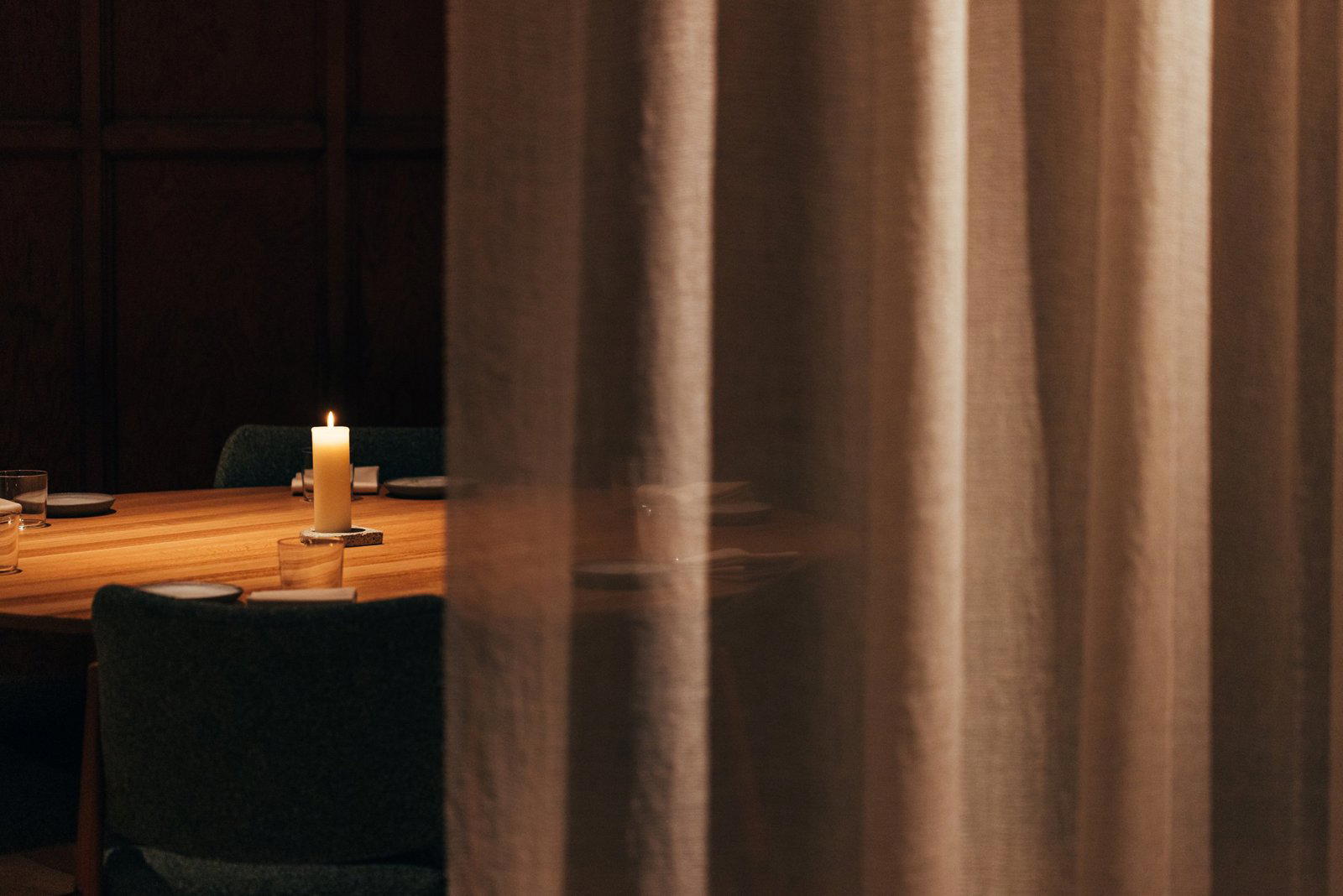
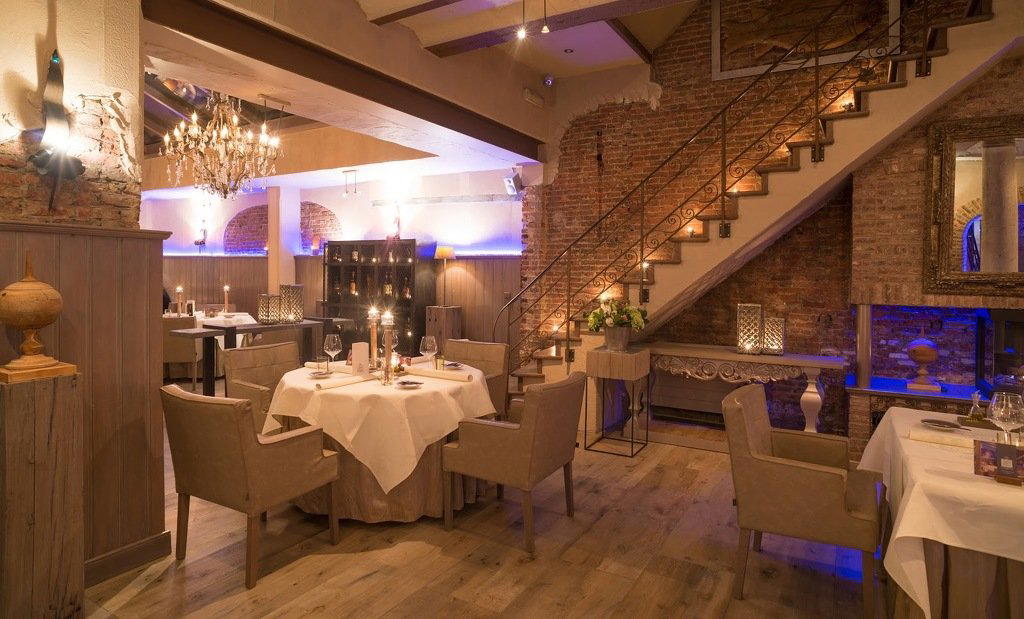
Warm and inviting atmosphere in a cozy historic setting with attentive service.