Texas Spice
Our verdict
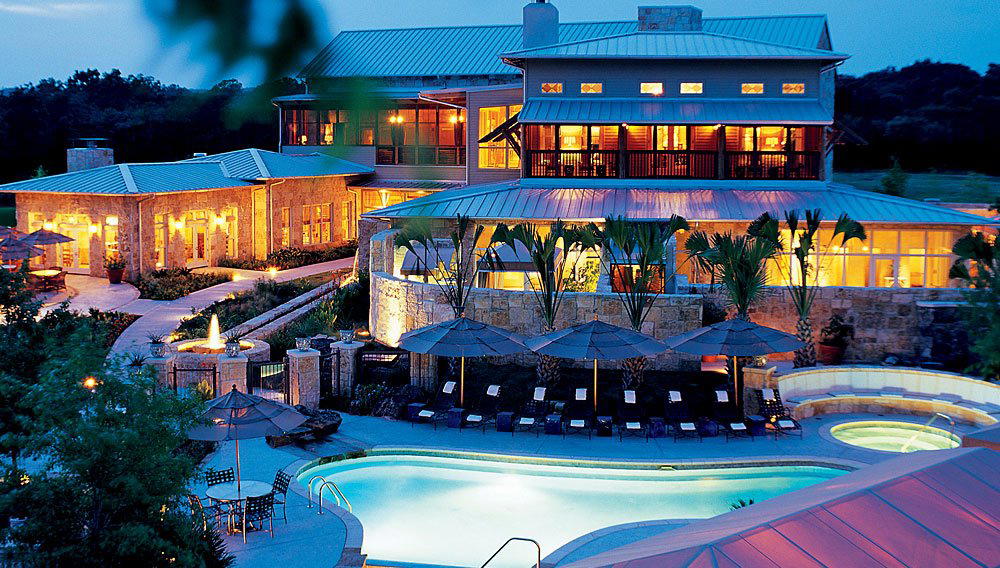
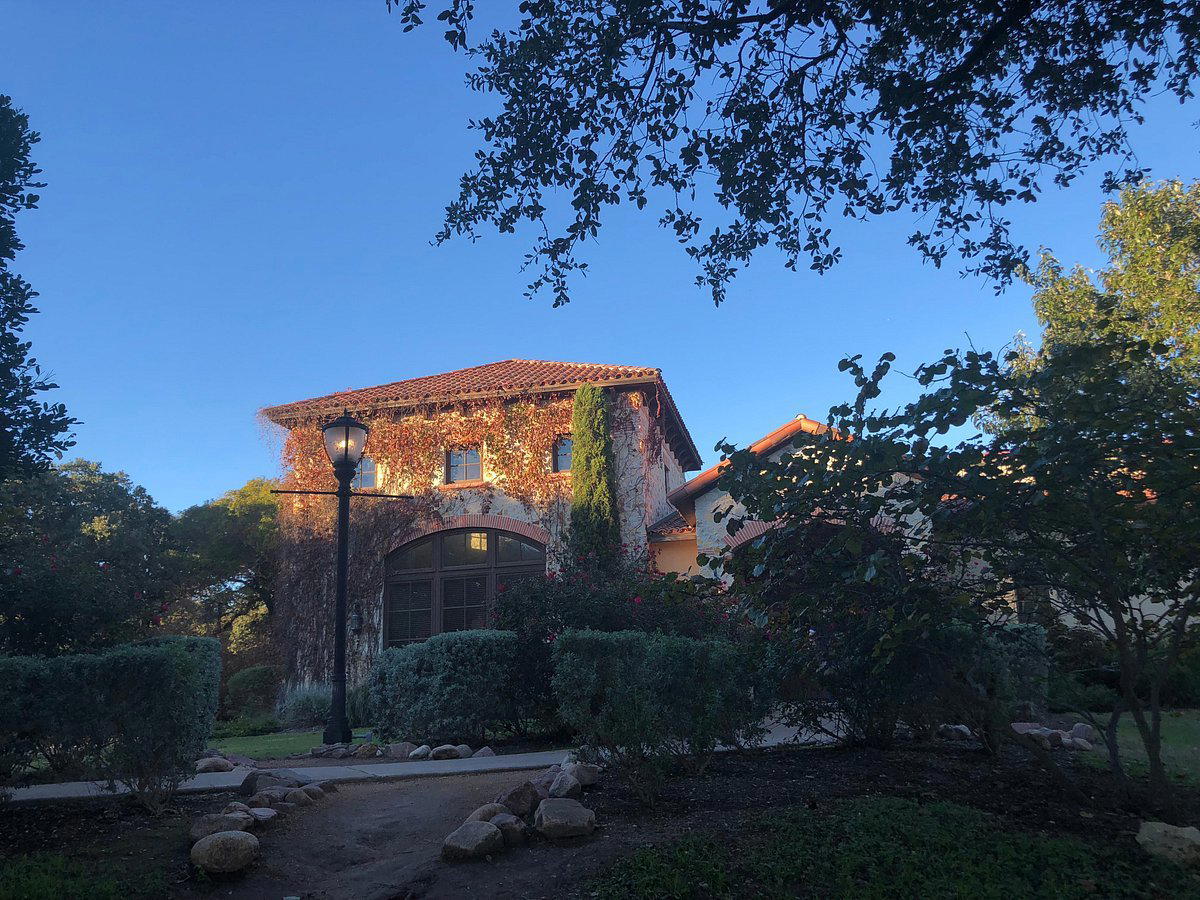
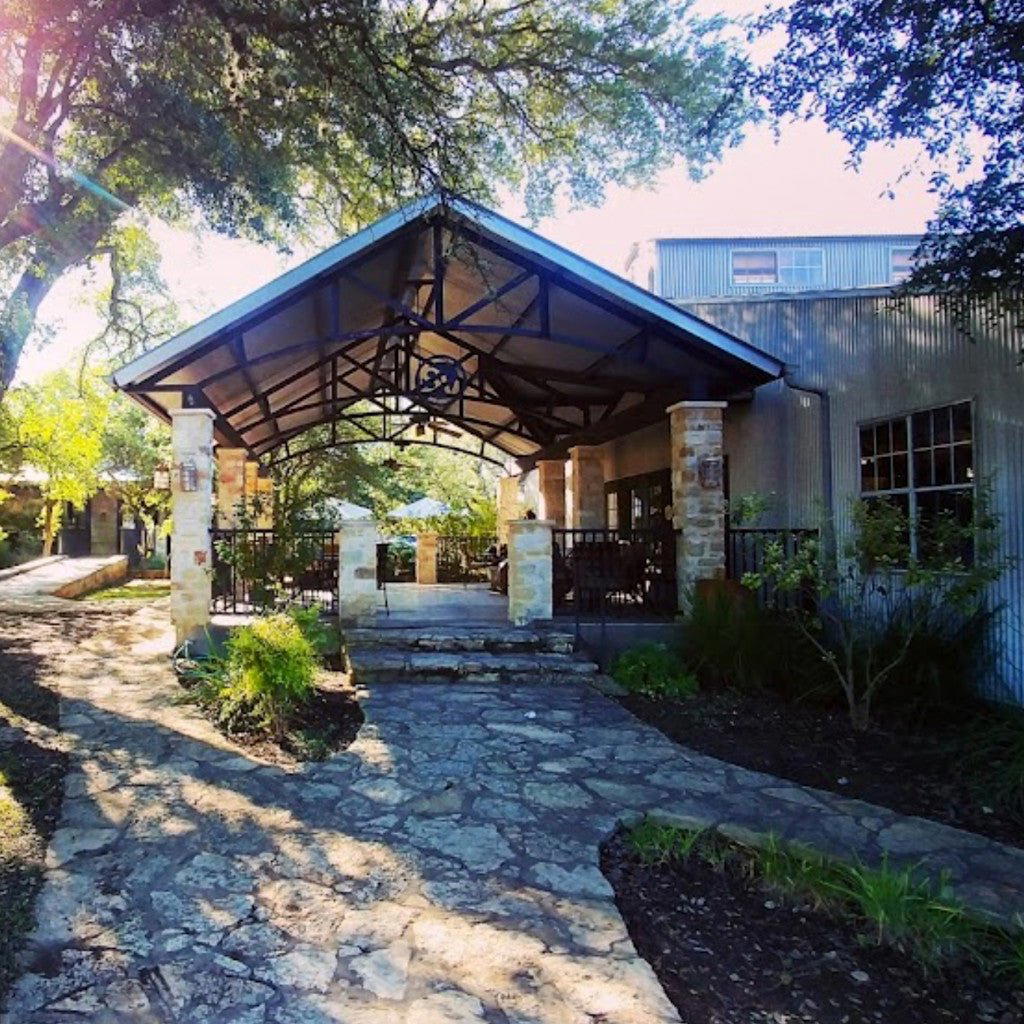
Texas Spice sits at 8212 Barton Club Drive in southwest Austin, positioned where Texas hospitality traditions meet more deliberate cooking ambitions. The address places it away from the downtown dining corridor, drawing a crowd that seeks out the drive. Details on cuisine format, pricing, and current kitchen leadership are best confirmed directly with the venue before visiting.

Pearl is the En Primeur Club membership app, where members save venues, book tables and use the concierge.

Southwest Austin and the Question of Where Ambition Lives
Austin's dining conversation tends to collapse around a few familiar zip codes: the East Side corridors where Barley Swine and Hestia operate, the pits and queues that define spots like la Barbecue and InterStellar BBQ, and the compact specialist counters such as Craft Omakase. Texas Spice sits outside that geography entirely, on Barton Club Drive in the southwest quadrant of the city, a neighborhood where the terrain shifts toward the Hill Country edge and the dining room crowd arrives by car rather than on foot. That physical remove says something about the restaurant's positioning: it isn't competing for walk-in foot traffic or proximity buzz. It is asking the diner to make a deliberate choice.
That deliberateness is worth taking seriously when thinking about how Austin's non-central dining options work. Away from the downtown density, restaurants in this tier tend to serve a local residential clientele alongside destination visitors who have made a specific decision. The menu architecture at such venues typically reflects that dual audience: familiar enough to satisfy the regulars, considered enough to justify the trip for those coming from across the city or further. Whether Texas Spice threads that needle is the question the visit answers.
What the Menu Structure Signals
Across American dining, the way a menu is organized reveals its kitchen's priorities more accurately than any single dish description. A menu built around heavy regional Texas signals, for instance, places its bet on identity and comfort. A menu that frames Texas ingredients through a more technique-forward lens signals a different competitive set entirely, one closer to what Lazy Bear in San Francisco or Blue Hill at Stone Barns pursue with their respective regional commitments. The structure of the menu, whether it moves from raw to cooked, from light to heavy, or from shared to plated, tells the room what kind of dining experience it is inviting.
Texas Spice's name anchors an expectation: that the kitchen draws on the spice traditions of Texas cooking, a pantry that runs from chili-forward rubs and smoked chilies to citrus-forward marinades that reflect the state's proximity to northern Mexico. That is not a narrow register. Texas's cooking traditions are geographically wide, shaped by German and Czech immigrant techniques in the Hill Country, Mexican border-town flavors in the west and south, and the Gulf Coast seafood traditions that run along the eastern edge of the state. A kitchen with Texas spice at its center has access to real culinary depth if it chooses to use it. The address, tucked against the Hill Country approach corridor, positions it to draw on that western and central Texas tradition in particular.
What can be said is that the name and location together form a coherent editorial signal, one pointing toward regional Texas cooking rather than the globally-inflected New American format that defines much of Austin's higher-end scene.
Austin's Broader Fine Dining Spectrum, and Where Southwest Fits
The city's dining spectrum in 2024 and 2025 runs from the technically rigorous end, represented nationally by peers like Alinea in Chicago or Le Bernardin in New York City at the extreme, through mid-tier contemporary American, down to the casual pit-smoke tradition that Texas has exported globally. Austin specifically holds a few restaurants, including Providence in Los Angeles and Addison in San Diego as West Coast comparisons, that sit in a tier defined by serious kitchen ambition without the full apparatus of multi-Michelin formality. The French Laundry in Napa and The Inn at Little Washington represent the American apex of that ambition. Austin's own restaurants tend to operate below that apex but above the casual tier, finding a register that is serious without being ceremonial.
Texas Spice, based on its southwest Austin address and regional naming, reads as a venue working within that middle register rather than competing for the formal tasting-menu bracket. That is not a limitation. Some of the most interesting American dining, from Emeril's in New Orleans to Single Thread Farm in Healdsburg, operates by building deep competence within a defined regional identity rather than chasing a universally legible fine dining language. The Texas regional register, when executed with genuine commitment, can hold its own in that company. See our full Austin restaurants guide for how the city's dining tiers map against each other.
Seasonal and Timing Considerations
Austin's climate makes seasonality a live variable for any restaurant drawing on Texas ingredients. The Hill Country growing season peaks in spring and early summer, with Hill Country peaches, local game, and wild herbs shifting what a spice-forward kitchen can source locally. Summer heat compresses the appeal of heavy proteins and pushes kitchens toward lighter preparations. Fall brings the deer and wild game season that defines much of central Texas cooking. Winter, mild by national standards, often sees the strongest Hill Country beef and braised preparations. A restaurant with Texas spice at its conceptual center has a genuine seasonal arc to work with if the kitchen chooses to follow it. Visiting in spring or early fall typically gives access to the widest range of local-ingredient possibilities in this part of the state.
Know Before You Go
- Address: 8212 Barton Club Dr, Austin, TX 78735
- Location context: Southwest Austin, toward the Hill Country edge; a car is necessary from central Austin
- Price range:, verify before visiting
- Hours:, verify before visiting
- Cuisine format: Regional Texas focus suggested by name and location; specific menu structure should be confirmed with venue
- Comparable Austin options: For confirmed pricing and format alternatives, see Barley Swine ($$$$, New American) or Hestia (live-fire American)
Frequently asked questions
What should I order at Texas Spice?
As a general principle, at a restaurant with Texas spice in its name and a Hill Country address, dishes that reflect the kitchen's regional spice commitment, whether through chili-forward preparations, smoked proteins, or citrus-accented sauces, are likely to reflect the strongest version of what the kitchen does.
Do they take walk-ins at Texas Spice?
The southwest Austin address, away from foot-traffic corridors, suggests a primarily reservation-driven model is plausible, but that should not be assumed. If you are traveling from central Austin specifically for this restaurant, confirming a reservation in advance is the prudent approach regardless of policy, given the drive involved.
What do critics highlight about Texas Spice?
No named critical reviews or awards are documented in available public records for Texas Spice. For Austin venues with a confirmed critical record, our Austin guide maps those out.
What if I have allergies at Texas Spice?
Phone and website details are not publicly listed at time of writing, so the most reliable approach is to arrive with written documentation of any allergies and raise them at the time of booking confirmation. This is standard practice at independently operated Texas restaurants regardless of format or price tier.
Is Texas Spice overpriced or worth every penny?
For context, Austin's mid-tier dining bracket runs roughly $60 to $100 per person inclusive of drinks, while the higher end, represented by venues like Atomix in New York City as a national reference point, runs significantly above that. Where Texas Spice sits in that spread is a question the venue itself should answer before you commit to the drive from central Austin.
Does Texas Spice reflect authentic Hill Country cooking traditions, or is it a modern reinterpretation?
The venue's name and Barton Club Drive address place it in the geographic corridor where Hill Country cooking traditions, German-Czech smoked meats, wild game preparations, and Texas chili lineage, are most directly legible. Whether the kitchen works within those traditions faithfully or reframes them through a contemporary American lens is a question the menu format, once confirmed, will answer. Either approach has regional precedent: international examples show that regional identity and technical ambition are not mutually exclusive. Contact the restaurant for current menu framing.
Comparable Venues
Comparable venues nearby, for context on price, style, and recognition.
| Venue | Cuisine | Price | Awards | Notes |
|---|---|---|---|---|
| Texas SpiceThis venue (the venue you are viewing) | Texas-Inspired American Breakfast | Not listed | Not listed | Not listed |
| Haywire | Texas Farm-to-Fork Steakhouse | $50–100 | Wine Spectator Award of Excellence | North Burnet |
| Austin Sports Club | Modern American Sports Bar | $30–50 | Not listed | South Congress |
| Cannon+Belle | Texas-Style American Comfort | $30–50 | Not listed | Convention Center District |
| Picnik Burnet Road | Healthy Modern American | $20–30 | Not listed | Rosedale |
| Patika | Modern American Cafe | $10–20 | Not listed | Galindo |
Continue exploring
More in Austin
Restaurants in Austin
All restaurants in Austin →
Bars in Austin
All bars in Austin →


Details
- Lively
- Cozy
- Family
- Brunch
- Hotel Restaurant
- Local Sourcing
- A La Carte
Current opening hours
- Monday
- 6:30–11 AM
- Tuesday
- 6:30–11 AM
- Wednesday
- 6:30–11 AM
- Thursday
- 6:30–10:30 AM
- Friday
- 6:30–10:30 AM
- Saturday
- 6:30–11 AM
- Sunday
- 6:30–11 AM
Hours can change for holidays and private events. Hours as of .
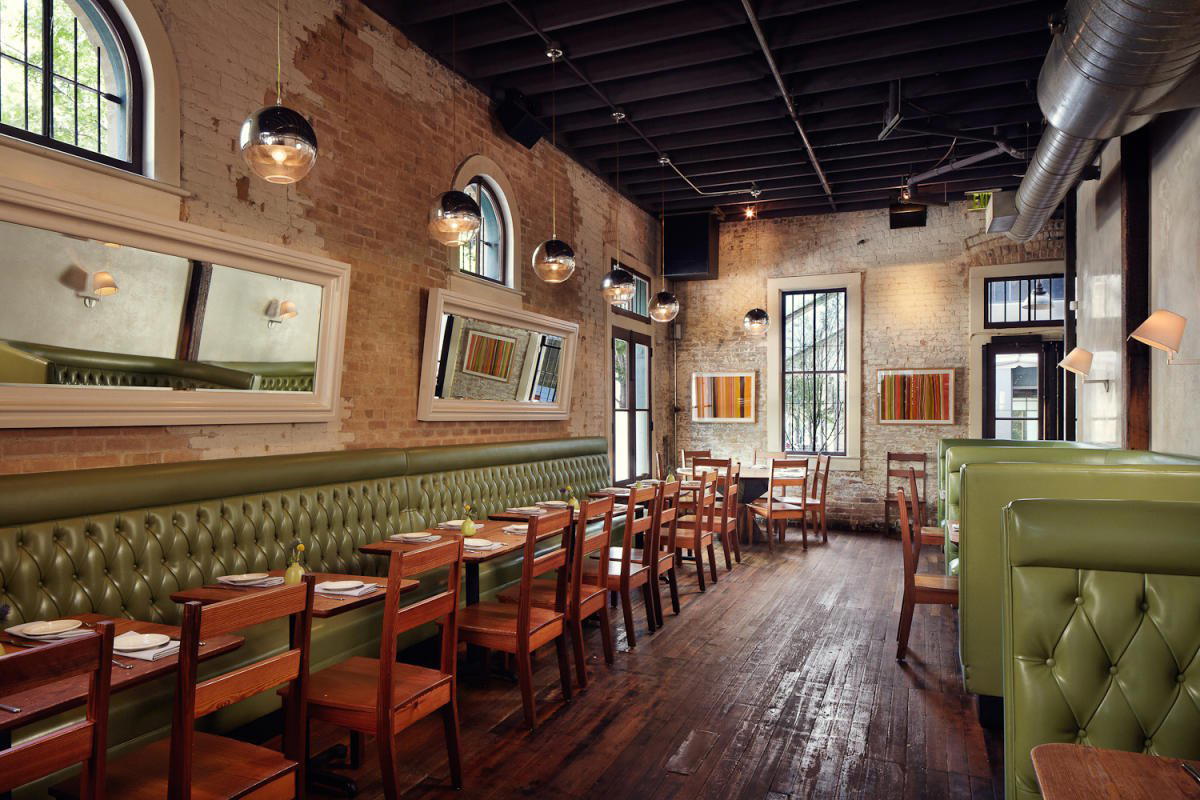
Warm, inviting atmosphere with lively energy suitable for families.