Em Sherif Cafe brings the Lebanese dining institution's signature approach to Doha, placing it within a city that has increasingly positioned itself as a crossroads for regional cuisine from across the Arab world. The cafe format draws from a tradition of convivial, mezze-anchored eating that defines the eastern Mediterranean table, translated here for a Gulf audience that expects both familiarity and finish.

Pearl is the En Primeur Club membership app — saves, bookings, and concierge access live there. Same editors, same standards.
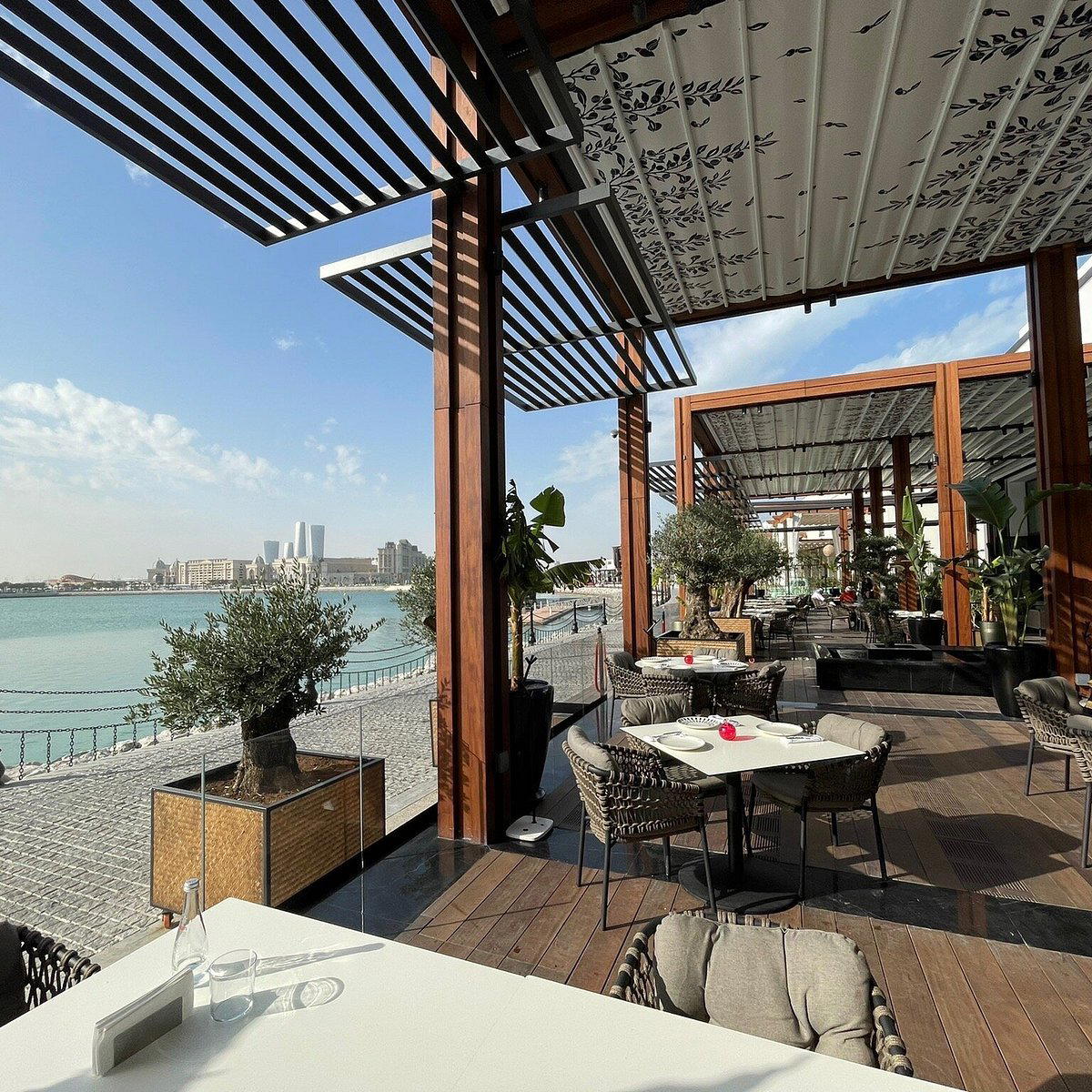
Where the Lebanese Table Meets the Gulf
Doha's dining scene has evolved in a particular direction over the past decade: international flagships from Europe and New York alongside a growing commitment to Arabic cuisine presented with the same seriousness. It is into this second current that Em Sherif Cafe flows. The Em Sherif brand originated in Beirut, and Em Sherif Cafe serves authentic Lebanese cooking in Doha, with mezze as a structural philosophy rather than a category, flatbreads arriving hot in relay, and whole roasted meats that require the full attendance of a table. The Doha outpost carries that framework into a market that understands it, given Qatar's deep cultural and culinary ties to the broader Levant.
The cafe designation is important context. Across the Arab world, the cafe format within a restaurant group typically signals a more accessible, daytime-weighted proposition from a kitchen that runs a more formal dining room elsewhere. In practice, this often means the mezze vocabulary is foregrounded even more clearly, and the pacing moves faster. For visitors to Doha who want to read the city's Arabic dining conversation at something below the highest price tier, the cafe format is frequently where that conversation is most instructive.
The Levantine Tradition in a Gulf Context
Lebanese cuisine at the serious end of the spectrum is built around technique that predates many European fine-dining conventions. Cold mezze, hummus, mutabbal, tabbouleh, fattoush, require precise calibration of acid, fat, and herb rather than heat cookery, which means the kitchen's skill shows up immediately and honestly. Hot mezze such as sambousek, kibbeh, and sawda djej (chicken livers with pomegranate molasses) demand timing and temperature management that a distracted kitchen cannot fake. This is the tradition Em Sherif operates within, and the Beirut original built its reputation on executing that tradition at a level that placed it alongside restaurants receiving international editorial attention.
The intersection of imported method and regional product is where the editorial angle becomes specific. Gulf ingredients, local fish from Qatari waters, dates from the peninsula, lamb raised on regional pastures, sit alongside Levantine pantry staples that travel well: olive oil, sumac, za'atar, pomegranate. Particularly considered Arabic restaurants in Doha have begun to work this intersection with more deliberateness, much in the way that European fine dining explored local sourcing as a point of differentiation a generation ago. Em Sherif's approach, rooted in Lebanese classical form, provides a useful counterpoint to that localist direction: here, the authority comes from the fidelity of the technique and the integrity of the pantry rather than from hyper-local provenance claims. For comparison, Baron offers a different angle on Middle Eastern cuisine in Doha, while Al Nahham leans into the specifically Qatari seafood tradition.
Doha's Arabic Dining Tier
The city's restaurant map now contains a clear tier of Arabic and Levantine dining that operates well below the price point of Doha's European-import flagships. IDAM by Alain Ducasse and comparable addresses price at the highest local bracket. Em Sherif Cafe occupies a different register, one where the draw is the cooking tradition itself rather than the global brand behind the chef's name. This is not a criticism of either tier; they serve different functions. But for a reader whose interest is in the Arabic table specifically, the cafe format of a brand like Em Sherif is often a more direct route to that interest than a European tasting menu with Middle Eastern inflections.
Al Liwan and Al Mourjan Restaurants represent another strand of Arabic hospitality in Doha, the large-format, hotel-anchored operation that serves a broad regional sweep. The restaurant, by contrast, carries a specific national cuisine identity that is more narrowly focused and therefore easier to read critically. The Lebanese restaurant tradition has generated particularly technically grounded cooking in the Arab world, and Doha's version of that tradition is worth understanding as part of any serious itinerary in the city.
Elsewhere in the Gulf dining conversation, venues like ALBA in Lusail signal how the newer districts are developing their own dining character distinct from the older city core.
Timing and Seasonal Considerations
Doha's hospitality season runs from October through April, when temperatures allow outdoor dining and the city's event calendar is at its fullest. During this window, restaurants across the Arabic dining tier see their highest demand from both residents and visitors, and same-day availability at well-regarded addresses becomes less reliable. The period around Ramadan introduces a different rhythm entirely: iftar and suhoor formats replace the standard dinner service at many Lebanese and Arabic restaurants, and the social function of the table shifts accordingly.
Planning Your Visit
The restaurant sits in Doha, within a city where the concentration of Arabic dining options increases significantly in the downtown and waterfront zones. Given the cafe format and the brand's broader recognition, securing a table on short notice is more plausible here than at the city's higher-pressure tasting-menu addresses, though weekend evenings during the October-to-April season are the exception. Visitors who want to place Em Sherif within a broader Doha dining sequence might consider pairing it with seafood-forward options like Al Nahham for Qatari tradition, or stepping further afield in the global Arabic dining conversation by looking at how comparable Levantine technique is being applied in other cities. The craft of working a Lebanese table well, the sequencing of cold and hot mezze, the management of communal sharing, is a skill set that reads across geographies, from Le Bernardin's precision in New York to the ingredient-led focus at Atelier Moessmer Norbert Niederkofler in Brunico, each in their own culinary language.
Dress expectations at Doha's Arabic mid-tier dining follow the city's general standard: smart casual is appropriate, with more conservative choices showing respect for the cultural context.
Comparable Spots
Comparable venues nearby, for context on price, style, and recognition.
| Venue | Cuisine | Price | Notes |
|---|---|---|---|
| Em Sherif CafeThis venue — the venue you are viewing | Authentic Lebanese Café | $$$ | Not listed |
| Al Liwan | Levantine & International Buffet | $$$ | Al Khulaifat |
| Saasna | Modern Qatari | $$$ | Fereej Mohammad Bin Jasim/Mushaireb |
| Benjarong Doha | Authentic Royal Thai Cuisine | $$$$ | West Bay |
| Maru Pearl | Korean BBQ | $$$ | The Pearl - Qanat Quartier |
| Spice Market | Modern Southeast Asian with Sushi | $$$ | West Bay |
At a Glance
- Elegant
- Sophisticated
- Cozy
- Family
- Casual Hangout
- Brunch
- Hotel Restaurant
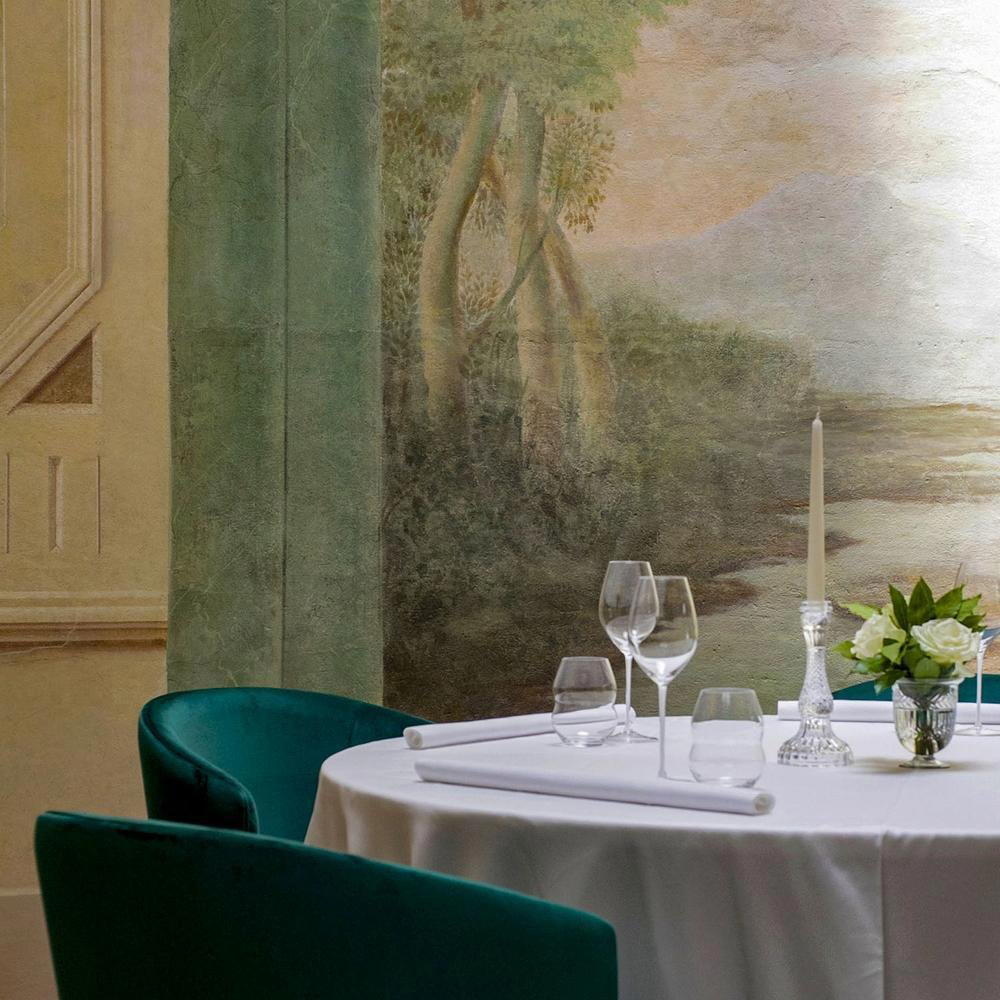
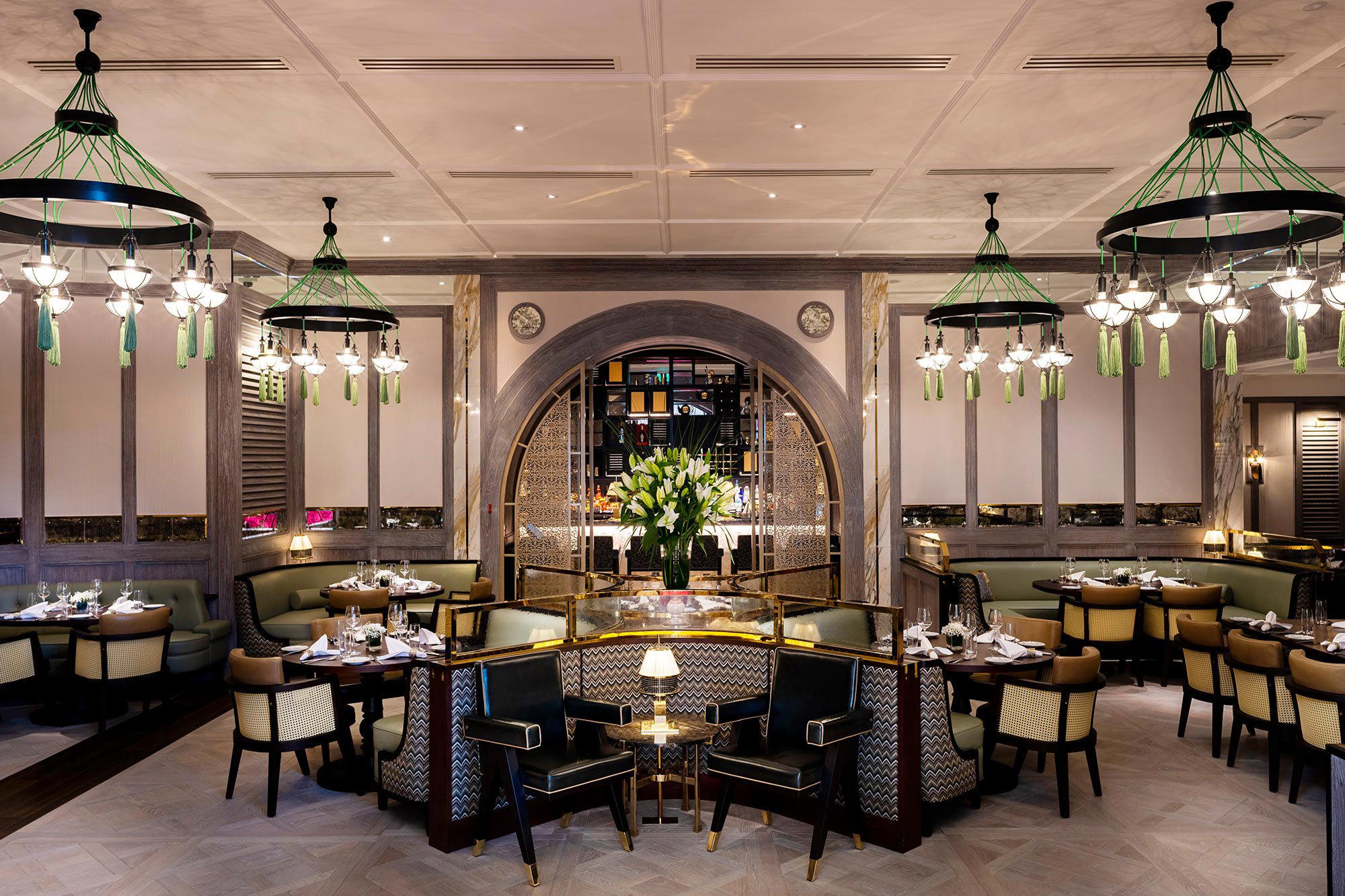
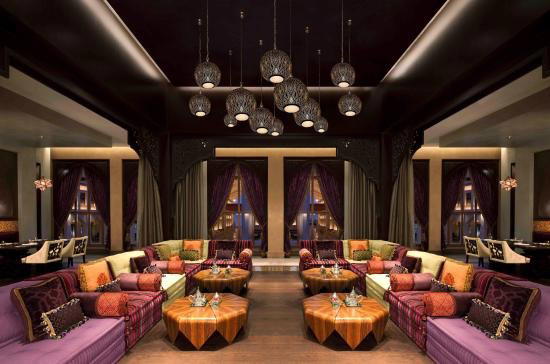
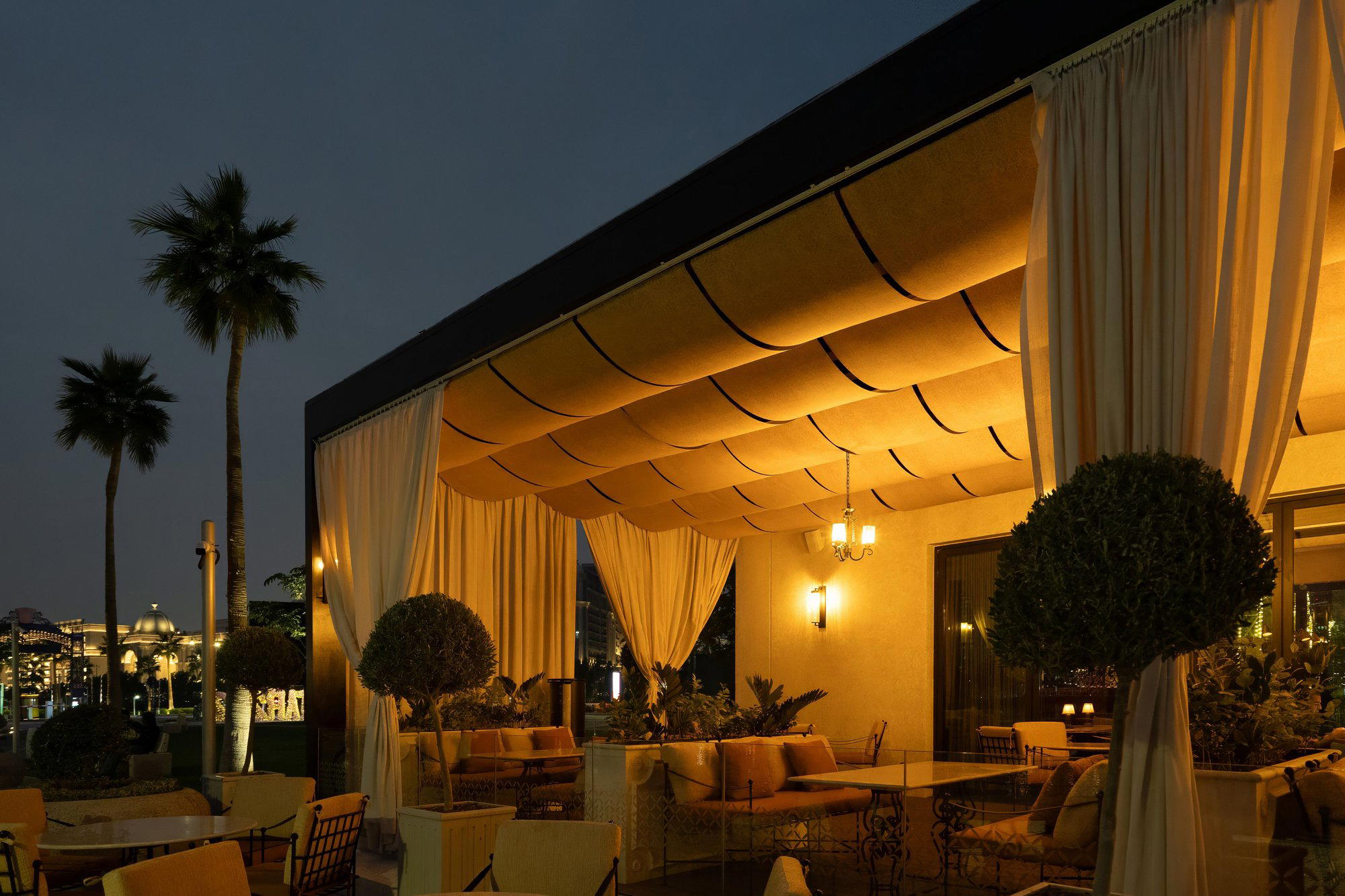
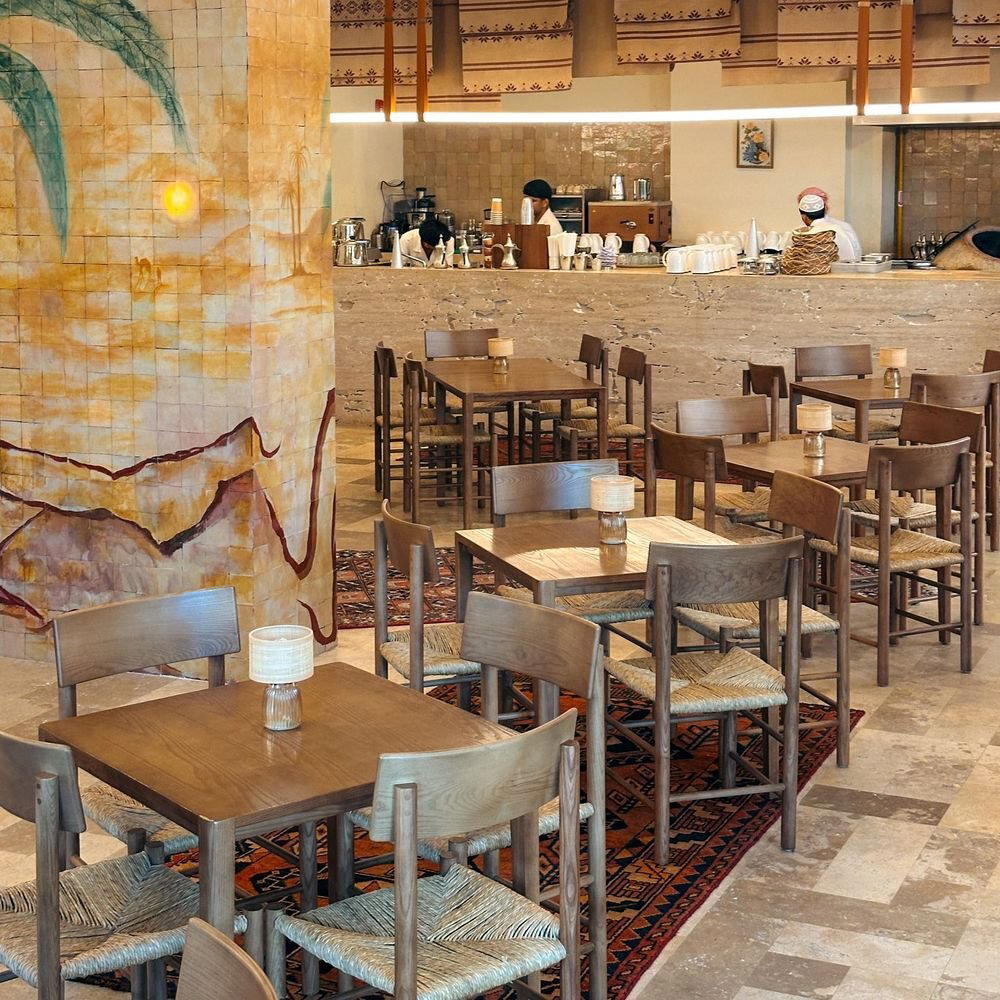
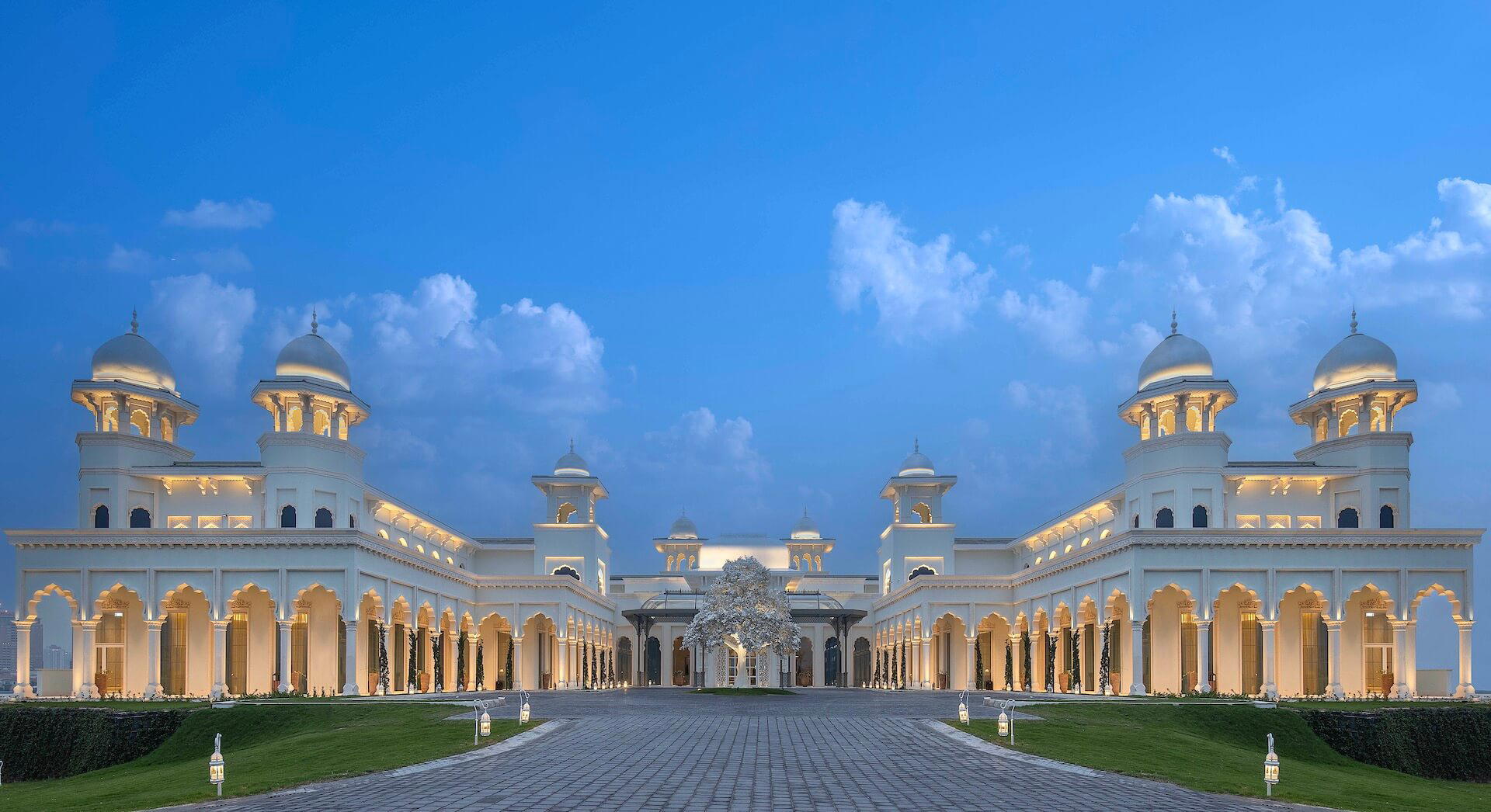
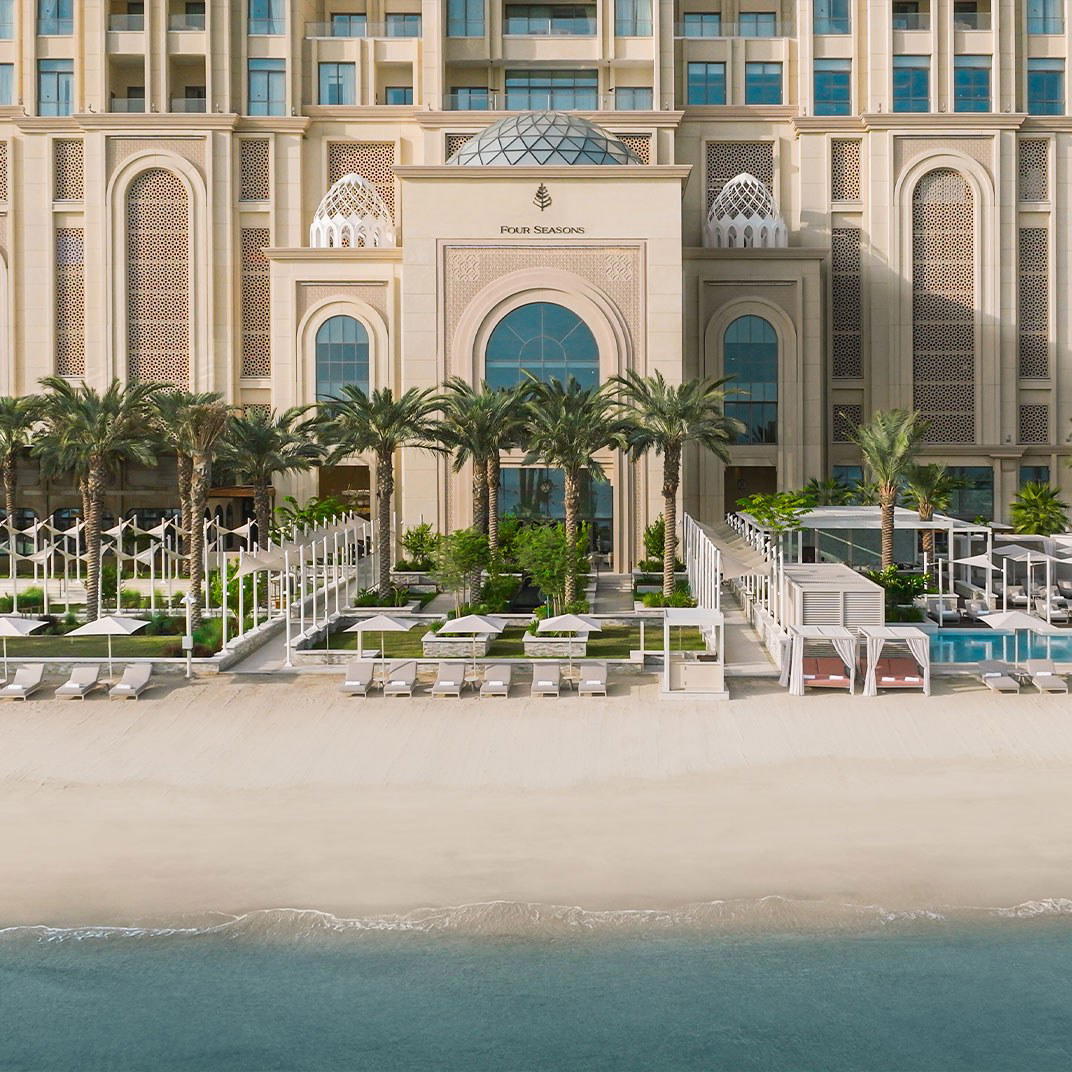
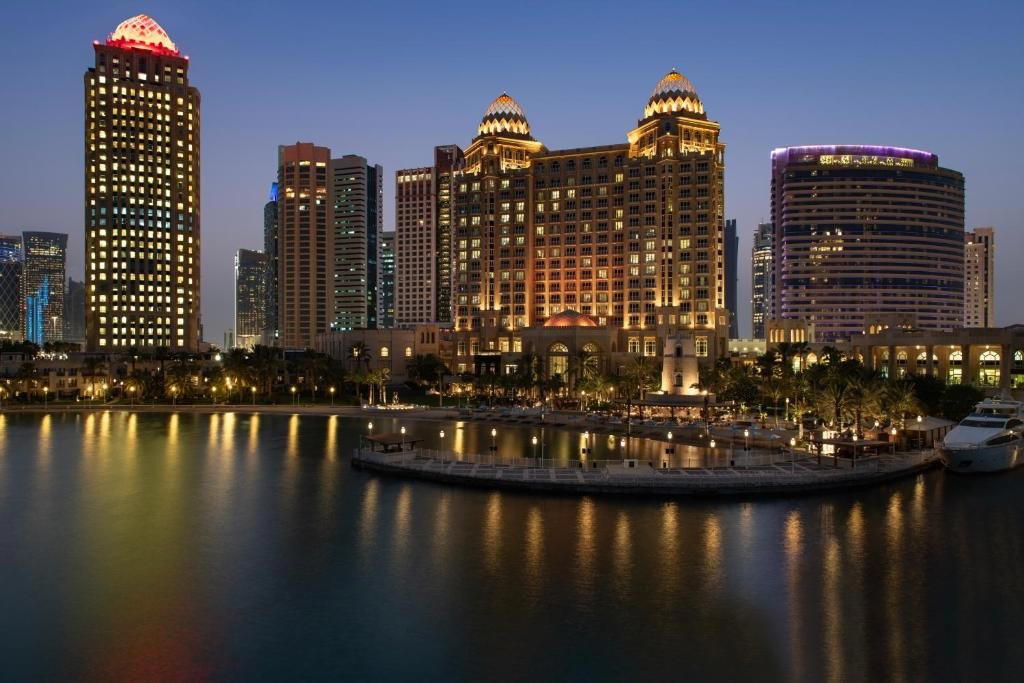
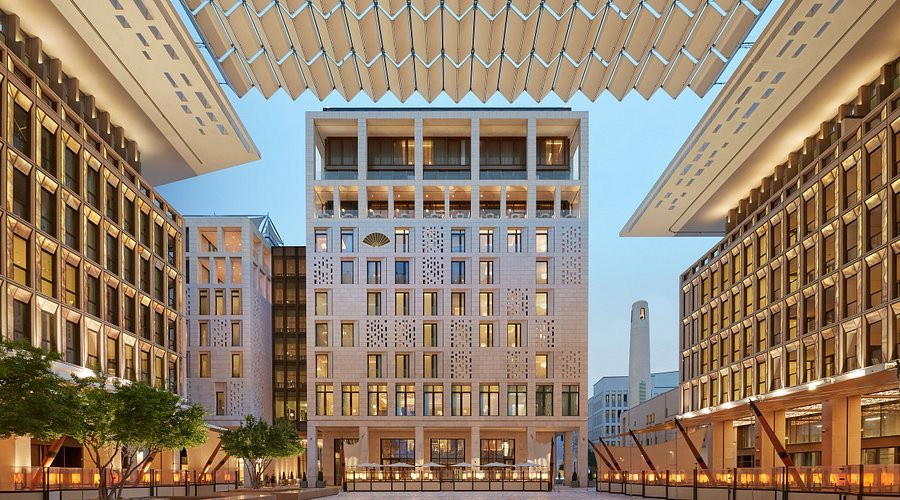
Delicately decorated with elegant silhouettes of oriental vases, botanical accents, earthy furniture, and marble tabletops, creating a refined yet relaxed Middle Eastern atmosphere.