Michelin Plate
Our verdict
Saasna occupies a considered space in Doha's Msheireb district, carrying forward a mission rooted in Qatari culinary preservation. Holding consecutive Michelin Plates for 2024 and 2025, it draws on traditional recipes, freshly ground spices, and dishes like majboos and date ice cream to make the case that Gulf heritage cooking has a confident, contemporary place at the table.

Pearl is the En Primeur Club membership app, where members save venues, book tables and use the concierge.
The menu
What to order
- Chicken majboos
- Date ice cream
- Saasna salad
Where Preservation Meets the Plate
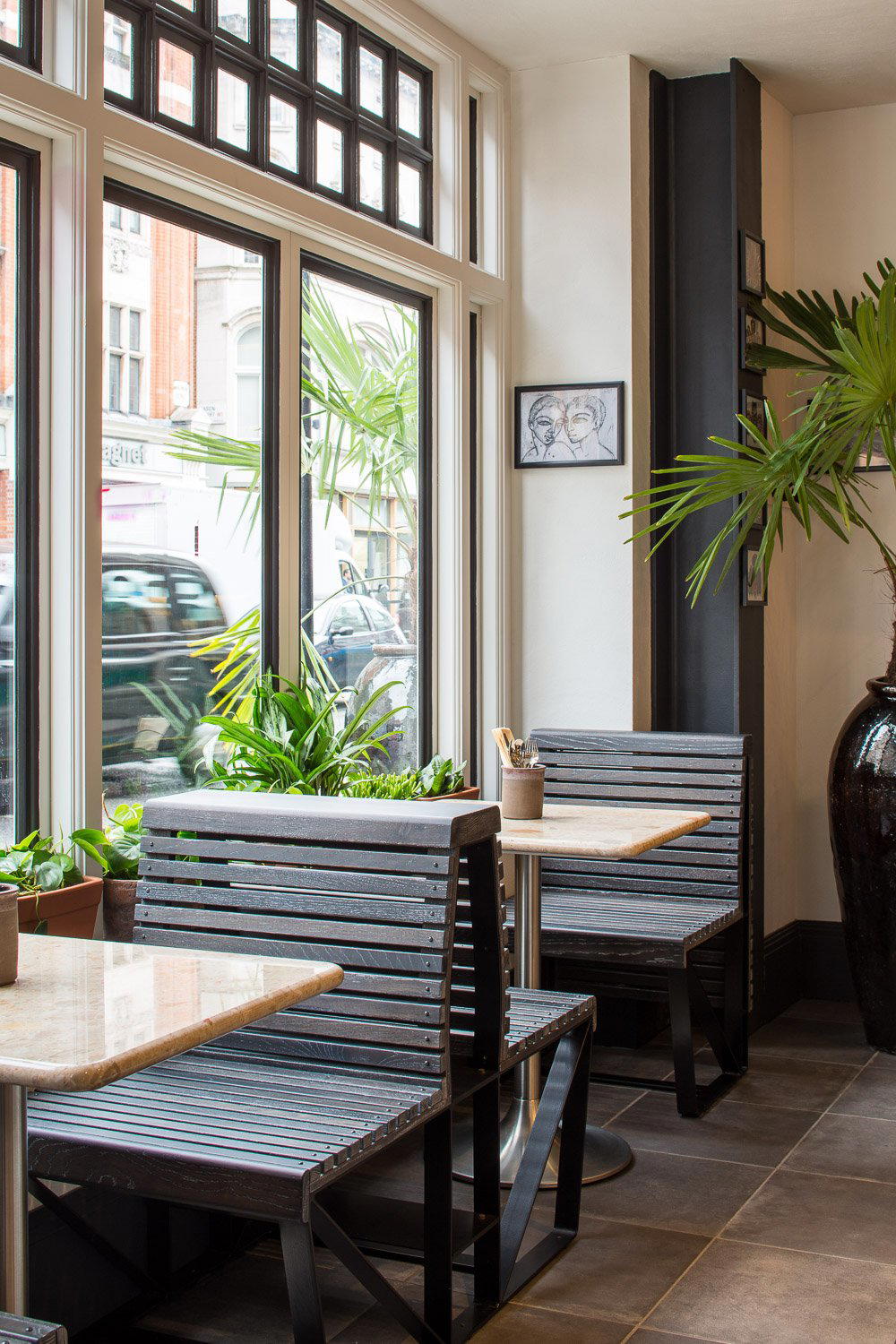
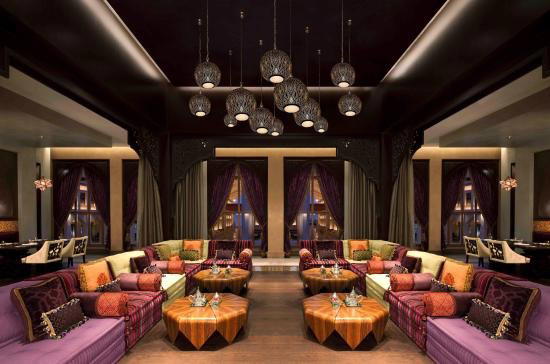
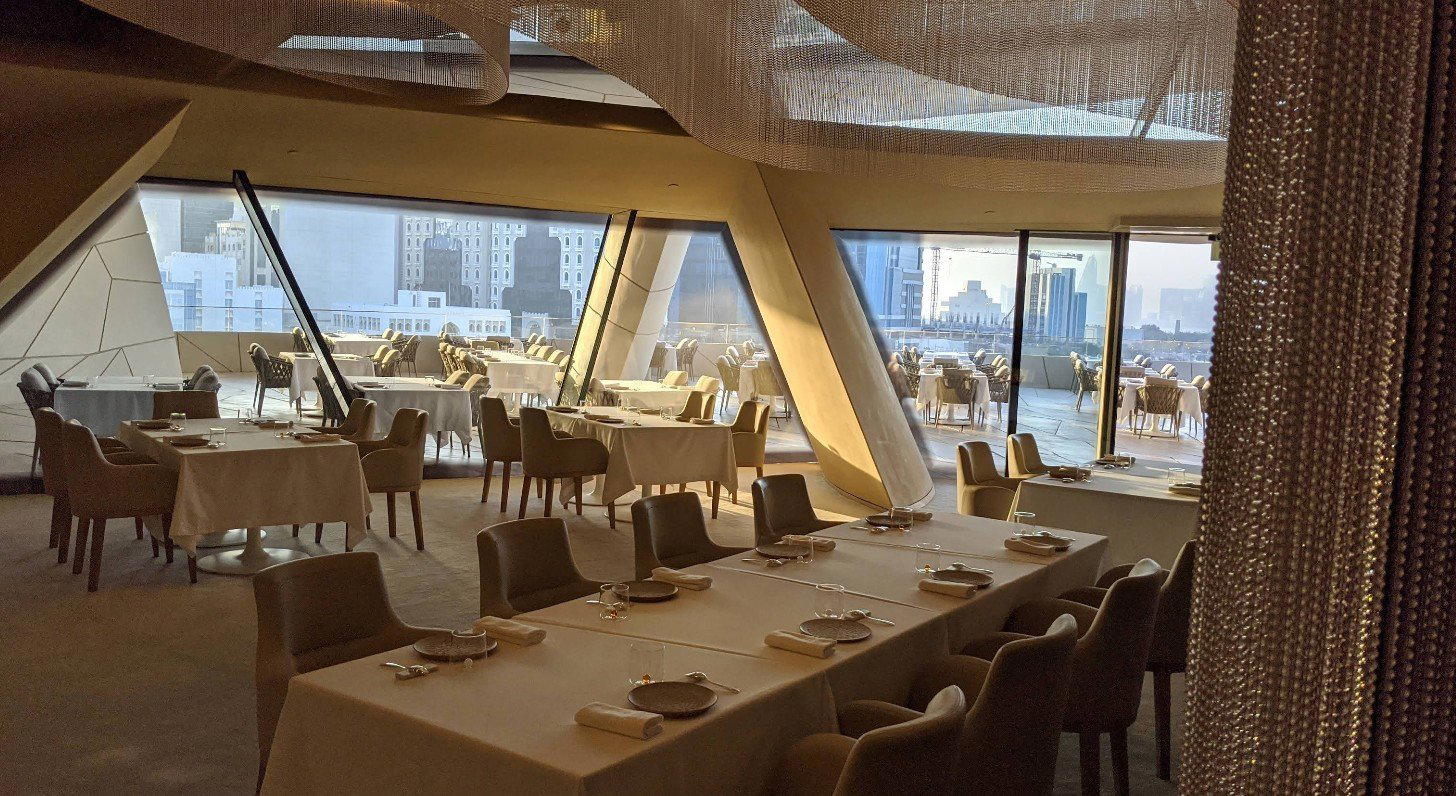
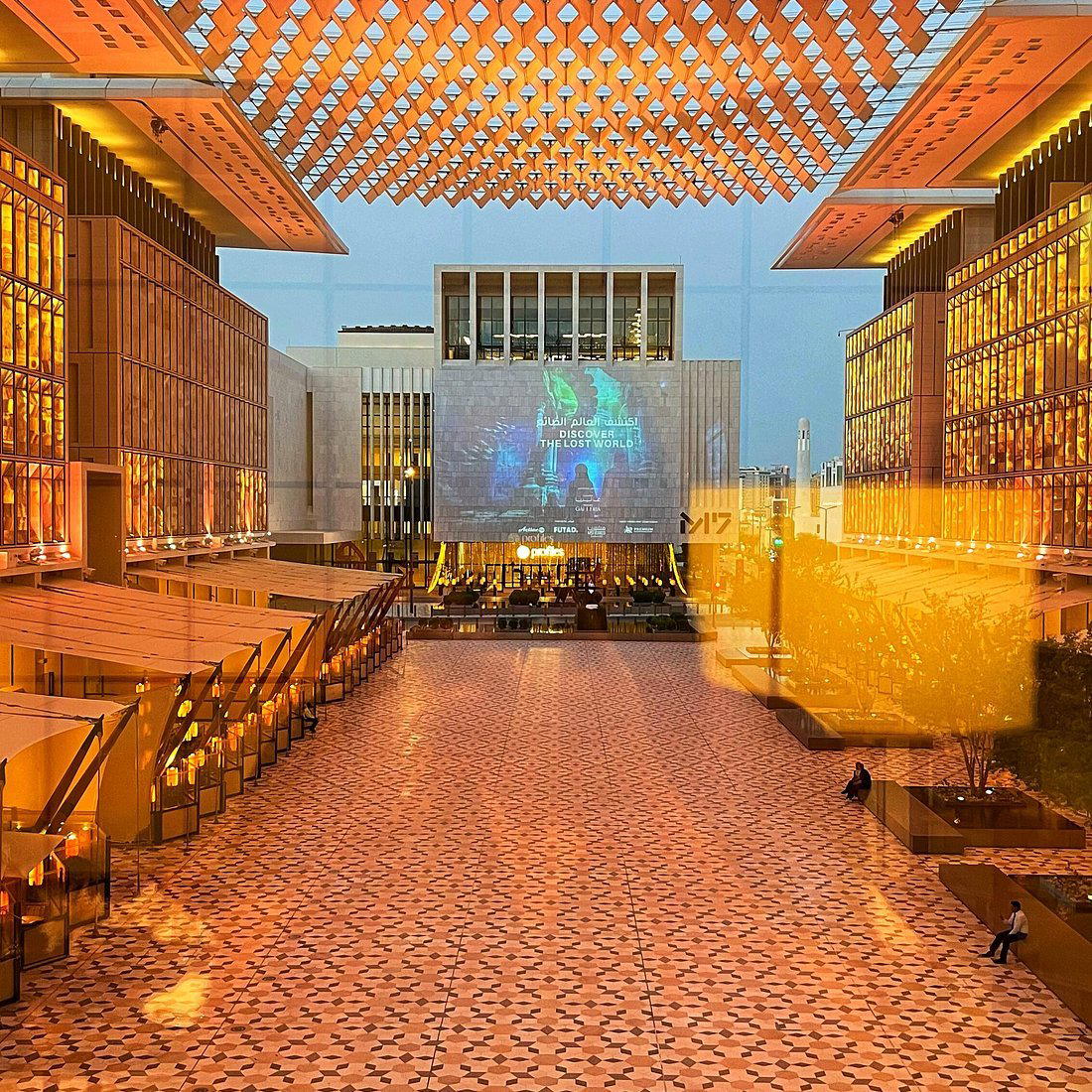
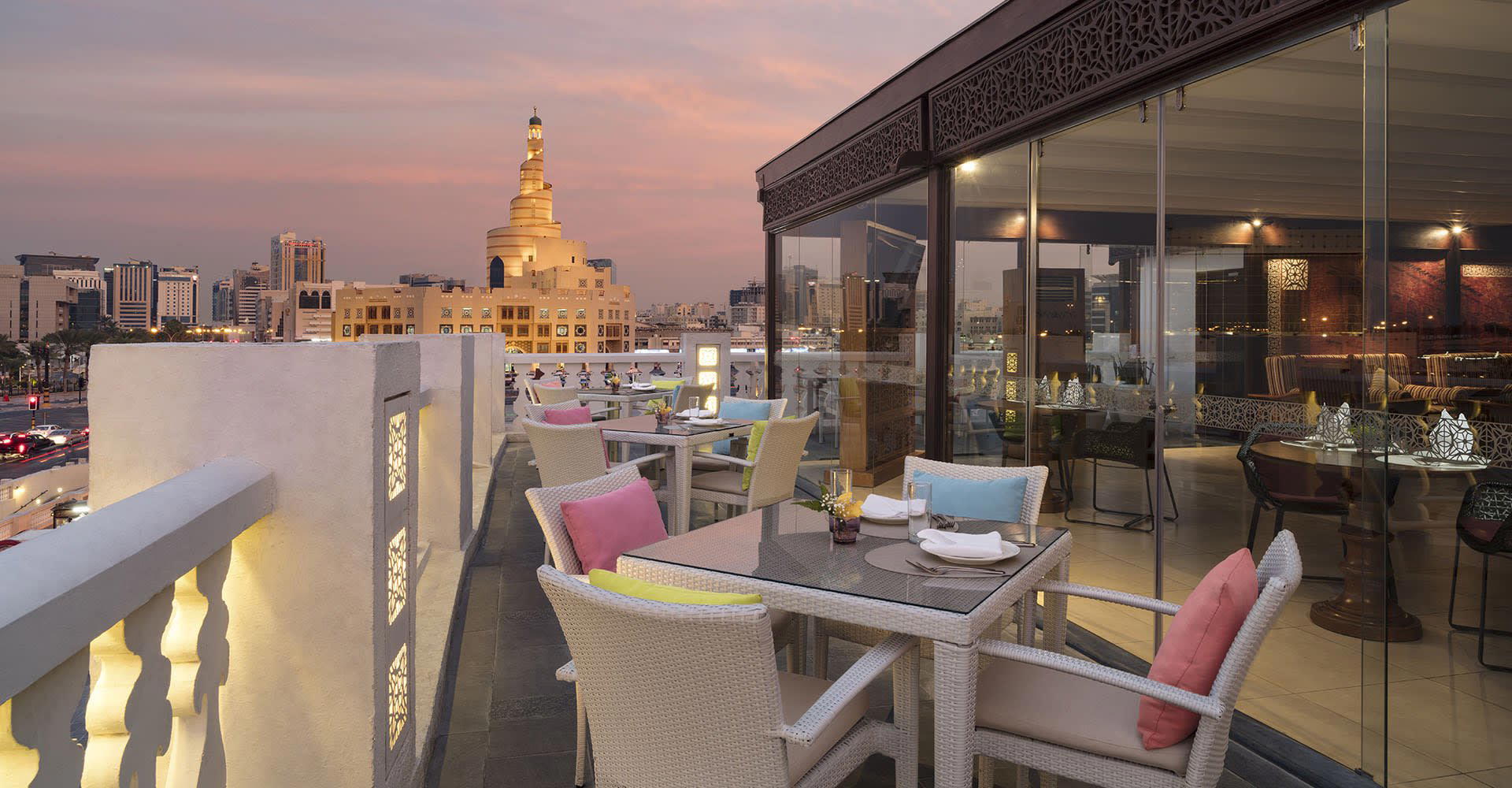
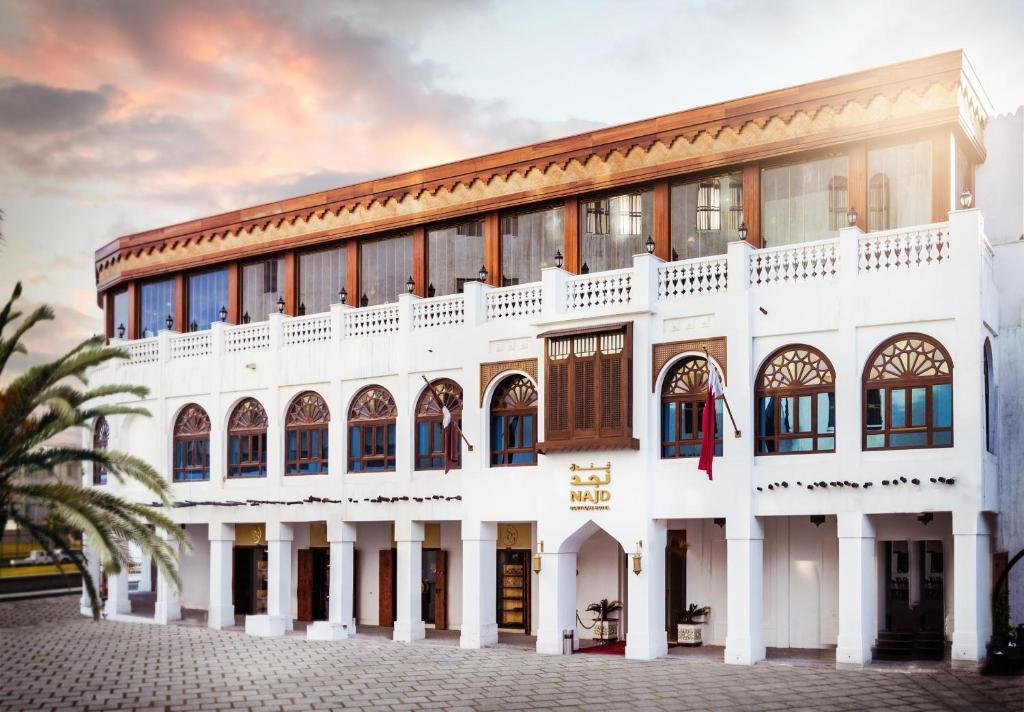
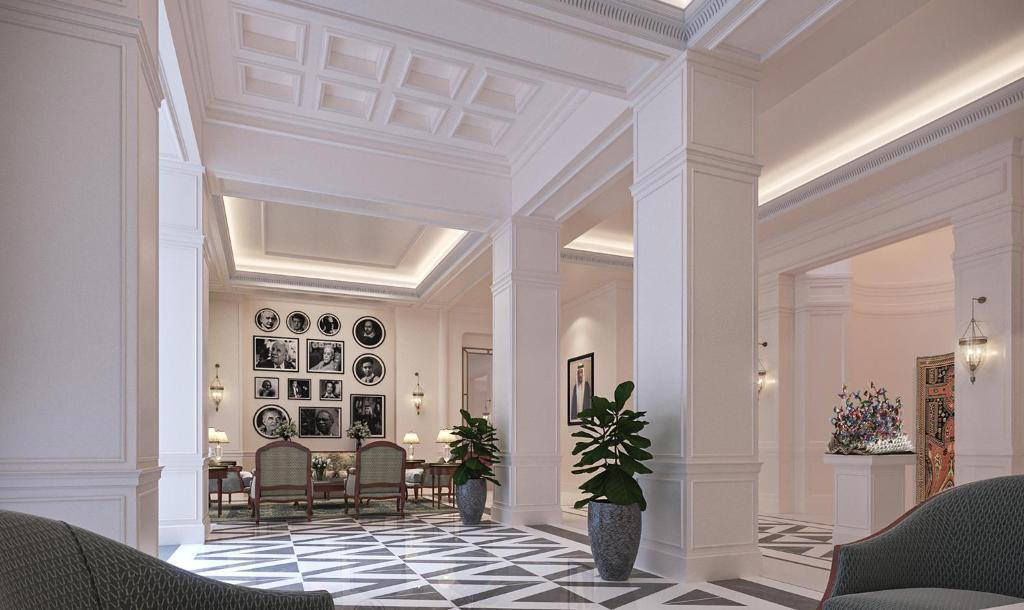
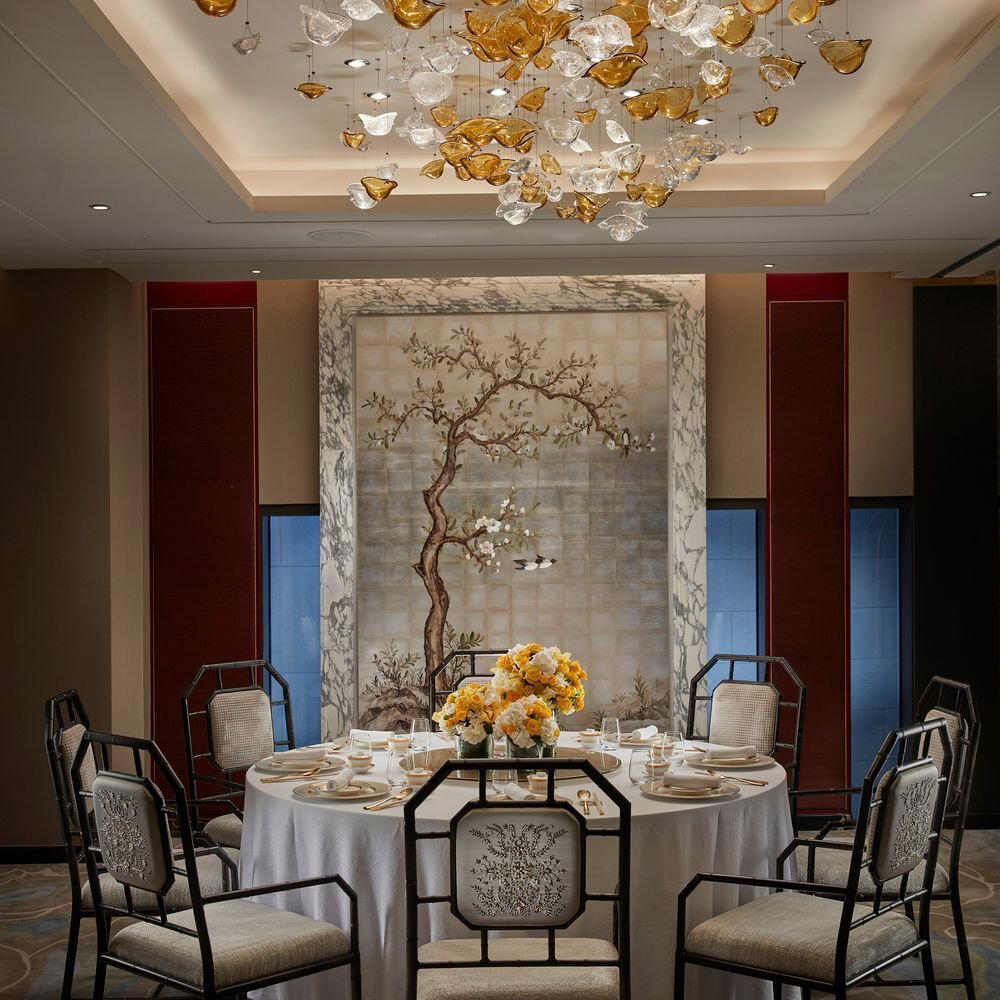
Msheireb, Doha's regenerated downtown quarter, has become the city's most concentrated argument for cultural continuity through architecture, commerce, and food. Along Barahat Msheireb street, the low-rise, sand-toned facades of the Sikkat Al Maiz corridor create a pedestrian rhythm that feels deliberate against the glass-and-steel skyline pressing in from the north. Arriving at Saasna, the physical environment signals its intentions before a menu arrives: this is a space constructed around memory, not novelty. The warm tones, the spice counter visible from the entrance, and the unhurried welcome from a team visibly invested in the restaurant's purpose set the register for what follows.
Doha's dining scene in 2025 spans a wide range, from four-symbol tasting-menu rooms to neighbourhood canteens, and the Qatari-heritage segment within that range remains a smaller, more purposeful niche than the city's international offer. Saasna holds consecutive Michelin Plates for 2024 and 2025, placing it in a recognised tier of restaurants that demonstrate consistent kitchen discipline and a coherent identity, even without the star designation. At the ﷼﷼ price tier, it sits at the same accessible bracket as Jiwan, Doha's other Michelin-recognised Middle Eastern address, which takes a more theatrical, museum-integrated approach to regional heritage. Saasna's method is quieter and more personal in its framing.
The Mission That Shapes the Menu
The restaurant's animating force is the legacy of the late Sheikha Ahmed Al Meer, author of The Art of Qatari Cooking, a text that functions less as a recipe collection than as a document of culinary ethnography. Across the Gulf, heritage-driven cooking faces a structurally difficult challenge: the pace of urbanisation over the past fifty years has compressed generational transmission of domestic recipes, and the international hotel dining culture that defines much of Doha's restaurant economy has little commercial incentive to preserve hyper-local technique. The team at Saasna operates against that pressure with visible deliberateness, continuing a project of documentation and presentation that predates the current wave of Gulf cultural tourism.
This context matters for understanding what the food is doing. The cooking is not fusion or reinterpretation in the mode of, say, Bait Maryam in Dubai, which works with Levantine ingredients through a contemporary lens, nor is it in the register of Kismet in Los Angeles, where Middle Eastern flavours are filtered through California produce culture. Saasna is closer in spirit to the archival end of the spectrum: traditional recipes, executed with care for source and process, presented without theatrical distance.
The Dishes That Define the Visit
Majboos, Qatar's spiced rice dish built around slow-cooked meat, is the structural centrepiece of the menu and functions as a useful measure for any kitchen claiming Qatari authenticity. The rice absorbs the cooking liquor and spice profile of whatever protein anchors it, and the quality of that process depends on the depth of the spice blending and the patience of the cook. Saasna's approach draws directly on the recipe tradition Sheikha Ahmed Al Meer documented, which gives it a different reference point than the more generalised Gulf versions found across the city's hotel all-day dining rooms.
The recommended entry into the meal is through the samosa, the triangular pastry that travels across the Gulf, South Asia, and East Africa under slight regional variations, or the Saasna salad. Both read as orientation before the main course rather than showpieces in their own right. The close of the meal through date ice cream is a smart choice in culinary terms: dates carry significant cultural weight in Qatari food identity, and translating that into a cold dessert format is a way of connecting a traditional ingredient to a contemporary dining expectation without distorting either.
The spice counter, from which guests can purchase freshly ground seasonings and blends, extends the experience beyond the table. In the broader market for Gulf culinary goods, this is not a trivial gesture: access to correctly composed spice mixes is often the practical barrier between home cooks attempting to replicate regional dishes and succeeding. It also reinforces the educative dimension of the restaurant's mission, consistent with the Al Meer legacy.
Saasna in Doha's Wider Dining Context
Range of recognition across Doha's Michelin-listed addresses runs from two-Michelin-star rooms to Bib Gourmand entries, and Saasna's Plate recognition at consecutive years positions it in the tier that the guide defines as demonstrating quality cooking worthy of attention. For context, addresses like Baron and Bayt Sharq occupy different segments of Doha's dining range, while Desert Rose Café and SAWA by Sanad sit at the café and casual end of the heritage-leaning spectrum. Saasna's ﷼﷼ positioning makes it a notably accessible point of entry for Michelin-acknowledged Qatari cooking compared to the considerably higher spend required at four-symbol rooms like Hakkasan or the French fine dining of IDAM by Alain Ducasse.
For visitors arriving in the cooler months between November and March, when outdoor movement through Msheireb's walkable streets is practical rather than aspirational, Saasna fits naturally into an afternoon or early-evening itinerary through the district. The location on Barahat Msheireb street places it within the pedestrian core of the regenerated quarter, requiring no vehicle.
For those building a broader picture of Middle Eastern cooking across the EP Club network, comparable heritage-driven addresses include Al Farah in Abu Dhabi and Al Badawi in New York City, while Ayat and Adana Restaurant in Los Angeles show how diaspora contexts shape the same tradition differently. Astoria Seafood and Adamá in Oaxaca extend the Middle Eastern reference set further afield.
For planning beyond the restaurant, see our full Doha restaurants guide, our full Doha hotels guide, our full Doha bars guide, our full Doha wineries guide, and our full Doha experiences guide.
Frequently asked questions
What type of food is Saasna known for?
Is Saasna Michelin-listed?
Saasna has received recognition including: The dream of the late Sheikha Ahmed Al Meer – author of 'The Art of Qatari Cooking' – lives on through the proud and caring team who run this restaurant and who are determined to continue her desire to preserve and celebrate the country’s c….
What dish is Saasna famous for?
Majboos is the dish most closely associated with Saasna, a slow-cooked spiced rice preparation that sits at the centre of the menu and reflects the traditional Qatari cooking the restaurant was built to preserve. The Michelin Plate recognition in both 2024 and 2025 cites the kitchen's fresh, flavour-forward approach to exactly these kinds of heritage preparations. The samosa and Saasna salad are recommended as starters, with date ice cream closing the meal.
What's the pricing like at Saasna?
Pricing at Saasna is listed as ﷼﷼.
Where exactly is Saasna?
Saasna is located at Barahat Msheireb street, Sikkat Al Maiz، Doha, Qatar, Doha.
Peers in This Market
| Venue | Cuisine | Price | Awards | Notes |
|---|---|---|---|---|
| SaasnaThis venue (the venue you are viewing) | Modern Qatari | Not listed | Michelin Plate | Not listed |
| IDAM by Alain Ducasse | Contemporary French Mediterranean with Arabian influences | $50–100 | 1 Michelin Star · World's 50 Best #44 | French, French Contemporary, ﷼﷼﷼﷼ |
| Argan | Authentic Moroccan | $20–30 | Michelin Bib Gourmand | Moroccan, ﷼ |
| Hakkasan | Modern Cantonese | $100–150 | Michelin Plate | Chinese, ﷼﷼﷼﷼ |
| Jiwan | Modern Qatari Fine Dining | Not listed | Michelin Bib Gourmand | Middle Eastern, ﷼﷼ |
| Morimoto | Contemporary Japanese Fusion | $100–150 | Michelin Plate · Wine Spectator Award of Excellence | Japanese, Sushi, Japanese Contemporary, ﷼﷼﷼ |
Recognition history
Dated appearances from independent guides and award organizations, with the underlying list record or original source where available.
Michelin Plate
Michelin
Full recognition history (3 entries)
Michelin Plate
Michelin
Michelin Plate
Michelin