
Alba brings Italian cooking to Lusail City's Marina District at the top of Doha's price tier, earning a Michelin Plate in 2025. Book at the higher end of the Doha dining budget and plan accordingly.
Pearl is the En Primeur Club membership app — saves, bookings, and concierge access live there. Same editors, same standards.
- Address
- Marina District Lusail City, Doha, Qatar
- Phone
- +974 4430 7070
- Website
- restaurantsandbars.accor.com
- Directions
- Get directions
 Saves & bookings on Pearl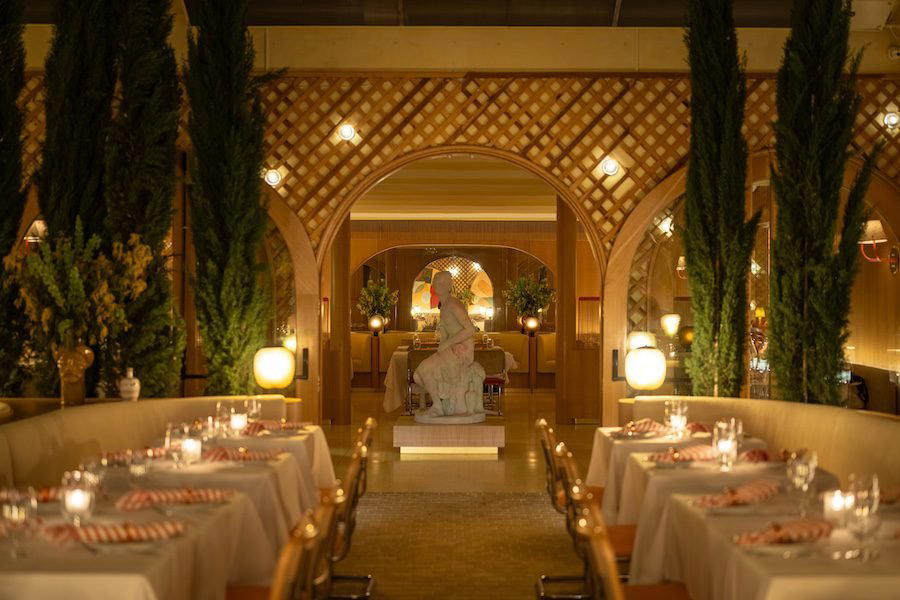
Italian Regionalism in the Gulf: Where Alba Sits
Italian restaurants outside Italy occupy a spectrum that rarely gets articulated clearly. At one end sit places that flatten the cuisine into a generic red-sauce register; at the other, kitchens that commit to a specific regional grammar, whether the butter-and-saffron logic of Milan, the wood-smoke austerity of central Abruzzo, or the seafood-forward traditions of the Amalfi coast. Doha's premium dining market, concentrated largely around the waterfront developments of Lusail City, has grown sophisticated enough to sustain the latter. Alba, positioned in the Marina District at the top of the city's price tier (rated ﷼﷼﷼﷼), does not anchor itself to a single Italian province. Instead, it draws across the peninsula's regional repertoire, which in practice means the kitchen can move between the restrained precision of northern Italy and the more assertive, herb-driven character of the south depending on the dish.
That regional pluralism is worth understanding before you book, because it sets Alba apart from the Italian export model that tends to dominate international markets. Restaurants like Il Ristorante-Niko Romito in Dubai or Octavium in Hong Kong tend to commit to a more defined house identity, often anchored in a single chef's regional provenance. Alba's approach is broader, which suits a dining public that arrives without deep familiarity with the distinctions between, say, Venetian and Sicilian traditions, but still expects cooking at the top of the market to justify its price point.
The Marina District Setting
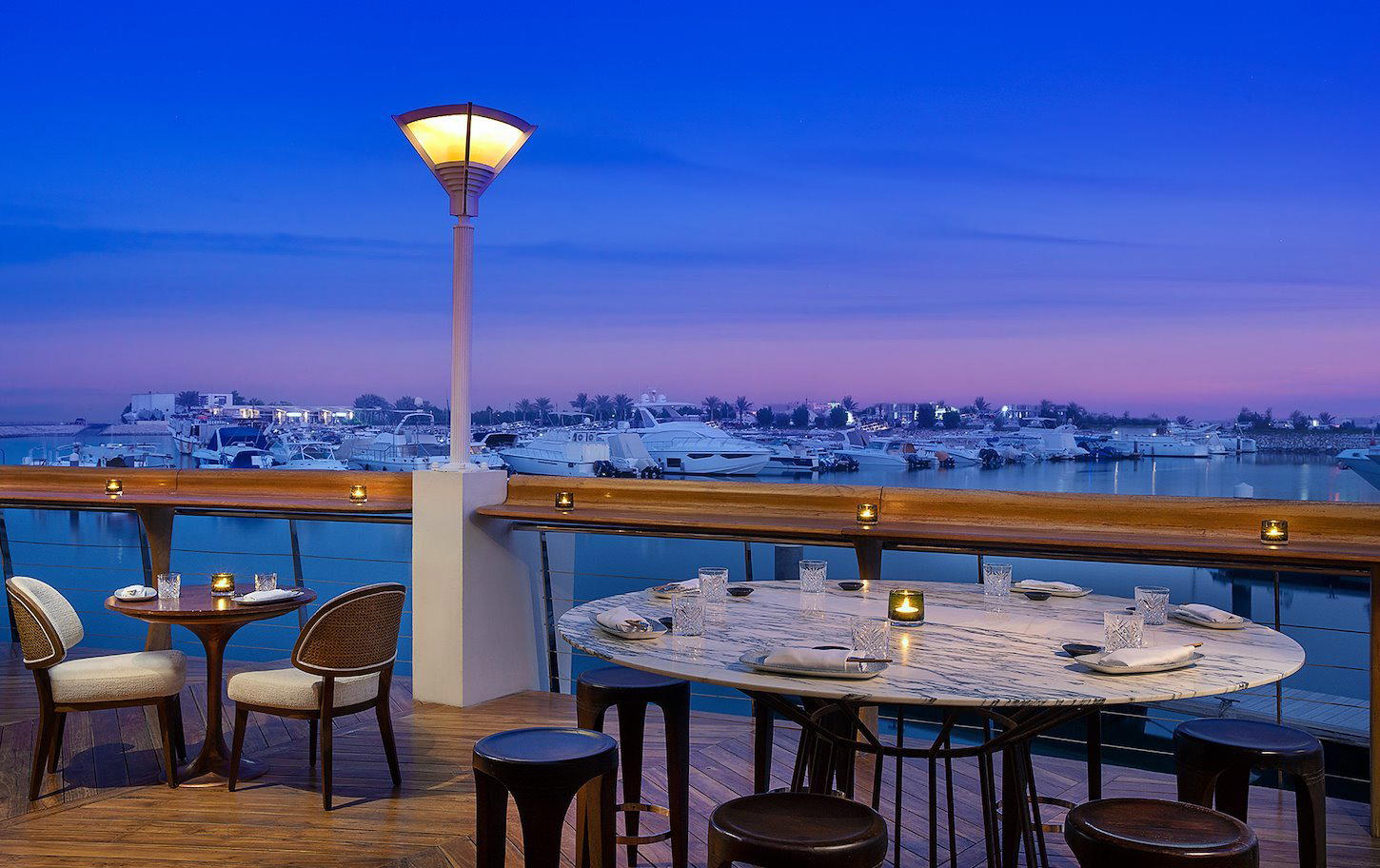
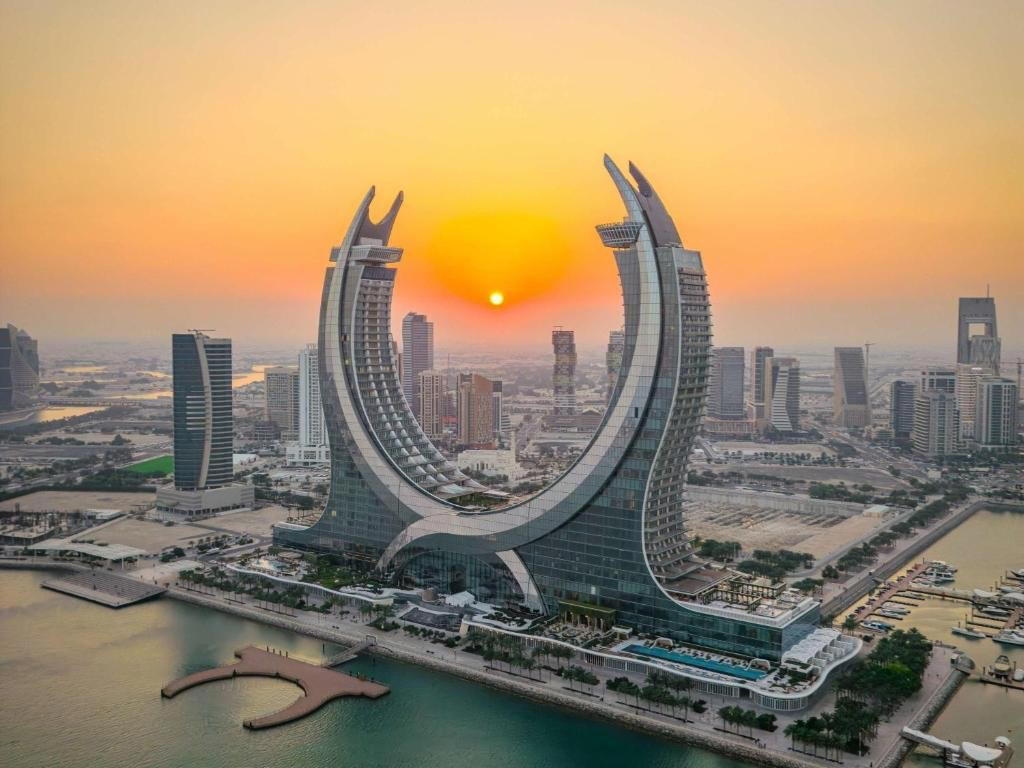
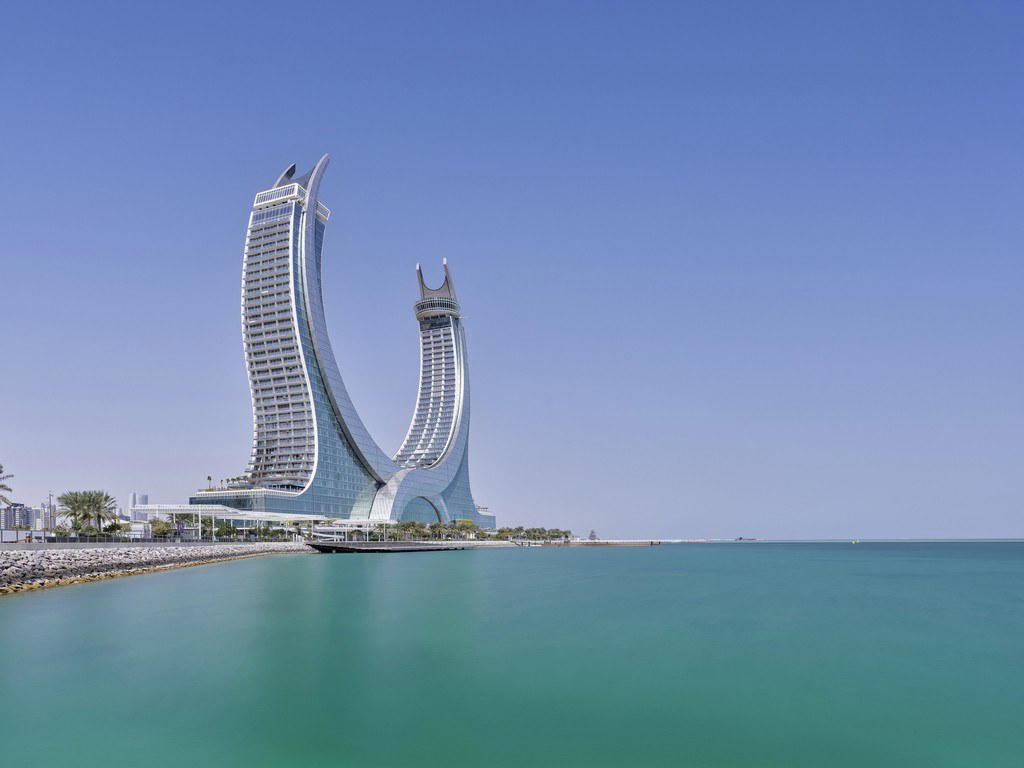
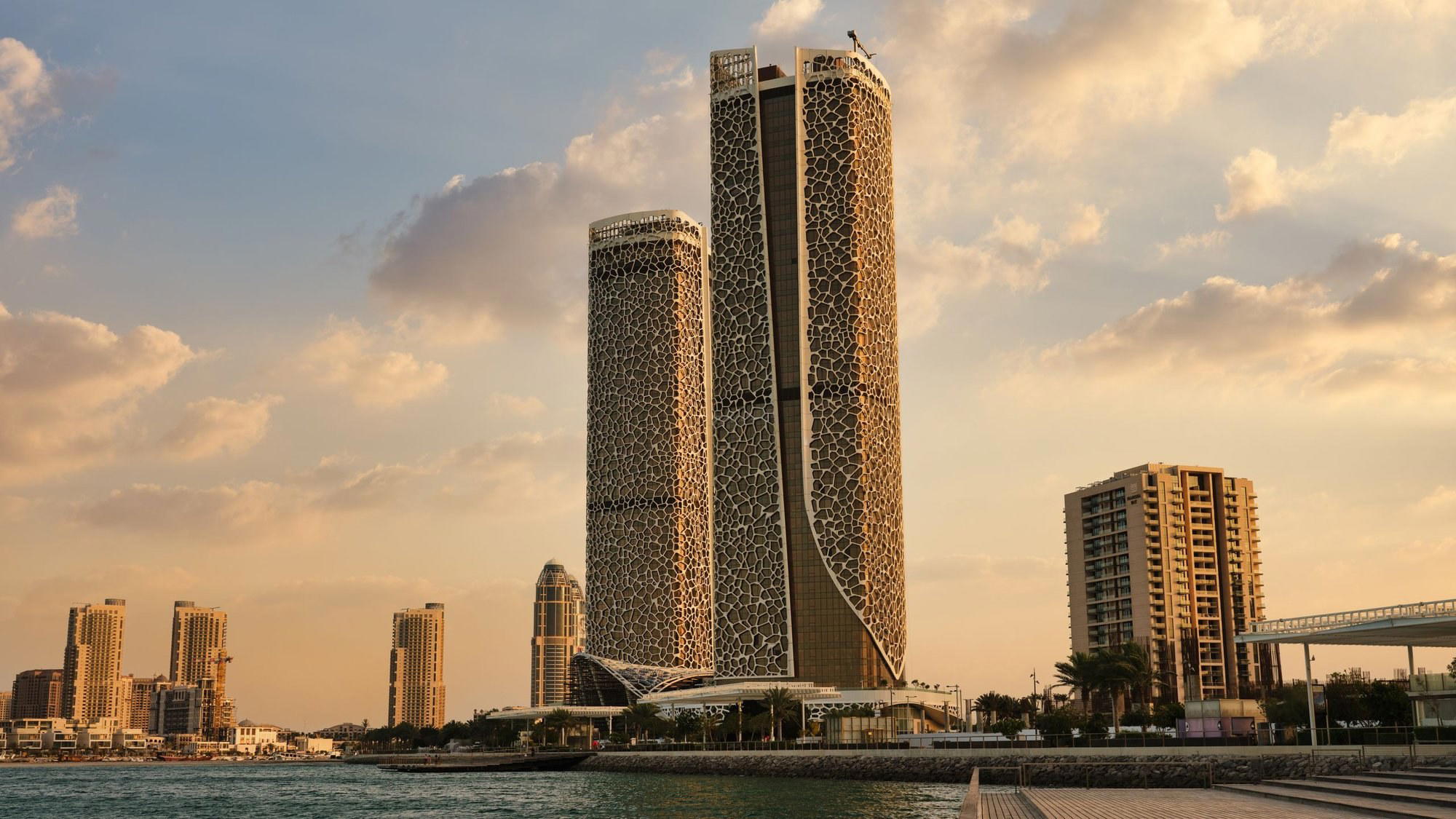
Lusail City's Marina District is Doha's most deliberate attempt to create a European-style waterfront dining precinct. The development sits north of central Doha and has attracted a concentration of high-ticket restaurants in a relatively compact area, making it the natural home for a ﷼﷼﷼﷼-tier Italian address. The district does not have the organic character of older Doha neighbourhoods, but it offers something that matters for a restaurant operating at Alba's price level: footfall from hotel guests, corporate visitors, and residents who have come specifically to spend an evening out rather than stumbling upon a venue incidentally.
For practical planning, the Marina District is accessible by car and taxi from central Doha, and the development itself is walkable once you arrive. Alba's position within it means you are surrounded by other significant dining options, which makes the area worth a longer evening rather than a single-restaurant visit. For a fuller picture of what else is operating in Doha right now, the EP Club Doha restaurants guide covers the current field across price tiers and cuisines.
What the Michelin Plate Signals
The 2025 Michelin Plate is a trust signal worth contextualising. Michelin's Gulf edition has been expanding its coverage of Qatar, and the Plate designation, which sits below starred status but requires the inspectors to be satisfied with the overall quality of cooking, is not automatic. In a market where many restaurants at the ﷼﷼﷼﷼ tier compete primarily on spectacle, location, or imported brand recognition, a Michelin Plate signals that the cooking itself is meeting a threshold.
For comparison, IDAM by Alain Ducasse operates at the same price tier with a Michelin star, giving it a clear credential advantage. The two restaurants serve different cuisines and different occasions, but the gap in Michelin recognition is relevant context for anyone using awards as a primary booking signal. Italian peers in other markets that hold starred status, such as 8½ Otto e Mezzo Bombana in Hong Kong or PRISMA in Tokyo, give a sense of what the starred tier looks like for Italian cooking in international markets. Alba sits below that bracket for now, though the Plate recognition puts it ahead of the majority of Italian restaurants operating in Qatar.
The Kitchen's Register
Italian cooking exported to the Gulf faces a specific set of constraints. Ingredient sourcing at the premium end requires importing produce that in Italy would be hyperlocal, whether that means specific cured meats, aged cheeses with protected designation status, or fresh seafood varieties tied to particular Adriatic or Tyrrhenian fishing grounds. Kitchens at Alba's price level are expected to absorb those logistics costs and still deliver cooking that reads as coherent rather than assembled from available substitutes.
The kitchen's approach, drawing across Italian regional traditions rather than committing to one, is also a pragmatic response to Doha's dining public. Guests at ﷼﷼﷼﷼-tier restaurants in the Marina District arrive from varied backgrounds with varied expectations of what Italian food should taste like. A menu that can move between the egg-yolk richness of northern pasta traditions and the lighter, citrus-inflected logic of southern Italian seafood dishes serves that audience more flexibly than a narrow regional commitment would. Italian restaurants in Western markets that have built audiences around specific regional identities, such as Frasca Food and Wine in Boulder or Osteria Mozza in Los Angeles, have had decades to educate their guests. Alba is operating in a different context, and its broader register reflects that.
Doha's Wider Dining Field
Alba operates in a market that has diversified considerably over the past decade. The ﷼﷼﷼﷼ tier in Doha now includes French, Chinese, and Middle Eastern restaurants alongside the Italian and Japanese formats that arrived earlier. Baron and Bayt Sharq anchor the Middle Eastern end of the premium market, while Argan covers Moroccan at a lower price point. For a different take on the waterfront dining format, Berenjak Al Maha Island represents the newer wave of international restaurant brands establishing Gulf outposts. Alba's Italian identity gives it a distinct position within that competitive field, though diners choosing between the ﷼﷼﷼﷼ options have genuine alternatives across multiple cuisines.
If you are building a longer Doha itinerary, the EP Club Doha hotels guide, bars guide, and experiences guide cover the wider picture. For Italian cooking in other international markets worth benchmarking against, cenci in Kyoto and 8½ Otto e Mezzo Bombana in Shanghai show how the cuisine translates across very different cultural contexts.
Planning Your Visit
Alba sits at the top of Doha's price range, so the ﷼﷼﷼﷼ rating should be taken as a genuine signal rather than a rough estimate. At that level in the Marina District, a full dinner for two with drinks will represent a material spend, and it is worth arriving with that expectation set. Booking in advance is advisable, particularly for weekend evenings when the Marina District draws its largest crowds. The restaurant's address is in Lusail City's Marina District, which is straightforwardly reachable by ride-hail from central Doha. For a complete view of Doha's dining options across all categories, the full EP Club Doha restaurants guide is the practical starting point.
Comparable Spots, Quickly
A quick peer reference to anchor this venue in its category.
| Venue | Cuisine | Price | Awards | Notes |
|---|---|---|---|---|
| AlbaThis venue — the venue you are viewing | Italian | ﷼﷼﷼﷼ | Not listed | Not listed |
| IDAM by Alain Ducasse | French, French Contemporary | ﷼﷼﷼﷼ | Michelin 1 Star | ﷼﷼﷼﷼ |
| Argan | Moroccan | ﷼ | Not listed | ﷼ |
| Hakkasan | Chinese | ﷼﷼﷼﷼ | Not listed | ﷼﷼﷼﷼ |
| Jiwan | Middle Eastern | ﷼﷼ | Not listed | ﷼﷼ |
| Morimoto | Japanese, Sushi, Japanese Contemporary | ﷼﷼﷼ | Not listed | ﷼﷼﷼ |
Recognition history
Dated appearances from independent guides and award organizations, with the underlying list record or original source where available.
Michelin Plate
Michelin
Michelin Plate
Michelin
At a Glance
- Elegant
- Intimate
- Sophisticated
- Date Night
- Special Occasion
- Chefs Counter
- Hotel Restaurant
- Extensive Wine List
Current opening hours
- Monday
- Closed
- Tuesday
- Closed
- Wednesday
- 6–11 PM
- Thursday
- 6–11 PM
- Friday
- 6–11 PM
- Saturday
- 6–11 PM
- Sunday
- Closed
Hours can change for holidays and private events. Last verified .
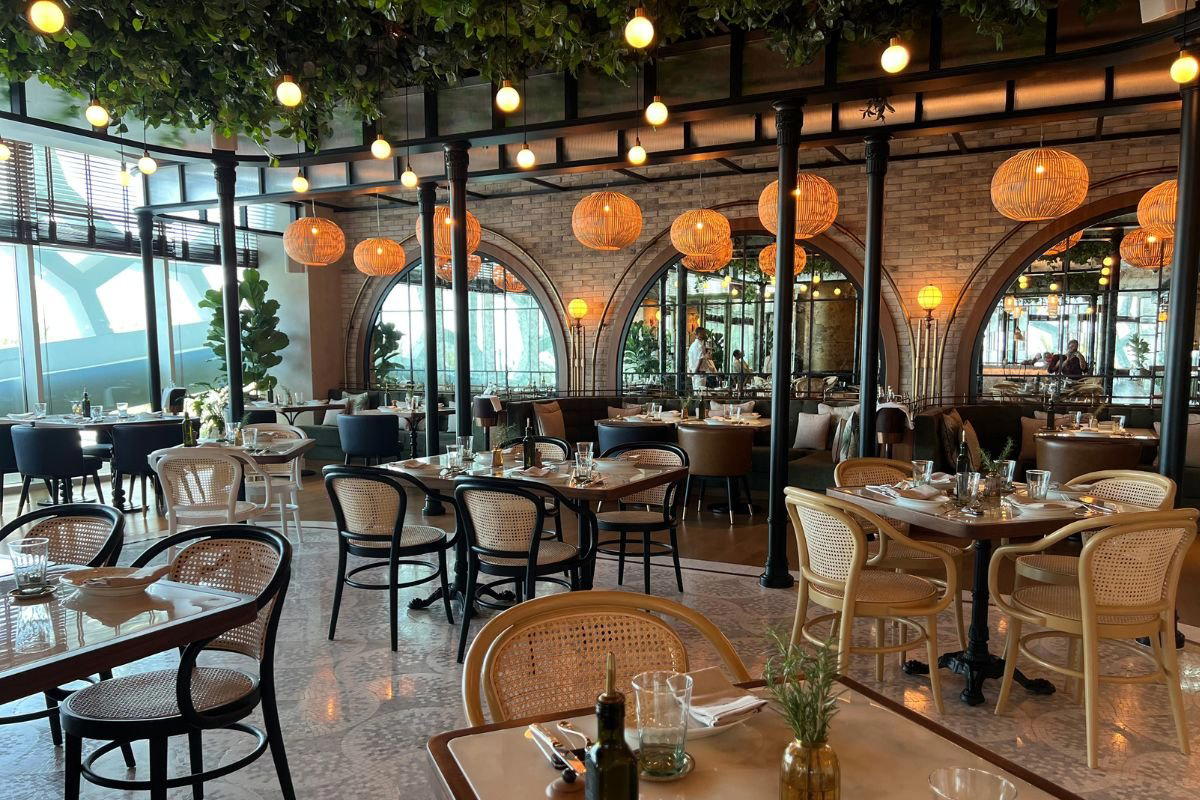
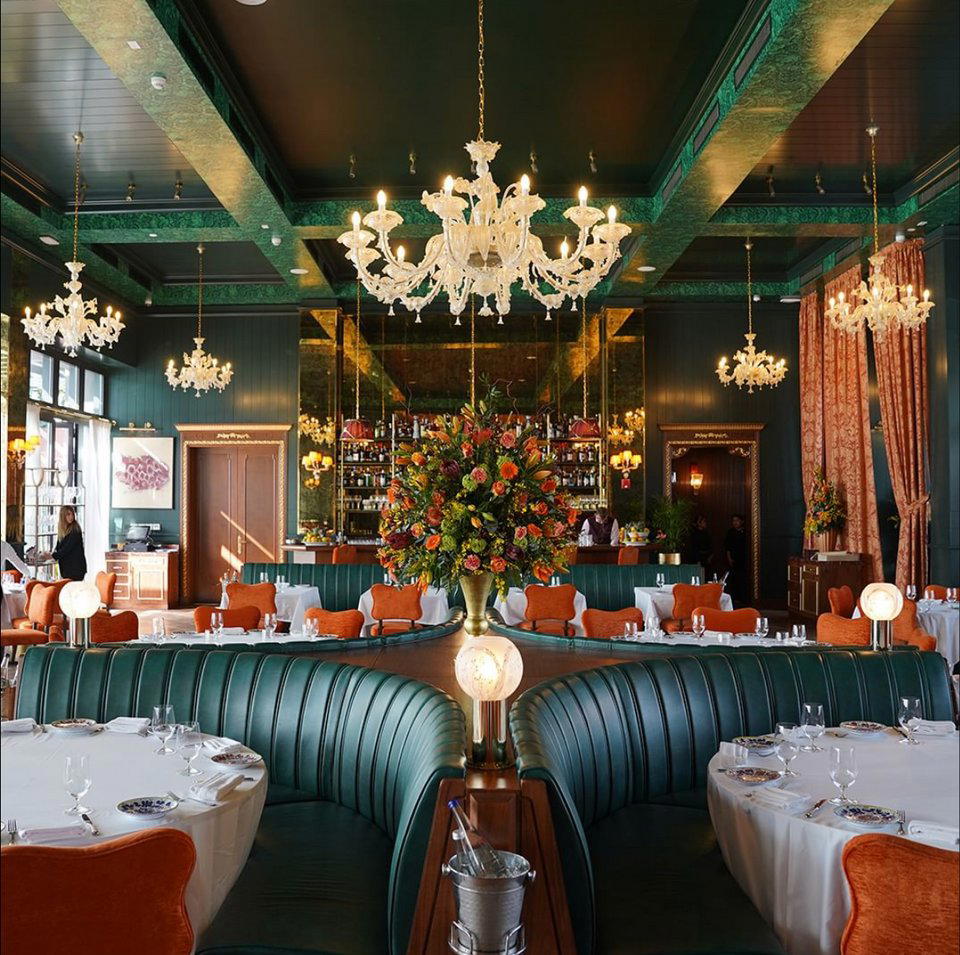
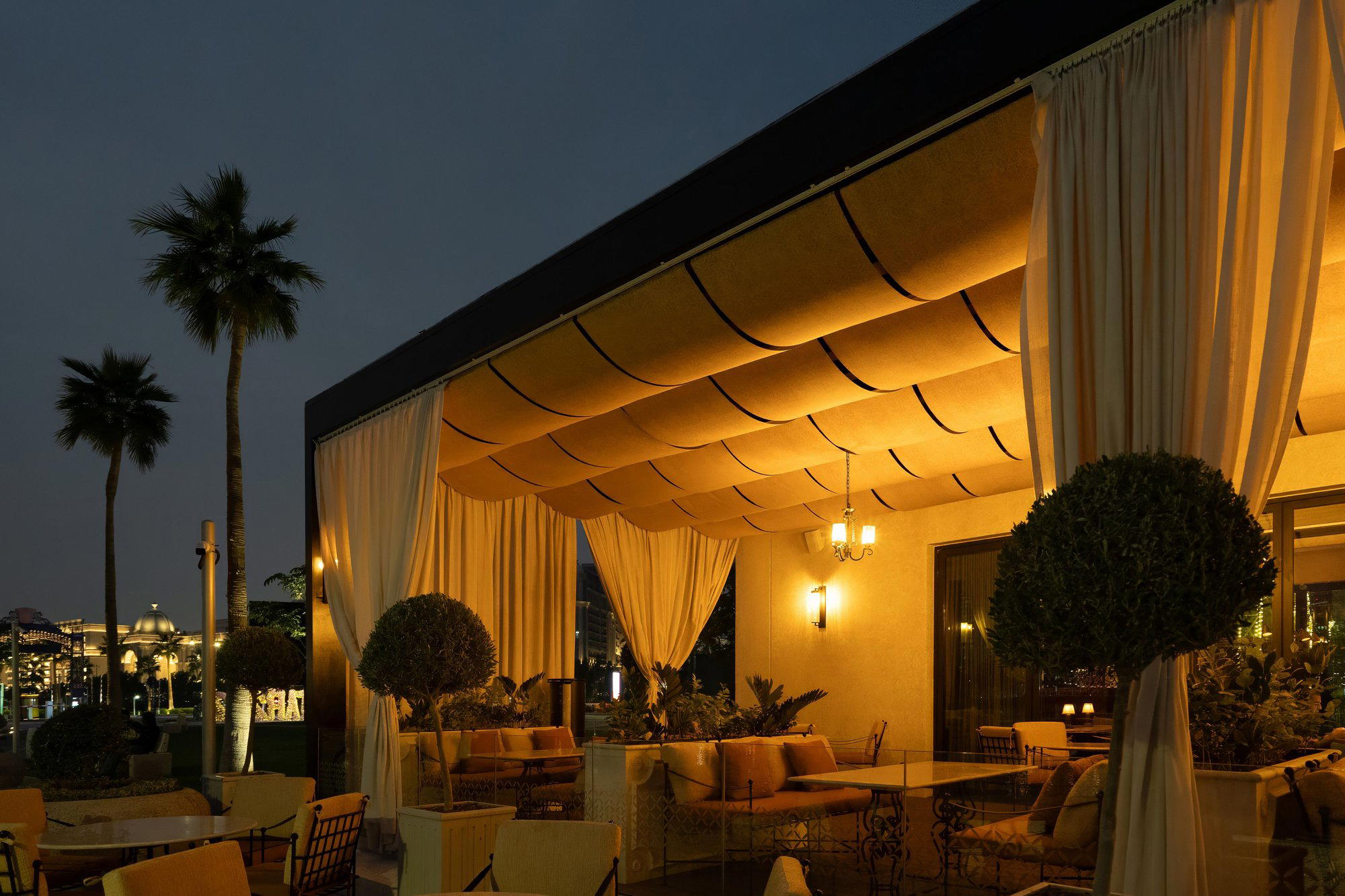
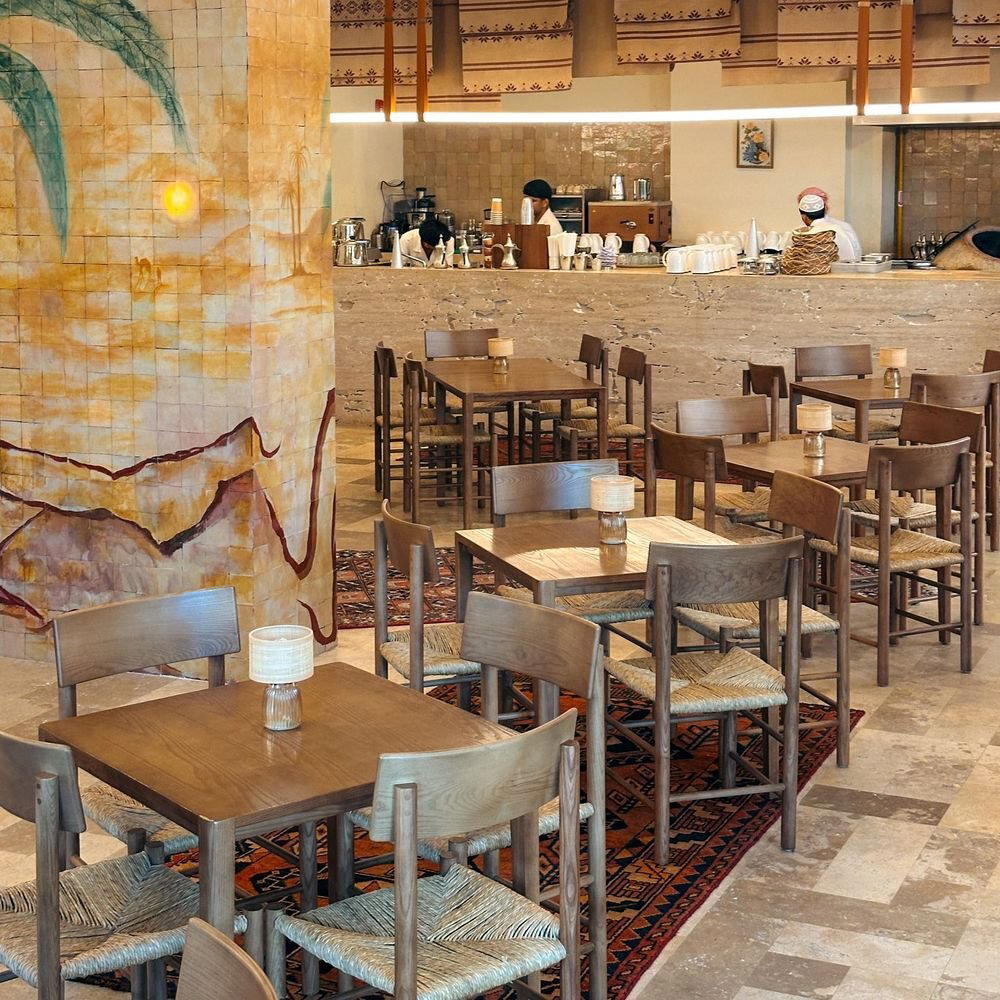
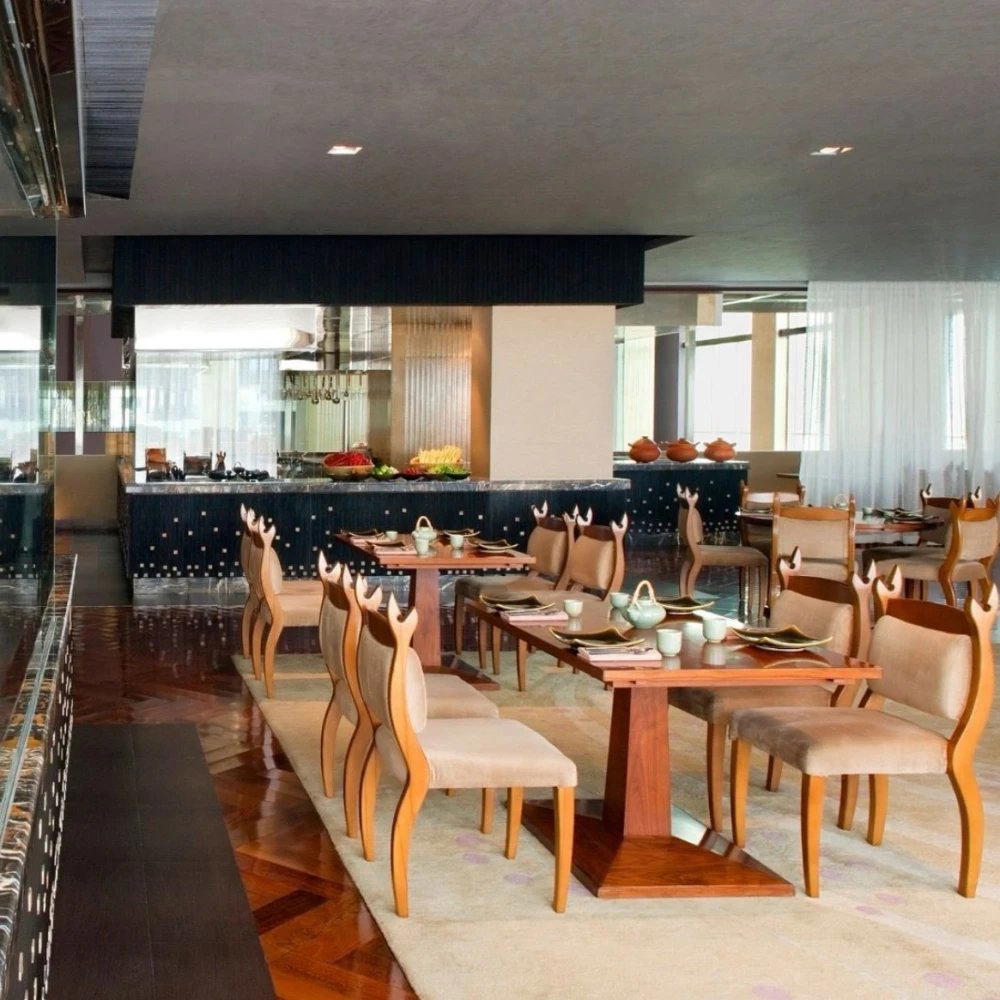
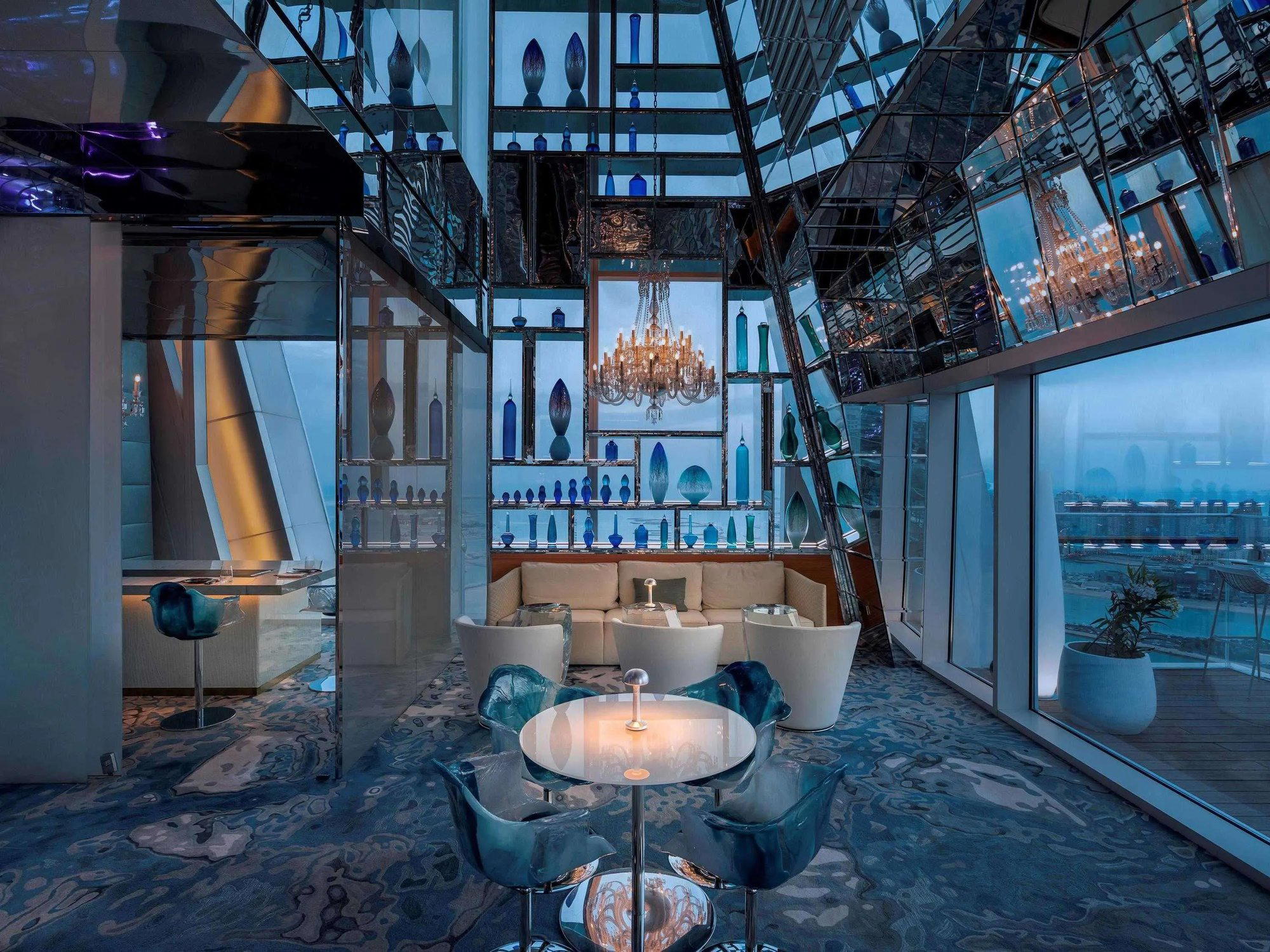
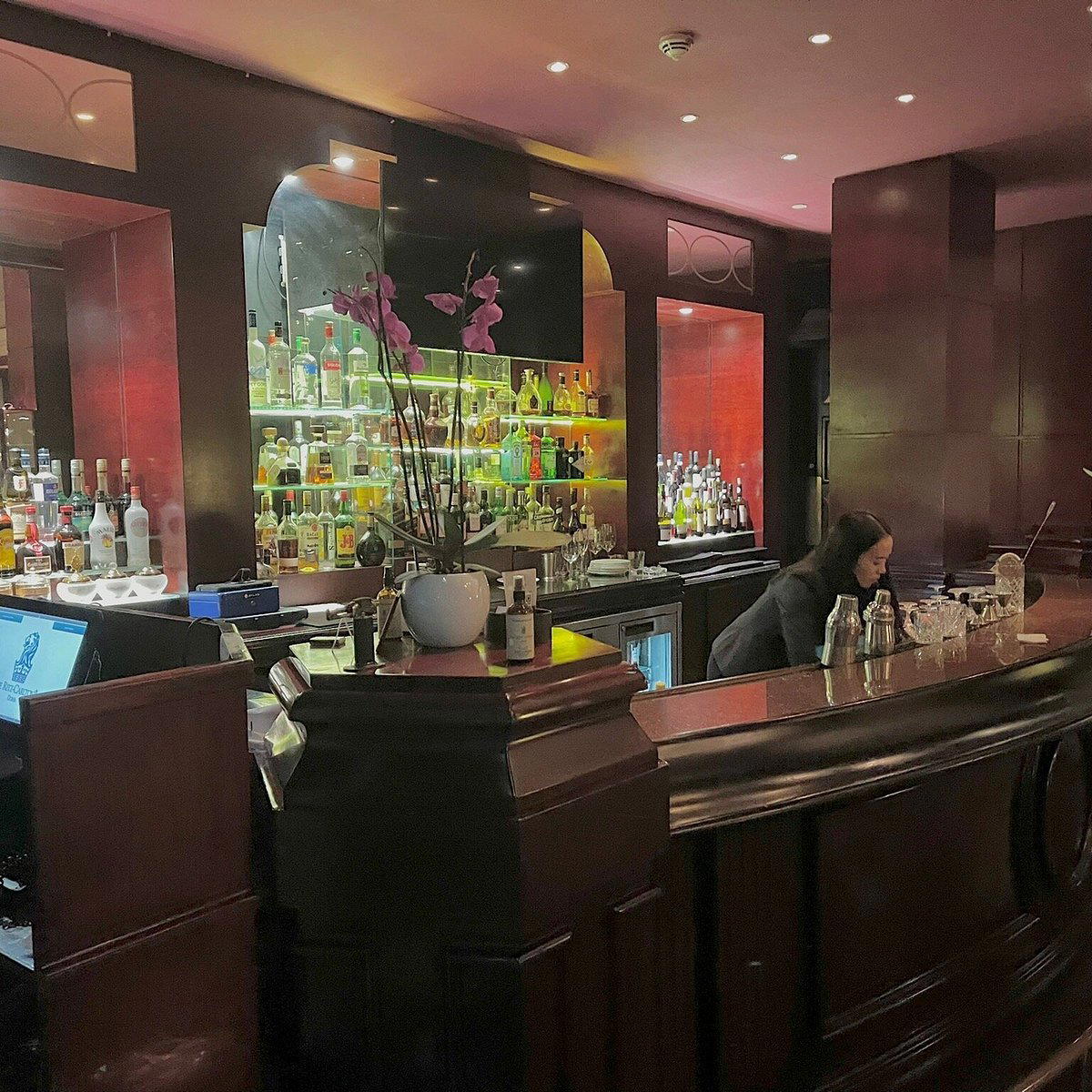
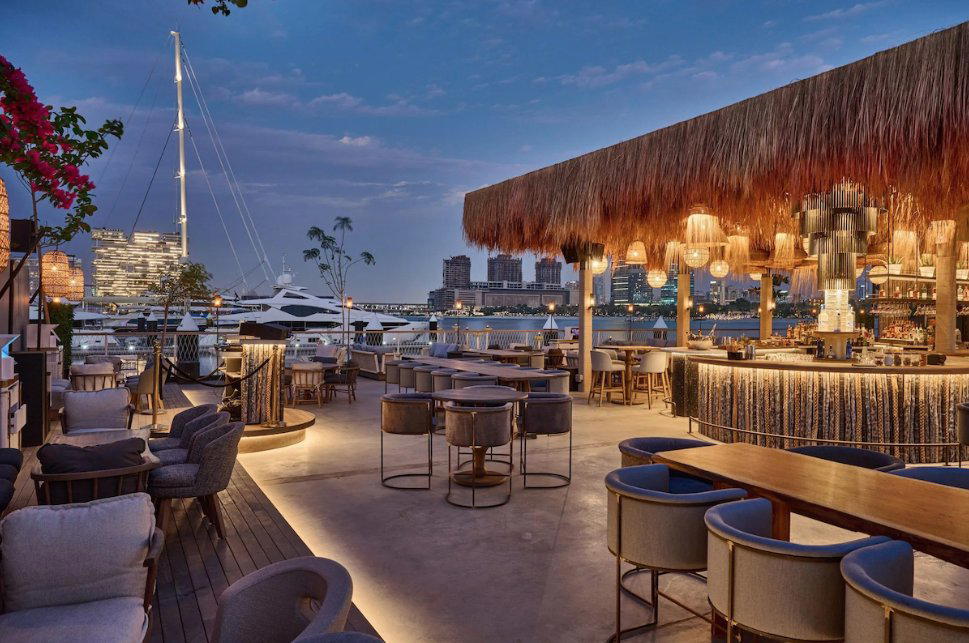
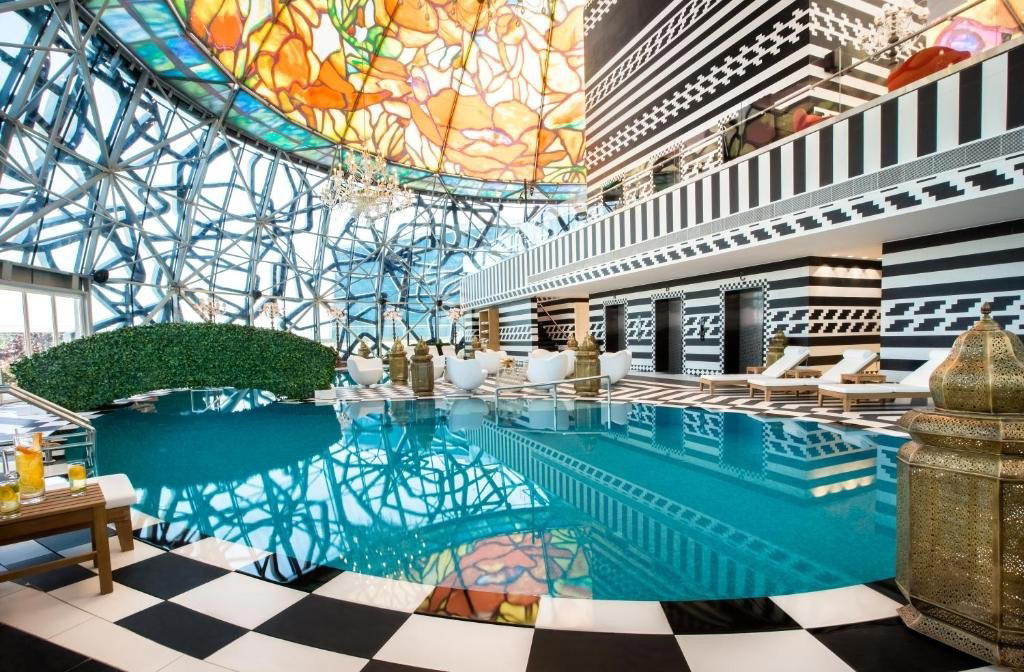
Chic, elegant atmosphere with vaulted ceilings, Italian-themed décor, warm and welcoming lighting creating a romantic and stylish dining experience.
Know Before You Go
- Getting there
- Marina District Lusail City, Doha, Qatar