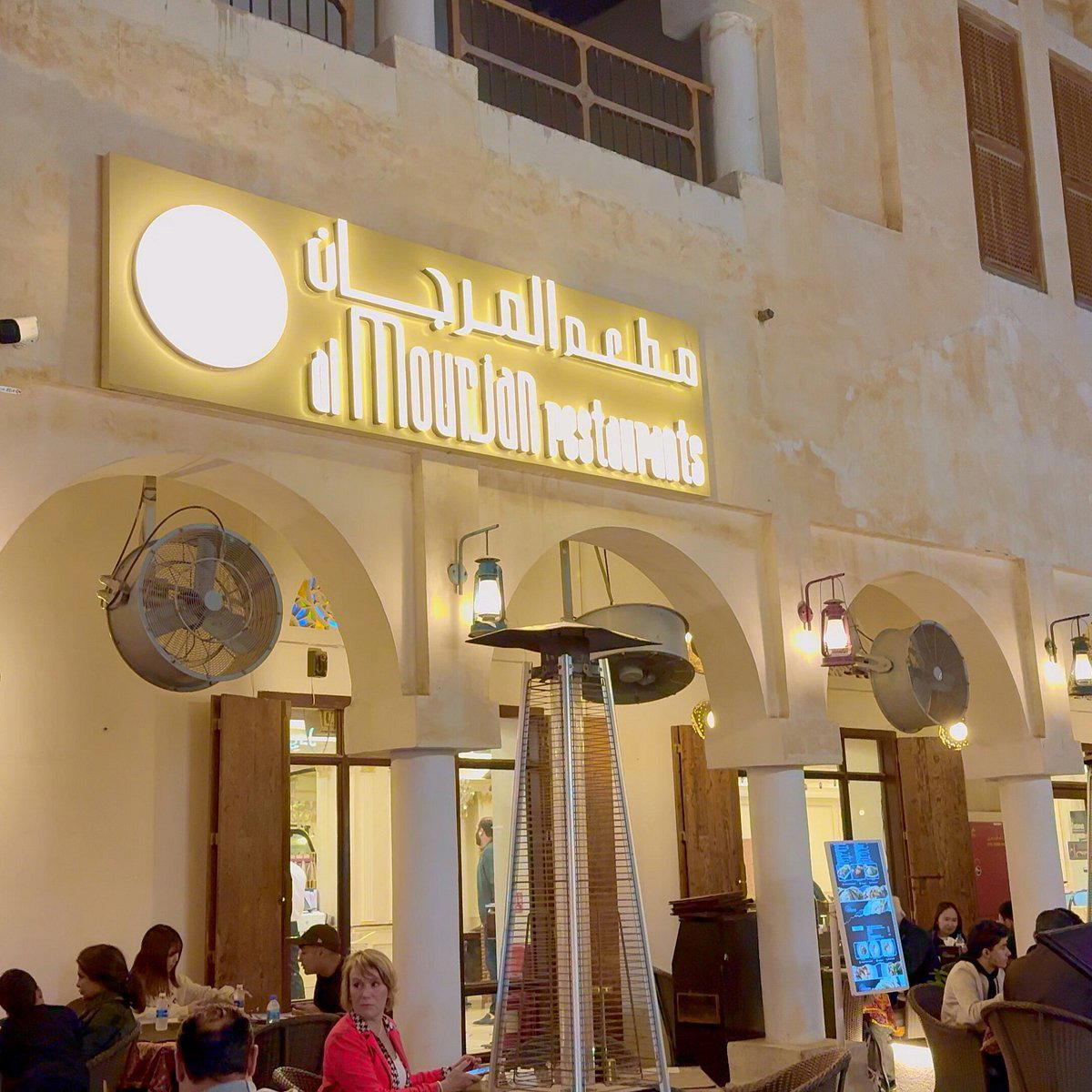
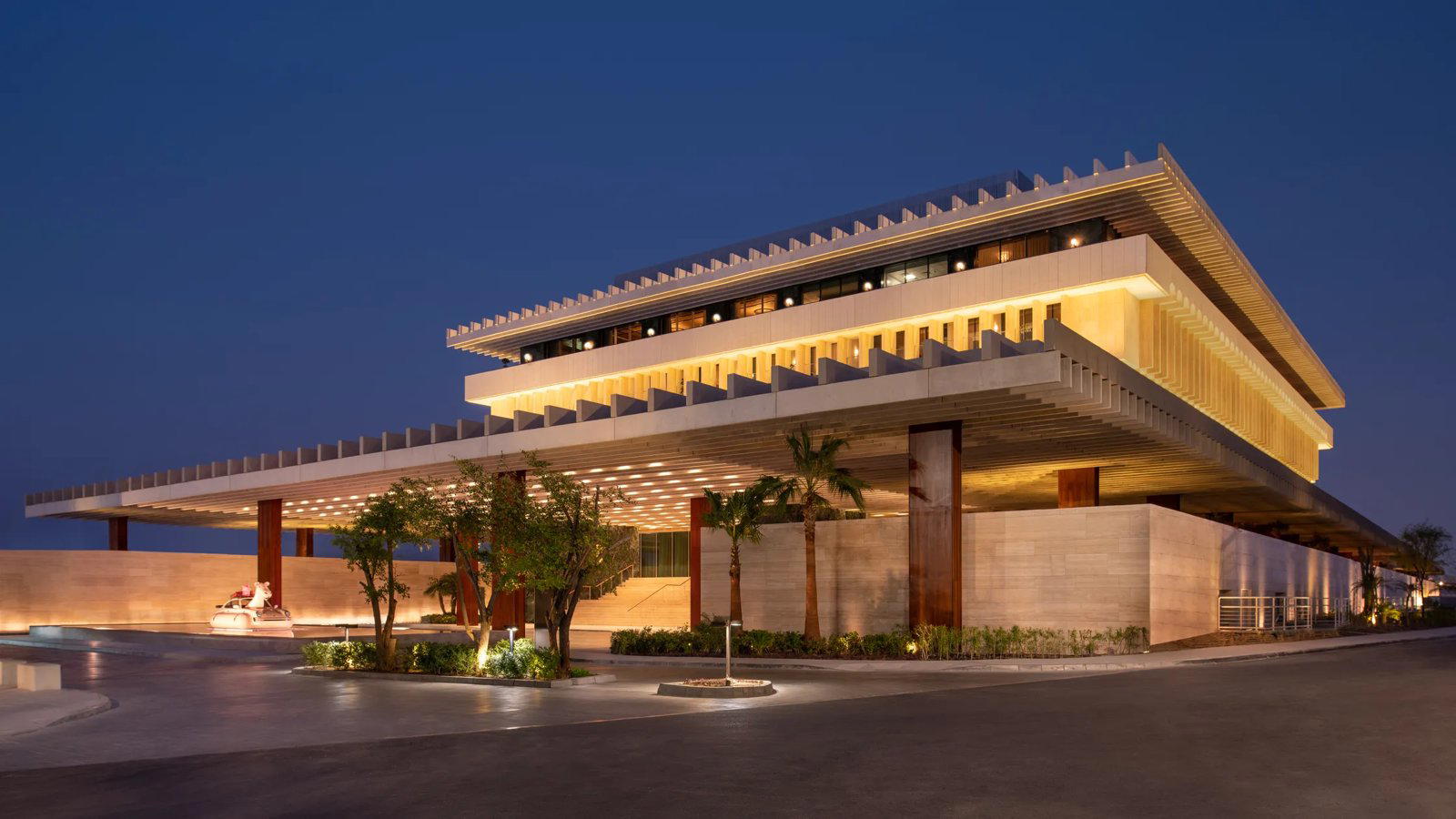
Al Mourjan Restaurants occupies a setting along Doha's Corniche Promenade, where the geometry of the city's waterfront frames the dining experience as much as anything on the plate. Positioned within a dining scene that has expanded rapidly over the past decade, it sits in a city where Qatari hospitality traditions and international culinary ambition increasingly share the same address.
- Address
- Corniche, Corniche Promenade, Doha, Qatar
- Phone
- +974 4483 4423
- Website
- almourjan.qa
- Directions
- Get directions
The Corniche as Context
Doha's Corniche Promenade is one of the Gulf's most deliberate urban gestures: a long, curated arc of waterfront where the skyline of West Bay performs on one side and the older fabric of the city holds ground on the other. Restaurants that address this corridor inherit its visual weight and its associations. The promenade functions as a kind of civic dining room, a place where Qataris and long-term residents take the evening air, and where the act of eating out carries social meaning beyond the transaction of a meal. Al Mourjan Restaurants sits inside that frame, on a stretch of the Corniche where the relationship between architecture, water, and food is part of what the address promises.
Understanding the venue requires understanding the setting. The Corniche dining circuit is not the same as Doha's hotel-dining tier, where properties like IDAM by Alain Ducasse or venues within the Pearl and Lusail corridors pitch themselves at a price point and formality level drawn from international fine-dining convention. The Corniche operates on different logic: proximity to public life, connection to local tradition, and the kind of atmosphere that comes from a location with genuine civic presence rather than a hotel lobby address.
Qatari Hospitality and the Dining Tradition Behind It
Gulf Arab hospitality carries a specific cultural grammar. Generosity with food is not merely a social nicety but an expression of identity, rooted in Bedouin traditions of welcome that predate the region's urbanisation by centuries. In Qatar specifically, that tradition has been reshaped by rapid economic change without being erased. Contemporary Doha dining at its most grounded reflects this tension: the pressure toward international formats and the pull of something older and more particular to place.
Venues that draw on this inheritance tend to position themselves differently from the imported fine-dining tier. Where places like Baron or Al Liwan interpret Middle Eastern cuisine through varying registers of formality and scale, and where Al Nahham anchors itself to Qatari seafood tradition, the broader category of Corniche dining carries a different set of associations: civic, accessible, embedded in the rhythm of the city rather than removed from it by a lobby and a dress code. Al Sufra at Marsa Malaz Kempinski represents the hotel-property version of this positioning, which underlines how varied the Middle Eastern dining category is even within a single city.
Where Al Mourjan Fits in Doha's Dining Map
Doha's restaurant market has expanded considerably since the early 2010s, accelerating through the infrastructure investment around the 2022 FIFA World Cup and the city's broader ambition to become a regional destination for tourism and business. That expansion created a more stratified dining environment: at the leading, internationally recognised formats anchored to hotel properties and celebrity-chef brands; below that, a mid-tier of reliable international and regional cuisines serving the city's large expatriate population; and running alongside both, a smaller circuit of venues that address Qatari and wider Gulf tastes specifically.
What the address communicates is orientation: toward the city's own life rather than toward the international traveller arriving at a five-star hotel. For context, Doha's hotel-dining circuit includes French fine dining at IDAM by Alain Ducasse, while the broader dining scene accommodates everything from established international brands to newer entrants like ALBA in Lusail. Al Mourjan occupies a Corniche-facing position that operates on different terms from either end of that spectrum.
For readers building a broader picture of Doha's dining options, our full Doha restaurants guide maps the city's key venues by neighbourhood and cuisine category.
The Promenade Experience
Dining on the Corniche carries a tempo that differs from restaurant formats in enclosed hotel spaces. The proximity to the water, the presence of the West Bay towers across the bay, and the movement of people along the promenade all become part of what a meal here involves. Gulf cities have historically structured social life around outdoor spaces in the cooler months, and the Corniche promenade between roughly October and April operates as one of Doha's primary public gathering points. A restaurant at this address absorbs that ambient life whether it chooses to or not.
This is a different value proposition from the controlled environment of a fine-dining room. Comparable Corniche-adjacent dining in other Gulf cities, from Dubai's waterfront venues to Abu Dhabi's Corniche strip, tends to trade on the same logic: the setting amplifies the meal in ways that are inherently less reproducible than a kitchen's output. The most effective venues in this format integrate the view and the outdoor character without letting the setting substitute for substance on the plate.
Doha's Broader Scene and What It Demands
The city's dining ambitions are now well documented. Venues with international recognition like Al Nahham have established that Qatari and Gulf cuisine can operate at a level that draws serious critical attention, while the import of major international formats, from Chinese fine dining at Hakkasan to Japanese contemporary at Morimoto, has raised the baseline expectation for production quality across the city. Against that backdrop, Corniche dining venues face a specific challenge: maintaining relevance to a local audience that now has access to a wide range of options, while remaining legible to visitors unfamiliar with the area's specific hospitality traditions.
The strongest comparators internationally for this kind of positioning, venues that draw cultural meaning from a waterfront civic address rather than from awards or celebrity, tend to succeed through consistency and through the quality of the setting itself rather than through tasting-menu ambition. The logic is closer to a well-run brasserie with a great room than to a destination restaurant built around a single chef's vision.
Planning a Visit
Al Mourjan Restaurants is located on the Corniche Promenade, which runs along Doha Bay and is accessible by car, taxi, and the city's metro system with a short walk from the nearest station. The Corniche is one of Doha's most walkable stretches, and arriving on foot in the cooler months adds something to the experience. No booking method, price range, or hours data is available through public records at time of writing; contacting the venue directly or checking current listings through Doha hospitality platforms is advisable before visiting. For broader context on the city's dining options and how to plan a day around the Corniche area, the EP Club Doha guide covers neighbourhood-level detail across the city's key dining corridors.
Price and Recognition
A quick peer list to put this venue’s basics in context.
| Venue | Price | Awards | Notes |
|---|---|---|---|
| Al Mourjan RestaurantsThis venue — the venue you are viewing | Not listed | Not listed | Not listed |
| IDAM by Alain Ducasse | ﷼﷼﷼﷼ | Michelin 1 Star | French, French Contemporary, ﷼﷼﷼﷼ |
| Argan | ﷼ | Not listed | Moroccan, ﷼ |
| Hakkasan | ﷼﷼﷼﷼ | Not listed | Chinese, ﷼﷼﷼﷼ |
| Jiwan | ﷼﷼ | Not listed | Middle Eastern, ﷼﷼ |
| Morimoto | ﷼﷼﷼ | Not listed | Japanese, Sushi, Japanese Contemporary, ﷼﷼﷼ |
At a Glance
- Scenic
- Elegant
- Sophisticated
- Date Night
- Business Dinner
- Group Dining
- Special Occasion
- Waterfront
- Panoramic View
- Terrace
- Waterfront
- Skyline
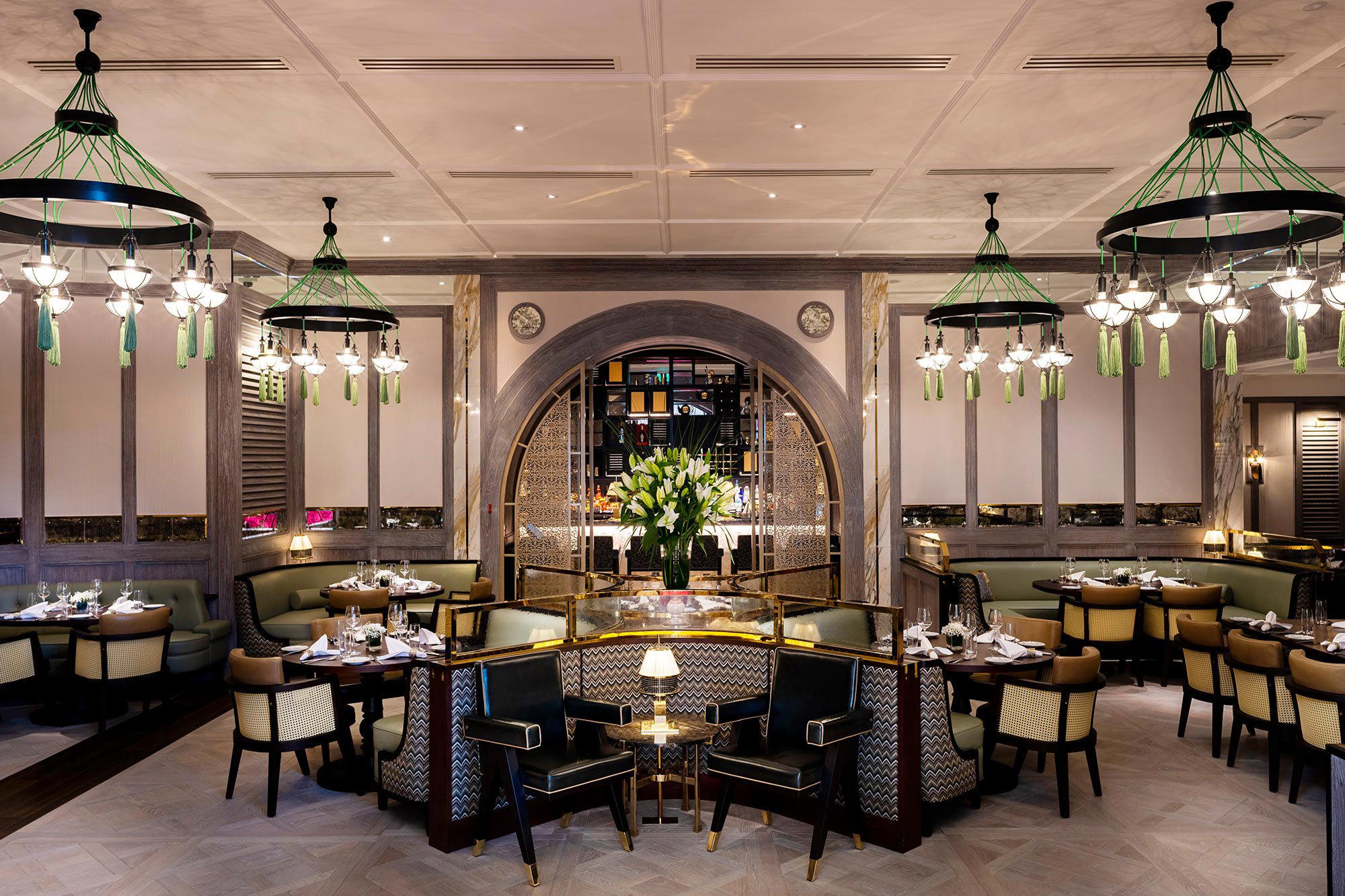
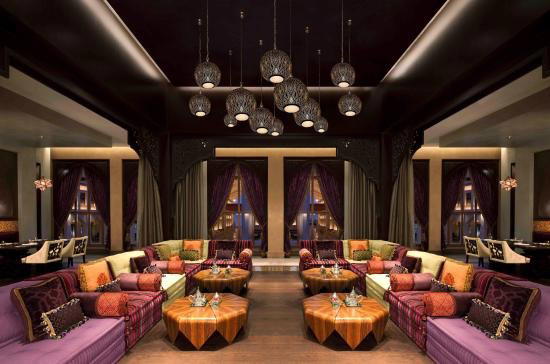
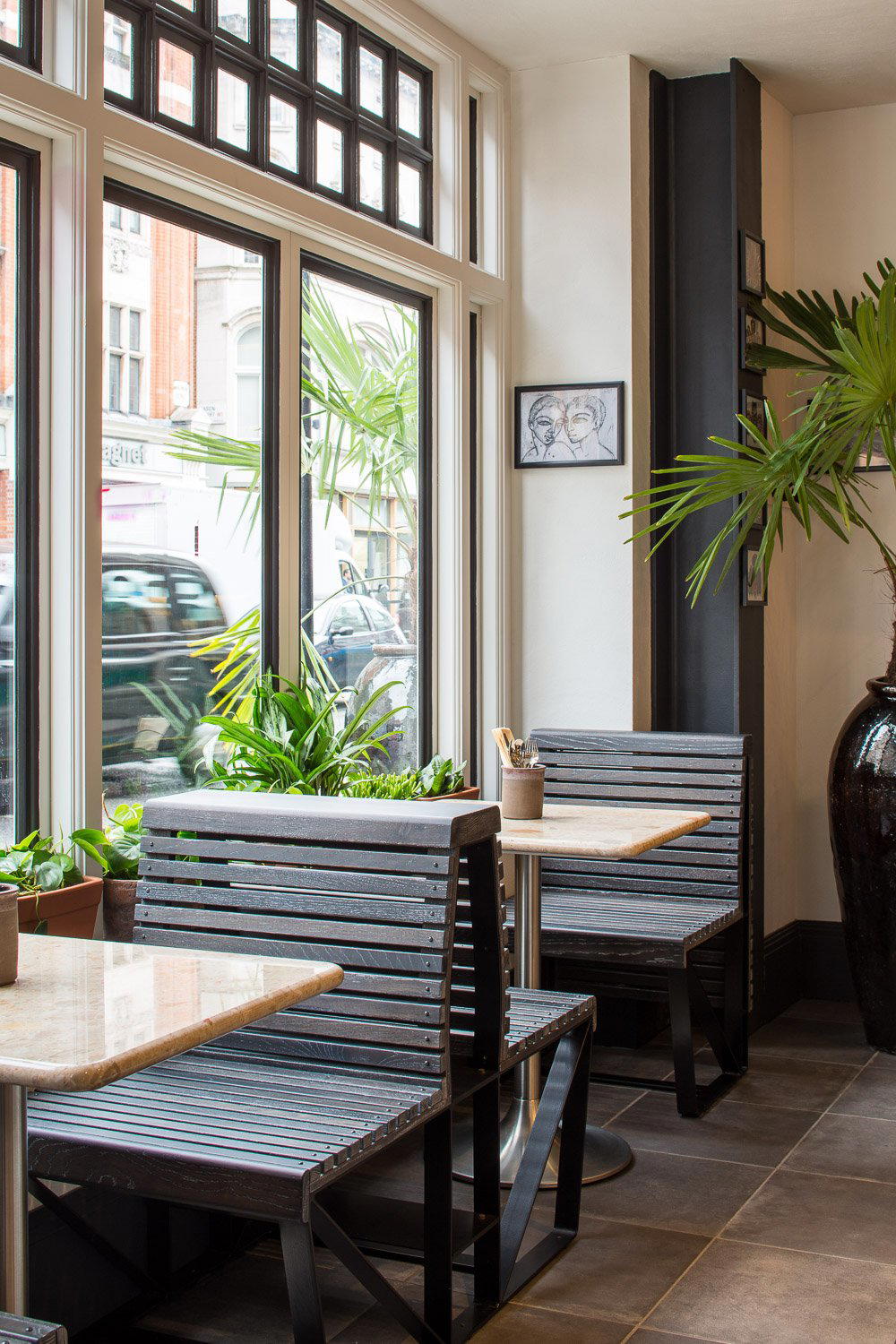
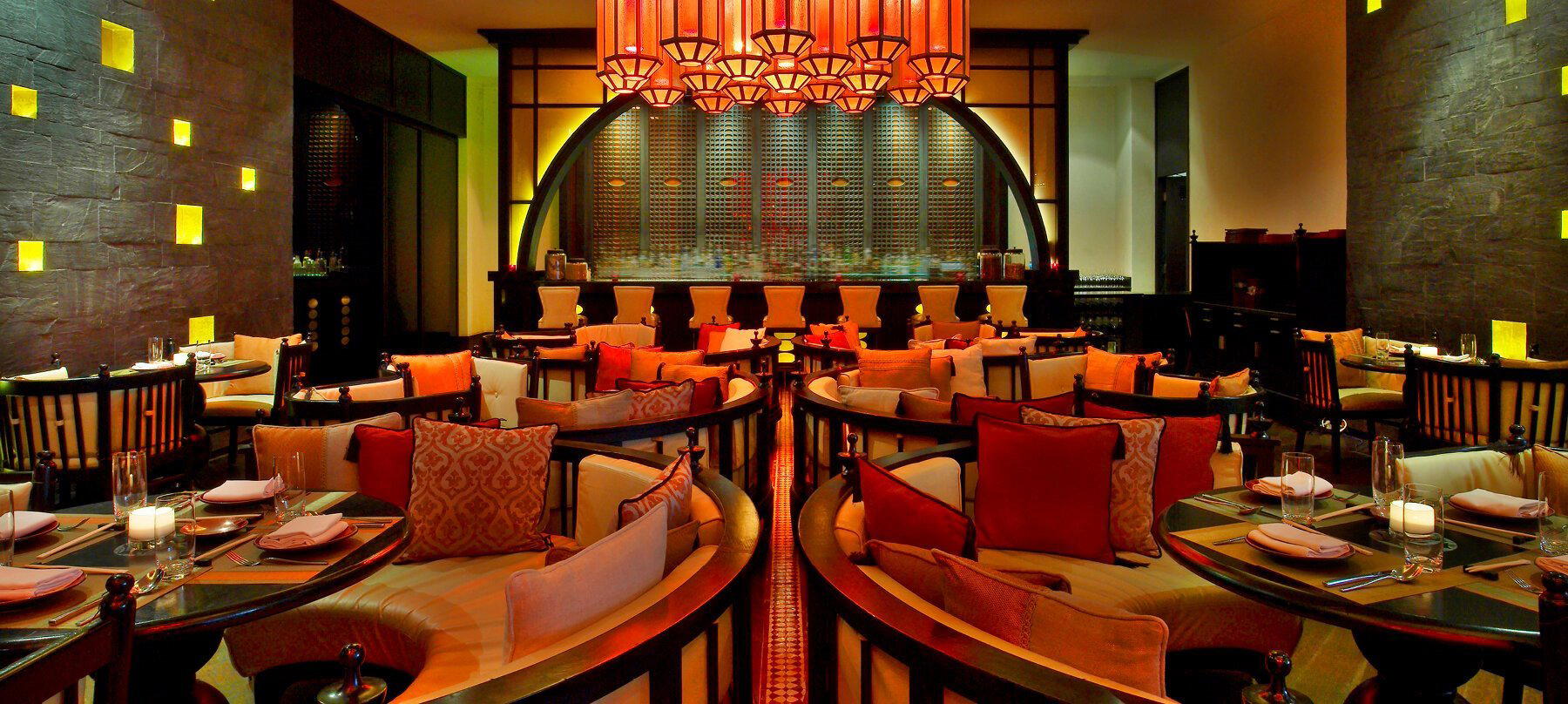
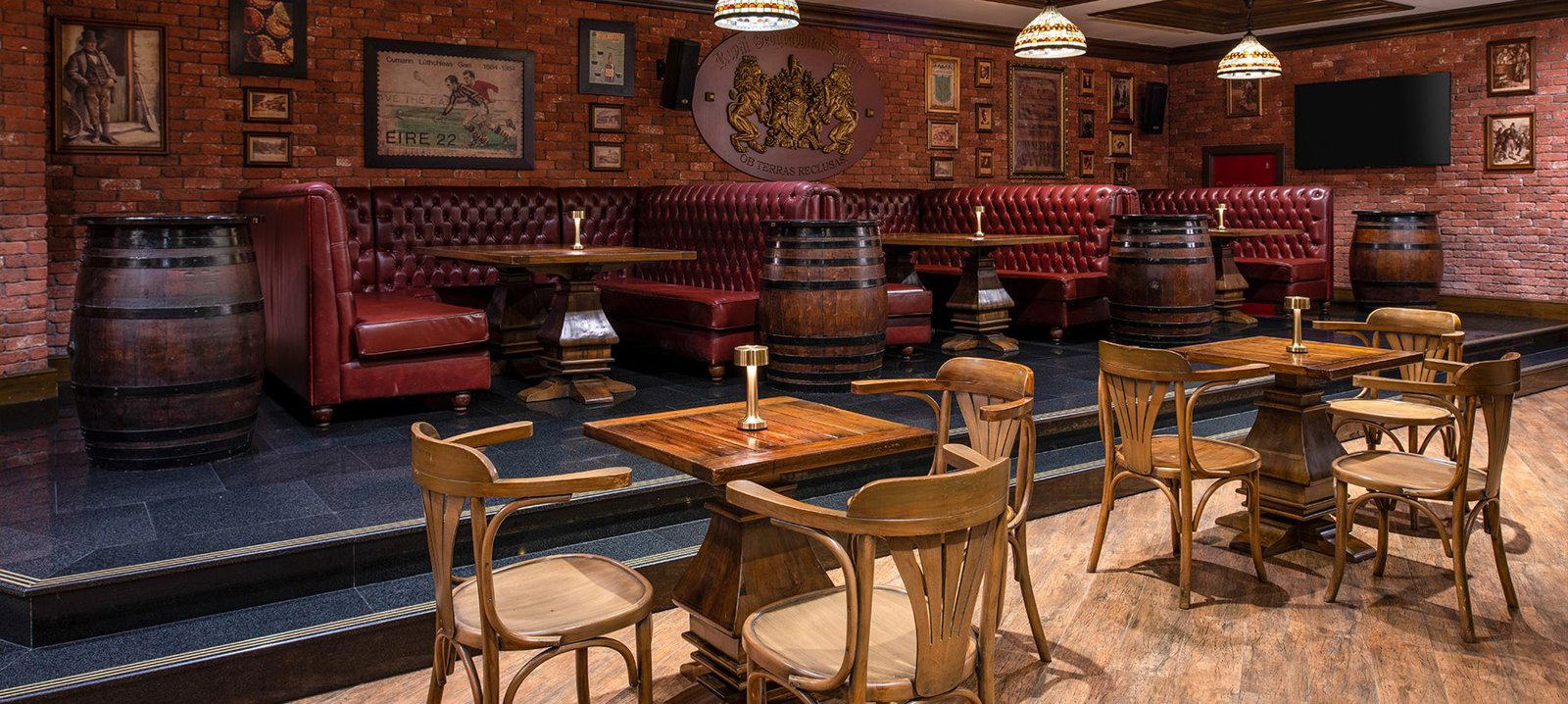
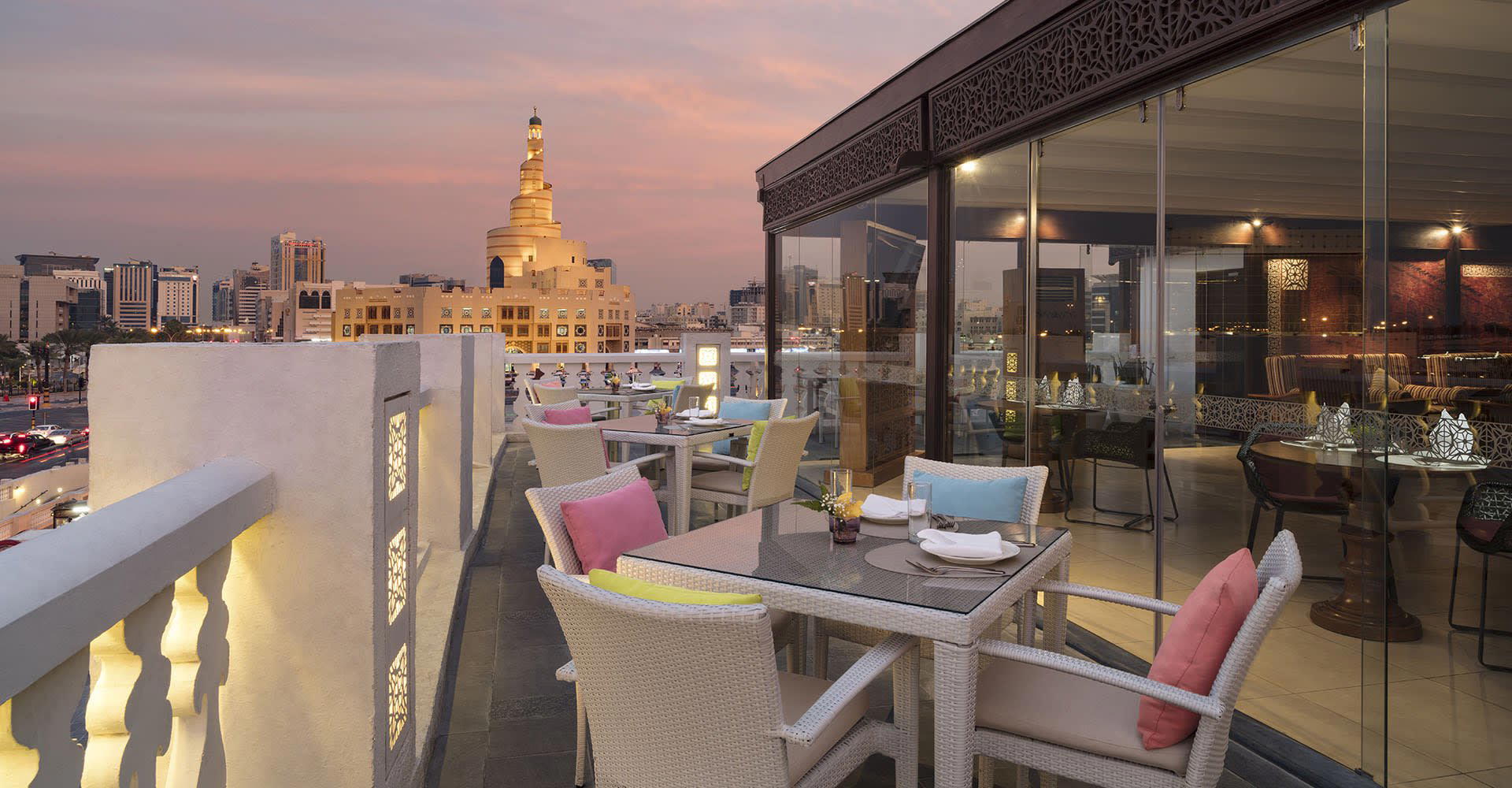
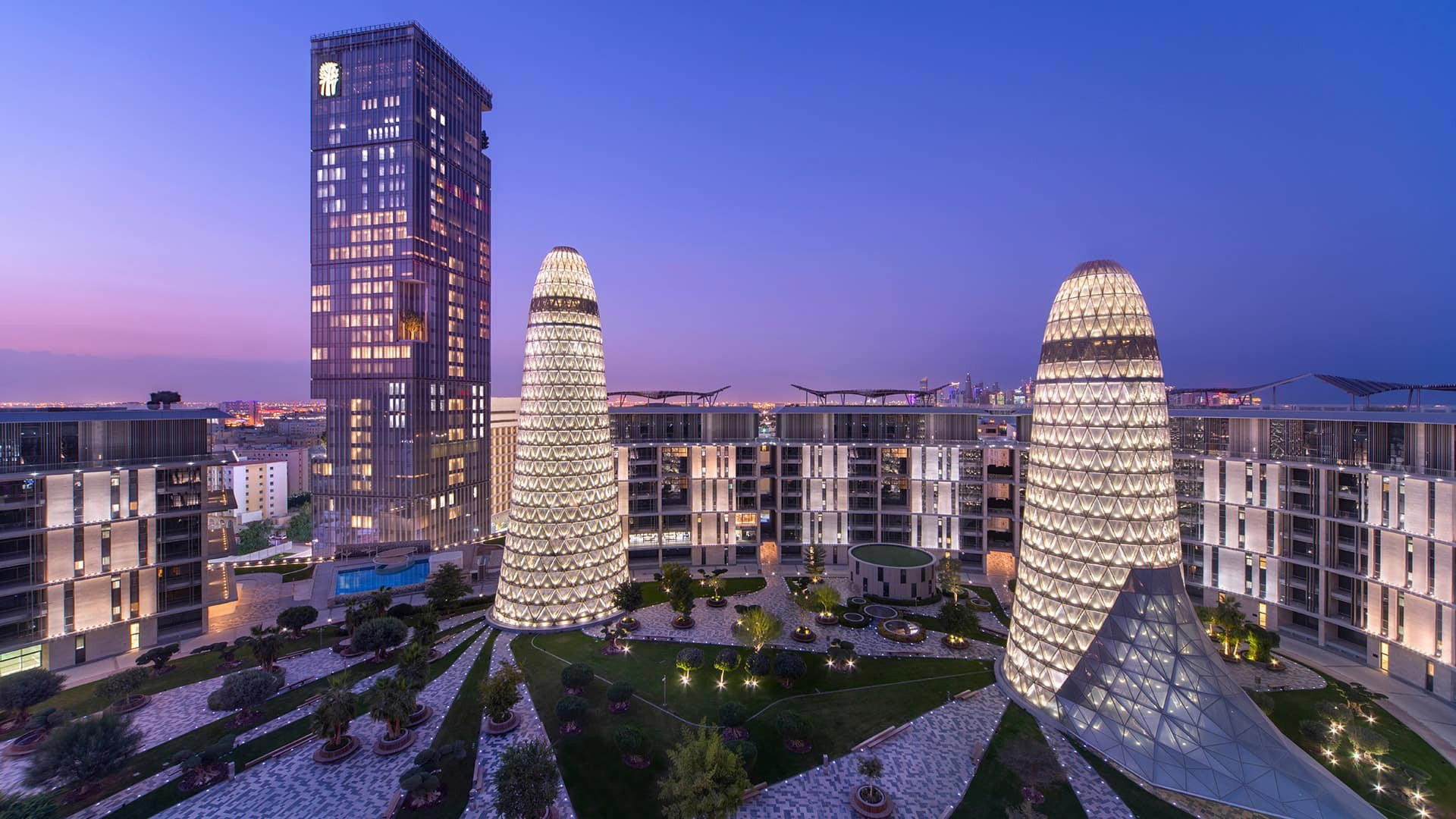
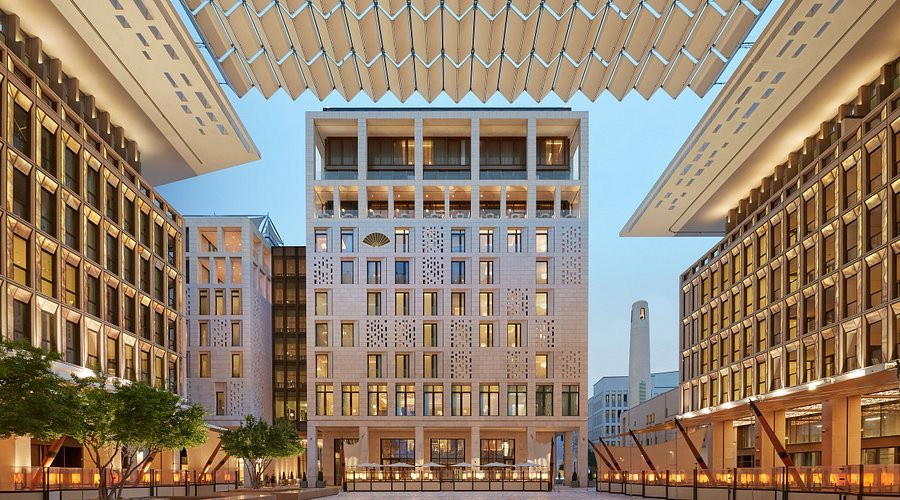
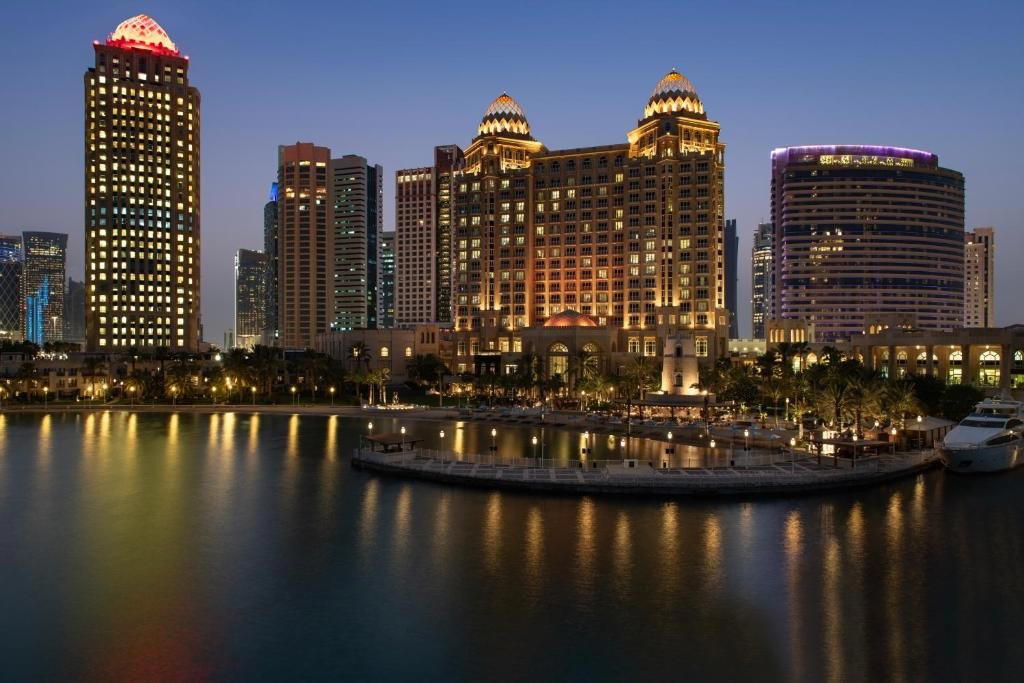
Elegant and sophisticated with dramatic waterfront views of the bay and Doha skyline, creating a memorable dining atmosphere.
Know Before You Go
- Getting there
- Corniche, Corniche Promenade, Doha, Qatar