Elkano Kalea
Our verdict
Elkano Kalea sits in the heart of San Sebastián, a city that has built its culinary reputation on the twin pillars of Basque tradition and technical ambition. The address places it inside one of Europe's most concentrated dining cultures, where the standard of cooking at every price point makes the planning process as consequential as the meal itself. Knowing how to approach a booking here matters.

Pearl is the En Primeur Club membership app — saves, bookings, and concierge access live there. Same editors, same standards.
- Address
- Donostia / San Sebastián, Gipuzkoa, Spain
- Directions
- Get directions
The menu
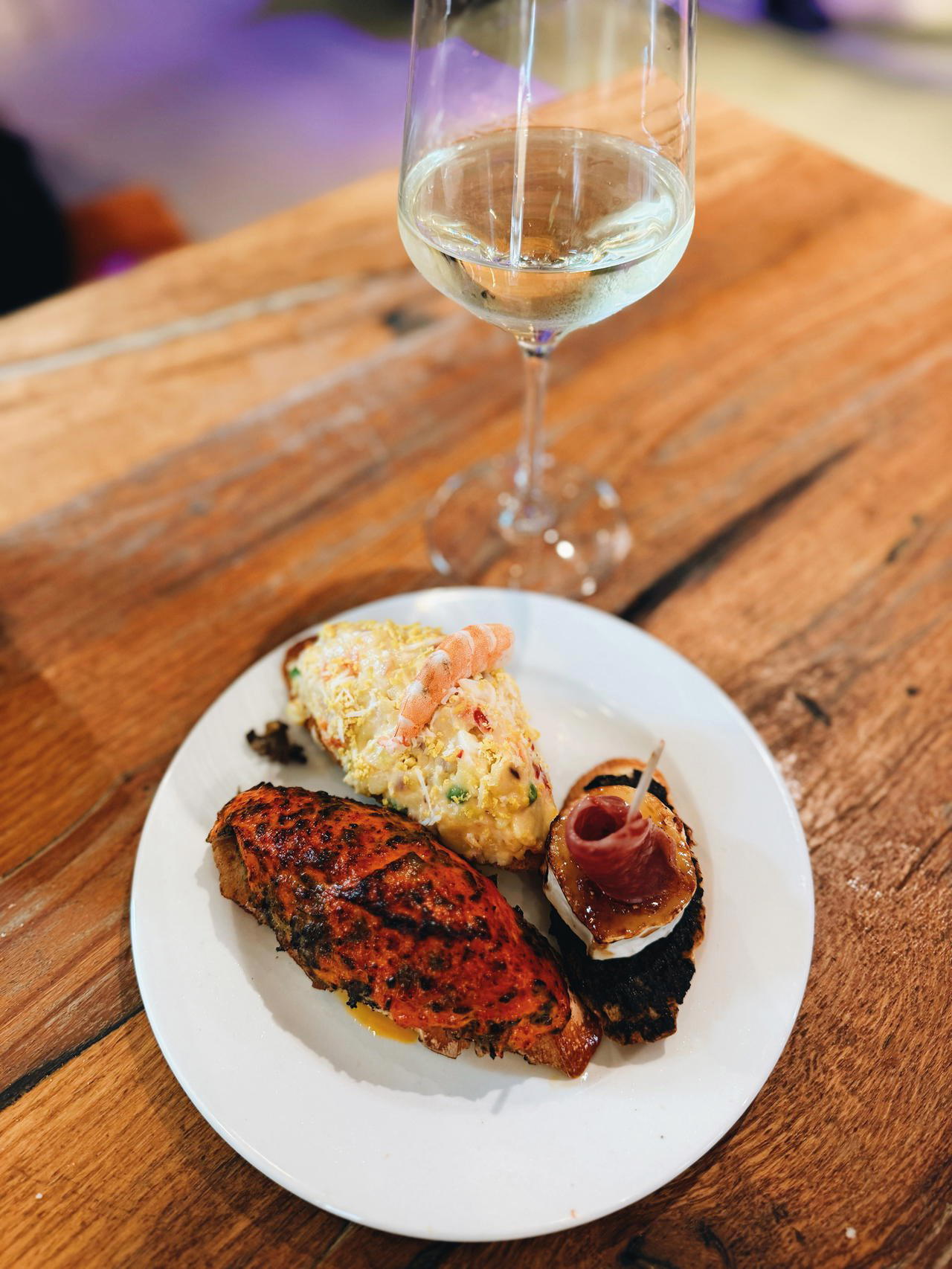
What to order
- Turbot
- Kokotxa of Hake
- Bogavante (Lobster)
- White Gambas (Shrimp)
San Sebastián and the Logistics of Eating Well
There is a particular discipline required to eat well in San Sebastián. The city's reputation for concentrated culinary output is not incidental — it is the product of decades of investment in Basque cooking tradition, an active competition among chefs, and a dining public that treats food as civic infrastructure rather than entertainment. Elkano Kalea sits inside that culture, in a city where the question of where to eat is never simple and where the planning process shapes the experience before a single plate arrives.
San Sebastián's dining scene splits, broadly, into two registers. The first is the pintxos circuit of La Parte Vieja and Gros, where standing at a bar counter with a small glass of txakoli is a legitimate evening in itself — episodic, cheap, and socially dense. The second is the formal restaurant tier, where Basque nouvelle cuisine and its successors have produced a lineage of internationally recognised kitchens. Arzak in San Sebastián sits near the best of that second register, as does Mugaritz in Errenteria, each pulling visitors from across Europe and further. Elkano Kalea occupies a position in this city, not a peripheral one, and understanding where that address places you in San Sebastián's dining geography is the first thing to establish before making any reservation.
The Booking Question
Across San Sebastián's more serious restaurants, the booking experience has become an exercise in forward planning. This is not unique to any single address: the city attracts more visitors relative to its population than almost any comparably sized food destination in Europe, and demand consistently outpaces supply at kitchens where quality and reputation have converged. At the more heavily awarded end of the Spanish dining circuit, lead times stretch considerably. Martin Berasategui in Lasarte-Oria and Azurmendi in Larrabetzu, both operating at the multi-Michelin level, typically require bookings placed weeks to months ahead, particularly for weekend slots.
At street-level neighbourhood restaurants and traditional Basque tabernas, the calculus is different. Many operate on walk-in basis or take bookings only a few days ahead, and the friction of getting a table is considerably lower than at their more celebrated counterparts. Before booking Elkano Kalea or any address in this city, it is worth determining which tier the kitchen operates in, the planning approach, the time commitment, and the nature of the meal are all shaped by that distinction. For broader context on how San Sebastián's restaurant ecosystem is organised, our full San Sebastián restaurants guide maps both registers with editorial depth.
The Context of Basque Cooking
The Basque Country's influence on Spanish gastronomy, and on European cooking more broadly, has been disproportionate to its geography. The new Basque cuisine movement of the 1970s and 1980s, which drew from French technique while centering local ingredients and modernist thinking, was not simply a regional development; it reshaped what ambitious restaurant cooking in Spain could look like. That lineage runs through the kitchens of El Celler de Can Roca in Girona and DiverXO in Madrid, and it connects Basque chefs to peers across the country, from Quique Dacosta in Dénia to Aponiente in El Puerto de Santa María, both of which have used coastal ingredients and technical ambition to build internationally recognised kitchens.
Within San Sebastián itself, this tradition has produced a density of serious cooking that makes the city unusual in global terms. Ricard Camarena in València and Cocina Hermanos Torres in Barcelona operate in regional food cultures that, while strong, lack the concentrated kitchen-per-kilometre density of Donostia. That density is what makes the logistics of eating here both more rewarding and more demanding than in most cities its size.
Comparable Addresses in the Neighbourhood
For those planning a stay in San Sebastián around its dining, the city rewards an approach built around multiple meals rather than a single marquee booking. Several addresses in the same orbit as Elkano Kalea offer distinct formats and price positions. Aizepe Elkartea and Astelena each represent the traditional Basque social-dining format, bar-centred, pintxos-forward, and operating within the texture of the old city rather than apart from it. Aldamar Kalea and Bodega Donostiarra Gros offer entry points into Basque wine culture and traditional cooking in a sit-down format, without the booking friction or price premium of the city's multi-course destination restaurants. Casa Senra Donostia sits in a different register again, bridging Galician seafood tradition with the Basque appetite for produce-first cooking.
Eating across these formats over several days gives a more complete picture of what San Sebastián's food culture actually is than any single high-end booking can. The city's culinary reputation was not built exclusively in Michelin-starred rooms; it was built in the accumulated intelligence of its markets, its cider houses, and its counter-service bars, where the standard of cooking at the informal end has always been unusually high.
What to Know Before You Go
Approaching any address in San Sebastián requires attention to a few practical realities. The city operates on Spanish meal timing, lunch service runs from roughly 1:30pm to 3:30pm, dinner rarely before 9pm, and kitchens that appear open may not be serving outside those windows. Many restaurants close one or two days per week, and seasonal closures in August (counterintuitively, given tourist volumes) and January are common in more traditional establishments. For anyone comparing notes with other internationally recognised seafood-focused restaurants, Le Bernardin in New York City operates a much more conventional schedule, the rhythm of eating in San Sebastián takes adjustment.
Booking windows for formal restaurants in the city's upper tier are typically leading opened six to eight weeks ahead for weekend slots; midweek bookings are often available with less lead time. For neighbourhood tabernas and pintxos bars, a same-day approach is standard. The format of the meal, tasting menu, à la carte, or counter service, will determine the appropriate booking strategy, and most kitchens in the city are specific about which format they offer on which days.
San Sebastián rewards the visitor who arrives with a plan and eats off it loosely. The leading meals in this city tend to be the ones that were prepared for but not over-engineered, where the reservation was made, the neighbourhood was chosen, and the rest was left to the kitchen.
Frequently asked questions
Is Elkano Kalea suitable for children?
San Sebastián's dining culture is generally family-oriented, and the Basque Country has a long tradition of multi-generational meals. Meal timing matters here: lunch runs from roughly 13:30 and dinner from 21:00, which may not suit very young diners.
What kind of setting is Elkano Kalea?
Elkano Kalea is located in Donostia / San Sebastián, Gipuzkoa — a city whose streets pack an unusual density of serious eating addresses into a compact urban grid. The name references a kalea, the Basque word for street or road, which often signals a neighbourhood-rooted address rather than a destination dining room.
How does Elkano Kalea fit into San Sebastián's broader dining scene?
San Sebastián, Gipuzkoa holds one of the highest concentrations of Michelin-starred restaurants per capita of any city in the world, making it a reference point for Basque cooking's influence on European gastronomy. Elkano Kalea sits within this context, in a city where neighbourhood addresses often carry as much local credibility as destination restaurants. For visitors structuring a trip around food, San Sebastián rewards building an itinerary across multiple meals rather than anchoring on a single address.
What should I order at Elkano Kalea?
In San Sebastián broadly, the Basque culinary tradition places particular weight on local seafood, aged beef, and produce driven by the region's Atlantic climate.
Where is Elkano Kalea in San Sebastian?
Elkano Kalea is located at Donostia / San Sebastián, Gipuzkoa, Spain, San Sebastian.
Is Elkano Kalea reservation-only?
Across San Sebastián's more considered dining addresses, advance reservations have become standard practice, with some counters booking out weeks ahead. Contacting the venue before arrival is advisable, particularly for weekend meals.
How It Stacks Up
Comparable venues nearby, for context on price, style, and recognition.
| Venue | Cuisine | Price | Awards | Notes |
|---|---|---|---|---|
| Elkano KaleaThis venue — the venue you are viewing | Traditional Basque Wood-Fired Seafood | $150–200 | Not listed | Not listed |
| Espazio Oteiza – Akelarre | Modern Basque-Mediterranean restaurant with sea-view terraces | $100–150 | Relais Chateaux Award · Guía Repsol 1 Sol | Igeldo / Monte Igueldo |
| La Perla Taberna Jatetxea | Contemporary Basque Cuisine with Mediterranean Influences | $30–50 | Not listed | Playa de la Concha |
| Kafe Botanika | Healthy International Vegetarian | $10–20 | Not listed | Centro |
| Bruno Oteiza | Modern Basque-Mexican Fusion | $150–200 | Michelin Plate | Gros |
| Hidalgo 56 | Modern Basque Pintxos | Not listed | Not listed | Gros |
Continue exploring
More in San Sebastián
Restaurants in San Sebastián
Browse all →
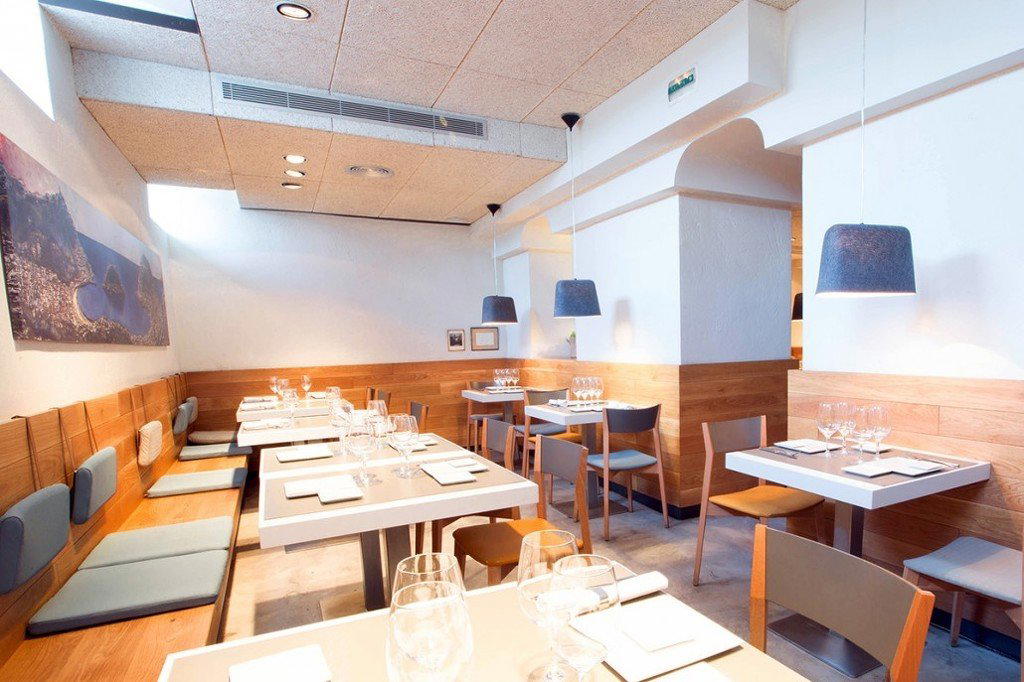
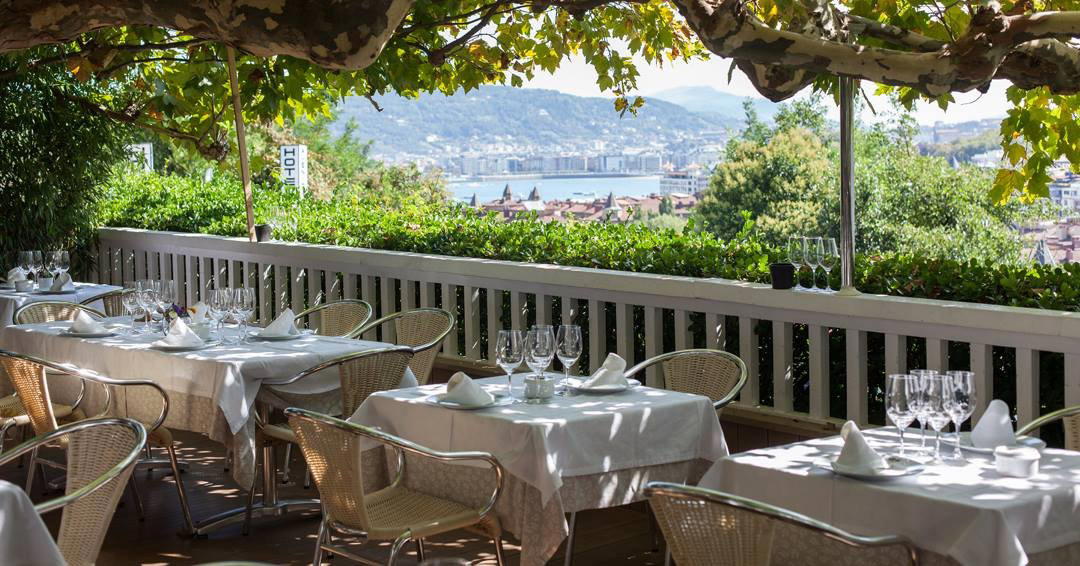
Bars in San Sebastián
Browse all →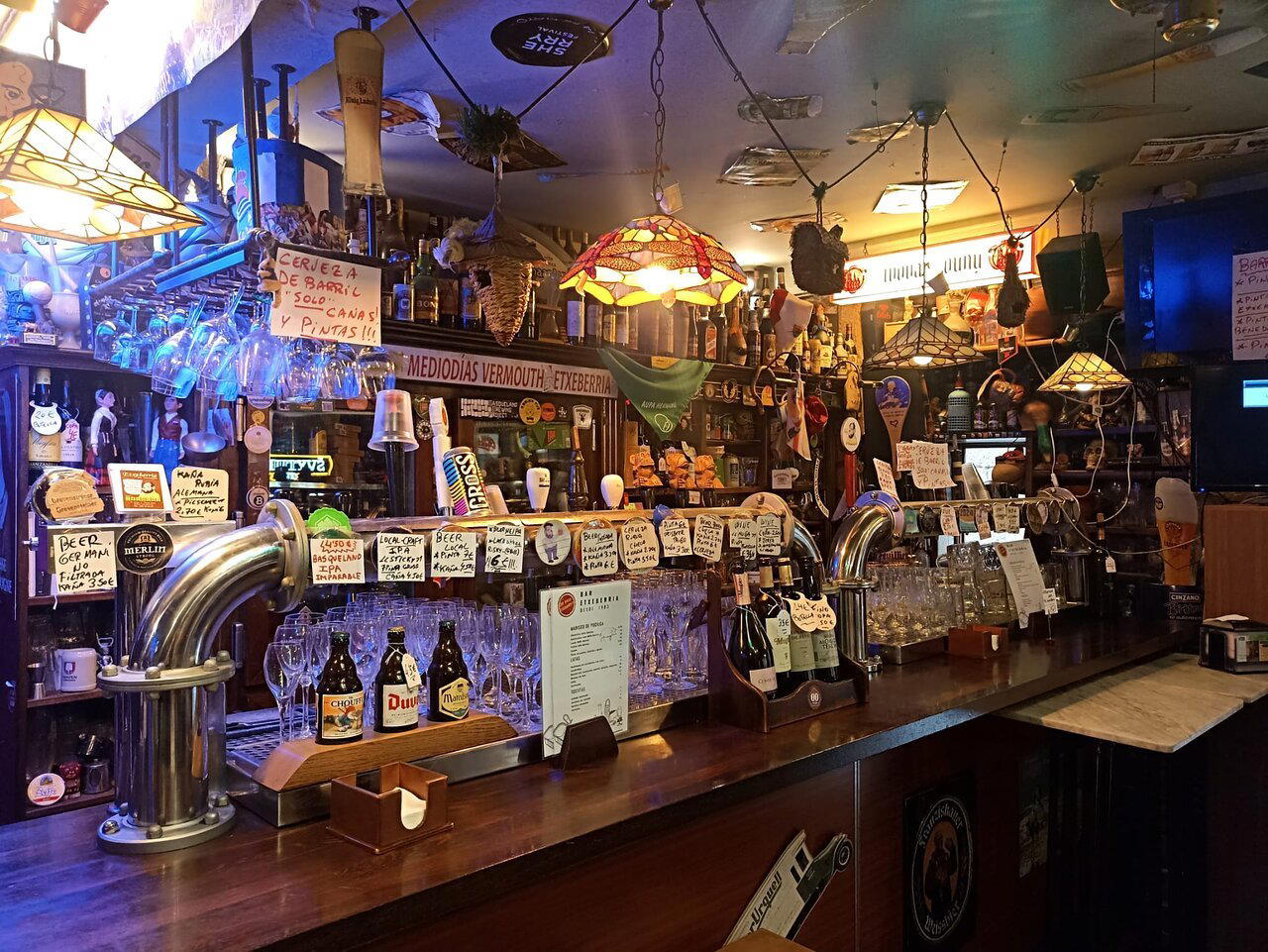
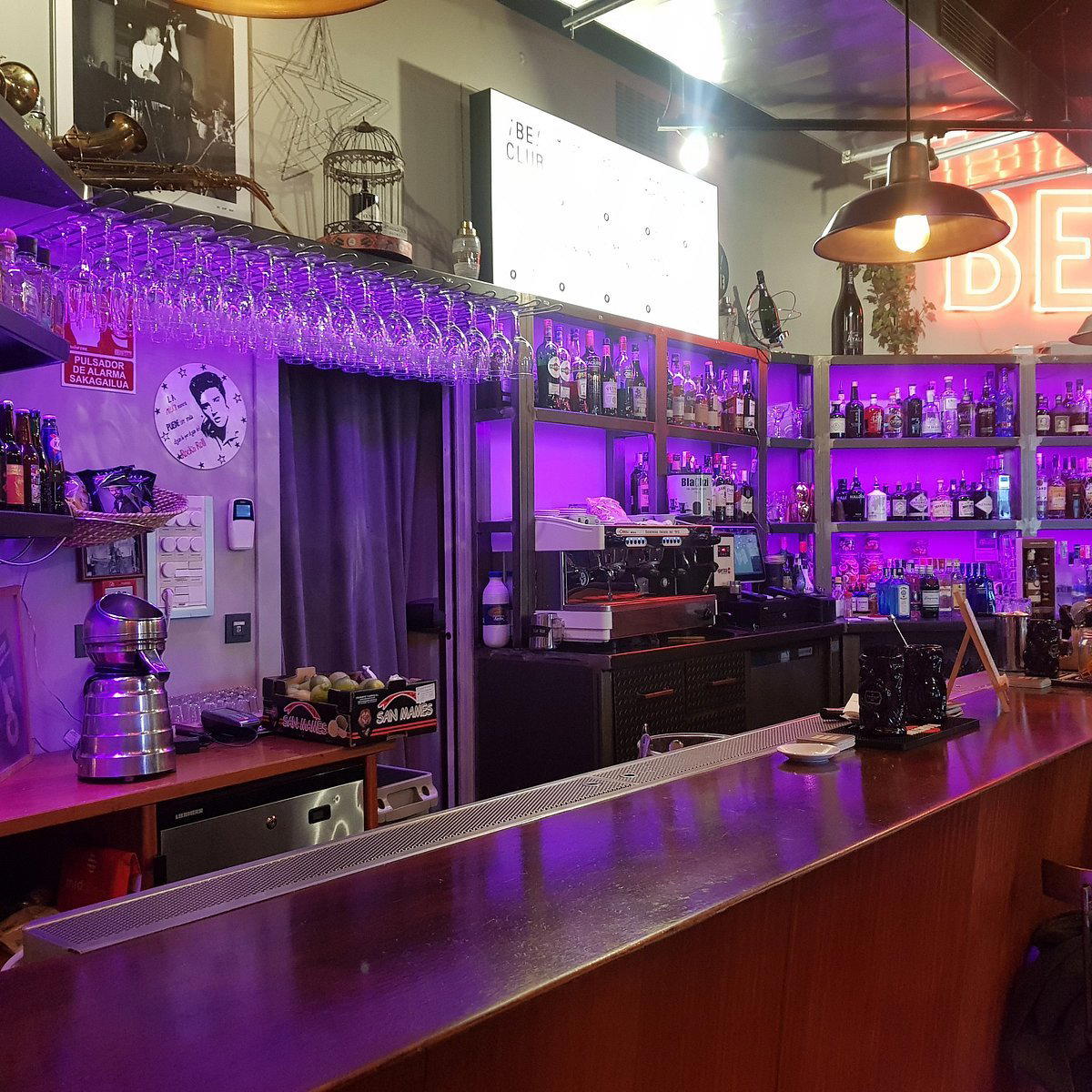
Details
- Elegant
- Classic
- Well Known
- Sophisticated
- Special Occasion
- Celebration
- Date Night
- Open Kitchen
- Standalone
- Historic Building
- Local Sourcing
- Sustainable Seafood
- A La Carte
- Tasting Menu
- Txakolí
- Wine
- Gluten Free Options
- Pescatarian Friendly
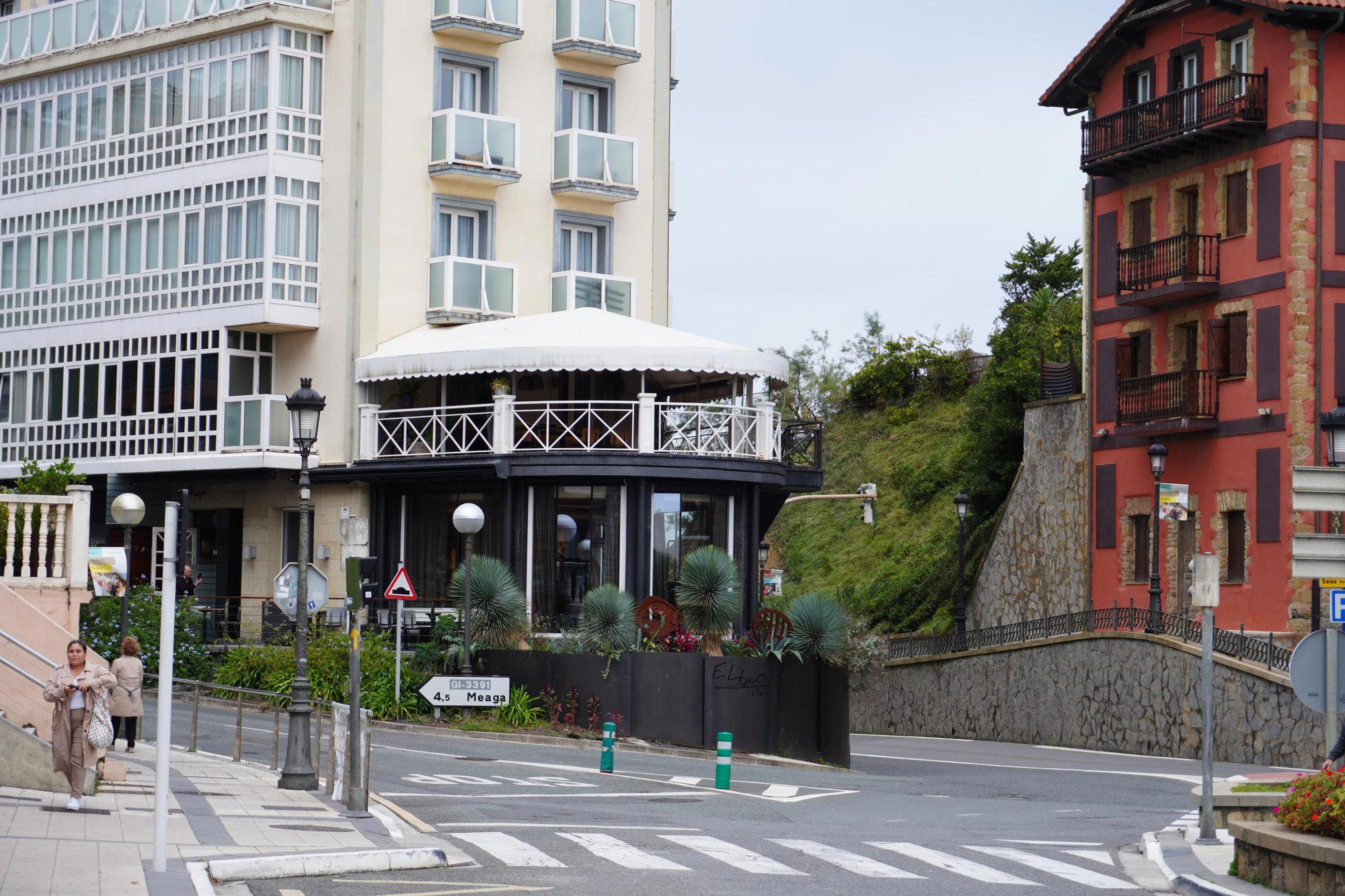
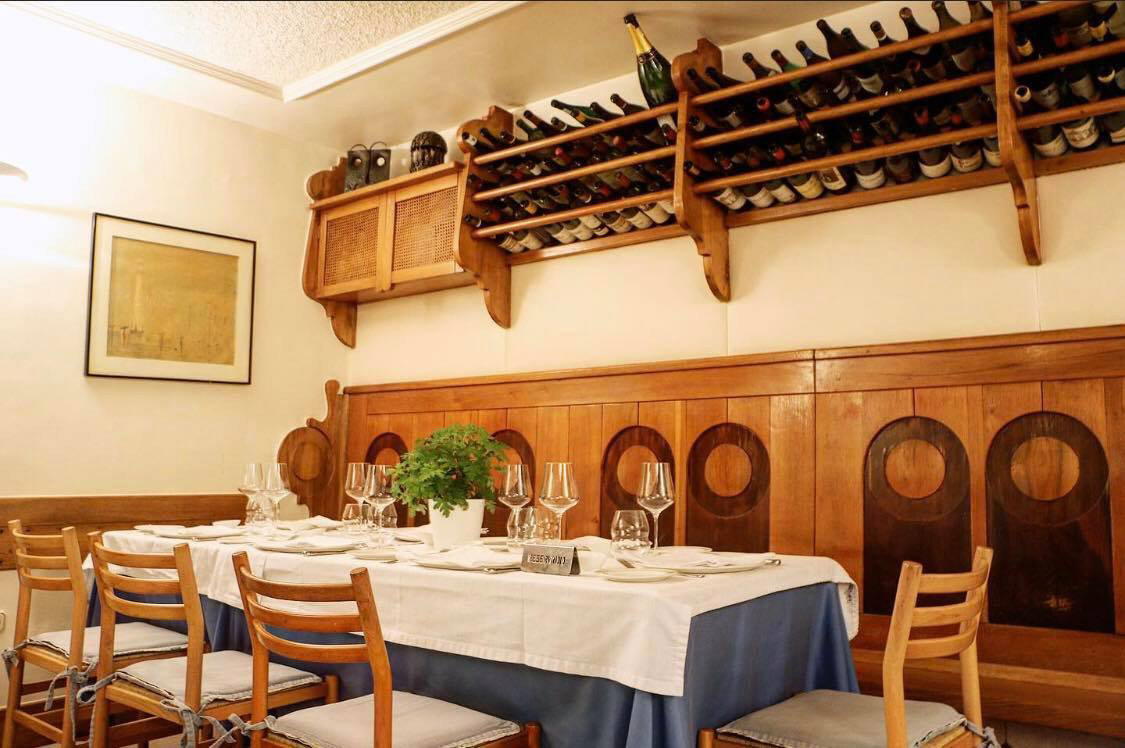
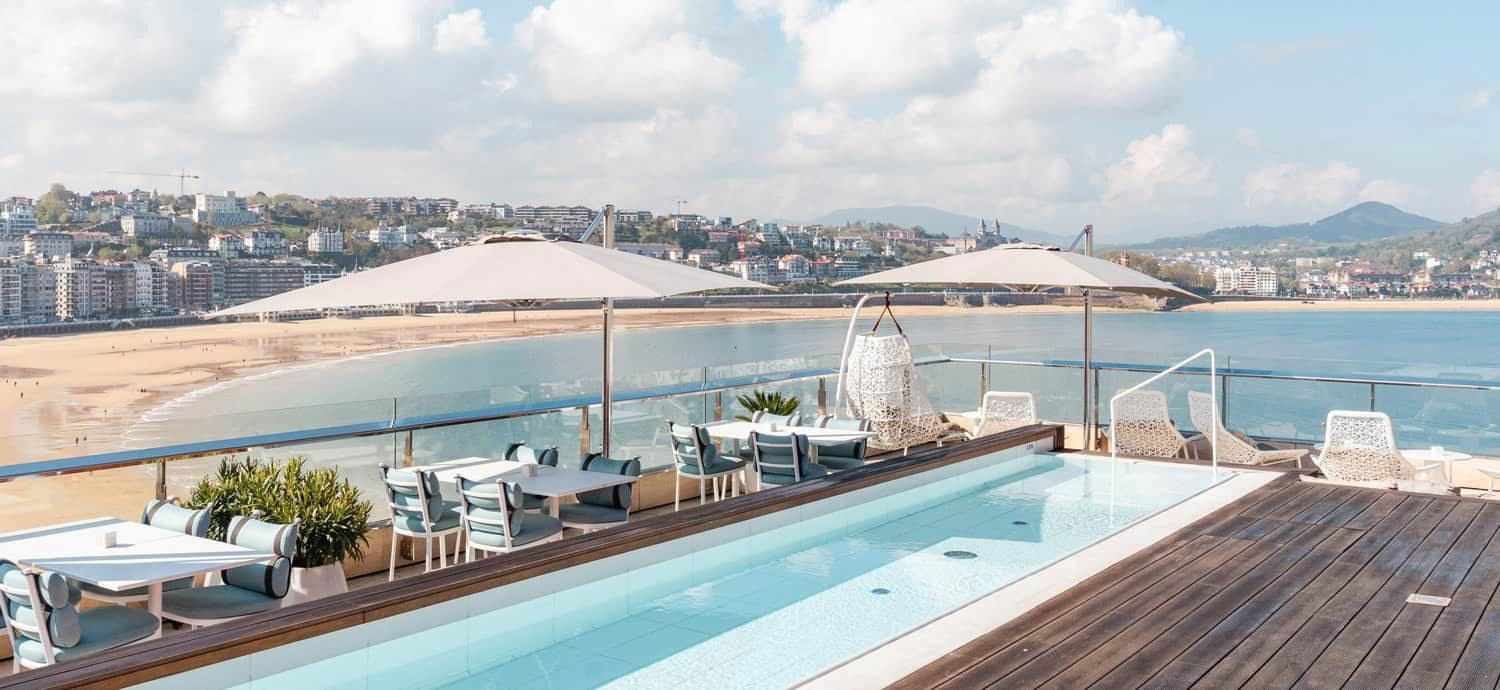
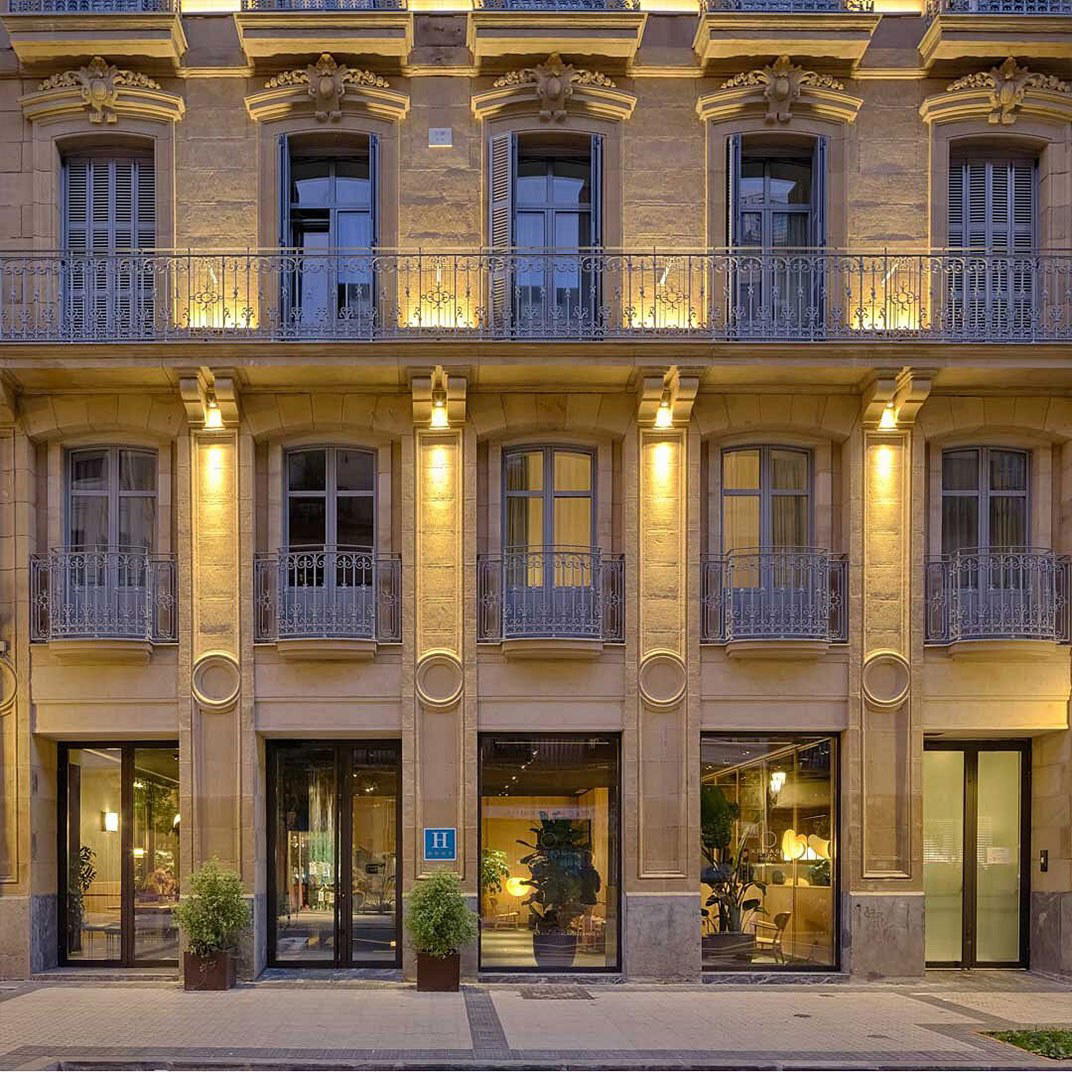
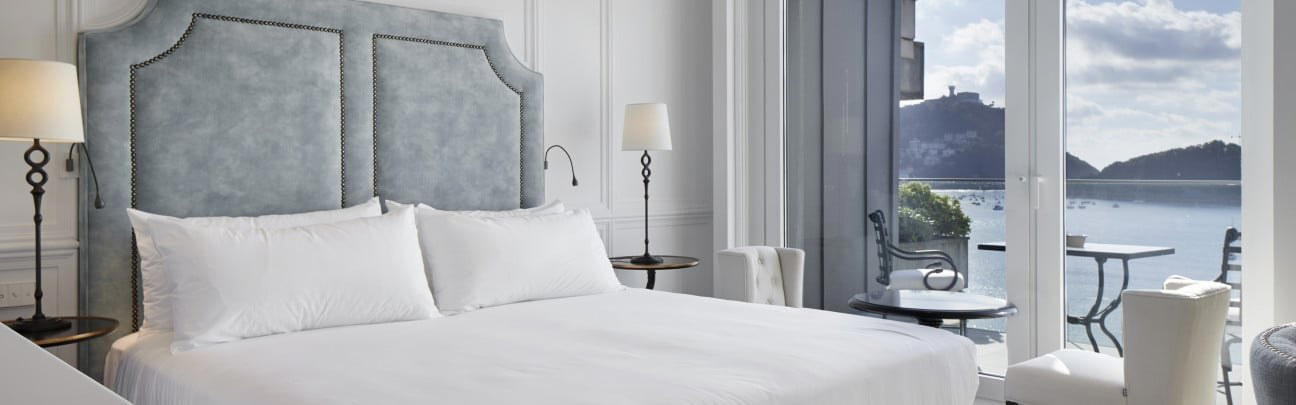
Old-fashioned decor with stone tiled floors and net curtains in a charming fishing village setting; refined yet unpretentious atmosphere focused entirely on the quality of ingredients and grilling technique.