Espazio Oteiza – Akelarre


Relais Chateaux Award · Guía Repsol 1 Sol
Our verdict
Espazio Oteiza – Akelarre belongs to San Sebastián’s coastal fine-dining conversation, where Basque produce, Atlantic proximity, and formal recognition carry more weight than theatrical novelty. Its 1 Sol in the Guía Repsol 2026 places it in a serious tier for diners comparing the city’s established tasting-menu culture with more regional, market-led addresses.

Pearl is the En Primeur Club membership app, where members save venues, book tables and use the concierge.
The menu
What to order
- “Oteiza” hake in green sauce
- Rice with clams and seaweed
- Selection of cured meats: ox, Wagyu and Morucho
- 5 Jotas Ibérico ham
The approach to San Sebastián changes the dining mood before the first plate arrives. The city’s everyday eating rhythm gives way to a more composed restaurant register: a quieter sense of occasion, a more deliberate pace, and the expectation that a serious meal will feel connected to the city rather than treated as imported spectacle. Espazio Oteiza – Akelarre belongs in that register, where the question is not simply what is served, but how a serious San Sebastián dining room expresses place.
San Sebastián has a dining culture unusually dense for its size. Informal counters, grill-led meals, regional kitchens, and formal tasting rooms all compete within the same city, which makes any serious restaurant here answer a harder question than it would in a less scrutinised destination. A kitchen cannot rely on local identity as decoration. It has to show how setting, pacing, and service move from local habit into a controlled restaurant format.
A composed San Sebastián dining room
The restaurant story in San Sebastián is not only about proximity. It is about discipline. Any serious table has to withstand comparison with simpler product-led rooms, produce-focused cooking, a strong grill tradition, and a public that eats well at casual counters. In that context, Espazio Oteiza – Akelarre’s recognition with 1 Sol in the Guía Repsol 2026 matters because the award system is Spain-facing and restaurant-specific, not a generic travel accolade.
The comparison set in San Sebastián is unusually revealing. Akelaŕe represents one of the city’s grand formal references, while Agorregi sits closer to a regional-cooking lane. Asador culture has its own gravity through places such as Asador Portuetxe and Rekondo, where fire, product quality, and cellar depth define the meal more directly. Espazio Oteiza – Akelarre occupies the space between those poles: polished enough to belong in the destination-dining circuit, but still judged against a city that takes eating seriously at every level.
That matters for travellers deciding how to spend a limited number of San Sebastián meals. A formal room offers a different reading of the city than an informal counter crawl or a grill-led lunch. The value is not in escaping local tradition, but in seeing what happens when San Sebastián dining culture is filtered through a composed restaurant format. For a broader city map, Our full San Sebastián restaurants guide places this kind of table alongside the informal, asador, and contemporary addresses that shape the city’s range.
Where it sits in a city that already eats seriously
San Sebastián’s restaurant hierarchy is not built only by awards. It is built by repetition: local diners who know the difference between good product and expensive product, visiting diners who plan months around meals, and chefs working inside a dining culture that has absorbed outside technique without losing its own sense of place. Recognition helps, but the stronger signal is whether a restaurant has a clear role in that ecosystem.
Espazio Oteiza – Akelarre’s role is formal and composed. That places it away from more informal society-club-style rooms, and away from the city-street immediacy of casual dining elsewhere in San Sebastián. It also differs from more overtly experimental dining rooms in the city. Those distinctions matter because San Sebastián is not short on ambitious restaurants; the better question is which kind of ambition suits the trip.
For diners tracking Spain more widely, the address fits into a national pattern: regional dining is being reinterpreted through tighter formats without abandoning place. That pattern looks different in Madrid, Catalonia, the Basque Country, and the islands. Compare the San Sebastián reading here with other serious dining rooms across Spain, where local context is being made legible through more precise service and more deliberate menu structures. The common thread is not sameness; it is the pressure on restaurants to make place intelligible to diners who now move between regions with sharper expectations.
International comparisons can be useful only when kept disciplined. A drinks-led room abroad or a focused casual format in another city operates from a different pantry and service logic. The comparison clarifies the point: serious restaurant identity is not a universal style. It changes with geography, supply chains, and the dining habits around it.
How to fold it into a San Sebastián trip
This is a restaurant to place deliberately, not as filler between casual stops. A meal here makes more sense when the trip also includes the other sides of the city: informal grazing, a grill-led lunch, and at least one contemporary dining room. That mix explains San Sebastián better than chasing a single trophy table. Travellers building a fuller itinerary should pair the restaurant map with Our full San Sebastián hotels guide, then use Our full San Sebastián bars guide for the after-dinner circuit, Our full San Sebastián wineries guide for regional drinking context, and Our full San Sebastián experiences guide for cultural planning beyond the table.
The editorial case is clear: Espazio Oteiza – Akelarre is strongest for diners who want a composed San Sebastián dining setting, with enough external recognition to justify putting it beside the city’s more established names. It is not the answer to every San Sebastián meal, and that is the point. In a city where casual eating can be excellent, formal dining has to earn its place by giving structure and regional identity a sharper frame.
Frequently asked questions
Where is Espazio Oteiza – Akelarre in San Sebastián?
Espazio Oteiza – Akelarre is in San Sebastián.
Is Espazio Oteiza – Akelarre open every day?
Check directly with Espazio Oteiza – Akelarre for current opening days and service times before planning a meal.
What makes Espazio Oteiza – Akelarre worth seeking out?
The draw is its formal dining-room setting in San Sebastián, paired with a Guía Repsol 1 Sol for 2026. That recognition places it in the same serious dining conversation as the city’s more exacting restaurants.
Can Espazio Oteiza – Akelarre adjust for dietary needs?
Confirm dietary requirements directly with the restaurant when arranging the table, so the team can advise on what is possible for the relevant service.
How It Stacks Up
Comparable venues by cuisine and price in the same metro.
| Venue | Cuisine | Price | Awards | Notes |
|---|---|---|---|---|
| Espazio Oteiza – AkelarreThis venue (the venue you are viewing) | Modern Basque-Mediterranean restaurant with sea-view terraces | $100–150 | Relais Chateaux Award · Guía Repsol 1 Sol | Not listed |
| Akelaŕe | Three-Michelin-star Modern Basque fine dining | $300–500 | Falstaff Restaurant - 98 Falstaff Points | Basque Fine Dining |
| Itzuli | Contemporary Basque Fine Dining | $100–150 | 1 Michelin Star · Guía Repsol 1 Sol | Not listed |
| Asador Portuetxe | Traditional Basque Asador | $50–100 | Macarfi 8.1 Food Rating | Asador - Steak |
| Agorregi | Modern Basque | $50–100 | Michelin Plate · Macarfi 8.1 Food Rating | Regional Cuisine |
| Rekondo | Traditional Basque Haute Cuisine | $100–150 | Michelin Plate · Star Wine List | Asador, Basque |
Recognition history
Dated appearances from independent guides and award organizations, with the underlying list record or original source where available.
Guía Repsol 1 Sol
Guía Repsol
Relais Chateaux Award
Relais Chateaux
Continue exploring
More in San Sebastián
Restaurants in San Sebastián
All restaurants in San Sebastián →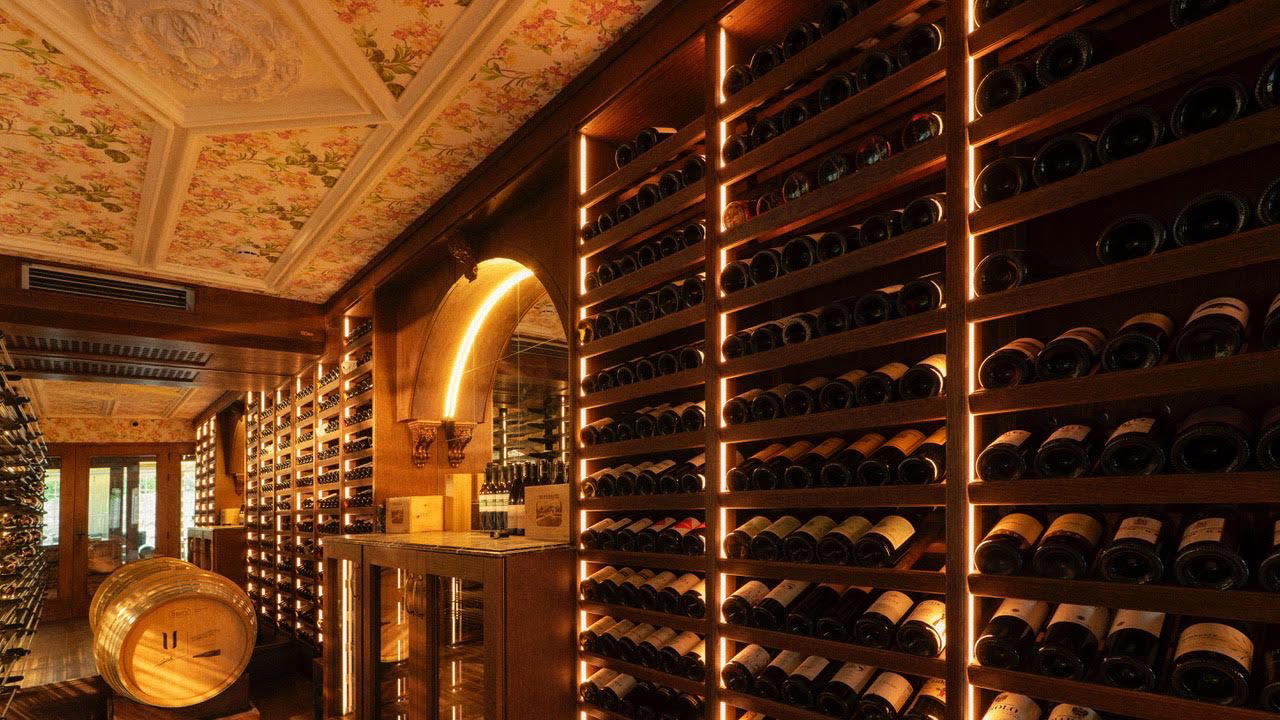
Bars in San Sebastián
All bars in San Sebastián →
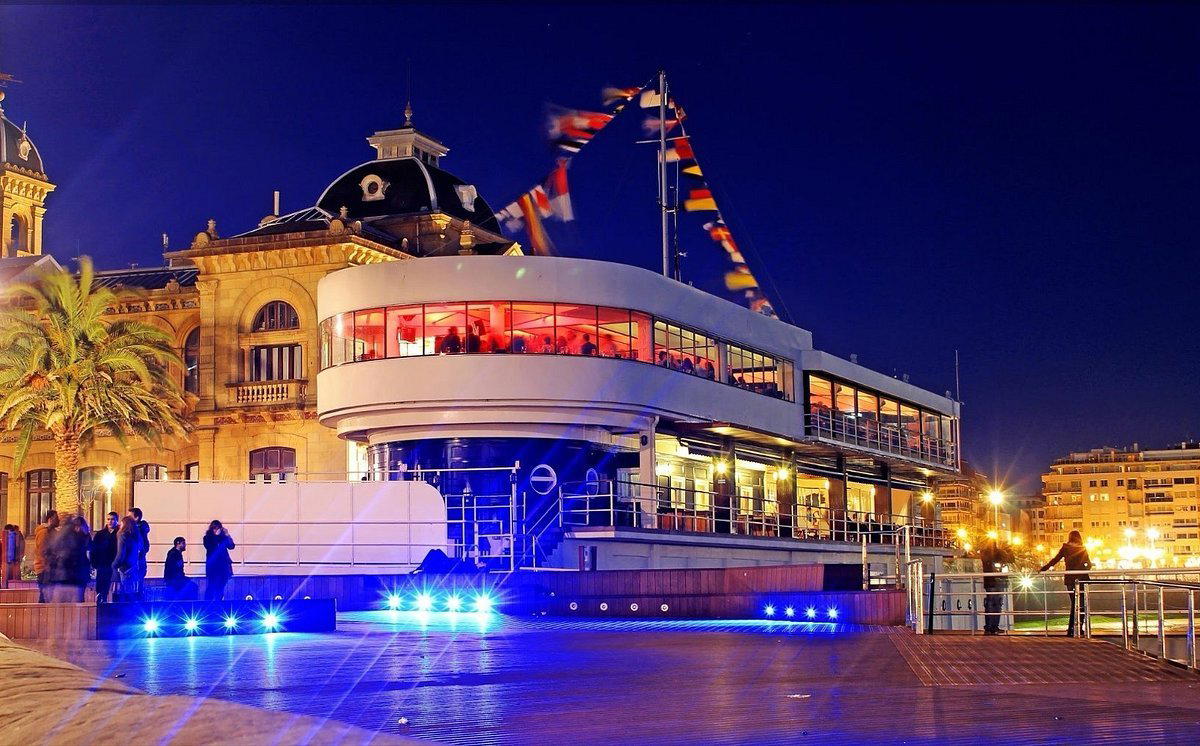
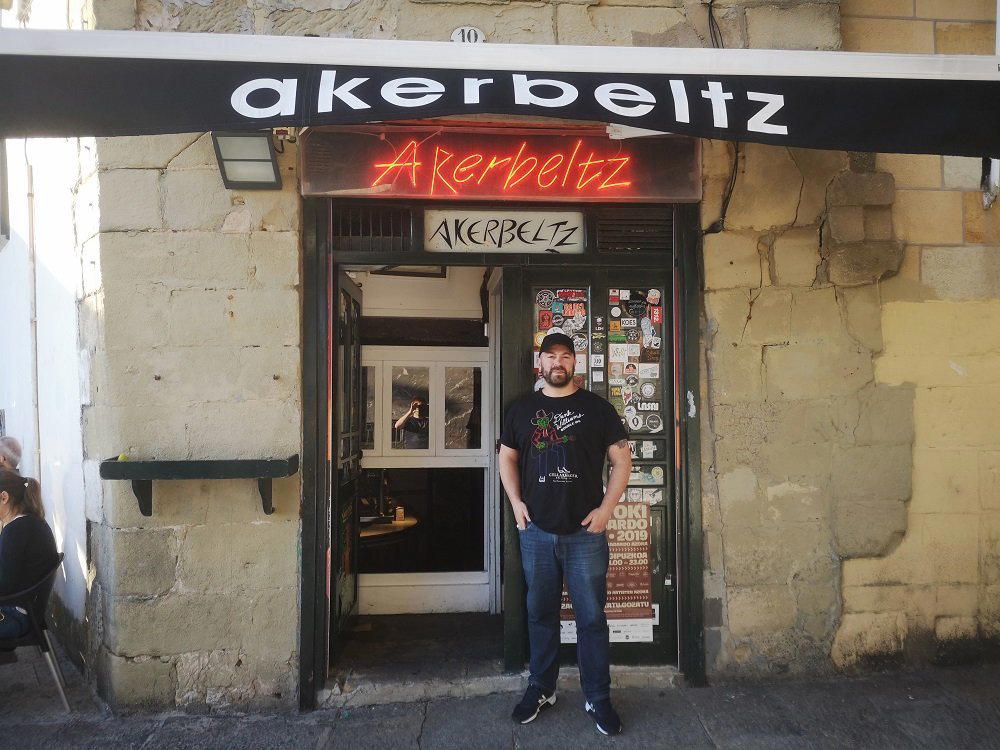
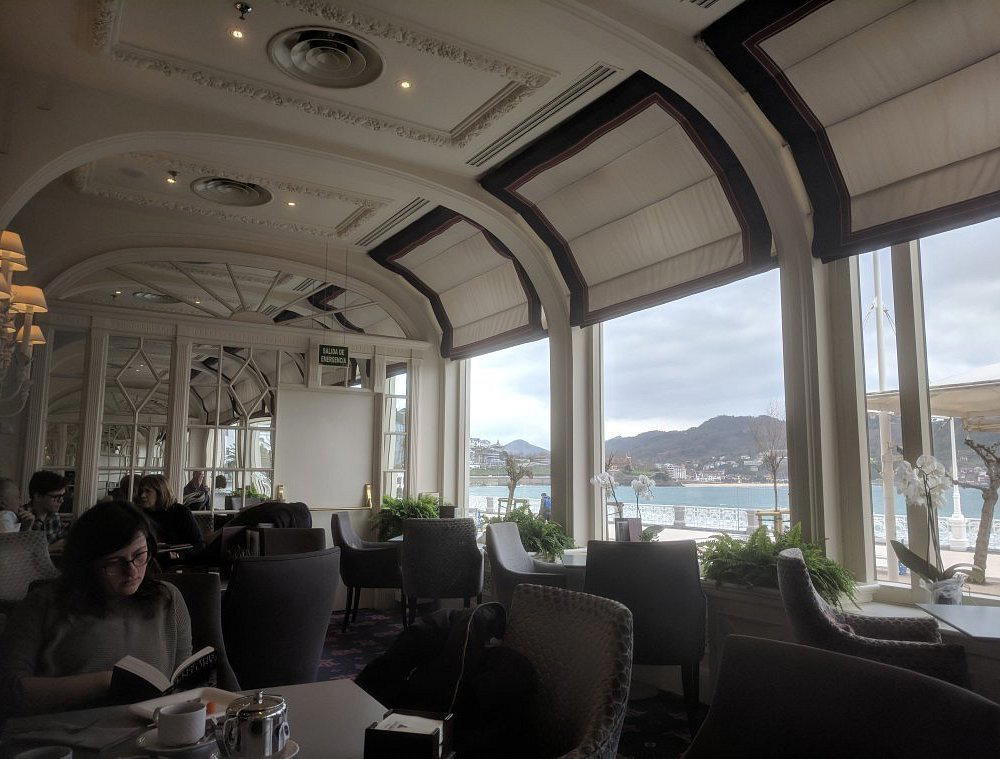
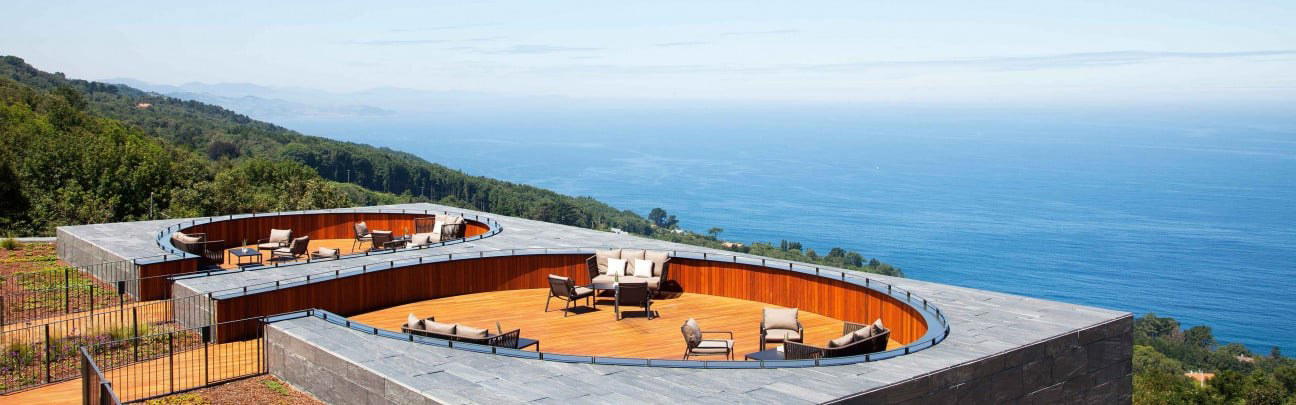
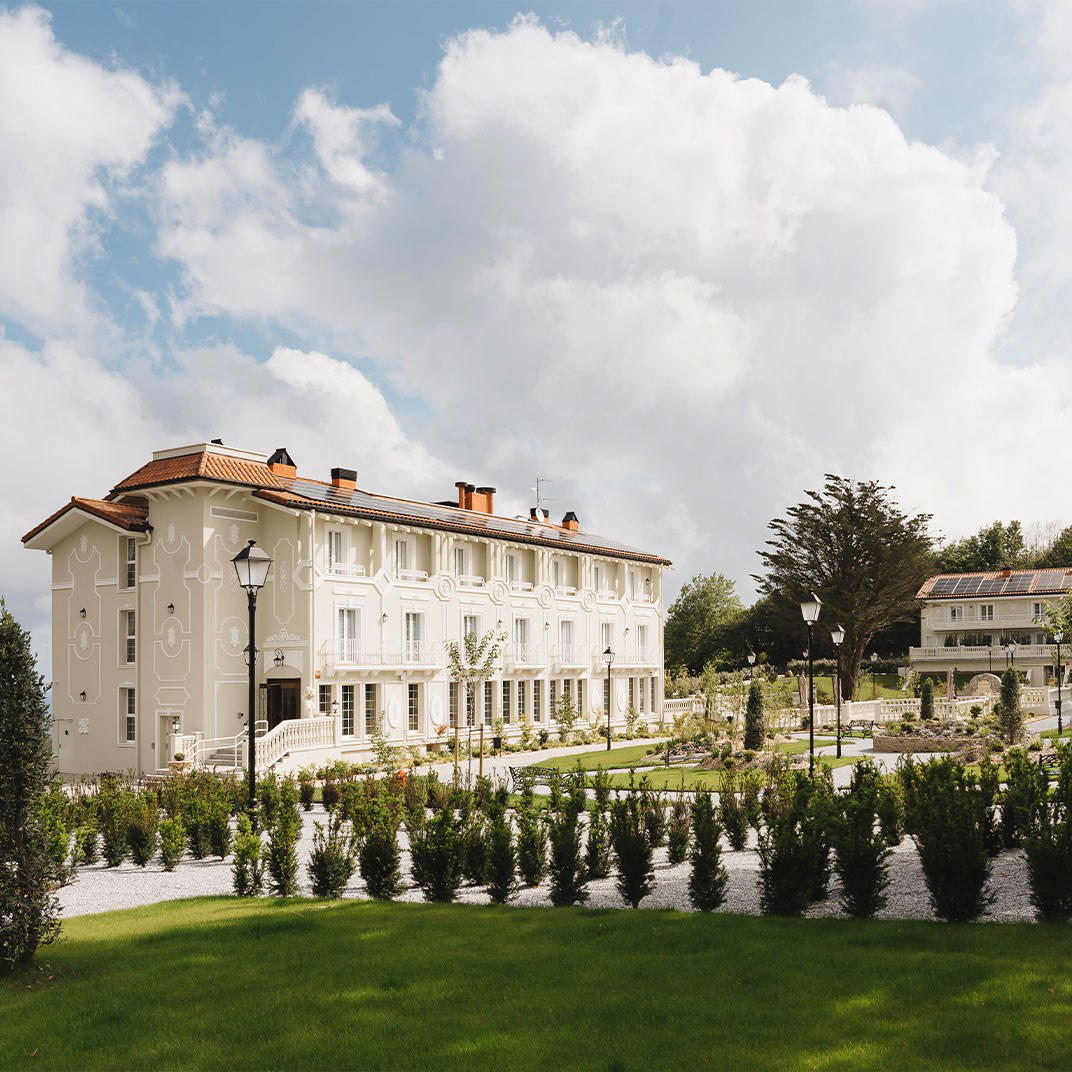
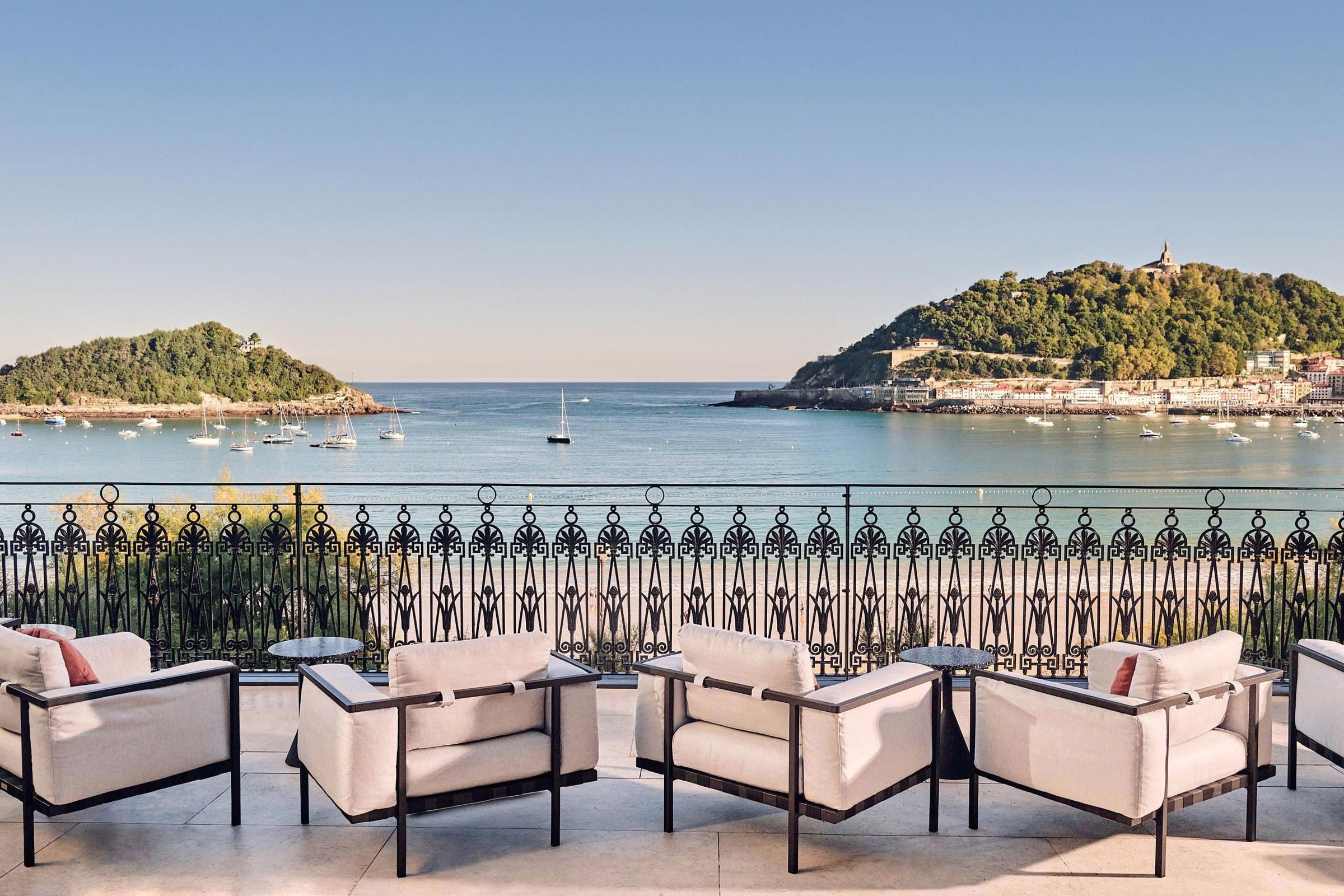
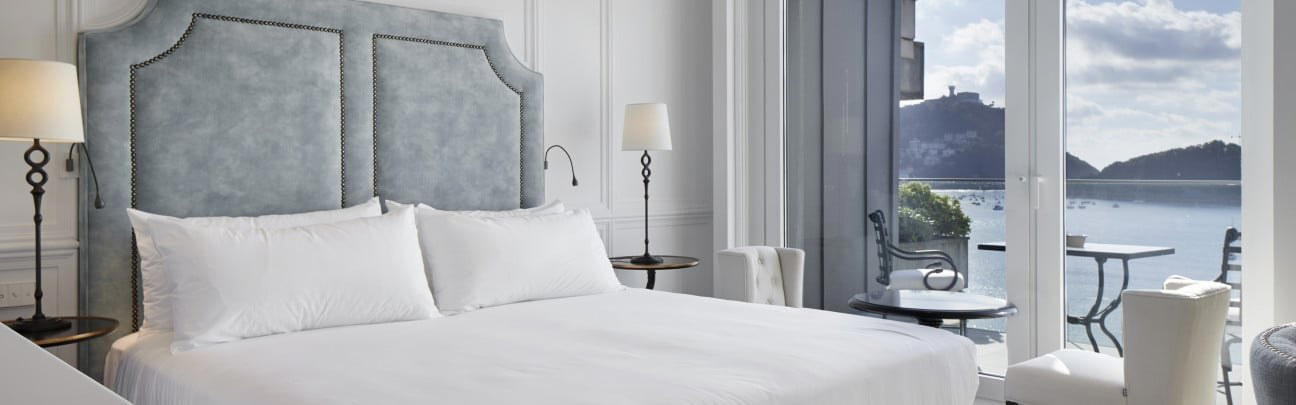
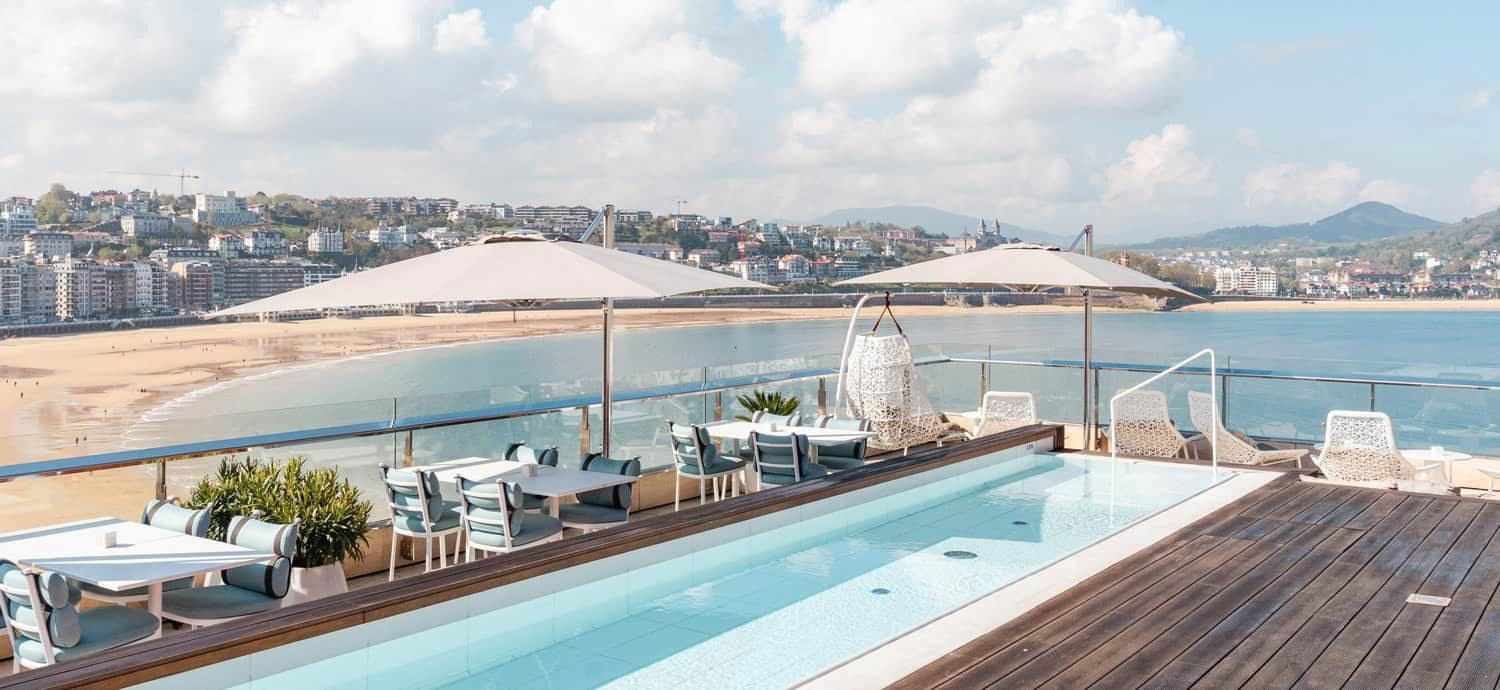
Espazio Oteiza – Akelarre
The wine
- Extensive wine list
- Craft cocktails
Details
- Modern
- Elegant
- Scenic
- Sophisticated
- Romantic
- Date Night
- Business Dinner
- Group Dining
- Special Occasion
- After Work
- Late Night
- Waterfront
- Terrace
- Panoramic View
- Private Dining
- Hotel Restaurant
- Design Destination
- Extensive Wine List
- Craft Cocktails
- Local Sourcing
- Waterfront
- Mountain
- A La Carte
- Small Plates
- Wine
- Cocktails
- Vegetarian Friendly
Current opening hours
- Monday
- 12–10:30 PM
- Tuesday
- 12–10:30 PM
- Wednesday
- 12–10:30 PM
- Thursday
- 12–10:30 PM
- Friday
- 12–10:30 PM
- Saturday
- 12–10:30 PM
- Sunday
- 12–10:30 PM
Hours can change for holidays and private events. Hours as of .
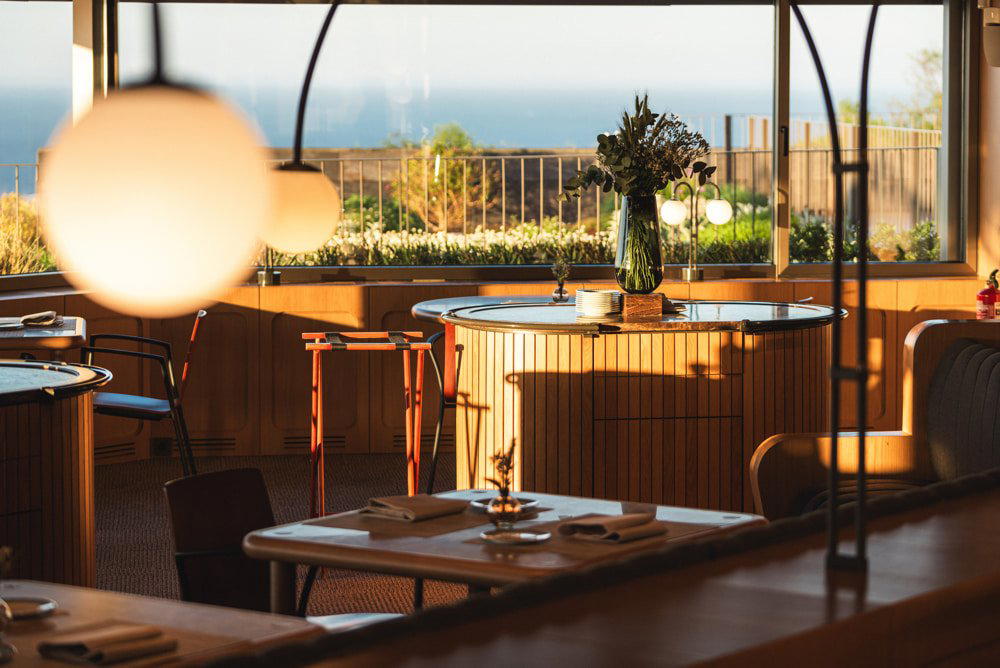
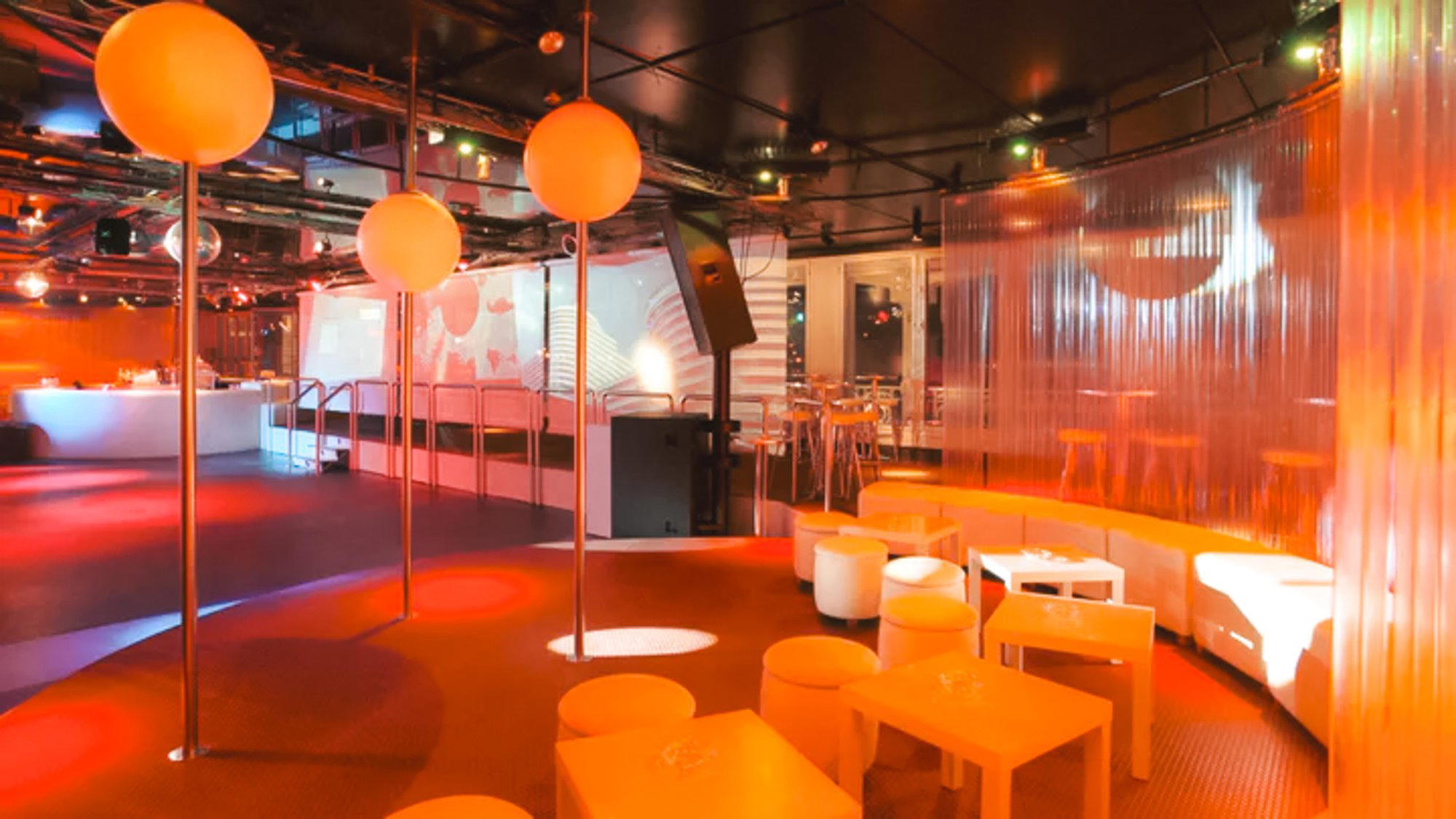
Bright, contemporary spaces with large windows and extensive terraces create an airy, coastal feel; one area is casual and relaxed for snacks and drinks, while the main dining room is more polished and intimate, especially at sunset over the sea.