
el viento gives Maebashi a Spanish address with enough specificity to matter: fish-led cooking, a wine-bar register, and a 2026 Tabelog 100 selection for Spanish cuisine. It sits in the city’s small but varied dining circuit, less formal than destination tasting rooms and more focused than a casual drinking spot.
Pearl is the En Primeur Club membership app — saves, bookings, and concierge access live there. Same editors, same standards.
- Address
- 群馬県前橋市三河町1-3-12
- Phone
- +81272205545
- Website
- elviento.gunma.jp
 Saves & bookings on Pearl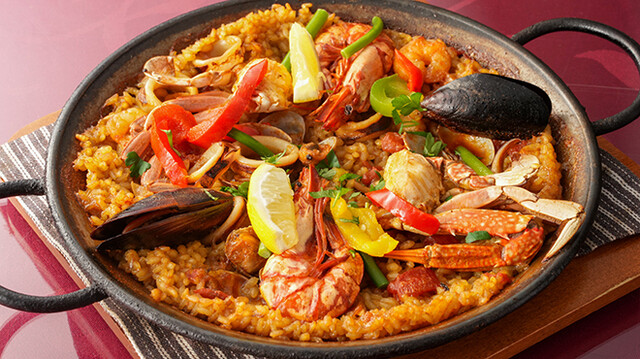
Approaching the dining room from central Maebashi, the mood changes from station-side utility to a quieter, more deliberate register. Spanish food in regional Japan often risks becoming a loose shorthand for paella, tapas and wine by the glass; here, the more useful reading is narrower. The emphasis is on fish, vegetables, wine and the shared-table grammar that lets Spanish cooking travel without turning into theme dining.
That distinction matters in Maebashi, a city whose restaurant culture is not built around a single dominant format. The stronger meals tend to be found in specific lanes: French-inflected dining at cépages, Japanese comfort and craft at Kokuya, sharper contemporary cooking at nagi, and the more architectural restaurant experience at 白井屋ザ・レストラン. In that company, el viento occupies a useful middle ground: not a ceremonial counter, not a chain-like bistro, but a Spanish restaurant and wine bar with enough structure to justify planning around it.
Fish, wine and the Spanish table in a Gunma city
Spanish cooking has always been more regional than the simplified export version suggests. The better Japanese interpretations understand that seafood, rice, peppers, olive oil and wine are not decorative signals; they are the operating system. el viento’s publicly stated focus on fish gives the kitchen a clearer anchor than the broad “Mediterranean” label that often blurs this category. In inland Gunma, that sourcing emphasis also gives the meal a point of tension: seafood-led Spanish cooking has to be planned rather than taken for granted.
The Tabelog 100 selection for Spanish cuisine in 2026 is the cleanest outside signal here. Tabelog’s Hyakumeiten lists are not Michelin-style star systems, but they do identify restaurants that have accumulated enough category-specific attention to sit above ordinary neighborhood visibility. For a Maebashi Spanish restaurant, that matters more than a generic score alone. It places the room within a national conversation about Spanish cooking in Japan, while the scale remains local and usable.
The wine-bar side of the identity is equally important. Spanish restaurants in Japan often divide between meal-first paella houses and drink-first tapas rooms. The stronger version is the hybrid: enough wine focus to support seafood, rice and shared plates, but enough kitchen discipline to avoid becoming a snack menu. That is the lane el viento occupy. It also explains why the restaurant works across different occasions, from family meals to dates and group dinners, without requiring the solemnity of a tasting-menu room.
Where it fits in Maebashi's dining map
Maebashi is not Tokyo, and that is the point. The city’s appeal for dining is less about relentless novelty than about finding restaurants with a defined purpose. Indian Shokudo Charakara sits at the casual, everyday end of that spectrum, while nagi prices into a more deliberate dinner bracket. The restaurant’s Spanish-and-wine format gives the city another rhythm: a meal that can be shared, extended, and built around bottles without becoming stiff.
This is where the ingredient angle becomes more than a menu note. Fish-led Spanish cooking changes the way a table orders. It pulls attention toward rice dishes, seafood preparations and lighter wine pairings rather than the heavier meat-and-red-wine assumptions that often dominate European restaurants outside major cities. The presence of shochu, cocktails and wine broadens the drinking logic, but wine remains the more natural lens for understanding the room.
For travelers using Maebashi as a base, the restaurant belongs on a broader city list rather than as a solitary detour. The useful way to plan is to compare formats: a Spanish wine-bar dinner here, a more Japanese meal at Kokuya, a contemporary local splurge at 白井屋ザ・レストラン, and a casual spice-driven meal at Indian Shokudo Charakara. For the wider city edit, use Our full Maebashi restaurants guide; for where to stay, drink, taste and structure the trip around the meal, see Our full Maebashi hotels guide, Our full Maebashi bars guide, Our full Maebashi wineries guide, and Our full Maebashi experiences guide.
A relaxed room with enough structure for a planned dinner
The restaurant’s usefulness lies in that balance between casual and composed. A 30-seat room keeps the scale intimate without pushing the experience into hushed special-occasion territory. Private-room availability and whole-room use for larger groups make it practical for gatherings, while the no-smoking policy and child-friendly stance broaden the audience beyond wine-bar regulars.
For a city meal, this is the right kind of flexibility. The format can carry a dinner with friends, a family table, or a date without demanding a single fixed script. The presence of live music in the facilities list points to a room that is comfortable with social energy, though the food identity remains the more persuasive reason to go. In Maebashi’s dining mix, that matters: atmosphere supports the meal rather than replacing it.
Travelers building a Japan itinerary around regional restaurants may find useful contrasts outside Gunma as well. The scale and category are different, but comparison sharpens decision-making: beef-focused dining at -Grilled beef Sukiyaki- KAMAKURA TANUKIAN 鎌倉 たぬき庵 in Kamakura, seafood and charcoal cooking at. 鮪と炭火焼き うお炭 秋葉原店 in Tokyo, cafe culture at.cafe in Osaka, and Kumamoto’s smaller-format dining at.know in Kumamoto all show how specific formats travel across Japanese cities. For more casual cross-cultural cooking, (Shoku) Vietnam in Kawasaki and [Curry Senmon Ten] Maruyama Kyoju. in Sapporo sit in a different register, while Jōdo Saké Bar in Los Angeles and Onigiri Time in Pasadena show how Japanese drinking and comfort-food formats read abroad.
The editorial case for the restaurant is not that Maebashi suddenly becomes a Spanish dining destination because of one restaurant. It is that the city’s stronger dining choices are built from clear, individual premises, and this one has a defined premise: Spanish cooking with fish at the center, a wine-bar frame, and enough recognition to move it beyond local convenience. For travelers who prefer regional restaurants with a point of view over anonymous hotel dining, that is the reason it belongs in the plan.
Comparable Spots, Quickly
Comparable venues by cuisine and price in the same metro.
| Venue | Cuisine | Price | Notes |
|---|---|---|---|
| el vientoThis venue — the venue you are viewing | Spanish Tapas & Paella | $$ | Not listed |
| cépages | Contemporary French with Gunma Influences | $$$$ | Chiyoda-cho |
| 白井屋ザ・レストラン | Innovative Joushu Cuisine (Gunma Regional Fine Dining) | $$$$ | Honcho, Maebashi |
| Indian Shokudo Charakara | South Indian canteen-style curry house | $ | Soja |
| nagi | Creative Japanese Izakaya | $$$ | Central Maebashi |
| Kokuya | Traditional Unagi & Fugu Restaurant | $$ | Central Maebashi |
Recognition history
Dated appearances from independent guides and award organizations, with the underlying list record or original source where available.
Tabelog 100 #97 · No. 97
Tabelog · Tabelog 100 - Spanish cuisine - 2026
Continue exploring
More in Maebashi
Restaurants in Maebashi
Browse all →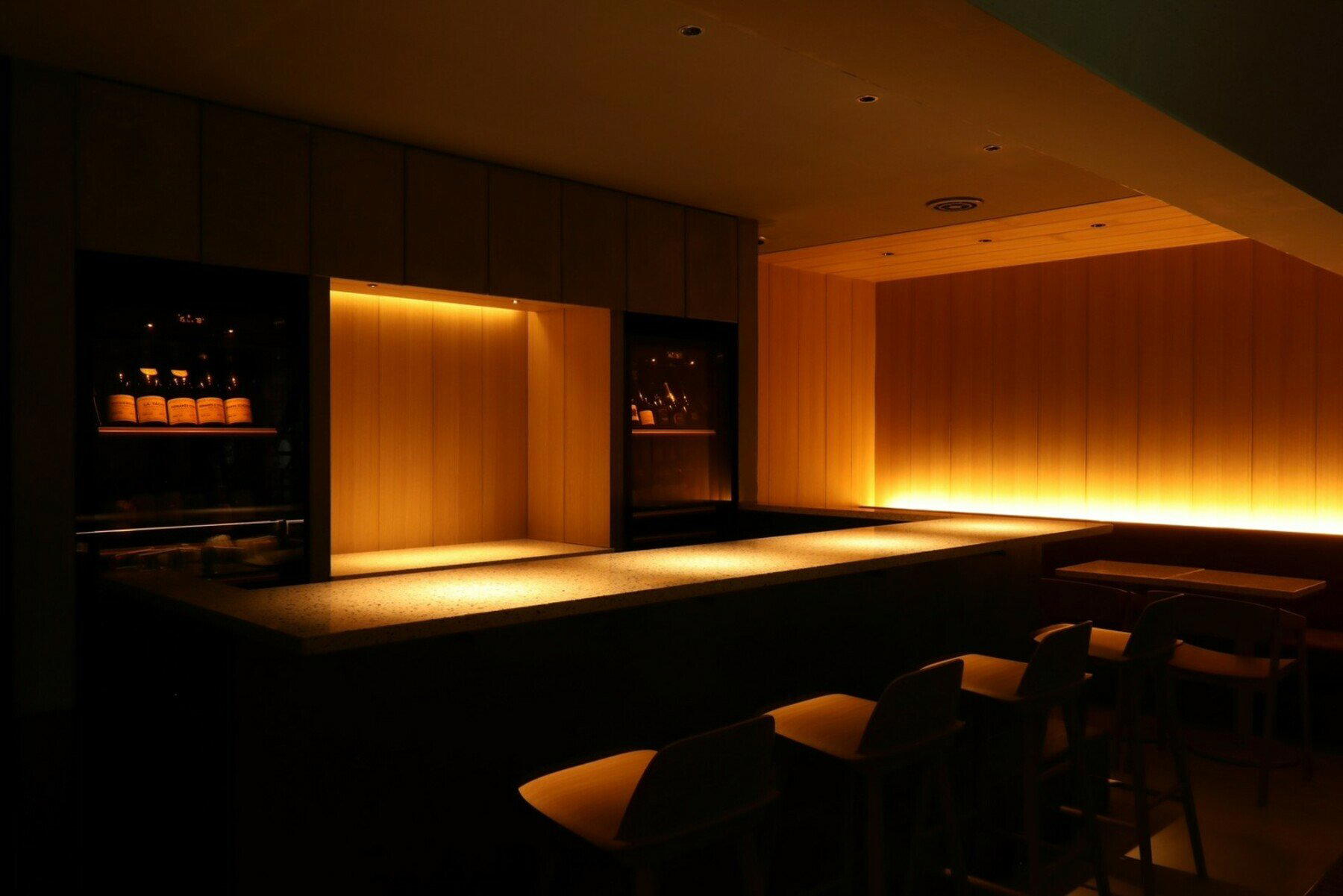
Hotels in Maebashi
Browse all →
Wineries in Maebashi
Browse all →
At a Glance
- Cozy
- Romantic
- Quiet
- Date Night
- Casual Hangout
- Solo
- Standalone
- Beer Program
Stylish and intimate, with a relaxed restaurant-wine-bar feel that suits a quiet meal or date night.