
Maebashi’s serious dining culture is not only about formal kaiseki rooms; it also runs through compact Japanese counters where fish, sake and small-format cooking carry the argument. nagi belongs to that category, with Tabelog Japanese cuisine EAST 100 selections in 2021, 2023 and 2025, a 24-seat scale and a dinner budget around JPY 5,000 to JPY 5,999.
Pearl is the En Primeur Club membership app — saves, bookings, and concierge access live there. Same editors, same standards.
- Address
- 群馬県前橋市千代田町3-12-9 ライオンズマンション前橋千代田町1F
- Phone
- +81272880518
- Website
- tabelog.com
- Directions
- Get directions
 Saves & bookings on Pearl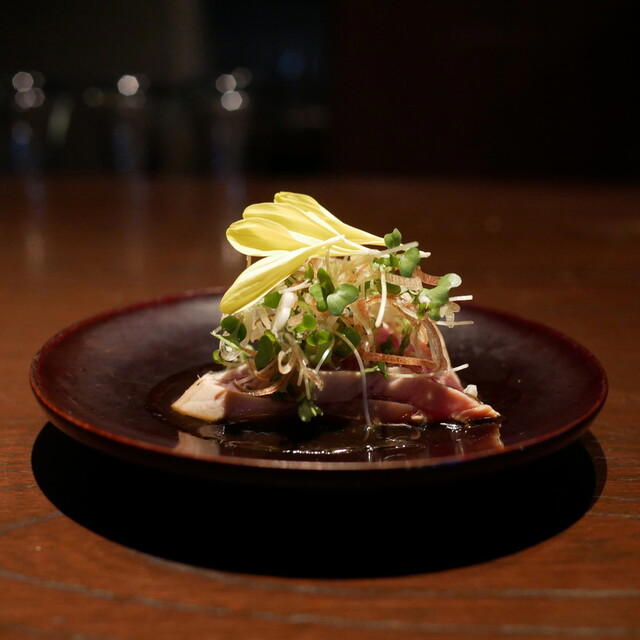
Central Maebashi moves more quietly than Japan’s major dining capitals: low-rise streets, compact rooms, and restaurants built less on spectacle than repeat local confidence. In that setting, nagi fits a specific Japanese dining grammar: fish-led cooking, sake and shochu alongside wine, counter seating, and private rooms for two and four without making dinner ceremonial. The point is not rural nostalgia, but how a mid-priced Japanese restaurant outside Tokyo can make sourcing and drinking culture feel closely linked.
Maebashi context matters. Gunma’s capital lacks the density of Ginza, Kyoto or Osaka, so recognition signals differently: restaurants must earn attention without the traffic of a national dining district. Tabelog selected nagi for Japanese cuisine EAST 100 in 2021, 2023 and 2025, placing it among eastern Japan’s stronger Japanese-cuisine addresses, not just in a local ranking. For travellers, that matters because Maebashi rewards targeted planning; its better rooms are spread across categories, from wine-facing cépages and hotel-dining ambition at 白井屋ザ・レストラン to Spanish-inflected el viento, curry at Indian Shokudo Charakara and the lower-priced comfort of Kokuya.
Fish-led Japanese cooking in an izakaya frame
Japanese cuisine outside the luxury circuit often works through overlap rather than purity. A restaurant can be listed as Japanese cuisine, izakaya and creative without contradiction; that usually means seasonal small plates, drink-led pacing and more flexible formality than kaiseki. Here, the key public signal is fish. The restaurant is specifically noted for attention to fish, giving the format its spine: seafood is not a garnish to a drinking menu, but the centre around which sake, shochu and wine are chosen.
That matters in landlocked Gunma, where a fish-forward restaurant cannot rely on harbour romance or tourist shorthand. It must communicate intent through selection, handling and meal structure. Many serious izakaya-style rooms in Japan build loyalty this way, making seafood a nightly proposition rather than a special-occasion tasting menu. nagi sits in that register, with a listed dinner budget of JPY 5,000 to JPY 5,999 and review-based spending at JPY 8,000 to JPY 9,999. The gap is useful: drinking and add-on ordering can move the bill, especially with sake, shochu and wine all in play.
The drink categories define the meal. Sake and shochu are not incidental, and wine appears as a parallel option rather than a Westernizing flourish. For a fish-led Japanese table, diners can move between clean rice-driven pairings, stronger distilled notes, and wine acidity when the cooking turns richer or more creative. No named bottle or pairing format is needed: the beverage structure is part of the sourcing story.
A compact Maebashi room with national-list credibility
Scale shapes the experience as much as recognition. A 24-seat restaurant with counter seating and small private rooms creates a different social contract from a large izakaya. It encourages attentive ordering rather than grazing through a laminated catalogue, while serving several audiences at once: counter diners watching service cadence, pairs in a private room, and friends treating dinner as a drinking session with better food than the category sometimes promises.
The Tabelog Japanese cuisine EAST 100 selections in 2021, 2023 and 2025 are the strongest external trust signal. They put nagi in a broader eastern Japan conversation, while the price point keeps it grounded. This is not high-counter omakase or ryotei-style luxury. It belongs to the more useful traveller category: a serious local Japanese dinner that can anchor an evening without a luxury budget. Against Maebashi peers, it sits above Indian Shokudo Charakara and Kokuya in spend, while staying close enough to everyday dining that the meal should be judged on ingredient focus rather than theatre.
Its history adds another signal. Opening in 2011 and appearing repeatedly on the Japanese cuisine EAST 100 list gives nagi a profile built over years, not one media burst. In regional Japanese cities, that continuity often matters more than an opening surge. The restaurant has had to stay relevant through changing diner habits, shifting supply costs and a dining culture increasingly shaped by ranking platforms.
How to place it within a Maebashi itinerary
For travellers using Maebashi as more than a transit point, nagi works after a day built around the city, not as a destination detached from it. The address is in Chiyoda-machi, with Central Maebashi station closest, so it fits an evening in the central district. Reservations are available, and the small capacity makes advance planning sensible, especially for weekends or private-room use. Monday closure also matters for a short stay.
The practical decision is category, not hype. Choose nagi for a fish-focused Japanese dinner with drinks and a contained room. Choose cépages when the night is more wine-led, el viento for a lower-spend European-leaning meal, or 白井屋ザ・レストラン when the hotel-restaurant frame is part of the evening. For broader planning, use Our full Maebashi restaurants guide alongside Our full Maebashi hotels guide, Our full Maebashi bars guide, Our full Maebashi wineries guide and Our full Maebashi experiences guide.
Readers mapping Japanese dining beyond Gunma can compare how format changes by city: sukiyaki in Kamakura at -Grilled beef Sukiyaki- KAMAKURA TANUKIAN 鎌倉 たぬき庵 in Kamakura, tuna and charcoal in Tokyo at. 鮪と炭火焼き うお炭 秋葉原店 in Tokyo, café culture at.cafe in Osaka, contemporary dining at.know in Kumamoto, Vietnamese-Japanese casual dining at (Shoku) Vietnam in Kawasaki, curry specialization at [Curry Senmon Ten] Maruyama Kyoju. in Sapporo, sake-bar culture at Jōdo Saké Bar in Los Angeles and rice-ball specialization at Onigiri Time in Pasadena. Against that field, Maebashi’s argument is modest but clear: ingredient attention, drink compatibility and small-room discipline can be enough.
In Context: Similar Options
Nearby venues at a similar price tier for orientation.
| Venue | Cuisine | Price | Notes |
|---|---|---|---|
| nagi | Creative Japanese Izakaya | $$$ | Central Maebashi |
| Kokuya | Traditional Unagi & Fugu Restaurant | $$ | Central Maebashi |
| 白井屋ザ・レストラン | Innovative Joushu Cuisine (Gunma Regional Fine Dining) | $$$$ | Honcho, Maebashi |
| Indian Shokudo Charakara | South Indian canteen-style curry house | $ | Soja |
| el viento | Spanish Tapas & Paella | $$ | Central Maebashi |
| cépages | Contemporary French with Gunma Influences | $$$$ | Chiyoda-cho |
Recognition history
Dated appearances from independent guides and award organizations, with the underlying list record or original source where available.
Tabelog 100 #91 · No. 91
Tabelog · Tabelog 100 - Japanese cuisine - EAST - 2025
Continue exploring
More in Maebashi
Restaurants in Maebashi
Browse all →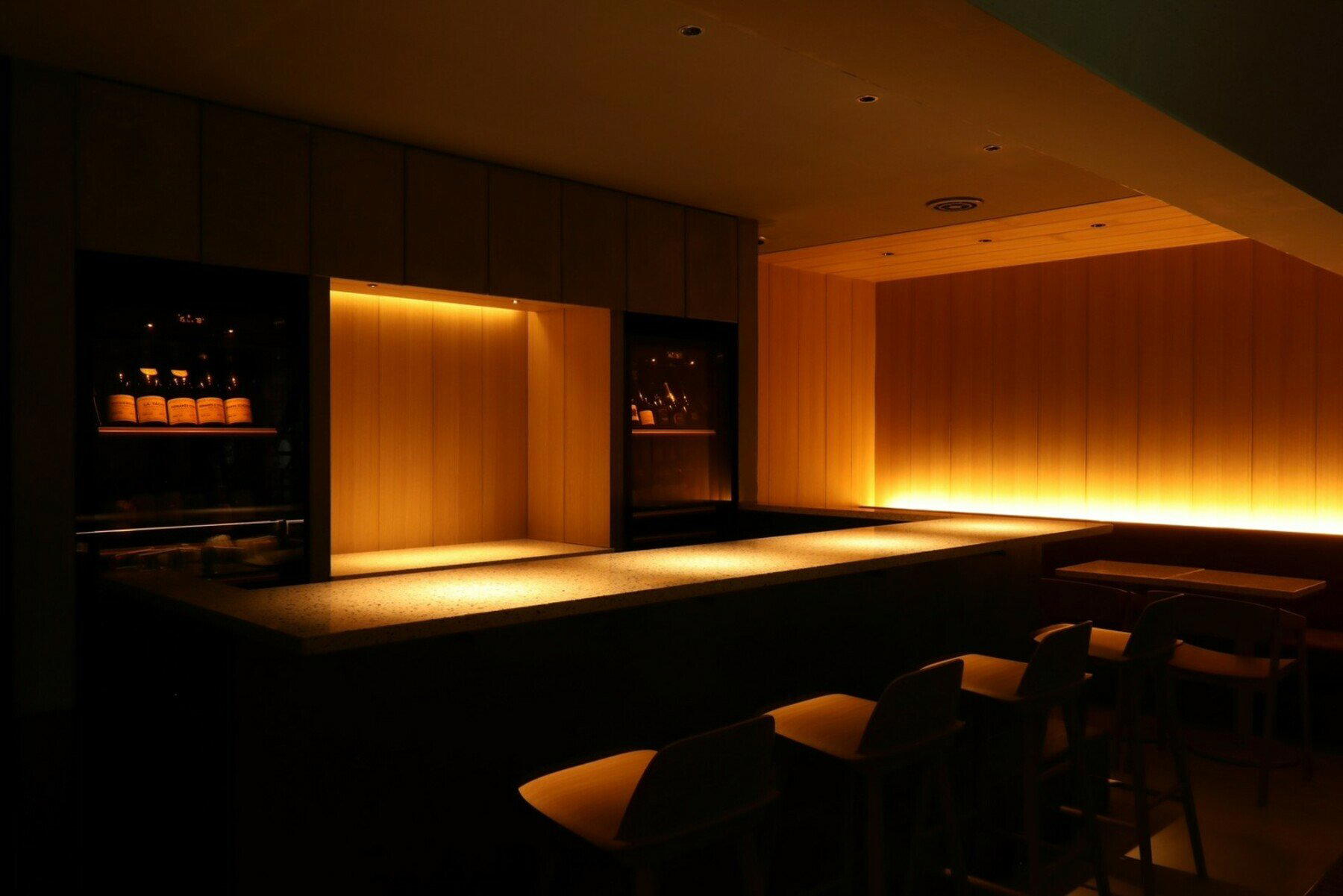
Hotels in Maebashi
Browse all →
Wineries in Maebashi
Browse all →
At a Glance
- Cozy
- Romantic
- Elegant
- Modern
- Date Night
- Casual Hangout
- After Work
- Group Dining
- Solo
- Special Occasion
- Standalone
- Private Dining
- Sake Program
- Beer Program
- Street Scene
An intimate, stylish and relaxing hideout-like space with counter seating and small private rooms, softly lit and well suited to dates or quiet drinks with friends rather than a loud izakaya scene.