Ayalga



Set inside the 1914 Villa Rosario hotel overlooking Playa de Santa Marina, Ayalga holds a Michelin star and frames its modern cooking around Asturian ingredients with technical precision. Chef Israel Moreno offers two tasting menus alongside an à la carte, all built on local sourcing. The glass-fronted terrace facing the Cantabrian Sea makes the setting as purposeful as the food.
Pearl is the En Primeur Club membership app — saves, bookings, and concierge access live there. Same editors, same standards.
- Address
- C. de Dionisio Ruisánchez, 3, 6, 33560 Ribadesella, Asturias, Spain
- Phone
- +34 696 52 98 19
- Website
- ayalgavillarosario.com
- Directions
- Get directions
 Saves & bookings on Pearl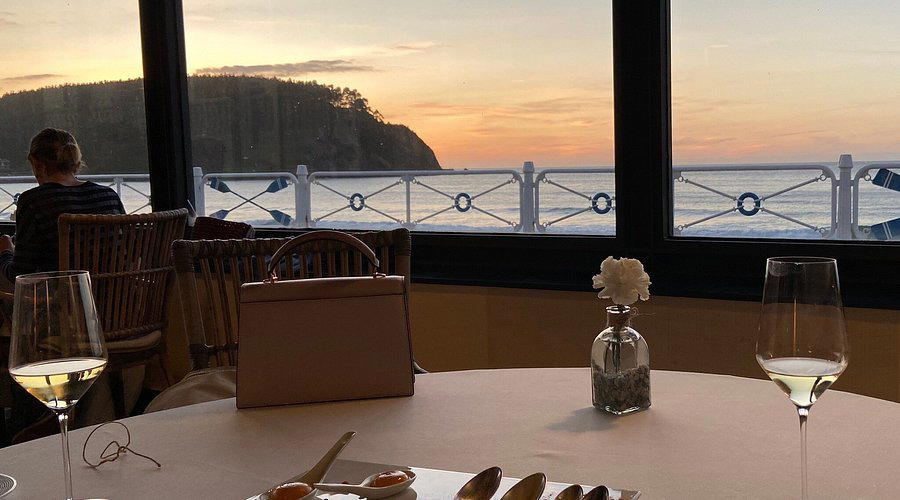
Where the Cantabrian Coast Meets the Kitchen
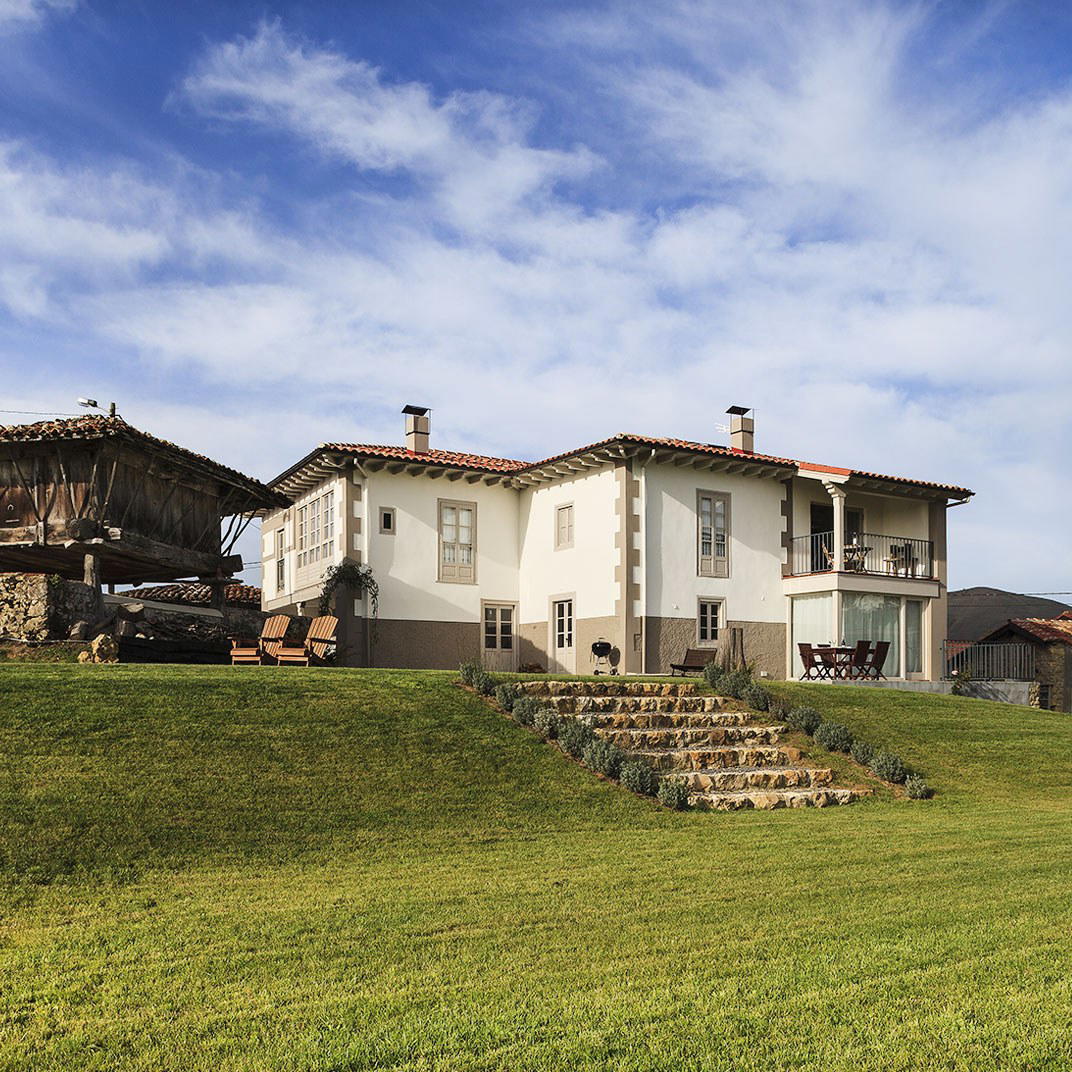
Approaching Villa Rosario from the seafront, the Spanish colonial facade, all cream render, wrought ironwork, and a roofline that belongs to another century, reads less like a hotel and more like a private estate that has stayed resolutely put while Ribadesella built up around it. The property dates to 1914, and that age shows in a way that works: high ceilings, generous proportions, and a terrace that frames the Cantabrian Sea as though the architect anticipated every meal that would be eaten in front of it. Ayalga occupies the dining room and that glass-fronted terrace, and the setting does real work before a single plate arrives.
Ribadesella is a small coastal town in Asturias where the Rio Sella meets the sea, and its dining scene reflects that geography directly. The fishing port supplies daily catch. Inland farms and forests within a short drive produce the game, dairy, and vegetables that appear on tables across the region. For a Michelin-starred kitchen operating at this price tier, Ayalga sits at €€€, the sourcing argument is not decoration; it is the structural logic behind the menu. The cooking here is modern in technique and restrained in presentation, but the ingredients are emphatically local. That combination is increasingly the model for serious regional restaurants across northern Spain, and Ayalga makes a persuasive case for it.
Two Tasting Menus and the Logic of Local Produce
The menu structure at Ayalga gives guests meaningful choice without sprawl. An à la carte runs alongside two tasting menus: Sabores de la Tierrina, which translates roughly as flavours of the homeland, and Experiencia Ayalga, the longer format. Both draw on the same sourcing philosophy, Asturian ingredients, handled with technical discipline rather than nostalgia. The kitchen produces dishes that sit in the register of contemporary fine dining while keeping the product at the centre, which is harder to sustain than it sounds when you are working at this level of precision.
The documented dishes give a clear picture of the register. A sirloin of venison with spicy pumpkin puree signals the kitchen's appetite for game from the inland terrain north of the Picos de Europa. An egg with foie gras and parmentier velouté reads as the kind of composed, technically demanding preparation that earns its place on a Michelin-starred menu not through novelty but through execution. Both appear on the menu alongside newer compositions, which suggests the kitchen revises its offering while keeping a core of proven plates, a sensible approach in a destination restaurant where many tables arrive with prior expectations.
Wine list runs international and extensive, which is worth noting in a region where the local tradition leans toward sidra and Albariño rather than broad cellar depth. Asturias does not have a significant fine wine production of its own, so the decision to build a wide international selection rather than a narrow local one reflects a pragmatic read of what a multi-course tasting menu actually requires across its full range.
Asturian Sourcing in a Regional Context
Northern Spain's fine dining conversation is dominated, for obvious reasons, by the Basque Country and its concentration of starred kitchens. The names are familiar, Arzak in San Sebastián, Mugaritz in Errenteria, Martin Berasategui in Lasarte-Oria, and they set a benchmark that influences how serious cooking across the north is evaluated. Asturias has its own claim to table, though it operates on a different scale and with less international profile. The cuisine is rooted in a larder that is genuinely varied: Atlantic fish and shellfish, mountain game, Cabrales and other aged cheeses, spelt from the interior valleys, and a dairy culture that shows up in sauces and pastry alike.
What a one-star kitchen in a town the size of Ribadesella does with that larder is a more specific question than what a three-star operation in a major city does. The comparison set is not DiverXO in Madrid or El Celler de Can Roca in Girona or Azurmendi in Larrabetzu, those kitchens operate with different resources, different teams, and different ambitions. The more useful comparison is with what serious regional cooking elsewhere on the Atlantic coast does with proximity to the sea: Aponiente in El Puerto de Santa María, for instance, has built a three-star program entirely around marine ingredients from the Bay of Cádiz. Ayalga's approach is less radical in concept but shares the same underlying conviction, that a kitchen anchored in its specific geography can produce food that is coherent and distinctive in ways that a more cosmopolitan menu cannot.
covers the range from casual to formal. If you are splitting a longer stay between dining formats, La Huertona represents the Asturian seafood tradition at a less formal register.
The Setting as an Argument
Fine dining in Spain has increasingly moved toward purpose-built spaces, see the architectural language of Cocina Hermanos Torres in Barcelona or Ricard Camarena in València, where the room is designed from the ground up to serve the kitchen's intentions. Ayalga works differently. The Villa Rosario building was not constructed to host a Michelin-starred restaurant, and yet the dining room and terrace carry their own authority. The glass-fronted terrace with views across Playa de Santa Marina and the Cantabrian Sea provides a context that no designed space could replicate: you are eating from a specific coast, and you can see that coast through the window.
That alignment between ingredient origin and physical setting is rarer than it sounds. It also raises the stakes for the kitchen. When the sourcing story is visible through the terrace glass, the food has to justify the claim.
Planning Your Visit
Ayalga sits inside the Villa Rosario hotel at C. de Dionisio Ruisánchez, 3, Ribadesella, making it accessible both to hotel guests and to diners arriving specifically for the restaurant. At €€€€ pricing across both tasting menus and the à la carte, this sits at the summit of Ribadesella's dining range and warrants planning ahead.5 across 169 ratings, a strong signal for a destination in this size of town. For guests building a broader Ribadesella itinerary, the hotel context means accommodation and dinner can be combined in a single booking. The town is also compact enough that other stops, covered in our guides to Ribadesella hotels, bars, wineries, and experiences, are within easy reach on foot.
In Context: Similar Options
Comparable venues nearby, for context on price, style, and recognition.
| Venue | Cuisine | Price | Awards | Notes |
|---|---|---|---|---|
| AyalgaThis venue — the venue you are viewing | Modern Asturian Fine Dining | $$$ | Michelin 1 Star | Not listed |
| La Huertona | Grilled Asturian Seafood | $$$ | Michelin Plate | Ribadesella |
| Quince Nudos | Modern Asturian rice-focused restaurant | $$$ | Not listed | / Playa de Santa Marina |
| Güeyu - Mar | Wood‑fired Spanish seafood | $$$ | Not listed | Playa de Vega / La Vega |
| El Corral del Indianu | Modern Asturian Cuisine | $$$ | Michelin 1 Star | Arriondas |
| Cocinandos | Modern Leonese Fine Dining | $$$ | Michelin 1 Star | San Marcos |
Recognition history
Dated appearances from independent guides and award organizations, with the underlying list record or original source where available.
Macarfi 8.5 Food Rating
Macarfi
Michelin 1 Star
Michelin
Opinionated About Dining Newly Added European Restaurants
Opinionated About Dining
Opinionated About Dining Top Restaurants in Europe Recommended
Opinionated About Dining
Michelin 1 Star
Michelin
Michelin 1 Star
Michelin
Continue exploring
More in Ribadesella
Restaurants in Ribadesella
Browse all →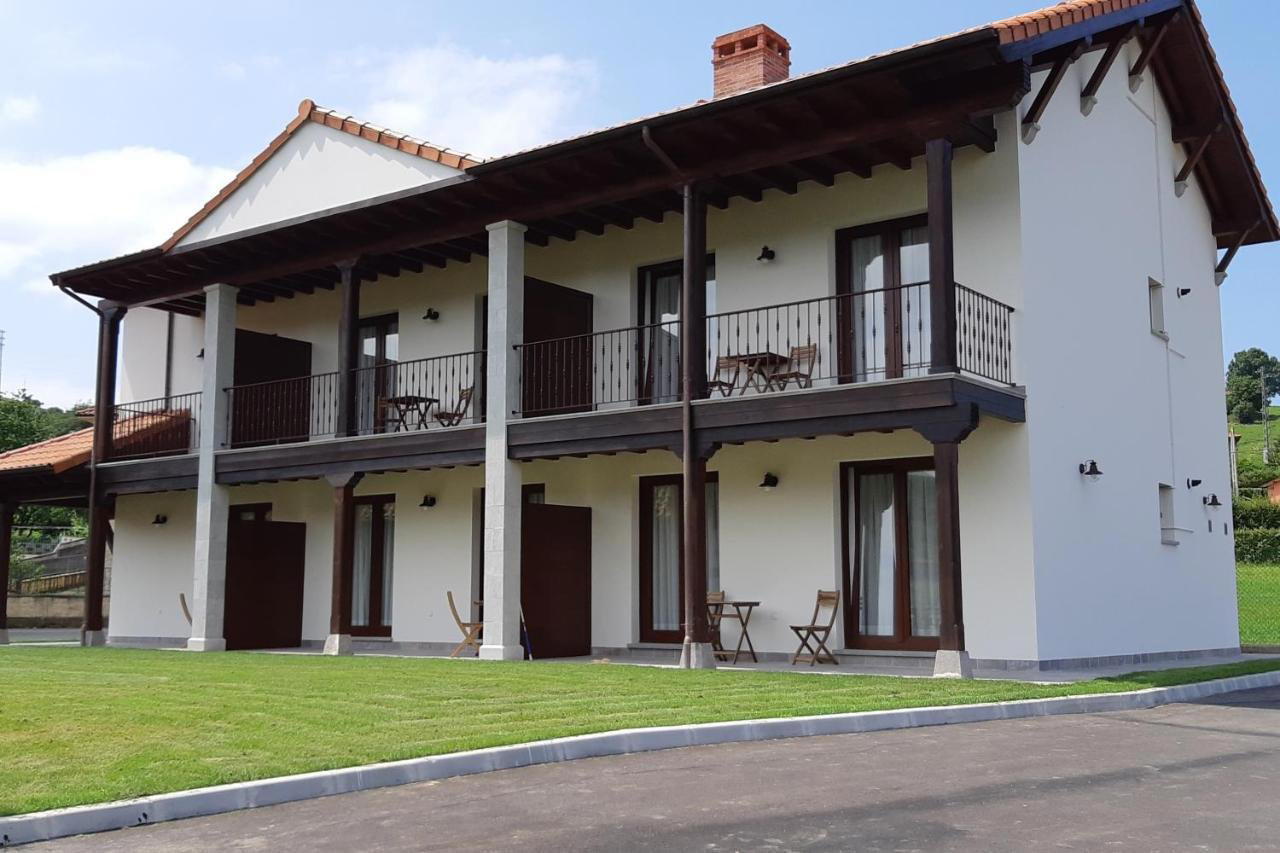
Bars in Ribadesella
Browse all →
At a Glance
- Elegant
- Scenic
- Sophisticated
- Special Occasion
- Date Night
- Celebration
- Waterfront
- Historic Building
- Hotel Restaurant
- Extensive Wine List
- Local Sourcing
- Waterfront
Current opening hours
- Monday
- 2–3:30 PM, 8:30–10:30 PM
- Tuesday
- Closed
- Wednesday
- Closed
- Thursday
- 1–3:30 PM, 8–10:30 PM
- Friday
- 2–3:30 PM, 8–10:30 PM
- Saturday
- 2–3:30 PM, 8–10:30 PM
- Sunday
- 2–3:30 PM, 8:30–10:30 PM
Hours can change for holidays and private events. Last verified .
Casual yet elegant atmosphere with large windows offering spectacular Cantabrian Sea views and a warm, professional service.