El Pinto
Our verdict
El Pinto sits in Albuquerque's North Valley as one of the city's most expansive New Mexican restaurants, a reference point for the chile-forward cooking tradition that defines the region. The sprawling compound on 4th Street draws locals and out-of-towners alike to a menu built around the foundational grammar of New Mexican cuisine: red and green chile, hand-rolled tortillas, and dishes that predate the Tex-Mex category by centuries.

Pearl is the En Primeur Club membership app, where members save venues, book tables and use the concierge.
The North Valley Setting and What It Signals
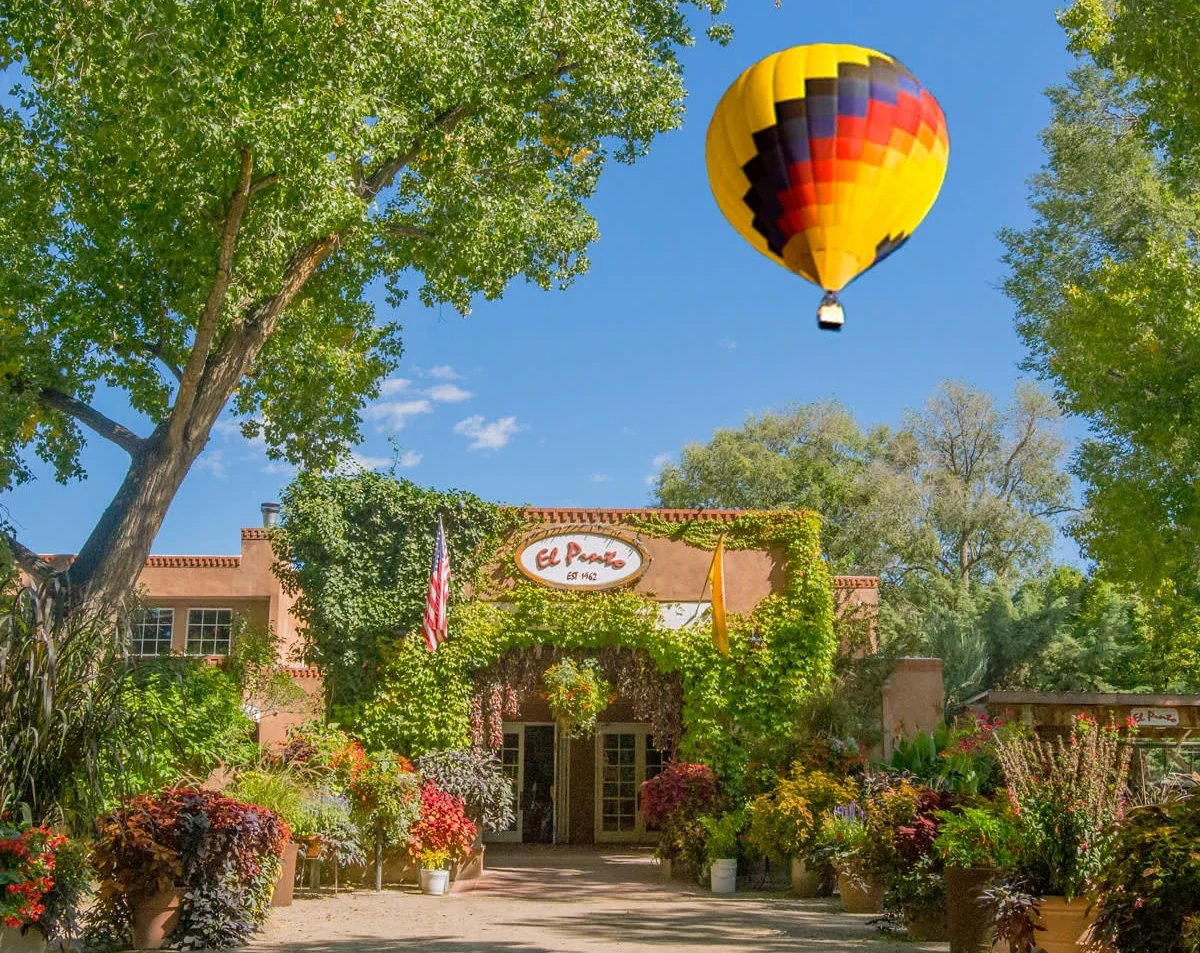
Arriving at El Pinto on 4th Street NW, the scale registers before anything else. The property spreads across what feels more like a compound than a restaurant footprint, with outdoor patios, garden areas, and a building that has expanded in stages over decades. In a city where New Mexican cuisine is taken seriously as a distinct regional tradition rather than a variant of Tex-Mex or Cal-Mex, a restaurant of this physical scope sends a particular message: this is a place that serves the community at volume, across generations, without compromising the kitchen's core vocabulary.
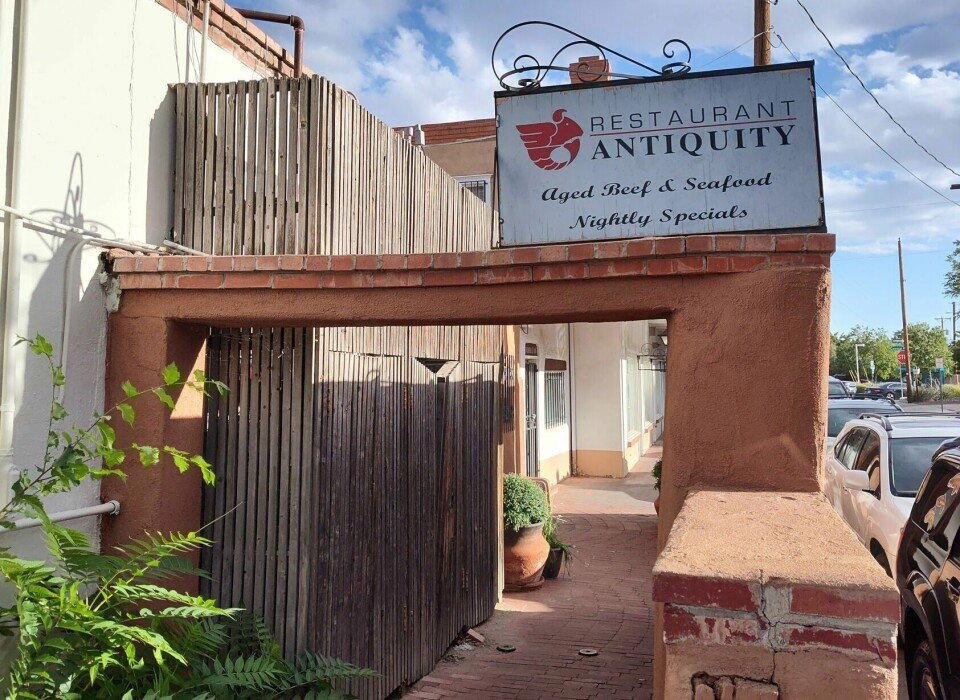
The North Valley corridor along 4th Street has long been associated with traditional New Mexican cooking at a neighborhood scale. El Pinto occupies the larger end of that spectrum. Comparable restaurants in the city, including Antiquity Restaurant and the more intimate Artichoke Cafe, operate with different ambitions, but El Pinto's size is not incidental. It reflects a model where accessibility and tradition are held together rather than traded against each other.
Menu Architecture: The Grammar of New Mexican Cooking
New Mexican cuisine runs on a logic that is easy to misread from the outside. It is not a spice level; it is a chile culture. The canonical question any server at a New Mexican restaurant asks, "red or green?", functions as a menu architecture in itself. It asks the diner to choose between the earthier, dried complexity of red chile sauce and the sharper, fruitier heat of green chile, usually Hatch-grown, before any dish arrives. Ordering "Christmas" means both, and it is often the smartest choice for anyone trying to read a kitchen's range in a single visit.
El Pinto's menu is structured around this foundational binary. Enchiladas, tamales, burritos, and combination plates are the load-bearing elements, and the sauces applied to them are the real subject of evaluation. This is a menu that rewards repeat visits specifically because the same dish read through red versus green chile produces a meaningfully different result. For visitors more accustomed to formats like the tasting menus at The French Laundry in Napa or the ingredient-driven progression at Blue Hill at Stone Barns in Tarrytown, the New Mexican combination plate format can look deceptively simple. It is not. The architecture is just different: it operates through condiment decision-making rather than course sequencing.
The menu also includes sopapillas, the pillowy fried bread that functions as both dessert and bread service in New Mexican tradition. A drizzle of local honey is the conventional finish. This is not an afterthought; in the region's culinary grammar, the sopapilla signals the meal's close as clearly as a petit four does at a European-influenced house.
Where El Pinto Sits in Albuquerque's Dining Scene
Albuquerque's New Mexican restaurant tier is broad, from decades-old family counters like Mary & Tito's Cafe (a James Beard America's Classic honoree, which places it in a documented and verifiable tier of regional significance) to more recent formats building on the same chile-and-masa foundation. El Pinto competes within this tradition primarily on scale, longevity, and the capacity to serve a wide audience without abandoning house-made production values.
It occupies a different position than the chef-driven or internationally referenced restaurants in the city. Places like Azuma Sushi & Teppan or Afghan Kebab House serve specific diaspora and culinary niches within Albuquerque's broader food scene. El Pinto's reference points are entirely internal to New Mexico's own tradition, which is also the case for spots like 5 Star Burgers at the casual end of the local spectrum. The restaurant does not position itself against nationally recognized fine dining benchmarks in the way that Le Bernardin in New York City, Lazy Bear in San Francisco, or Providence in Los Angeles do. It measures itself against the tradition it belongs to.
That tradition has a documented history in the region predating statehood. New Mexican cuisine draws from Pueblo, Spanish colonial, and Mexican culinary lineages, and restaurants like El Pinto, alongside Indian Pueblo Kitchen and Monica's El Portal, represent different points on the spectrum of how that inheritance is interpreted for contemporary diners. For a full map of where El Pinto sits within the city's wider options, the EP Club Albuquerque restaurants guide provides broader comparative context across categories and price tiers.
Planning Your Visit
El Pinto is located at 10500 4th St NW, in the North Valley neighborhood, accessible by car from central Albuquerque in under twenty minutes depending on traffic. The property's large footprint means it can accommodate groups that would overwhelm smaller neighborhood spots, and the outdoor patio areas function seasonally, with Albuquerque's high desert climate making spring and fall the most comfortable periods for exterior seating. Evenings and weekend lunch service tend to draw the heaviest foot traffic; arriving before peak hours on a weekday gives a more relaxed read of the kitchen. Walk-ins are generally feasible given the restaurant's capacity, though the dining room fills quickly during the chile harvest season in late summer and early autumn, when demand for fresh green chile dishes spikes across the city.
Frequently asked questions
How do I find El Pinto?
El Pinto is located at 10500 4th St NW, Albuquerque, NM 87114, Albuquerque.
How does El Pinto compare to other New Mexican restaurants in Albuquerque?
El Pinto operates at a scale that sets it apart from Albuquerque's smaller, counter-style New Mexican institutions, Mary & Tito's Cafe, for instance, holds a James Beard America's Classics honor and runs a fraction of El Pinto's footprint. El Pinto's North Valley compound format means it absorbs larger groups and walk-in traffic that tighter rooms cannot, while still centering its menu on the chile culture that defines authentic New Mexican cooking in Albuquerque.
What's the best thing to order at El Pinto?
El Pinto is built around New Mexican chile culture, so the core decision at the table is red, green, or Christmas (both). The kitchen's identity runs through chile-forward dishes that reflect North Valley tradition rather than Tex-Mex crossover. Order whatever anchors that choice, enchiladas, tamales, or chile rellenos, and make the chile selection count.
Can I walk in to El Pinto?
El Pinto occupies a compound-scale property on 4th St NW in Albuquerque's North Valley, which means capacity is considerably larger than most New Mexican restaurants in the city. Walk-ins are more feasible here than at smaller family counters, though peak weekend hours can draw significant volume given the venue's footprint and local standing.
What is El Pinto known for?
El Pinto is known as one of Albuquerque's largest New Mexican restaurants, operating out of an expansive North Valley property at 10500 4th St NW. Its reputation is tied to traditional New Mexican cooking, specifically the chile-driven menu logic that defines the regional cuisine rather than approximates it. In a city where New Mexican food ranges from neighborhood counters to tourist approximations, El Pinto occupies the large-format, regionally grounded tier.
The Minimal Set
Comparable venues nearby, for context on price, style, and recognition.
| Venue | Cuisine | Price | Awards | Notes |
|---|---|---|---|---|
| El PintoThis venue (the venue you are viewing) | Authentic New Mexican | $20–30 | Not listed | Not listed |
| Barelas Coffee House | Traditional New Mexican | $10–20 | Not listed | Barelas, Traditional New Mexican |
| Mary & Tito's Cafe | New Mexican | $10–20 | James Beard Award America's Classics | North Valley, New Mexican |
| Garduno's | New Mexican and Mexican | $20–30 | Not listed | Old Town, New Mexican and Mexican |
| Richard's Mexican Restaurant | Traditional New Mexican | $10–20 | Not listed | Not listed |
| Cecilia's Cafe | Authentic New Mexican | Not listed | Diners, Drive-Ins and Dives Featured Restaurant | Downtown, Authentic New Mexican |