El Nandu
El Nandu brings Argentine cooking to Chicago's Logan Square corridor, where South American traditions find an audience among diners who track ingredient provenance as closely as technique. The address on West Fullerton places it in a neighbourhood that has absorbed a run of serious independent restaurants over the past decade, making it a reference point for the city's less-publicised Latin dining scene.
Pearl is the En Primeur Club membership app — saves, bookings, and concierge access live there. Same editors, same standards.
- Address
- 2731 W Fullerton Ave #3015, Chicago, IL 60647
- Phone
- +17732780900
- Website
- elnandurestaurant.com
- Directions
- Get directions
 Saves & bookings on Pearl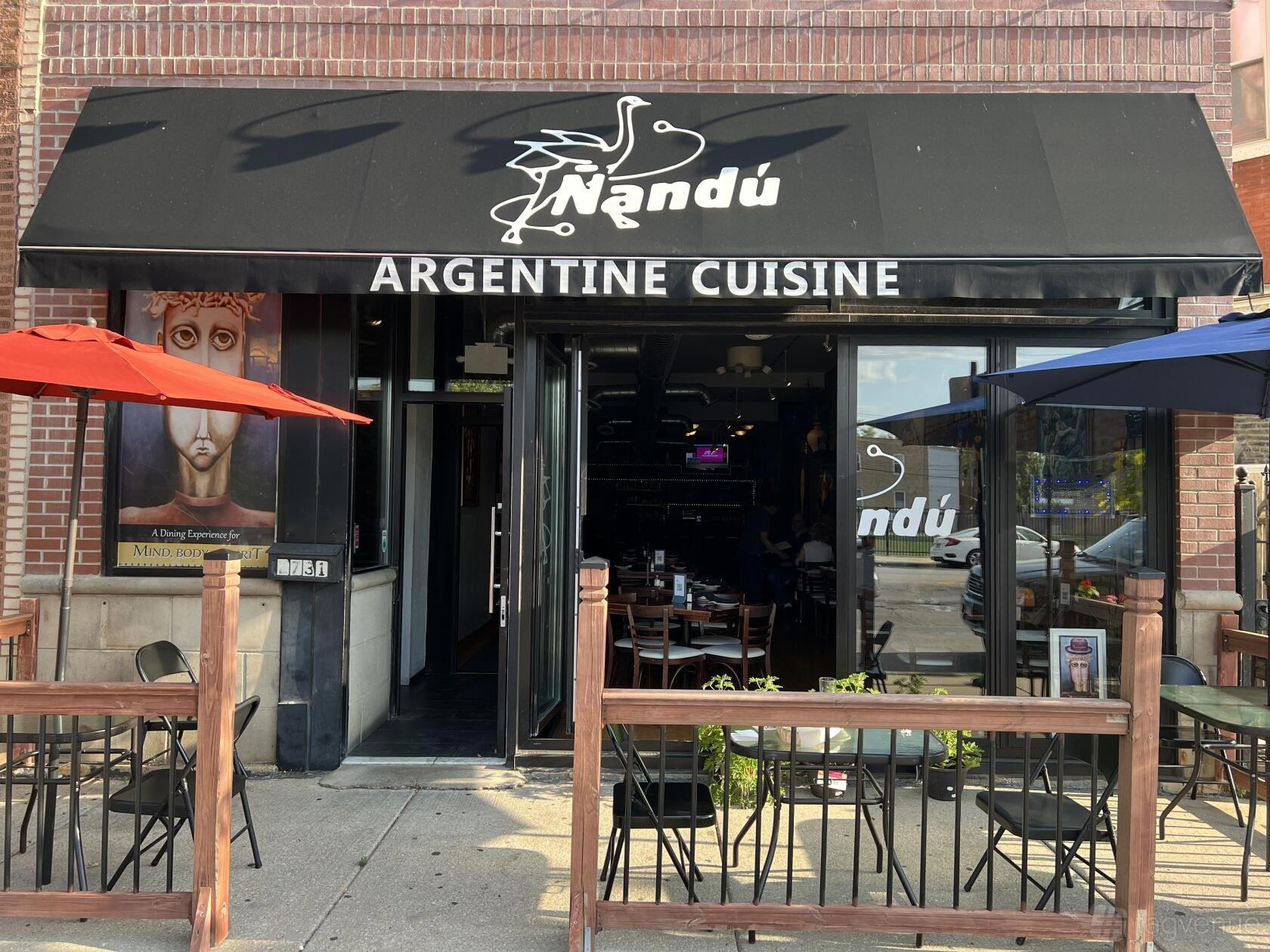
Logan Square and the Latin Dining Conversation Chicago Is Still Having
Chicago's most-discussed restaurant corridor runs through the River North and West Loop zip codes, where tasting menus from places like Alinea, Smyth, and Oriole absorb most of the critical oxygen. Scroll west along Fullerton Avenue into Logan Square and the conversation shifts. The neighbourhood has spent the better part of a decade building a parallel dining identity, one oriented around independent operators, lower ticket prices, and cuisines that rarely appear in the Michelin press releases. El Nandu sits inside that quieter tradition, at 2731 W Fullerton Ave, Chicago, as an Authentic Argentine Steakhouse, with a price point around $35 per person, where the density of independent restaurants makes comparison shopping easy and loyalty tends to be earned rather than inherited from a prior address.
Argentine cooking in North American cities tends to occupy a narrow lane in the public imagination: parrilla grills, thick-cut beef, chimichurri. That reduction flattens a cuisine with genuine regional complexity, and restaurants that push past the shorthand usually do so through sourcing decisions before they do so through technique. What lands on the table is only as interesting as what was selected, and from where, before service began.
Ingredient Provenance as Editorial Statement
The farm-to-table framing that became ambient noise in American dining around 2010 has since split into two factions. One uses provenance as marketing wallpaper, a list of supplier names on a menu insert that rarely connects to what actually reaches the plate. The other treats sourcing as a structural decision that shapes the entire menu architecture. Restaurants in the second camp, like Blue Hill at Stone Barns in Tarrytown or SingleThread Farm in Healdsburg, make the supply chain visible in a way that justifies the premium and gives the diner a frame for understanding the menu.
For an Argentine-leaning kitchen in Chicago, ingredient sourcing raises a specific set of questions. The proteins, herbs, and grains central to the cuisine come from a distinct agricultural tradition. Replicating that tradition in the Midwest means either importing key components, sourcing domestic equivalents that carry equivalent flavour logic, or doing some combination of both. The choice is not neutral: it shapes cost, consistency, and the degree to which the food reads as rooted in its culinary origin versus adapted for local palates. Restaurants that work this problem honestly tend to produce menus with more internal coherence than those that sidestep it.
In a city where Filipino-American kitchens like Kasama have built serious critical reputations partly by taking ingredient decisions seriously, the standard for immigrant-rooted cuisine is higher than it was a decade ago. Chicago diners in this price bracket now read menus with more fluency about where things come from.
Where El Nandu Sits in Chicago's Independent Restaurant Tier
The comparison set for a Logan Square independent is not Next Restaurant or the multi-Michelin flagships of the West Loop. It is the cluster of mid-market independents that have made the neighbourhood a genuine dining destination rather than a discount alternative to downtown. That group competes on specificity: a particular cuisine executed with enough authority that diners travel for the restaurant rather than stumbling in from proximity.
Nationally, the reference points for serious Latin American and South American independent cooking include operators who treat their cuisine's ingredient logic as non-negotiable. Emeril's in New Orleans built a durable reputation on sourcing from a specific regional larder. Providence in Los Angeles applies a similar rigour to its seafood supply chain. At the other end of the accessibility spectrum, Frasca Food and Wine in Boulder demonstrates that regional specificity, in that case Friulian, can sustain a serious restaurant well outside the coastal media centres. The underlying argument in each case is the same: a cuisine's identity is inseparable from the ingredients that define it, and the kitchen's job is to protect that connection even when geography makes it difficult.
The Argentine Table in a North American Context
Argentine cuisine's North American reputation was built largely by steakhouses, which gave it visibility but narrowed the frame. The fuller tradition includes empanadas with regional filling variations, locro stew, asado preparations that go well beyond a simple grill, and a baking culture that reflects Italian and Spanish immigration into the Pampas. Restaurants that stay inside the steakhouse lane are legible to a broad audience but rarely generate the kind of sustained critical attention that requires a kitchen to demonstrate range.
Internationally, the conversation around ingredient-driven South American cooking has shifted considerably since Noma's influence pushed fermentation and indigenous sourcing into the mainstream. Chefs working within that tradition, like those at Atelier Moessmer Norbert Niederkofler in Brunico (covered in our profile of the restaurant here), frame every dish as a product of a specific geography. The same discipline applied to Argentine cooking produces menus with a different texture than the default parrilla format. Korean-American tasting menus in New York, documented at places like Atomix, show what happens when a cuisine's ingredient logic is taken seriously at a fine dining price point. The lesson transfers across culinary traditions.
For reference points elsewhere in the United States where sourcing drives the menu architecture: The French Laundry in Napa, Lazy Bear in San Francisco, Addison in San Diego, Le Bernardin in New York City, and The Inn at Little Washington each demonstrate, in different ways, that the commitment to a specific larder is what separates a restaurant with a point of view from one executing a category.
Planning a Visit
| Venue | Cuisine | Price Tier | Neighbourhood | Booking Lead Time |
|---|---|---|---|---|
| El Nandu | Argentine | Not confirmed | Logan Square | |
| Smyth | Progressive American | $$$$ | West Loop | Several weeks |
| Kasama | Filipino | $$$$ | Ukrainian Village | Several weeks |
| Next Restaurant | American | $$$$ | Fulton Market | Advance ticketing |
Reputation Context
Comparable venues nearby, for context on price, style, and recognition.
| Venue | Cuisine | Price | Notes |
|---|---|---|---|
| El NanduThis venue — the venue you are viewing | Authentic Argentine Steakhouse | $$ | Not listed |
| Las Tablas | Colombian Steakhouse | $$ | Lake View |
| Wildfire | Classic American Steakhouse | $$$ | River North |
| STK Chicago | Modern Steakhouse | $$$ | River North |
| Brennan’s Gourmet Burger Shack | Gourmet Smashburgers | $$ | Edison Park |
| Lucky Trendy Sushi | Fusion Sushi | $$ | Bucktown |

At a Glance
- Romantic
- Lively
- Classic
- Cozy
- Date Night
- Business Dinner
- Group Dining
- Family
- Celebration
- Special Occasion
- Live Music
- Standalone
- Beer Program
Current opening hours
- Monday
- Closed
- Tuesday
- Closed
- Wednesday
- 5–10 PM
- Thursday
- 5 PM–12 AM
- Friday
- 5–11 PM
- Saturday
- 4–11 PM
- Sunday
- 4–9 PM
Hours can change for holidays and private events. Last verified .
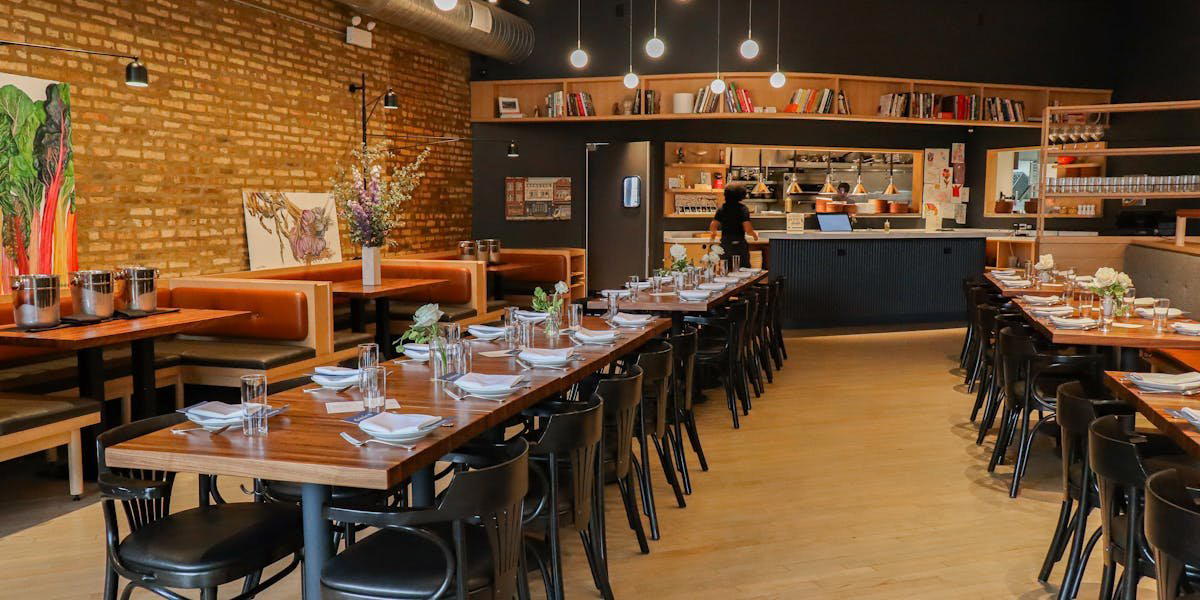
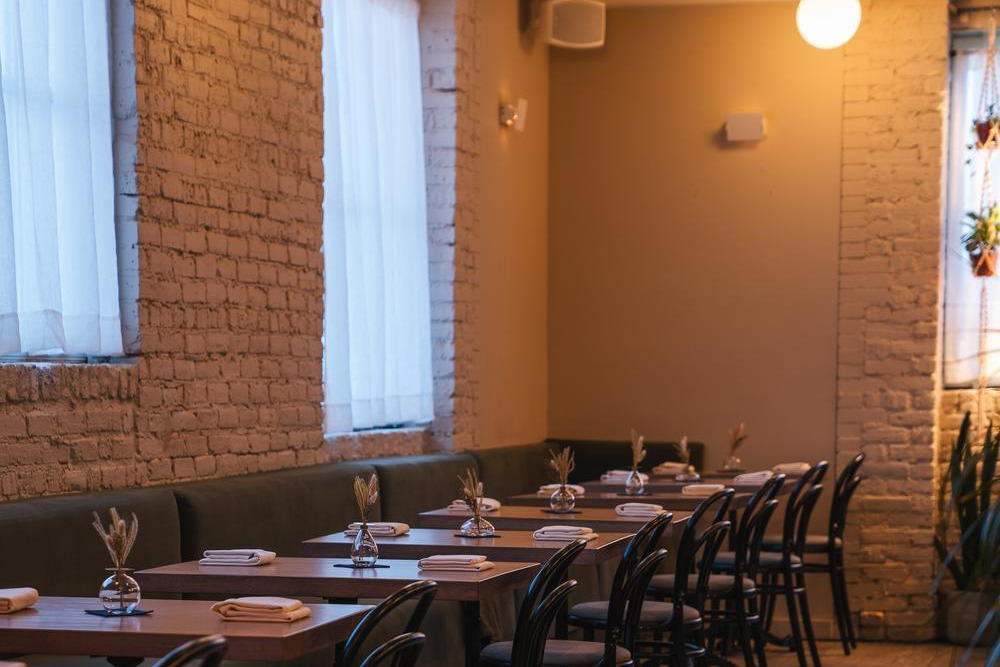
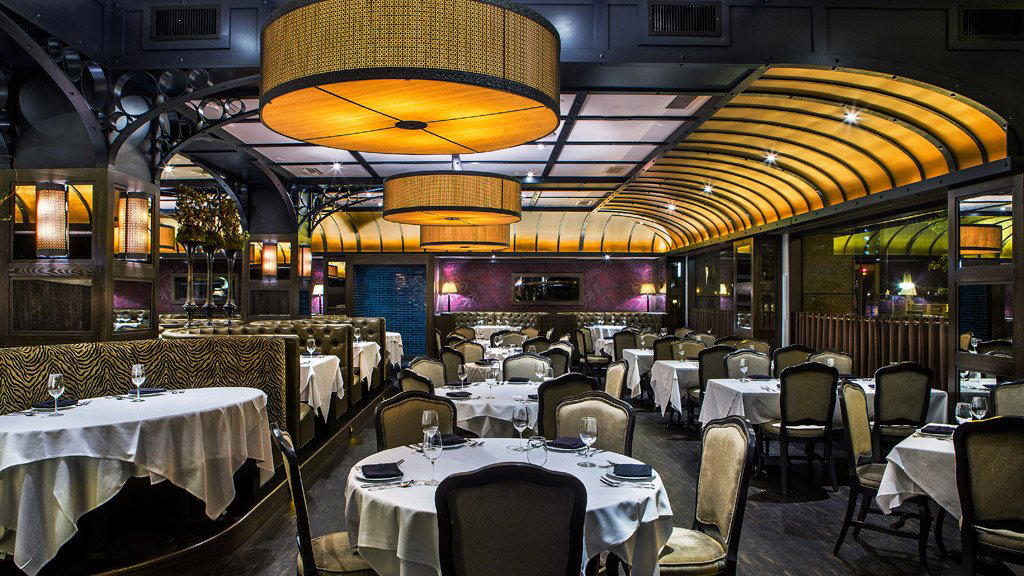
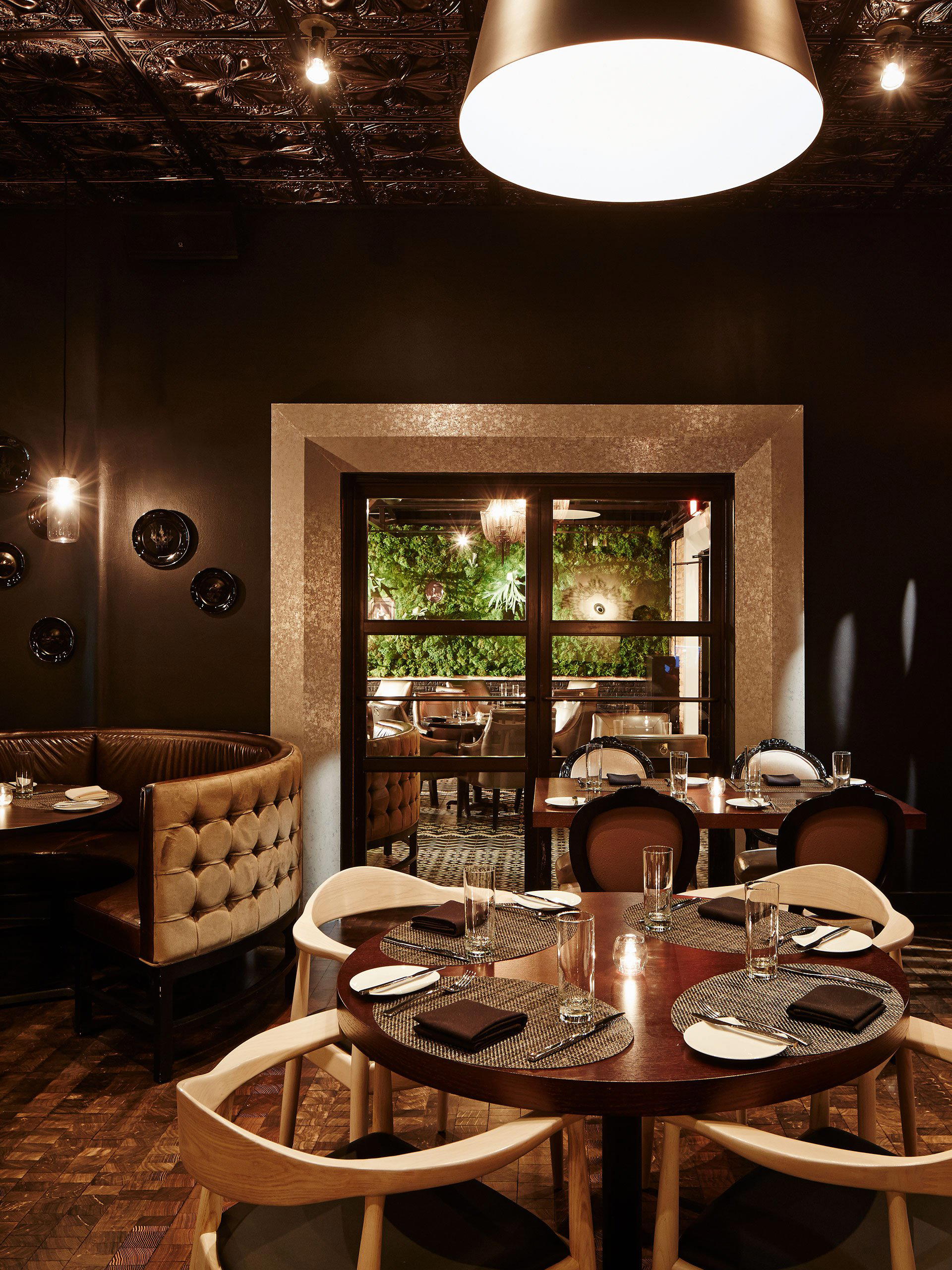
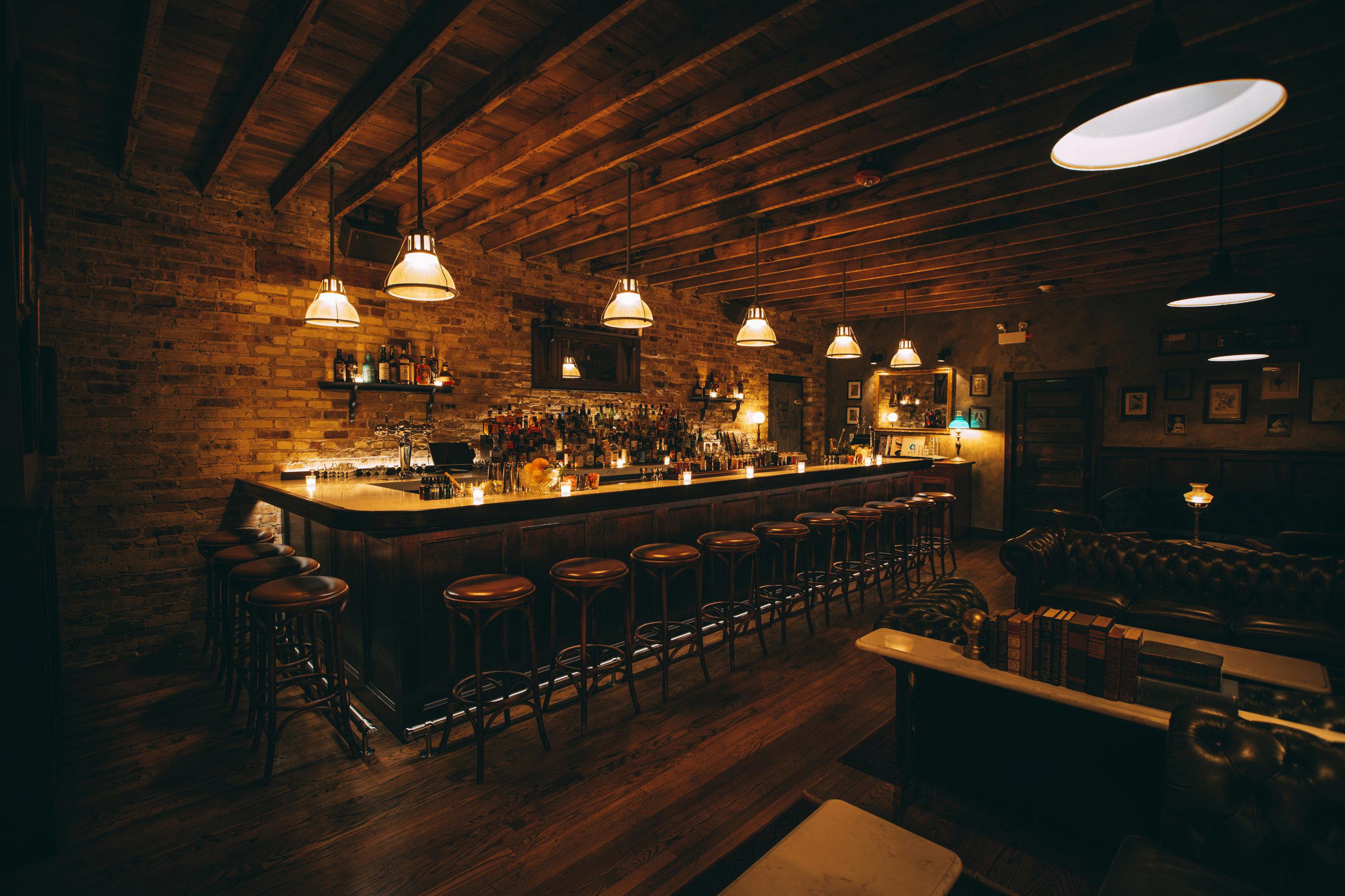
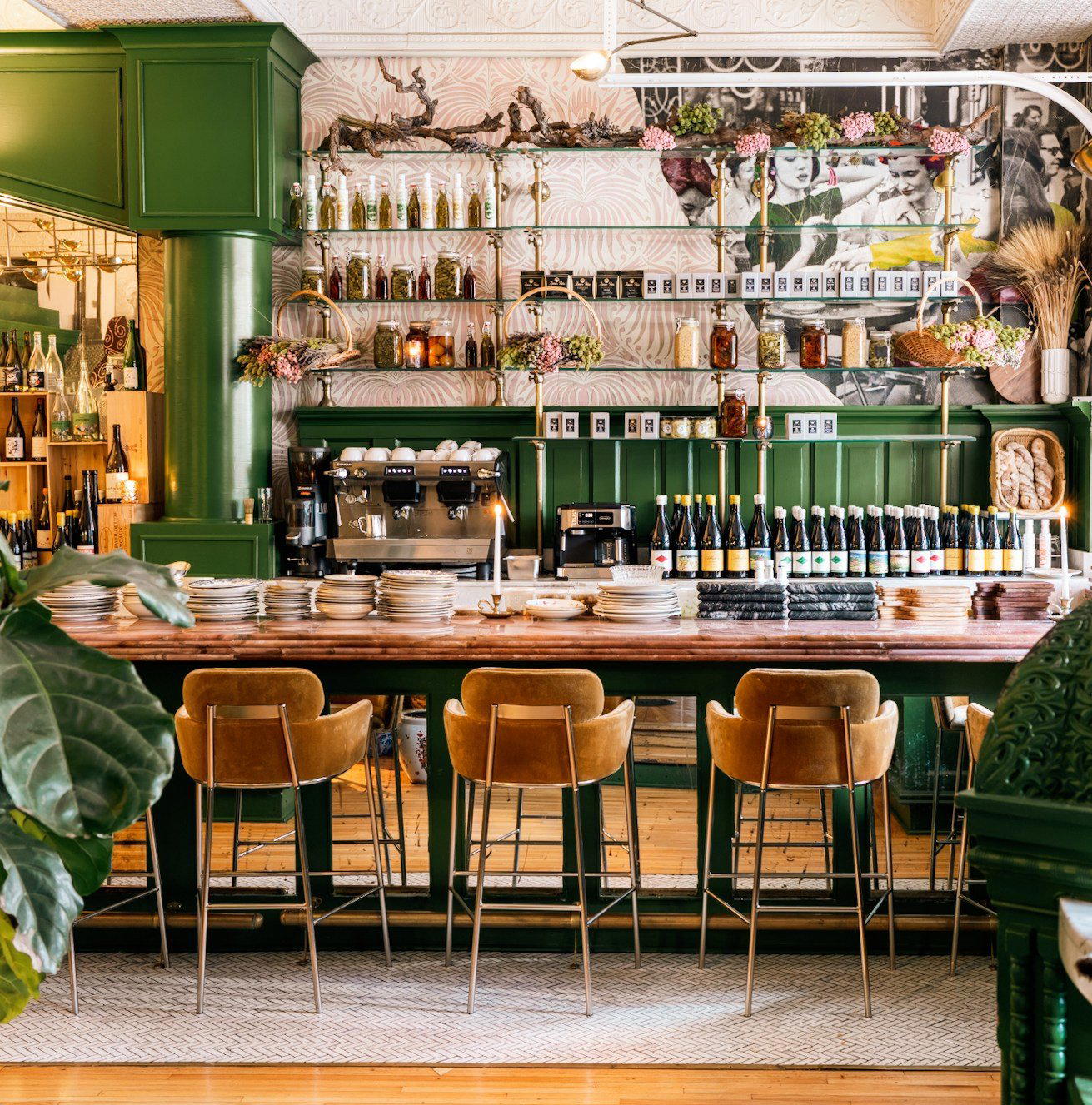
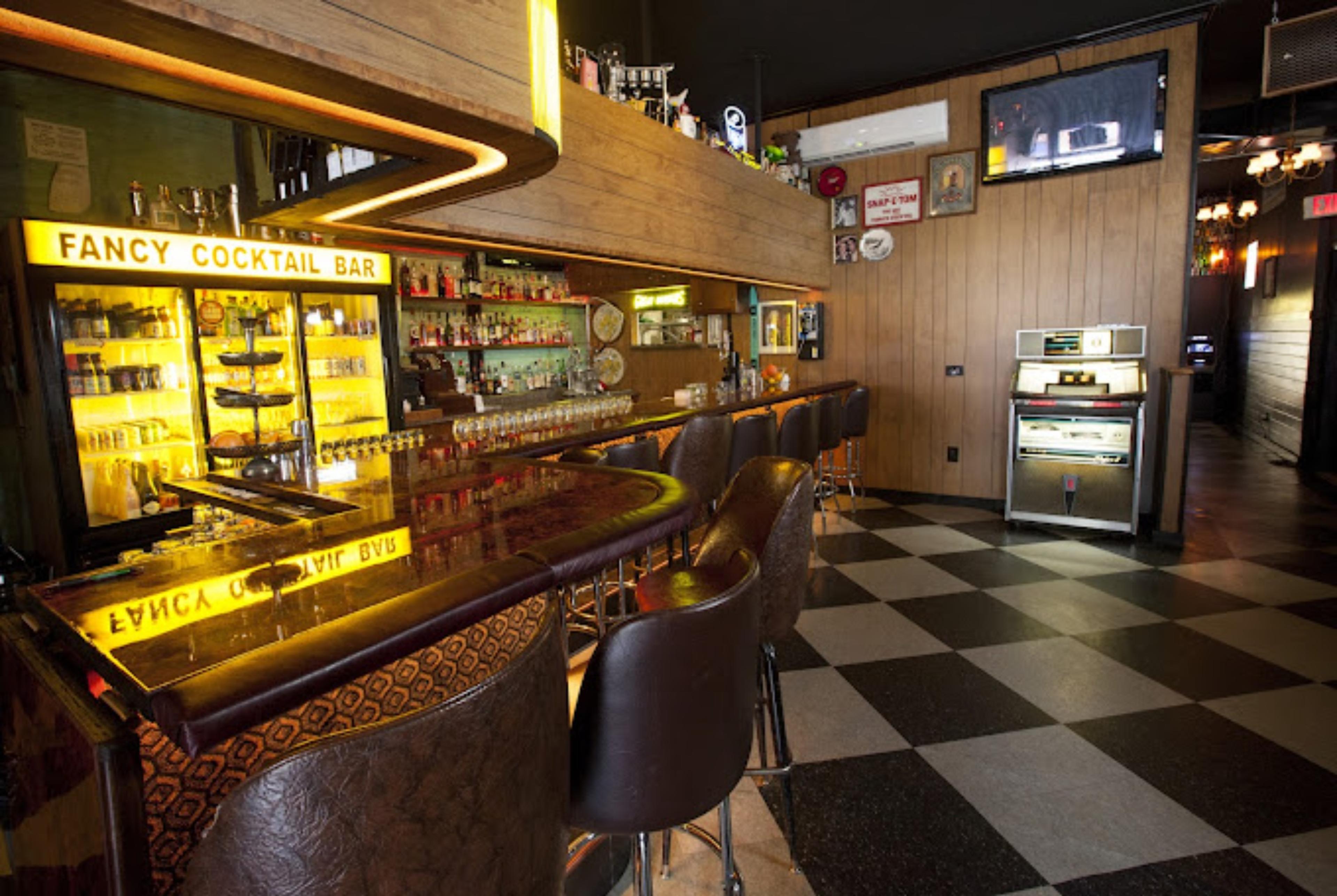
Warm colors with live tango music on select evenings, creating an intimate yet lively atmosphere that transports diners to Argentina.