El Jardín de la Sal

Michelin Bib Gourmand
Our verdict
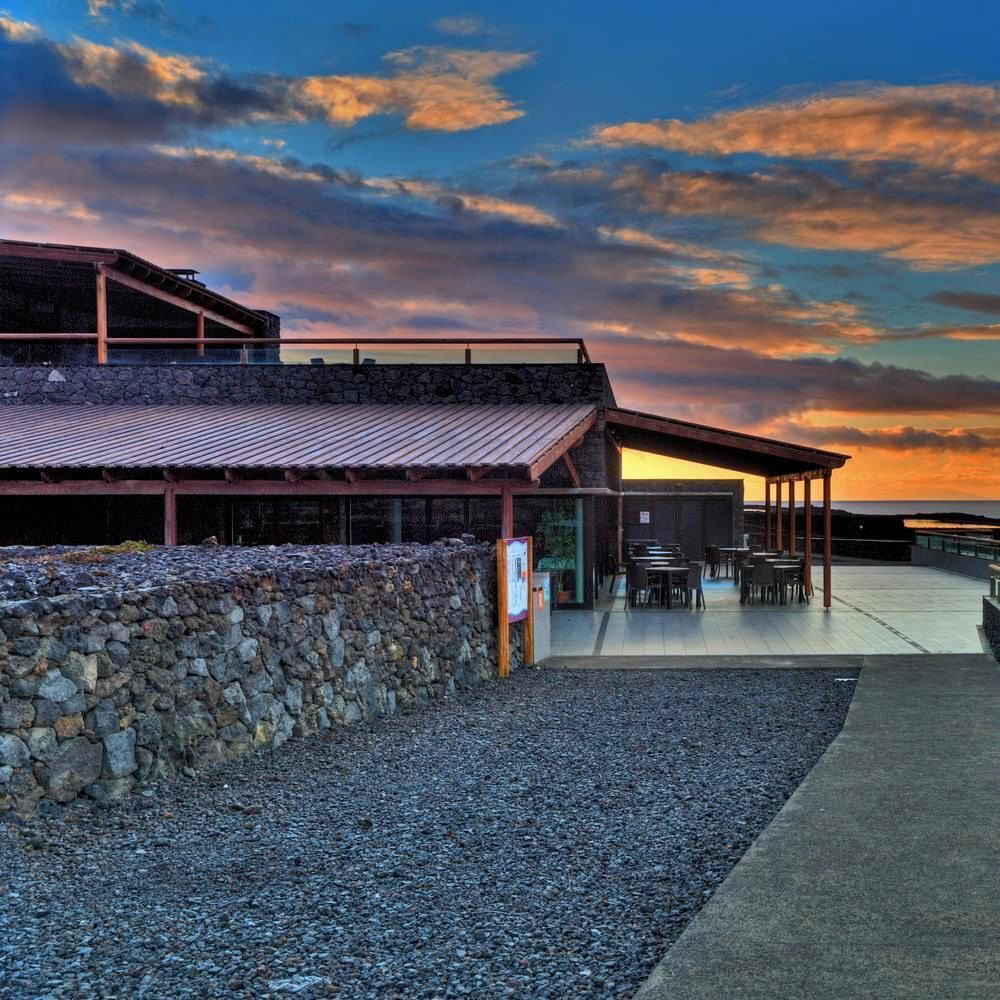
At the southern tip of La Palma, beside the old Fuencaliente lighthouse and the island's protected salt pans, El Jardín de la Sal holds a 2025 Michelin Bib Gourmand for its modern approach to Canarian tradition. Daily-landed fish, including local Vieja and red rock fish, arrive in a dining room framed by volcanic black rock, Atlantic blue, and the white geometry of salt flats declared a site of special scientific interest.

Pearl is the En Primeur Club membership app, where members save venues, book tables and use the concierge.
Where the Salt Pans Meet the Sea
Approach the southern tip of La Palma on the coastal road toward Faro de Fuencaliente and the landscape shifts abruptly. The lava fields that spill from the Teneguía and San Antonio volcanoes give way to a shoreline of crystalline salt pans, their white terraces catching the Atlantic light against a black volcanic foreground. The old lighthouse, now repurposed as an information centre for the La Palma marine reserve, stands at the edge of the scene. El Jardín de la Sal sits directly within it, not adjacent to the drama but embedded in it. The setting alone would be reason enough to make the drive south from Santa Cruz de La Palma.
That the restaurant also holds a 2025 Michelin Bib Gourmand, awarded for quality cooking at accessible prices, makes the detour considerably more purposeful. The Bib Gourmand tier is often where the most honest regional cooking lives in Spain: kitchens operating without the financial runway of tasting-menu fine dining, pressing local ingredients into service because proximity and cost make it sensible, and occasionally producing something that outpunches the bracket entirely.
The Regional Tradition Behind the Plate
Canarian cuisine occupies an unusual position within Spanish food culture. Geographically closer to the west coast of Africa than to the Iberian Peninsula, the islands developed a cooking vernacular shaped by Atlantic fishing, volcanic soil agriculture, and centuries of trade-route provisioning. Fish species that rarely appear on menus elsewhere in Spain, among them the parrotfish known locally as Vieja, are everyday currency in Canarian kitchens. So is the red rock fish, a reef-dwelling species pulled from the waters around La Palma's protected marine zone.
The broader Spanish dining conversation tends to gather around the north. Arzak in San Sebastián, Mugaritz in Errenteria, and Azurmendi in Larrabetzu anchor the Basque Country's reputation for technical ambition. In Catalonia, El Celler de Can Roca in Girona and Cocina Hermanos Torres in Barcelona operate at the upper edge of creative cooking. Further south, Aponiente in El Puerto de Santa María has spent years reconceptualising marine ingredients at the three-star level. On the Levantine coast, Quique Dacosta in Dénia and Ricard Camarena in València bring rigour to Mediterranean produce. In Madrid, DiverXO operates in its own conceptual orbit. In Extremadura, Atrio in Cáceres anchors the region's fine dining identity. And then Martin Berasategui in Lasarte-Oria represents the pinnacle of a specific school of classical Basque precision.
The Canary Islands sit largely outside that conversation, which is precisely what makes a Bib Gourmand here worth registering. Michelin's inspectors travel to La Palma and find something worth citing. That signal matters in a cuisine geography that receives less critical attention than it deserves.
What the Kitchen Does with Its Surroundings
Under chef Ilias Maslaris, the kitchen at El Jardín de la Sal works a mode that Michelin's own citation frames as a modern take on traditional cuisine. The approach draws on the island's daily catch rather than importing prestige proteins from elsewhere: Vieja and red rock fish sourced the same morning, prepared in ways that acknowledge Canarian precedent without replicating it mechanically. This is the practical end of terroir-driven cooking, where proximity to the source is an operational reality rather than a branding choice.
The salt pans that give the restaurant its name are not incidental decoration. Declared a site of special scientific interest, the Fuencaliente salinas are a functioning part of the island's ecological and agricultural heritage, and they sit close enough to the dining room that the visual connection between raw material and plate carries genuine meaning. Kitchens that operate within sight of their primary ingredient sources tend to develop a specificity that kitchens relying on supply chains cannot easily replicate. The same dynamic appears at regional-focused restaurants in other remote European contexts: Fahr in Künten-Sulz and Gannerhof in Innervillgraten both draw authority from their embeddedness in the landscapes that supply them.
The Space and How to Use It
The restaurant occupies a themed dining space on the ground level, with a café upstairs that commands views across the salt pans and out to the Atlantic. The two registers serve different purposes: the main dining room is where the Bib Gourmand cooking happens, while the upper café offers a lighter entry point with the same panoramic context. The play of colours between the ocean's blue, the volcanic rock's black, and the salt pans' white creates a visual environment that most restaurants would install at considerable expense and still not achieve convincingly.
Price range sits at the single-euro tier, placing El Jardín de la Sal among the more accessible options in its quality bracket anywhere in Spain. Bib Gourmand recognition at this price point is the combination Michelin's inspectors are specifically looking for: cooking that justifies the journey on its own terms without requiring a significant financial commitment. For visitors already on La Palma, the positioning is direct. For those considering the island as a destination partly on the basis of this restaurant, the broader case for Las Palma holds across multiple categories, from its volcanic terrain to its UNESCO Biosphere Reserve status.
Coastal road to Fuencaliente (Ctra. la Costa el Faro, 5, 38740 Santa Cruz de La Palma) is driveable from the island capital in under an hour, making a lunch or dinner here a feasible addition to any southern itinerary rather than a full-day commitment.
Planning Around Las Caletas
If El Jardín de la Sal is the anchor point for a visit to this part of La Palma, the surrounding area warrants a longer look. Our full Las Caletas restaurants guide covers the broader dining options in the area. For those extending the trip, the Las Caletas hotels guide maps accommodation across the relevant range. The Las Caletas bars guide, wineries guide, and experiences guide round out what the area offers beyond the restaurant itself.
Frequently asked questions
What's the pricing like at El Jardín de la Sal?
Pricing at El Jardín de la Sal is listed as €.
| Venue | Cuisine | Price | Awards | Notes |
|---|---|---|---|---|
| El Jardín de la SalThis venue (the venue you are viewing) | Modern Canarian Salt-Themed Cuisine | $20–30 | Michelin Bib Gourmand | Not listed |
| Aponiente | Avant-Garde Marine Seafood | $200–300 | 3 Michelin Stars · World's 50 Best #84 | Progressive - Seafood, Creative |
| Arzak | Contemporary Basque Fine Dining | $300–500 | 3 Michelin Stars · World's 50 Best #31 | Modern Basque, Creative |
| DiverXO | Avant-Garde Spanish Tasting Menu | $300–500 | 3 Michelin Stars · World's 50 Best #4 | Progressive - Asian, Creative |
| El Celler de Can Roca | Creative Catalan Fine Dining | $300–500 | 3 Michelin Stars · World's 50 Best #2 | Progressive Spanish, Creative |
| Quique Dacosta | Avant-Garde Spanish Fine Dining | $300–500 | 3 Michelin Stars · World's 50 Best #65 | Creative |
Recognition history
Dated appearances from independent guides and award organizations, with the underlying list record or original source where available.
Michelin Bib Gourmand
Michelin
Full recognition history (3 entries)
Michelin Bib Gourmand
Michelin
Michelin Bib Gourmand
Michelin
Continue exploring
More in Las Caletas
Restaurants in Las Caletas
All restaurants in Las Caletas →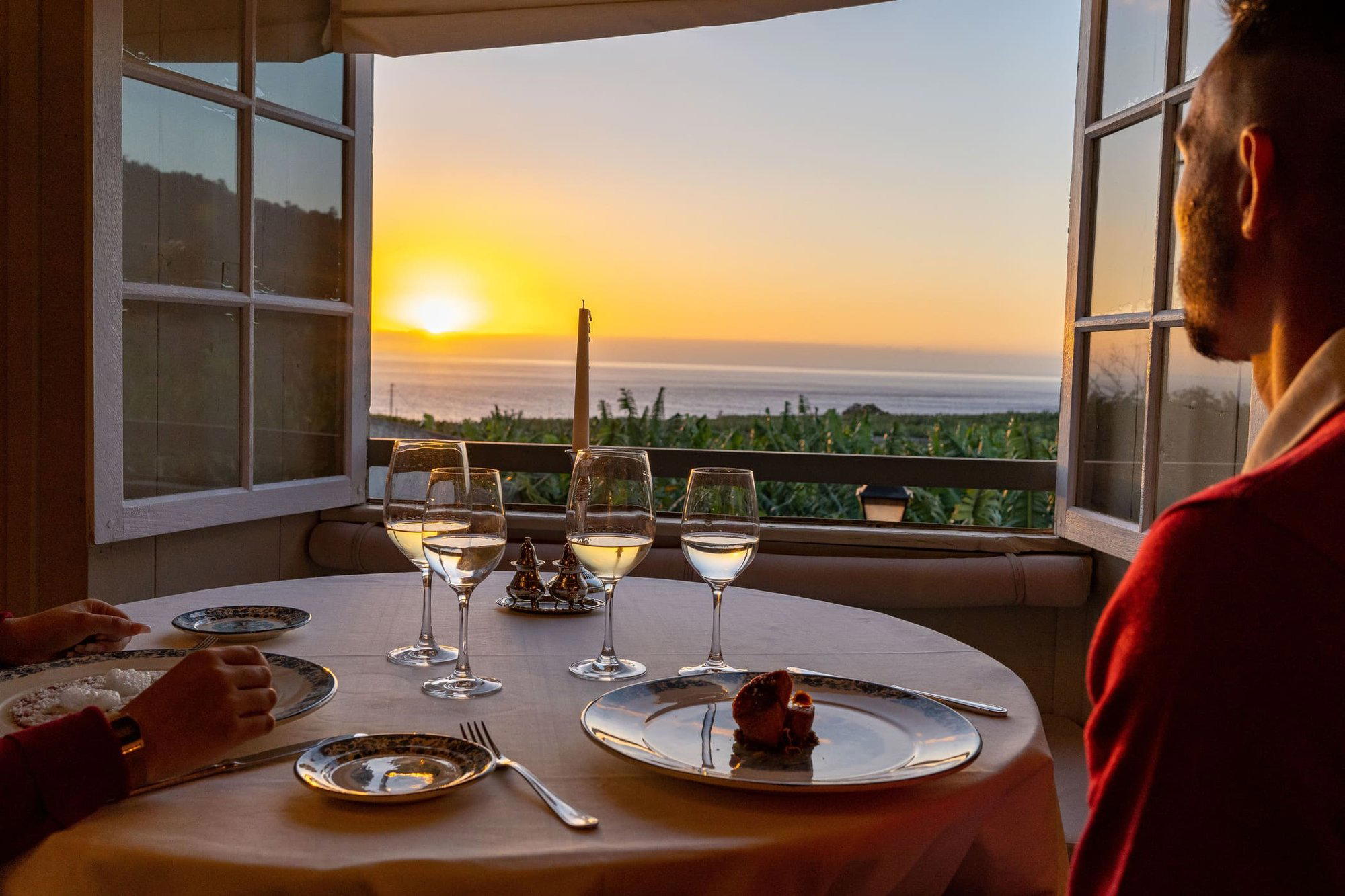
Details
- Scenic
- Rustic
- Cozy
- Intimate
- Special Occasion
- Date Night
- Family
- Waterfront
- Garden
- Terrace
- Extensive Wine List
- Farm To Table
- Local Sourcing
- Waterfront
- Garden
- Small Plates
- Set Menu
- Vegetarian Friendly
Current opening hours
- Monday
- 1–6 PM
- Tuesday
- 1–6 PM
- Wednesday
- 1–6 PM
- Thursday
- 1–6 PM
- Friday
- 1–6 PM
- Saturday
- 1–6 PM
- Sunday
- 1–6 PM
Hours can change for holidays and private events. Hours as of .
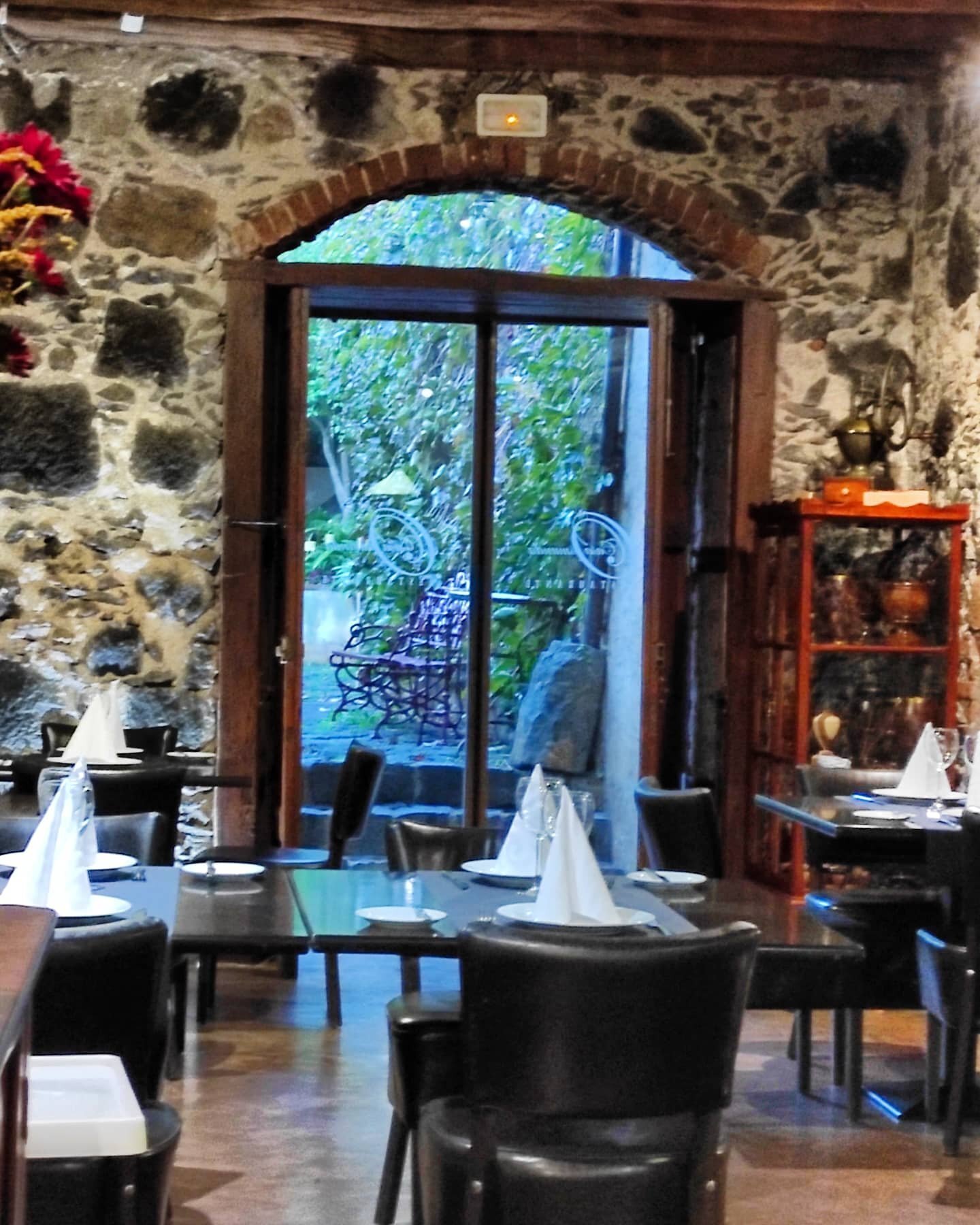
Pleasant maritime-themed ambiance with natural contrast of white salt, black volcanic stone, and ocean views, described as agreeable and integrated into the protected natural environment.