Our verdict
El Campero Restaurante operates out of Tijuana's Chapultepec district, a neighbourhood that has quietly become one of the city's most serious addresses for ingredient-driven Mexican cooking. The restaurant sits at the intersection of Baja California's extraordinary larder and the cross-border culinary ambition that defines this city's current dining moment. For visitors tracking where Northern Mexican cuisine is heading, Chapultepec is the logical starting point.

Pearl is the En Primeur Club membership app, where members save venues, book tables and use the concierge.
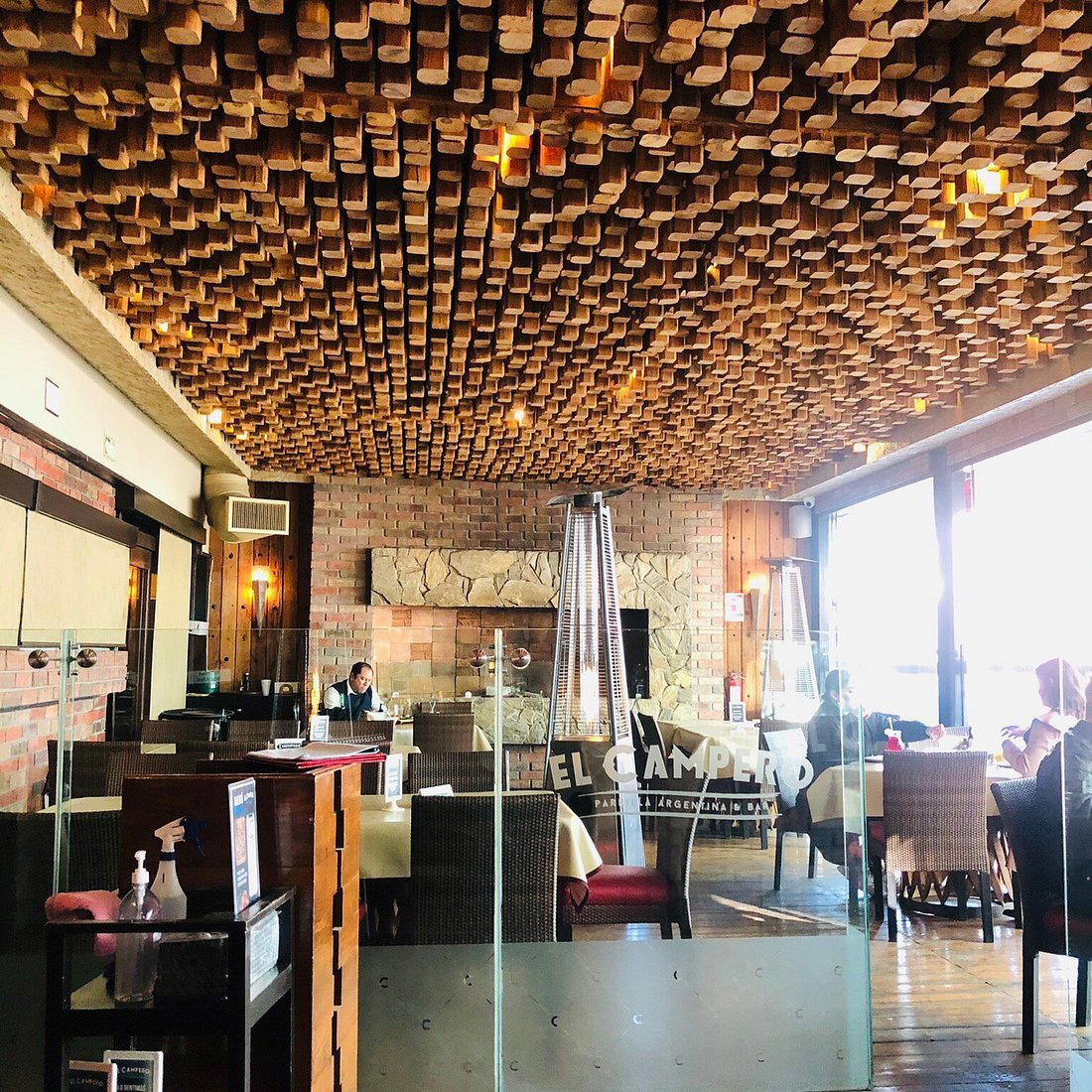
Chapultepec's Quiet Confidence
Tijuana's dining identity has shifted considerably over the past decade, and the Chapultepec district sits at the centre of that shift. Where the city's reputation once leaned heavily on border-town novelty, the neighbourhood around Sonora street now reads as a more deliberate proposition: smaller rooms, kitchens focused on Baja California's larder, and a clientele that includes as many locals as visitors from San Diego. El Campero Restaurante, at Sonora 65, occupies this context without apology. The address alone places it inside Tijuana's most competitive dining corridor, where proximity to the Pacific coast, the Valle de Guadalupe wine country, and the agricultural abundance of the Baja peninsula gives kitchens access to an ingredient supply that few Mexican cities can match.
That proximity matters more than it might appear. The logic of Baja California cooking is inseparable from geography: the cold Humboldt Current pushing nutrient-rich water along the coast, the Mediterranean-adjacent climate of the inland valleys producing olives, tomatoes, and grapes at consistent quality, and the ranching tradition of the peninsula's interior contributing dairy and beef that carry a regional character. Restaurants in this part of Tijuana inherit that supply chain almost by default, and the serious ones know how to use it. For context on how that same philosophy applies at a higher price tier and wider scale, Animalón in Valle de Guadalupe represents the rural, open-fire expression of the same Baja sourcing logic.
The Sourcing Logic Behind Baja California's Table
Mexican fine dining has split into distinct approaches over the last fifteen years. At one end sit the high-investment, technique-forward restaurants that earn international attention, operations like Pujol in Mexico City or Le Chique in Puerto Morelos, which use indigenous ingredients as raw material for composed, often abstract plates. At the other end, neighbourhood restaurants concentrate on regional fidelity: what grows or grazes nearby, prepared in ways that compress rather than complicate the source ingredient. Baja California's strongest kitchens have generally leaned toward the latter register, and Chapultepec's dining scene reflects that tendency. The Oaxacan model pursued by Levadura de Olla Restaurante in Oaxaca offers a useful parallel: deep regional sourcing made legible without formal dining ceremony.
Within Tijuana, the comparison set is instructive. Mision 19 operates at the upper end of the city's price range and has been the flagship of Tijuana's serious dining scene for years, applying modernist technique to Baja produce. Carmelita Molino y Cocina sits at a mid-range price point and concentrates on masa and traditional preparation methods. El Campero occupies its own position in Chapultepec, drawing on the same regional larder but operating with the kind of format specificity that neighbourhood restaurants in this district have refined over time. Other Chapultepec addresses worth considering in the same visit include Cabanna Restaurant, Casa de Leo Restaurant, and Cerveceria Ramuri, which together give a cross-section of what the district is doing across formats and price points.
Northern Mexican Cooking in Its Natural Setting
Ingredient sourcing in Northern Mexico carries different stakes than in, say, central Oaxaca or coastal Veracruz. The Baja peninsula's isolation and the relative youth of its formal culinary infrastructure mean that restaurants must build supplier relationships deliberately rather than inheriting them. The Valle de Guadalupe wine region, roughly an hour's drive south of Tijuana, has driven much of this development, pulling producers, sommeliers, and chefs into a web of mutual dependency that now extends well beyond the valley itself. Kitchens in Tijuana's Chapultepec district have benefited from that network, with access to small-production olive oils, estate wines, artisan cheeses, and farm-direct vegetables that would have been difficult to source reliably a generation ago.
The cross-border dimension adds another layer. San Diego's proximity means that Tijuana kitchens draw staff, ideas, and occasionally product from both sides of the line. This has accelerated the city's dining development in ways that other Mexican border cities haven't experienced at the same pace or depth. The result is a dining scene that reads as distinctly Mexican in its flavor priorities but absorbs technique and presentation influences with a fluency that occasionally surprises first-time visitors. For a sense of how that cross-pollination operates at an even more ambitious level, Olivea Farm to Table in Ensenada shows what the Baja California sourcing model looks like when applied with a full farm-to-table infrastructure behind it.
Planning a Visit to Sonora 65
El Campero Restaurante is located at Sonora 65 in the Chapultepec district, postcode 22020, placing it within easy reach of central Tijuana and the main cross-border entry points from San Diego. Chapultepec's dining strip is walkable and dense enough that an evening can reasonably include a drink at one address and dinner at another, making the neighbourhood worth planning as a block rather than a single-stop visit. The district's restaurants tend to draw a mixed crowd of local professionals and cross-border visitors, and the atmosphere runs toward settled confidence rather than the high-energy tourist corridor closer to the border zone. For a full orientation to what Tijuana's dining scene offers across neighbourhoods and price points, our full Tijuana restaurants guide maps the broader picture.
Mexico's serious dining tier extends well beyond Tijuana, and travellers moving through the country's culinary circuit will find useful reference points at KOLI Cocina de Origen in Monterrey, Alcalde in Guadalajara, and Pangea in San Pedro Garza Garcia, each of which approaches regional Mexican sourcing from a different geographic and culinary starting point. For those also tracking the international benchmark, Le Bernardin in New York City and Atomix in New York City represent the standard against which serious kitchens globally are measured, and HA' in Playa del Carmen offers a coastal counterpoint within Mexico itself. Also worth noting: Lunario in El Porvenir shows how Valle de Guadalupe's wine-country restaurant culture has matured into a serious destination in its own right.
Frequently asked questions
Would El Campero Restaurante be comfortable with kids?
Chapultepec's neighbourhood restaurant format in Tijuana tends to be more accommodating for families than the city's formal fine dining addresses. A mid-range, locally frequented room at Sonora 65 is likely to carry the relaxed pace that works for families, though confirming with the restaurant ahead of time is the straightforward move given that seating configurations vary.
What kind of setting is El Campero Restaurante?
The address at Sonora 65 in Chapultepec places El Campero within Tijuana's most settled, locally oriented dining district, away from the high-traffic border zones and hotel corridors. Chapultepec operates as a neighbourhood rather than a tourist strip, which shapes the tone of its restaurants toward regulars and locals rather than one-off visitors. That context tends to produce a more grounded, less performative room.
How does El Campero Restaurante fit into Tijuana's broader Baja California dining scene?
Tijuana has emerged over the past decade as one of Mexico's more serious regional cooking cities, with Chapultepec as its most concentrated dining district. El Campero on Sonora 65 sits within that corridor alongside kitchens that treat Baja California's agricultural and coastal supply as a defining constraint rather than a marketing point. That positions it as a working part of a scene rather than an outlier, which is the more useful frame for understanding what the restaurant represents in context.
What's the best thing to order at El Campero Restaurante?
Kitchens in Chapultepec operating within Baja California's ingredient logic tend to anchor their menus around whatever the peninsula and surrounding ranches are producing at the time. Asking the kitchen directly what is driving the menu that week is the most reliable approach.
What's El Campero Restaurante's location?
El Campero Restaurante is located at Sonora 65, Chapultepec, 22020 Tijuana, B.C. Mexico, Tijuana.
Do they take walk-ins at El Campero Restaurante?
For a neighbourhood restaurant in Chapultepec, contacting the venue directly before visiting is the practical approach, particularly on weekends when Tijuana's better-regarded local addresses fill quickly. The Sonora 65 location puts it within easy reach of central Tijuana if plans need adjusting.
What is El Campero Restaurante known for?
El Campero is associated with the ingredient-focused cooking that defines Chapultepec's dining corridor in Tijuana. The restaurant sits within a district that has become a reference point for kitchens drawing on Baja California's peninsula produce rather than imported or generic supply chains.
In Context: Similar Options
Comparable venues nearby, for context on price, style, and recognition.
| Venue | Cuisine | Price | Awards | Notes |
|---|---|---|---|---|
| El Campero RestauranteThis venue (the venue you are viewing) | Authentic Argentine Steakhouse | $50–100 | Not listed | Not listed |
| Casa de Leo Restaurant | International Crossover with Seafood & Italian | $30–50 | Not listed | Neidhart |
| Oryx | Modern Mexican | $50–100 | Michelin Plate | Zona Río |
| Mision 19 | Modern Baja Med | $50–100 | Michelin Plate | Zona Urbana Rio Tijuana |
| Cabanna Restaurant | Modern Mexican Seafood | $10–20 | Not listed | Plaza Paseo Chapultepec |
| Cerveceria Ramuri | Craft Brewery Gastropub | $10–20 | Not listed | Zonaeste |
Continue exploring
More in Tijuana
Restaurants in Tijuana
All restaurants in Tijuana →
Bars in Tijuana
All bars in Tijuana →



Details
- Intimate
- Cozy
- Elegant
- Group Dining
- Special Occasion
- Private Dining
- Extensive Wine List
- A La Carte
- Family Style
- Wine
Current opening hours
- Monday
- 1–10 PM
- Tuesday
- 1–10 PM
- Wednesday
- 1–10 PM
- Thursday
- 1–11 PM
- Friday
- 1–11 PM
- Saturday
- 1–11 PM
- Sunday
- 1–9 PM
Hours can change for holidays and private events. Hours as of .
Intimate and warm atmosphere with blues, jazz, or tango music, well-suited service, and welcoming vibe.