Our verdict
Einzigartig occupies a address on Lünertorstraße in Lüneburg's historic core, placing it within a city whose medieval salt-trade architecture has long drawn visitors looking for something beyond Hamburg's metropolitan density.

Pearl is the En Primeur Club membership app — saves, bookings, and concierge access live there. Same editors, same standards.
Lüneburg's Dining Scene and Where Einzigartig Fits
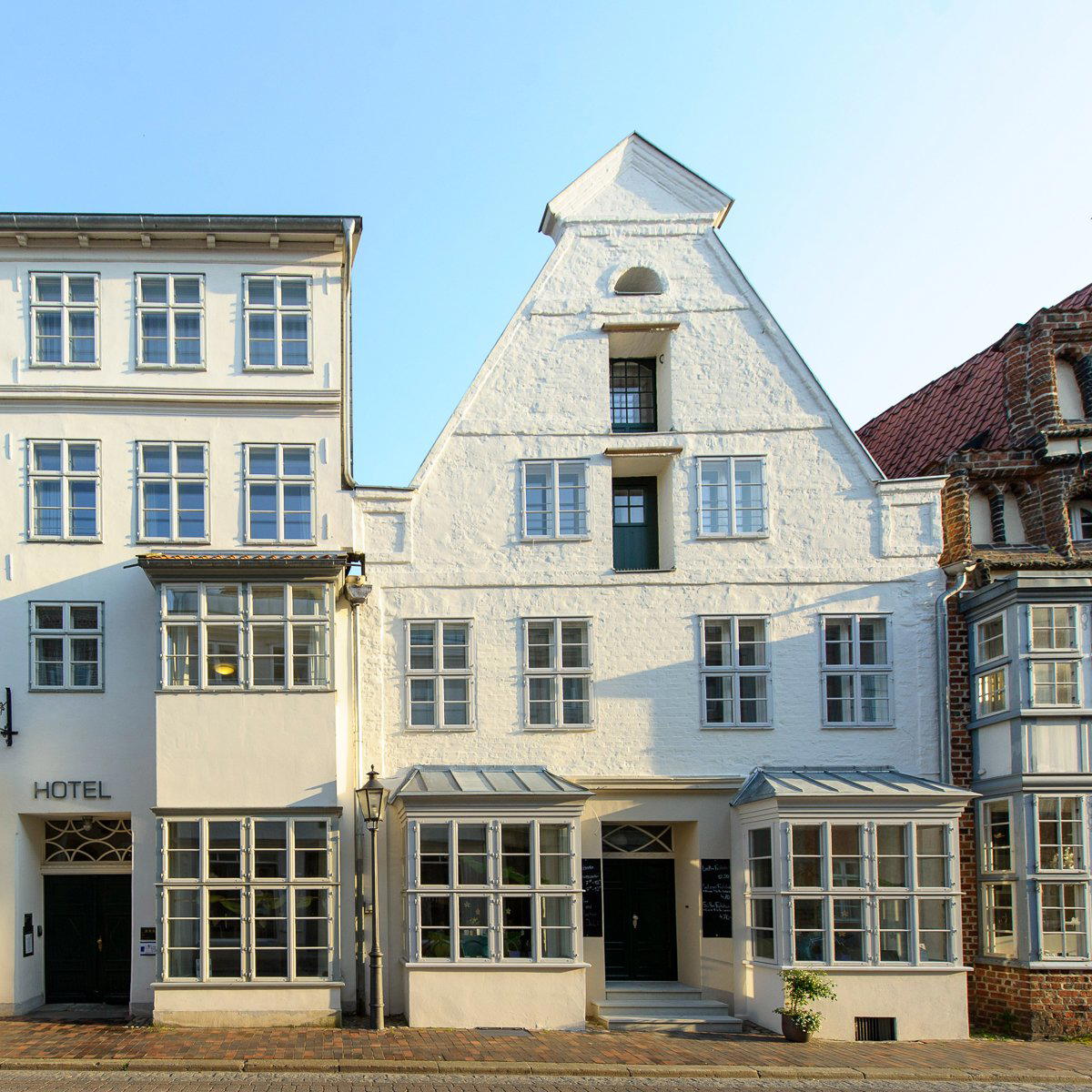
Northern Germany's fine dining conversation tends to orbit Hamburg, where Restaurant Haerlin anchors the city's formal end of the spectrum. But the smaller cities radiating outward from Hamburg have developed their own dining identities, often quieter and less mediated by press cycles. Lüneburg is one of those cities. Its historic centre, built on the wealth of medieval salt extraction, retains a density of pre-modern architecture that shapes the atmosphere of any restaurant operating within it. Einzigartig at Lünertorstraße 2 sits inside that fabric, and understanding the address matters as much as understanding the menu.
The broader pattern across mid-sized German cities is instructive. In cities like Lüneburg, where the local population is more modest than in Hamburg or Munich, restaurants that sustain serious kitchen ambitions typically do so by drawing on two sources: regional produce networks that larger urban competitors cannot access as directly, and a local clientele supplemented by visitors attracted to the city's character rather than its restaurant reputation alone. Einzigartig operates within that structural reality.
The Physical Setting: Reading the Room Before the Menu
Lünertorstraße runs through a part of the old town where the scale of the buildings keeps things intimate. Approaching a restaurant in this part of Lüneburg, you encounter the particular quality of North German brick architecture at close range: narrow street widths, low ambient noise compared to a main commercial strip, and a sense that the surroundings were built for permanence rather than for throughput. This physical environment sets expectations before any dish arrives. Restaurants that occupy historic city-centre addresses in German university towns tend to attract a mixed clientele of regulars and culturally curious visitors, and the tone of service in such places often reflects that dual audience.
For comparison, the way Jante in Hanover has navigated its own mid-sized German city context, building a reputation that travels beyond its immediate geography, illustrates what is possible when a kitchen commits to a clear point of view in a market that lacks the volume of a major metropolitan centre.
Ingredient Sourcing in the North German Context
The sourcing logic for any serious kitchen in this part of Lower Saxony is shaped by the region's agricultural character. The Lüneburg Heath, which surrounds the city to the south and east, produces lamb that has held a distinct regional identity for centuries, with heath sheep raised on a terrain that gives the meat a particular lean quality. Closer to the Elbe, the flatlands produce root vegetables and brassicas that form the backbone of northern German seasonal cooking. Any kitchen at this address has access to a sourcing geography that is genuinely different from what restaurants in southern Germany work with.
This matters editorially because ingredient provenance is not simply a marketing position in this region; it reflects a genuine difference in what is available. The contrast with southern German kitchens is pronounced. ES:SENZ in Grassau and Schanz in Piesport each operate within sourcing ecosystems defined by proximity to Alpine agriculture and Mosel viticulture respectively. A northern German kitchen draws from a different palette entirely, one defined by coastal proximity, heath grazing, and a tradition of preservation techniques rooted in the same salt economy that built Lüneburg itself.
Internationally, the sourcing-first approach has become a dominant organising principle at the serious end of the spectrum. Lazy Bear in San Francisco built its reputation substantially on the coherence between its sourcing geography and its menu logic. At the European end, Le Bernardin in New York City demonstrates how a tight focus on a single sourcing category, in that case seafood, can sustain decades of critical relevance. For a northern German kitchen, the North Sea and Elbe estuary offer an analogous concentration of sourcing identity if the kitchen chooses to lean into it.
Where Einzigartig Sits in the German Fine Dining Tier
Germany's formal fine dining tier is dominated by a handful of addresses that operate at international recognition levels: Schwarzwaldstube in Baiersbronn, Aqua in Wolfsburg, Vendôme in Bergisch Gladbach, and Victor's Fine Dining by Christian Bau in Perl sit at one end of that spectrum. Below that tier, a second layer of regionally significant restaurants operates with ambition but without the international recognition infrastructure.
That positioning is not inherently a limitation. Some of the more interesting cooking in Germany happens in precisely this register, where kitchens work without the weight of Michelin expectation and can take directions that starred restaurants tend to avoid. CODA Dessert Dining in Berlin built a distinctive identity by operating at the edge of format convention, and GästeHaus Klaus Erfort in Saarbrücken shows how regional rootedness can sustain serious recognition over time. Bagatelle in Trier and L.A. Jordan in Deidesheim similarly occupy positions defined as much by their regional context as by their formal accolades. Ösch Noir in Donaueschingen and Waldhotel Sonnora in Dreis represent how rural addresses can anchor serious cooking programs when the commitment is sustained.
For anyone building an itinerary through northern Germany, JAN in Munich is worth noting as a reference point for how international kitchen training can translate into a distinctly regional German dining proposition, a model that has relevance for understanding what ambitious kitchens outside the obvious metropolitan centres are attempting.
Planning Your Visit
Lüneburg is accessible by direct rail from Hamburg in under an hour, making it a practical day-trip or overnight destination from that city. The old town is compact and walkable, with Lünertorstraße reachable on foot from the main station in approximately fifteen minutes. The address at Lünertorstraße 2 places it at a point where the old town transitions toward quieter residential streets, which means early evening arrivals tend to encounter the neighbourhood at its most atmospheric.
Frequently asked questions
Does einzigartig work for a family meal?
That depends on the age and appetite of the family members involved. Einzigartig sits on Lünertorstraße in Lüneburg's old town, a setting that signals a considered dining experience rather than a casual drop-in. Families with older children who can engage with a more structured meal are likely better placed here than those with young children expecting flexibility in pacing or portions.
Is einzigartig formal or casual?
The address — Lünertorstraße 2 in Lüneburg's historic centre — points to a room that takes itself seriously without necessarily imposing a dress code. Northern German dining culture at this tier tends toward relaxed formality: presentable rather than black-tie, attentive without being stiff. Confirmed dress policy is not publicly listed, so erring toward neat, considered dress is a reasonable default.
Is einzigartig worth visiting from Hamburg as a day trip?
Lüneburg is reachable from Hamburg by direct rail in under an hour, which puts einzigartig at Lünertorstraße 2 within practical range for an evening out or an extended afternoon. The old town itself warrants time before or after a meal, given its preserved Hanseatic brick architecture. For anyone already planning a Lüneburg visit, building a meal around einzigartig adds a dining anchor to what is otherwise a sightseeing-led itinerary.
What should I order at einzigartig?
What is clear is that kitchens of this type in Lower Saxony typically work with produce from the Lüneburg Heath region — lamb, game, and root vegetables feature prominently in the seasonal cooking of this part of northern Germany. Contacting the restaurant directly before visiting is the most reliable way to understand the current menu direction.
Where do I go for einzigartig?
einzigartig is located at Lünertorstraße 2, 21335 Lüneburg, Germany, Luneburg.
How It Stacks Up
Comparable venues nearby, for context on price, style, and recognition.
| Venue | Cuisine | Price | Awards | Notes |
|---|---|---|---|---|
| einzigartigThis venue (the venue you are viewing) | Modern European | Not listed | Not listed | Not listed |
| RÖHMS DELI | Seasonal European Deli Cuisine | $30–50 | Michelin Bib Gourmand | Altstadt (Old Town) |
| Restaurant Basil | Modern European Fine Dining | Not listed | Star Wine List | Vahrenwald |
| THE LIVING - room - | Modern European Fine Dining | $50–100 | Not listed | Hannover Mitte |
| Das Kleine Lokal | Modern European Fine Dining | $100–150 | Not listed | Ostliche Vorstadt |
| EssKultur | Modern European Fusion Fine Dining | Not listed | Michelin Plate | Mitte |
Continue exploring
More in Lüneburg
Restaurants in Lüneburg
All restaurants in Lüneburg →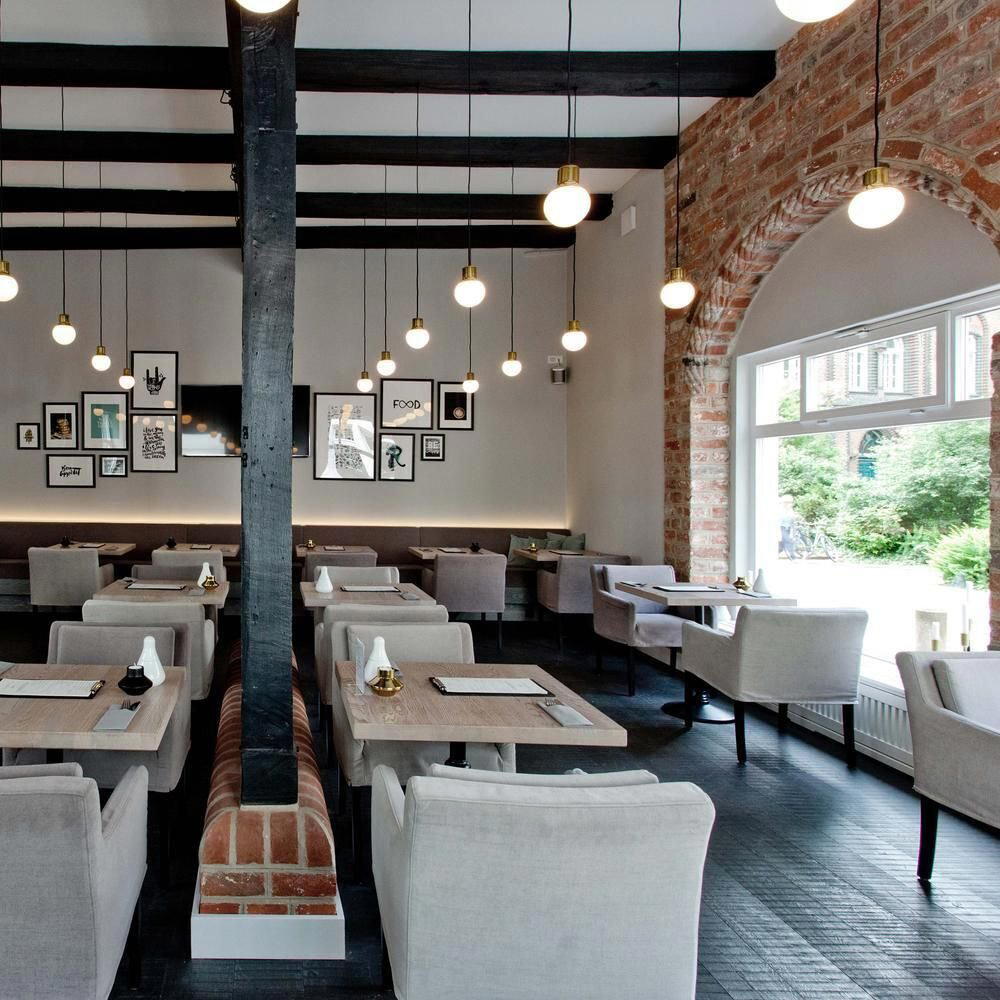
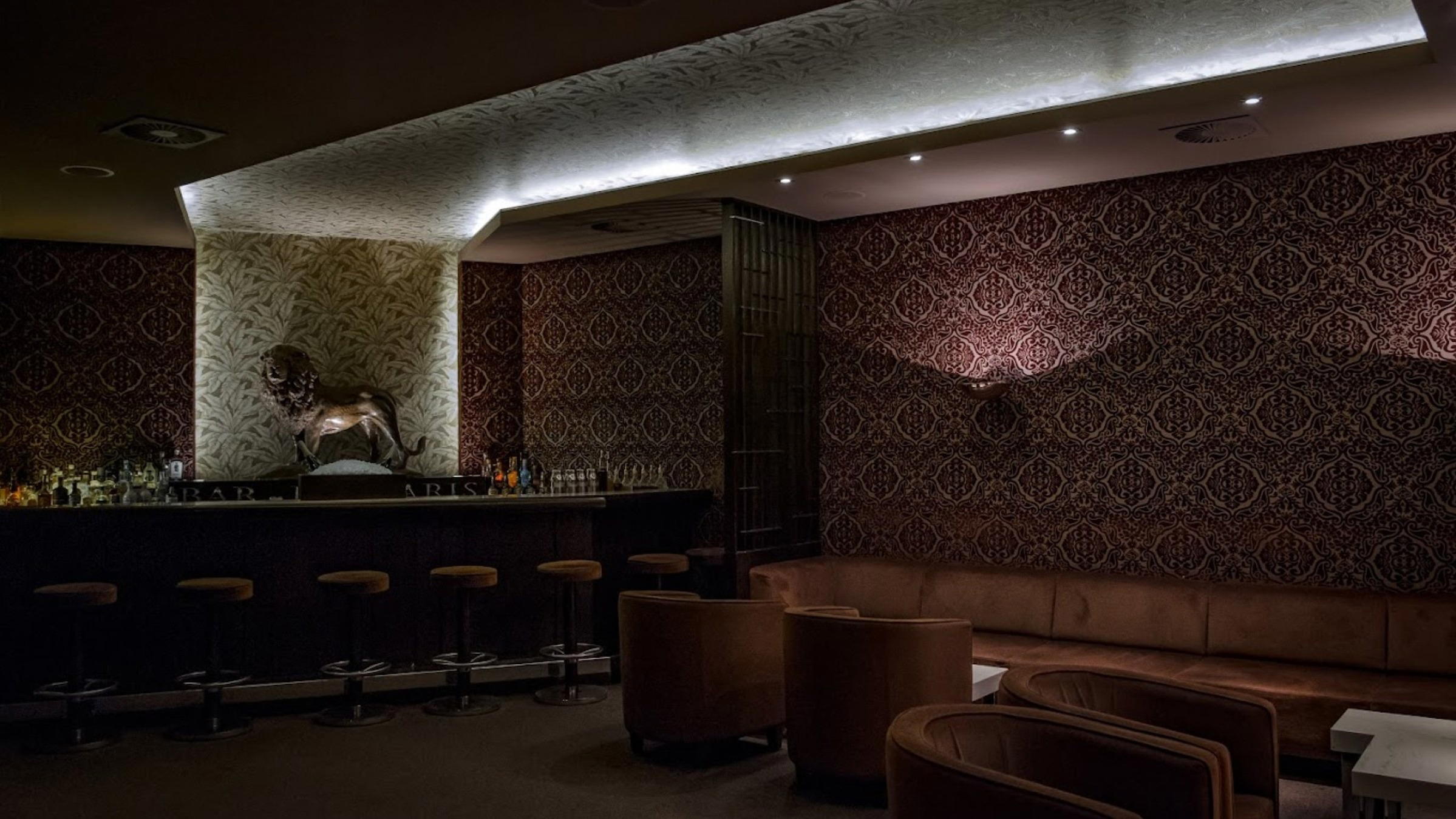
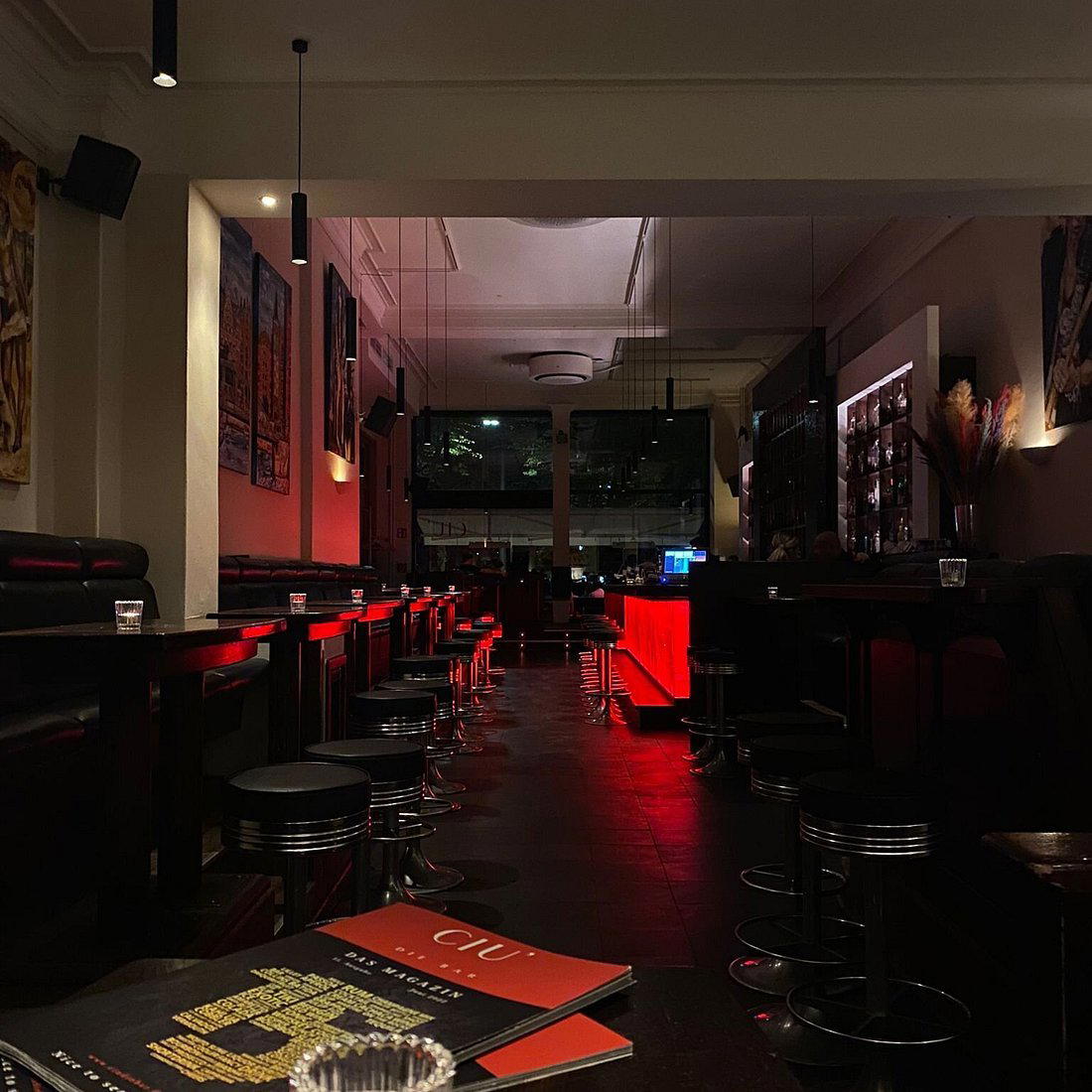
Bars in Lüneburg
Browse all →
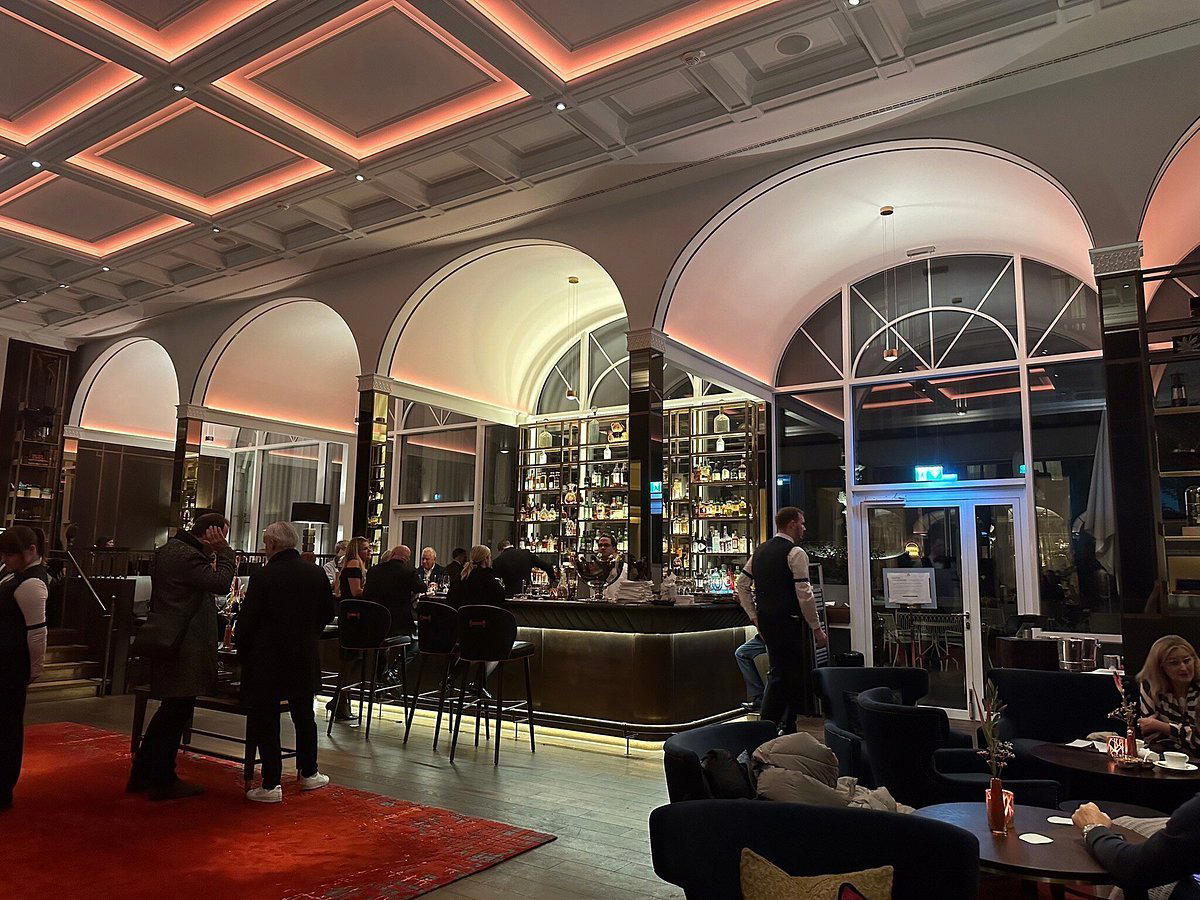
Hotels in Lüneburg
Browse all →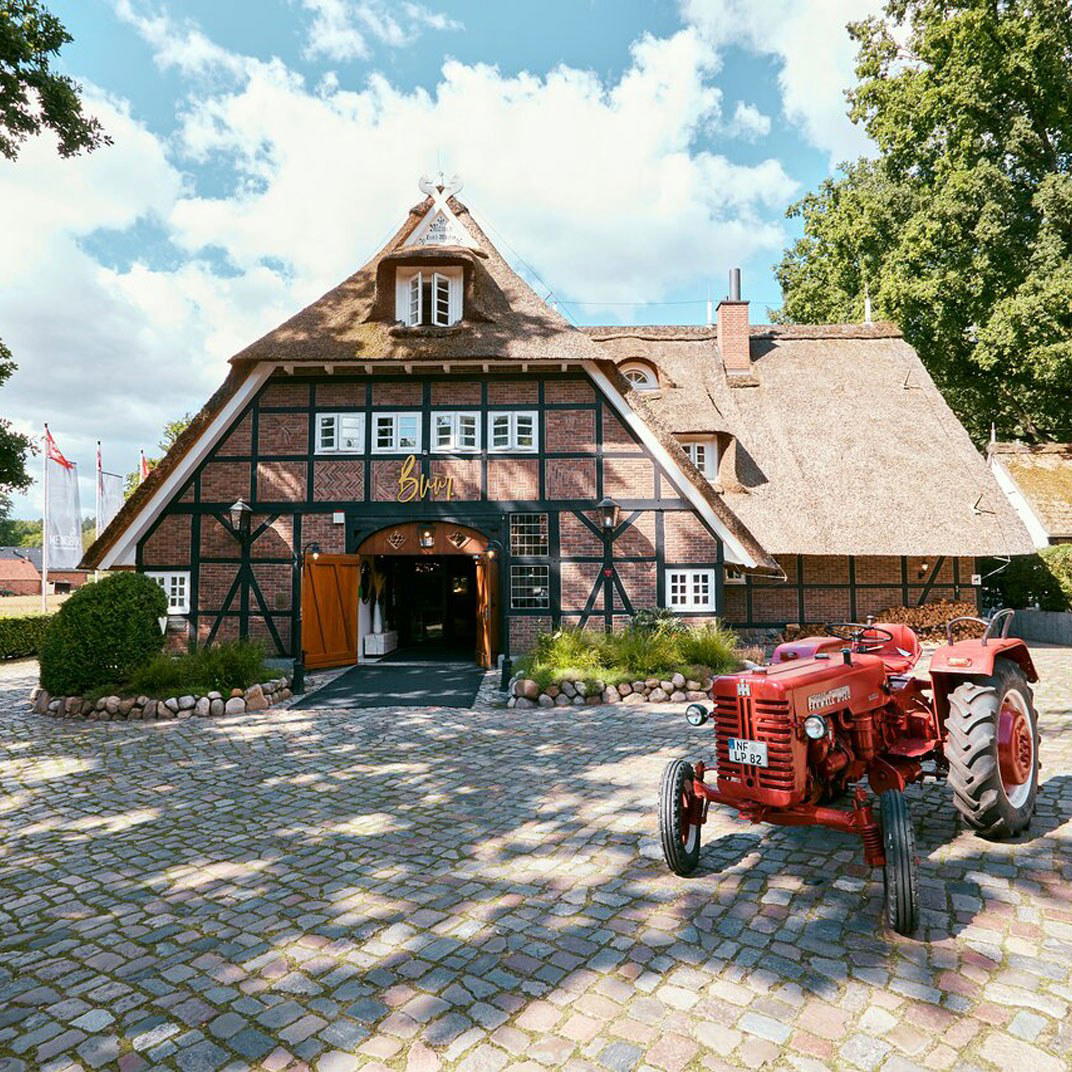
Wineries in Lüneburg
Browse all →
Details
- Cozy
- Historic
- Intimate
- Elegant
- Date Night
- Special Occasion
- Brunch
- Courtyard
- Historic Building
- Hotel Restaurant
- Local Sourcing
- Street Scene
- A La Carte
- Vegetarian Friendly
- Vegan Options
Current opening hours
- Monday
- 8 AM–12:30 PM
- Tuesday
- 8 AM–12:30 PM
- Wednesday
- 8 AM–12:30 PM, 5:30–11 PM
- Thursday
- 8 AM–12:30 PM, 5:30–11 PM
- Friday
- 8 AM–12:30 PM, 5:30–11 PM
- Saturday
- 8 AM–12:30 PM, 5:30–11 PM
- Sunday
- 8 AM–12:30 PM, 5:30–11 PM
Hours can change for holidays and private events. Last verified .
Relaxed and charming atmosphere in a historic setting with pleasant courtyard seating on sunny days.