Eenig occupies a quiet address on Steenweg in Alken, a small Flemish town in the Hasselt corridor where Belgium's provincial dining scene has quietly developed a serious following. The restaurant sits in a regional context where sourcing and local identity carry as much weight as technique, placing it among the smaller, less-publicised addresses that define how contemporary Belgian cooking is actually practiced outside the major cities.
Pearl is the En Primeur Club membership app — saves, bookings, and concierge access live there. Same editors, same standards.
- Address
- Steenweg 30, 3570 Alken, Belgium
- Phone
- +32469640376
- Website
- eenig.be
- Directions
- Get directions
 Saves & bookings on Pearl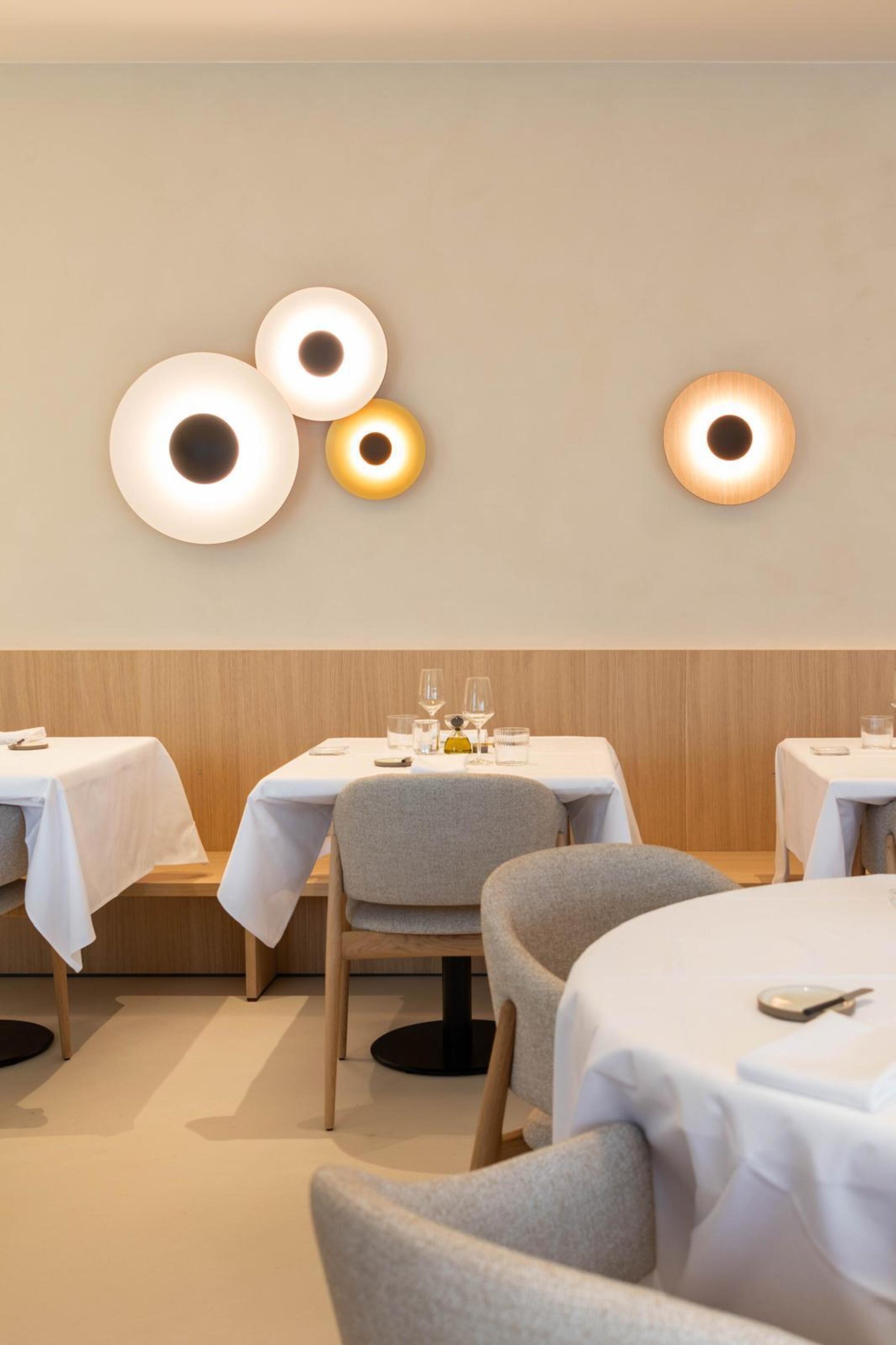
Where Alken Fits in Belgium's Provincial Dining Circuit
Belgium's most discussed restaurants tend to cluster around Ghent, Antwerp, and the coastal strip, but the Hasselt corridor in Limburg has its own dining logic. Towns like Alken, sitting a short drive from Hasselt itself, host addresses that operate on a different register from the urban flagships: smaller, less mediated by international press cycles, and frequently more dependent on the integrity of their immediate supply chain than on the theatrics of a seasonal tasting menu reveal. This is the context in which Eenig at Steenweg 30 should be read, not as a destination that competes with Zilte in Antwerp or Boury in Roeselare for column inches, but as a representative of the quieter, ingredient-driven tier that keeps Belgian provincial cooking credible.
That provincial seriousness has a specific geography in Flanders. Limburg is farm country in the flattest, most literal sense: fruit orchards, market gardens, and small-scale livestock operations thread through the landscape between the industrial zones around Genk and the softer countryside near Tongeren. For a kitchen in Alken, proximity to that agricultural network is not a marketing position — it is simply the available reality, and how a kitchen responds to that reality is where its character reveals itself. For more on the dining options in this corner of Limburg, see our full Alken restaurants guide.
The Sourcing Logic Behind Flemish Provincial Kitchens
Across Belgium's smaller towns, the restaurants that have built the most durable local reputations share a structural commitment to where their produce comes from. This is not the fashionable farm-to-table rhetoric that peaked in urban dining rooms around 2015 and gradually became shorthand for a menu category rather than an actual practice. In a town like Alken, the supplier relationships are functional and often long-standing, shaped by geography rather than branding decisions. A kitchen here does not choose to work with local producers as a positioning statement; it does so because those producers are the most reliable and often the most affordable source of quality within the region.
Belgium's broader fine dining tier, from Hof van Cleve in Kruishoutem to Vrijmoed in Gent, has increasingly coded sourcing transparency into its identity, but those kitchens operate with the budgets and press attention to formalise those relationships into a narrative. The provincial tier works the same sourcing logic with less fanfare. The result, at its finest, is cooking that reads as genuinely seasonal rather than seasonally themed, where a dish changes because the producer's supply changed, not because the menu cycle turned over.
Limburg's fruit heritage deserves specific mention here. The region produces a significant share of Belgium's apple and pear harvest, and its soft fruit output, cherries in particular, has a long commercial history. A kitchen in Alken that draws on that directly is working with produce at a freshness level that restaurants importing through central distribution networks cannot easily replicate. That is not a trivial advantage, and it shapes what a kitchen in this location can do with dessert courses, sauces, and preserved elements in ways that differ materially from what a comparable urban kitchen would produce.
Reading the Room at Steenweg 30
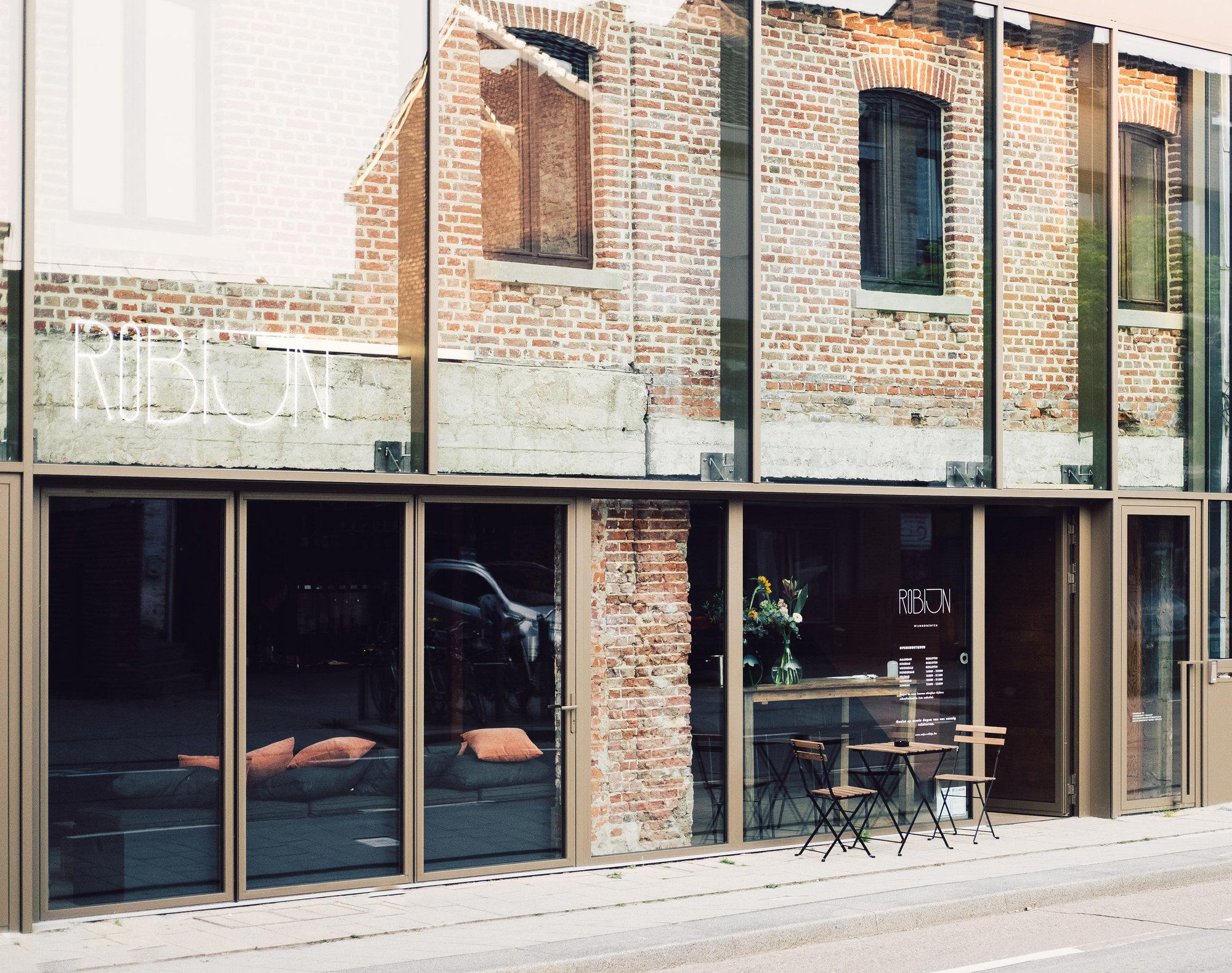
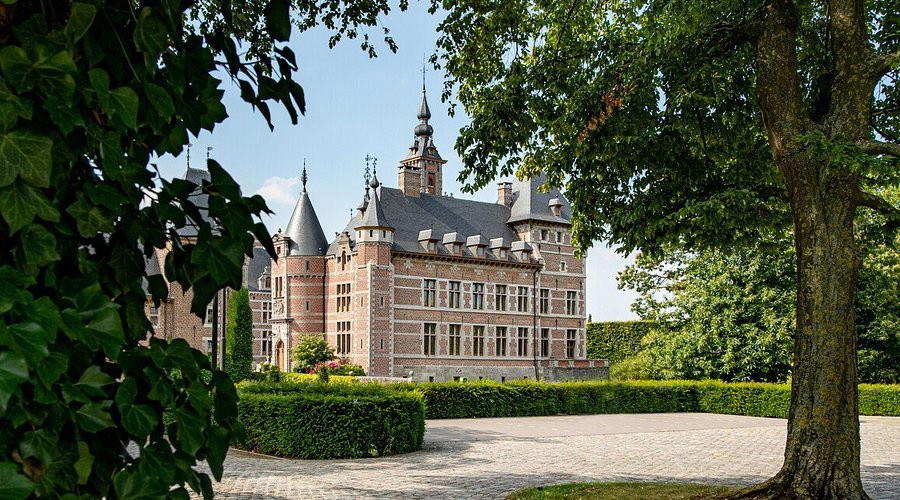
The physical approach to a restaurant on a road like Steenweg in a Flemish village follows a familiar template: a building that reads as domestic at the scale of the street, a frontage that gives little away, and an interior that either justifies or fails to justify the effort of finding it. Belgian provincial dining has a long tradition of exactly this format, the serious kitchen inside the unremarkable exterior, and it has produced some of the country's most durable tables. Ralf Berendsen in Neerharen operates on similar logic, and La Table de Maxime in Our demonstrates how the Walloon equivalent of the same format holds in the Ardennes. The architectural modesty is rarely accidental; it reflects a dining culture that places the plate above the room without making a statement out of that priority.
For international reference points, the comparison is with places like Lazy Bear in San Francisco, where the format deliberately subverts expectation, or with the discretion that characterises serious addresses in second-tier French cities. The difference in Belgium is that the discretion is not a design choice but a default condition, built into how smaller towns relate to hospitality as a category.
Limburg has a smaller concentration of recognised restaurant addresses than West Flanders or East Flanders, which makes each serious kitchen in the province carry more weight within its immediate geography. Eenig at Steenweg 30 positions itself within that Limburg circuit, sharing a town with Philippe, which means Alken itself carries a small but real density of dining intent for a village of its scale.
Compared to the creative French-Belgian registers at work in places like La Durée in Izegem or d'Eugénie à Emilie in Baudour, or the more internationally calibrated ambition of Bozar Restaurant in Brussels, Eenig operates in a quieter key. That is not a criticism; it reflects a different relationship with audience and geography. The clientele for a table in Alken is predominantly local and regional, which disciplines a kitchen differently than one feeding a mix of expense-account lunchers and destination tourists. Consistency and value within a regional price context matter more than the kind of technical ambition that photographs well.
Planning a Visit
Alken is accessible by road from Hasselt in under fifteen minutes and sits within direct driving range of the broader Limburg province. The address, Steenweg 30, is a main road address that does not require navigation into unmarked rural lanes, which makes arrival uncomplicated. As with most Belgian provincial restaurants operating at a serious level, booking in advance is advisable rather than optional; the capacity of smaller Flemish dining rooms rarely accommodates walk-ins during service hours, and local regulars tend to occupy the available covers on a predictable weekly rhythm. For those combining a Limburg visit with wider Belgian dining, pairing Alken with Hasselt's own restaurant circuit or a drive to De Jonkman in Sint-Kruis or Le Chalet de la Forêt in Uccle on a multi-day itinerary is how most visitors structure serious Belgian dining travel. Similarly, those drawn to technically precise seafood-led cooking at the international level will find Le Bernardin in New York City and Castor in Beveren useful reference points for understanding how sourcing discipline expresses itself across different cooking traditions. And for those exploring the Limburg wine and food corridor, Willem Hiele in Oudenburg demonstrates how the Flemish coast approaches the same sourcing questions from a marine rather than agricultural base.
Fast Comparison
| Venue | Cuisine | Price | Awards |
|---|---|---|---|
| EenigThis venue — the venue you are viewing | This venue | Not listed | Not listed |
| Boury | Modern Frlemish, Creative French | €€€€ | Michelin 3 Star |
| Comme chez Soi | French - Belgian, Classic Cuisine | €€€€ | Michelin 1 Star |
| Vrijmoed | Modern Flemish, Creative | €€€€ | Michelin 2 Star |
| La Durée | French-Belgian, Creative | €€€€ | Michelin 2 Star |
| Cuchara | Modern European, Creative | €€€€ | Michelin 2 Star |
Continue exploring
More in Alken
Restaurants in Alken
Browse all →
Bars in Alken
Browse all →
Hotels in Alken
Browse all →

At a Glance
- Charming
- Cozy
- Elegant
- Special Occasion
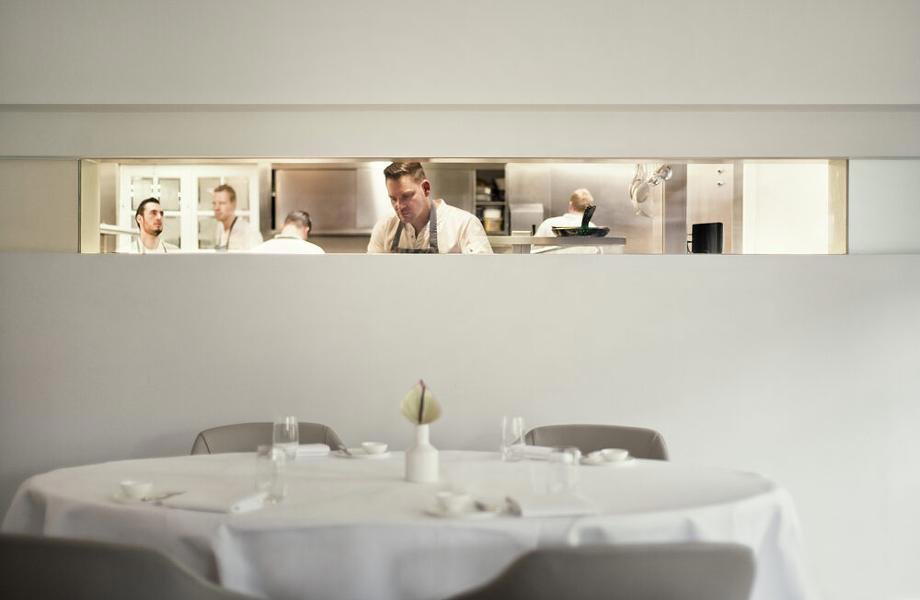
- Open Kitchen
- Sommelier Led
- Local Sourcing
Current opening hours
- Monday
- Closed
- Tuesday
- Closed
- Wednesday
- 7–8 PM
- Thursday
- 12–1 PM, 7–8 PM
- Friday
- 12–1 PM, 7–8 PM
- Saturday
- 12–1 PM, 7–8 PM
- Sunday
- Closed
Hours can change for holidays and private events. Last verified .
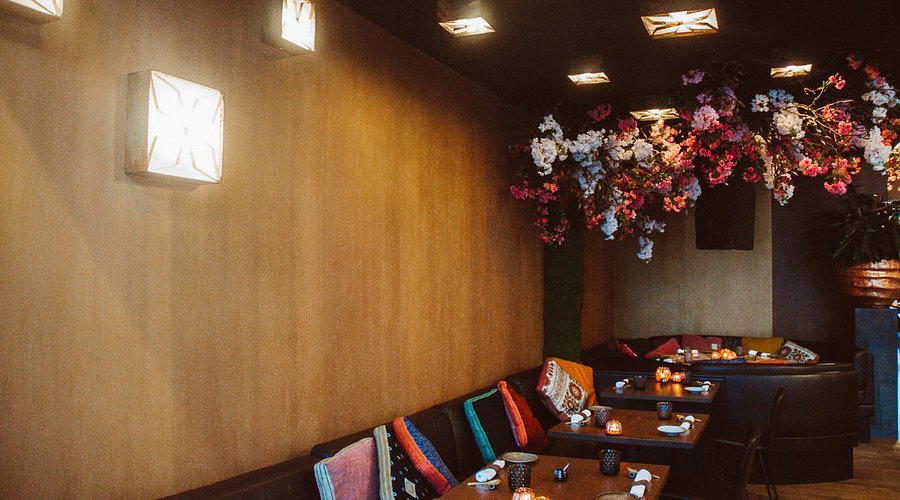
Warm and inviting atmosphere created with natural colors and materials.
Know Before You Go
- Getting there
- Steenweg 30, 3570 Alken, Belgium