Eduardo de St Angel
Eduardo de St Angel occupies a specific address north of Broward Boulevard in Fort Lauderdale, positioning it within a city whose dining scene has grown considerably more ambitious in recent years. The details that define the experience — cuisine, format, and kitchen philosophy — reward direct inquiry, making it worth contacting the venue before your visit to confirm what's on the menu and how bookings work.
 Discover on Pearl
Pearl is the En Primeur Club membership app — saves, bookings, and concierge access live there. Same editors, same standards.
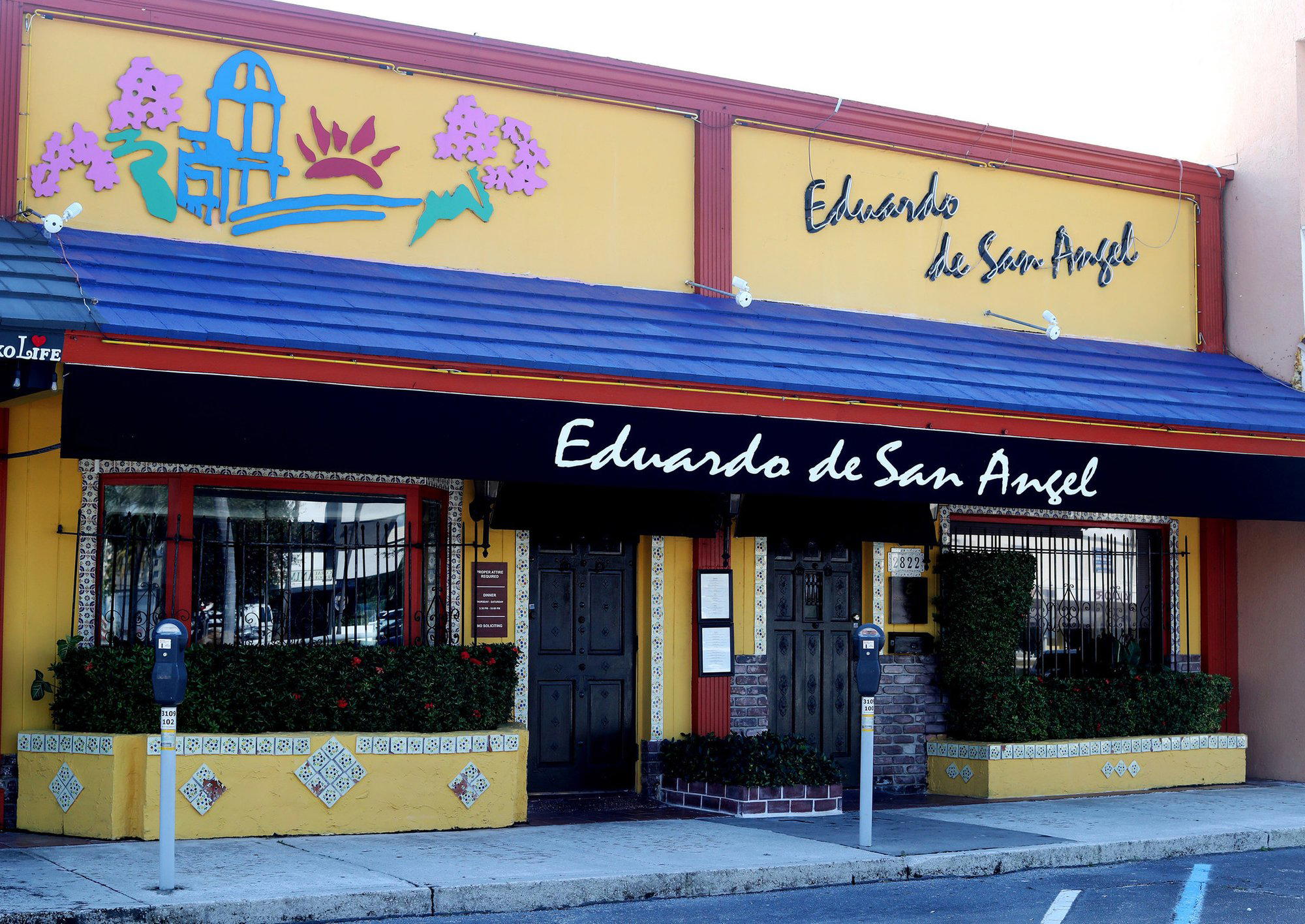
Fort Lauderdale's Shifting Dining Register
For much of its modern history, Fort Lauderdale's restaurant scene played a supporting role to Miami's, offering capable versions of the same coastal-American and Latin-inflected cooking without the celebrity-chef apparatus or the awards machinery. That has changed. In the last decade, the stretch north of Broward Boulevard has attracted a more considered class of independent operator, the kind of place that earns local loyalty through consistency rather than publicity. Eduardo de St Angel sits within this broader shift, located at a North Broward Boulevard address that places it inside a dining corridor worth understanding before you arrive. For a fuller picture of what else the city offers, see our full Fort Lauderdale restaurants guide.
What the Address Tells You
In Fort Lauderdale, proximity to the water, the Boulevard grid, and the residential neighborhoods north of downtown each carry their own dining logic. The corridor east of US-1 and north of Broward Boulevard tends toward neighborhood-scaled restaurants: smaller rooms, regulars who know the staff, kitchens that rely on return visits rather than tourist traffic. This is not the Las Olas strip, where seasonal visitors set the tempo and menus are written accordingly. The positioning of Eduardo de St Angel within this zone is itself a signal about the kind of experience on offer, one that sits closer to the local-institution end of the spectrum than the high-visibility, destination-dining end.
That distinction matters when you compare Fort Lauderdale's independent dining scene to what comparable investment in a restaurant budget gets you elsewhere in Florida. The city's leading independents operate against a very different cost structure than Miami Beach, and that gap typically shows up in the plate rather than the price tag — more kitchen time per dollar, sourcing decisions driven by relationship rather than trend.
The Ingredient Question in South Florida
South Florida's geography creates a specific set of sourcing conditions that reward chefs willing to work with them seriously. The warm Atlantic fishery delivers species rarely seen on menus in colder markets: cobia, wahoo, mahi-mahi from waters minutes off the coast, stone crab from the Keys during the October-to-May season. Florida's agricultural interior — particularly the truck farms around Homestead and the Redlands , supplies year-round produce in varieties that never make it into national distribution. Farms in this corridor grow tropical and subtropical ingredients that most of the restaurants compared in broader American fine-dining discussions, places like Blue Hill at Stone Barns in Tarrytown or Single Thread Farm in Healdsburg, simply cannot access at source.
Restaurants in Fort Lauderdale that commit to this regional palette , rather than defaulting to the nationally distributed proteins and produce that appear on menus from San Diego to Boston , operate in a culinary register that has more in common with the sourcing ethos of Le Bernardin in New York City's seafood sourcing or Providence in Los Angeles's coastal-ingredient focus than with generic American-casual cooking. The distinguishing factor is not the cuisine category itself but the decision about where the raw material comes from and how recently it arrived in the kitchen.
Eduardo de St Angel's address and local positioning suggest this is a kitchen oriented toward the neighborhood and its regulars rather than a format designed for high-volume throughput. That orientation, in South Florida, typically correlates with stronger sourcing relationships , the kind that develop over years with individual fishermen and farm operators rather than through a broadline distributor.
Comparing the Fine-Dining Tier in Fort Lauderdale
American fine dining in 2024 has stratified sharply. At the leading end nationally, Michelin-starred rooms like Alinea in Chicago, Atomix in New York City, and The French Laundry in Napa operate on tasting-menu formats with per-person spends well above $250. Below that, a substantial tier of ambitious independents works without the Michelin infrastructure , particularly in cities where the Guide has limited or no presence , and competes on ingredient quality, kitchen consistency, and room loyalty. Fort Lauderdale sits firmly in that second category. This is not a Michelin market, which means the restaurants worth knowing here earn their reputation through the dining community rather than through star designations.
That context matters when you calibrate expectations. Places like Lazy Bear in San Francisco, Addison in San Diego, or The Inn at Little Washington in Washington carry institutional recognition that shapes the visit before you arrive. Restaurants in Fort Lauderdale's independent tier require more active discovery , which, for a certain kind of traveler, is the point. The cities producing the most interesting food right now are rarely the ones with the densest awards machinery. Emeril's in New Orleans and Albi in Washington, D.C. each built reputations in markets with their own independent dining logic, outside the obvious major-market centers. Fort Lauderdale's leading independents operate similarly.
Planning Your Visit
Eduardo de St Angel is located north of Broward Boulevard and east of US-1 in Fort Lauderdale, Florida 33308. Because phone, hours, and booking method details are not confirmed in our current database, we recommend checking directly with the restaurant before your visit to confirm reservation availability, current hours, and any format-specific details , particularly if you are planning around a specific date or group size. Fort Lauderdale's independent restaurants tend to keep more variable hours than chain operations, and seasonal shifts in the South Florida calendar (the slower summer months versus the high-traffic October-to-April winter season) can affect availability meaningfully. For more context on how to spend time in the city beyond the table, see our full Fort Lauderdale hotels guide, our full Fort Lauderdale bars guide, our full Fort Lauderdale wineries guide, and our full Fort Lauderdale experiences guide.
Comparable Spots, Quickly
These are the closest comparables we have in our database for quick context.
| Venue | Cuisine | Price | Awards | Notes |
|---|---|---|---|---|
| Eduardo de St Angel | This venue | |||
| Le Bernardin | French, Seafood | $$$$ | Michelin 3 Star | French, Seafood, $$$$ |
| Atomix | Modern Korean, Korean | $$$$ | Michelin 2 Star | Modern Korean, Korean, $$$$ |
| Lazy Bear | Progressive American, Contemporary | $$$$ | Michelin 2 Star | Progressive American, Contemporary, $$$$ |
| Alinea | Progressive American, Creative | $$$$ | Michelin 3 Star | Progressive American, Creative, $$$$ |
| Masa | Sushi, Japanese | $$$$ | Michelin 3 Star | Sushi, Japanese, $$$$ |
Continue exploring
More in Fort Lauderdale
Restaurants in Fort Lauderdale
Browse all →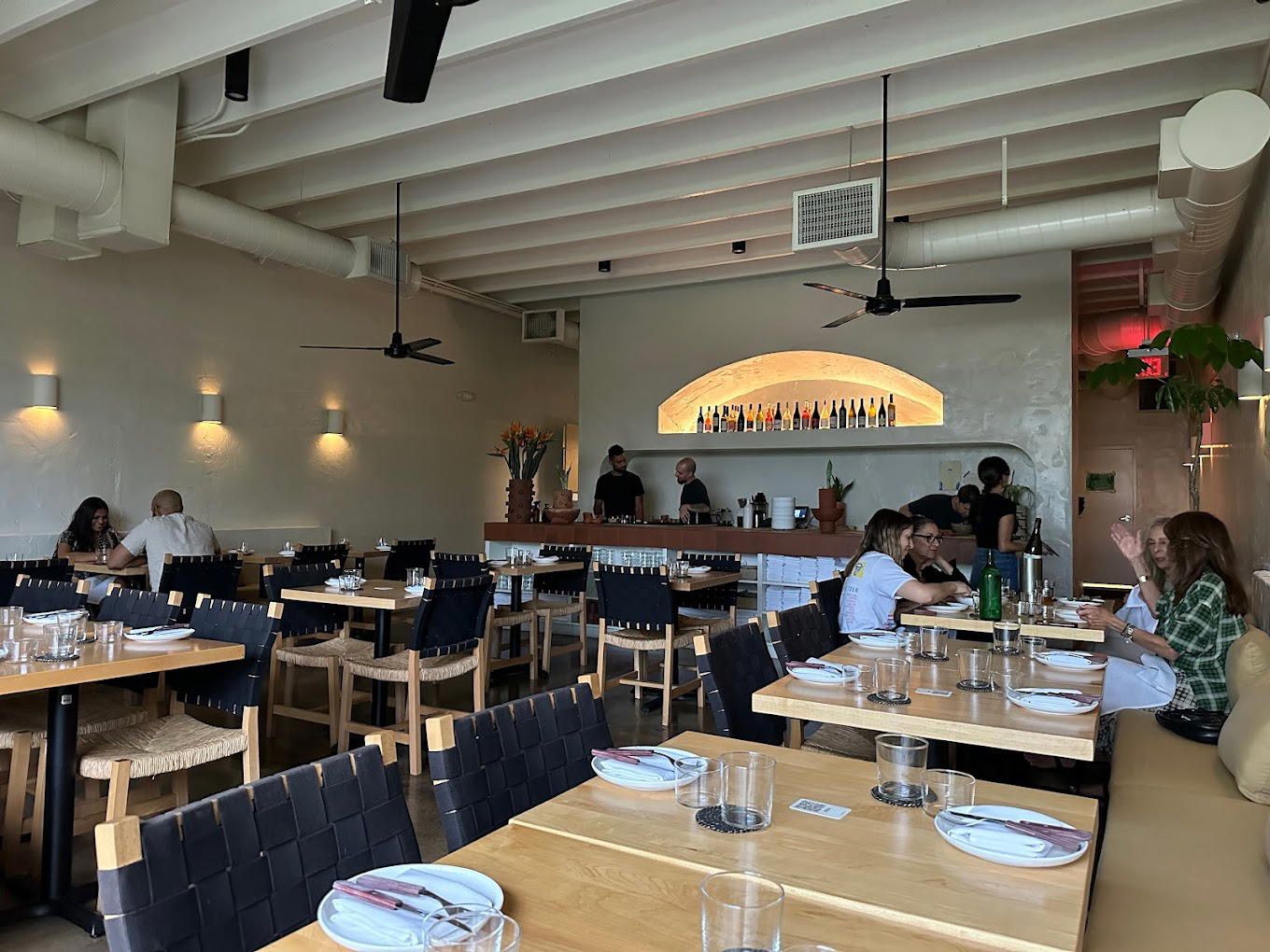
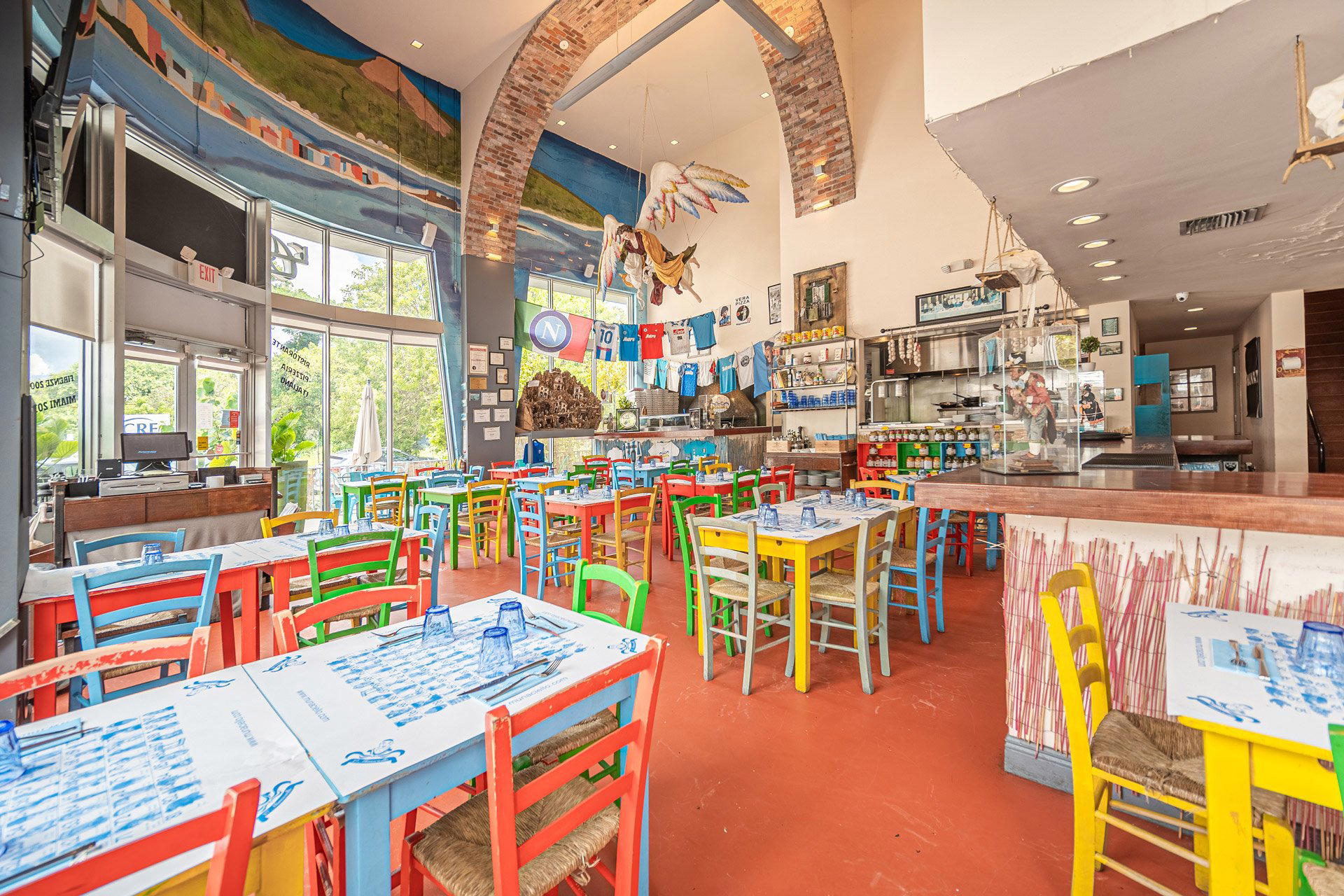
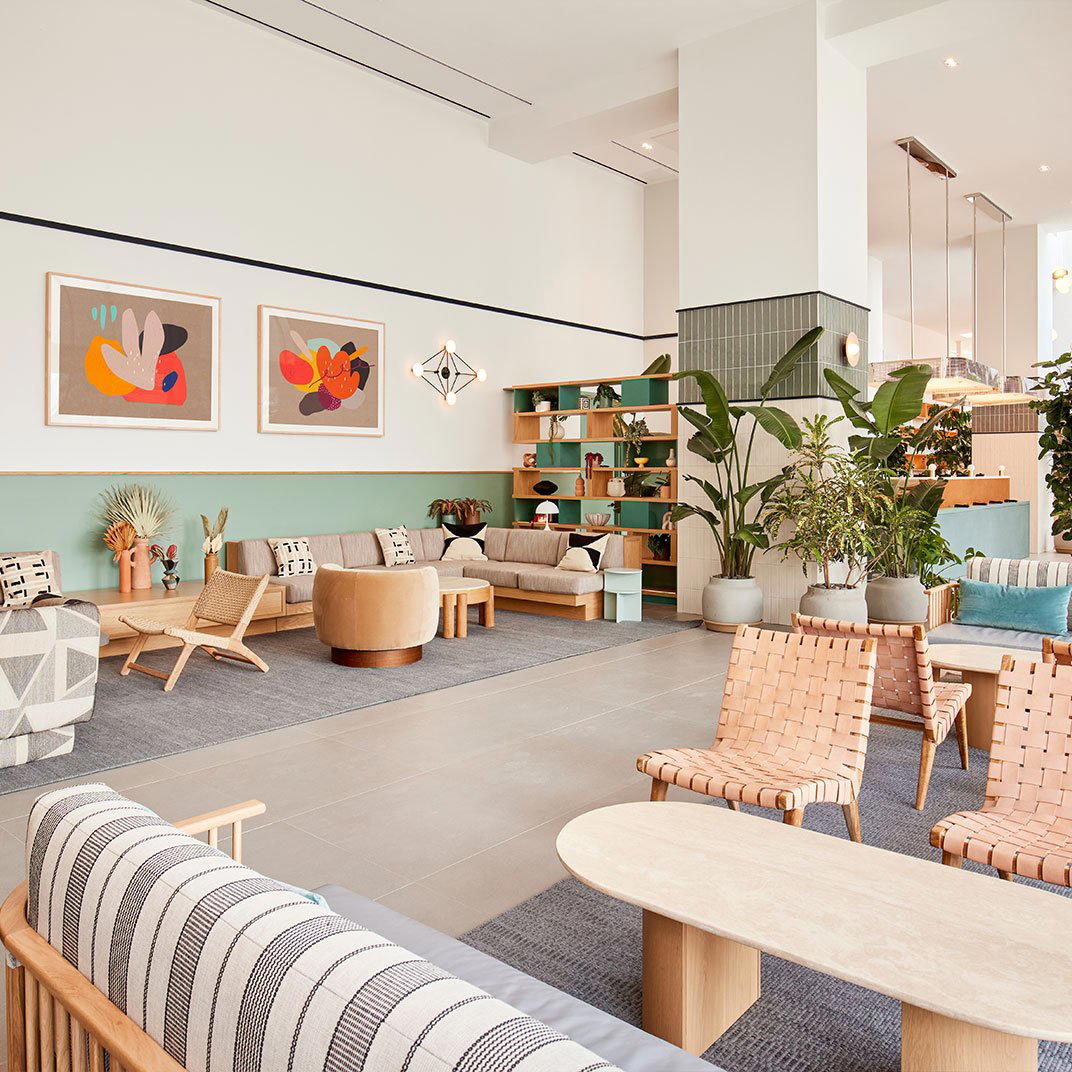
Bars in Fort Lauderdale
Browse all →
At a Glance
- Romantic
- Elegant
- Intimate
- Sophisticated
- Date Night
- Special Occasion
- Business Dinner
- Standalone
- Local Sourcing
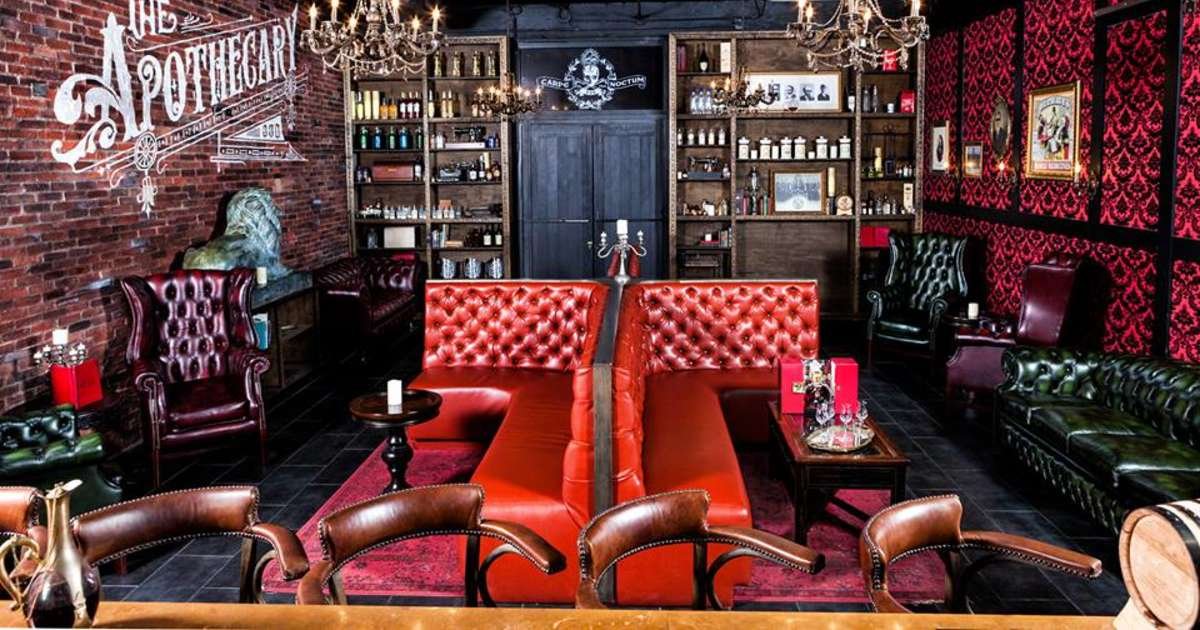
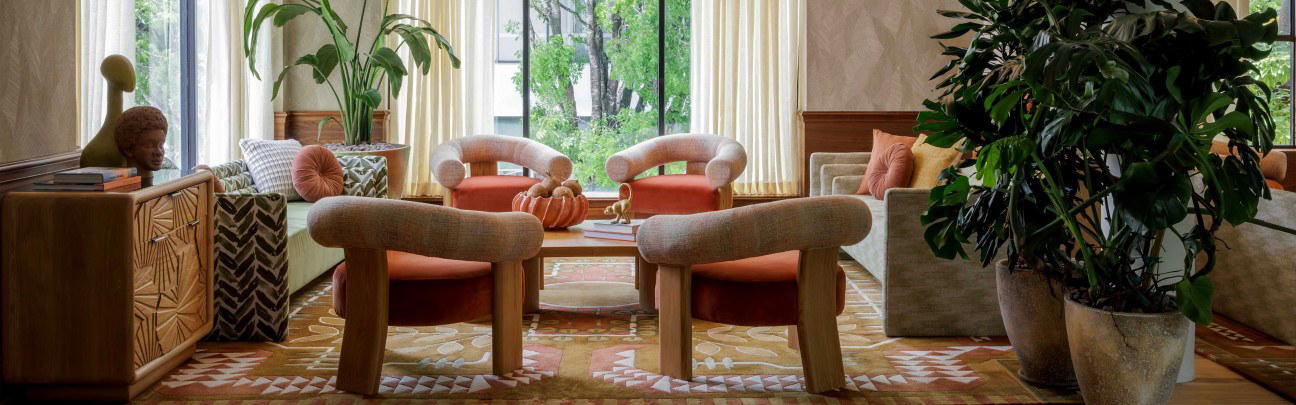
Soft, romantic lighting bright enough to showcase food presentation; subtle, tasteful décor reminiscent of a New England estate home rather than typical bright Mexican restaurant aesthetics; intimate and well-balanced space with proper flow.