Echo & Rig
Echo & Rig sits on the western edge of Las Vegas at 440 S Rampart Blvd, occupying a format that blends butcher counter and dining room under one roof. The concept positions itself in the city's mid-to-upper steakhouse tier, where the sourcing story is as much the product as the plate. It reads as a deliberate counter-programming move against the high-gloss Strip corridor.
Pearl is the En Primeur Club membership app — saves, bookings, and concierge access live there. Same editors, same standards.
- Address
- 440 S Rampart Blvd Suite 120, Las Vegas, NV 89145
- Phone
- +1 702 489 3525
- Website
- echoandrig.com
- Directions
- Get directions
 Saves & bookings on Pearl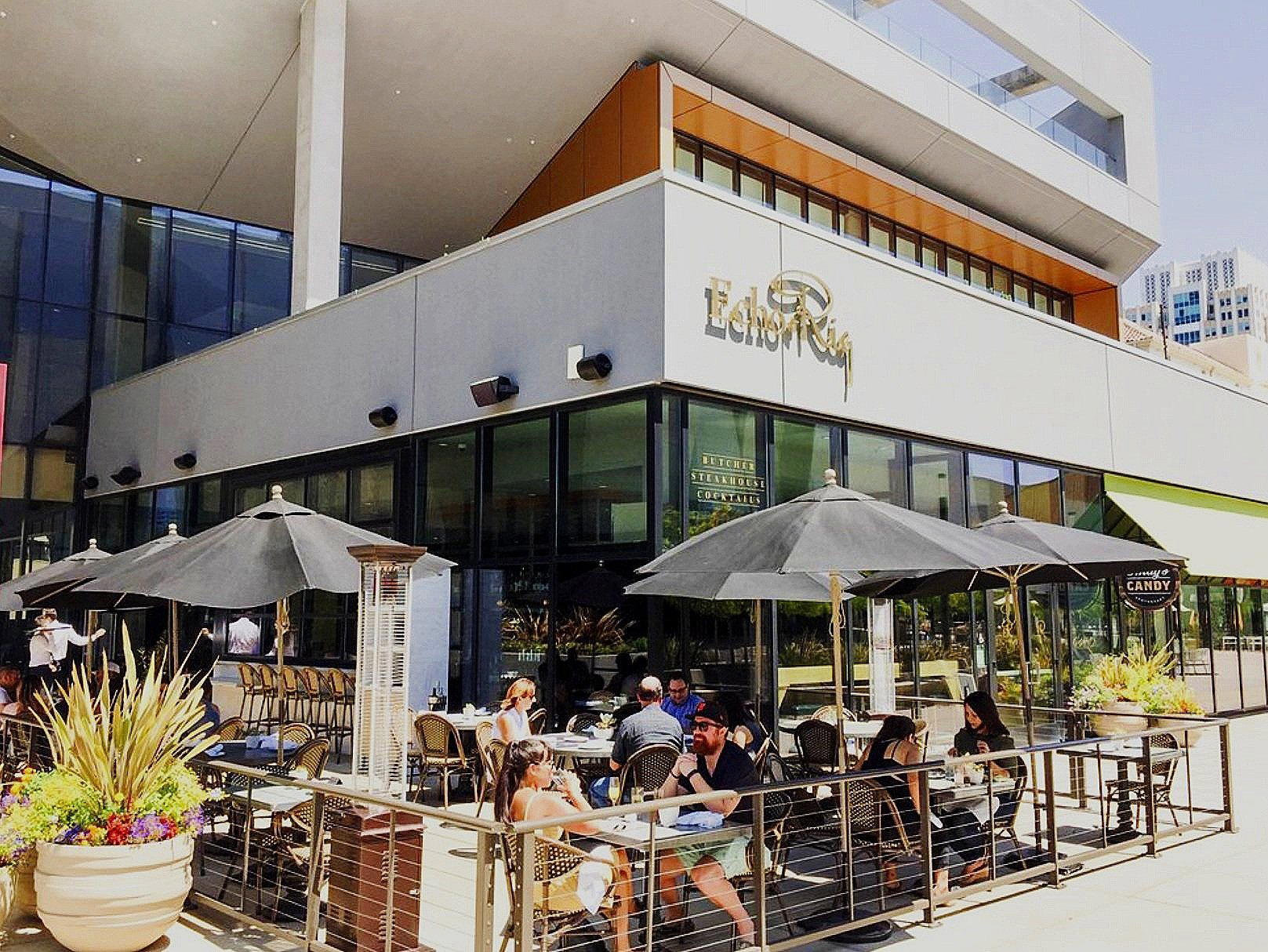
The Room Before the Meal
Las Vegas steakhouses tend to arrive pre-loaded with theater: leather banquettes, low chandeliers, servers in waistcoats who announce the cut like an auctioneer. Echo & Rig, at 440 S Rampart Boulevard in the Tivoli Village development on the city's western edge, takes a different physical stance. The integration of a working butcher counter into the dining space shifts the register immediately. You are not walking into a performance; you are walking into a process. The presence of the counter — where the same cuts displayed raw are eventually served cooked — sets the terms of the meal before anyone has handed you a menu. That structural choice is worth understanding, because it determines the pacing and logic of everything that follows.
This kind of format has precedents in other American cities, where butcher-restaurant hybrids use transparency of sourcing as the primary editorial statement. The difference in Las Vegas is that the Strip corridor, which dominates the city's dining conversation, runs almost entirely on spectacle and celebrity. Venues in the off-Strip residential and commercial zones, like the Summerlin-adjacent stretch where Echo & Rig operates, tend to serve a local clientele for whom the meal is a routine rather than an event. That audience rewards consistency and product quality over theatrics, and the butcher-counter format addresses both.
How the Meal Unfolds
The dining ritual at a butcher-integrated restaurant has a different internal logic than a conventional steakhouse. At most steakhouses, the menu is a list of options with backstory provided verbally by the server. Here, the counter does part of that work visually: the aging, the marbling, the weight of the cut are legible before the conversation begins. This compresses one stage of the ordering process and expands another, the decision about how you want your protein treated, which temperature, which finish, which accompaniments, because the foundation has already been established.
In the broader American steakhouse tradition, this kind of front-loaded sourcing transparency connects to a shift that gathered momentum through the 2010s, as restaurants like Craftsteak in Las Vegas began positioning grass-fed and heritage-breed sourcing as a differentiator against commodity beef programs. Echo & Rig sits in that same current, though it makes the sourcing argument through architecture rather than through menu language alone. At farm-to-table operations like Blue Hill at Stone Barns in Tarrytown or ingredient-led tasting formats like Single Thread Farm in Healdsburg, the sourcing chain is the narrative spine of the meal. Echo & Rig applies a version of that logic to a more accessible format, one where you order from a menu rather than surrender to a sequence.
Pacing at this kind of hybrid tends to be guest-led rather than kitchen-led. Unlike omakase counters or the fixed progression at places such as Smyth in Chicago or The French Laundry in Napa, the meal does not move on a chef's schedule. The practical implication is that tables can expand or contract the experience considerably depending on how they engage with the butcher element, whether they stop to ask questions at the counter, whether they treat the visit as a quick weeknight dinner or a longer exploratory session.
Where It Fits in the Las Vegas Dining Order
Las Vegas has a concentrated and well-documented steakhouse culture, but most of it clusters on the Strip, inside casino properties, and operates at price points calibrated to the expense-account and special-occasion visitor. The off-Strip residential market, particularly the western corridors toward Summerlin, has historically been underserved at the upper-middle tier. Echo & Rig addresses that gap.
For comparison within the city's broader dining range, the EP Club Las Vegas guide covers a wide band of formats: Korean barbecue at 777 Korean Restaurant, casual-forward concepts like 108 Eats and 18bin, and more format-experimental entries like A Different Beast. Echo & Rig occupies the protein-forward, sourcing-conscious slot in that range. Nationally, the butcher-restaurant hybrid model has been applied at varying price tiers, from fast-casual to fine dining, but the mid-range version, where the quality argument is serious but the format remains approachable, is the one with the most traction in secondary dining markets outside coastal cities.
The venue sits at a remove from the maximalist ambition of places like Le Bernardin in New York City, Atomix in New York City, or Providence in Los Angeles, and that distance is the point. It also differs structurally from destination-driven experiences like Lazy Bear in San Francisco, Addison in San Diego, The Inn at Little Washington, or the hyper-sourcing rigor of Atelier Moessmer Norbert Niederkofler in Brunico. Echo & Rig operates in a more pragmatic register, one oriented toward a local diner who wants demonstrable quality without the apparatus of a destination tasting experience. For visitors, it functions as an honest read on what Las Vegas dining looks like when you step outside the casino resort economy. See our full Las Vegas restaurants guide for the wider picture. And for those curious about the broader American steakhouse conversation, Emeril's in New Orleans provides another regional reference point for how American fine dining institutions have navigated format and audience over time.
Planning the Visit
Echo & Rig is located at 440 S Rampart Blvd, Suite 120, Las Vegas, NV 89145, within Tivoli Village, an open-air retail and dining development in the Summerlin area on the city's western side. The location is car-dependent; it sits well outside the Strip corridor and is more naturally accessed from the western residential neighborhoods than from the major hotel zones. For visitors staying on the Strip, the drive runs roughly 20 to 25 minutes depending on traffic. The format supports both weeknight dinners and longer weekend visits, the butcher counter component means the experience rewards a slower pace, though the room accommodates diners who want to move through efficiently. Reservations policy, current hours, and pricing were not available at time of writing; direct contact with the venue is recommended before visiting.
Continue exploring
More in Las Vegas
Restaurants in Las Vegas
Browse all →
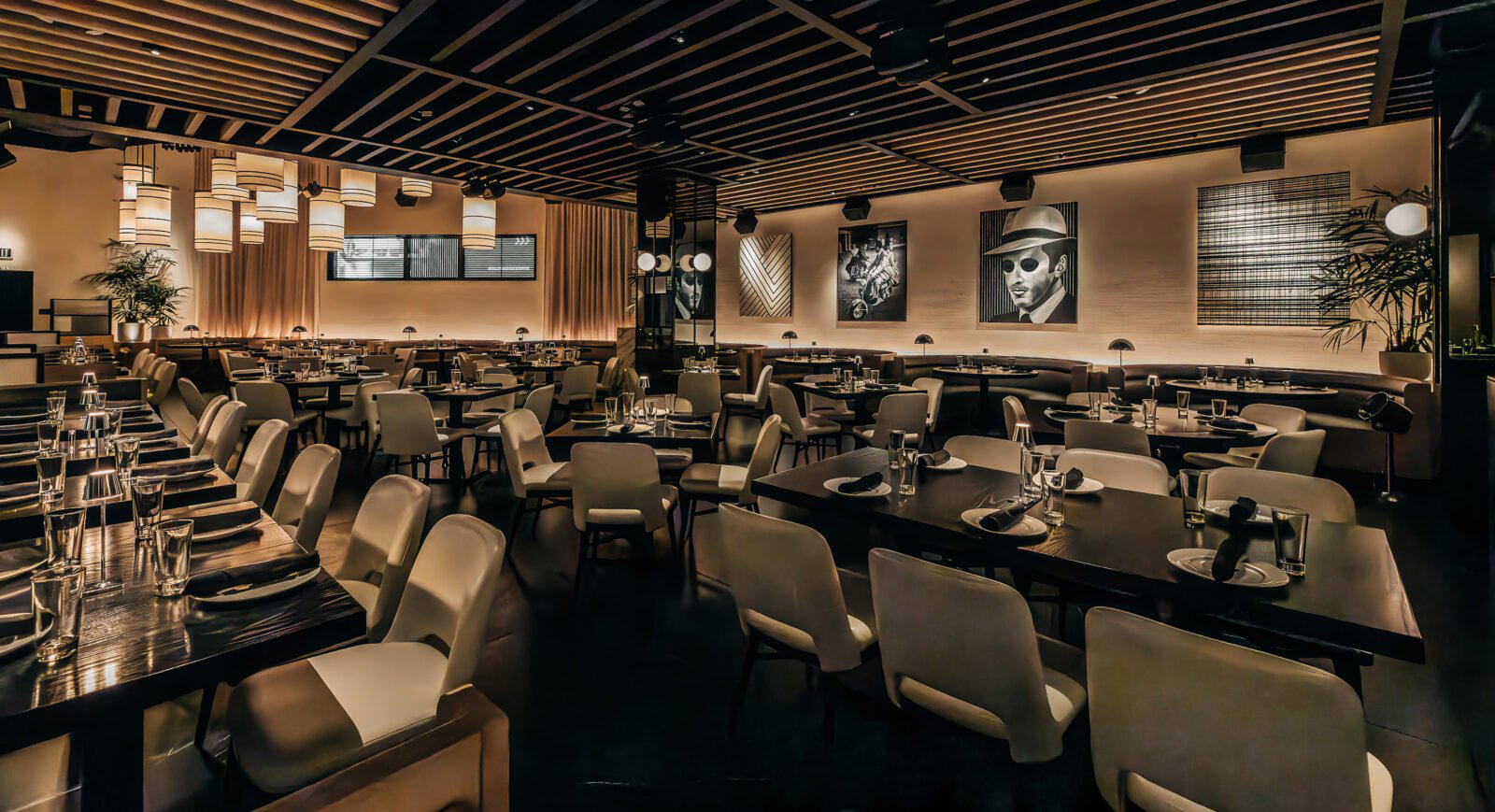
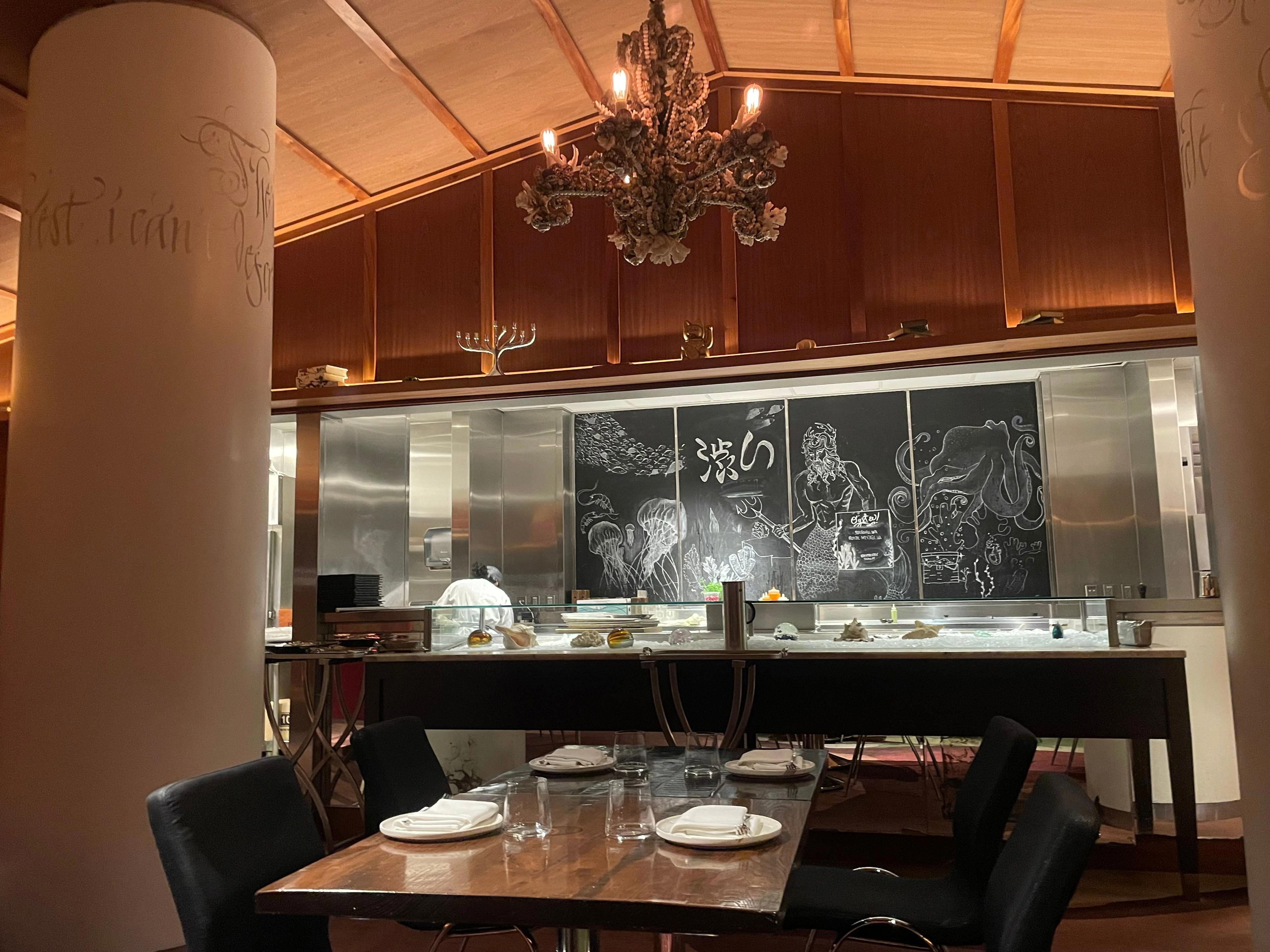
Bars in Las Vegas
Browse all →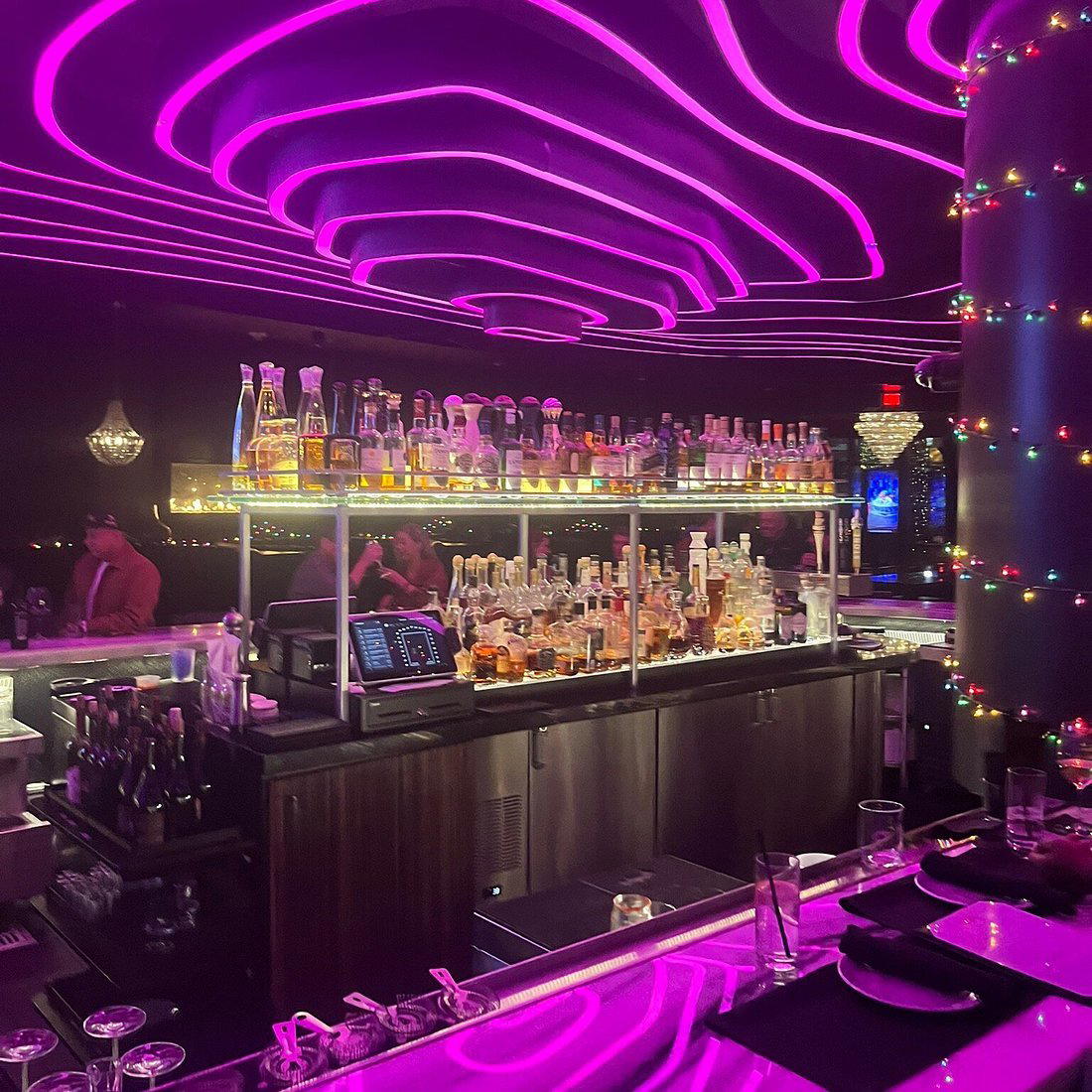
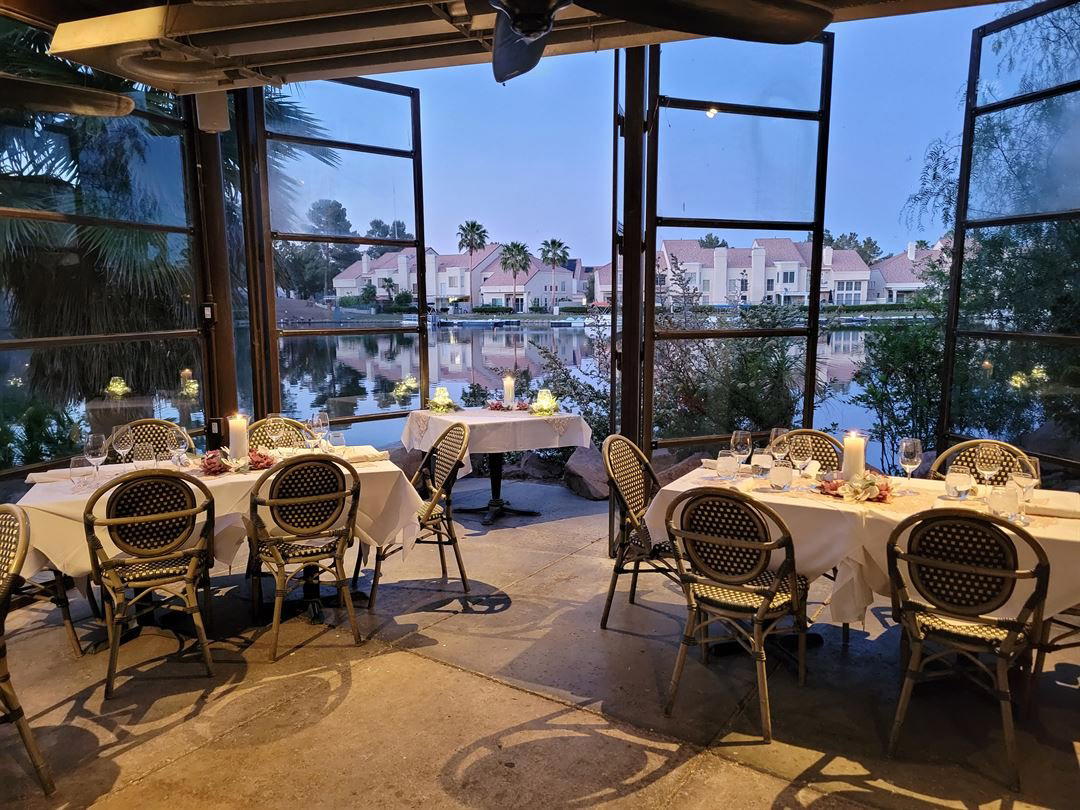
At a Glance
- Modern
- Lively
- Elegant
- Date Night
- Business Dinner
- Group Dining
- Celebration
- Open Kitchen
- Private Dining
- Extensive Wine List
- Craft Cocktails
- Local Sourcing
- Street Scene
Current opening hours
- Monday
- 11 AM–10 PM
- Tuesday
- 11 AM–10 PM
- Wednesday
- 11 AM–10 PM
- Thursday
- 11 AM–10 PM
- Friday
- 11 AM–11 PM
- Saturday
- 10 AM–3 PM, 4–11 PM
- Sunday
- 10 AM–3 PM, 4–10 PM
Hours can change for holidays and private events. Last verified .
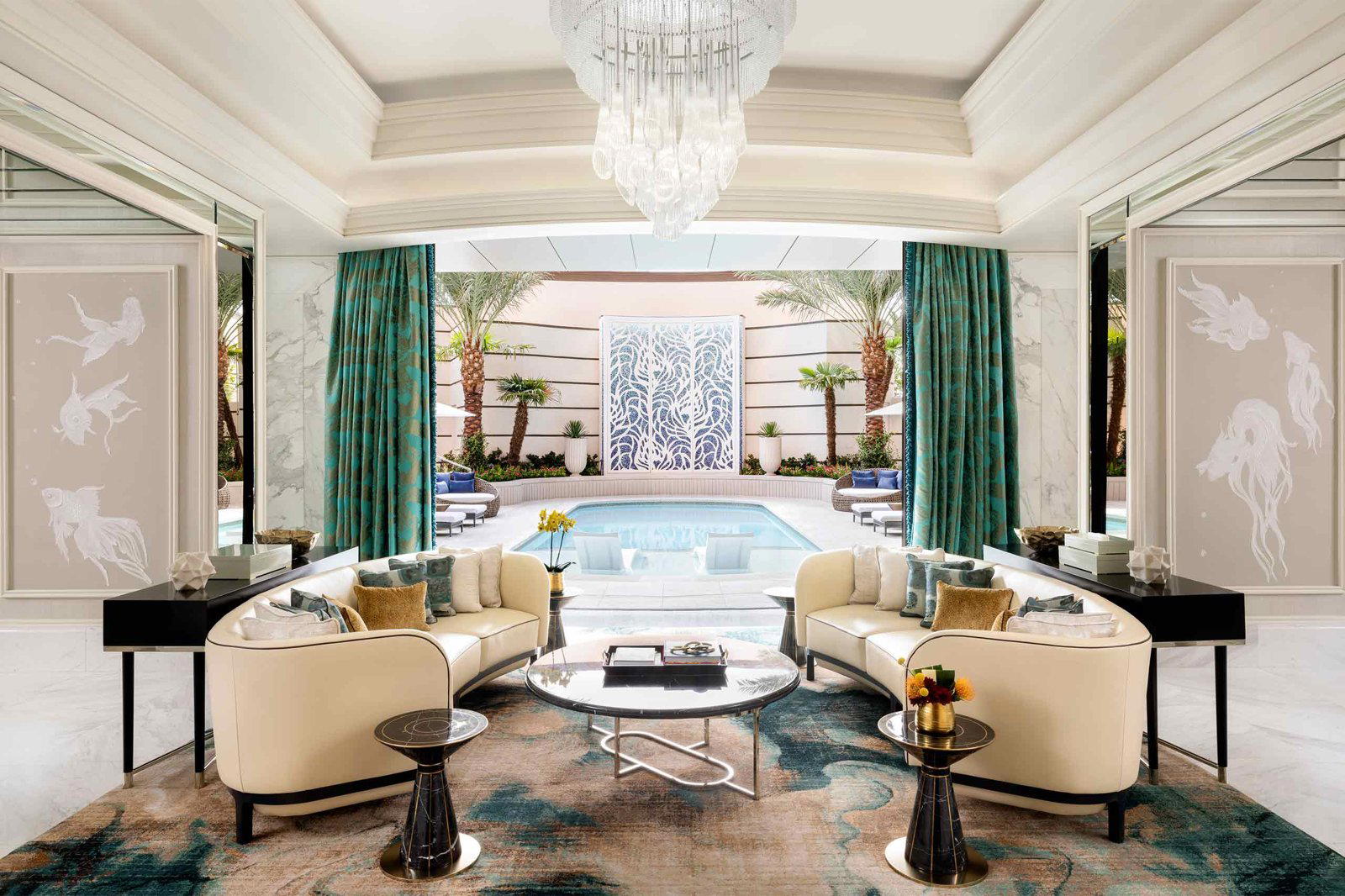
Bright and comfortable with floor-to-ceiling windows, marble flooring, open kitchen, and views of Tivoli Village.
Know Before You Go
- Getting there
- 440 S Rampart Blvd Suite 120, Las Vegas, NV 89145