Golden Steer Steakhouse Las Vegas


Wine Spectator Best of Award of Excellence · OpenTable Top 100 Restaurants
Our verdict
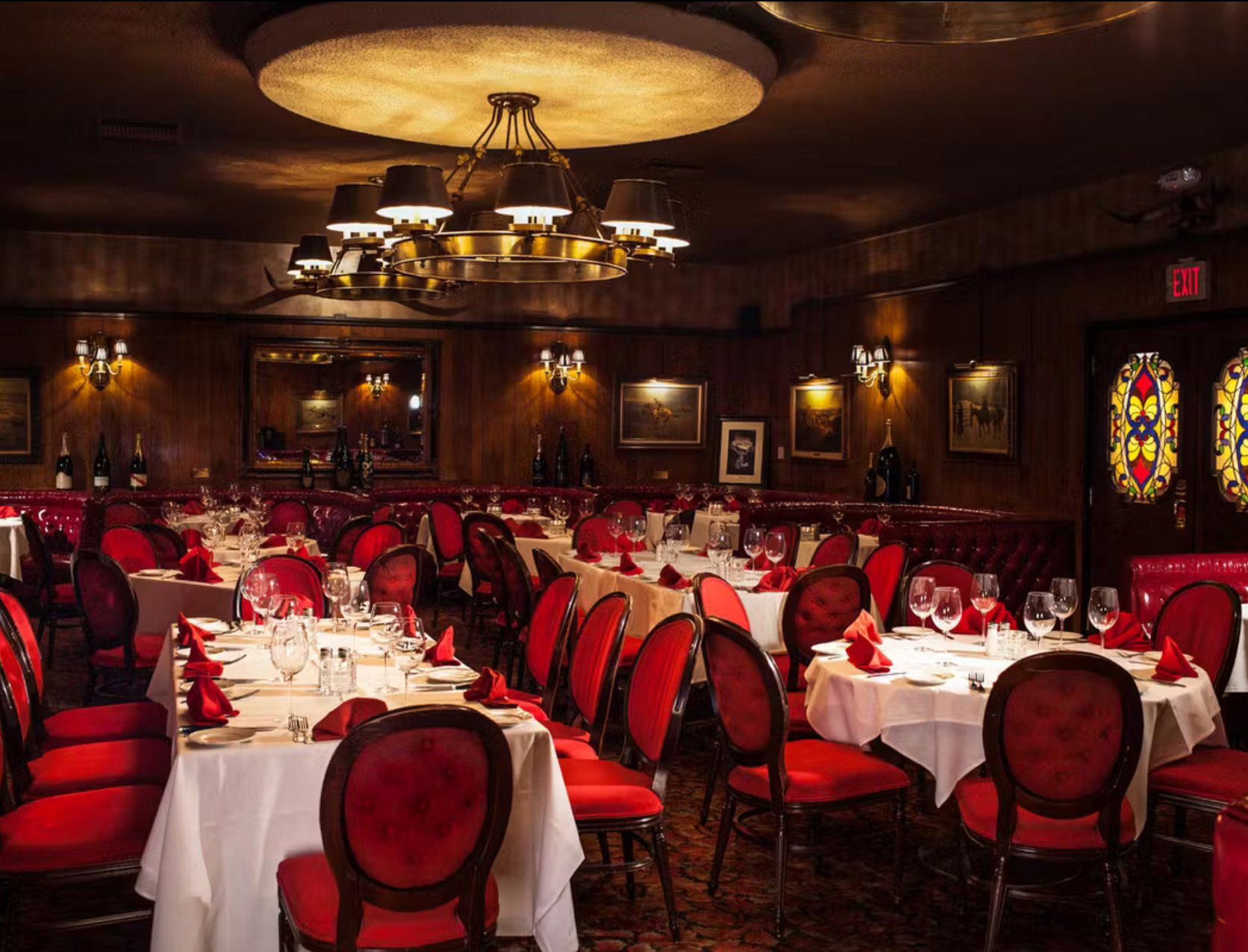
Las Vegas's oldest steakhouse, operating since 1958, the Golden Steer has outlasted the city's many reinventions without changing its formula: leather booths, dim lighting, tableside preparations, and prime-aged beef. Frank Sinatra and Elvis Presley were regulars during the Rat Pack era, and the room still carries that mid-century weight. On West Sahara, away from the Strip's churn, it represents a direct line to old Las Vegas dining culture.

Pearl is the En Primeur Club membership app, where members save venues, book tables and use the concierge.
The menu
What to order
- Tableside Caesar salad
- Prime rib
- Rib eye steak
The Room Before the Meal
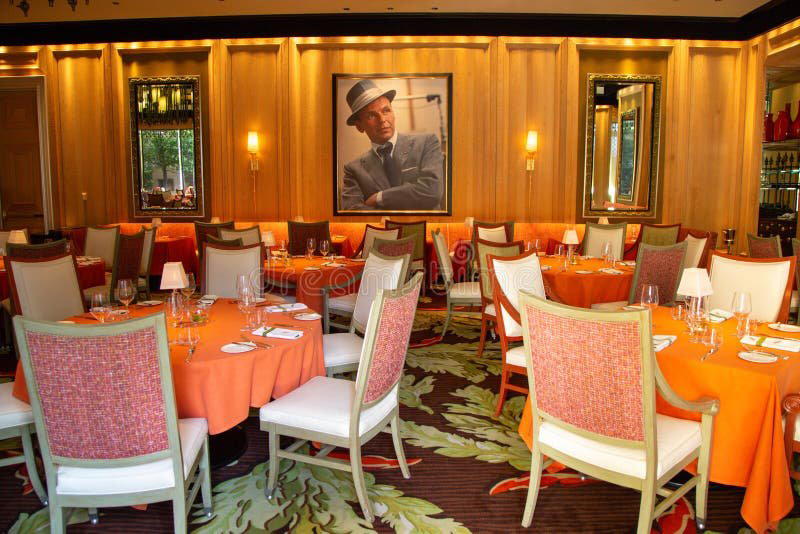
There is a particular kind of Las Vegas dining that predates the celebrity-chef boom of the 1990s, the Michelin inspectors, and the Strip's transformation into a global restaurant showcase. The Golden Steer Steakhouse, operating at 308 W Sahara Ave since 1958, belongs to that earlier order. Approaching from Sahara Avenue, away from the resort corridor, the building does not signal ambition through architecture. What you find inside is the point: deep leather booths, low light, dark wood paneling, and a stillness that the Strip's dining rooms, engineered for energy and throughput, rarely permit.
The visual vocabulary is mid-century American steakhouse without revision. Other Las Vegas restaurants from the same era were demolished or reimagined long ago. The Golden Steer kept its original room largely intact, which means it now functions as both a restaurant and a working document of how Las Vegas once ate. For context on how the broader Las Vegas dining scene has evolved around it, the EP Club Las Vegas restaurants guide maps the full range from this era forward.
The Ritual of a Classic Steakhouse Meal
The classic American steakhouse meal has its own pacing logic, and the Golden Steer follows it without irony or abbreviation. This is not the fast-format dining that dominates high-volume Las Vegas rooms. The expectation is that you arrive, settle, order cocktails, consider the menu at length, and let the meal occupy the better part of an evening. Tableside preparations, a format that reached its height in American fine dining during the 1950s and 1960s and retreated almost everywhere else, remain part of the service here. Dishes finished or carved at the table slow the meal down deliberately, making the preparation visible and the service participatory.
That ritual was familiar to the entertainers who made the Golden Steer a regular stop during the Rat Pack years. Frank Sinatra and Elvis Presley both dined here when Las Vegas's celebrity culture and its restaurant culture were tightly aligned. The booths that accommodated those regulars are physically unchanged, which gives the dining room an unusual quality: it is not themed around nostalgia, it simply never discarded the original. In a city where most dining rooms cycle on a five-to-ten-year renovation schedule, 1958 décor that has not been strategically restored reads differently from a room that was designed to look old.
Prime aged beef anchors the menu, as it has throughout the restaurant's history. Dry-aging concentrates flavor by reducing moisture content and allowing enzymatic activity to develop complexity in the muscle tissue, a process that requires both time and storage infrastructure that newer, leaner-margin operations often forgo. The Golden Steer's positioning around this format aligns it with the older tier of American steakhouse culture, where the beef program, rather than the chef's personal narrative or a multi-cuisine menu, is the central credential. Fresh seafood rounds out the menu, following the mid-century steakhouse convention of offering an alternative track for tables where not everyone wants red meat.
Where It Sits in the Las Vegas Steakhouse Tier
Las Vegas now supports one of the most concentrated steakhouse markets in the United States, spanning formats from fast-casual to long-running chef-driven programs. Bazaar Meat by Jose Andres operates at the contemporary, theatrical end of that spectrum, treating the steakhouse format as raw material for a broader tasting experience. Craftsteak approaches beef through a sourcing and technique frame informed by the modern American fine-dining tradition. The Golden Steer operates on different terms entirely: its authority comes from longevity and an unchanged format, not from credentials acquired in the current competitive cycle.
That distinction matters for how you read a meal here. You are not evaluating a chef's current program against peers. You are engaging with a restaurant that has outlasted multiple generations of Las Vegas dining, through the Rat Pack era, the corporate casino expansion of the 1980s, the celebrity-chef wave of the 1990s and 2000s, and the post-recession rebuild. Sixty-plus years of continuous operation in a city with a high attrition rate for restaurants is itself a form of data.
The location outside the resort corridor also shapes the experience. Most of Las Vegas's premium dining is embedded inside casino properties, which means the surrounding infrastructure, the noise, the gaming floor, the foot traffic, is always part of the context. The Golden Steer's standalone position on West Sahara removes that layer. The room is quieter by design and by geography, and that quiet is functional: it supports the slower pacing that the tableside-service format requires. For readers planning a broader Las Vegas itinerary, EP Club's guides to hotels, bars, and experiences cover the full city beyond the dining room.
The Wider Context: Old-Format Restaurants in New Cities
The Golden Steer's longevity places it in a category that operates differently from the restaurants that dominate current critical attention. Comparable in their historical weight and continuity, though in different cities and categories, are restaurants like Emeril's in New Orleans, which helped define a regional fine-dining identity that persists beyond its initial moment. The question for old-format restaurants is always whether the original proposition retains coherence when the context around it has changed completely. In the Golden Steer's case, the original proposition, a serious beef and seafood menu served slowly in a quiet, well-upholstered room, has aged well precisely because the rest of Las Vegas moved so far in the opposite direction.
Las Vegas dining scene has developed significant range in the decades since 1958. Japanese precision cooking is represented by venues like Aburiya Raku, high-volume international formats by Bacchanal Buffet, and classical French by Bardot Brasserie. Against that range, the Golden Steer is not competing on novelty. It is making a different argument: that the steakhouse ritual, executed without modification across six decades, still constitutes a complete evening. For readers who want to understand the distance between that argument and the current high end of American fine dining, venues like The French Laundry in Napa or Alinea in Chicago illustrate how far the form has travelled since 1958.
Planning Your Visit
Golden Steer is located at 308 W Sahara Ave, roughly a ten-minute drive from the center of the Strip. Reservations are advisable, particularly on weekends when demand from both locals and visitors tends to fill the dining room. The pacing of the meal, tableside service, a full menu spanning steaks, seafood, and classic accompaniments, means you should allow a minimum of two hours. Dress code information was not available at time of writing; given the room's character and price positioning, smart-casual is a reasonable baseline. Broader Las Vegas planning resources, including the wineries guide, are available through EP Club.
Frequently asked questions
Is Golden Steer Steakhouse Las Vegas Michelin-listed?
Golden Steer Steakhouse Las Vegas has received recognition including: Las Vegas' oldest and most iconic steakhouse, serving guests since 1958. The Golden Steer boasts a classic, old-school Vegas ambiance where legendary entertainers like Frank Sinatra and Elvis Presley once dined. Featuring rich leather booth….
What part of town is Golden Steer Steakhouse Las Vegas in?
Golden Steer Steakhouse Las Vegas is located at 308 W Sahara Ave, Las Vegas, NV 89102, Las Vegas.
What's the signature dish at Golden Steer Steakhouse Las Vegas?
The kitchen has built its reputation on aged prime steaks with tableside presentations, a format the restaurant has maintained since opening in 1958. Specific cuts and menu details are best confirmed directly with the restaurant at 308 W Sahara Ave, as the offering can vary by season and availability.
Do they take walk-ins at Golden Steer Steakhouse Las Vegas?
Walk-ins are possible, but the Golden Steer's status as Las Vegas' oldest operating steakhouse draws steady demand, particularly on weekends. A reservation is the safer approach if you have a set time in mind.
What is Golden Steer Steakhouse Las Vegas known for?
Operating continuously since 1958 at 308 W Sahara Ave, the Golden Steer holds a documented place in Las Vegas dining history as the city's oldest steakhouse. Frank Sinatra and Elvis Presley were among its regulars, and the room retains its original character: leather booths, dim lighting, and tableside service that predates the Strip's celebrity-chef era by decades.
Cuisine and Recognition
| Venue | Cuisine | Price | Awards | Notes |
|---|---|---|---|---|
| Golden Steer Steakhouse Las VegasThis venue (the venue you are viewing) | Classic Las Vegas Steakhouse | $100–150 | Wine Spectator Best of Award of Excellence · OpenTable Top 100 Restaurants | Not listed |
| Aburiya Raku | Japanese | Not listed | Not listed | Not listed |
| Bacchanal Buffet | Global Buffet | $100–150 | Not listed | International |
| Bardot Brasserie | Modern French Brasserie | $50–100 | Wine Spectator Best of Award of Excellence | French |
| Bazaar Meat by Jose Andres | Modern Meat-Centric Fine Dining | $200–300 | Star Wine List · Wine Spectator Best of Award of Excellence | Steakhouse |
| Blue Ribbon Sushi Bar & Grill | Japanese Sushi Bar & Grill | $50–100 | Not listed | Japanese |
Recognition history
Dated appearances from independent guides and award organizations, with the underlying list record or original source where available.
Wine Spectator Best of Award of Excellence
Wine Spectator
OpenTable Top 100 Restaurants
OpenTable