Peter Luger Steak House

The Las Vegas outpost of the Brooklyn institution brings Peter Luger's cash-only, dry-aged beef tradition to the Strip's Caesars Palace complex. Inside a city where steakhouse competition runs from celebrity chef empires to Japanese wagyu specialists, the Luger format holds its ground through method rather than novelty — aged in-house, served simply, priced accordingly.
Pearl is the En Primeur Club membership app — saves, bookings, and concierge access live there. Same editors, same standards.
- Address
- Caesars Palace, 3570 S Las Vegas Blvd, Las Vegas, NV 89109
- Phone
- +17027317267
- Website
- caesars.com
- Directions
- Get directions
 Saves & bookings on Pearl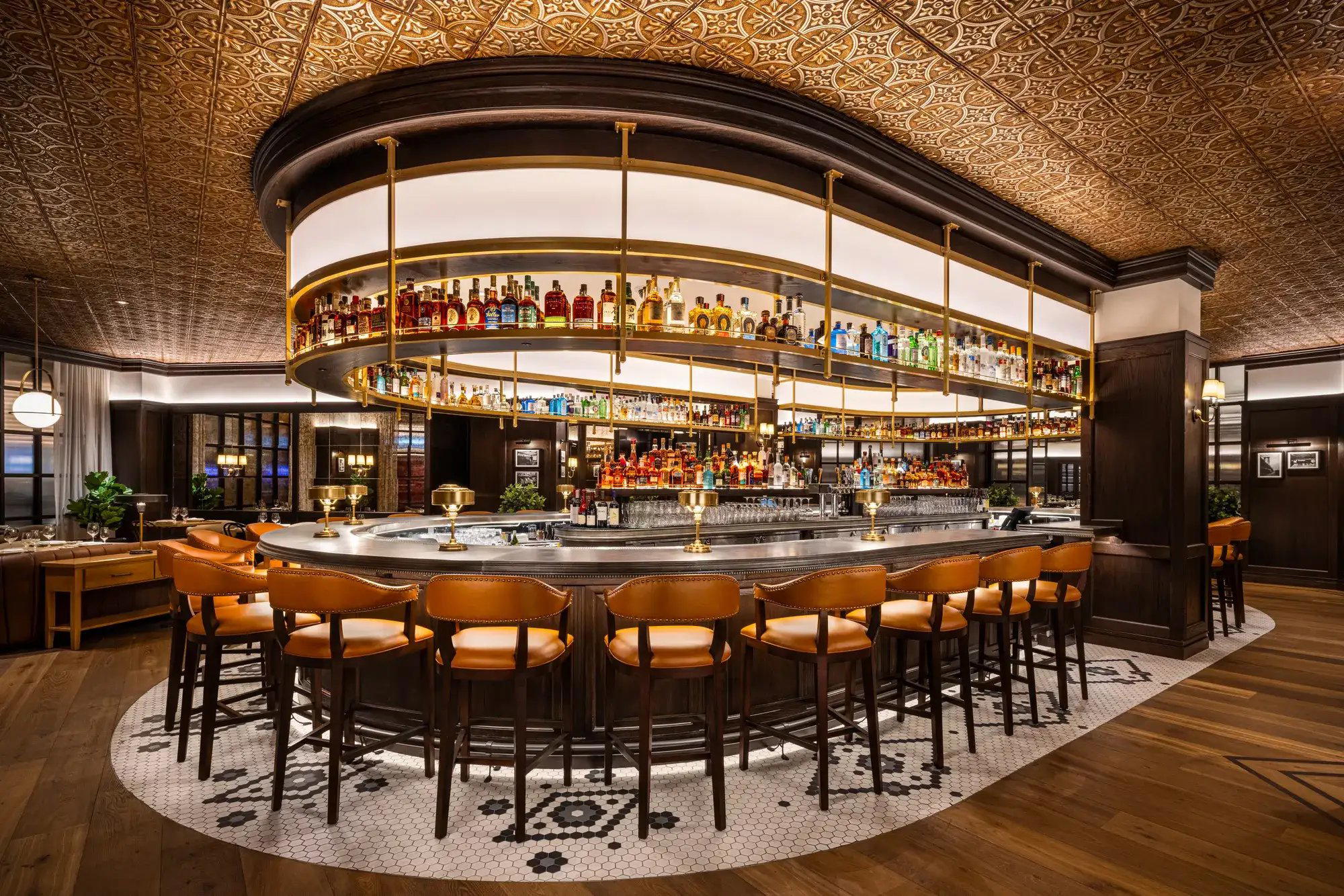
A Brooklyn Export on the Strip
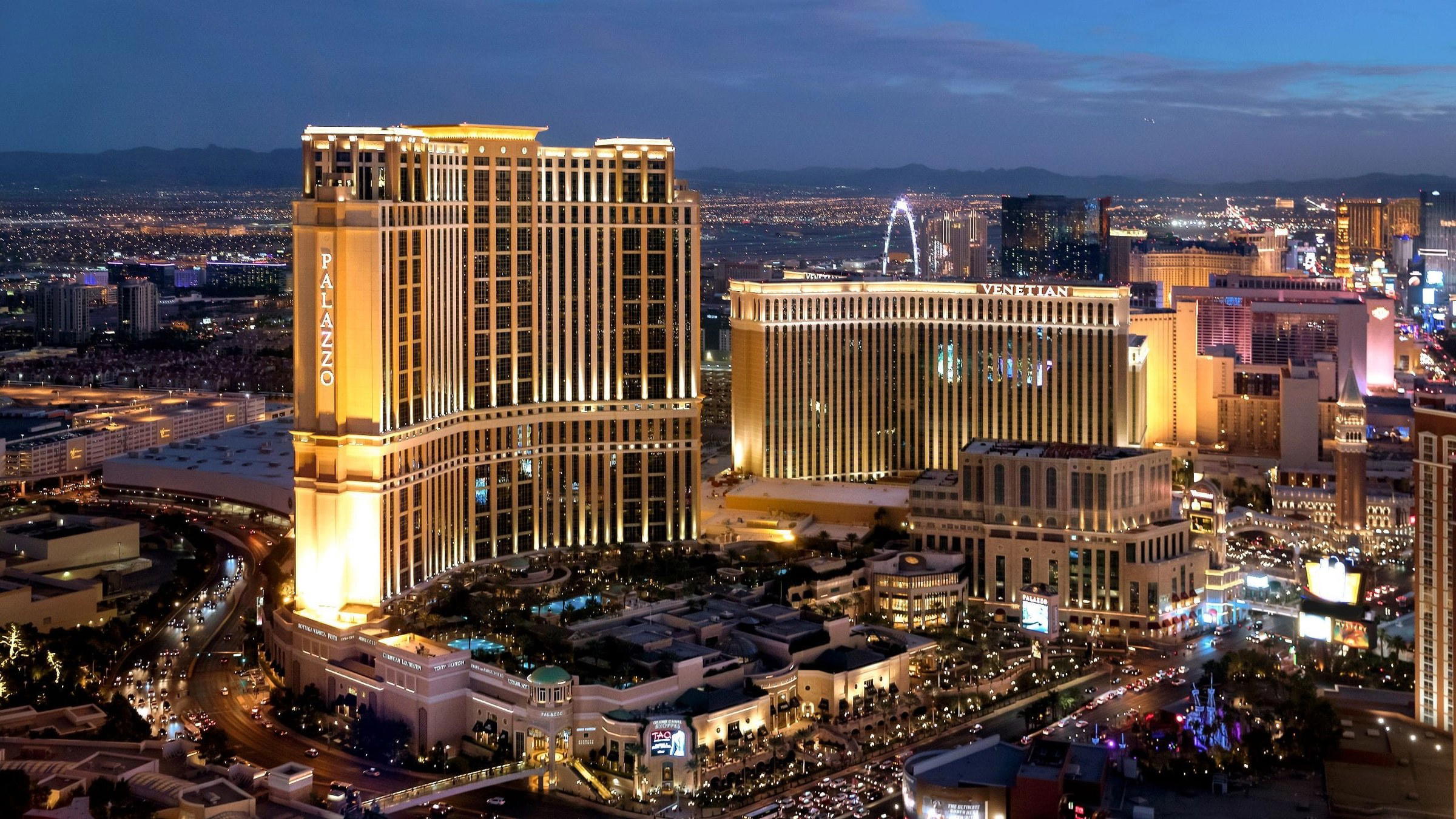
Las Vegas has long operated as a proving ground for exported restaurant identities. The Strip's major casino floors read like a map of American and international dining institutions transplanted into climate-controlled corridors — and Peter Luger Steak House, occupying space within Caesars Palace at 3570 S Las Vegas Blvd, fits that pattern precisely. The original Williamsburg location opened in 1887, and its reputation for dry-aged porterhouse served without ceremony or credit cards became the reference point against which a generation of American steakhouses measured itself. The Las Vegas address carries that institutional weight into a very different competitive environment.
Arriving at Caesars Palace, the broader context is worth understanding before you reach the restaurant door. The complex houses multiple dining formats across a wide price tier, from buffet-scale operations to tasting-menu destinations. Steakhouse competition on the Strip is among the densest of any American city: Craftsteak anchors the MGM Grand with a farm-to-table American beef program, while Bazaar Meat by Jose Andres imports a high-technique, theatrical approach to the format.
The Dry-Aging Tradition and What It Signals
American steakhouse culture has bifurcated over the past two decades. One branch moved toward global sourcing — Japanese wagyu, Australian Angus, breed-specific traceable cattle, and elaborate preparation methods that frame beef as a technical canvas. The other branch held to the dry-aging, USDA prime, simple accompaniments format that defined the classic New York chophouse. Peter Luger belongs emphatically to the second tradition. The house selects and ages its own beef, a practice that places significant operational weight on procurement rather than on kitchen technique, and that positions the beef itself as the primary argument.
Dry aging is a process that concentrates flavour through moisture loss and enzymatic breakdown over weeks of controlled storage. At the institutional level Peter Luger operates, it requires consistent beef supply, dedicated aging infrastructure, and quality control that most restaurants outsource to their suppliers. The format signals a particular set of priorities: that the product before it reaches the kitchen matters as much as what happens to it after. This is the same logic that runs through sourcing-led American restaurants like Blue Hill at Stone Barns and Single Thread Farm in Healdsburg, even if the menu expression is entirely different. The underlying conviction, that method applied to raw material outranks technique applied to commodity product, is shared across otherwise very different restaurant philosophies.
Las Vegas Steakhouse Competition in Context
The editorial question for any transplanted institution is whether it carries its original logic into the new context, or whether it adapts. Peter Luger has historically resisted adaptation: no credit cards in Brooklyn, no tasting menus, no rotating seasonal concepts. The Las Vegas location inherits that identity, which creates a specific kind of tension in a market that rewards novelty and scale. On the Strip, dining decisions compete against entertainment spending, and the restaurants that sustain themselves tend to offer either spectacle or an instantly legible brand proposition. Peter Luger's proposition is the latter: you know exactly what you are getting before you walk in.
Craftsteak applies a farm-sourcing framework to the American chophouse format. International formats, Korean BBQ at 777 Korean Restaurant, or the cross-category experimentation visible at venues like A Different Beast, represent the format's outer edges. Peter Luger sits at the institutional centre: a recognisable methodology executed at scale, in a city that generally rewards exactly that kind of legibility.
For context on where the broader American fine dining conversation is heading, venues like Alinea in Chicago, Le Bernardin in New York City, and The French Laundry in Napa represent the technique-forward pole. Providence in Los Angeles, Addison in San Diego, and Atomix in New York City reflect how global technique and local identity can merge at the upper tier. The steakhouse tradition Peter Luger represents predates and runs parallel to all of that, its authority comes from institutional age and method consistency, not from technique innovation. Lazy Bear in San Francisco, Emeril's in New Orleans, and The Inn at Little Washington each demonstrate how American regional identity can anchor a dining program. Peter Luger's version of that is more compressed: the identity is the beef, the aging process, and the format itself.
Who This Works For
Peter Luger Las Vegas makes most sense for two types of diner. The first is someone with direct experience of the Brooklyn original who wants to assess how the transplanted version holds up. The second is a visitor who wants a known quantity in a city full of options: a format that has operated for well over a century and whose priorities are non-negotiable. For readers who want something more exploratory within the Las Vegas dining scene, 108 Eats or 18bin offer different entry points into the city's less-visited dining registers. Our full Las Vegas restaurants guide maps the broader field across all cuisine types and price points. For globally minded diners curious how the steakhouse format translates across cultures, 8 1/2 Otto e Mezzo Bombana in Hong Kong offers an instructive counterpoint in how European culinary tradition travels into very different urban contexts.
Know Before You Go
- Location: Caesars Palace, 3570 S Las Vegas Blvd, Las Vegas, NV 89109
- Getting There: Caesars Palace sits mid-Strip between Flamingo Road and Harmon Avenue, accessible by taxi, rideshare, or the Las Vegas Monorail (Harrah's/The LINQ station is the nearest stop, roughly a 10-minute walk).
- Booking: Verify reservation requirements directly with Caesars Palace concierge or the restaurant; the Brooklyn original is known for requiring reservations weeks in advance, and Las Vegas demand at a casino hotel setting warrants early planning.
- Payment: The original Brooklyn location operates on a cash-and-house-account-only policy, confirm current Las Vegas payment policies before arrival, as casino hotel settings sometimes operate under different terms.
- Leading timing: Weeknight visits tend to carry lighter ambient noise than weekend evenings, when the Caesars Palace complex reaches peak foot traffic from entertainment events.
- Peer comparison: If comparing against other Strip steakhouses, note that Peter Luger's format is intentionally classic; those seeking interactive or multi-format beef service should also consider Craftsteak as a contrasting option within the same tier.
Recognition history
Dated appearances from independent guides and award organizations, with the underlying list record or original source where available.
Wine Spectator Best of Award of Excellence
Wine Spectator
Continue exploring
More in Las Vegas
Restaurants in Las Vegas
Browse all →
Bars in Las Vegas
Browse all →
At a Glance
- Classic
- Elegant
- Well Known
- Sophisticated
- Business Dinner
- Celebration
- Special Occasion
- Group Dining
- Private Dining
- Hotel Restaurant
- Extensive Wine List
- Beer Program
Current opening hours
- Monday
- 5–10 PM
- Tuesday
- 5–10 PM
- Wednesday
- 11:30 AM–10 PM
- Thursday
- 11:30 AM–10 PM
- Friday
- 11:30 AM–10 PM
- Saturday
- 11:30 AM–10 PM
- Sunday
- 11:30 AM–10 PM
Hours can change for holidays and private events. Last verified .
Old-world charm with warm oak-accented interiors, leather seating, and a sophisticated yet nostalgic atmosphere evoking classic New York steakhouse elegance.
Know Before You Go
- Getting there
- Caesars Palace, 3570 S Las Vegas Blvd, Las Vegas, NV 89109