
Tabelog 100 #34
Our verdict
Echigoya Wakasa belongs to Tokyo’s quieter wagashi tradition, where craft is measured by restraint, seasonality, and the discipline of takeaway service rather than dining-room theater. Its Tabelog 100 selection for Japanese traditional sweets and cafe featuring Japanese sweets in Tokyo in 2023 places it among a focused group of shops that treat confectionery as serious culinary work.

Pearl is the En Primeur Club membership app, where members save venues, book tables and use the concierge.
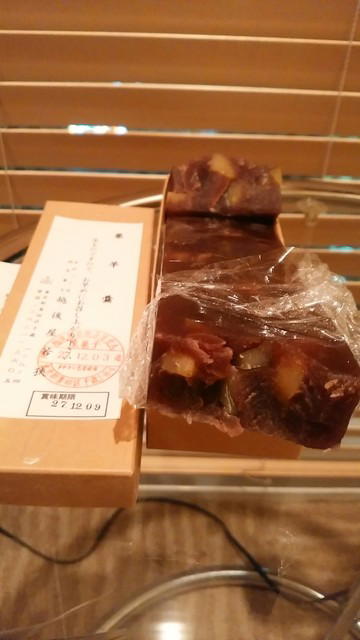
Approaching Echigoya Wakasa in Tokyo for wagashi changes the city’s eating rhythm. The cues are smaller: a focused shopfront, a pause before choosing, and the quiet expectation that sweets are selected with purpose and carried away or shared at the right moment. Echigoya Wakasa belongs to the older grammar of Japanese confectionery, where the experience is built less around a long meal than around precision, seasonality, packaging, and timing.
That format matters. Tokyo’s high-end dining conversation often bends toward counters, tasting menus, and international awards, yet wagashi follows a different clock. The category is tied to tea, gift culture, seasonal motifs, and the line between everyday purchase and formal presentation. A shop recognized in Tabelog Hyakumeiten for Japanese traditional sweets in Tokyo 2023 is judged within that specialist field, not against sushi counters or kaiseki rooms. The signal is narrower and more useful: this is for readers who care about Japanese sweets as craft, not dessert afterthought.
Tokyo wagashi without dining-room theater
The sensory register is intentionally compressed. In a specialist wagashi shop, the room is not the whole performance; the object is. Silence, wrapping, and quick decision-making can shape the atmosphere as much as display or service. The point is not a visual-content stop dressed as tradition, but a sweets counter where restraint and focus help carry the experience.
That restraint separates the genre from Tokyo’s camera-forward cafe culture. Other Tokyo dessert rooms may answer a different urban appetite, where interiors or spectacle drive first impression. Wagashi houses work the other way. Their authority comes from disciplined form, calibrated sweetness, and seasonal codes carried through tea culture and gift exchange. The shop name matters less than the category lesson: Tokyo still supports sweets specialists whose seriousness is expressed through limits.
The price signal also sits outside luxury-restaurant inflation. A listed spend of - JPY 999 View spending breakdown places it near the accessible end of a Tokyo itinerary, but that should not read as casualness. In Japan, modest pricing and formal craft often coexist. The better comparison is not a cheap snack, but another compact specialist stop delivering a complete culinary point without a long meal. For that focused Tokyo eating, readers might also look at noodle specialist Teuchi Ren, where budget does not erase category focus.
Why the Tabelog 100 signal matters for sweets
Tabelog’s Hyakumeiten lists are especially useful where international guides offer thin coverage. Wagashi gets less English-language attention than sushi, tempura, yakitori, or modern dining, so a Tokyo sweets selection gives travelers a local framework for separating serious shops from casual dessert stops. Echigoya Wakasa’s inclusion in the 2023 Japanese traditional sweets list, with a listed score of 3.70, gives it a clear signal in a field that rewards consistency rather than novelty.
That distinction matters because Tokyo planning can be distorted by tasting-menu gravity. A full day might run through unnamed counters, casual specialists, and larger dinner reservations. Wagashi reshapes that day. It asks for a morning or afternoon errand rather than necessarily taking a dinner slot, and it adds a distinctly Japanese register of sweetness between larger meals.
Compared with the broader Tokyo peer group supplied by casual specialists such as Tsuki to Kame or mid-priced names such as Hasegawa, this shop’s category is unusually narrow. It does not compete by range, but by focus. At the city’s higher price end, Aigamo Ippin Toriyasu sits in a richer dining bracket; that contrast clarifies the point. Tokyo’s serious food culture is arranged not only by cost, but by how rigorously a venue commits to its lane.
How to fit it into a Tokyo food day
For a traveler building a Tokyo itinerary, this stop works between larger commitments. Tokyo carries many textures at once: polished dining rooms, everyday counters, specialist shops, and older food trades that still reward close attention. That context suits wagashi. The purchase can be brief; the cultural value is not. Traditional sweets help Tokyo mark seasons, host guests, and turn small gifts into social language.
Because the format is compact, pair it with a wider city plan rather than treating it as a full meal. The broader city guide at Our full Tokyo restaurants guide can build the eating day around it, while Our full Tokyo hotels guide helps decide whether the area makes sense as a base or detour. Drinks-led planning belongs elsewhere: Our full Tokyo bars guide covers the evening, and Our full Tokyo experiences guide better frames tea, craft, and cultural programming around a sweets stop.
The wider Japanese map also explains the category. Regional eating can be similarly precise in different forms, from sweets specialists and noodle counters to casual dining rooms, tea-focused stops, and compact venues built around a single idea. Even outside Japan, the same interest in narrow Japanese formats appears wherever focused craft matters more than scale or spectacle.
Tokyo also has categories that matter more to residents than visitors at first glance. Wagashi is one. Echigoya Wakasa rewards the traveler who understands that the city’s food intelligence is not confined to dinner reservations, chef counters, or wine pairings. Sometimes the sharper Tokyo move is a small box of sweets, handled formally, eaten at the right moment, and remembered as a lesson in proportion. For wine-country planning in the same city index, Our full Tokyo wineries guide sits in a separate lane, but the editorial principle is similar: look for categories where specialization, not scale, tells the story.
Category Peers
Comparable venues by cuisine and category.
| Venue | Cuisine | Price | Awards | Notes |
|---|---|---|---|---|
| Echigoya WakasaThis venue (the venue you are viewing) | Traditional Japanese Sweets | $1–10 | Tabelog 100 #34 | Not listed |
| Asakusa Naniwaya | Traditional Japanese taiyaki & kakigori café | $10–20 | Tabelog 100 #54 | Taitō |
| Kagawa Ippuku Kanda ten | Sanuki udon & curry udon | $10–20 | Tabelog 100 #45 | Chiyoda |
| Takeya | Udon & Izakaya | $10–20 | Tabelog 100 #100 | Bunkyō |
| TOKYO LIGHT BLUE HONGO-3 | Standing Sanuki udon & tempura | $1–10 | Tabelog 100 #33 | Bunkyō |
| Oniyanma Higashishinagawa ten | Sanuki-style udon noodle shop | $1–10 | Tabelog 100 #92 | Shinagawa |
Recognition history
Dated appearances from independent guides and award organizations, with the underlying list record or original source where available.
Tabelog 100 #34 · No. 34
Tabelog · Tabelog 100 - Japanese traditional sweets / Japanese sweets cafe - TOKYO - 2023
Continue exploring
More in Tokyo
Restaurants in Tokyo
All restaurants in Tokyo →




Details
- Classic
- Quiet
- Cozy
- Solo
- Casual Hangout
- Standalone
- A La Carte
Current opening hours
- Monday
- 10 AM–5 PM
- Tuesday
- 10 AM–5 PM
- Wednesday
- 10 AM–5 PM
- Thursday
- 10 AM–5 PM
- Friday
- 10 AM–5 PM
- Saturday
- 10 AM–5 PM
- Sunday
- Closed
Hours can change for holidays and private events. Hours as of .
A calm, traditional wagashi shop atmosphere with a relaxing space and a quiet, no-smoking setting.