Kobe An LoHi
Kobe An LoHi occupies a distinct position in Denver's LoHi neighbourhood, where Japanese dining traditions meet a bar-forward, neighbourhood-scale format. Set on Osage Street in one of the city's most active dining corridors, it draws a crowd that moves between ramen counters and cocktail-led evenings without much ceremony. The address places it within walking distance of several of Denver's more serious dining destinations.
Pearl is the En Primeur Club membership app — saves, bookings, and concierge access live there. Same editors, same standards.
- Address
- 3400 Osage St, Denver, CO 80211
- Phone
- +13032846342
- Website
- kobeandenver.com
- Directions
- Get directions
 Saves & bookings on Pearl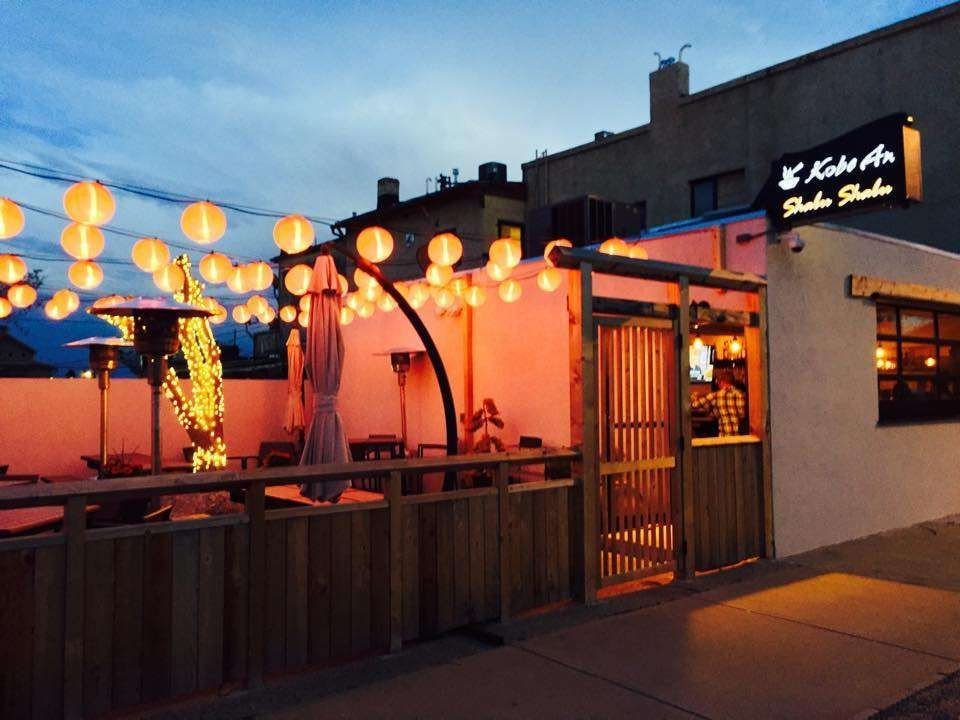
LoHi's Japanese Dining Register
Denver's Lower Highlands neighbourhood has settled into a clear identity over the past decade: walkable blocks, a density of independent restaurants, and a crowd that treats dining out as a nightly ritual rather than an occasion. Within that context, Japanese concepts occupy a specific tier, less formal than the omakase counters that have proliferated in RiNo and Cherry Creek, more considered than the ramen chains that anchor food halls. Kobe An LoHi is a Japanese restaurant in Denver's Lower Highlands, at 3400 Osage St, with a recommended reservation policy and a price tier around $60 per person. Kobe An LoHi, at 3400 Osage Street, sits in that middle register, where the room and the menu carry cultural specificity without demanding ceremony from the guest.
That positioning matters in a city where the Japanese dining category has fragmented significantly. Denver now supports everything from stripped-back izakaya formats to tasting-counter experiences that price against peers in coastal markets. The LoHi address keeps Kobe An at street level, both literally and socially, in a neighbourhood where the ambient energy on a Thursday night rivals what you'd find in comparable blocks in Portland or Austin. The Osage Street corridor in particular has become a reliable indicator of where Denver's independent dining culture is concentrating its energy.
The Cultural Architecture of the Japanese Pub
To understand what a venue like Kobe An LoHi is doing, it helps to understand what the izakaya format historically represents. In Japan, the izakaya functions as a decompression chamber between work and home, a place built around small plates, rotating sake lists, and a social contract that prizes ease over performance. It is not a restaurant in the Western sense, where a meal has a defined beginning and end. It is a session format, designed to stretch across hours and conversations without the structural pressure of a tasting menu or the formality of a prix fixe.
That cultural logic travels imperfectly to American cities, where the format often gets flattened into something closer to a Japanese-inflected bar or a small-plates concept with a sake list appended as an afterthought. The better izakaya-adjacent venues in U.S. cities, and Denver has developed a few, maintain the session character of the original format while adapting the drink program to local palate expectations.
Denver's broader dining scene offers useful comparison points. The city's most ambitious contemporary restaurants, places like Brutø and The Wolf's Tailor, represent one pole of the market. At the other end, accessible neighbourhood anchors like Alma Fonda Fina demonstrate that cultural specificity and neighbourhood pricing can coexist without compromise. Kobe An LoHi's Osage Street location places it closer to that second model, embedded in a residential grid rather than a destination dining block.
What LoHi Asks of Its Restaurants
The Lower Highlands imposes particular demands on its dining establishments. The neighbourhood's residents skew younger, move between venues in a single evening, and have developed a preference for formats that reward return visits rather than singular occasions. A restaurant that works in LoHi tends to have a bar program substantial enough to anchor the early part of an evening, a food menu that holds up to grazing across multiple visits, and a room that doesn't require reservation discipline on a weeknight.
Japanese concepts that succeed in similar neighbourhood contexts in other American cities, think of how izakaya-format venues have embedded themselves in Portland's inner southeast or Chicago's Wicker Park, tend to anchor on a combination of approachability and specificity. The food needs enough cultural grounding to distinguish itself from generic Asian-fusion formats, while the format needs enough flexibility to function as both a dinner destination and a late-night drinks spot. Denver's dining culture, which has matured considerably since the early 2010s when the city's restaurant scene was largely defined by steakhouses and casual Mexican, now supports that kind of nuanced positioning.
For broader context on how Denver's neighbourhood dining corridors compare to the established benchmarks of American fine dining, Le Bernardin in New York City, The French Laundry in Napa, or Alinea in Chicago, the distance is significant, and deliberately so. LoHi's value as a dining neighbourhood lies precisely in its resistance to that kind of destination gravity. The restaurants here work because they belong to the block, not despite it. Other serious American dining rooms operating at different scales and formats, from Blue Hill at Stone Barns in Tarrytown to Providence in Los Angeles, demonstrate what stronger examples from the market looks like; LoHi's restaurants are making a different argument entirely.
Placing Kobe An in Denver's Japanese Category
Denver's Japanese dining options have expanded and differentiated over the past five years. Omakase formats have arrived in Cherry Creek and RiNo, priced at levels that align with comparable counters in Seattle or San Francisco. Ramen has consolidated into a handful of serious operators who source broth components with the same attention that farm-to-table New American places give to protein sourcing. In that context, a venue operating in LoHi with a Japanese identity occupies a specific niche: the neighbourhood dining anchor that carries cultural depth without the price point or booking friction of the destination category.
It is worth noting that Denver's contemporary restaurants, Beckon and Annette among them, have built their reputations through a clearly articulated culinary point of view. The Japanese dining category in Denver has not yet produced a venue at that recognition level, which leaves the field relatively open for a concept that can combine cultural authenticity with the neighbourhood accessibility that LoHi demands.
Internationally, the izakaya format has produced particularly notable Japanese dining outside Japan. Atomix in New York City represents one sophisticated evolution of Korean fine dining that parallels what serious Japanese concepts have achieved at the summit of the American market. Closer to the izakaya's cultural roots, venues like 8 1/2 Otto e Mezzo Bombana in Hong Kong show how Asian dining cities sustain multiple tiers simultaneously. Denver is building toward a similar layering, and LoHi is where the neighbourhood-scale tier of that structure is taking shape.
Planning Your Visit
The restaurant is located at 3400 Osage Street in Denver's Lower Highlands, within walking distance of several other notable independent restaurants on the LoHi dining corridor. The neighbourhood is accessible by car with street parking typically available on surrounding blocks, and the Osage Street address is a short ride from downtown Denver. For visitors using the city's broader dining scene as an anchor, LoHi sits northwest of the central business district, approximately ten to fifteen minutes from Union Station depending on traffic. Given the neighbourhood's format, the venue functions well as an early stop in a longer evening, with the surrounding blocks offering options for drinks before or after.
Price and Recognition
Comparable venues nearby, for context on price, style, and recognition.
| Venue | Cuisine | Price | Notes |
|---|---|---|---|
| Kobe An LoHiThis venue — the venue you are viewing | Not listed | $$$ | Not listed |
| KUMOYA | Not listed | $$$ | Highland, Modern Japanese Kappo and Sushi |
| Izakaya Den | Platt Park, Modern Japanese Izakaya | $$$ | Not listed |
| Fontana Sushi | Speer, Japanese Sushi | $$ | Not listed |
| Banzai Sushi | Not listed | $$ | Washington Virginia Vale, Japanese Sushi with 100 Rolls |
| Jax Fish House & Oyster Bar | LoDo, Sustainable Seafood & Oyster Bar | $$$ | Not listed |
Continue exploring
More in Denver
Restaurants in Denver
Browse all →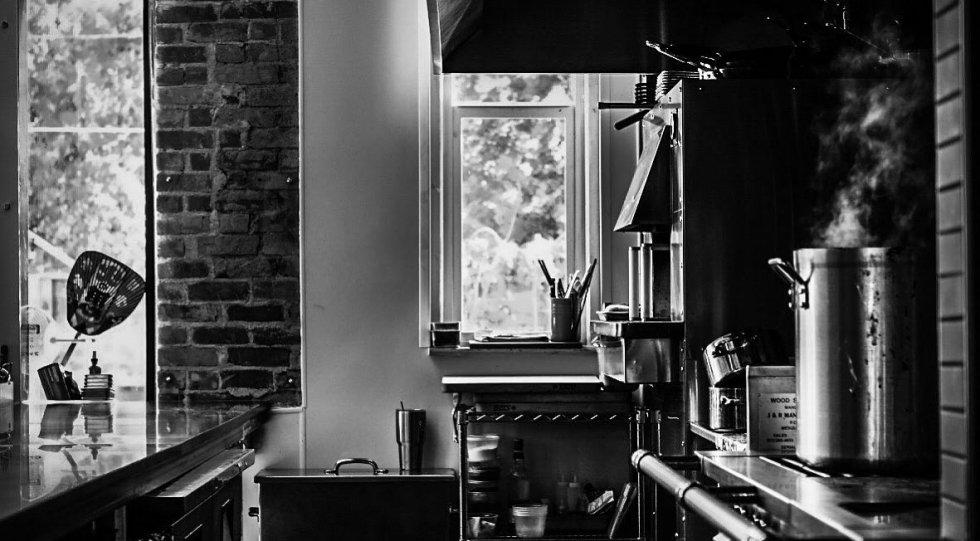
Bars in Denver
Browse all →
Hotels in Denver
Browse all →
At a Glance
- Cozy
- Intimate
- Trendy
- Date Night
- Group Dining
- Special Occasion
- Open Kitchen
- Sake Program
- Craft Cocktails
Current opening hours
- Monday
- 4:30–9:30 PM
- Tuesday
- 4:30–9:30 PM
- Wednesday
- 4:30–9:30 PM
- Thursday
- 4:30–9:30 PM
- Friday
- 4:30–10 PM
- Saturday
- 4:30–10 PM
- Sunday
- Closed
Hours can change for holidays and private events. Last verified .
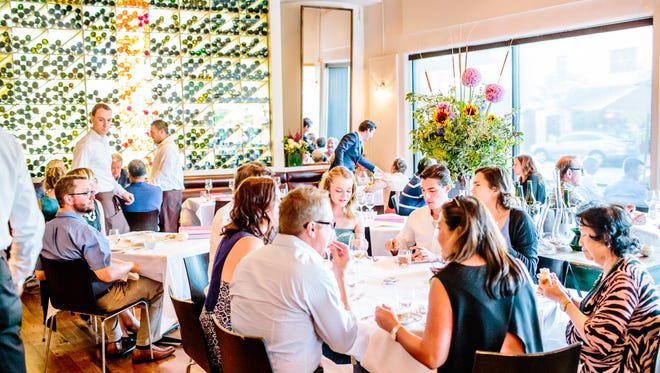
Cozy and quaint atmosphere ideal for an authentic Japanese dining experience with table-side hot pot cooking.