Lerchner's In Runggen

Lerchner's In Runggen in St. Lorenzen serves Traditional South Tyrolean cuisine rooted in local farms. Must-try dishes include geröstl (grilled beef and pork with potatoes, onions and speck), tirtlan rye pancakes and the house apple strudel. Executive Chef Johannes Lerchner highlights seasonal produce and house-made pasta while the on-site family farm supplies the beef. Staff wear regional costume and the wine list focuses on Alto Adige vintages. Noted in the Michelin Guide, Lerchner's In Runggen combines rustic character with careful technique for a warm, appetite-driven dining experience.
Pearl is the En Primeur Club membership app — saves, bookings, and concierge access live there. Same editors, same standards.
- Address
- Runggen/Ronchi, 3A, 39030 San Lorenzo di Sebato BZ, Italy
- Phone
- +39 348 351 1865
- Website
- lerchners.it
- Directions
- Get directions
 Saves & bookings on Pearl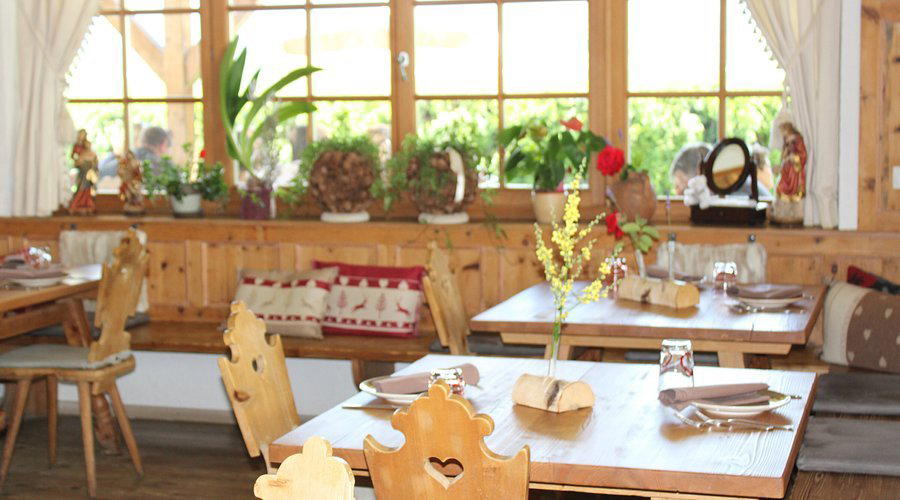
Where the Farm Meets the Table in the Puster Valley
The road into Runggen rises through meadows that, depending on the season, are either deep green or blanketed under Alpine snow. Farms sit close to the road here, and the smell of cut hay or wood smoke tends to arrive before any signage does. It is the kind of setting that makes a certain style of cooking not just plausible but almost inevitable: produce grown or raised within walking distance, recipes shaped by altitude and winter necessity, and a kitchen that reads the calendar before it reads a menu card.
Lerchner's In Runggen occupies this territory with real conviction. The restaurant operates alongside its own farm, where beef cattle are raised, which means the kitchen's relationship with its primary protein is not a matter of supplier selection but of direct agricultural management. That is a meaningful distinction in a region where farm-to-table language has become widespread, often as marketing shorthand rather than operational reality. Here, the provenance is structural, not rhetorical.
South Tyrolean Cooking as a Seasonal System
South Tyrolean cuisine is frequently described in terms of its German-Italian duality, but that framing undersells the degree to which it is its own thing. The cooking at this altitude, in valleys that face north for much of the winter, developed around preservation, density, and the rhythms of livestock farming. Rye bread, speck, root vegetables, offal preparations, and dairy-heavy sauces are not nostalgic touches; they are the logical outputs of a food culture built around specific climatic constraints.
At Lerchner's, the menu follows those seasonal rhythms directly. Gröstl, the pan-roast of beef, pork, potatoes, onion, and speck, belongs to the cold-weather repertoire that defines the valley's cooking across centuries. Tirtlan, the rye fritters, draw on the same grain traditions that shaped bread-making throughout the Alpine arc from Graubünden to Carinthia. Apple strudel here is not a concession to tourist expectation but the natural end point of a menu built around the orchard output that defines the lower Val Pusteria.
The format is worth noting. Many dishes are available as smaller tastings, described as Tyrolean tapas, which allows the kitchen to run a generous, ingredient-forward menu without committing diners to full-portion sequences that would suit a different pace of eating. The portions, even in smaller format, read as generous. Homemade bread and breadsticks are available for takeaway, which suggests the kitchen's confidence in its foundational preparations.
Recognition and Peer Context
Lerchner's holds Michelin Bib Gourmand recognition in both 2024 and 2025, a distinction that positions it clearly within the Guide's value-conscious tier rather than the starred bracket. The Bib Gourmand signals good cooking at moderate prices, and at a €€ price point in the Saint Lorenzen area, the rating is a meaningful indicator of quality-to-cost ratio. It is a different comparable set from the region's more ambitious kitchens: Atelier Moessmer Norbert Niederkofler in nearby Brunico operates at the €€€€ tier with a creative tasting menu format that shares the same regional ingredient base but works in an entirely different register.
The comparison is instructive. South Tyrol supports a wide spectrum of serious cooking, from destination tasting menus that reference local product through a progressive lens, to farmhouse kitchens that do the traditional work with precision and honesty. Lerchner's sits firmly in the latter category, and the Bib Gourmand suggests it does so with enough rigour to earn consistent external attention. For context, other recognised Italian tables such as Osteria Francescana in Modena, Piazza Duomo in Alba, and Le Calandre in Rubano operate at the opposite end of the ambition and price spectrum, which helps clarify where an honest regional table like this one sits in the broader Italian dining picture.
6 across 1,045 responses, a volume that indicates this is not a niche destination known only to specialists. The audience is broad, and the rating has held.
The Wine List and the Region's Vinous Identity
The Val Pusteria is not South Tyrol's primary wine corridor, that distinction belongs to the valleys around Bolzano and the Adige, but the wine list at Lerchner's is described as fully embracing the essence of South Tyrol. In practice, that means a focus on the region's Vernatsch, Lagrein, and white varieties including Gewürztraminer and Pinot Bianco, wines that have built genuine international reputations over the past two decades despite the region's small production footprint. A wine list shaped around South Tyrolean production is a curatorial stance, not a default. It pairs logically with food that draws from the same geography. For readers interested in Italian wine destinations beyond the obvious appellations, the Saint Lorenzen wineries guide covers the local production context in more detail.
Planning Your Visit
Lerchner's is located at Runggen/Ronchi 3A in San Lorenzo di Sebato, in the Puster Valley southeast of Brunico. The address sits in a farming hamlet rather than the village centre, which means navigation by GPS is more reliable than by signage. The €€ pricing tier means a full meal here remains accessible relative to the starred destinations elsewhere in the province. Given the Bib Gourmand profile and the 1,045-review volume, booking ahead is advisable, particularly during the summer hiking season and winter ski periods when the valley sees the highest visitor concentration.
For those building a broader itinerary around the area, hotel options in Saint Lorenzen range from traditional Gasthof formats to more contemporary Alpine properties. The bar scene and local experiences reward a longer stay in the valley rather than a single-meal visit. For readers whose Italian itinerary extends beyond the north, tables such as Uliassi in Senigallia, Quattro Passi in Marina del Cantone, Reale in Castel di Sangro, Casa Perbellini 12 Apostoli in Verona, Dal Pescatore in Runate, and Enoteca Pinchiorri in Florence offer points of comparison across the country's range. For those interested in how South Tyrolean food culture travels, Das Obers in Munich provides a useful urban reference point, while Enrico Bartolini in Milan and Le Bernardin in New York City illustrate how far the standards of ingredient-led cooking extend beyond any single region.
Fast Comparison
Comparable venues nearby, for context on price, style, and recognition.
| Venue | Cuisine | Price | Awards | Notes |
|---|---|---|---|---|
| Lerchner's In RunggenThis venue — the venue you are viewing | Traditional South Tyrolean | $$ | Bib Gourmand | Not listed |
| Apollonia | Traditional South Tyrolean Regional Cuisine | $$ | Bib Gourmand | Nals |
| 13 Comuni | Authentic Lessinia Regional Italian | $$ | Bib Gourmand | Velo Veronese |
| Krone | Traditional South Tyrolean Italian | $$ | Bib Gourmand | Aldino |
| Trattoria da Zamboni | Traditional Veneto Trattoria | $$ | Bib Gourmand | Lapio |
| Boivin | Modern Trentino Cuisine | $$ | Bib Gourmand | Levico Terme |
Recognition history
Dated appearances from independent guides and award organizations, with the underlying list record or original source where available.
Michelin Bib Gourmand
Michelin
Michelin Bib Gourmand
Michelin
Michelin Bib Gourmand
Michelin
Continue exploring
More in St. Lorenzen
Restaurants in St. Lorenzen
Browse all →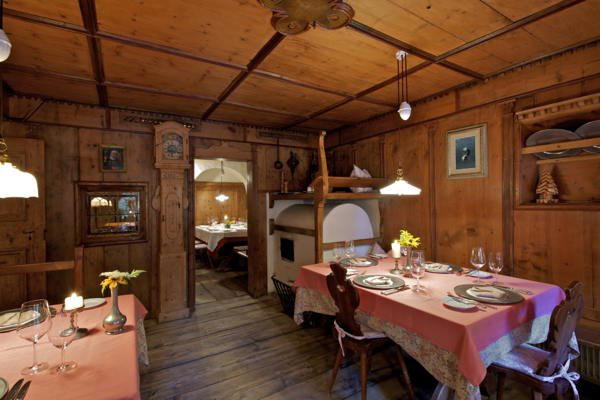
Bars in St. Lorenzen
Browse all →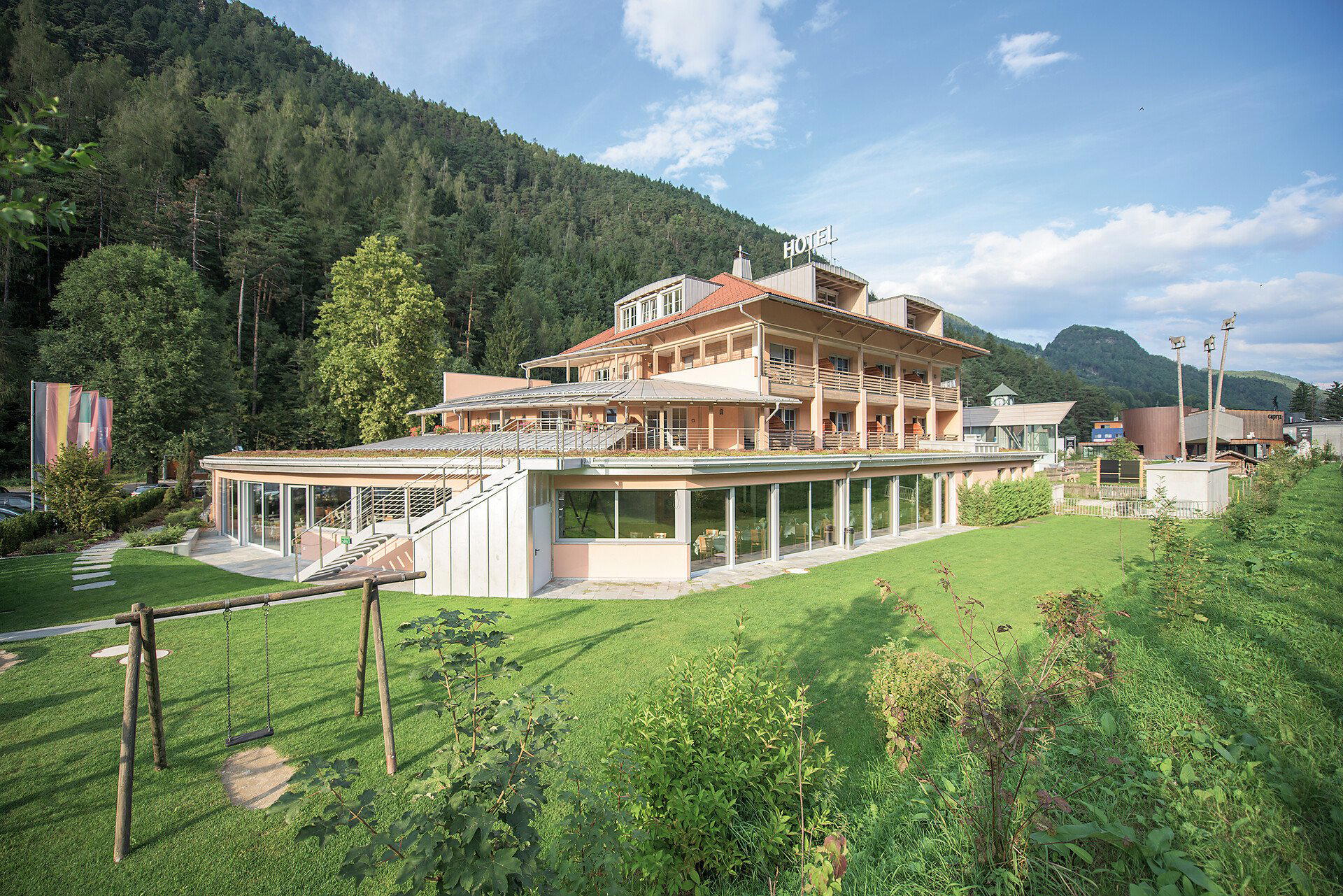

At a Glance
- Rustic
- Cozy
- Scenic
- Family
- Special Occasion
- Extensive Wine List
- Farm To Table
- Local Sourcing
- Mountain
Current opening hours
- Monday
- Closed
- Tuesday
- Closed
- Wednesday
- 12–2 PM, 6:30–9 PM
- Thursday
- 12–2 PM, 6:30–9 PM
- Friday
- 12–2 PM, 6:30–9 PM
- Saturday
- 12–2 PM, 6:30–9 PM
- Sunday
- 12–2 PM, 6:30–9 PM
Hours can change for holidays and private events. Last verified .
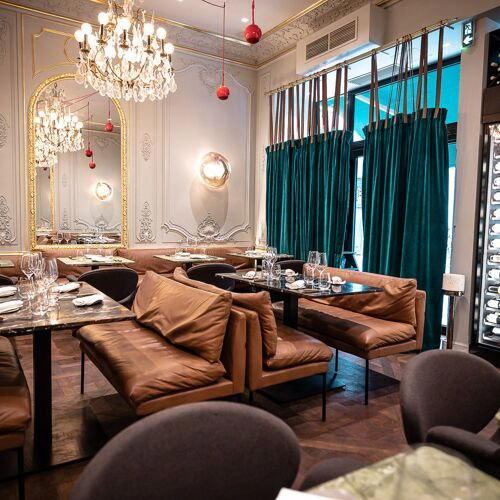
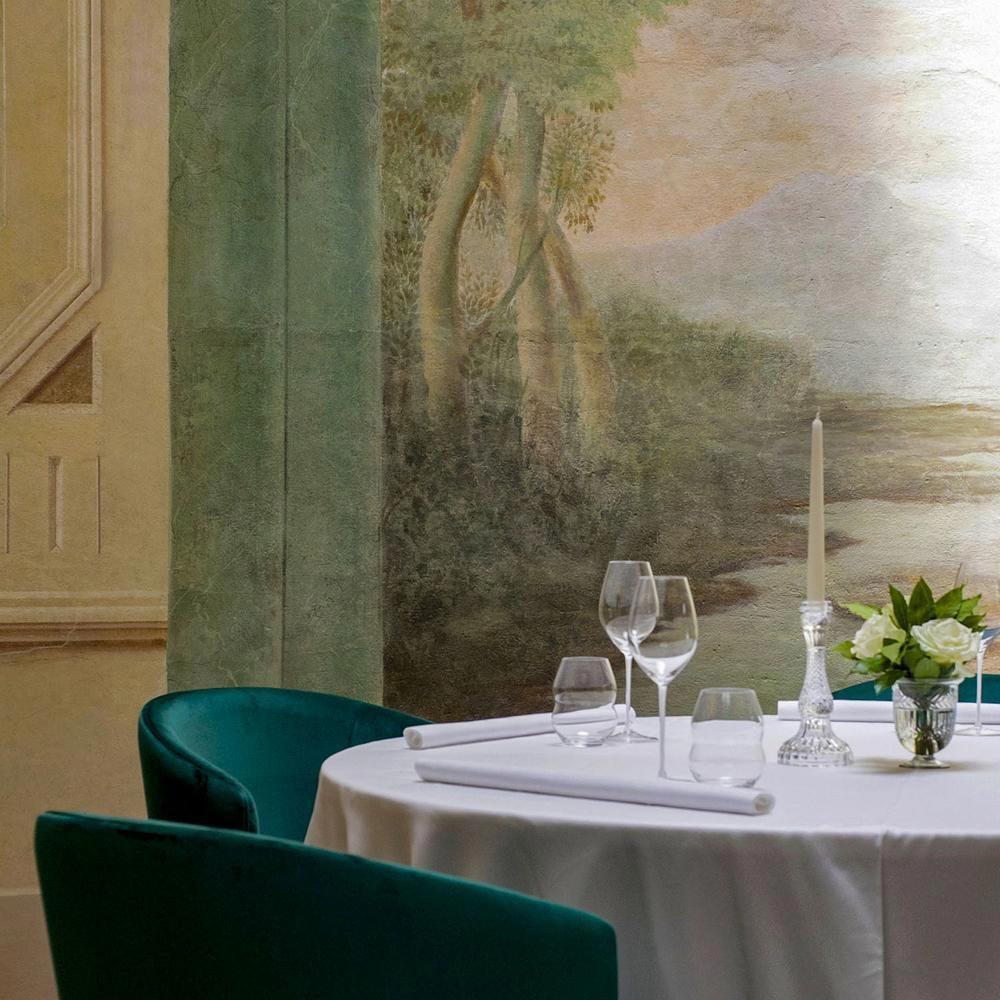
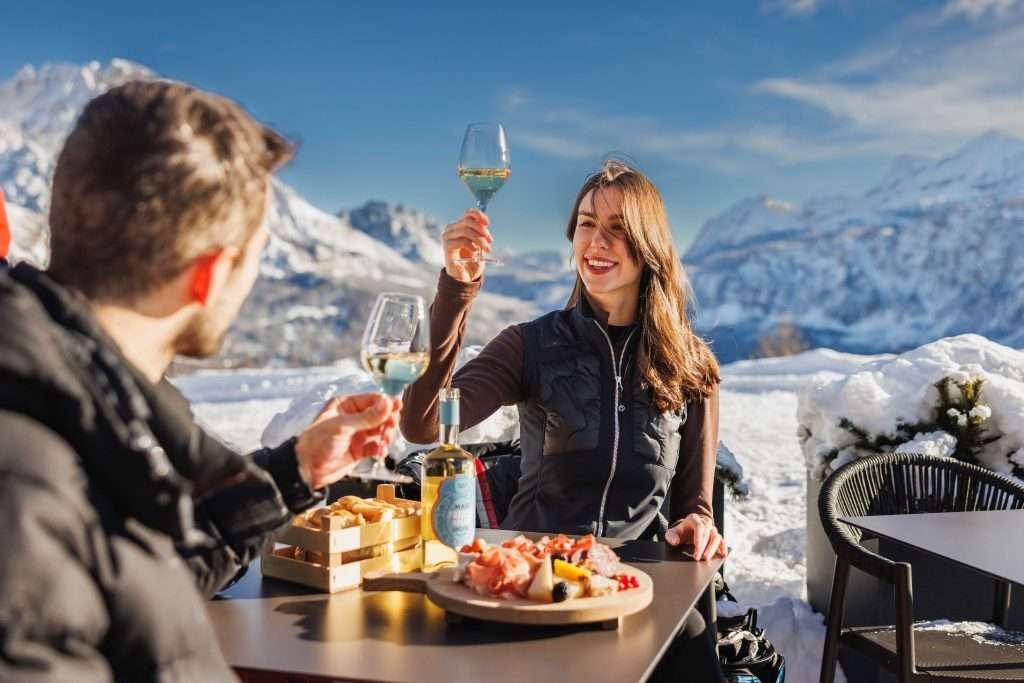
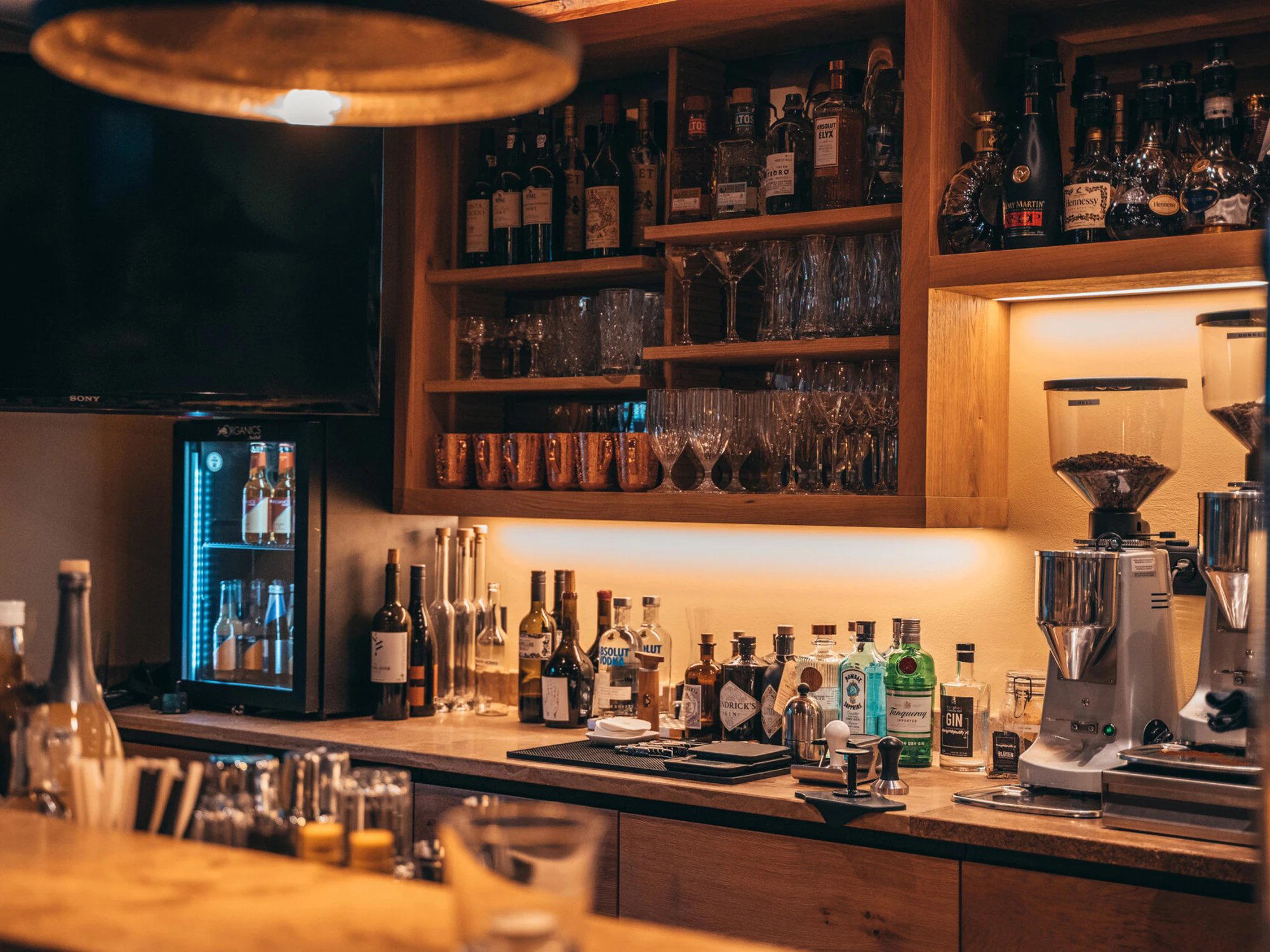
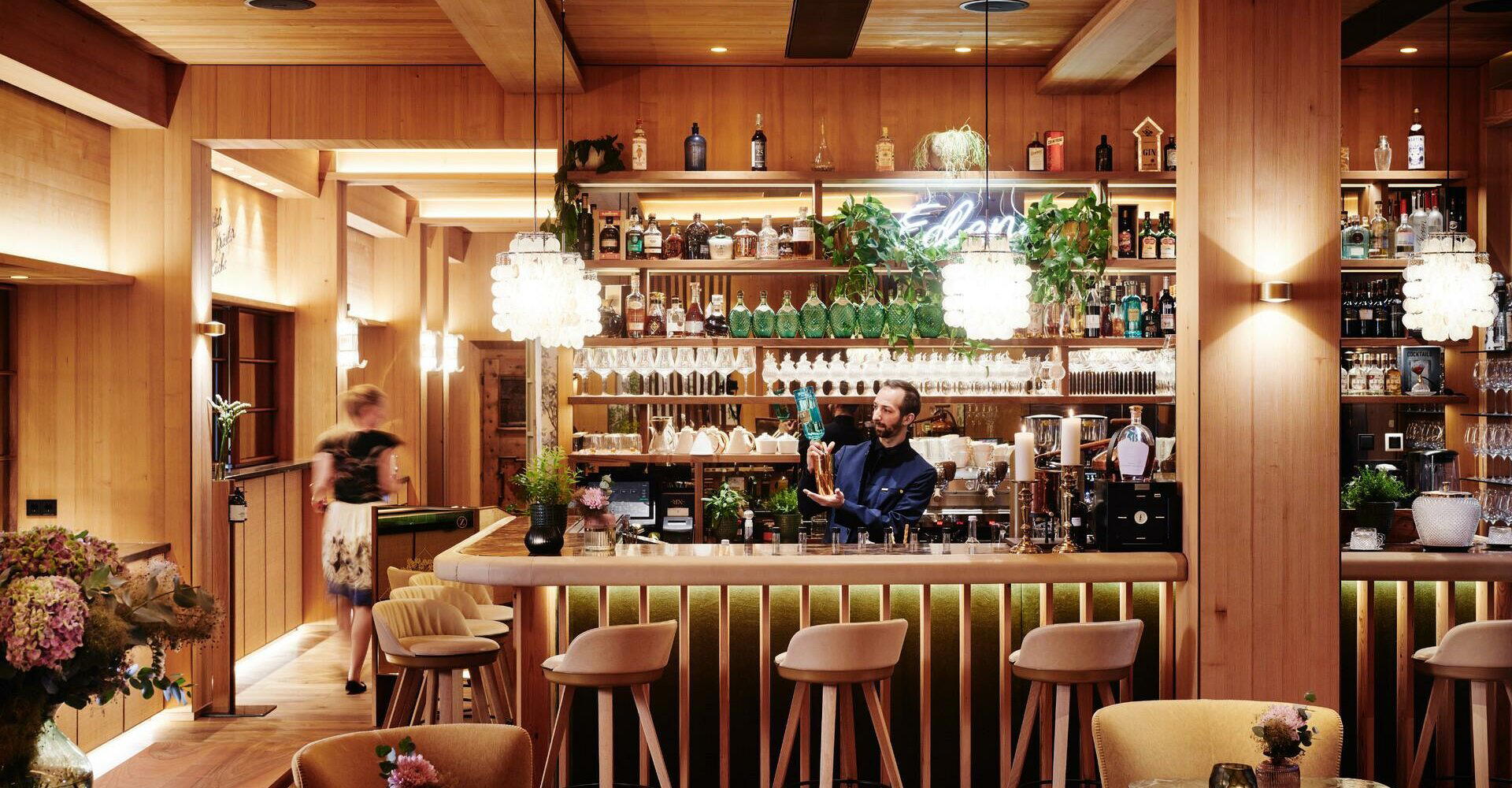
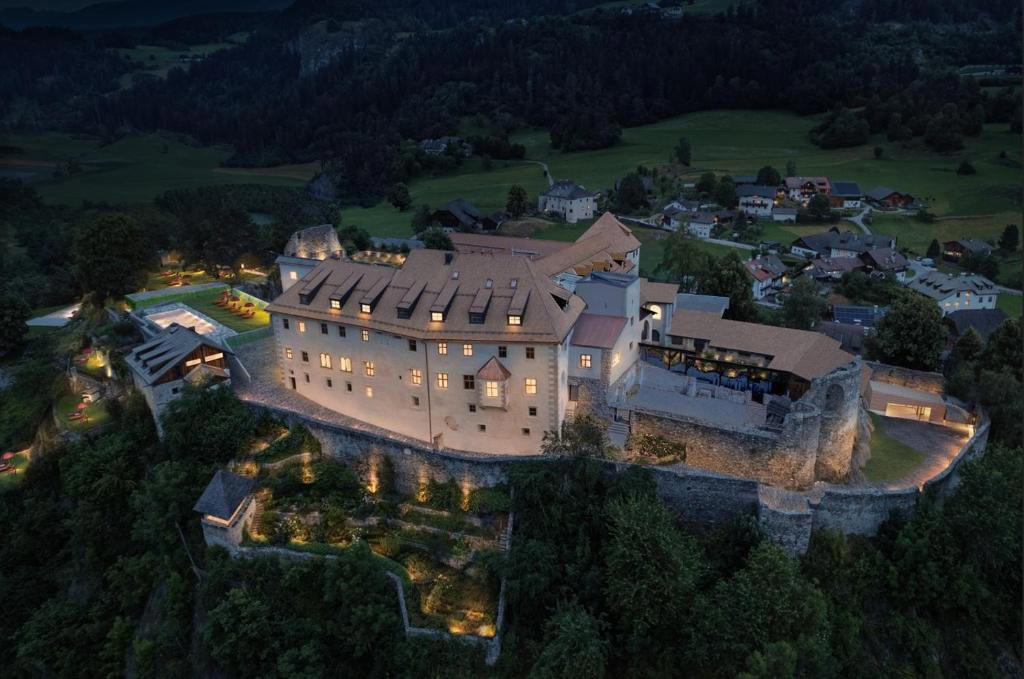
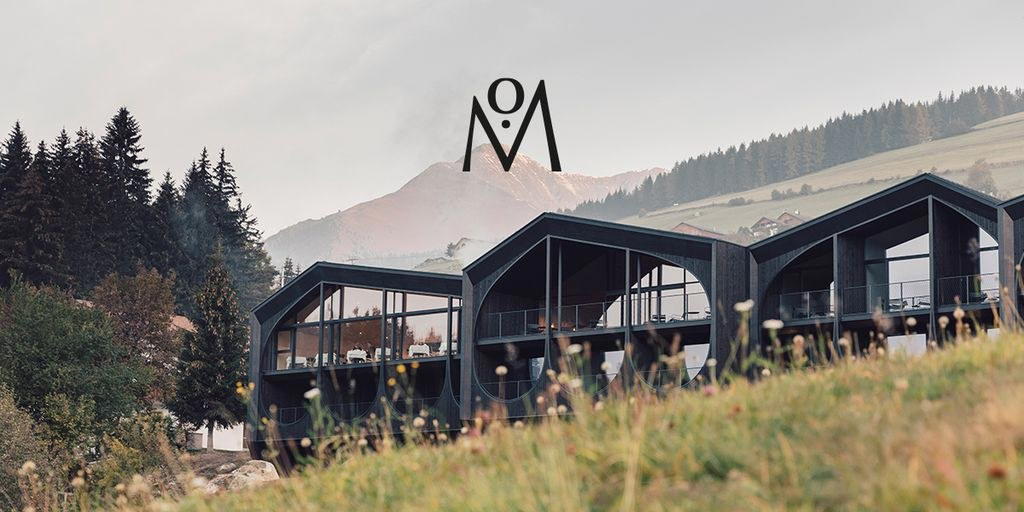
Rustic yet elegant farmhouse setting with great attention to details, beautiful garden, and views of snowy Alps, fostering a calm and convivial atmosphere.