Our verdict
Dragon Garden occupies a specific address in Yerevan's central district, placing it among the city's growing tier of restaurants drawing on non-Armenian culinary references. The venue sits at 76 Aram Street, within walking distance of Republic Square and the concentrated dining corridor that defines central Yerevan's evolving food scene. Detailed menu, pricing, and booking information is best confirmed directly with the venue.

Pearl is the En Primeur Club membership app, where members save venues, book tables and use the concierge.
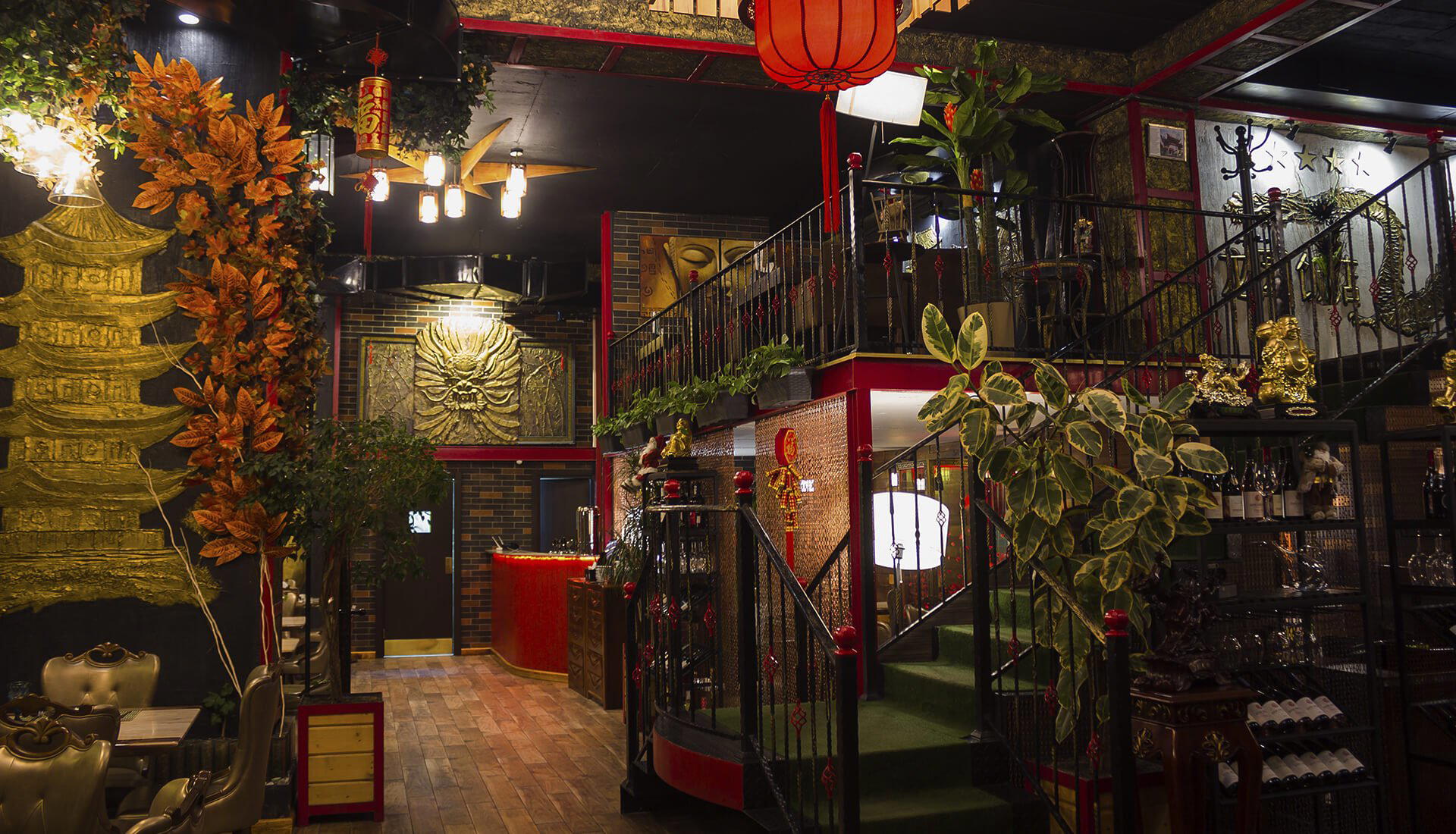
The menu
What to order
- Hot pot
- Sweet and sour chicken
- Tempura set
- Spring rolls
- Tom yum soup
Aram Street and the Question of What Yerevan Puts on the Table
Central Yerevan has developed a recognisable dining corridor over the past decade. The blocks radiating from Republic Square, including Aram Street where Dragon Garden is addressed at number 76, now function as the city's primary zone for restaurants pitching at visitors and the local professional class simultaneously. This is where the tension between traditional Armenian hospitality formats and international culinary references plays out most visibly, and where a venue's menu architecture tells you more about its positioning than any single dish could.
The name Dragon Garden signals an orientation toward East Asian culinary tradition, a deliberate departure from the Armenian-focused restaurants that have historically anchored this part of the city. In a dining scene where venues like Dolmama, At Gayane's, and Dolmama - Armenia's Restaurant have built their reputations on the depth and specificity of the regional canon, a restaurant choosing a different culinary register is making a conscious positioning call. Whether the kitchen executes that choice with precision or approximation is the question any serious diner should bring to the table.
Menu Architecture as Positioning Statement
The structure of a menu reveals how a kitchen understands its own ambitions. At venues that have earned sustained recognition in the East Asian tradition, such as HAJIME in Osaka, menu architecture is an argument: courses are sequenced to make a point, and the gap between concept and execution is narrow. Transplanting any serious cuisine to a secondary market requires either rigorous sourcing and technical discipline, or an honest recalibration of scope.
Dragon Garden's address on Aram Street places it in proximity to a dense set of competitors operating across multiple cuisine categories. The central Yerevan dining corridor runs from broadly casual to formally structured, and the venue's positioning within that range determines what kind of menu it can credibly sustain. Restaurants in this zone that attempt elaborate multi-course formats without the supply chain or kitchen depth to support them tend to drift; those that define a tighter scope and execute it well tend to hold. The most instructive comparison is not with Yerevan's Armenian-focused establishments but with how other international-cuisine restaurants in post-Soviet capitals have fared when they defined their menus carefully rather than ambitiously.
For reference, the contrast with how Yerevan's more established venues handle their menus is useful context. Flying Ostrich by Dolmama and Buzand Cafe Restaurant represent different approaches to the question of scope: one bets on a focused concept within a known culinary tradition, the other operates across a broader register. Dragon Garden's choice of name and implied cuisine type positions it in a different category from all of them, which is either a gap in the market or an exposure, depending on execution.
Yerevan's International Dining Tier: A Small But Growing Set
Yerevan's restaurant scene is not large by regional capital standards, but it has been developing quickly since approximately 2018, accelerated further by an influx of relocating professionals from 2022 onward. That shift has created demand for dining options beyond the traditional Armenian format, and several international cuisine restaurants have opened to serve it. The market is still thin enough that a well-positioned venue in this category faces limited direct competition, but also thin enough that any shortfall in quality is noticed quickly by a relatively small community of regulars.
East Asian cuisines specifically have arrived unevenly in Yerevan. Japanese, Chinese, and pan-Asian formats have appeared at various price points, with quality ranging from serviceable to technically accomplished. The challenge for any kitchen working in these traditions in Yerevan is ingredient sourcing: the produce, proteins, and pantry items that underpin serious East Asian cooking are not uniformly available in the city, and what is available requires relationships and logistics that take time to establish. Restaurants that have solved this problem tend to show it in menu focus rather than breadth: a shorter list of dishes executed with proper ingredients is more credible than a long menu that fills gaps with substitutions.
For travellers arriving from cities where East Asian dining is deeply developed, such as those who have eaten at Atomix in New York City or tracked the technical precision of Italian-Japanese crossover kitchens like Reale in Castel di Sangro, the calibration of expectations matters. Dragon Garden operates in a different context, and the relevant question is not how it compares to those references but whether it uses its local position to do something coherent and consistent.
Getting There and Planning Your Visit
76 Aram Street sits in central Yerevan, walkable from Republic Square and the main hotel corridor along Abovyan Street. The surrounding blocks include a concentration of restaurants and cafes that makes the area direct to combine with other dining or evening plans. Yerevan is a compact city by capital standards, and the central district is navigable on foot for most visitors staying in or near the centre.
Yerevan restaurants in this price bracket and location type vary considerably in their booking policies: some operate walk-in only, others have moved to online reservation systems as demand has grown. Given that the city's dining corridor can fill on weekend evenings, confirming availability in advance is the more reliable approach regardless of the venue's formal policy. For a broader view of where Dragon Garden sits within the city's dining options, our full Yerevan restaurants guide maps the scene across cuisine types and price points.
Travellers using Yerevan as a base for wider Armenian exploration will find useful context in venues outside the capital: Dilijan in Dilijan and Poloz Mukuch in Gyumri represent the regional dining character that Dragon Garden, by its very name and implied culinary reference, is deliberately stepping away from.
Frequently asked questions
What's the address for Dragon Garden?
Dragon Garden is located at 76 Aram Street, Yerevan 0001, Armenia, Yerevan.
How does Dragon Garden fit into Yerevan's broader international restaurant scene?
Yerevan's international dining tier has expanded noticeably since around 2018, with central streets like Aram Street absorbing much of that growth. Dragon Garden, positioned at 76 Aram Street in the 0001 district, sits within walking distance of the city's main hotel corridor and Republic Square, placing it squarely in the area where Yerevan's highest-footfall dining now concentrates. The city's East Asian restaurant offer remains a small subset of its overall dining market, which gives venues operating in that category a defined position in the mix.
What's the best thing to order at Dragon Garden?
The kitchen operates within the East Asian dining tradition, where the menu structure itself signals the kitchen's priorities, look to the house specials or chef's recommendations listed at the top of the menu as a reliable starting point. Visiting on a weekday typically gives staff more time to guide first-time guests through the options.
Is Dragon Garden reservation-only?
Reservation policy for Dragon Garden at 76 Aram Street has not been formally documented. Given its central Yerevan location near Republic Square, a corridor that has grown considerably busier since 2018, booking ahead for weekend evenings is a reasonable precaution. Contact details are best sourced through local directory listings or on arrival at the address.
Awards and Standing
Comparable venues nearby, for context on price, style, and recognition.
| Venue | Cuisine | Price | Awards | Notes |
|---|---|---|---|---|
| Dragon GardenThis venue (the venue you are viewing) | Chinese & Japanese Fusion with Hot Pot | $20–30 | Not listed | Not listed |
| Flying Ostrich by Dolmama | Armenian Fusion with Ostrich Barbecue | Not listed | Not listed | Dilijan |
| At Gayane's | Traditional Armenian Home Cooking | $10–20 | Not listed | Not listed |
| Italiano Ristorante Yerevan | Italian Rooftop Ristorante | $30–50 | Not listed | Kentron |
| Lahmajun Gaidz | Authentic Armenian Lahmajun | $10–20 | Not listed | Kentron |
| Mina | Italian with Armenian Accents | $30–50 | Wine Spectator Award of Excellence · World's Best Wine Lists Awards WBWL 1-Star | Saryan Street |
Continue exploring
More in Yerevan
Restaurants in Yerevan
All restaurants in Yerevan →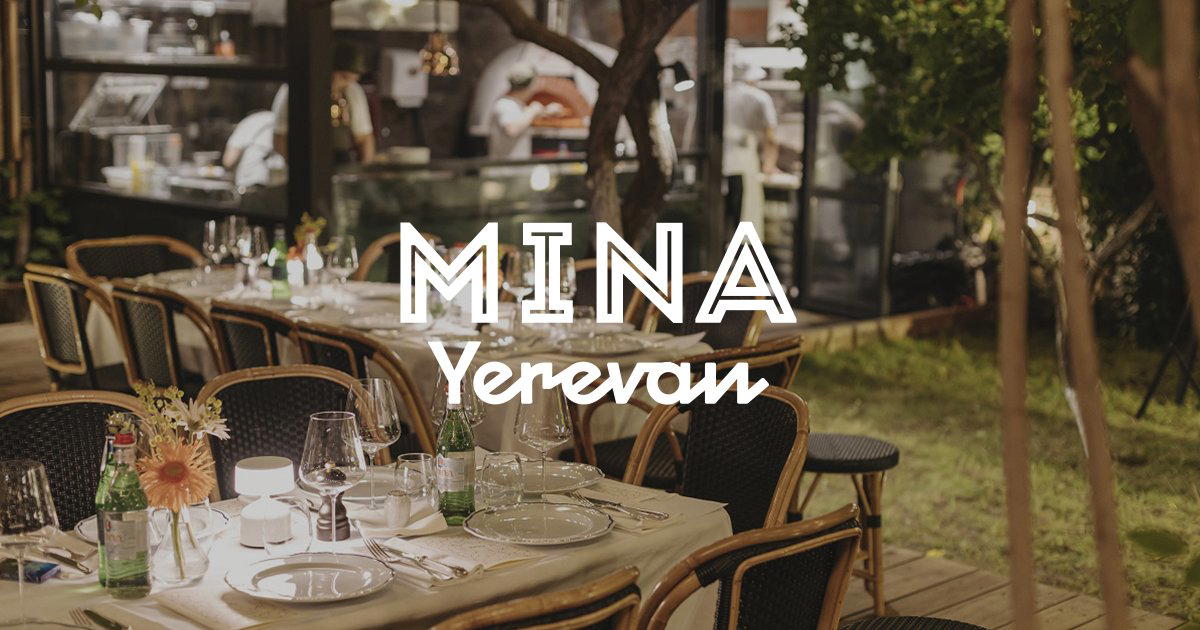
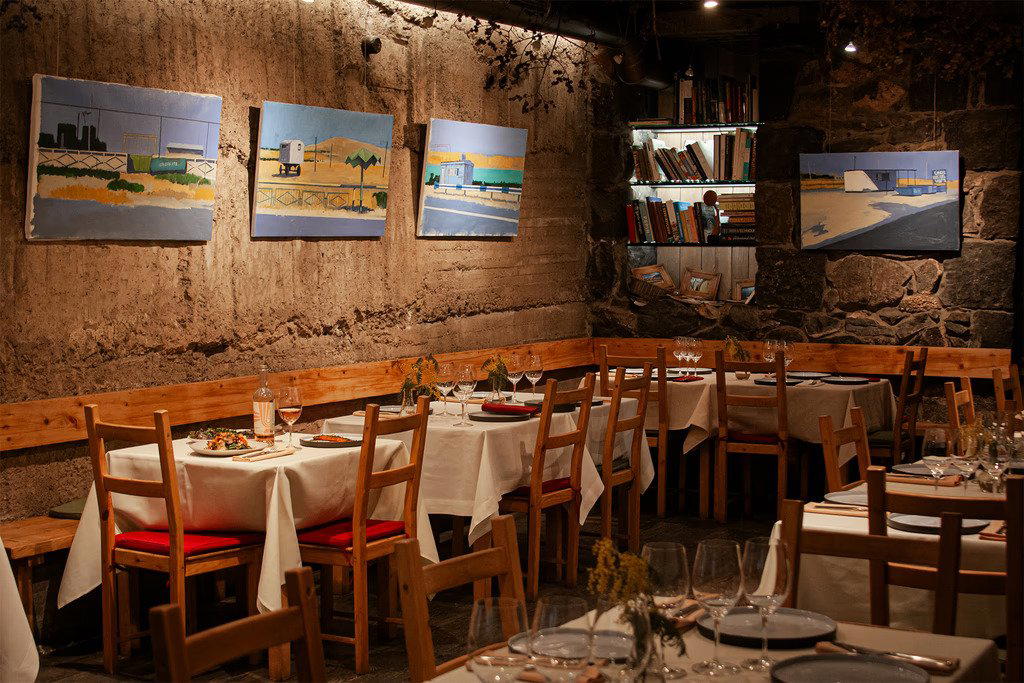
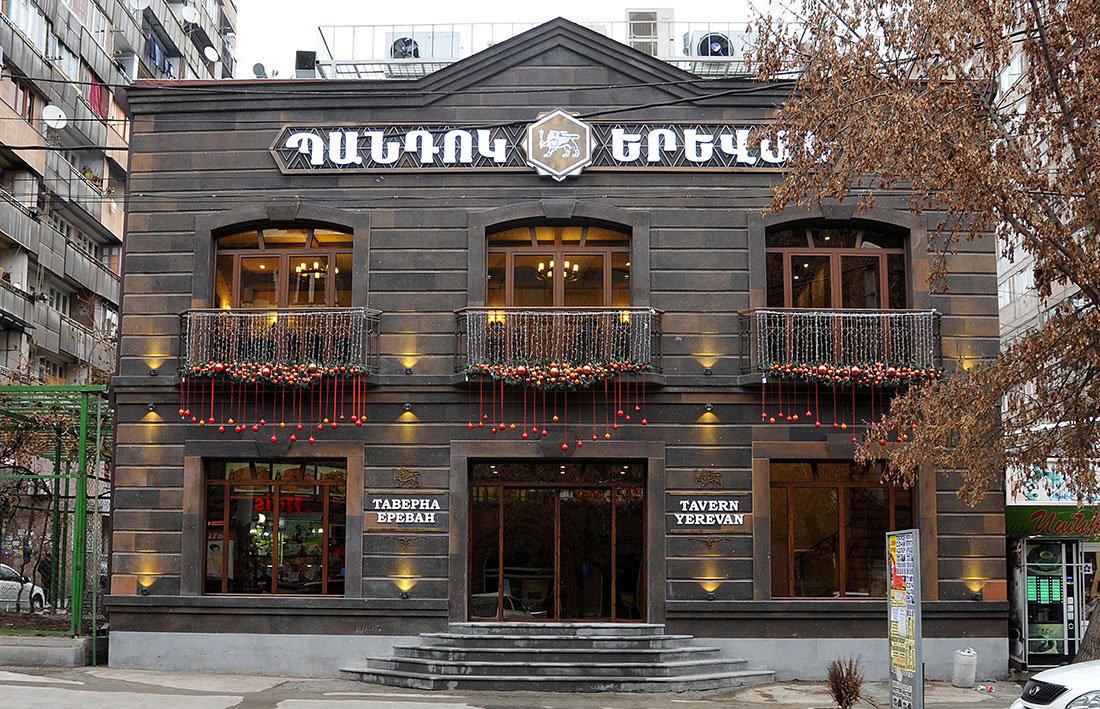
Bars in Yerevan
All bars in Yerevan →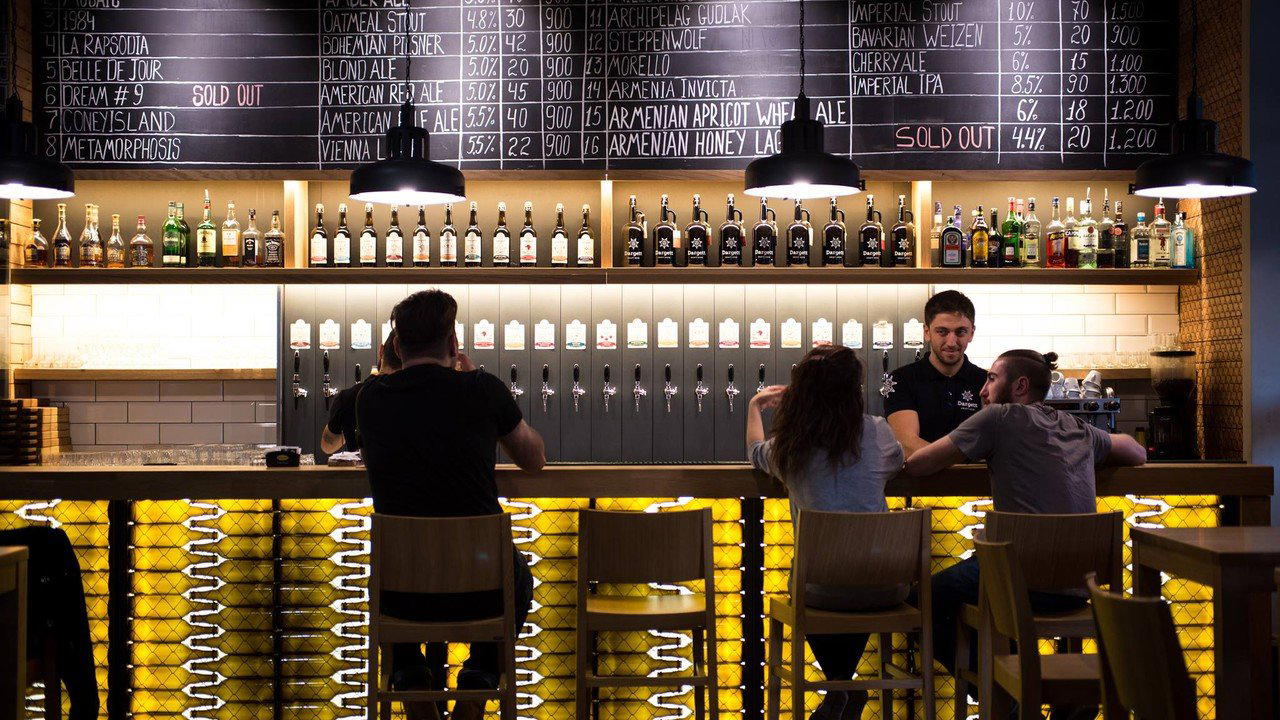
Hotels in Yerevan
All hotels in Yerevan →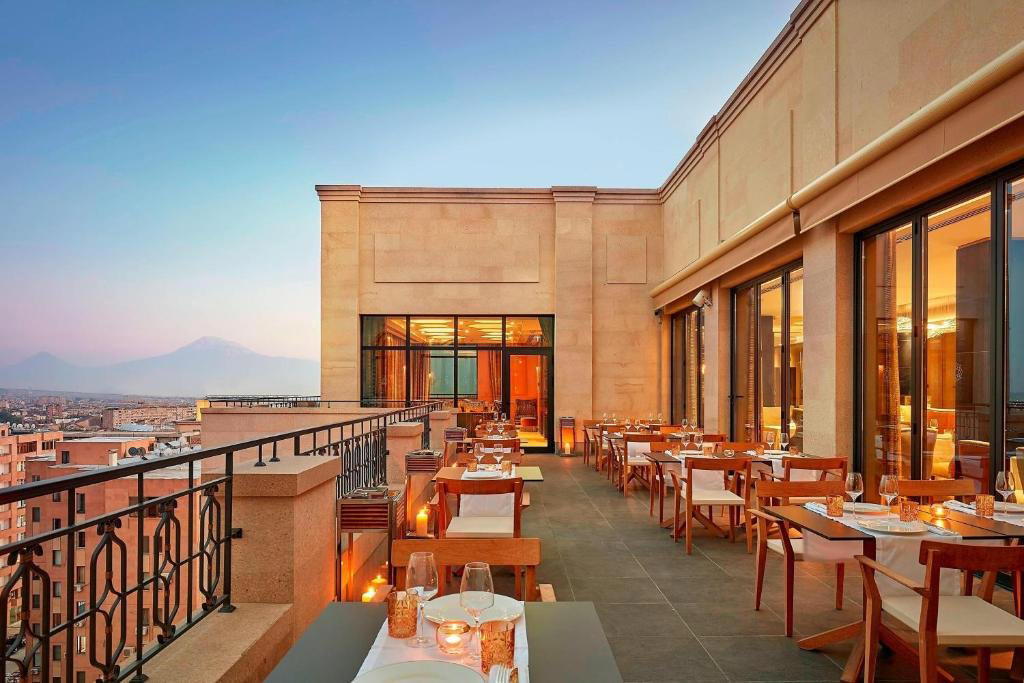
Wineries in Yerevan
Browse all →
Details
- Lively
- Elegant
- Modern
- Group Dining
- Family
- Celebration
- Casual Hangout
- Open Kitchen
- Beer Program
- Sake Program
- Local Sourcing
- A La Carte
- Family Style
- Beer
- Wine
- Soju
- Vegetarian Friendly
- Vegan Options
- Gluten Free Options
Current opening hours
- Monday
- 11 AM–12 AM
- Tuesday
- 11 AM–12 AM
- Wednesday
- 11 AM–12 AM
- Thursday
- 11 AM–12 AM
- Friday
- 11 AM–12 AM
- Saturday
- 11 AM–12 AM
- Sunday
- 11 AM–12 AM
Hours can change for holidays and private events. Hours as of .
Spacious, pleasantly decorated interior with multiple salons showcasing Asian cultural elements; described as having a gorgeous, well-maintained atmosphere that feels like a cultural corner.