Our verdict
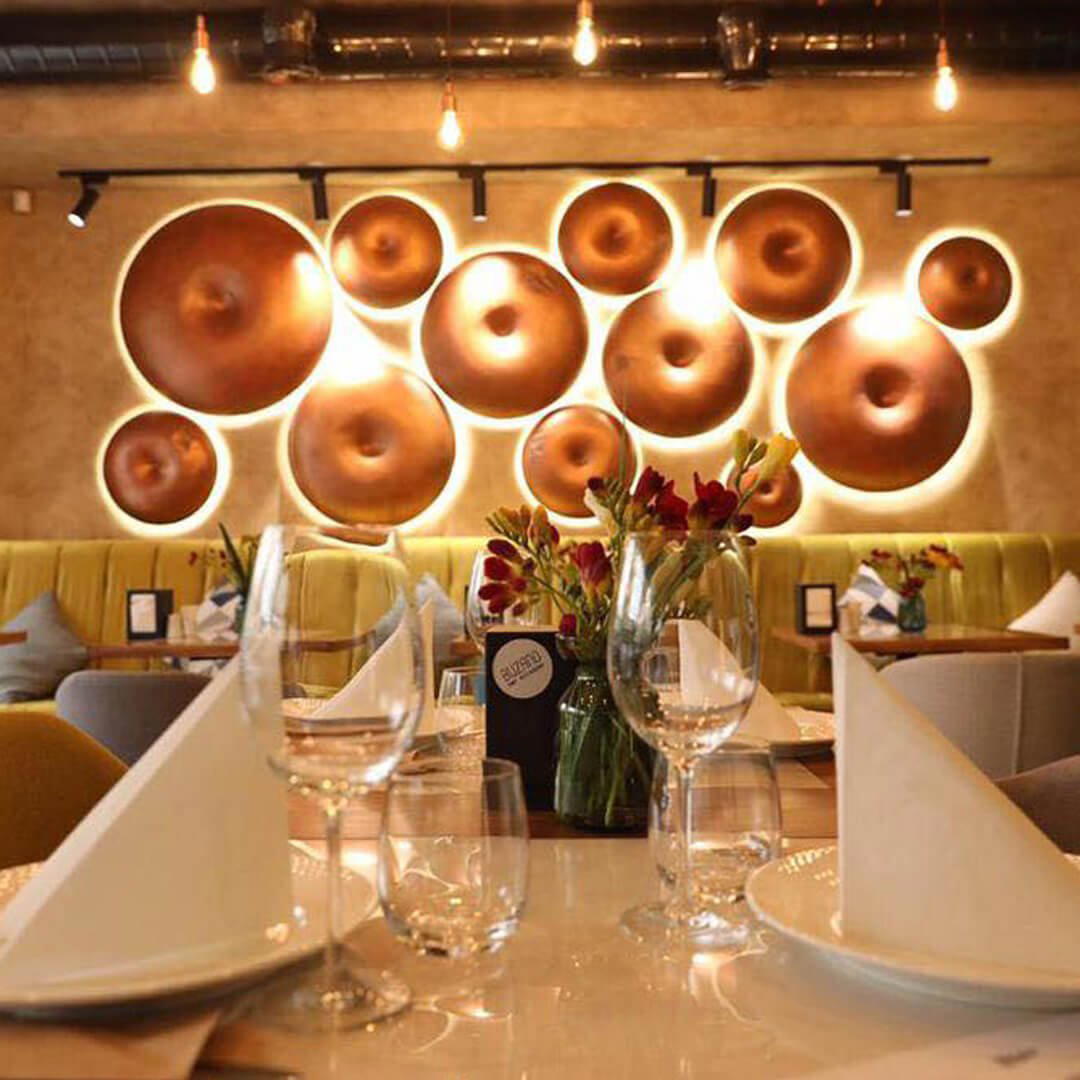
On Khanjyan Street in central Yerevan, Buzand Cafe Restaurant sits within walking distance of the city's main cultural corridor. The address places it inside the layered dining scene that has reshaped the Armenian capital over the past decade, where mid-range cafes and full-service restaurants share the same blocks as newer tasting-format operations. An address at 13/1 Khanjyan St puts it squarely in the territory where residents and visitors alike tend to eat without much ceremony.

Pearl is the En Primeur Club membership app, where members save venues, book tables and use the concierge.
Yerevan's Dining Rhythm and Where Buzand Fits
Central Yerevan operates on a particular dining clock. Lunch stretches later than Western European convention, dinners rarely begin before eight, and the expectation at most mid-city addresses is that a table is held for the duration of the meal rather than turned at ninety minutes. The street-level cafes and sit-down restaurants that line the blocks between Republic Square and the cascade steps have absorbed this rhythm so thoroughly that it functions less as a policy and more as ambient culture. Buzand Cafe Restaurant, at 13/1 Khanjyan Street, sits within that corridor, occupying an address that draws both the after-work crowd and visitors moving between the city's historic and commercial quarters.
For context, Yerevan's restaurant scene has undergone a measurable shift since roughly 2015. A cluster of internationally referenced addresses, among them At Gayane's and the long-running Dolmama, established a tier of Armenian dining with genuine editorial traction outside the region. Below that tier sits a broader band of neighbourhood-anchored restaurants that serve the actual daily eating life of the city, and Buzand operates in that band. Its value to a visitor is less about destination dining and more about the texture of a normal Yerevan meal.
The Armenian Table: Pacing, Order, and Custom
Armenian dining has a structure that rewards patience. A meal rarely arrives as a single course progression in the European sense. Instead, the table tends to fill early with small plates, bread, pickled vegetables, and spreads, creating a shared base from which the rest of the meal unfolds. This tradition of collective beginning, sometimes called the meze phase though the term arrives via neighbouring culinary traditions, means that the first twenty minutes at any Armenian table are often the most socially active. Dishes circulate, portions are redistributed, and the bread, usually lavash or the thicker matnakash, functions as both utensil and accompaniment.
At a cafe-restaurant format like Buzand, this pacing is often preserved even for solo diners or pairs who might not have ordered with a full spread in mind. Servers at these mid-range Yerevan addresses typically guide guests toward a more complete table rather than a stripped-back order, not as an upsell but as a reflection of how the meal is genuinely meant to work. The ritual matters. For visitors accustomed to European or North American sequencing, the adjustment is worth making consciously.
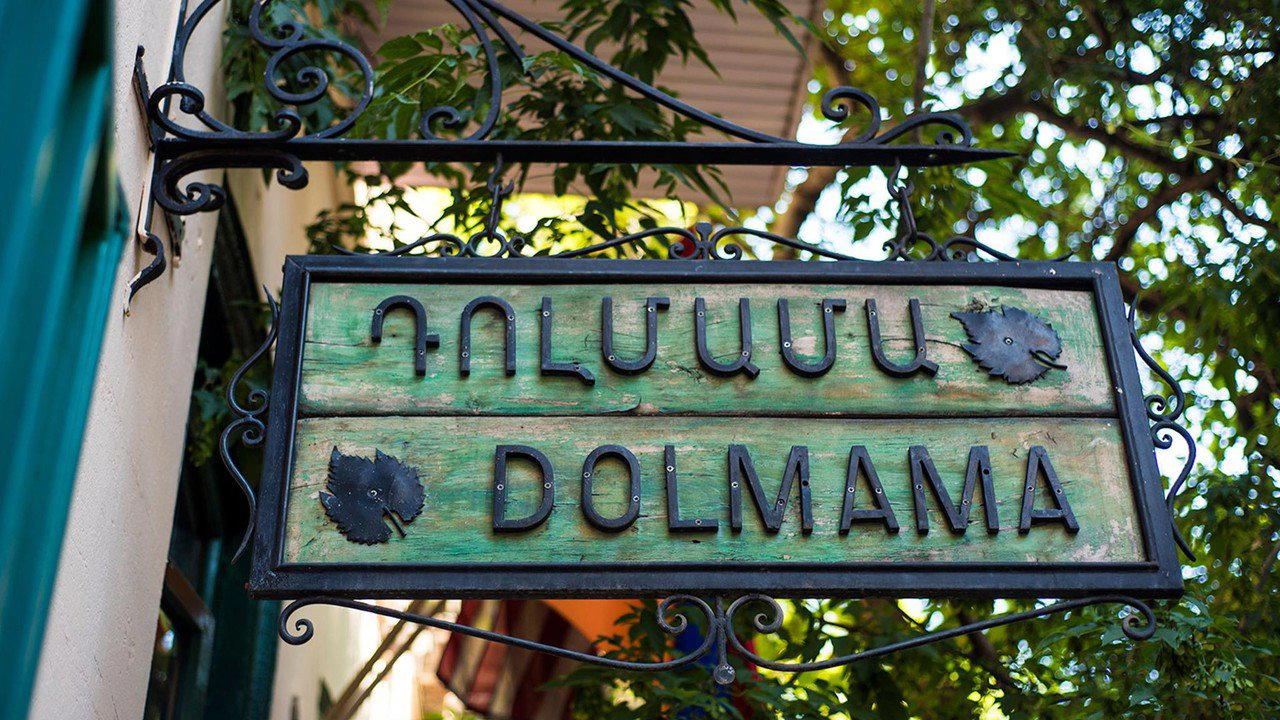
For comparison, the same tradition plays out at a more polished register at Dolmama - Armenia's Restaurant and at a more casual one at addresses without fixed editorial profiles. Buzand sits somewhere in the middle of that range, and the Khanjyan Street location, close to both tourist-facing attractions and the quieter residential grid beyond, means the room tends to contain a genuine cross-section of diners on any given evening.
Armenian Cuisine: What the Menu Tradition Carries
The canon is relatively stable: grilled meats, particularly khorovats in various cuts, appear on almost every menu in the category. Dolma, vine or cabbage leaves stuffed with seasoned meat and rice, is a constant. Soups such as spas (yogurt-based with wheat berries) and khash (a collagen-heavy broth traditionally served cold-weather mornings) appear seasonally and sometimes all year. Herb salads, often featuring tarragon, coriander, and spring onion, arrive at the table almost automatically.
Fish from Lake Sevan, specifically ishkhan (Sevan trout), appears on menus where the kitchen wants to signal local sourcing, though availability has become more variable given the lake's ecological pressures over the past two decades.
For those planning a broader sweep of Armenian regional cooking across a trip, Dilijan in Dilijan and Poloz Mukuch in Gyumri offer useful counterpoints to the Yerevan city version of these same dishes, where the urban polish gives way to something more rooted in regional ingredient supply.
The restaurants that receive sustained international editorial attention in Yerevan tend to be a small group. The addresses that benchmark the city at a higher format level include operations with verifiable awards or long-standing media records. Buzand does not carry confirmed award data in EP Club's records, which places it outside the top-tier reference set but within the much larger segment of Yerevan's day-to-day dining economy that functions without such credentials.
That is not a dismissal. Some of the most informative meals in any city happen at addresses without editorial profiles, precisely because the kitchen is not performing for critics. The relevant comparison is not with Flying Ostrich by Dolmama or destination-format restaurants like Atomix in New York City or Lazy Bear in San Francisco, where the entire visit is structured around a curated experience. The comparison is with the broader category of mid-city cafe-restaurants in post-Soviet capital cities, where the room, the food, and the service have been calibrated for a local audience first and visitors second.
That orientation tends to produce more honest food and less theatrical service, which is its own recommendation. The full Yerevan restaurants guide from EP Club maps the broader landscape for those wanting to place Buzand alongside its peers across price points and formats. For those interested in how premium Armenian dining compares to global reference points, the contrast with Michelin-registered operations like Le Bernardin in New York City or format-led addresses like HAJIME in Osaka is instructive in understanding how far the Armenian fine-dining scene has yet to travel in international recognition terms.
Planning a Visit: Practical Orientation
Buzand Cafe Restaurant is at 13/1 Khanjyan Street in central Yerevan, close to the pedestrian zone and within reasonable walking distance of most hotels in the Republic Square area. The central location means alternatives are nearby if the room is at capacity. Lunch service in this part of Yerevan typically runs from midday through mid-afternoon, with dinner from roughly seven onwards, though confirming current hours directly with the restaurant before visiting is advisable. Dress code at cafe-restaurant formats in central Yerevan is generally relaxed, with smart casual the working norm.
For those building a wider itinerary around the Yerevan dining scene, it is worth cross-referencing with addresses like Dragon Garden for category contrast, and consulting the EP Club city page for current editorial rankings and seasonal notes.
Frequently asked questions
What's Buzand Cafe Restaurant's location?
Buzand Cafe Restaurant is located at 13/1 Khanjyan St, Yerevan 0001, Armenia, Yerevan.
Is Buzand Cafe Restaurant a good option for lunch in central Yerevan?
Located at 13/1 Khanjyan Street in Yerevan's city centre, Buzand is within walking distance of the main pedestrian zone and most centrally positioned hotels. Armenian lunch in this district typically runs later than Western convention, with kitchens busy from early afternoon through mid-evening.
What should I eat at Buzand Cafe Restaurant?
Buzand sits on Khanjyan Street in central Yerevan, which means it operates within the Armenian cafe-restaurant tradition: expect shared cold starters, grilled meats, and the kind of meze-adjacent spreads that define this city's dining rhythm. Armenian tables in this district typically anchor around dolma, khorovats, and herb-forward salads before any main arrives. Confirmed menu specifics are not available for Buzand, so arrive with appetite and flexibility rather than a fixed order in mind.
How hard is it to get a table at Buzand Cafe Restaurant?
No booking data or reservation policy is documented for Buzand Cafe Restaurant. Central Yerevan restaurants at this address tier tend to fill during weekend evenings and on public holidays, particularly in summer when the city's outdoor dining culture peaks. Arriving before eight or calling ahead is a reasonable precaution; walk-ins are commonly accommodated at lunch.
What do critics highlight about Buzand Cafe Restaurant?
In Yerevan's dining press, sustained attention tends to concentrate on a small number of addresses; Buzand's profile in international food media has not been publicly documented. What can be said is that its central position on Khanjyan Street places it within the neighbourhood that sees the most foot traffic from both locals and visitors.
How does Buzand Cafe Restaurant handle allergies?
Armenian cuisine relies heavily on dairy, gluten, and tree nuts across many traditional preparations, so guests with specific dietary requirements should communicate needs directly when booking or on arrival.
Style and Standing
Comparable venues nearby, for context on price, style, and recognition.
| Venue | Cuisine | Price | Notes |
|---|---|---|---|
| Buzand Cafe RestaurantThis venue (the venue you are viewing) | Armenian and Mediterranean Cafe | $10–20 | Not listed |
| The Club | New Armenian Cuisine | $20–30 | Tumanyan |
| Gabriel’s Brasserie | French Patisserie | Not listed | Kentron |
| Tavern Yerevan | Traditional Armenian | $20–30 | near Republic Square |
| Dragon Garden | Chinese & Japanese Fusion with Hot Pot | $20–30 | Republic Square |
| Dolmama - Armenia's Restaurant | Modern Armenian | $30–50 | Pushkin Street |
Continue exploring
More in Yerevan
Restaurants in Yerevan
All restaurants in Yerevan →
Bars in Yerevan
All bars in Yerevan →
Hotels in Yerevan
All hotels in Yerevan →
Wineries in Yerevan
Browse all →
Details
- Cozy
- Whimsical
- Modern
- Family
- Casual Hangout
- Standalone
- A La Carte
Current opening hours
- Monday
- 10 AM–11 PM
- Tuesday
- 10 AM–11 PM
- Wednesday
- 10 AM–11 PM
- Thursday
- 10 AM–11 PM
- Friday
- 10 AM–11 PM
- Saturday
- 10 AM–11 PM
- Sunday
- 10 AM–11 PM
Hours can change for holidays and private events. Hours as of .
Cozy and inviting atmosphere with playful, joyful eclectic contemporary design.