Our verdict
On Pushkin Street in central Yerevan, Dolmama has held a position at the serious end of Armenian restaurant dining long enough to shape what that category means in the capital. The kitchen works within the classical tradition of Armenian cuisine, placing it in a different competitive register from the city's European-facing newcomers. Advance planning is advisable for evening tables.

Pearl is the En Primeur Club membership app, where members save venues, book tables and use the concierge.
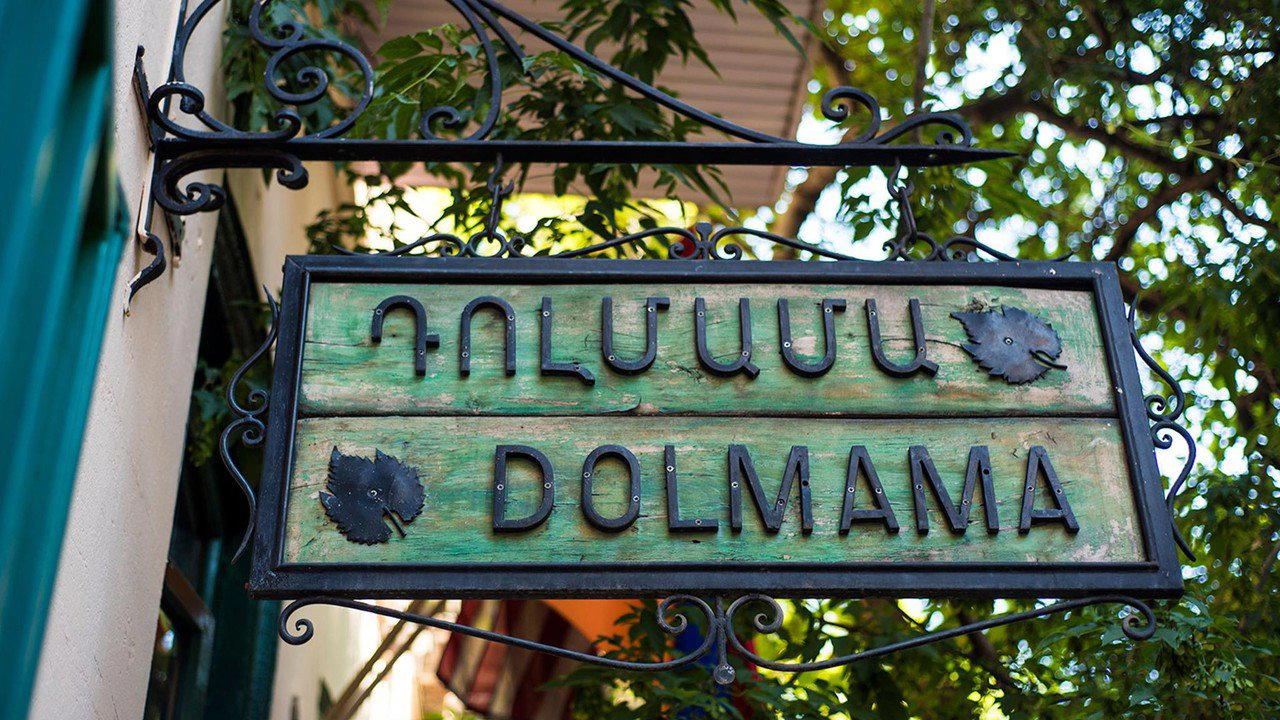
Armenian Cooking on Pushkin Street
Yerevan's restaurant scene divides, broadly, between two registers: venues that treat Armenian cuisine as a backdrop for international formats, and those that treat it as a serious subject in its own right. Dolmama - Armenia's Restaurant, at 10 Pushkin Street, belongs to the second category and has occupied that position long enough to function as a reference point against which newer arrivals are measured. Pushkin Street sits within the walkable grid of central Yerevan, a short distance from Republic Square, and the surrounding neighbourhood carries enough pedestrian density to support evening dining without requiring a taxi from elsewhere in the city.
The physical setting on this stretch of Yerevan signals a deliberate remove from the louder, more casual end of the city's dining options. Armenia's restaurant culture has historically been built around the table as a social institution rather than a transactional meal, and venues that take the cuisine seriously tend to reflect this in their pacing and spatial approach. Dolmama fits that pattern.
The Cuisine and Its Context
Armenian cooking is one of the older continuous culinary traditions in the region, drawing on geography, trade routes, and a diaspora that carried recipes and techniques across three continents. The core vocabulary includes stuffed vegetables (dolma, from which the restaurant takes its name), grilled meats, fermented dairy, flatbreads, and an extensive use of stone fruits both fresh and dried. What distinguishes serious Armenian restaurant cooking from casual interpretations is precision in technique and sourcing: the difference between a tolma made with properly rested lamb and vine leaves cured to the right point of brininess, and one assembled from convenience ingredients, is considerable.
Yerevan's position as the capital brings together regional Armenian traditions that differ in meaningful ways: the cooking of Ararat Plain farmers, the influence of Iranian-Armenian cuisine from across the southern border, the Georgian-Armenian exchange across the northern frontier, and the diaspora contributions from Lebanon, France, and the United States. A restaurant that references all of this seriously has more material to work with than is sometimes apparent from the outside.
For broader context on how Yerevan's dining scene is developing, the full Yerevan restaurants guide maps the city's options across categories and neighbourhoods.
Where Dolmama Sits in the Yerevan Market
The competitive set for a venue of this type in Yerevan includes a handful of restaurants that treat Armenian cuisine as a formal subject. At Gayane's occupies a similar position in terms of seriousness of intent. Buzand Cafe Restaurant addresses a different register, leaning toward the cafe end of the spectrum. Dolmama, the sister property at a separate address, shares lineage and is worth understanding as a parallel rather than a replica. The group has also extended into Flying Ostrich by Dolmama, which operates in a different format and broadens the culinary range under the same ownership umbrella.
Internationally, the challenge of representing a national cuisine at a serious level without reducing it to caricature is one that restaurants from Seoul to Beirut have grappled with. Venues like Atomix in New York City have demonstrated that deep engagement with culinary heritage can produce internationally recognised results; the same principle applies to Armenian cuisine, which has the depth and regional variation to support serious restaurant treatment. Closer to Armenia's geography, Dilijan in Dilijan and Poloz Mukuch in Gyumri represent how Armenian culinary identity is being interpreted outside the capital, each within their own regional frame.
The comparison to European destination restaurants is instructive for understanding what serious cuisine-led dining looks like at different scales. Restaurants such as Dal Pescatore in Runate, Uliassi in Senigallia, and Quattro Passi in Marina del Cantone have each built reputations on regional Italian traditions with precise technique and clear sourcing philosophies. The structural approach, rooting a serious dining program in place-specific ingredients and accumulated technique, translates across culinary traditions. Armenian cuisine offers the same foundation, and Dolmama's Pushkin Street address represents one of the more established attempts to realise it in a restaurant format.
Planning Your Visit
Pushkin Street is accessible on foot from most of central Yerevan's hotels and points of interest, making the logistics direct for visitors already based in the city centre. The restaurant operates in a part of town where evening pedestrian traffic is active during the spring-to-autumn season, roughly April through October, when Yerevan's outdoor dining culture is fully in effect. Winter evenings are quieter across the city, and table availability tends to be less competitive from November through February. For dining elsewhere in the country, Dilijan and Poloz Mukuch provide options that warrant a day trip from the capital.
For those planning a wider Armenia itinerary that includes serious dining as a component alongside cultural and historical sites, the Yerevan restaurant guide provides the full picture across the capital's current options, including the evolving casual-dining tier that now sits alongside the more formal end of the market.
Frequently asked questions
What's the address for Dolmama - Armenia's Restaurant?
Dolmama - Armenia's Restaurant is located at 10 Pushkin St, Yerevan 0010, Armenia, Yerevan.
How does Dolmama compare to other restaurants serving traditional Armenian cuisine in Yerevan?
Yerevan has a small but defined set of restaurants that treat Armenian cooking as a formal discipline rather than an atmospheric prop, with Dolmama and venues like Gayane's representing the more considered end of that peer group. What separates this tier from the broader Yerevan market is a commitment to the cuisine's own logic: recipes rooted in Armenian geography, diaspora heritage, and pre-Soviet culinary memory. For visitors to Yerevan specifically interested in Armenian food culture rather than international fusion, Dolmama at 10 Pushkin Street is one of the addresses the city's food community consistently references.
What should I order at Dolmama - Armenia's Restaurant?
Dolmama's menu is grounded in the Armenian culinary canon, which means dishes built around lamb, seasonal vegetables, pulses, and herb-forward preparations that reflect the country's trade-route geography. Given the restaurant's positioning on Pushkin Street as a serious treatment of Armenian cuisine rather than an international hybrid, dishes rooted in regional tradition are the logical starting point. Specific menu items are best confirmed directly with the venue at the time of booking, as offerings shift with season and supply.
What's the best way to book Dolmama - Armenia's Restaurant?
Dolmama is located at 10 Pushkin St, Yerevan 0010, Armenia, and reservations are advisable given the restaurant's standing in the Yerevan dining scene. Contact details and online booking options are best confirmed through a current search or by visiting the restaurant directly. For travellers staying in central Yerevan, the Pushkin Street address is walkable from most hotels in the city core.
What has Dolmama - Armenia's Restaurant built its reputation on?
Dolmama occupies a specific position in Yerevan: a restaurant that approaches Armenian cuisine as a subject worth serious attention rather than a generic regional backdrop. In a city where many venues treat local cooking as secondary to international formats, this focus on the Armenian culinary tradition has given Dolmama a distinct identity among both residents and informed visitors. Its address on Pushkin Street places it at the centre of Yerevan's walkable cultural and dining district.
Can Dolmama - Armenia's Restaurant accommodate dietary restrictions?
Armenian cuisine has substantial vegetable and legume traditions, which means the kitchen is not exclusively meat-dependent, though lamb and grilled proteins are central to the canon. Guests with specific dietary requirements should check the venue's official channels before visiting to confirm what the current menu can accommodate. No formal dietary policy data is available in the public record.
Is Dolmama - Armenia's Restaurant good value for money?
Yerevan's dining prices are, by Western European or North American standards, low across the board, and restaurants operating at Dolmama's level of seriousness typically reflect that. A full meal with wine at a venue of this standing in Yerevan would generally fall well below comparable equivalents in Tbilisi or Istanbul. Confirmed pricing should be verified directly with the restaurant before visiting.
Cost and Credentials
Comparable venues nearby, for context on price, style, and recognition.
| Venue | Cuisine | Price | Notes |
|---|---|---|---|
| Dolmama - Armenia's RestaurantThis venue (the venue you are viewing) | Modern Armenian | $30–50 | Not listed |
| Gabriel’s Brasserie | French Patisserie | Not listed | Kentron, French Patisserie |
| Flying Ostrich by Dolmama | Armenian Fusion with Ostrich Barbecue | Not listed | Dilijan, Armenian Fusion with Ostrich Barbecue |
| At Gayane's | Traditional Armenian Home Cooking | $10–20 | Traditional Armenian |
| Dragon Garden | Chinese & Japanese Fusion with Hot Pot | $20–30 | Republic Square, Chinese & Japanese Fusion with Hot Pot |
| Dolmama | Modern Armenian | $30–50 | city center, Modern Armenian |
Continue exploring
More in Yerevan
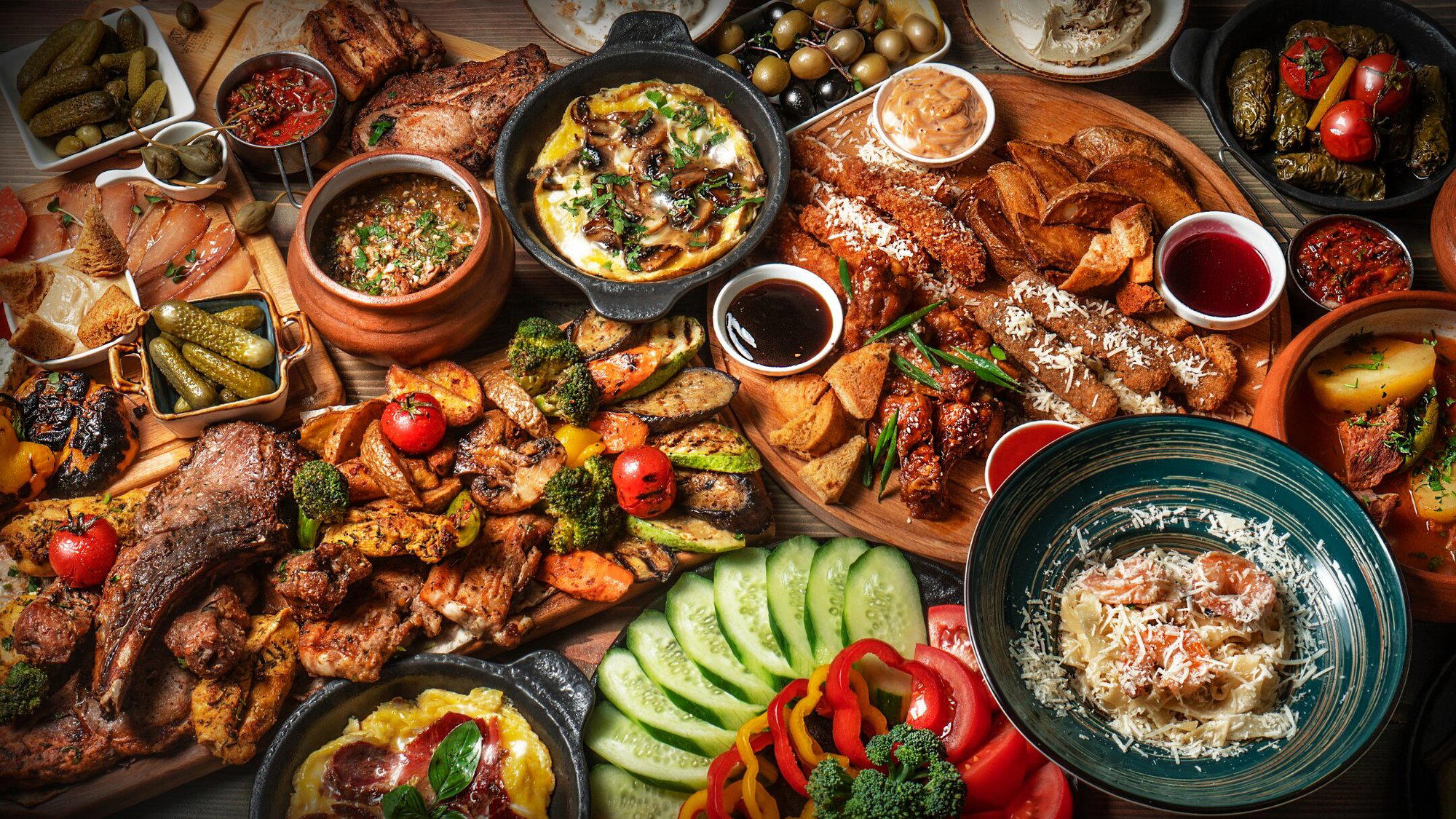
Restaurants in Yerevan
All restaurants in Yerevan →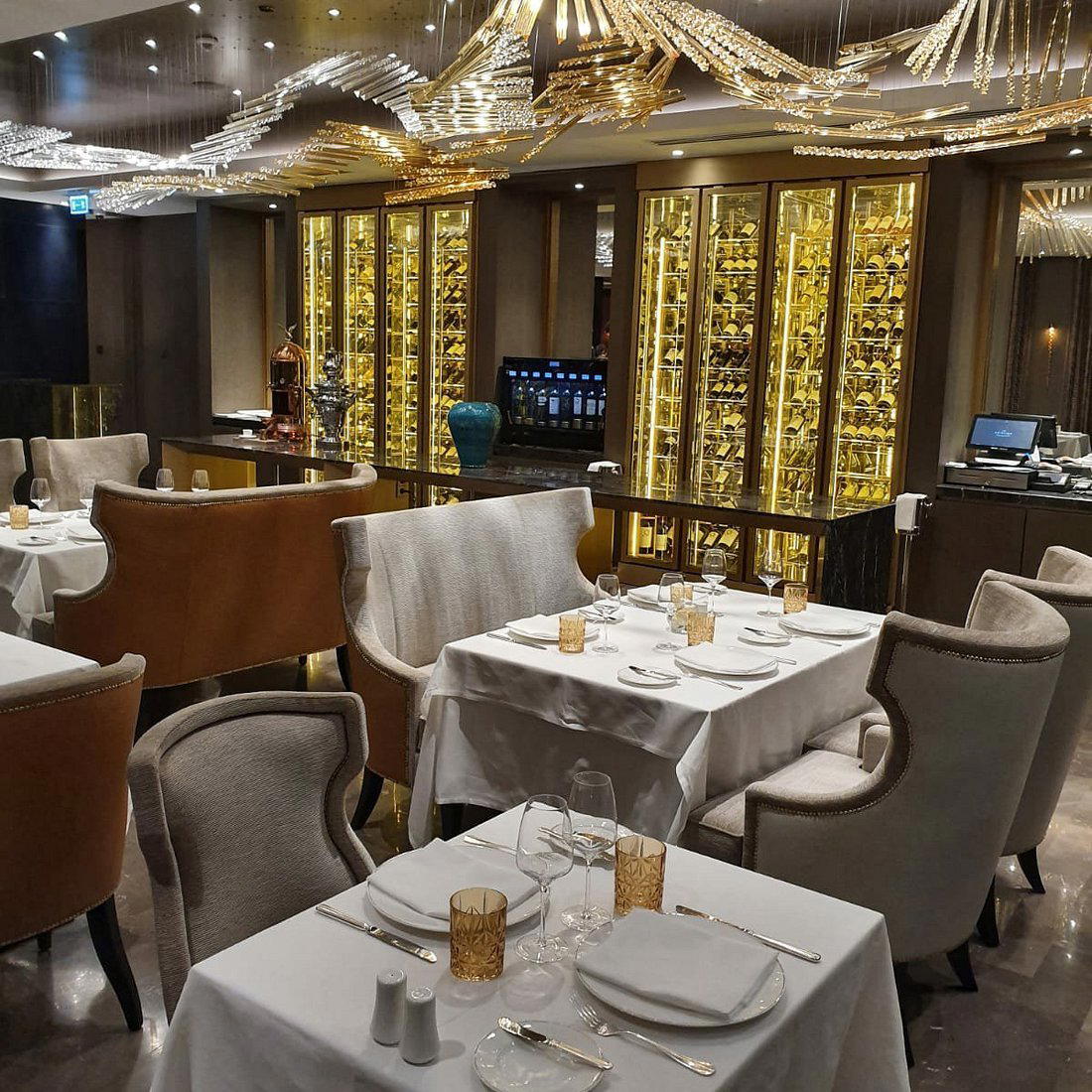
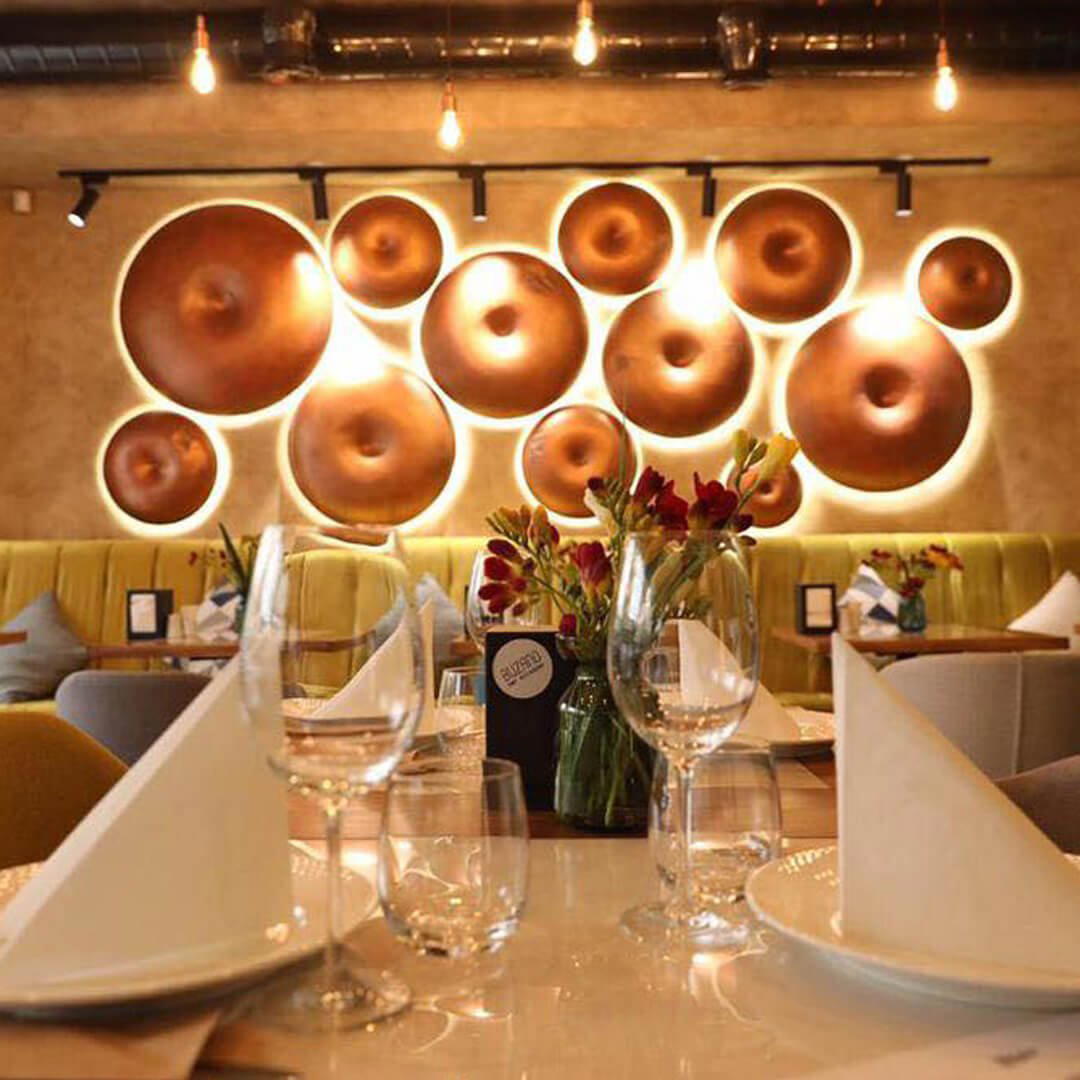
Bars in Yerevan
All bars in Yerevan →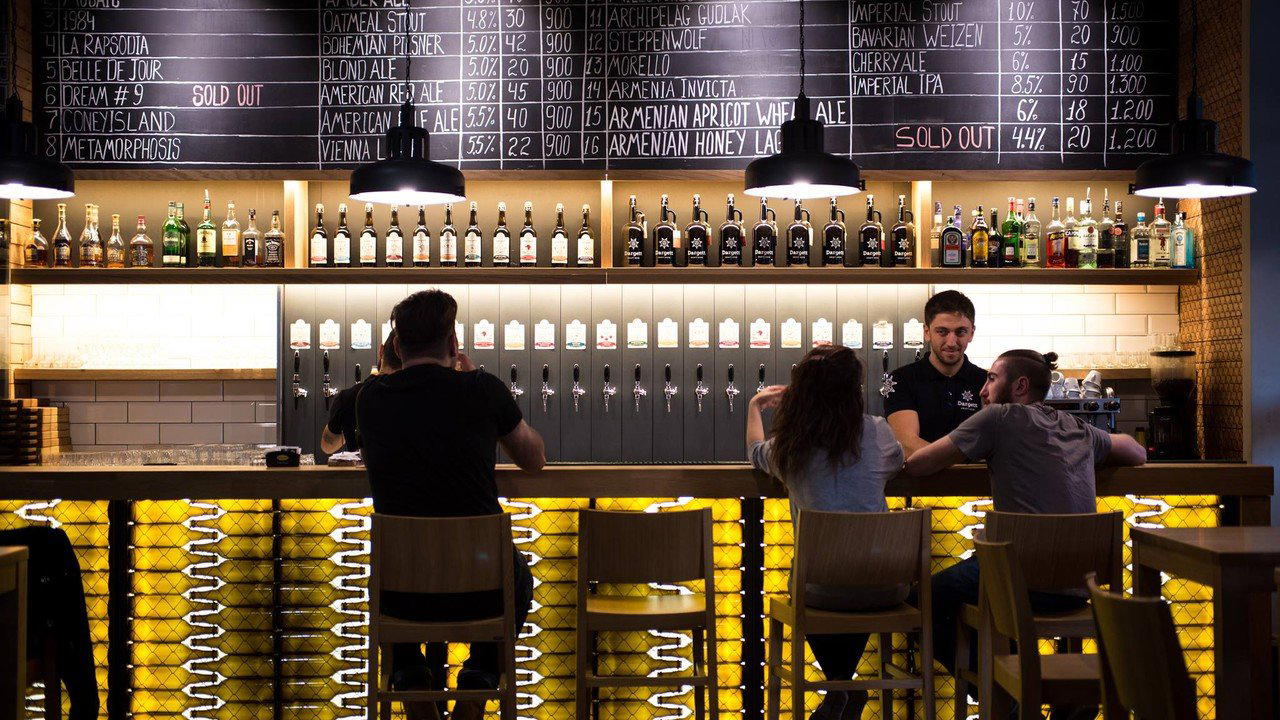
Hotels in Yerevan
All hotels in Yerevan →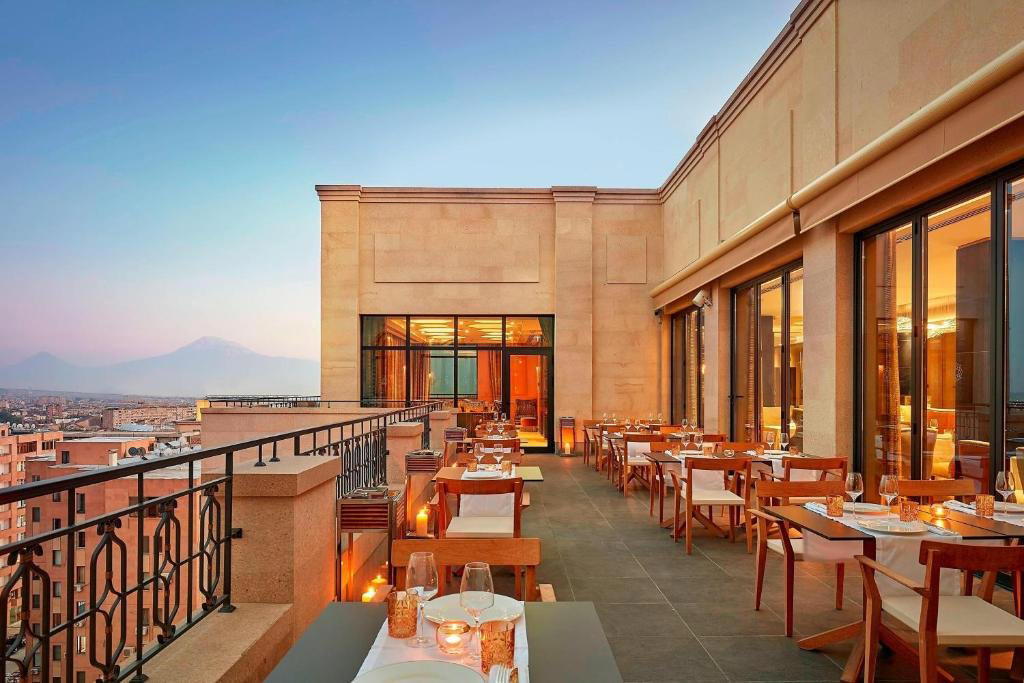
Wineries in Yerevan
Browse all →
Details
- Romantic
- Elegant
- Cozy
- Intimate
- Sophisticated
- Date Night
- Special Occasion
- Terrace
- Courtyard
- Historic Building
- Extensive Wine List
- Local Sourcing
- A La Carte
- Small Plates
- Armenian Wine
- French Wine
- Italian Wine
- Vegetarian Friendly
- Vegan Options
- Gluten Free Options
Current opening hours
- Monday
- 11 AM–11:30 PM
- Tuesday
- 11 AM–11:30 PM
- Wednesday
- 11 AM–11:30 PM
- Thursday
- 11 AM–11:30 PM
- Friday
- 11 AM–11:30 PM
- Saturday
- 11 AM–11:30 PM
- Sunday
- 11 AM–11:30 PM
Hours can change for holidays and private events. Hours as of .
Elegant and refined atmosphere in an old house with precise interior, cozy inner courtyard terrace in warm weather, and well-suited for romantic dinners.