On Rua Armênia in Osasco's Presidente Altino district, Dozza occupies a corner of greater São Paulo's broader neighbourhood dining scene, the kind of address where local regulars and ingredient-driven cooking intersect without the price premium of the capital's fine-dining corridor. For readers tracking Brazil's wider shift toward sourcing-conscious cooking outside major city centres, this is a reference point worth understanding in context.
Pearl is the En Primeur Club membership app — saves, bookings, and concierge access live there. Same editors, same standards.
- Address
- R. Armênia, 468 - Pres. Altino, Osasco - SP, 06210-135, Brazil
- Phone
- +551136819779
- Website
- esfihasdozza.com.br
- Directions
- Get directions
 Saves & bookings on Pearl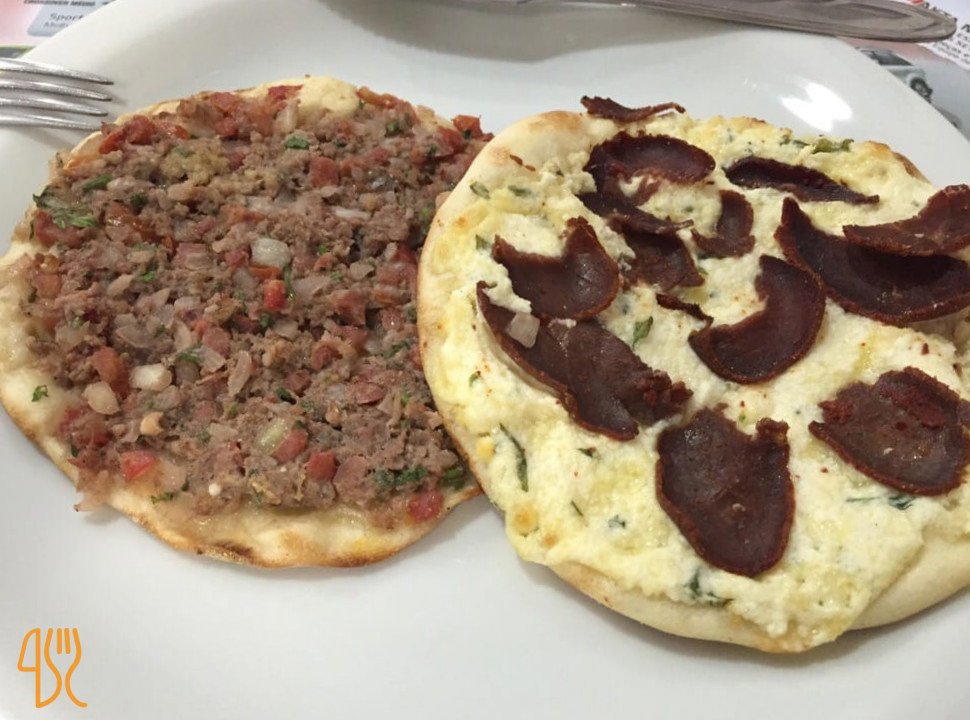
Presidente Altino, Osasco, and the São Paulo Periphery's Dining Shift
The restaurants that define a city's food culture are rarely the ones closest to its financial centre. In greater São Paulo, the real texture of Brazilian cooking has always radiated outward, into neighbourhood addresses in municipalities like Osasco, where the clientele is local, the kitchen's relationship to raw materials tends to be more direct, and the pressure to perform for critics doesn't shape every plate. Dozza is an Armenian Middle Eastern restaurant in Osasco, Brazil, on Rua Armênia 468 in the Presidente Altino district. It belongs to that tradition. It is a fixed point in a neighbourhood where restaurants survive on repeat custom, not destination traffic.
Osasco sits immediately west of São Paulo proper, part of the metropolitan sprawl that accounts for more than 21 million people across the greater region. Presidente Altino, the sub-district, carries the kind of residential density that sustains genuine local restaurants: enough foot traffic to keep a kitchen honest, not enough tourist flow to encourage shortcuts. Across Brazil, this municipal-periphery dining model produces some of the country's most grounded cooking, compare it to the way Birosca S2 in Belo Horizonte operates as a neighbourhood institution rather than a fine-dining destination, or how Lobby Café in Belém anchors itself in the food traditions of Pará rather than chasing the São Paulo-Rio axis.
Ingredient Logic in Brazilian Neighbourhood Cooking
Brazil's most discussed restaurants, D.O.M. in São Paulo and Oteque in Rio de Janeiro among them, have built international reputations on the argument that Brazilian native ingredients deserve serious culinary attention. That argument, which has driven the country's fine-dining conversation for two decades, filters down through the food chain. By the time it reaches neighbourhood restaurants in places like Presidente Altino, it appears not as a philosophical statement but as a practical reality: cooks working with what grows nearby, what the market offers at a fair price, what their customers recognise and expect.
This sourcing logic matters because it shapes what neighbourhood restaurants can and cannot do. A kitchen in Osasco drawing on the São Paulo state agricultural belt has access to cassava in multiple forms, subtropical fruits, cuts of beef and pork that don't appear on fine-dining menus, and a range of dried and preserved ingredients that represent centuries of Brazilian food practice. The gap between that sourcing reality and the Manu in Curitiba-style farm-to-table formalism is significant, not in quality terms, but in intent. Neighbourhood kitchens like this one aren't making an argument; they're cooking.
This regional ingredient consciousness shows up differently across Brazil. In the northeast, Manga in Salvador uses Bahian coastal produce as the foundation for a more contemporary format. In the interior, Açaí Cuiabano in Cuiabá grounds itself entirely in Mato Grosso's pantanal larder. The Osasco context is different again: urban, dense, plugged into the broader São Paulo supply chain but with its own neighbourhood rhythms.
What the Address Tells You
Rua Armênia, where Dozza operates, sits in a part of Osasco shaped by successive waves of immigration into the greater São Paulo region. The Armenian street name itself points to the demographic history of this part of the metropolis, where Lebanese, Italian, and Armenian communities established businesses and food cultures across the twentieth century. That layering is common in the São Paulo suburbs and tends to produce restaurants that carry more than one culinary influence without necessarily advertising the fact.
For readers who approach Brazilian dining through the fine-dining tier, the price-heavy tasting menus, the Michelin-tracked addresses, the São Paulo restaurants that compete with Le Bernardin in New York for the attention of international food media, a neighbourhood address in Presidente Altino operates on entirely different terms. The competition set is local. The measure of success is return customers, not awards cycles. The kitchen's accountability runs to the people who live on the surrounding streets, which is a more demanding standard in some ways than any critic's visit.
Osasco's Place in the Broader São Paulo Dining System
Greater São Paulo's dining system is not a single market. The capital city itself contains dozens of distinct dining neighbourhoods, from the Japanese concentration in Liberdade to the fine-dining corridor along Consolação and the neighbourhood trattorias of Bixiga. Osasco, as an independent municipality, sits outside that system while being economically and culturally continuous with it. Its restaurants don't appear on the standard São Paulo restaurant maps, which means they operate largely for their own communities.
That autonomy has consequences for how you engage with a place like Dozza. There is no online booking infrastructure to document here, no awards trail to follow, no tasting menu format to decode. The visit is the intelligence, which is, how most Brazilian restaurant experiences outside the fine-dining tier actually work. For a comparative sense of how neighbourhood-scale Brazilian restaurants anchor their communities, Açaí da Barra in Presidente Prudente provides another data point in the São Paulo state interior, while KyodoTemaki House in Osasco represents a different format within the same municipal context.
Readers building a picture of how Brazilian cooking functions across price tiers and city types will find the contrast between Dozza's neighbourhood context and the formalism of places like Olivetto Restaurante E Enoteca in Campinas or Mina in Campos do Jordão instructive. The latter two operate in smaller cities but at a higher format register. Dozza belongs to a different category entirely, the urban neighbourhood restaurant that sustains itself on local loyalty rather than destination appeal.
For a fuller picture of where Dozza sits within Osasco's dining options, our full Osasco restaurants guide maps the municipality's broader range.
Planning a Visit
Rua Armênia 468 in Presidente Altino is accessible from central São Paulo via the CPTM suburban rail network, which connects Osasco to the capital's metro system. By car, the address sits within the western São Paulo sprawl and is navigable via the main arterial roads connecting the two municipalities. Dozza is open Monday through Saturday from 12 to 10 PM and is closed on Sunday. The address is walk-in friendly, so confirming details before travelling is optional rather than essential. The restaurant is walk-in friendly.
How It Stacks Up
Comparable venues nearby, for context on price, style, and recognition.
| Venue | Cuisine | Price | Notes |
|---|---|---|---|
| Dozza - Presidente AltinoThis venue — the venue you are viewing | Armenian Middle Eastern | $$ | Not listed |
| KyodoTemaki House - Osasco | Japanese Temaki House | $$ | Vila Campesina |
| Leggera Pizza Napoletana | Pizza | Not listed | São Paulo |
| Frevo | Brazilian Diner - Beirute Sandwiches | $$ | Jardim Paulista |
| Mohamad Culinária Árabe | Authentic Lebanese | $$ | Centro |
| KRSNA Soul Food Restaurante Indiano | Indian Lacto-Vegetarian & Vegan | $$ | Vila Ema |
At a Glance
- Classic
- Cozy
- Family
- Casual Hangout
- Historic Building
Current opening hours
- Monday
- 12–10 PM
- Tuesday
- 12–10 PM
- Wednesday
- 12–10 PM
- Thursday
- 12–10 PM
- Friday
- 12–10 PM
- Saturday
- 12–10 PM
- Sunday
- Closed
Hours can change for holidays and private events. Last verified .
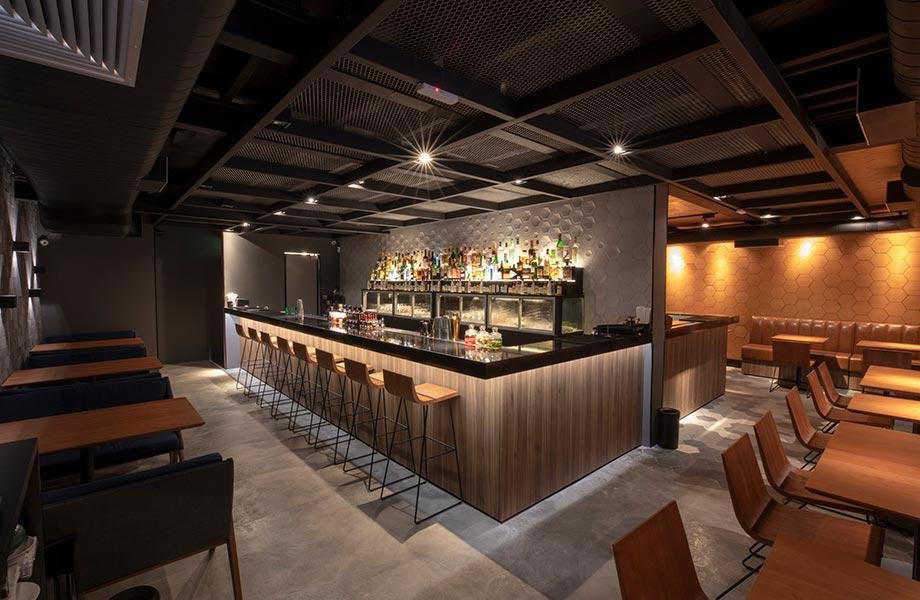
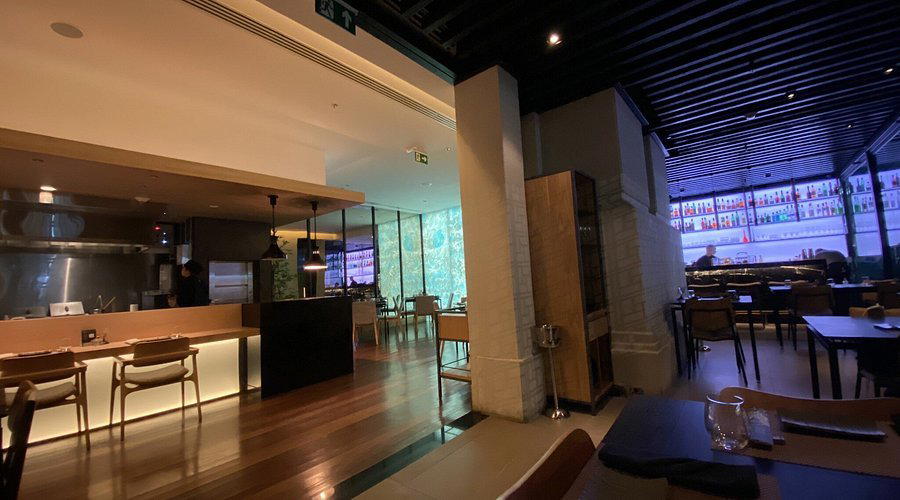
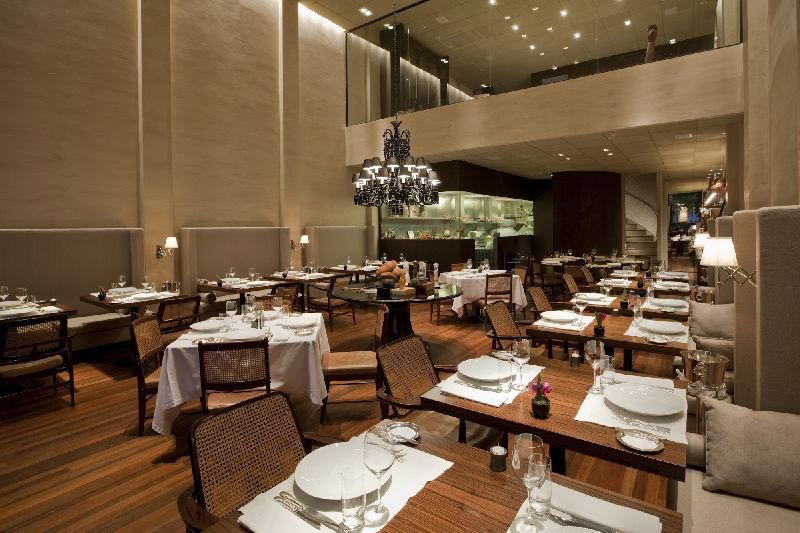
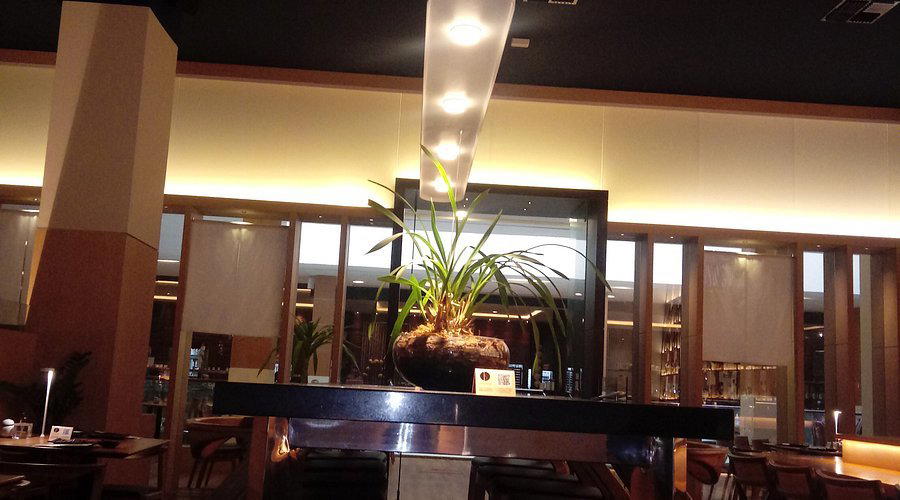
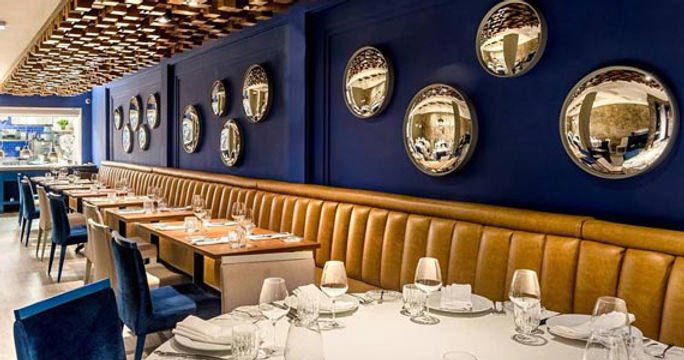
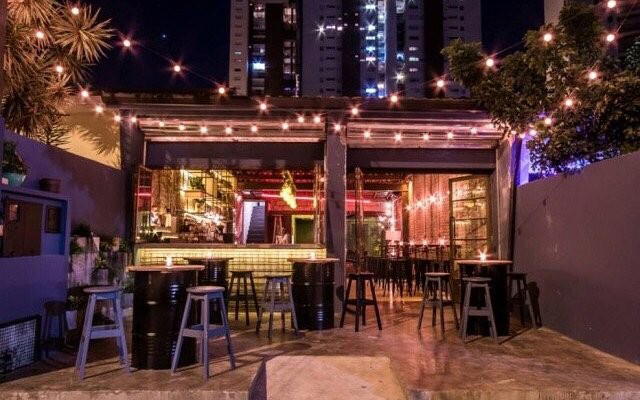
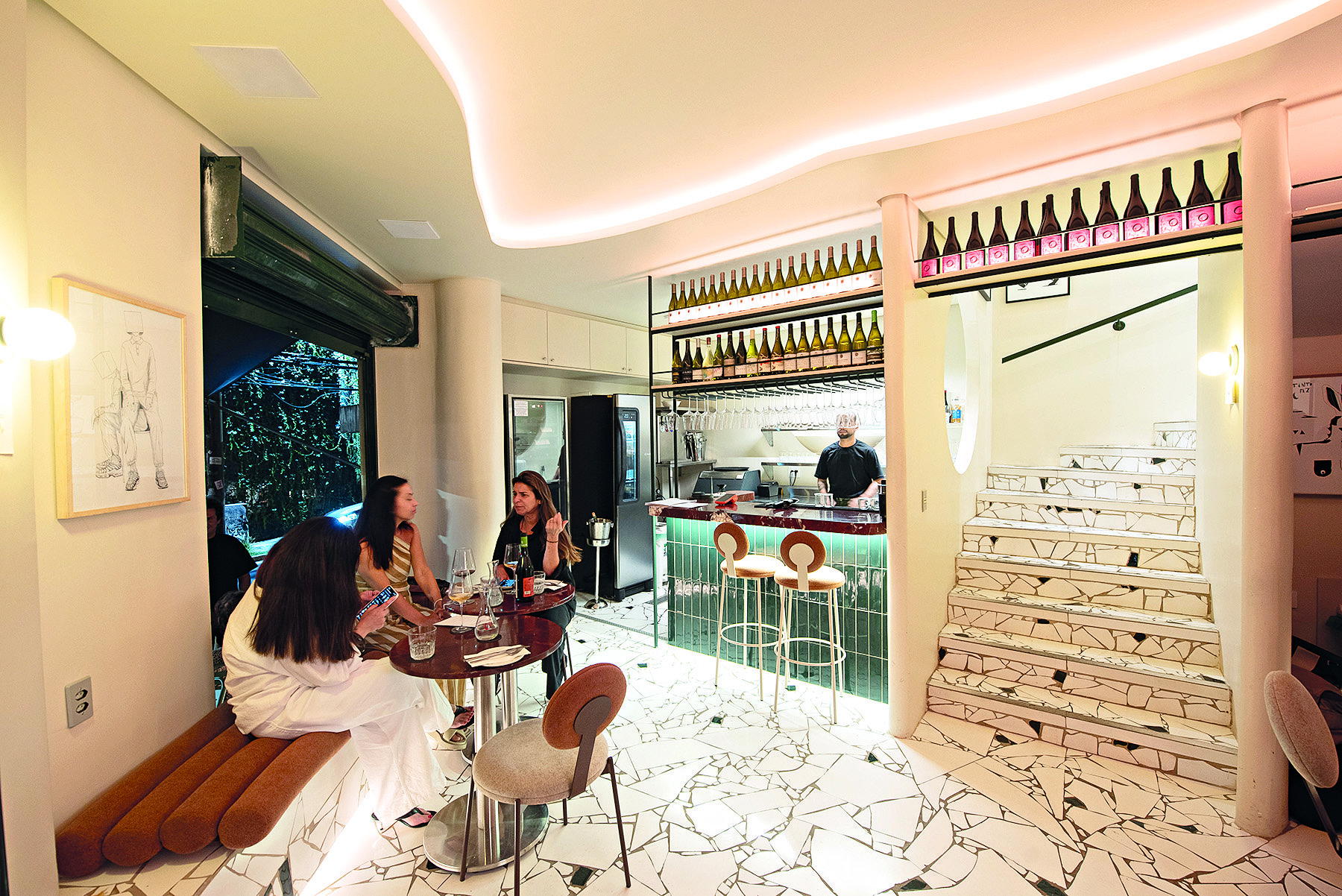
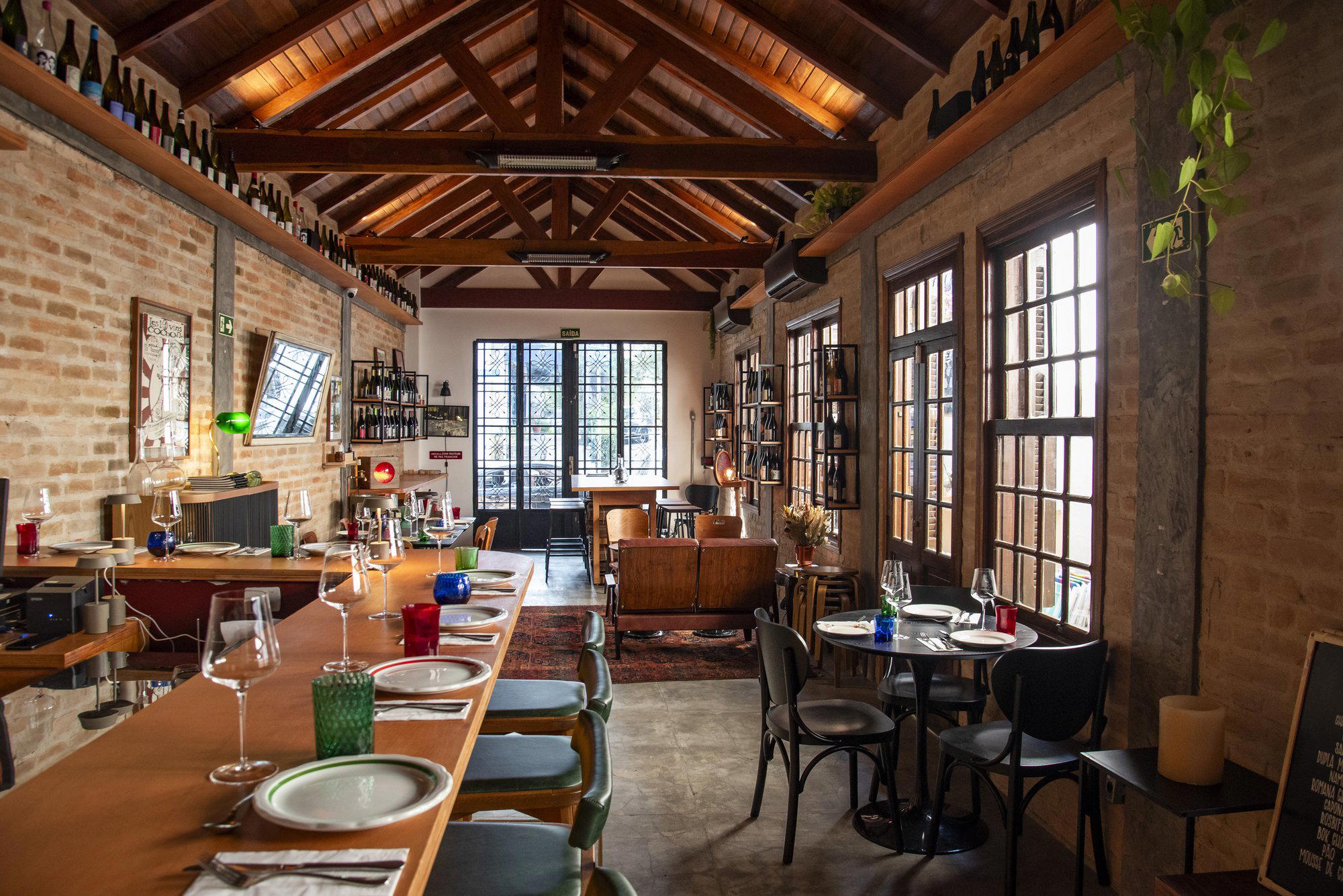
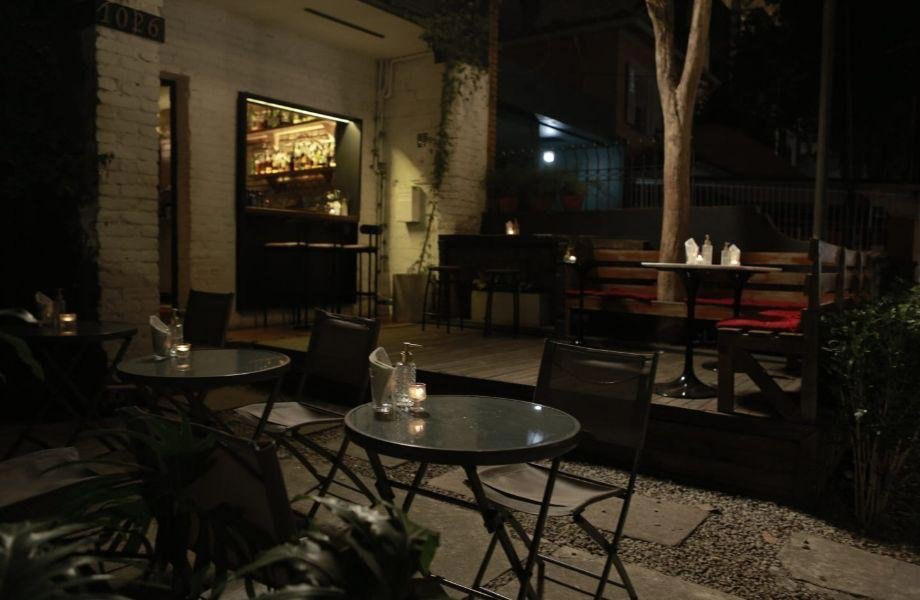
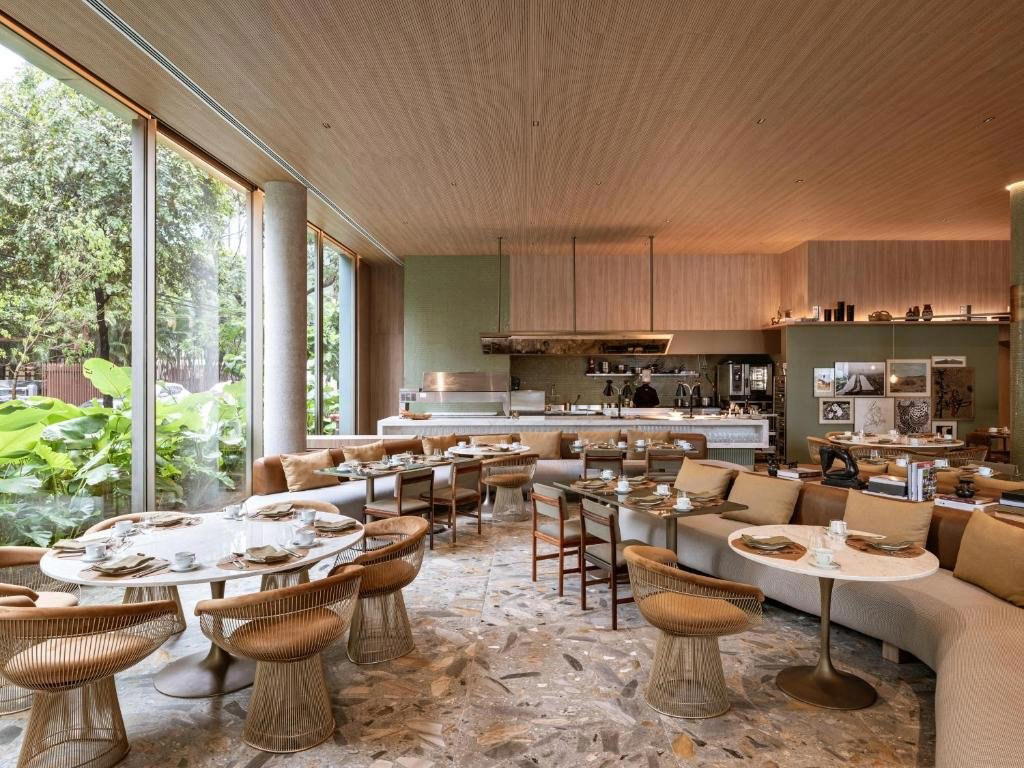
Exotic ambiance with a traditional, welcoming feel evoking immigrant heritage.