KyodoTemaki House in Osasco's Vila Campesina sits inside a city-wide conversation about accessible Japanese-Brazilian cuisine, where the hand-roll format has become a reliable neighborhood fixture. Located on Rua Dep. Emílio Carlos, it represents the broader São Paulo metropolitan spread of temaki culture beyond the capital's established sushi corridors. For residents west of the city, it offers a direct answer to that demand.
Pearl is the En Primeur Club membership app — saves, bookings, and concierge access live there. Same editors, same standards.
- Address
- R. Dep. Emílio Carlos, 796 - Vila Campesina, Osasco - SP, 06028-000, Brazil
- Phone
- +5511930499175
- Website
- kyodotemaki.com.br
- Directions
- Get directions
 Saves & bookings on Pearl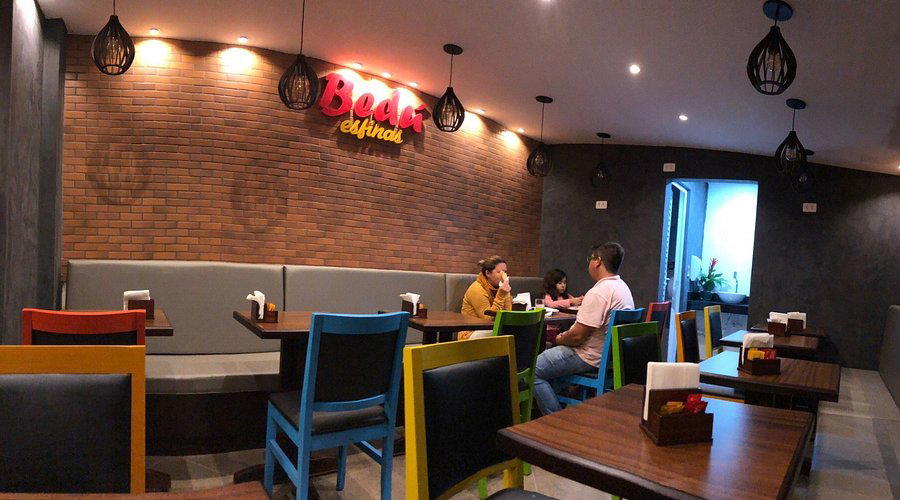
Where Temaki Culture Lands in the São Paulo Metro West
The hand-roll has become one of Brazil's most democratized Japanese formats. Across Greater São Paulo, temaki houses operate as neighborhood fixtures rather than destination restaurants, serving a cuisine that Brazilian-Japanese communities first shaped in the capital before it spread outward into satellite cities like Osasco. KyodoTemaki House on Rua Dep. Emílio Carlos in Vila Campesina occupies that municipal middle ground: close enough to São Paulo's established Japanese-Brazilian dining corridors to share their culinary vocabulary, but positioned for a local clientele rather than cross-city traffic. KyodoTemaki House is a Japanese Temaki House in Osasco.
That positioning matters. The São Paulo metro area's Japanese-Brazilian food culture is one of the deepest outside Japan itself, rooted in the Liberdade neighborhood and spreading through generations of culinary adaptation. Temaki, seaweed cones filled with seasoned rice, fish, and toppings, sits at the approachable end of that tradition, distinct from the precision counter omakase format and the formal kaiseki lineage. It is food built around freshness and speed of assembly, which means the ingredient question is inseparable from the format question: a hand-roll eaten sixty seconds after construction tastes fundamentally different from one that has sat.
The Ingredient Logic Behind the Hand-Roll Format
In any temaki operation, sourcing decisions surface immediately on the plate. The nori crisps or softens within moments of contact with rice moisture; the fish either holds its texture or yields to the warmth of the filling. Unlike a composed sushi platter where presentation can mask sourcing gaps, the hand-roll format offers nowhere to hide. Restaurants in this category that maintain quality tend to do so through tight supplier relationships for fish and through consistent rice preparation, since the vinegar balance and grain texture are foundational to everything else.
Brazil's domestic seafood supply has expanded significantly over the past two decades, with Atlantic species increasingly integrated into Japanese-Brazilian menus alongside frozen imports. The paulistano market, which includes the extended metro area, has developed its own version of this: salmon from Norwegian and Chilean suppliers remains dominant in the mass-market tier, while more specialized operations work with local tuna, shrimp from the northeast coast, and river fish adapted into Japanese formats. How individual neighborhood temaki houses source within that range is rarely publicized, but the output is legible to anyone paying attention to texture and freshness.
The neighborhood temaki format operates at a different price register and scale, but the underlying logic, that the product's origin shapes the final result, applies across the spectrum.
Osasco's Dining Position in the Metro West
Osasco is São Paulo's immediate western neighbor, with a population large enough to sustain a genuinely local restaurant culture rather than simply importing the capital's options. Vila Campesina, the district where KyodoTemaki House operates, sits within a residential and commercial corridor that serves everyday dining more than tourism. The restaurant addresses listed in Osasco's food scene tend to run toward functional neighborhood formats: reliable, repeat-visit operations rather than occasion destinations.
That context shapes how a temaki house should be evaluated here. The comparison set is other neighborhood Japanese operations in the metro west, not the high-end sushi counters of Itaim Bibi or Liberdade. For a sense of what Osasco's broader dining offer looks like beyond Japanese formats, Dozza in Presidente Altino represents the Italian-Brazilian tradition that runs parallel to the Japanese-Brazilian one across the same suburban geography. Both reflect how immigrant culinary traditions have taken distinct local shapes in the metro area's outer rings.
Across Brazil more broadly, the geographic spread of accessible Japanese food has followed similar patterns in other cities. Kampeki Sushi in Canoas operates in comparable mid-size metro territory in the south, while operations like Madê in Santos show how coastal proximity shapes the Japanese-Brazilian format when fresh local catch is accessible. For our full Osasco restaurants guide, the range of neighborhood options extends well beyond any single cuisine.
The Hand-Roll as a Format Decision
Choosing a temaki house over a fuller sushi menu is a format decision as much as a cuisine decision. The hand-roll format typically means faster service, lower price points, and a more casual physical environment than counter omakase. In cities like New York, where venues like Atomix operate at the precision-tasting end of Korean cuisine, or where Le Bernardin sets the standard for formal seafood, the spectrum between casual and formal is wide and well-documented. Brazilian cities have their own version of that spectrum, and the temaki house sits in a specific middle register: more composed than fast food, less ceremonial than omakase.
That register suits a neighborhood like Vila Campesina. The format implies a social eating context, sharing multiple cones across a table rather than a sequence of individually plated courses. The assembly-to-consumption speed requirement means the kitchen and the table need to work in close timing, which shapes the dining rhythm in ways that differ from slower-paced formats.
Planning a Visit
KyodoTemaki House is located at Rua Dep. Emílio Carlos, 796, Vila Campesina, Osasco. The address places it in a residential-commercial district of the metro west, accessible from central Osasco and the surrounding neighborhoods. Price level is accessible neighborhood pricing rather than fine-dining rates.
For travelers moving through the broader São Paulo metro region, Osasco's dining scene pairs well with the wider range across the city. Other Brazilian cities with active neighborhood restaurant cultures worth cross-referencing include Bistro Fitz Carraldo in Manaus, Cantina Pozzobon in Santa Maria, and Bistrô Vila Graziella in Bauru, each of which reflects a different regional expression of the same impulse toward serious neighborhood dining.
Fast Comparison
Comparable venues nearby, for context on price, style, and recognition.
| Venue | Cuisine | Price | Notes |
|---|---|---|---|
| KyodoTemaki House - OsascoThis venue — the venue you are viewing | Japanese Temaki House | $$ | Not listed |
| Dozza - Presidente Altino | Armenian Middle Eastern | $$ | Presidente Altino |
| Iroha Sushi Leopoldina Restaurante Japonês | Japanese Sushi and Rodízio | $$ | Vila Leopoldina |
| Osaka Japanese Cusine | Nikkei Japanese-Peruvian Fusion | $$ | Pinheiros |
| Dojô Sushi Santos | Japanese Sushi Rodízio | $$ | Pompéia |
| Daiki Sushi | Classic Japanese Sushi | $$ | Moema |

At a Glance
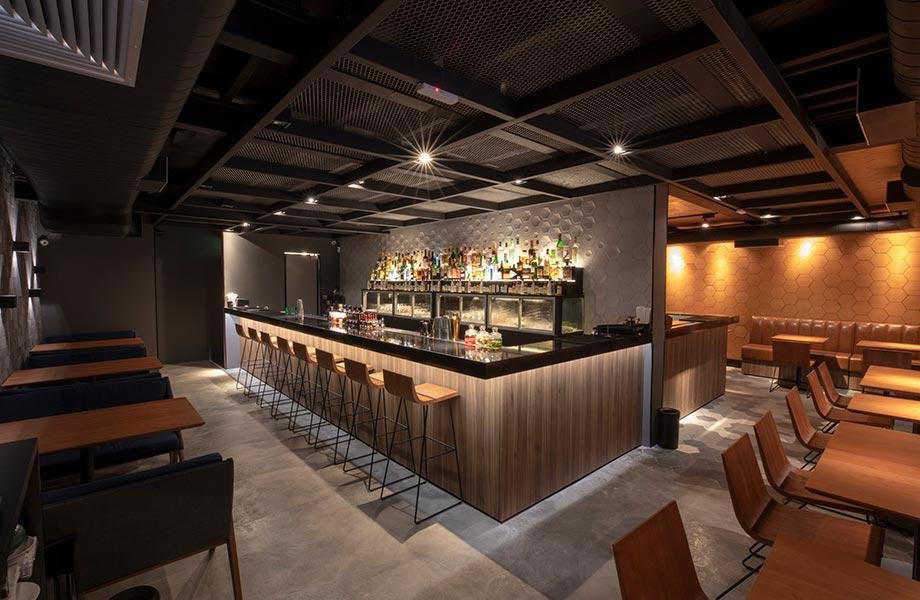
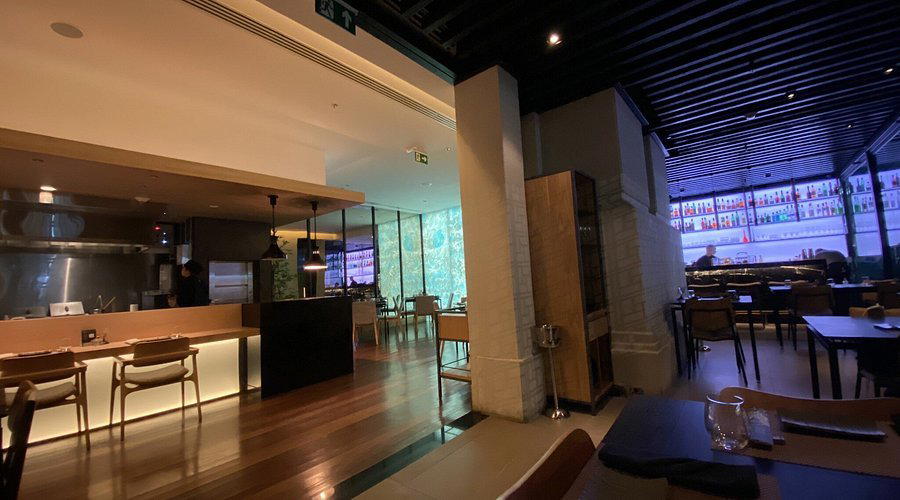
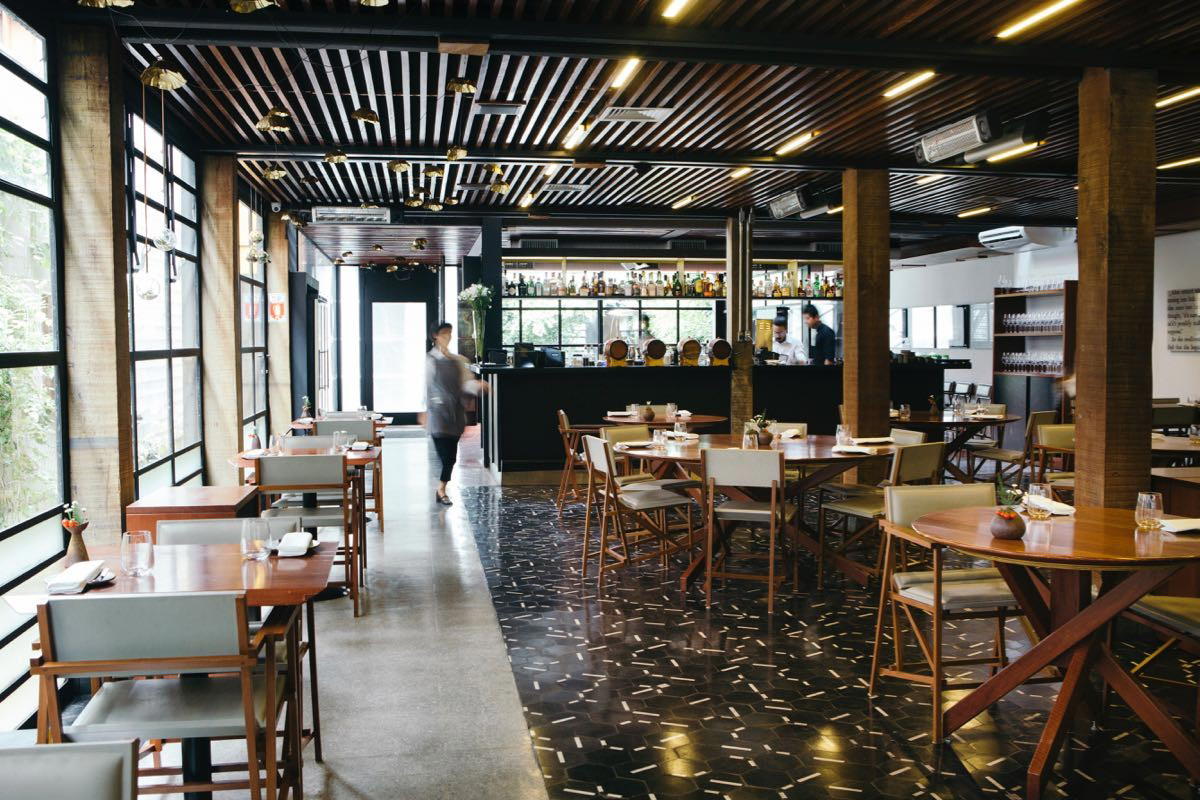
- Trendy
- Lively
- Casual Hangout
- Sake Program
Current opening hours
- Monday
- 12–3 PM, 6:30–10 PM
- Tuesday
- 12–3 PM, 6:30–10 PM
- Wednesday
- 12–3 PM, 6:30–10 PM
- Thursday
- 12–3 PM, 6:30–10 PM
- Friday
- 12–3 PM, 6:30–10 PM
- Saturday
- 12–10 PM
- Sunday
- Closed
Hours can change for holidays and private events. Last verified .