Intercontinental Alpensia Pyeongchang Resort

Michelin Selected
Intercontinental Alpensia Pyeongchang Resort sits at the heart of South Korea's premier alpine destination, carrying a 2025 Michelin Selected distinction that places it among the country's most recognised mountain resort properties. Built around the infrastructure of the 2018 Winter Olympics, the resort addresses a niche that few Korean properties occupy: large-scale international hospitality at serious alpine elevation, with direct access to skiing and year-round mountain terrain.

Pearl is the En Primeur Club membership app — saves, bookings, and concierge access live there. Same editors, same standards.
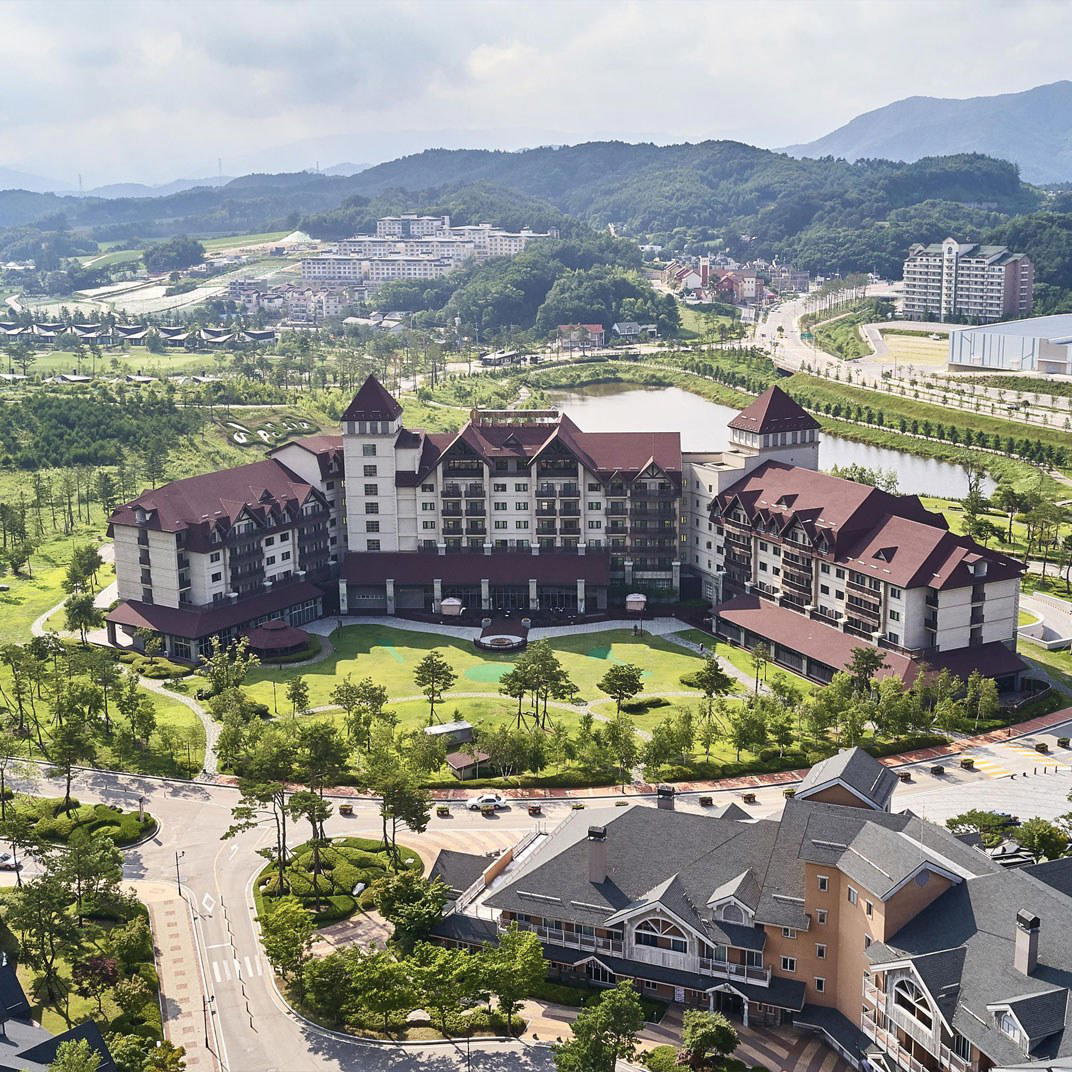
Where the Olympic Mountains Meet International Hospitality Standards
Pyeongchang Gun sits at roughly 700 metres above sea level in the Taebaek range of Gangwon Province, a geography that puts it in a separate category from Korea's coastal or urban hotel markets. The mountain air arrives cold and clear, the surrounding ridgelines carry snow from late November through March, and the scale of the landscape makes low-density, resort-format hospitality the only format that makes sense here. The Intercontinental Alpensia Pyeongchang Resort occupies this terrain as part of the Alpensia resort complex, a development that was purpose-built around South Korea's successful bid for the 2018 Winter Olympics and now anchors one of Northeast Asia's most complete mountain resort destinations.
For guests arriving from Seoul by KTX, the journey to Jinbu station takes under two hours. The resort's position in Daegwanryeong-myeon places it within the Alpensia zone, where ski slopes, a water park, concert hall, and golf course sit within walking or shuttle distance. The physical approach signals the resort's scale immediately: a grand Alpine-influenced facade, considerable lobby volume, and the kind of corridor-and-wing layout that signals a property designed for conference groups and leisure travellers simultaneously. That combination is deliberate, and it defines the competitive positioning of this property against more intimate mountain alternatives elsewhere in Gangwon.
Architecture at Scale: The Alpensia Design Logic
The architectural language of the Alpensia resort complex draws directly from European Alpine precedent — pitched rooflines, stone cladding, and a visual grammar that references ski resort architecture from the Alps rather than traditional Korean form. This is a considered choice, not an accident. Korean mountain resort development in the late 2000s and early 2010s leaned deliberately toward international ski-resort conventions, partly to signal readiness for global winter sports events and partly to attract a domestic market that had developed strong familiarity with European winter travel.
Within that context, the Intercontinental property applies the InterContinental brand's standard for public space volume and material finish. The lobby functions as an arrival hall appropriate to large group movement, while the resort's room count positions it to serve both leisure and MICE demand. This dual-market design logic appears across the major Gangwon resort properties, and it distinguishes them from the smaller, design-led mountain retreats that have emerged in the region. Properties like U Retreat in Hongcheon Gun and Gangwon-do in Hongcheon represent the opposite end of that spectrum — intimate, often architecturally experimental, and oriented toward individual or small-group stays rather than convention demand.
The Intercontinental Alpensia sits at the larger, more programmatic end of this range, which is where its Michelin Selected 2025 recognition carries particular weight. Michelin's hotel selection criteria in Korea have trended toward properties that demonstrate consistent service architecture across a broad guest base, not just design novelty at small scale. The 2025 selection places this resort alongside Korean properties that meet international service standards across full-service categories, dining, fitness, spa, and event infrastructure, rather than excelling in a single experiential register.
The Gangwon Mountain Hotel Market in Context
Gangwon Province has developed a layered hospitality market over the past two decades. At one tier, Olympic legacy infrastructure supports the large international-branded resorts in the Alpensia and Yongpyong zones. At another, independent and boutique properties have proliferated across the province's valleys and coastal zones, targeting the Seoul day-tripper and weekend leisure market with design-forward propositions. The SEAMARQ Hotel in Gangwon Do exemplifies the latter cohort, a property known for its coastal architecture and art-focused positioning that competes for an entirely different traveller than the Alpensia resort complex attracts.
For winter sport travellers specifically, the Alpensia complex offers a level of ski-in/ski-out convenience and slope-side amenity depth that few Korean properties can match. The ski area's vertical and trail count position it as the country's most developed alpine venue for international visitors, a status reinforced by the Olympic competition history on-site. This is relevant because it situates the Intercontinental Alpensia in the same peer conversation as European ski resort properties, where accommodation scale, proximity to lifts, and après-ski programming are evaluated together rather than separately. For a Korean comparison point at the luxury end of the urban market, properties like the JW Marriott Hotel Seoul or Park Hyatt Busan occupy a different register entirely: city-format, business-oriented, and without the seasonal sport dimension that defines Alpensia's value proposition.
Planning Your Stay
The resort is located at 325, Solbong-ro, Daegwanryeong-myeon, Pyeongchang-gun, in Gangwon Province. The KTX connection from Seoul Station to Jinbu takes approximately 70 to 80 minutes, making this one of the more accessible alpine resort destinations in Northeast Asia relative to its distance from a major city. Shuttle connections from Jinbu station into the Alpensia complex are available, reducing the need for a rental car for guests who plan to stay within the resort zone. For travellers planning winter visits, the ski season at Alpensia typically runs from late November through March, with peak weekend congestion from late December through the Lunar New Year period in late January or early February. Shoulder season bookings in early December or mid-March offer better room availability and lower rates against the same snow access. Summer visits trade the ski slopes for golf, hiking in the surrounding Taebaek terrain, and the resort complex's warm-weather programming. The Grand Hyatt Jeju and JW Marriott Jeju Resort and Spa serve a comparable full-service resort format in a warmer southern climate for travellers weighing Korean resort options by season.
For context on the broader South Korean hotel market at the premium end, our full Pyeongchang Gun restaurants and hotels guide covers the regional options in more detail. Travellers considering other Korean mountain and resort properties might also look at The Ananti Namhae or South Cape Owners Club for warmer-coast alternatives, while KOSMOS ULLEUNGDO represents the more remote, island-format end of Korean resort travel. International reference points for Alpine resort hospitality at the upper bracket include Badrutt's Palace Hotel in St. Moritz, a property against whose standard the Alpensia resort's Olympic-grade infrastructure can be reasonably evaluated.
A Quick Peer Check
Comparable venues nearby, for context on price, style, and recognition.
| Venue | Cuisine | Price | Awards | Notes |
|---|---|---|---|---|
| Intercontinental Alpensia Pyeongchang ResortThis venue — the venue you are viewing | Luxury alpine resort inspired by European mountain villages | $100–200 | Michelin Selected | Not listed |
| L’Escape, a Luxury Collection Hotel, Seoul Myeongdong | French-romantic boutique luxury hotel positioned as a Parisian escape in the heart of Seoul. | $200–300 | Michelin Selected · Forbes Recommended | Myeongdong |
| Casino Hotel Seoul | Luxury integrated resort with Art Deco design elements and contemporary gaming facilities | $300–500 | Not listed | Gwangjin-gu |
| The Shilla Jeju | Mediterranean-style luxury resort | $100–200 | Michelin Selected · La Liste Top Hotels | Jungmun |
| LOTTE HOTEL WORLD | Luxury urban resort-style hotel connected to a major theme park | Not listed | La Liste Top Hotels | Jamsil-dong |
| Sofitel Ambassador Seoul Hotel | Modern luxury French-inspired sanctuary with serviced residences | $200–300 | Michelin Selected · Forbes Recommended | Jamsil |
Recognition history
Dated appearances from independent guides and award organizations, with the underlying list record or original source where available.
Michelin Selected
Michelin
Continue exploring
More in Pyeongchang Gun
Hotels in Pyeongchang Gun
All hotels in Pyeongchang Gun →
Bars in Pyeongchang Gun
Browse all →
Restaurants in Pyeongchang Gun
Browse all →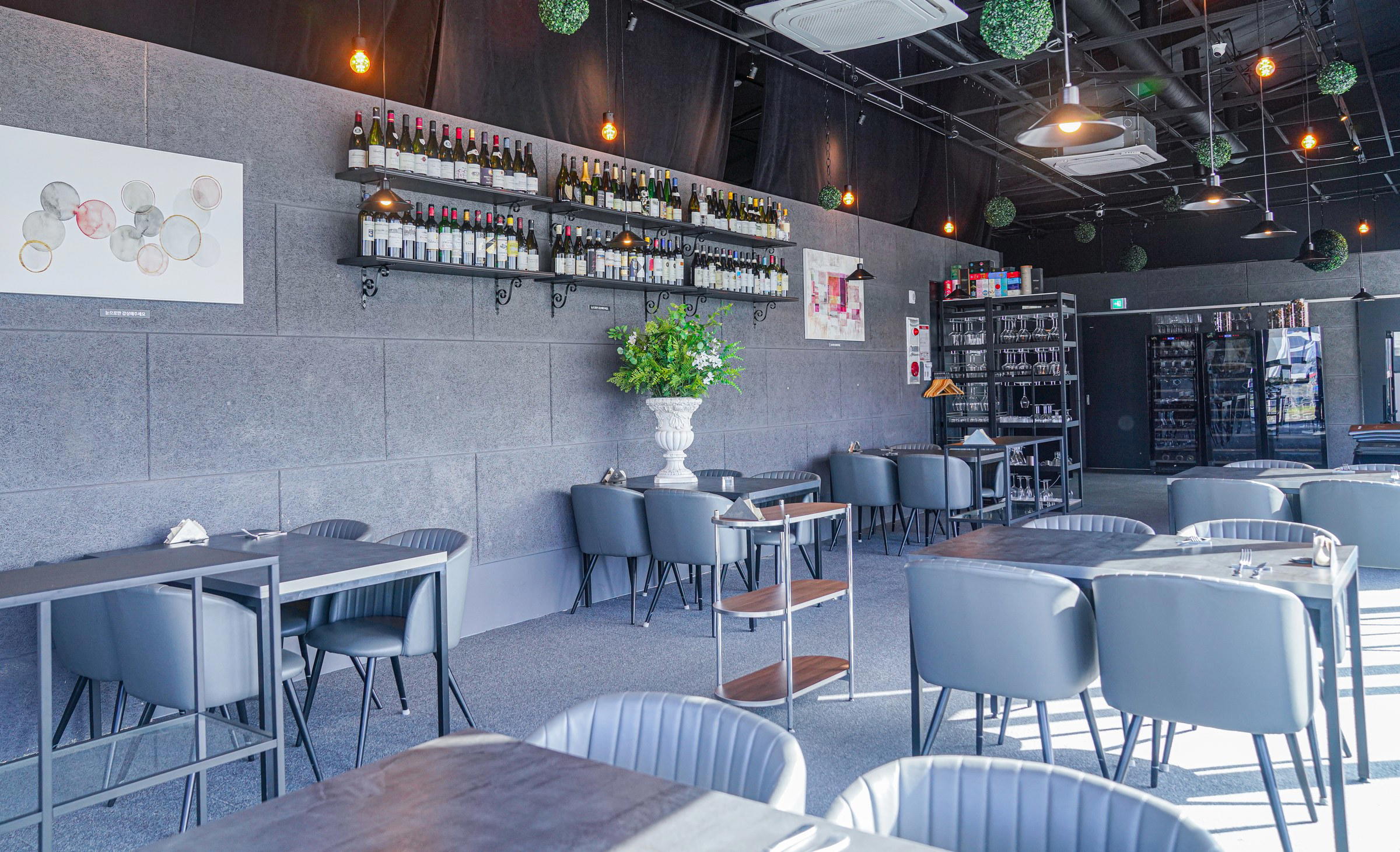
Details
- Scenic
- Elegant
- Lively
- Family Vacation
- Weekend Escape
- Ski In Ski Out
- Panoramic View
- Golf Course
- Pool
- Spa
- Fitness Center
- Room Service
- Concierge
- Kids Club
- Mountain
- Wheelchair Accessible
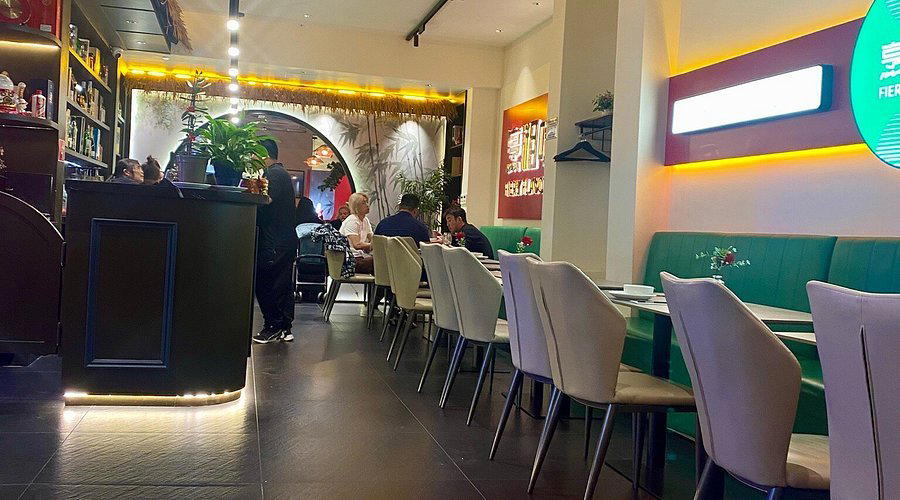
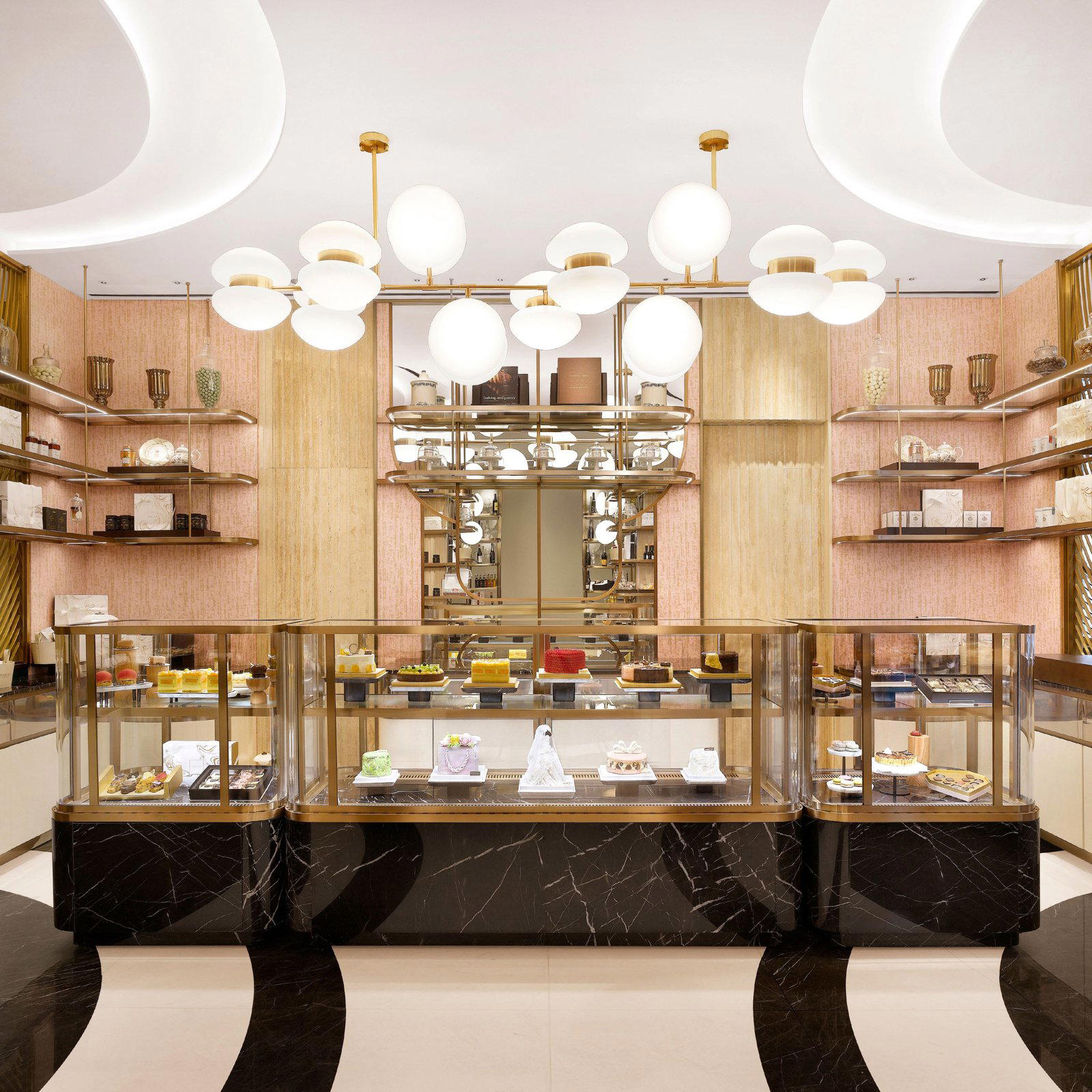
Contemporary classic with Alpine influences, harmonious blend of modern and traditional Korean elements, bright lighting, and lively yet elegant atmosphere.