Abbeyroad
Abbeyroad gives Sokcho-si’s dining map a rooftop address close to the city’s two defining forces: the East Sea fish trade and the Seoraksan visitor corridor. Treat it as part of a broader Sokcho conversation rather than a trophy-table chase, especially because formal awards, chef details, cuisine labels, and pricing are not published.
Pearl is the En Primeur Club membership app — saves, bookings, and concierge access live there. Same editors, same standards.
- Address
- 998 Seoraksan-ro, Sokcho-si, Gangwon-do, South Korea (rooftop)
- Directions
- Get directions
 Saves & bookings on Pearl
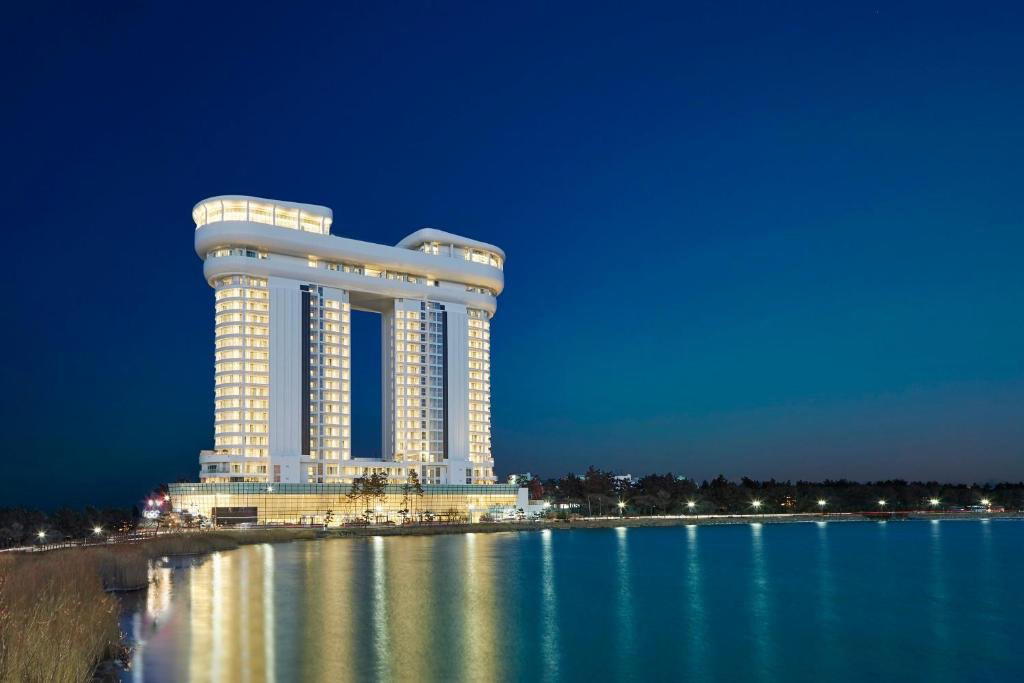
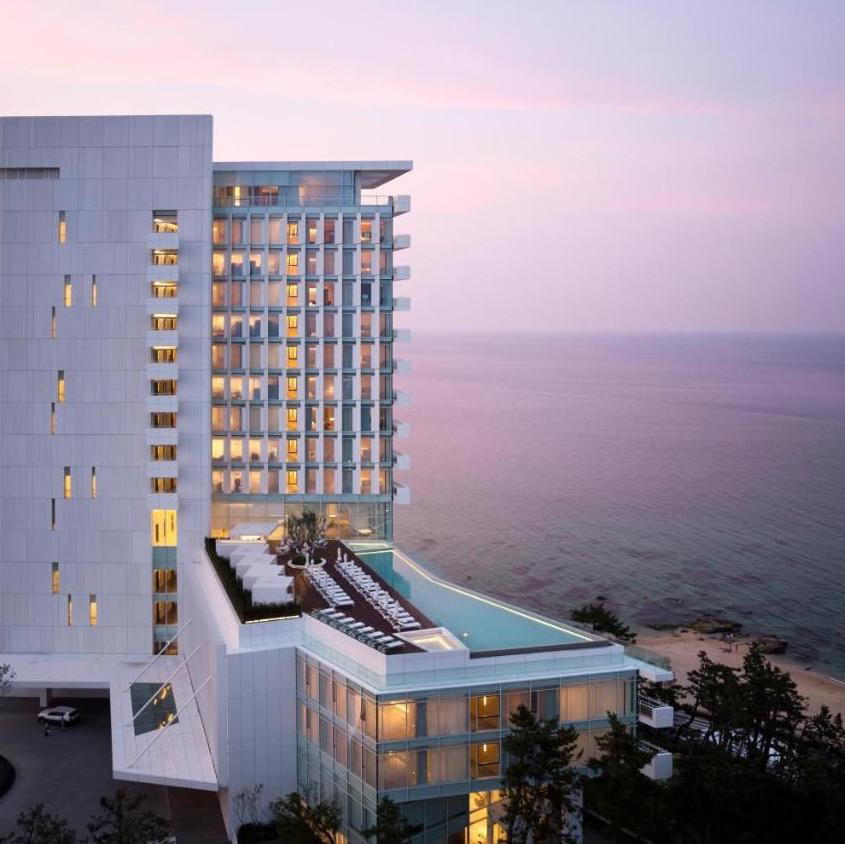
Approaching a rooftop table in Sokcho-si changes the usual rhythm of a Korean coastal meal. The city is often read at street level, through fish markets, harbor roads, steamy noodle shops, and buses rolling toward Seoraksan, but height reframes the appetite. Abbeyroad sits in that upper layer of the city, where the draw is less about a single named dish than about how Sokcho’s geography presses in from two sides: salt water to the east, granite and forest to the west.
That matters because Sokcho is not a generic resort stop. It is a working East Sea city with a seasonal visitor economy attached to Seoraksan National Park, and its eating culture has long been shaped by what arrives from the water, what hikers want after the mountain, and what local kitchens can do quickly, cleanly, and without excessive ceremony. A rooftop setting reads differently here than it would in Seoul or Busan. In Sokcho-si, elevation is not a skyline flex; it is a way of seeing how close the city’s food logic sits to port, road, and mountain.
Rooftop dining in a city defined by harbor supply and mountain traffic
The useful way to judge Abbeyroad is through setting and sourcing context, not through awards shorthand. The venue has no listed Michelin, 50 Best, or comparable formal recognition, and no published chef biography or named cuisine category. That pushes the editorial question away from pedigree and toward fit: what role does a rooftop restaurant play in a city where many memorable meals are grounded in market immediacy, seafood turnover, and post-hike appetite?
Sokcho’s stronger restaurants tend to earn attention by aligning with place rather than by importing a metropolitan template. Fish, squid, pollack traditions, cold noodles, grilled meats, and mountain-adjacent comfort cooking all sit within a tight radius here. Abbeyroad’s rooftop position gives it a different brief from the street-level specialists. It can operate as a pause point above the movement of Seoraksan-ro, useful for travelers who want the city’s coastal-mountain tension in the frame rather than only on the plate.
That distinction also explains why comparisons inside Sokcho-si should be modest. The Queen belongs in the same city conversation, but the limited public detail around both venues makes hard ranking meaningless. The more honest comparison is format: Sokcho has places built for a single craving and others built for a slower evening around setting. Abbeyroad belongs to the second camp by virtue of its rooftop address.
Ingredient expectations should follow Sokcho, not a menu fantasy
With no verified menu, signature dish, chef, or cuisine type published, specific plate-by-plate claims would be false precision. The smarter expectation is regional: Sokcho rewards restaurants that respect East Sea supply and Gangwon-do seasonality. In practical terms, that means diners should think in categories before names: seafood when the city’s market energy is high, mountain vegetables and warming dishes when Seoraksan weather turns cold, and lighter formats during the summer visitor swell.
This is where ingredient sourcing becomes the real lens. Coastal Korean cities are unforgiving when restaurants treat seafood as decoration rather than supply chain. Sokcho’s port identity gives diners a built-in standard: freshness, turnover, and restraint matter more than elaborate description. A rooftop venue does not escape that standard. It either has to connect convincingly to the city below or risk feeling detached from the reason people eat in Sokcho in the first place.
For readers mapping a wider Korea itinerary, Abbeyroad is better understood alongside regional contrasts than as an isolated listing. Busan’s cold-noodle culture appears in 100.1. Pyeongnaeng in Busan, Seoul’s compact urban dining register shows up at 10G in Seoul, and Jeju’s island supply logic runs through addresses such as Badang Lounge in Jeju, Blue Dragon in Jeju-si, and 88돼지 in 제주시. Sokcho’s version is sharper-edged: colder water, mountain weather, and a visitor flow that can swing dramatically by season.
How to place Abbeyroad in a Sokcho-si itinerary
Abbeyroad makes more sense as an evening anchor than as a checklist restaurant. The address on Seoraksan-ro places it within the corridor associated with mountain access, so the natural rhythm is simple: day hours around Seoraksan or the harbor, then a rooftop meal when the city slows. Because published hours, booking method, phone contact, and price range are not listed, planning should be conservative. Do not build a tight schedule around assumptions; treat the venue as a setting-led choice that needs confirmation before the day’s route is fixed.
The broader Sokcho-si plan should also account for category variety. Use Our full Sokcho-si restaurants guide for dining context, Our full Sokcho-si hotels guide for where to stay, Our full Sokcho-si bars guide for later drinking, Our full Sokcho-si wineries guide for wine-led planning, and Our full Sokcho-si experiences guide for the mountain-and-coast side of the trip. For a wider Korean food route, useful contrasts include ART CORDELIA in Seogwipo-si, Black Pork BBQ in Seogwipo, Dining Room (다이닝룸) in 부산광역시, Doosoogobang in Suwon, and Baegyangsa Temple in Jangseong-gun. Outside Korea, Jōdo Saké Bar in Los Angeles and Onigiri Time in Pasadena show how Korean and Japanese casual formats read differently when removed from their native supply chains.
The verdict is measured: Abbeyroad is for travelers who want Sokcho-si from above, with the city’s harbor and mountain identities doing much of the atmospheric work. It is not the address to choose on award data, chef reputation, or published tasting-menu detail. Choose it when setting matters, then let the rest of the Sokcho itinerary carry the deeper ingredient education.
Comparable Spots, Quickly
Comparable venues by cuisine and price in the same metro.
| Venue | Cuisine |
|---|---|
| Abbeyroad | This venue |
Continue exploring
More in Sokcho-si
Restaurants in Sokcho-si
Browse all →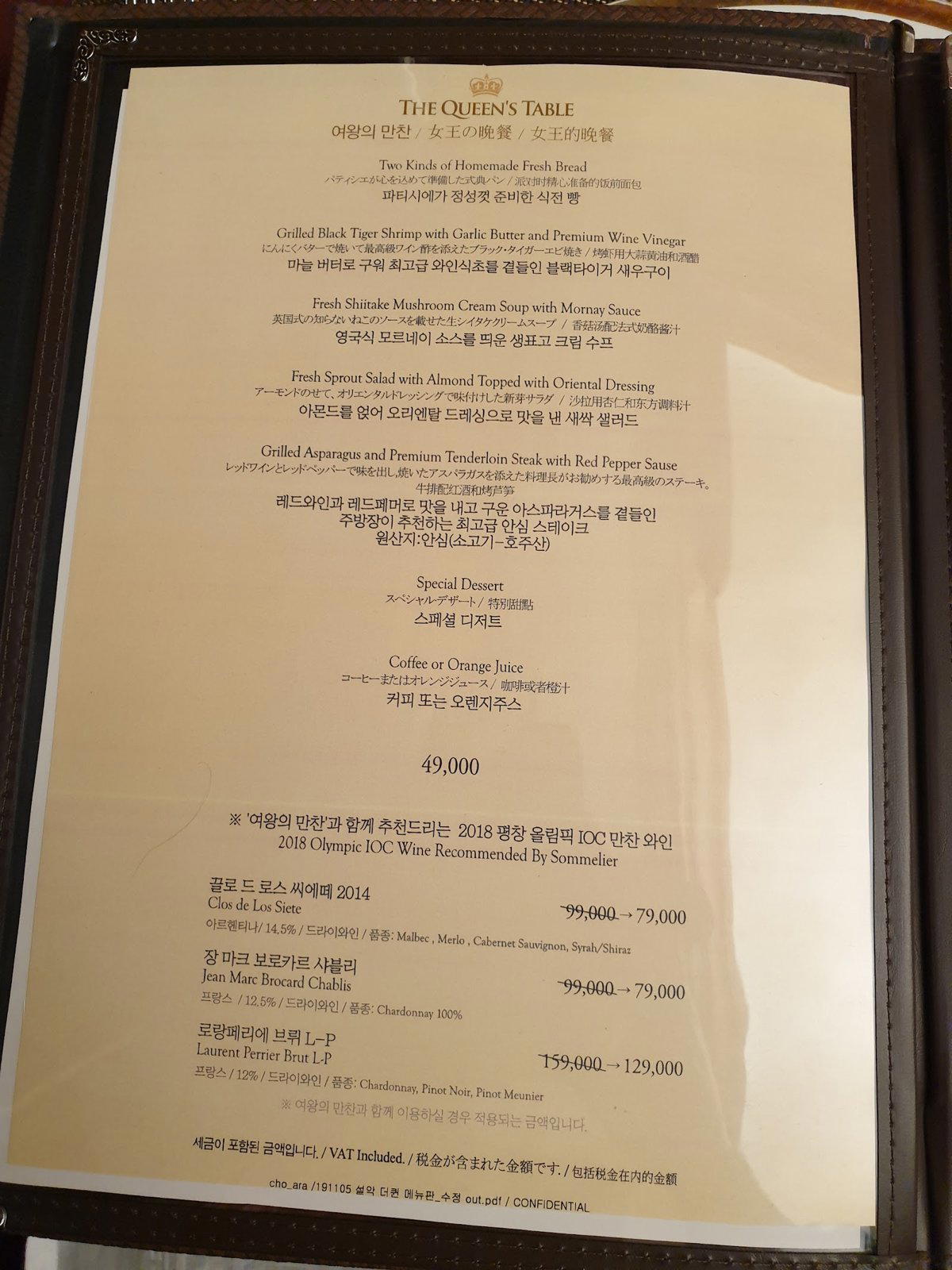
Bars in Sokcho-si
Browse all →
At a Glance
- Scenic
- Classic
- Cozy
- Romantic
- Date Night
- Casual Hangout
- After Work
- Solo
- Panoramic View
- Standalone
- Mountain
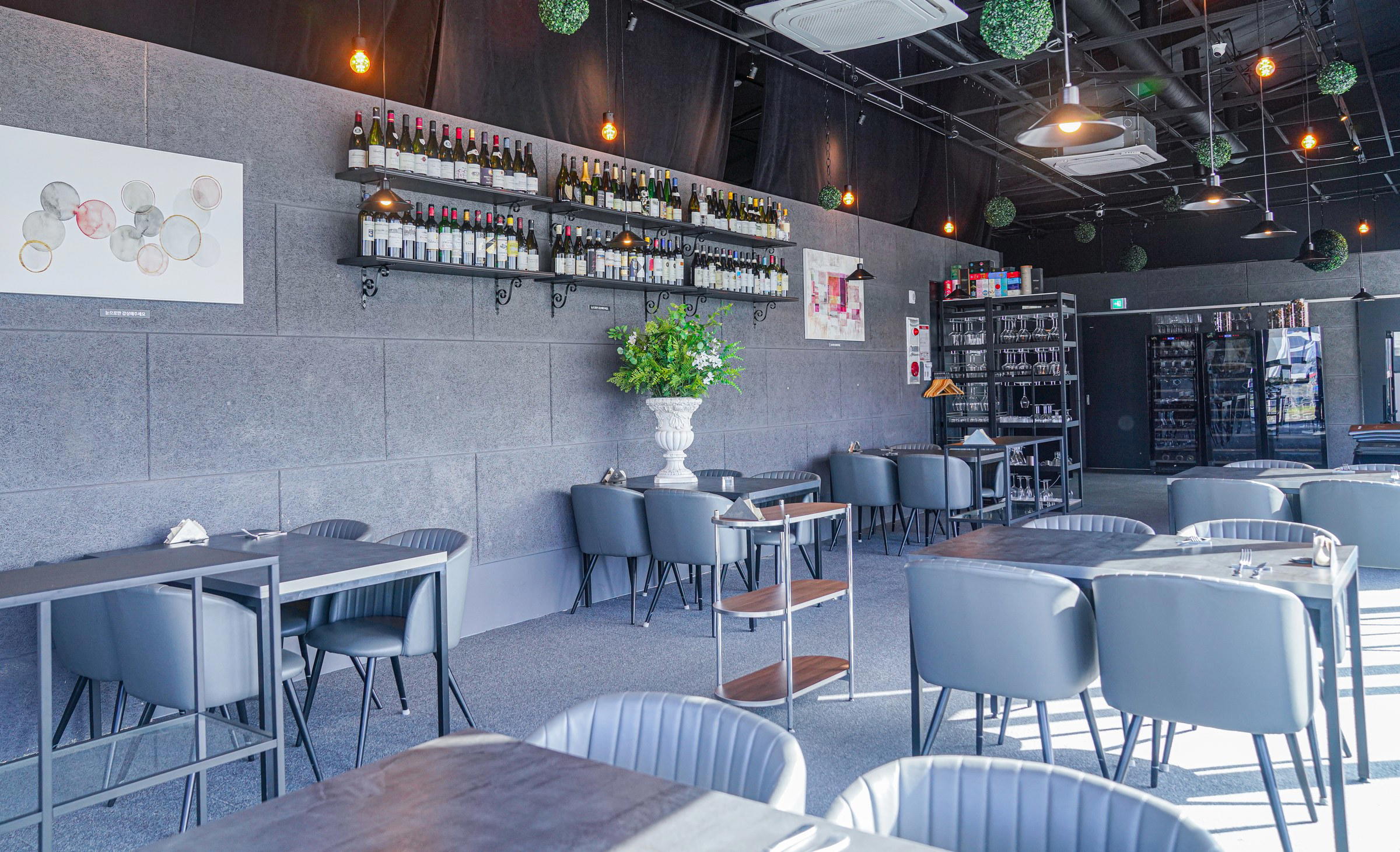
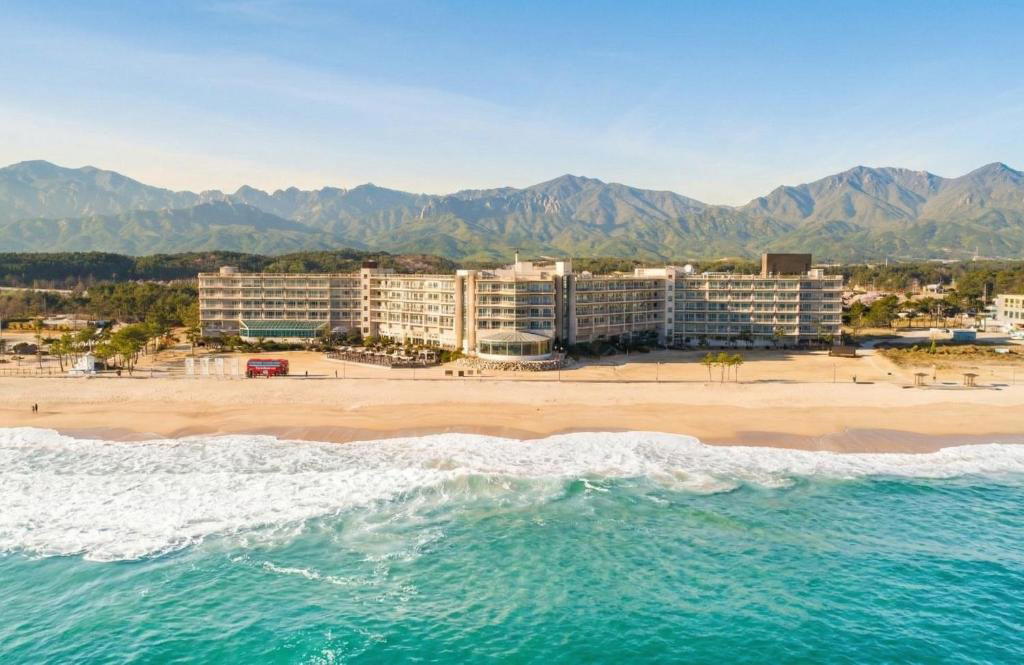
Guests describe a classic British-inspired sky lounge with large windows overlooking Seoraksan, creating a relaxed yet somewhat old-fashioned setting that is more about the dramatic mountain view and afternoon tea vibe than about high-end dining or lively bar energy.