.png)
Asiakō holds a Michelin Plate (2024) and a 4.4 Google rating across 324 reviews, placing it among Madrid's more credible mid-range fusion addresses. The kitchen works across culinary traditions at a €€€ price point that sits below the city's multi-starred creative dining tier. For those tracking Madrid's appetite for pan-Asian and cross-cultural cooking, Asiakō is a useful reference point.

Where Madrid's Fusion Instinct Takes a Quieter Form
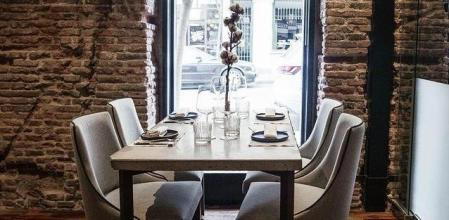
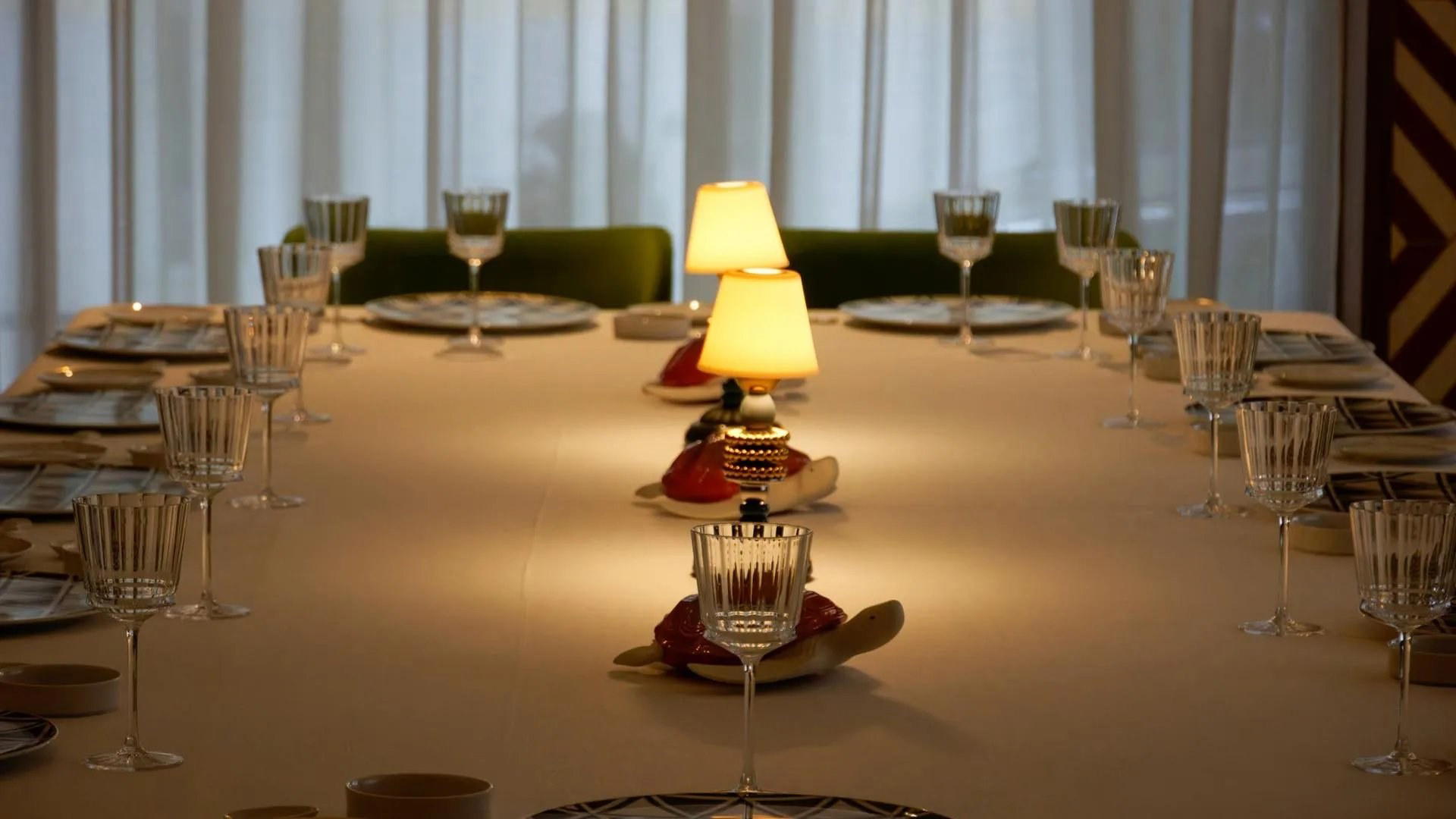
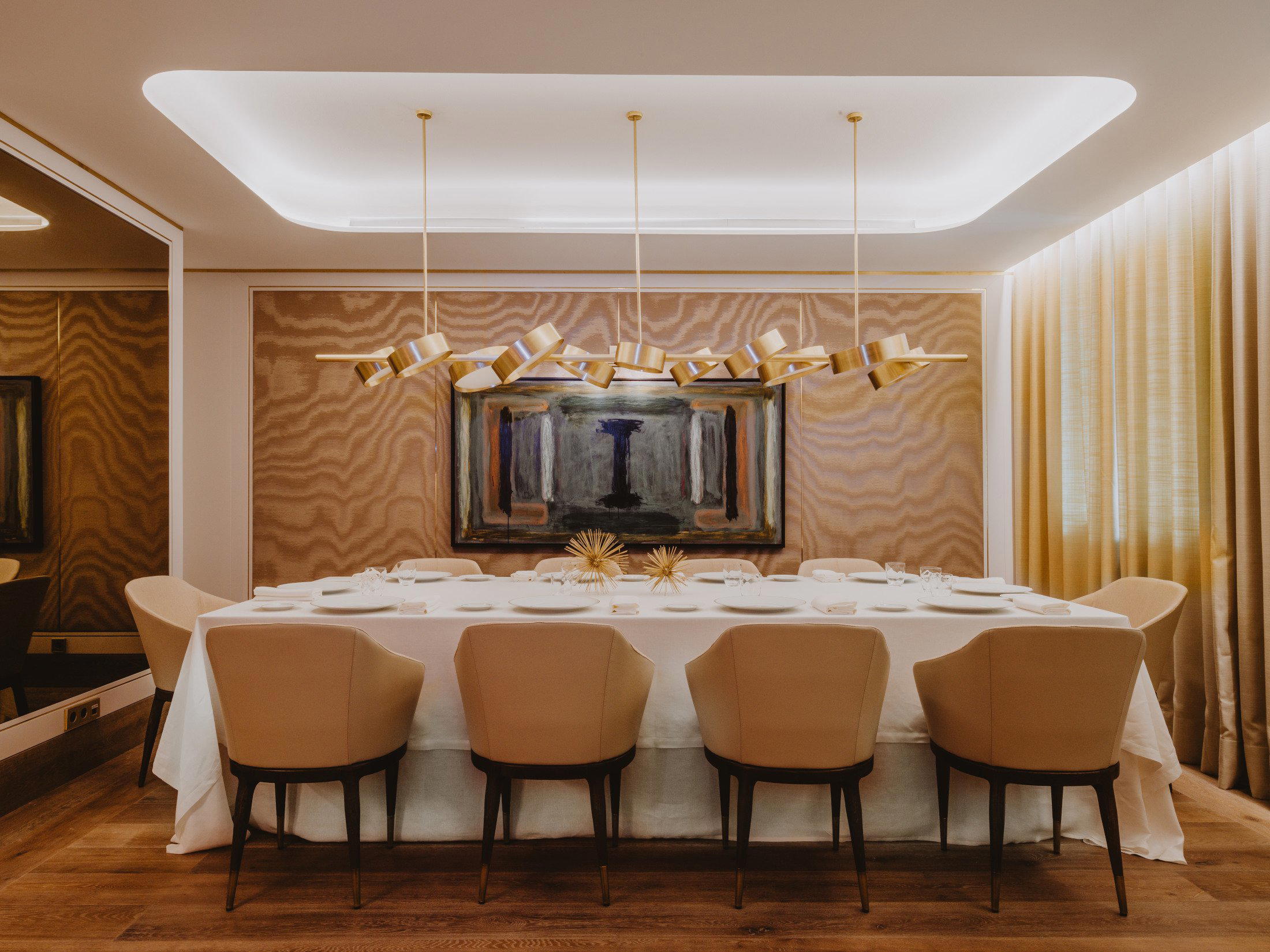
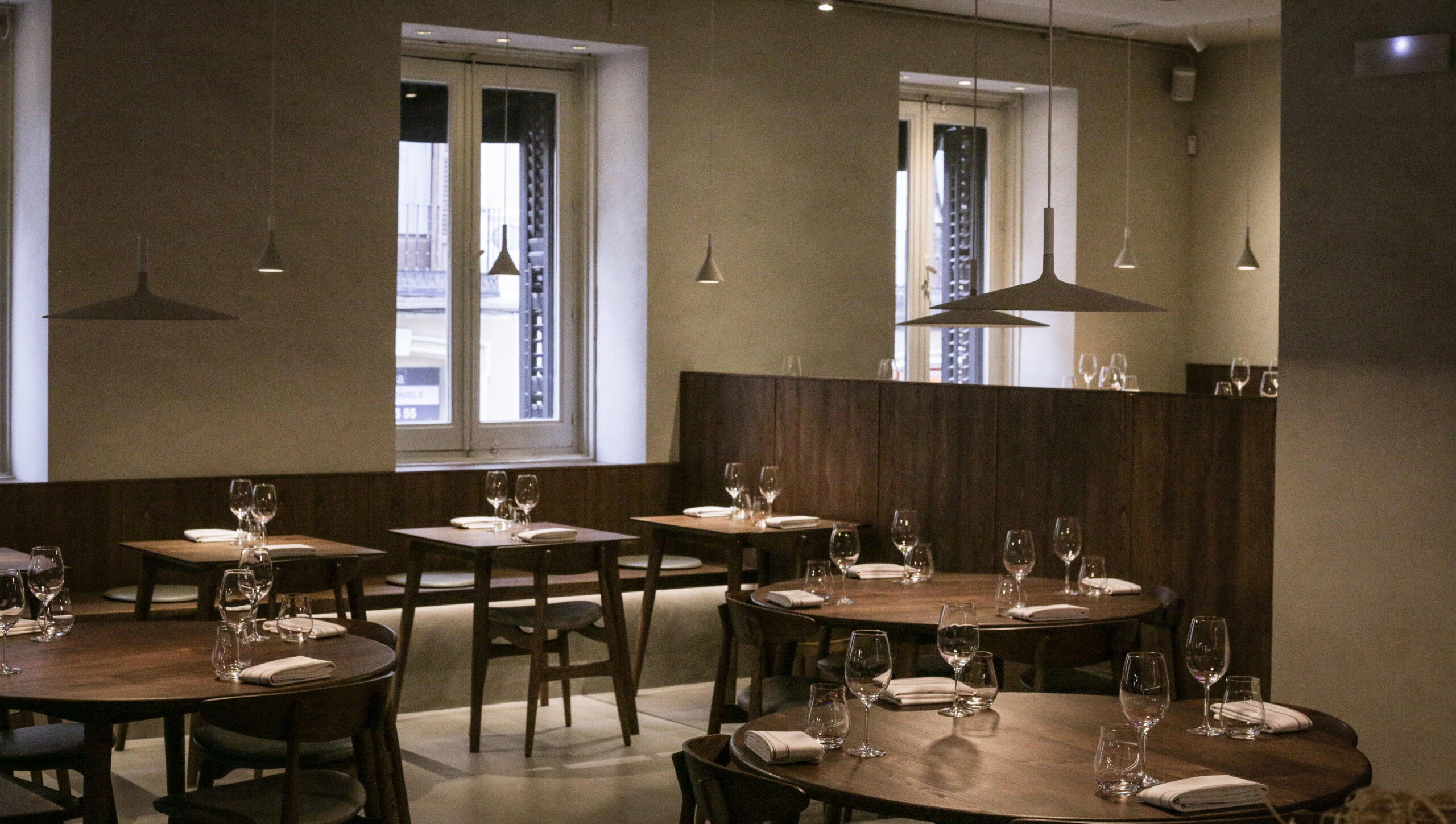
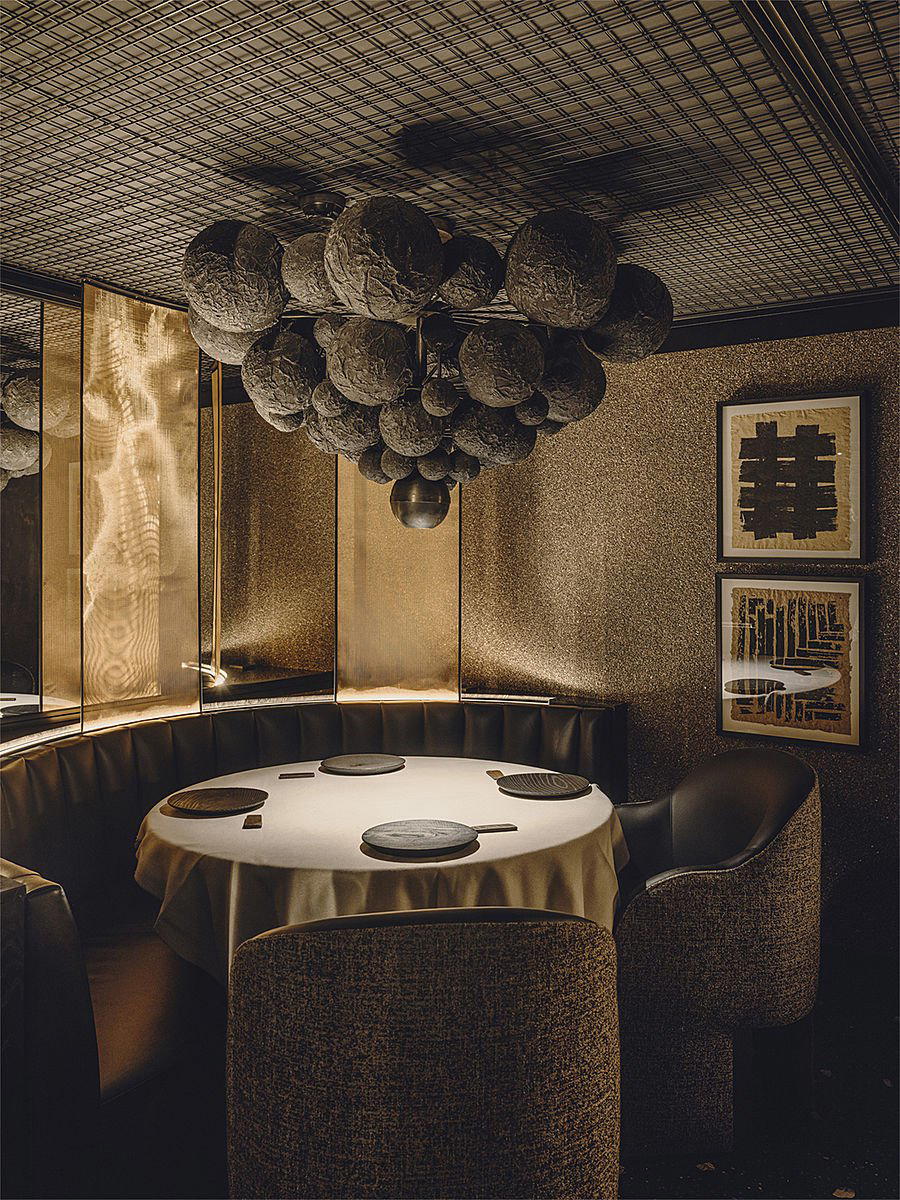
Madrid's dining room energy tends toward the declarative. The city's leading creative tables — DiverXO's surrealist theatrics, the architectural precision of ABYA, the high-wire Spanish creativity at Coque and Deessa — make their intentions known from the moment you arrive. Asiakō operates differently. The room sets expectations for a meal that unfolds at a more considered register, where the statement is not spectacle but sequence. That shift in register is, for a specific kind of diner, exactly the point.
Fusion dining in Madrid exists across a wide range of ambition and execution. At the upper end, Kuoco and Bacira have built reputations on disciplined cross-cultural kitchens with clear points of view. Asiakō sits within that conversation at a €€€ price point , above the city's casual Asian-influenced bistro tier but below the €€€€ bracket occupied by Madrid's Michelin two- and three-star rooms. The 2024 Michelin Plate recognition places it inside the guide's acknowledged cohort without the starred pressure, which tends to produce a particular kind of dining experience: technically engaged, editorially coherent, and less encumbered by the ritual weight that surrounds the city's flagships.
The Architecture of the Meal
Fusion menus live or die by their internal logic. When cross-cultural cooking lacks a guiding principle, each course reads as a separate argument and the meal never coheres. The more successful fusion formats in Spain , Ajonegro in Logroño or Arkestra in Istanbul among peer-format references , tend to use a single culinary tradition as a backbone and graft others onto it with precision. What distinguishes the stronger kitchens in this register is not the breadth of references but the quality of transitions: how one course prepares the palate for the next, how texture and temperature are sequenced, how the meal builds rather than accumulates.
At Asiakō, that progression is the editorial thread. The kitchen's fusion framing, which draws from Asian culinary traditions into a Spanish context, is most legible as a meal moves through its courses. Early plates tend to be lighter and more acidic, establishing a reference point. Mid-meal, technique becomes more visible. By the final savoury courses, the kitchen's decisions about weight and umami accumulation make sense retrospectively. This is the structural argument that good fusion menus make , each course is evidence in a case that only resolves at the end.
Spain's broader creative dining scene provides a useful frame. The kitchens at El Celler de Can Roca in Girona, Arzak in San Sebastián, and Azurmendi in Larrabetzu have spent decades building meals where the arc of the experience is as deliberate as any individual plate. Asiakō operates at a different scale and price point, but the underlying ambition , to make the meal's sequence tell a story , connects it to that tradition, even from the Michelin Plate tier.
Positioning Inside Madrid's Creative Mid-Range
Madrid's €€€ creative tier is competitive. The city has seen a sustained expansion of kitchens working in Asian-inflected, cross-cultural, and contemporary Spanish fusion formats over the past decade. I+T operates in an adjacent space; so does Bacira, which has accumulated consistent recognition for its Japanese-Spanish synthesis. Within this group, Michelin recognition , even at the Plate level , acts as a sorting mechanism. The 2024 Plate signals that the guide's inspectors found the kitchen technically sound and the offer coherent enough to acknowledge, without the starred designation that would reframe the room's atmosphere and the diner's expectations.
The 4.4 Google rating across 324 reviews provides a complementary signal. At that sample size, ratings tend to stabilise around an accurate median. A 4.4 without a large volume of outlier reviews suggests a consistent kitchen rather than an occasionally brilliant one, which at the €€€ tier is often the more useful quality. Consistency matters more when you are not paying for theatre.
For context on Spain's wider starred hierarchy, the country's multi-Michelin restaurants , Martin Berasategui in Lasarte-Oria, Cocina Hermanos Torres in Barcelona, Aponiente in El Puerto de Santa María , represent a different investment of time, money, and planning. Asiakō functions as a viable entry point into Madrid's acknowledged creative dining circuit without that level of commitment.
Planning Your Visit
Asiakō sits at the €€€ price point, which in Madrid typically means a per-head spend in the mid-to-upper range of the city's casual-to-creative spectrum, before wine. Given the Michelin Plate designation and the consistency implied by its Google rating, booking ahead is advisable rather than optional , Plate-recognised fusion rooms at this price level in Madrid fill on weekends with regularity. For a broader view of where Asiakō sits within the city's dining options, our full Madrid restaurants guide maps the category across price tiers and neighbourhoods. If you are building a wider Madrid itinerary, our Madrid hotels guide, bars guide, wineries guide, and experiences guide cover the adjacent decisions. For a pre- or post-dinner drink, Doppelgänger Bar is worth knowing about in the city's cocktail circuit.
Frequently Asked Questions
- Is Asiakō child-friendly?
- At €€€ pricing in Madrid's creative dining tier, Asiakō is better suited to adults with appetite for a sequenced meal than to families with young children.
- Is Asiakō better for a quiet night or a lively one?
- If the priority is a structured, course-driven experience, Asiakō fits. If the Michelin Plate recognition and €€€ price point suggest anything about Madrid's dining culture, it is that these rooms tend to reward attention over ambient energy. For a livelier evening in the city, the bar and nightlife circuit is a separate category entirely.
- What do regulars order at Asiakō?
- Given the fusion format and Michelin Plate acknowledgement, kitchens at this level in Madrid typically anchor repeat visits around the dishes that leading express the cross-cultural synthesis , the mid-meal savoury courses where technique and ingredient sourcing are most visible. Specific dish recommendations belong to the most current menu cycle; checking recent guest feedback close to your visit will give the most accurate picture.
Peer Set Snapshot
Comparable options at a glance, pulled from our tracked venues.
| Venue | Cuisine | Price | Awards | Notes |
|---|---|---|---|---|
| Asiakō | Fusion | €€€ | Michelin Plate (2024) | This venue |
| DiverXO | Progressive - Asian, Creative | €€€€ | Michelin 3 Star | Progressive - Asian, Creative, €€€€ |
| Deessa | Modern Spanish, Creative | €€€€ | Michelin 2 Star | Modern Spanish, Creative, €€€€ |
| Smoked Room | Progressive Asador, Contemporary | €€€€ | Michelin 2 Star | Progressive Asador, Contemporary, €€€€ |
| Coque | Spanish, Creative | €€€€ | Michelin 2 Star | Spanish, Creative, €€€€ |
| Paco Roncero | Creative | €€€€ | Michelin 2 Star | Creative, €€€€ |
Need a table?
Our members enjoy priority alerts and concierge-led booking support for the world's most difficult tables.
Get Exclusive Access