Domingo Restaurant
Located on N St Mary's St in San Antonio's Arts District, Domingo Restaurant sits in a city where dining ambitions have shifted considerably over the past decade.
Pearl is the En Primeur Club membership app — saves, bookings, and concierge access live there. Same editors, same standards.
- Address
- 123 N St Mary's St, San Antonio, TX 78205
- Phone
- +12104047516
- Website
- domingorestaurant.com
- Directions
- Get directions
 Saves & bookings on Pearl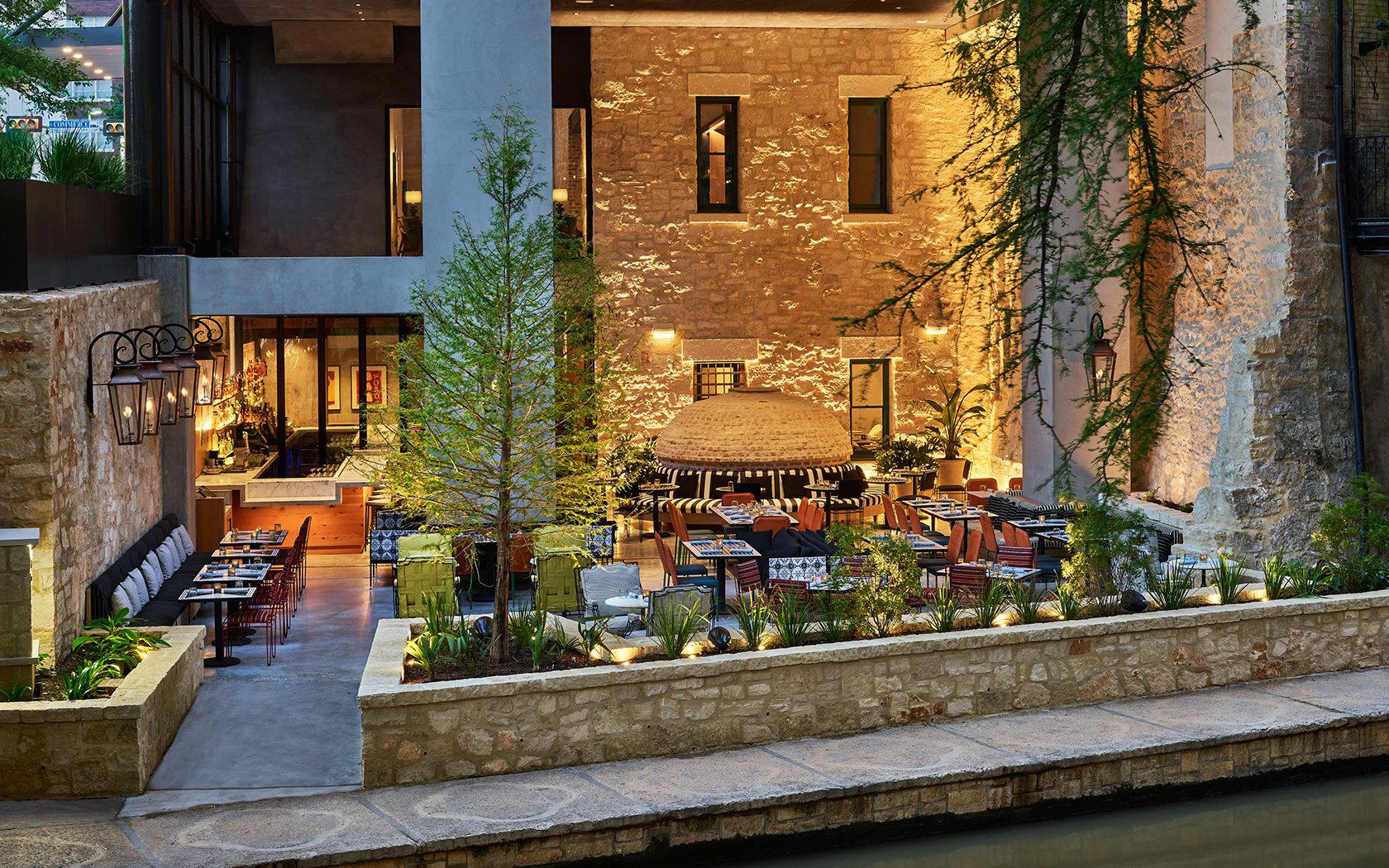
St Mary's Strip and the Architecture of a San Antonio Dining Room
Domingo Restaurant is a restaurant in San Antonio, Texas, serving modern South Texas Mexican cuisine at about $40 per person. The stretch of N St Mary's Street that runs through San Antonio's Arts and Entertainment District has spent the last decade sorting itself out. What was once a corridor defined by live music bars and late-night convenience has steadily attracted a more considered class of operator: smaller rooms, more deliberate menus, and a willingness to hold a position rather than chase foot traffic. Domingo Restaurant, at 123 N St Mary's St, sits inside that shift. The address places it within walking distance of the Pearl District's more polished restaurant concentration to the north, but the St Mary's strip carries a different register, lower key, less curated, and more contingent on the individual merit of each space rather than the collective gravity of a development project.
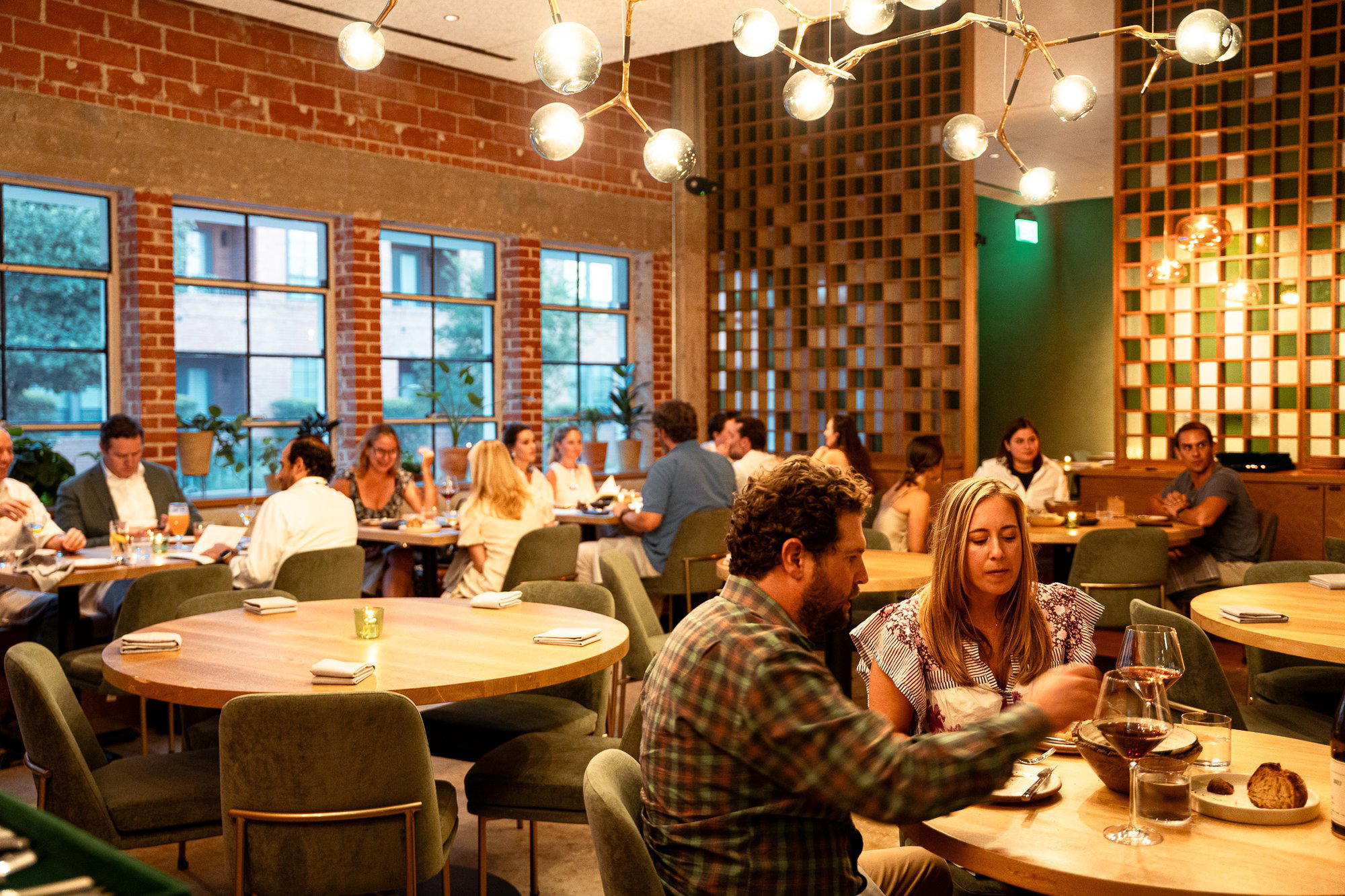
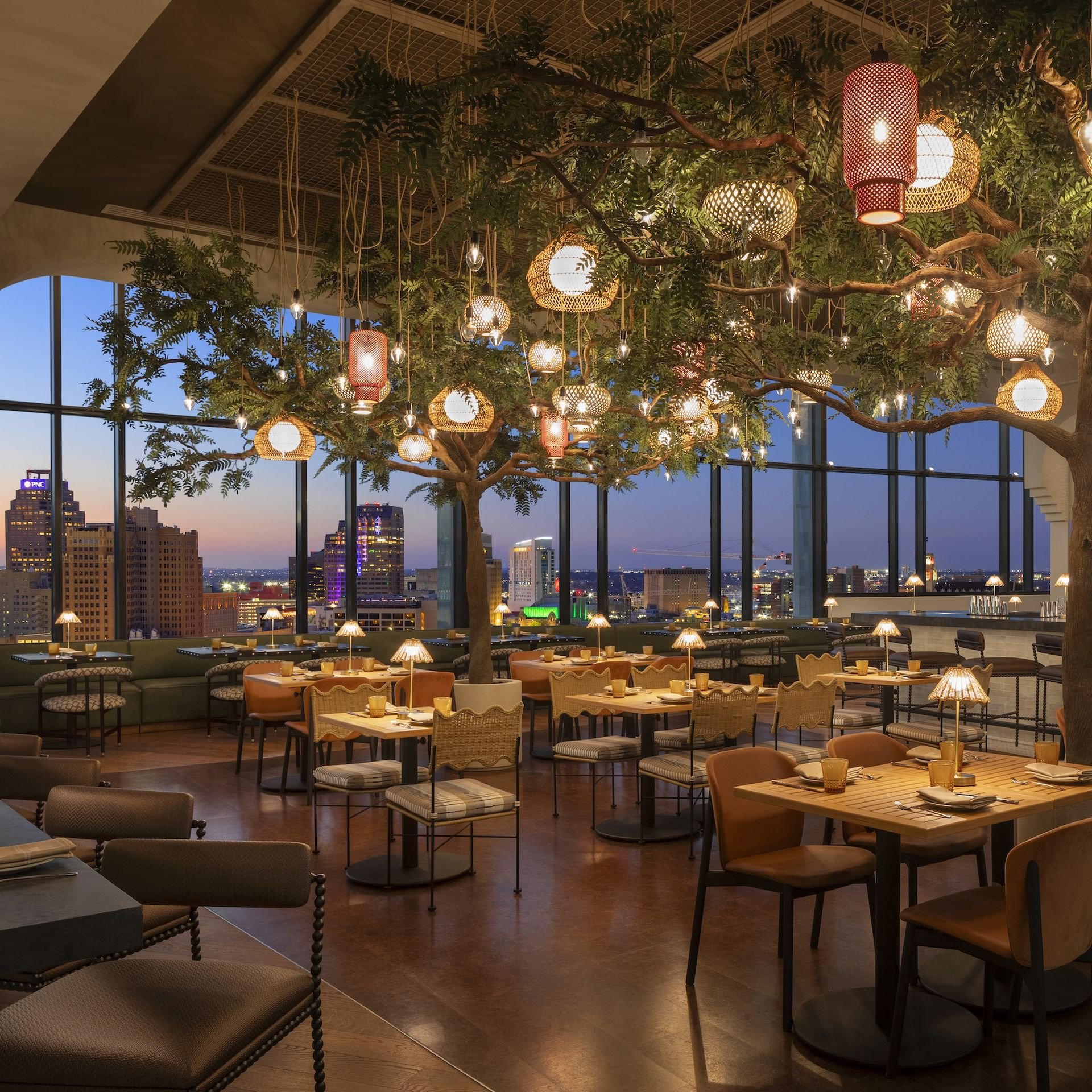
That distinction matters for how you read a room on this street. Dining spaces here tend to be smaller and more idiosyncratic than the Pearl's purpose-built interiors, shaped by the neighbourhood's older building stock rather than designed from scratch. The physical container a restaurant occupies on St Mary's often says as much about its intentions as its menu does. San Antonio's dining scene has followed a national pattern in which mid-range, neighbourhood-anchored restaurants have grown more confident in their editorial point of view, and the city's architectural vernacular, exposed brick, high ceilings in converted commercial spaces, the occasional courtyard, provides a backdrop that rewards that confidence.
Where Domingo Sits in San Antonio's Current Dining Conversation
San Antonio's restaurant scene in the mid-2020s is genuinely more layered than its national reputation suggests. The city draws comparisons to Austin, but the dining ambitions here have developed along different lines: less driven by venture-backed chef concepts and more by operators with genuine local roots. At the formal end of the spectrum, Mixtli (Mexican) operates a long-running tasting menu format that has made it a reference point for Mexican fine dining in Texas, while Isidore (Texan) has staked out the contemporary Texan cuisine position with similar seriousness. These sit at the higher end of the local price tier.
Comparison with peer venues on price and format is worth making explicitly. 410 Diner operates at the accessible, diner-format end of the San Antonio spectrum. 2M Smokehouse (Barbecue) commands a different kind of authority, the queue-based, cash-heavy barbecue format that carries its own credibility signals. Domingo sits somewhere between those poles and the tasting-menu formalism of Mixtli, in the tier where cooking ambition and relaxed service tend to coexist most productively.
The National Context: What a St Mary's Address Implies
Placing San Antonio's more ambitious mid-tier restaurants against national reference points is a useful exercise. The tasting-menu format that defines venues like The French Laundry in Napa, Le Bernardin in New York City, or Smyth in Chicago requires a particular infrastructure of regulars, wine programs, and front-of-house depth that most neighbourhood restaurants don't attempt. What the more interesting mid-tier operators in cities like San Antonio have done instead is compress ambition into smaller, more achievable formats: a tight menu, a specific sourcing position, a room that communicates intention through its design choices rather than its price point.
That compression shows up in how dining rooms are configured in this tier. Counter seating, open kitchens, and communal tables have migrated from the edges of fine dining into the mainstream of serious neighbourhood restaurants, partly because they suit smaller spaces, and partly because they shift the social contract of a meal in ways that diners have responded to. Venues like Lazy Bear in San Francisco and Atomix in New York City have made the communal or counter format central to their identity at the higher end. At the neighbourhood level, the same spatial choices communicate a different, more accessible version of the same philosophy. Blue Hill at Stone Barns in Tarrytown and Single Thread Farm in Healdsburg have taken the farm-to-table spatial narrative further than most, Domingo's neighbourhood context is more urban and less programmatic, but the broader industry direction toward legible, intentional dining environments is relevant here.
Other regional reference points worth noting: Addison in San Diego and Providence in Los Angeles represent the formal California tier, while Emeril's in New Orleans and The Inn at Little Washington in Washington show how Southern and Mid-Atlantic dining institutions have maintained relevance through a combination of culinary authority and physical environment. Atelier Moessmer Norbert Niederkofler in Brunico illustrates how far the conversation about regional identity and space has traveled internationally. Domingo doesn't operate at those scales, but the forces shaping dining environments across all these venues, legibility, intention, the relationship between room and menu, are present at every level of the market.
Planning a Visit
Domingo Restaurant is at 123 N St Mary's St, San Antonio, TX 78205, in the Arts District. Reservations are recommended. San Antonio's Arts District is most active on weekends, and the St Mary's Strip in particular draws evening crowds from Thursday onward; earlier reservations or off-peak timing will generally produce a more considered experience in smaller rooms on this stretch.
Booking and Cost Snapshot
Comparable venues nearby, for context on price, style, and recognition.
| Venue | Price | Notes |
|---|---|---|
| Domingo RestaurantThis venue — the venue you are viewing | $$$ | Not listed |
| Tu Asador - Encino | $$$ | Stone Oak-Sonterra, Authentic Mexican Steakhouse |
| Pico de Gallo | $$ | Market Square District, Authentic Tex-Mex & Mexican |
| La Fonda On Main | $$$ | Monte Vista Historical District, Authentic Interior Mexican & Tex-Mex |
| Rosario's ComidaMex & Bar | $$ | Convention Center District, Contemporary Mexican |
| Aldaco's Mexican Cuisine | $$ | Stone Oak-Sonterra, Contemporary Mexican Cuisine |
Continue exploring
More in San Antonio
Restaurants in San Antonio
Browse all →
Bars in San Antonio
Browse all →
Hotels in San Antonio
Browse all →

Wineries in San Antonio
Browse all →
At a Glance
- Modern
- Elegant
- Scenic
- Romantic
- Date Night
- Celebration
- Brunch
- Waterfront
- Terrace
- Open Kitchen
- Craft Cocktails
- Waterfront
- Street Scene
Current opening hours
- Monday
- 6:30–10 AM, 11 AM–10 PM
- Tuesday
- 6:30–10 AM, 11 AM–10 PM
- Wednesday
- 6:30–10 AM, 11 AM–10 PM
- Thursday
- 6:30–10 AM, 11 AM–10 PM
- Friday
- 6:30–10 AM, 11 AM–11 PM
- Saturday
- 7 AM–3 PM, 5–11 PM
- Sunday
- 7 AM–3 PM, 5–10 PM
Hours can change for holidays and private events. Last verified .
Relaxed and soothing atmosphere with pleasant indoor and outdoor seating, enhanced by river views and comfortable decor.