Dolce Fiori occupies a quiet address on St Pauls Street in Randwick, sitting at a remove from Sydney's inner-city dining corridors. The name suggests an Italian sensibility, and Randwick's neighbourhood character — residential, local-facing, less driven by tourism than Surry Hills or the CBD — shapes the kind of room and service register you can expect here. Verify current hours and booking availability directly before visiting.
Pearl is the En Primeur Club membership app — saves, bookings, and concierge access live there. Same editors, same standards.
- Address
- 52 St Pauls St, Randwick NSW 2031, Australia
- Phone
- +61293100763
- Website
- dolcefiori.com.au
- Directions
- Get directions
 Saves & bookings on Pearl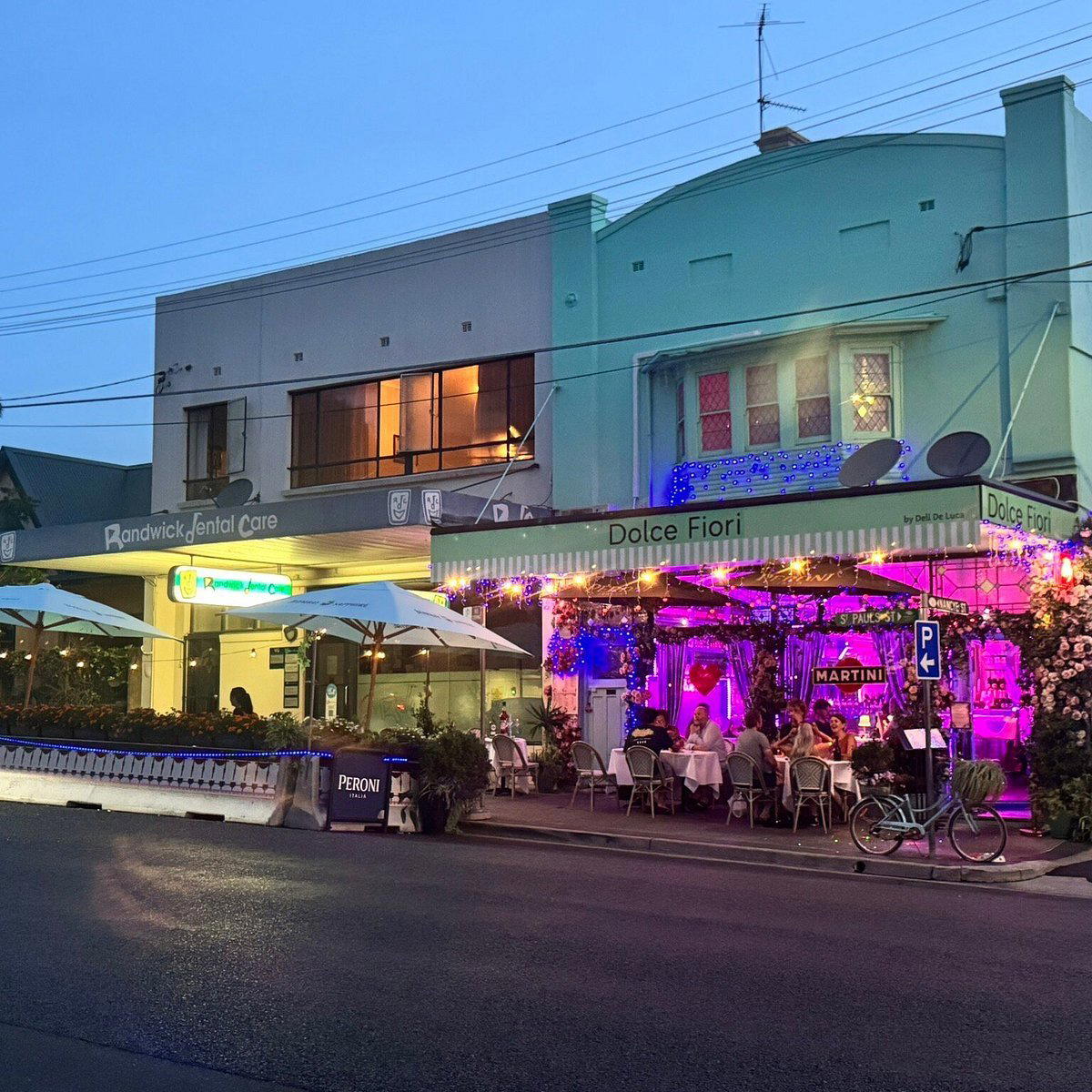
Randwick's Dining Posture: Local Over Destination
Sydney's dining attention concentrates heavily on a handful of precincts: the CBD, Surry Hills, Darlinghurst, and the inner west. Randwick sits at the edge of that radius — close enough to draw from the city, far enough that the restaurants operating here tend to be oriented toward their immediate neighbourhood rather than a broader destination-dining audience. That geographic position shapes everything from room size to service tone to the kind of menu a kitchen builds when it knows most of its tables will be regulars rather than once-a-year visitors.
Dolce Fiori at 52 St Pauls Street sits within that Randwick context. The name's Italian register places it within a dining category that has quietly deepened across Sydney's middle-ring suburbs over the past decade, as neighbourhood Italian moved away from the red-sauce trattoria model toward something more considered. Whether Dolce Fiori positions itself as a casual local or a more deliberate Italian-influenced address, it operates in a suburb where the room has to work twice as hard as any Surry Hills fit-out simply because fewer food media eyes pass through Randwick on any given week.
For comparison, Sydney's more documented Italian-adjacent options tend to cluster further north and west. 10 William St in Paddington built its reputation around a natural wine list and a Neapolitan-influenced small-plates format that attracted significant critical attention. 1021 Mediterranean takes a broader Mediterranean approach. Dolce Fiori, by contrast, occupies a quieter orbit — which, depending on what you want from a meal, is either a limitation or the point.
The Shift in Suburban Sydney Dining
The evolution of restaurant culture in Sydney's outer-ring suburbs tells a useful story about how the city eats now versus fifteen years ago. Through the 2000s, destination dining in Sydney was almost exclusively a CBD and inner-suburb affair. The concentration of Michelin-adjacent ambition at places like Rockpool or the seafood precision of Saint Peter reinforced a geography where serious food required a trip to a specific postcode.
That map has shifted. Sydney's population growth into the eastern suburbs, the rising cost of restaurant real estate in Surry Hills and Newtown, and a post-pandemic reorientation toward neighbourhood dining have all pushed kitchen ambition outward. Randwick, with its proximity to UNSW and the Prince of Wales Hospital precinct, has a built-in population of professionals and students who eat out regularly but don't necessarily want to factor in an Uber fare each time. A restaurant that reads its neighbourhood correctly, in terms of price register, service informality, and menu accessibility, can build a sustained local following that inner-city venues with higher turnover often cannot.
This is the category evolution that matters for understanding what Dolce Fiori likely represents: not a challenger to Sydney's CBD dining establishments, but a participant in the quieter, more durable shift toward neighbourhood-first hospitality. That positioning carries its own logic and its own standards.
Italian Influence in Sydney: Where the Category Sits
Italian cuisine in Sydney has never been monolithic. The city has always had multiple registers operating simultaneously: the post-war migrant trattoria, the 1990s upscale Italian with its Barolo lists and handmade pasta theatrics, and more recently the stripped-back osteria format that emphasises simplicity and wine over elaborate tasting menus. Globally, that last format has had the most critical momentum, the kind of approach visible in what Le Bernardin in New York City represents for French seafood in terms of disciplined precision, or what Lazy Bear in San Francisco has done in reframing communal dining as a serious culinary register.
Sydney's Italian dining has followed a comparable arc toward restraint. Fewer tablecloths, tighter wine lists with more regional Italian producers, and kitchens that treat pasta as a technical discipline rather than a comfort-food afterthought. Across Australia, the broader fine-dining conversation at venues like Attica in Melbourne, Brae in Birregurra, or Botanic in Adelaide has pushed Australian kitchens toward indigenous ingredient sourcing and produce-led menus. That ambient pressure reaches even neighbourhood restaurants, raising the floor of what a serious local Italian in 2024 is expected to do with its sourcing and technique.
Dolce Fiori's name signals a floral, lighter Italian sensibility, dolce (sweet) and fiori (flowers) together suggest something more delicate than a meat-heavy southern Italian approach. If the kitchen follows through on what the name implies, it would sit in the more refined end of Sydney's suburban Italian tier.
Placing Dolce Fiori in Sydney's Broader Dining Map
Sydney's restaurant geography rewards specificity. Ormeggio at The Spit in Mosman carved out a destination reputation despite its non-central location by combining waterfront setting with a committed Italian-Australian kitchen. Pipit in Pottsville demonstrated that a serious tasting menu format can work far outside the capital cities when the produce story and hospitality register are strong enough. Hentley Farm in Seppeltsfield and Provenance in Beechworth make similar arguments from regional Victoria.
Dolce Fiori does not claim that level of destination ambition based on available data. What it does occupy is a specific and genuinely useful niche: a named Italian-register venue in a well-populated eastern Sydney suburb that serves a catchment area not well supplied by comparable options. In a city where 10 Pounds draws attention for its CBD position, or where Salt Water Restaurant in Cairns and Laura at Pt Leo Estate in Merricks anchor destination experiences to specific landscape contexts, Randwick represents a different kind of restaurant proposition: reliable, local, and operating without the performance pressure of a destination postcode.
For a fuller picture of where Dolce Fiori sits within Sydney's dining options across all categories and precincts, see our full Sydney restaurants guide. For those exploring Queensland's coastal dining scene, Lizard Island Resort in Lizard Island represents the other end of the Australian hospitality spectrum entirely.
Know Before You Go
- Address: 52 St Pauls St, Randwick NSW 2031, Australia
- Neighbourhood: Randwick, Eastern Suburbs, Sydney
- Website: Not available at time of publication
- Bookings: Walk-in availability unknown, contact venue to confirm reservation policy
- Price range: Not confirmed; expect neighbourhood Italian pricing rather than CBD fine-dining rates
- Getting there: Randwick is accessible by bus from Central Station; the 372 and 373 routes stop nearby. Street parking available on surrounding residential streets.
A quick peer check to anchor this venue’s price and recognition.
| Venue | Cuisine | Price | Awards |
|---|---|---|---|
| Dolce FioriThis venue — the venue you are viewing | This venue | Not listed | Not listed |
| Rockpool | Australian Cuisine | World's 50 Best | Australian Cuisine |
| Saint Peter | Australian Seafood | World's 50 Best | Australian Seafood |
| BENTLEY Restaurant & Bar | Australian Modern | Australian Modern | Not listed |
| Bennelong | Australian Cuisine | Australian Cuisine | Not listed |
Continue exploring
More in Sydney
Restaurants in Sydney
Browse all →
Bars in Sydney
Browse all →
Hotels in Sydney
Browse all →

At a Glance
- Romantic
- Cozy
- Elegant
- Date Night
- Family
- Special Occasion
- Group Dining
- Private Dining
- Craft Cocktails
Current opening hours
- Monday
- Closed
- Tuesday
- 3–11 PM
- Wednesday
- 3–11 PM
- Thursday
- 3–11 PM
- Friday
- 12:15–11 PM
- Saturday
- 12–11 PM
- Sunday
- 12–11 PM
Hours can change for holidays and private events. Last verified .
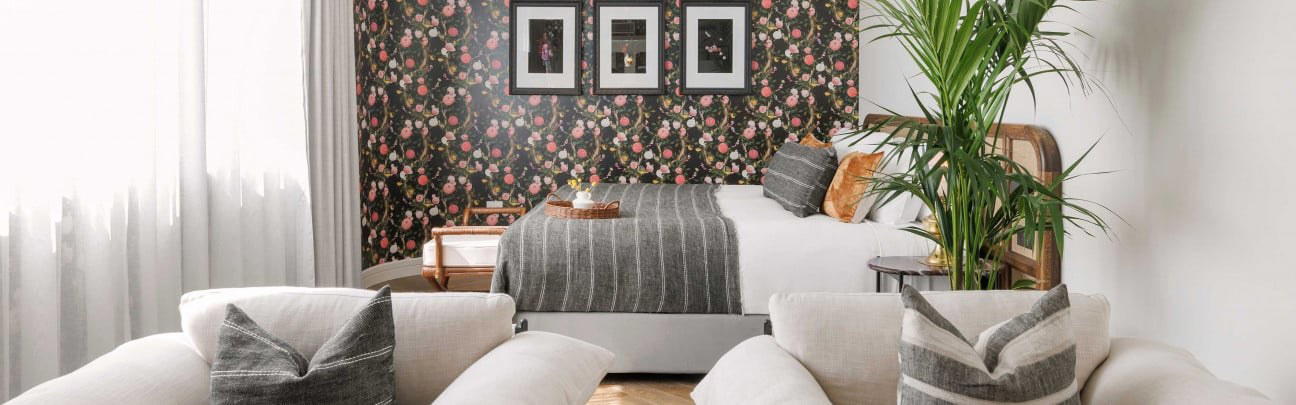
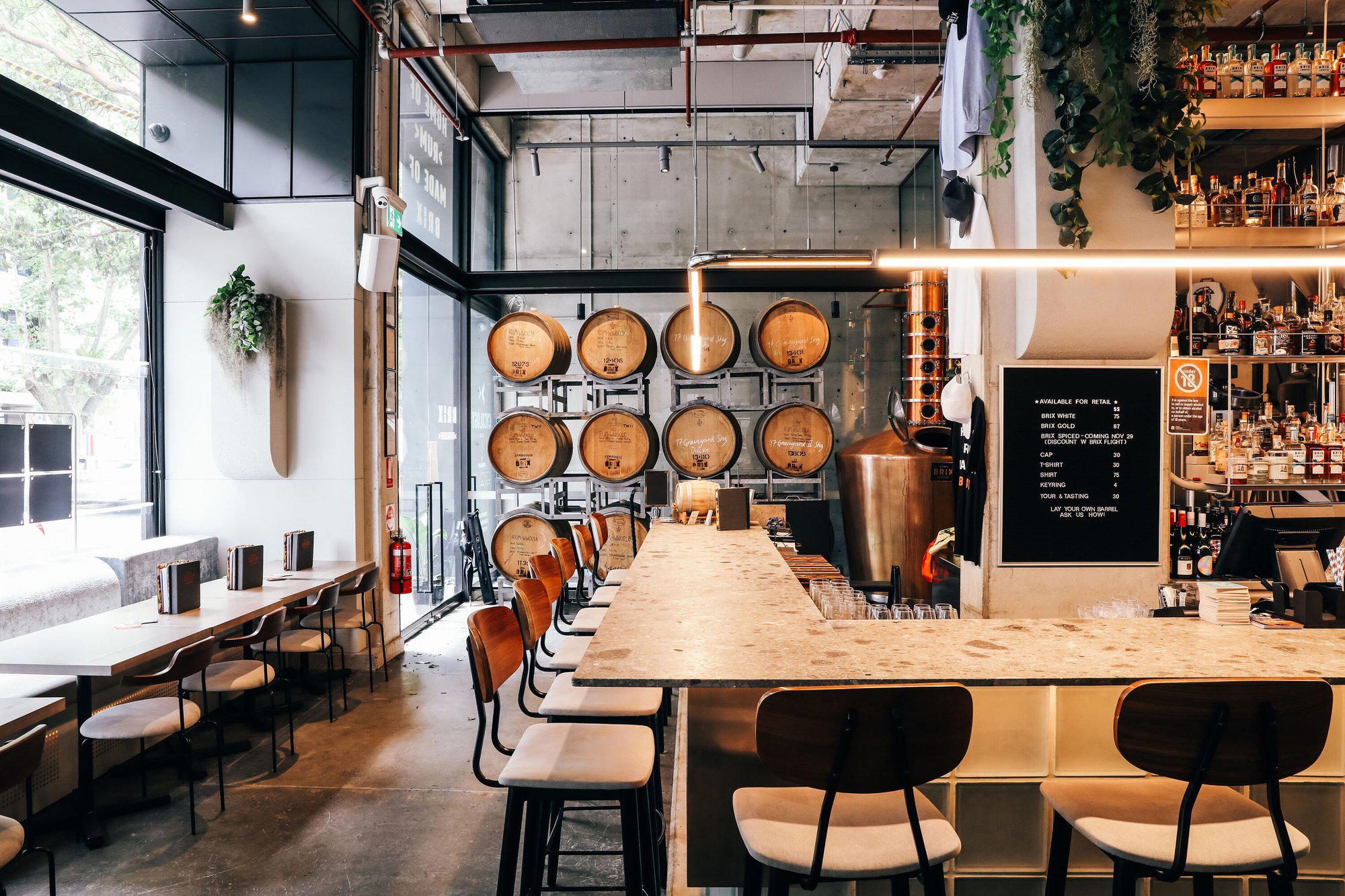
Cozy and romantic atmosphere evoking Italian hospitality with warm lighting and a focus on love and sensory experiences.
Know Before You Go
- Getting there
- 52 St Pauls St, Randwick NSW 2031, Australia