CVI.CHE 105 - Coral Gables
Our verdict
CVI.CHE 105 brings Peruvian ceviche culture to Coral Gables at 111 Palermo Ave, operating as part of a Miami-area group with a following built on citrus-forward leche de tigre and layered causas. The format leans casual but the sourcing and technique sit closer to the serious end of South Florida's Latin dining spectrum. A reliable entry point into the city's Peruvian dining conversation.

Pearl is the En Primeur Club membership app — saves, bookings, and concierge access live there. Same editors, same standards.
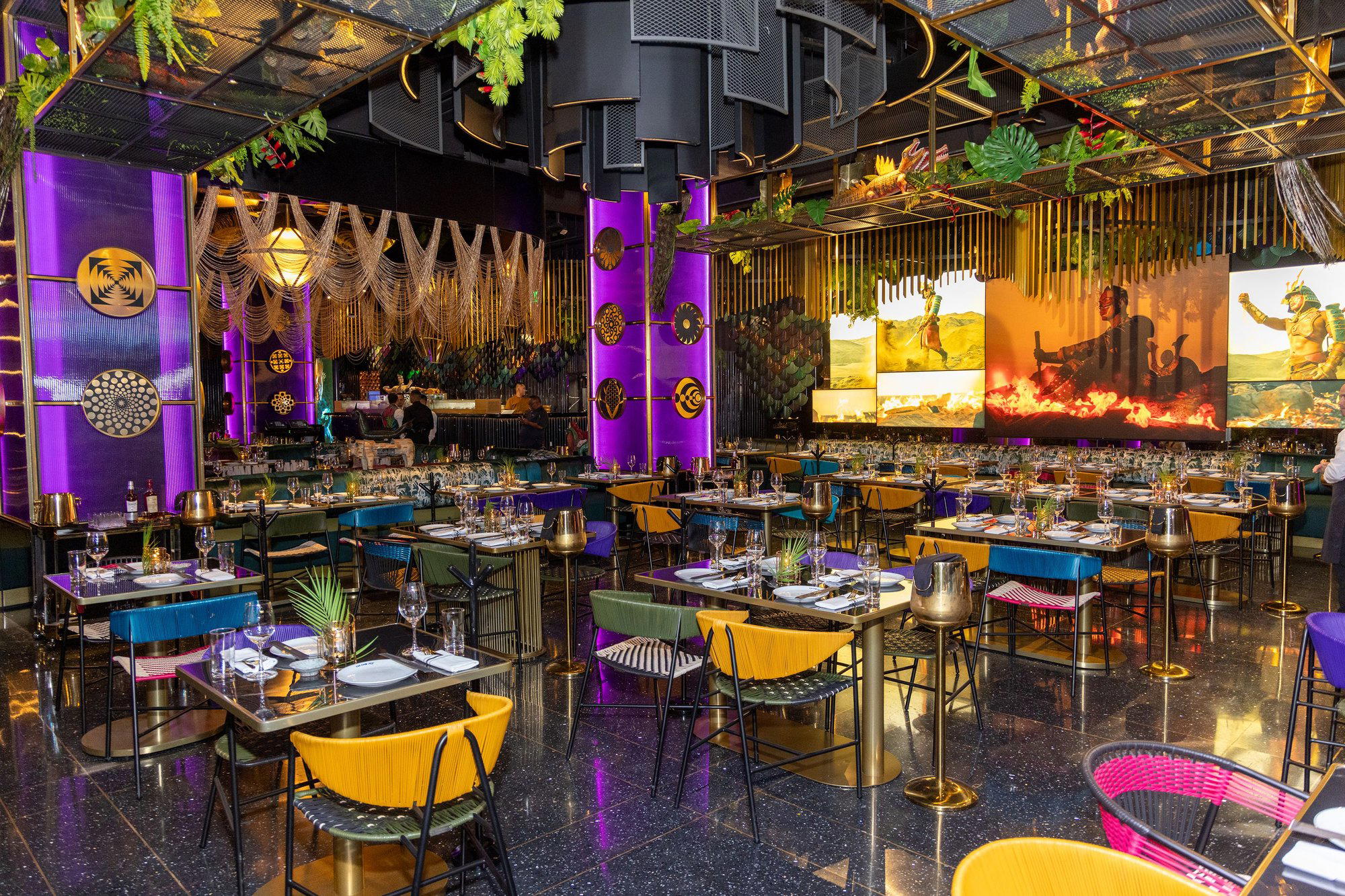
Palermo Avenue in Coral Gables runs quieter than Miracle Mile, which is partly the point. The stretch carries a neighbourhood rhythm rather than a destination-dining one, which means restaurants here tend to earn their regulars through consistency rather than hype cycles. CVI.CHE 105 occupies that register: a Peruvian address in a city where Latin dining defaults heavily toward Cuban and Colombian, operating with enough accumulated familiarity to feel embedded rather than provisional.
Peruvian Dining in South Florida: Where It Sits
Miami's Latin restaurant ecosystem is wide but unevenly distributed. Cuban dominates at volume, with the surrounding municipalities supplying a dense infrastructure of cafeterias, fondas, and mid-market sit-down rooms. Peruvian is a smaller category, though it has grown steadily as Lima's international culinary profile has risen over the past fifteen years. The ceviche format in particular has moved from niche to expected across South Florida, with leche de tigre, the acidic tiger's milk curing liquid at the heart of Peruvian raw fish preparation, now recognisable to a broad dining public that would have needed an explanation a decade ago.
Within Coral Gables specifically, the dining register skews toward mid-to-upper price points, with Japanese, Italian, and American formats filling most of the visible slots. Peruvian sits as a distinct lane, and CVI.CHE 105 operates as one of the more established entries in that lane locally. The comparison set for a venue like this is less the white-tablecloth rooms at Shingo and more the broader category of Latin casual-to-mid dining that runs through the area. For a fuller map of the neighbourhood's options, the full Coral Gables restaurants guide covers the spread.
The Progression: How a Peruvian Meal Sequences
The editorial angle most useful for understanding CVI.CHE 105 is the tasting progression: the way a well-constructed Peruvian meal moves through textures, temperatures, and acid levels across courses. This is not a cuisine built around a single centrepiece dish. It is sequential by architecture.
The meal typically opens with pisco, Peru's grape-derived spirit, in some form of sour or cocktail. This is less ceremony than calibration: the citrus and egg white of a classic pisco sour pre-loads the palate for the acid-forward dishes that follow. It also signals register. A room that takes its pisco seriously is generally a room that takes its ceviche seriously.
From there, the logical first food course in the Peruvian format is the ceviche itself, served cold and arriving as the sharpest, most acidic point of the meal. The leche de tigre, built from citrus juice, ají amarillo, and the proteins released from the fish during brief curing, is the defining element. It should be bracingly bright without tipping into harshness. The fish, classically corvina or similar white-fleshed varieties, carries the texture. The corn and sweet potato accompaniments provide the starch ballast that keeps the acid from dominating the experience.
After the ceviche, a well-paced Peruvian progression moves toward warmth and richness. Causas, the layered potato terrines filled with seafood or chicken, sit in a middle register: room temperature, starchy, bound with ají amarillo paste and enough fat to anchor the citrus that preceded them. They are not dramatic dishes, but they do important structural work in a multi-course Peruvian sequence.
The warmer courses, stews and braises like ají de gallina or lomo saltado, carry the meal through to its heavier phase. Lomo saltado in particular occupies an interesting cultural position: it is a wok-tossed beef dish that arrived with Chinese immigration to Peru in the nineteenth century and has since been fully absorbed into the national canon. Ordering it at a Peruvian restaurant is not a concession to fusion; it is eating the actual history of the cuisine. At venues that execute it correctly, the soy-and-vinegar reduction in the wok produces the kind of concentrated, slightly charred complexity that defines the dish.
The dessert tier in Peruvian cooking tends toward dairy-rich preparations: suspiro de limeña, a dulce de leche-based cream topped with port-infused meringue, is the canonical finish, sweet and heavy enough to close the sequence definitively. The full arc from pisco sour to suspiro covers a wider range of flavour states than most single-cuisine restaurant formats.
Coral Gables as a Context
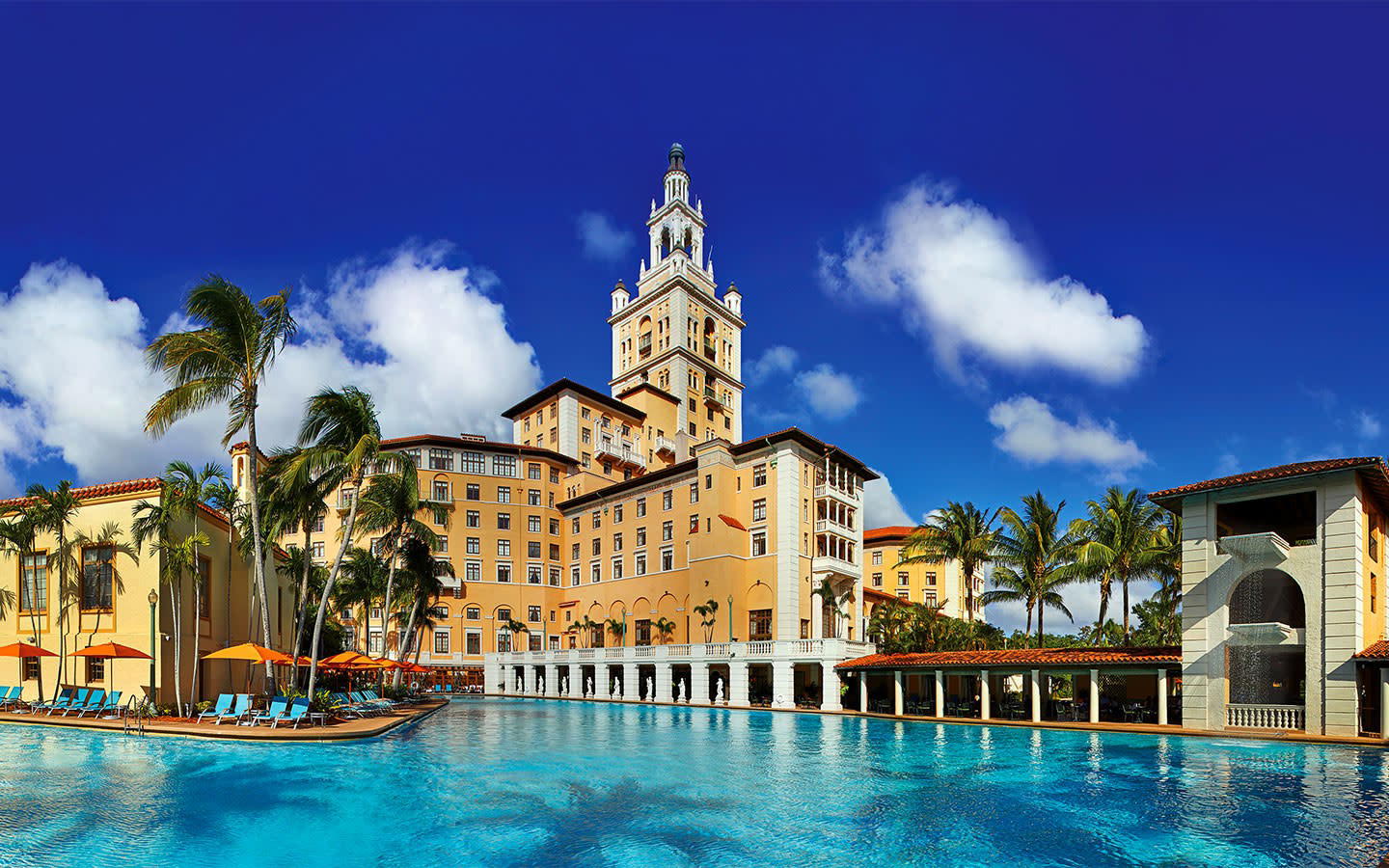
Gables dining scene has deepened over the past several years. Where it once leaned primarily on hotel dining rooms and expense-account Italian, it now carries a more varied mid-market layer. 450 Gradi brings a Neapolitan pizza format, Aragon Café operates in the neighbourhood café register, and Arcano adds a more contemporary Latin dining option. The formal end is anchored by rooms like Afternoon Tea at The Biltmore. CVI.CHE 105 occupies a distinct position in that spread as the Peruvian entry point with established neighbourhood familiarity.
For comparison against the broader American fine-dining spectrum, the gap between this category and tasting-menu destinations like Le Bernardin in New York City, Lazy Bear in San Francisco, or The French Laundry in Napa is wide and intentional. CVI.CHE 105 operates in a different register entirely, one built on accessible pricing, shareable formats, and the kind of repetition-friendly menu that brings people back weekly rather than annually. The same distinction applies when measured against rooms like Smyth in Chicago, Providence in Los Angeles, Atomix in New York City, Blue Hill at Stone Barns in Tarrytown, Addison in San Diego, Emeril's in New Orleans, Single Thread Farm in Healdsburg, The Inn at Little Washington, or Atelier Moessmer Norbert Niederkofler in Brunico. These are separate categories, and the comparison is useful precisely because it clarifies what CVI.CHE 105 is and is not trying to do.
Planning Your Visit
The address is 111 Palermo Ave, Suite 108, Coral Gables, FL 33134, within walkable distance of the Miracle Mile commercial spine. Given the venue's neighbourhood positioning and Peruvian format, it reads most naturally as a lunch or early dinner option, though the pisco-forward bar program makes an evening visit equally coherent.
Frequently asked questions
What's the address for CVI.CHE 105 - Coral Gables?
CVI.CHE 105 - Coral Gables is located at 111 Palermo Ave #108, Coral Gables, FL 33134, Coral Gables.
How does CVI.CHE 105 - Coral Gables fit into the Coral Gables dining scene?
Coral Gables has moved beyond its earlier reliance on hotel dining rooms and expense-account Italian, and a Peruvian kitchen at 111 Palermo Ave reflects that widening. Lima's international culinary profile over the past decade has made Peruvian cuisine one of the more credible additions to any serious Latin dining neighborhood. CVI.CHE 105 occupies a format gap in the Gables that Cuban-forward competitors in Miami-Dade do not fill.
What do regulars order at CVI.CHE 105 - Coral Gables?
The ceviche is the natural starting point, built around the leche de tigre preparation that defines Peruvian ceviche culture. From there, regulars in this cuisine tend to move toward tiraditos and causa before heavier mains. The sequencing matters: Peruvian meals are structured around acid, texture, and temperature in a way that rewards ordering across the full arc rather than anchoring on a single dish.
What's the best way to book CVI.CHE 105 - Coral Gables?
For Peruvian restaurants at this tier in South Florida, walk-in availability tends to be stronger at lunch than dinner, and weeknight visits carry less wait risk than weekend service.
What's the standout thing about CVI.CHE 105 - Coral Gables?
Within the Coral Gables Latin dining spectrum, the Peruvian format is the distinguishing factor. Where Cuban and pan-Latin concepts dominate the surrounding area, a kitchen organized around leche de tigre, tiradito, and the cold-to-warm progression of a proper Peruvian meal occupies a specific and less-crowded position. The Miracle Mile adjacency at 111 Palermo Ave gives it consistent foot traffic without the noise of a purely tourist-facing room.
Is CVI.CHE 105 - Coral Gables good for vegetarians?
Peruvian cuisine has more depth for vegetable-focused eaters than its ceviche reputation implies. Causa, built on yellow potato, and preparations featuring quinoa and choclo corn offer substantive options that go beyond token menu additions. That said, the kitchen's identity is anchored in seafood, so vegetarians will find options rather than a dedicated section.
Awards and Standing
| Venue | Cuisine | Price | Awards | Notes |
|---|---|---|---|---|
| CVI.CHE 105 - Coral GablesThis venue — the venue you are viewing | Peruvian Ceviche with Nikkei Fusion | $30–50 | Not listed | Not listed |
| Shingo | Edomae-Style Omakase | $200–300 | 1 Michelin Star | Japanese |
| Tinta y Cafe | Cuban Café & Sandwich Shop | $10–20 | Michelin Bib Gourmand · Eater Coffee Guide | Cuban |
| Hillstone | Polished American with Sushi | $50–100 | Not listed | American |
| Zitz Sum | Modern Japanese-Italian Fusion | $100–150 | Michelin Bib Gourmand | Asian |
| Eating House | Modern Fusion | $50–100 | Not listed | Argentine-Italian |
Continue exploring
More in Coral Gables
Restaurants in Coral Gables
All restaurants in Coral Gables →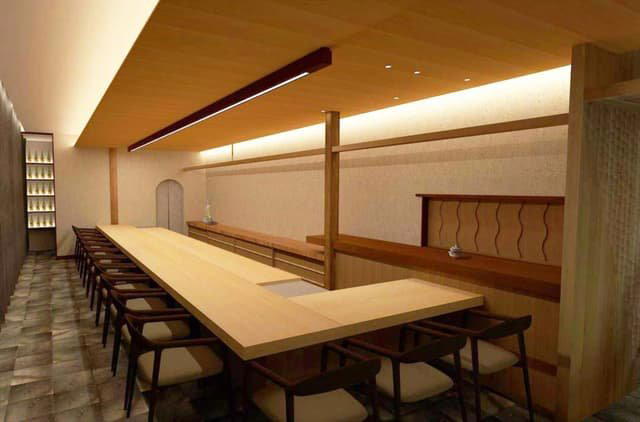
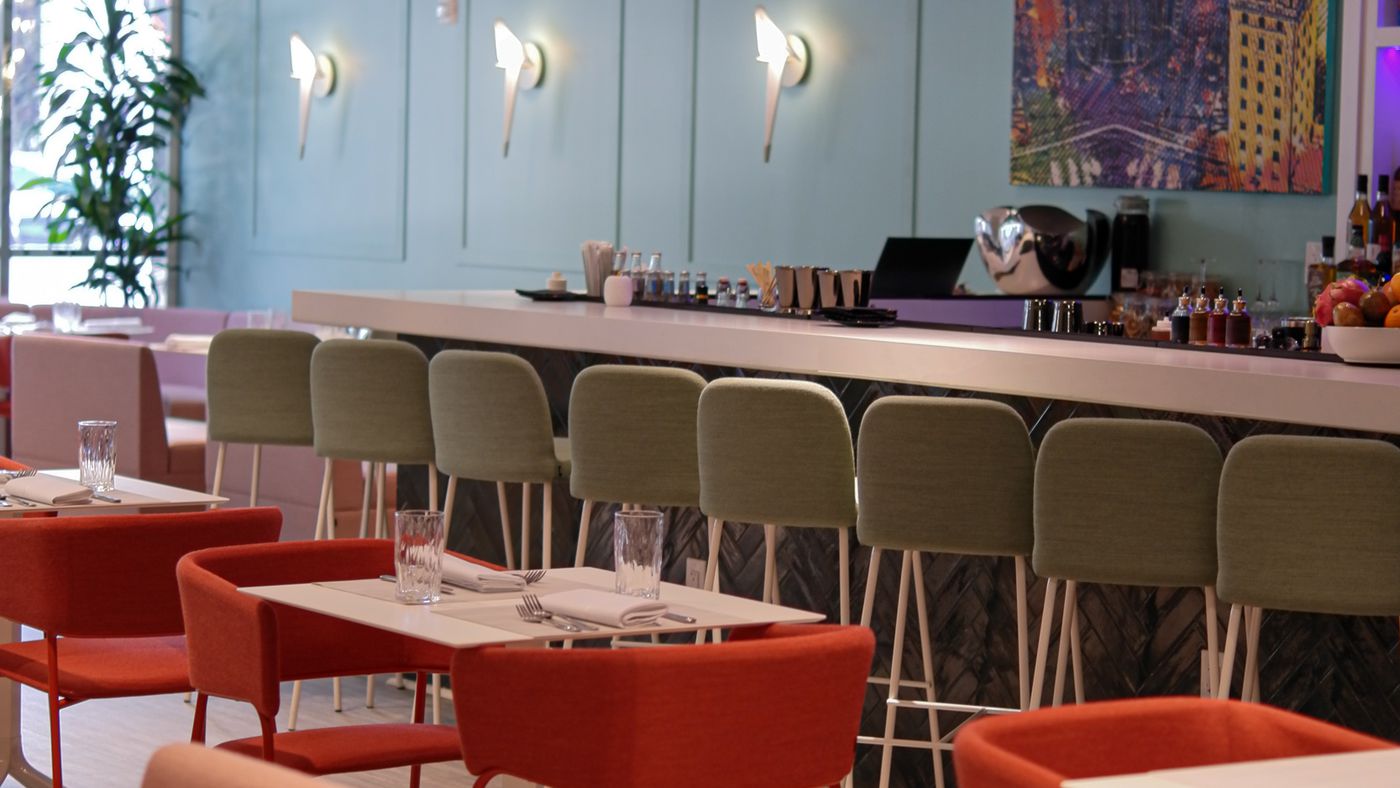
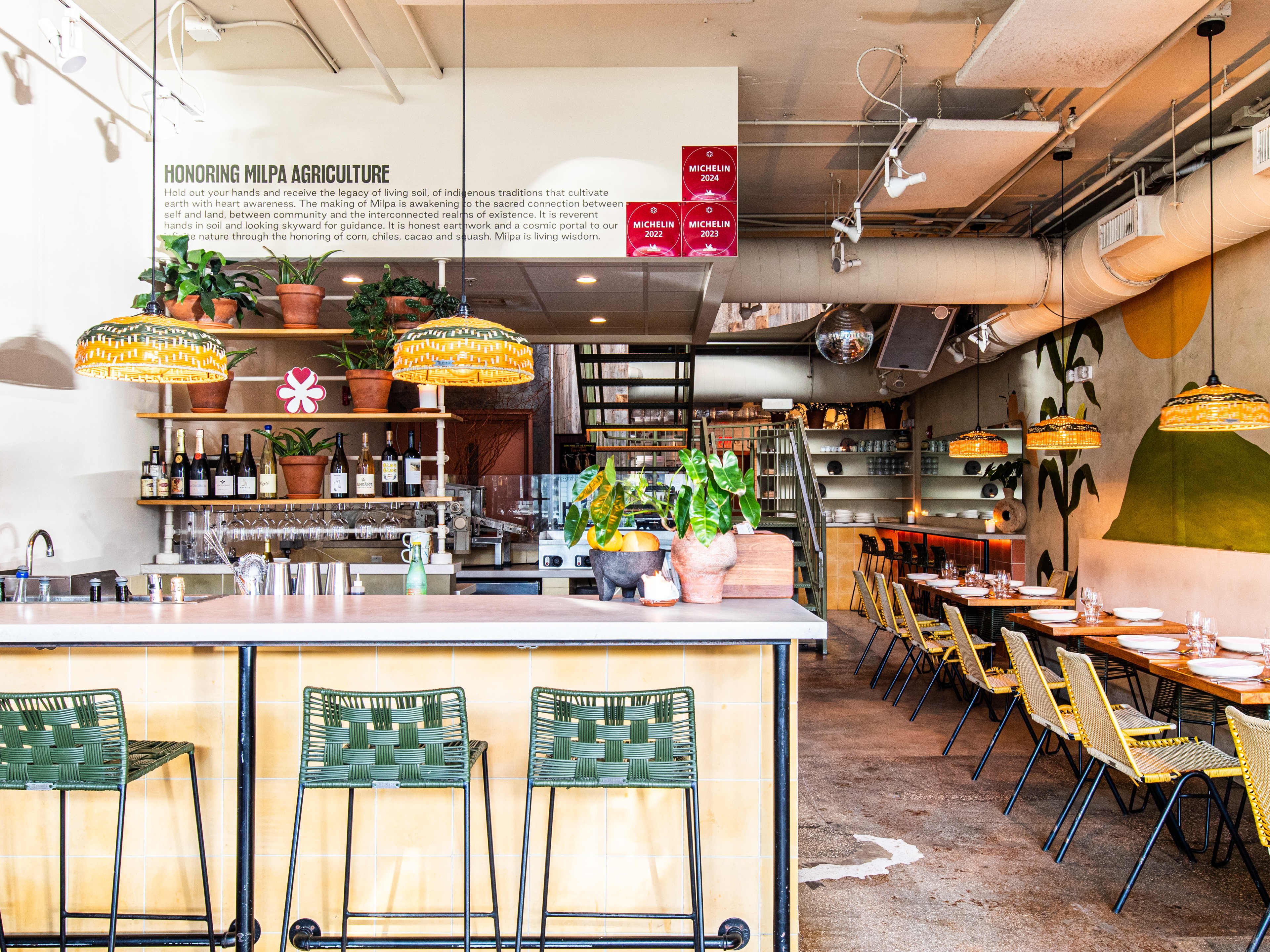
Bars in Coral Gables
All bars in Coral Gables →
CVI.CHE 105 - Coral Gables
The wine
- Wine program
- Curated wine list
- Craft cocktails
Details
- Trendy
- Elegant
- Sophisticated
- Date Night
- Special Occasion
- Group Dining
- Open Kitchen
- Craft Cocktails
- A La Carte
- Small Plates
- Vegetarian Friendly
- Vegan Options
- Gluten Free Options
Current opening hours
- Monday
- 11:30 AM–10:30 PM
- Tuesday
- 11:30 AM–10:30 PM
- Wednesday
- 11:30 AM–10:30 PM
- Thursday
- 11:30 AM–10:30 PM
- Friday
- 11:30 AM–12 AM
- Saturday
- 12 PM–12 AM
- Sunday
- 12–10 PM
Hours can change for holidays and private events. Last verified .
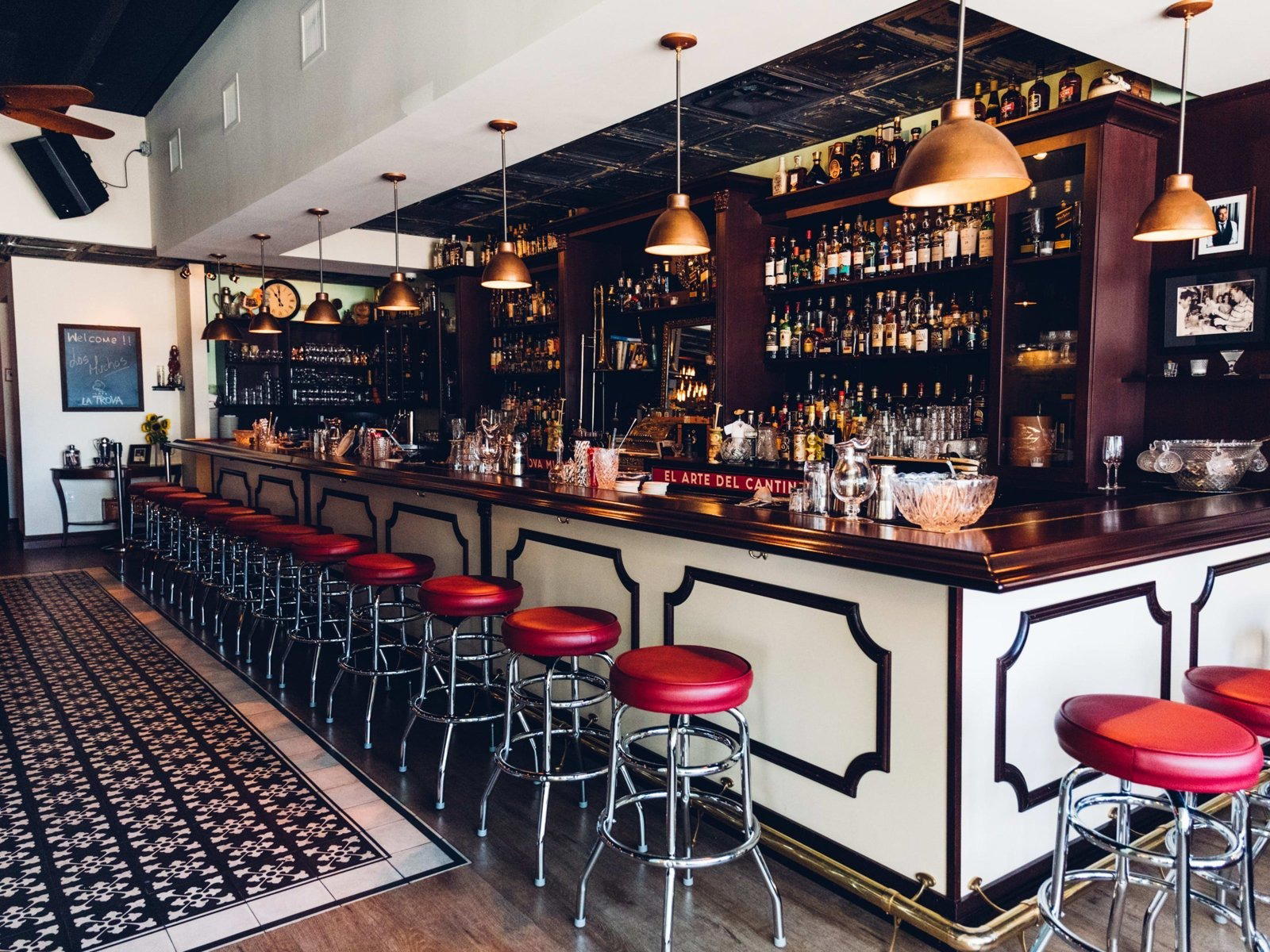
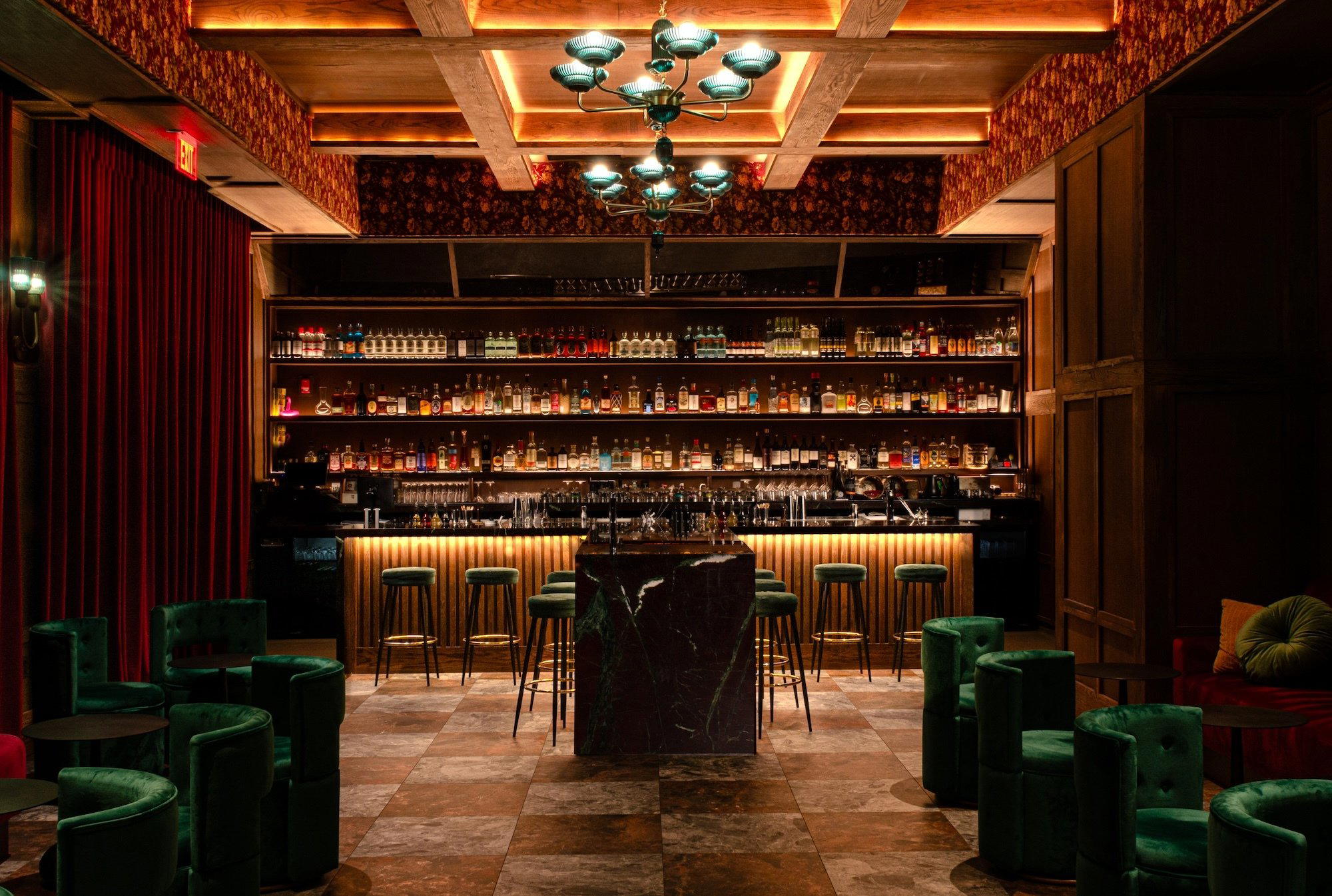
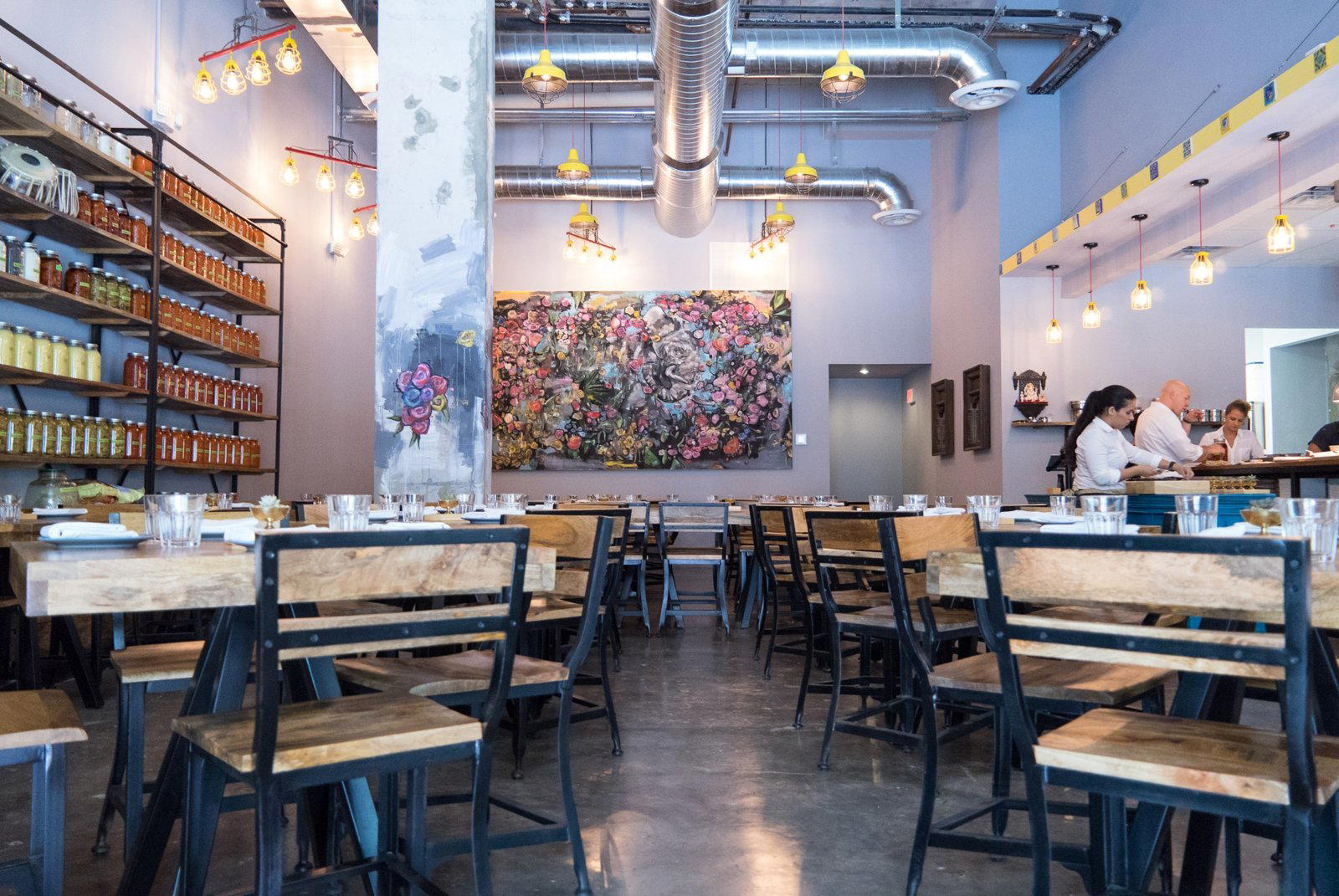
Dazzling Hollywood movie set-like space with artistic Peruvian Inca design elements, refined luxury of gold and ocean themes.