Docas
Our verdict
Docas occupies a ground-floor suite at 125 Main Street in Ossining, New York, placing it within a Hudson Valley dining corridor where provenance and sourcing have become the dominant editorial conversation. Without published awards or a declared cuisine type, the room lets its address do early work — Ossining sits close enough to the region's farm networks to make ingredient origin a credible story, and close enough to Manhattan to draw a crowd that has already eaten at the reference tier.

Pearl is the En Primeur Club membership app — saves, bookings, and concierge access live there. Same editors, same standards.
- Address
- 125 Main St Suite 1, Ossining, NY 10562
- Phone
- (914) 944-9205
- Hours
- Mon ClosedTue–Sun 12–9 PM
- Website
- docassnackbar.com
- Directions
- Get directions
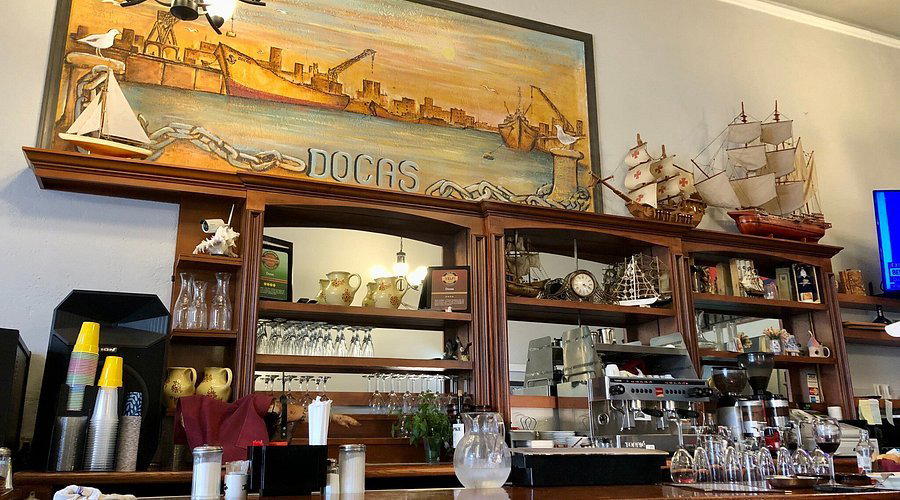
The menu
What to order
- Bifana sandwich
- Garlic clams
- Portuguese steak
- Grilled pescado a la chorrellana
Where the Hudson Valley Sourcing Conversation Lands in Ossining
The Hudson Valley's relationship with provenance-driven dining is not a recent marketing decision. Farms along the valley have been supplying serious kitchens for decades, and the pattern that began at destination-level properties further north has gradually settled into smaller river towns, where the ingredient story travels more quietly but no less seriously. Ossining, positioned on the eastern bank of the Hudson roughly 30 miles north of Midtown Manhattan, sits inside that distribution zone — close enough to farm networks in Dutchess and Columbia counties to make local sourcing a practical reality rather than a positioning claim.
Docas operates at 125 Main Street, Suite 1, in the kind of address that signals ground-floor accessibility over destination theatrics. The approach along Main Street in Ossining is more working-town than curated-village, which matters for how you read the room before you enter it. Towns like this one tend to produce restaurants that cook for the people who live nearby first and visitors second — a useful corrective to the Hudson Valley's tendency toward weekend-only tourism dining, where the audience and the price point sometimes drift apart from each other.
The Sourcing Frame: Why Ingredient Origin Matters Here
The farm-to-table framing has been so thoroughly absorbed by American restaurant marketing that it has largely lost descriptive power. What remains meaningful is the specificity of supply relationships and the consistency with which they show up on the plate. In the Hudson Valley corridor, the reference points are well established: Blue Hill at Stone Barns in Tarrytown set the benchmark for estate-integrated dining at the high end of the format, and that benchmark has shaped expectations across the region, even in rooms operating at a different scale and price.
What that benchmark created, over time, is a regional dining public that asks questions about sourcing, not as a luxury signal but as basic due diligence. The question of where the produce comes from, which farms supply the proteins, and how much of the menu changes with the season has become part of the ordinary conversation at serious Hudson Valley tables. Ossining restaurants that engage with this framework position themselves within a broader regional argument about what good ingredients can do when they don't travel far.
For comparison, the sourcing-led programs at places like Single Thread Farm in Healdsburg or Smyth in Chicago demonstrate how tightly integrated supply chains can define an entire dining identity at the upper tier. The Hudson Valley operates with similar raw material advantages, soil quality, climate range, proximity to serious cheesemakers, meat producers, and market gardeners, but in a less consolidated way. That diffusion means the sourcing story at any given Ossining address is likely woven from multiple relationships rather than a single estate model.
The Wider American Context
Ingredient-origin dining has matured differently across American regions. On the West Coast, restaurants like Providence in Los Angeles and Lazy Bear in San Francisco built programs around hyper-specific sourcing that eventually earned sustained award attention. In the South, Bacchanalia in Atlanta and Emeril's in New Orleans demonstrated that regional ingredient identity could anchor a fine dining reputation over multiple decades. On the East Coast, the reference tier includes Le Bernardin in New York City for seafood sourcing discipline and The Inn at Little Washington in Washington for long-form farm relationships at the destination level.
The pattern across all of these is that sourcing credibility compounds over time. Early adoption of direct farm relationships creates institutional knowledge about what a region's ingredients can do at their seasonal peak, knowledge that eventually shows up in the confidence of a kitchen's output. For a town like Ossining, positioned within one of the country's most productive farm corridors, the question is not whether good ingredients are available but whether the kitchen is using them at the level the region allows.
Other examples worth tracking for their sourcing discipline include Oyster Oyster in Washington, D.C., which operates a plant-forward program built on highly specific regional supply chains, and ITAMAE in Miami, where South American fishing traditions inform a seafood sourcing framework that differs sharply from the mainstream. The common thread is that ingredient origin becomes most legible on the plate when the kitchen commits to it as a constraint rather than an accent.
Ossining's Place in the Regional Dining Map
Metro-North's Hudson Line stops in Ossining, which puts the town inside the commuter-accessible dining band that stretches north from the Bronx through Yonkers, Hastings, Dobbs Ferry, and Tarrytown before reaching the more destination-oriented towns further up the valley. That rail access shapes the audience: a meaningful share of Ossining's dining traffic arrives from Manhattan, carries reference-point expectations formed at places like Atomix in New York City or The French Laundry in Napa, and is looking for something that holds up against those reference points while operating at a different scale and register.
That audience dynamic tends to raise the floor in towns with rail access, restaurants know they're competing not just locally but against the memory of a very wide range of dining experiences. For a more complete picture of what Ossining's dining scene looks like across formats and price points, see our full Ossining restaurants guide.
Additional comparisons worth drawing for context: Addison in San Diego, Frasca Food & Wine in Boulder, The Wolf's Tailor in Denver, and Atelier Moessmer Norbert Niederkofler in Brunico all demonstrate how strongly a kitchen's sourcing commitment can shape its regional identity and critical positioning over time.
Planning Your Visit
Docas is located at 125 Main Street, Suite 1, Ossining, NY 10562, a walkable distance from the Ossining Metro-North station on the Hudson Line, which runs direct from Grand Central Terminal. Given Ossining's rail connectivity and the density of Hudson Valley dining interest on weekends, midweek visits typically offer more availability across the town's serious restaurant options.
Frequently asked questions
Is Docas a family-friendly restaurant?
Docas is located at 125 Main Street in Ossining, a walkable spot from the Metro-North station that draws a mixed weekday and weekend crowd.
What's the vibe at Docas?
The address on Main Street in Ossining places Docas within a small Hudson River town that sits at the outer edge of the Metro-North commuter band. Expect a neighbourhood restaurant atmosphere shaped by that geography — closer to a local anchor than a destination showpiece, with a dining room that reflects the provenance-conscious sensibility documented in the surrounding Hudson Valley food community.
Is Docas a good dinner option when arriving by train to Ossining?
Docas sits at 125 Main Street, Suite 1, Ossining — a walkable distance from the Ossining Metro-North station on the Hudson Line. That makes it one of the more accessible ingredient-driven restaurants in the mid-Hudson corridor for visitors arriving without a car. Confirm current hours directly with the venue before planning an arrival around a specific train.
What's the best thing to order at Docas?
Given the sourcing orientation evident in the broader editorial context, dishes tied to Hudson Valley seasonal produce are likely to reflect the kitchen's clearest point of view — worth asking the floor staff what is arriving from local farms that week.
What part of town is Docas in?
Docas is located at 125 Main St Suite 1, Ossining, NY 10562, Ossining.
What's the defining dish or idea at Docas?
The editorial framing around Docas centres on where the Hudson Valley sourcing conversation lands in Ossining — meaning the defining idea is geographic and agricultural specificity rather than a single signature plate. The kitchen's logic appears organised around ingredient origin, which in the Hudson Valley context means working within a supply network that serious New York–area chefs have been tapping for decades.
How It Stacks Up
| Venue | Cuisine | Price | Awards | Notes |
|---|---|---|---|---|
| DocasThis venue — the venue you are viewing | Authentic Portuguese | $20–30 | Not listed | Not listed |
| Le Bernardin | French Seafood Fine Dining | $300–500 | 3 Michelin Stars · World's 50 Best #13 | French, Seafood |
| Lazy Bear | Modern American Tasting Menu | Not listed | 2 Michelin Stars · World's 50 Best #25 | Progressive American, Contemporary |
| Atomix | Modern Korean Tasting Menu | $300–500 | 2 Michelin Stars · World's 50 Best #7 | Modern Korean, Korean |
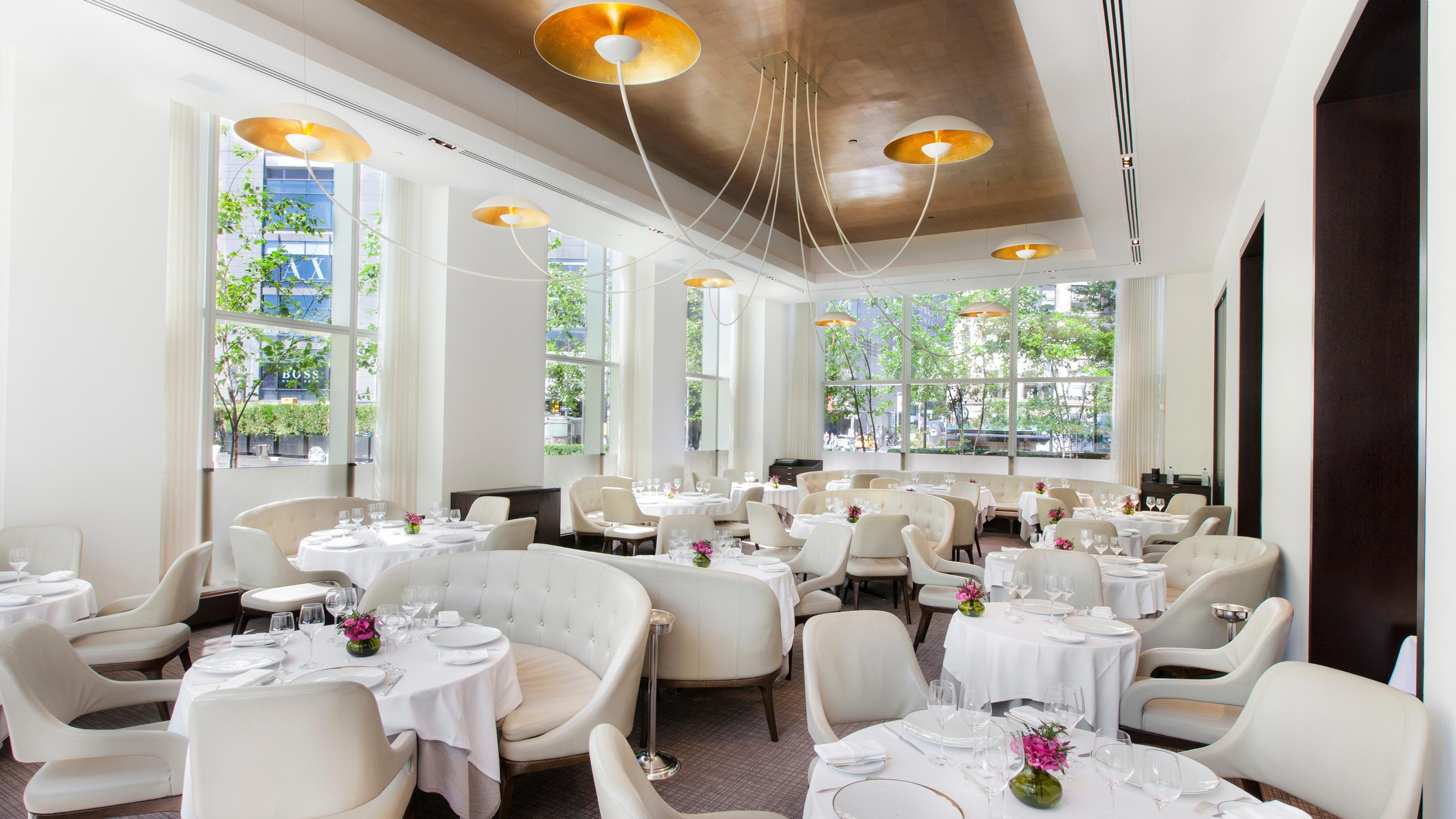
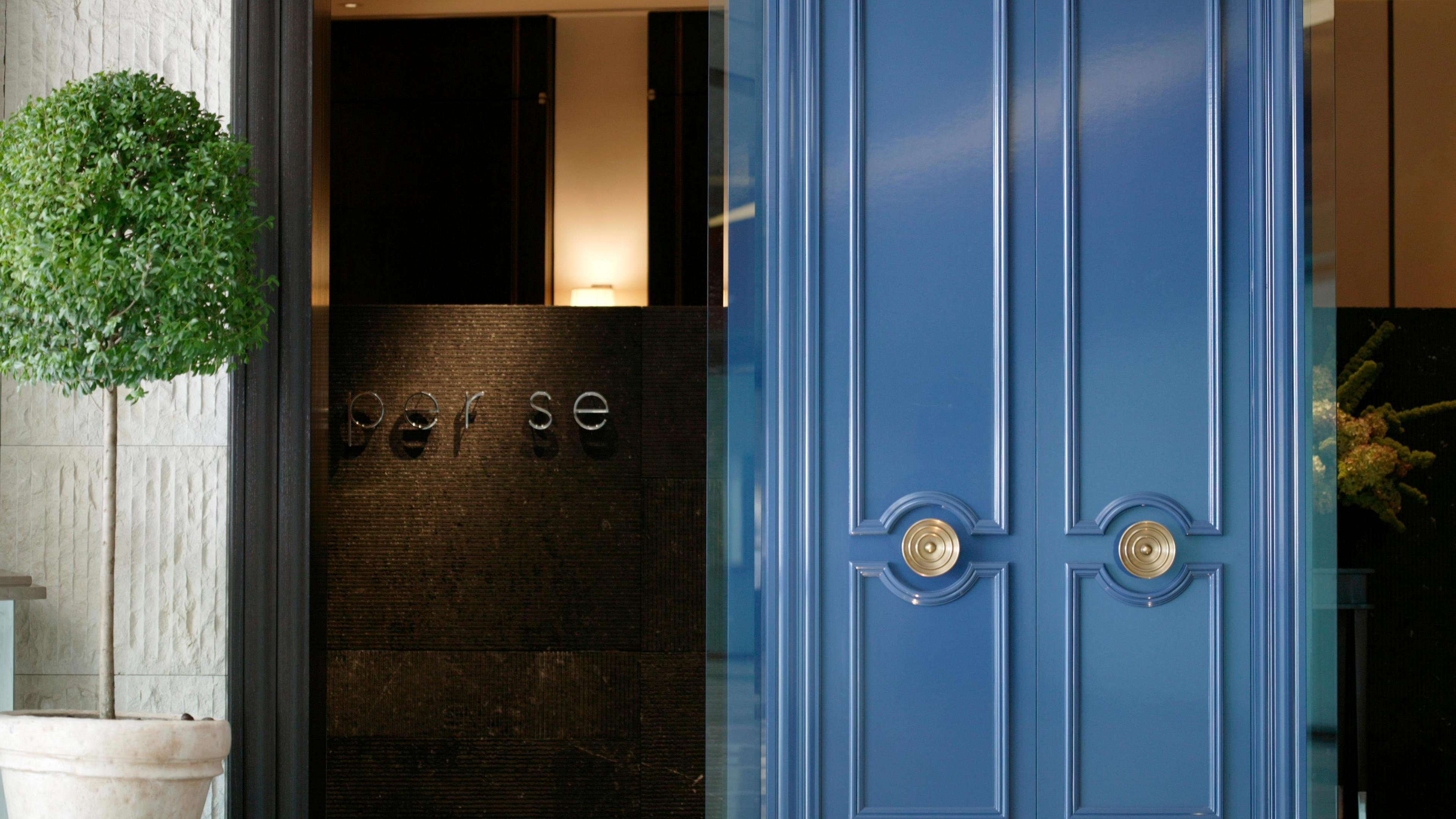
| Per Se | French Fine Dining Tasting Menu | $300–500 | 3 Michelin Stars · World's 50 Best #40 | French, Contemporary |
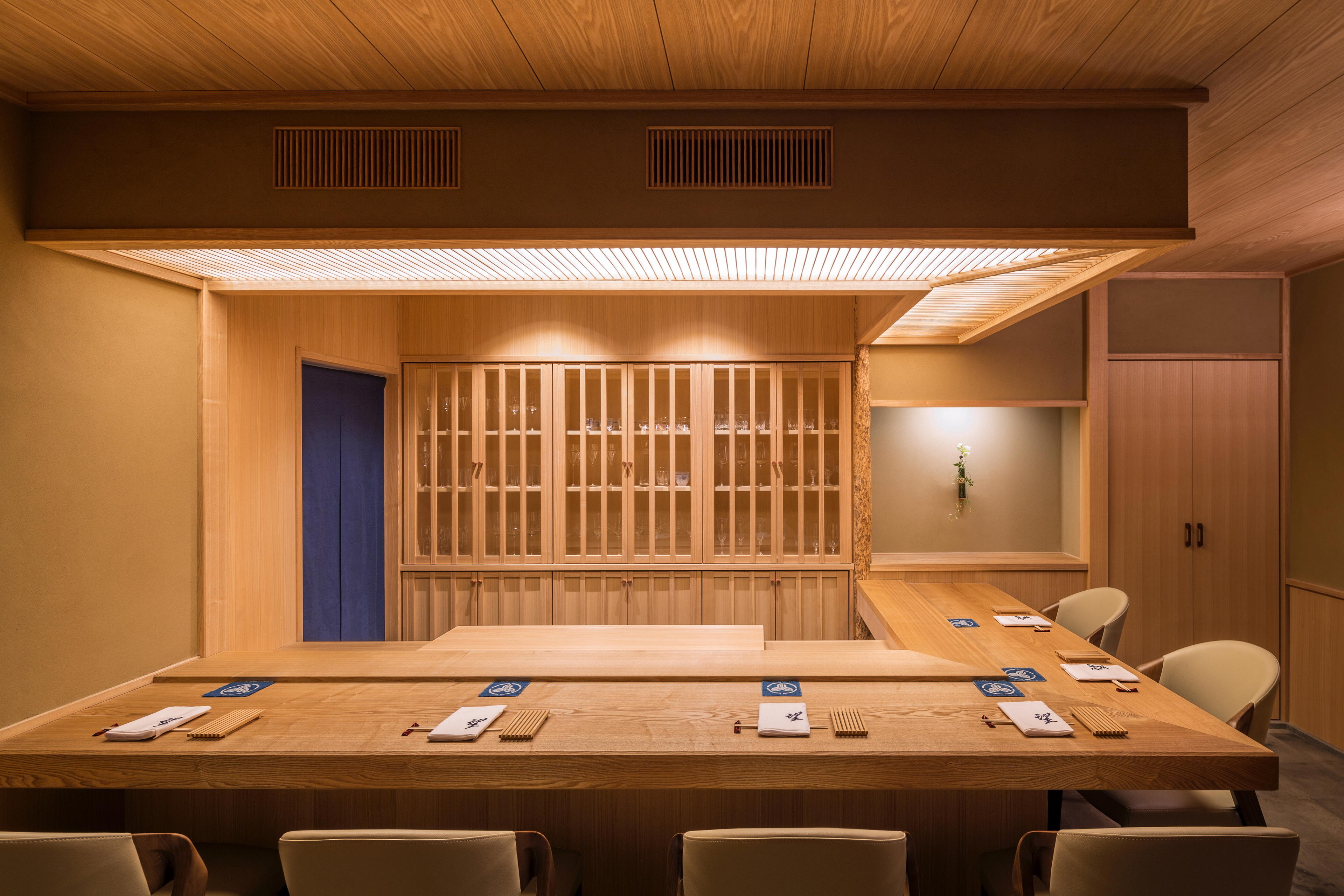
| Masa | Traditional Japanese Omakase | $500+ | 2 Michelin Stars · World's 50 Best #27 | Sushi, Japanese |
Continue exploring
More in Ossining
Restaurants in Ossining
Browse all →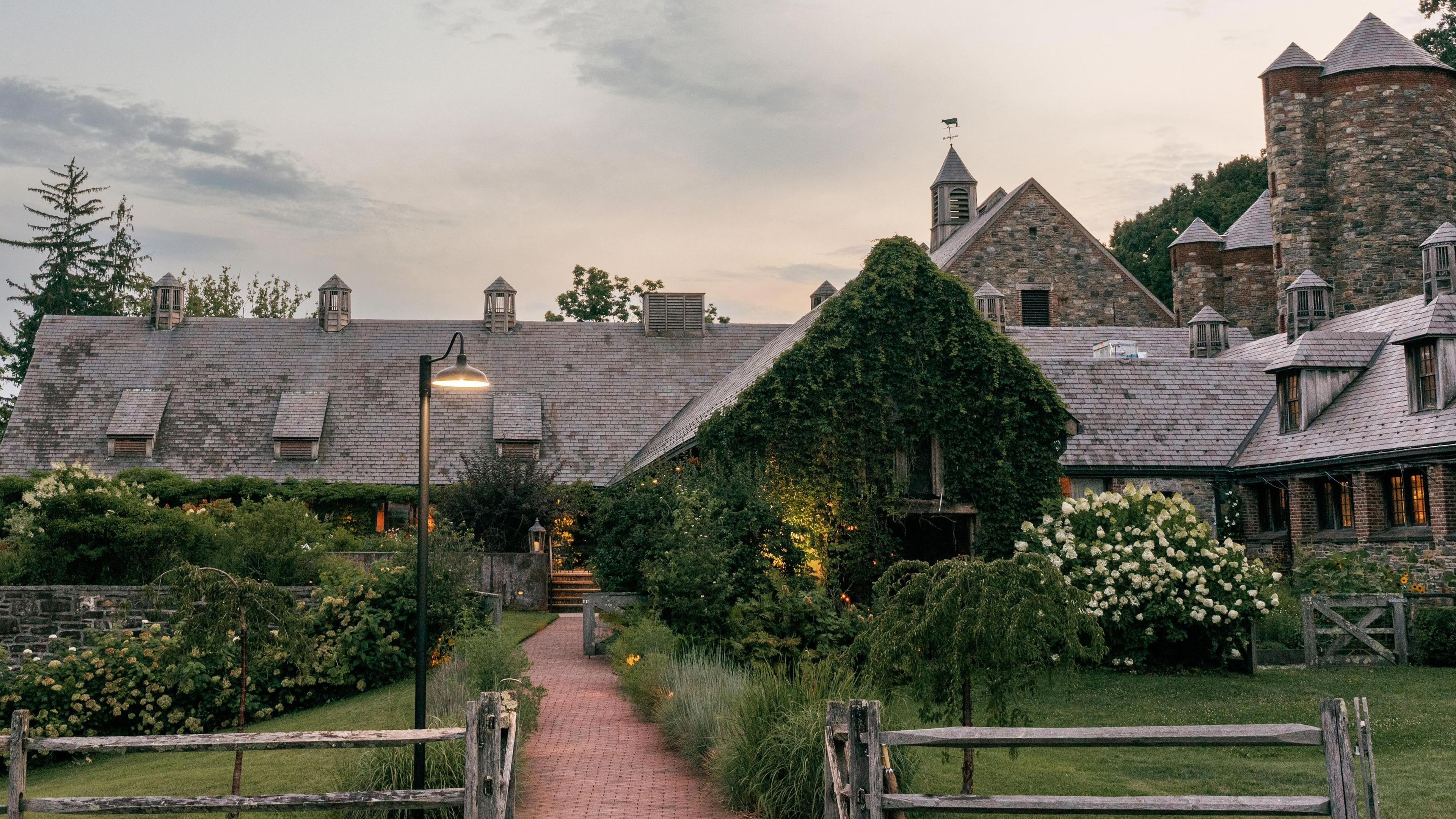
Bars in Ossining
Browse all →

Hotels in Ossining
Browse all →



Details
- Cozy
- Rustic
- Classic
- Family
- Casual Hangout
- Group Dining
- Standalone
- A La Carte
Current opening hours
- Monday
- Closed
- Tuesday
- 12–9 PM
- Wednesday
- 12–9 PM
- Thursday
- 12–9 PM
- Friday
- 12–9 PM
- Saturday
- 12–9 PM
- Sunday
- 12–9 PM
Hours can change for holidays and private events. Last verified .
Relaxed, airy seaside-inspired atmosphere with wall-to-wall nautical murals, stucco terra cotta, and a casual, homey feel.