
In Madrid's Chamberí district, Diamantes de Sal Rosa by Thai Garden occupies a specific corner of the city's Asian dining scene, one where Southeast Asian technique meets Spanish ingredients in a neighbourhood better known for its traditional tascas and neighbourhood bars. The address on Calle de Eguilaz positions it within a residential quarter where restaurant discovery still operates largely by word of mouth.
Pearl is the En Primeur Club membership app — saves, bookings, and concierge access live there. Same editors, same standards.
- Address
- C. de Eguilaz, 13, Chamberí, 28010 Madrid, Spain
- Phone
- +34623215197
- Website
- diamantesdesalrosa.es
- Directions
- Get directions
 Saves & bookings on Pearl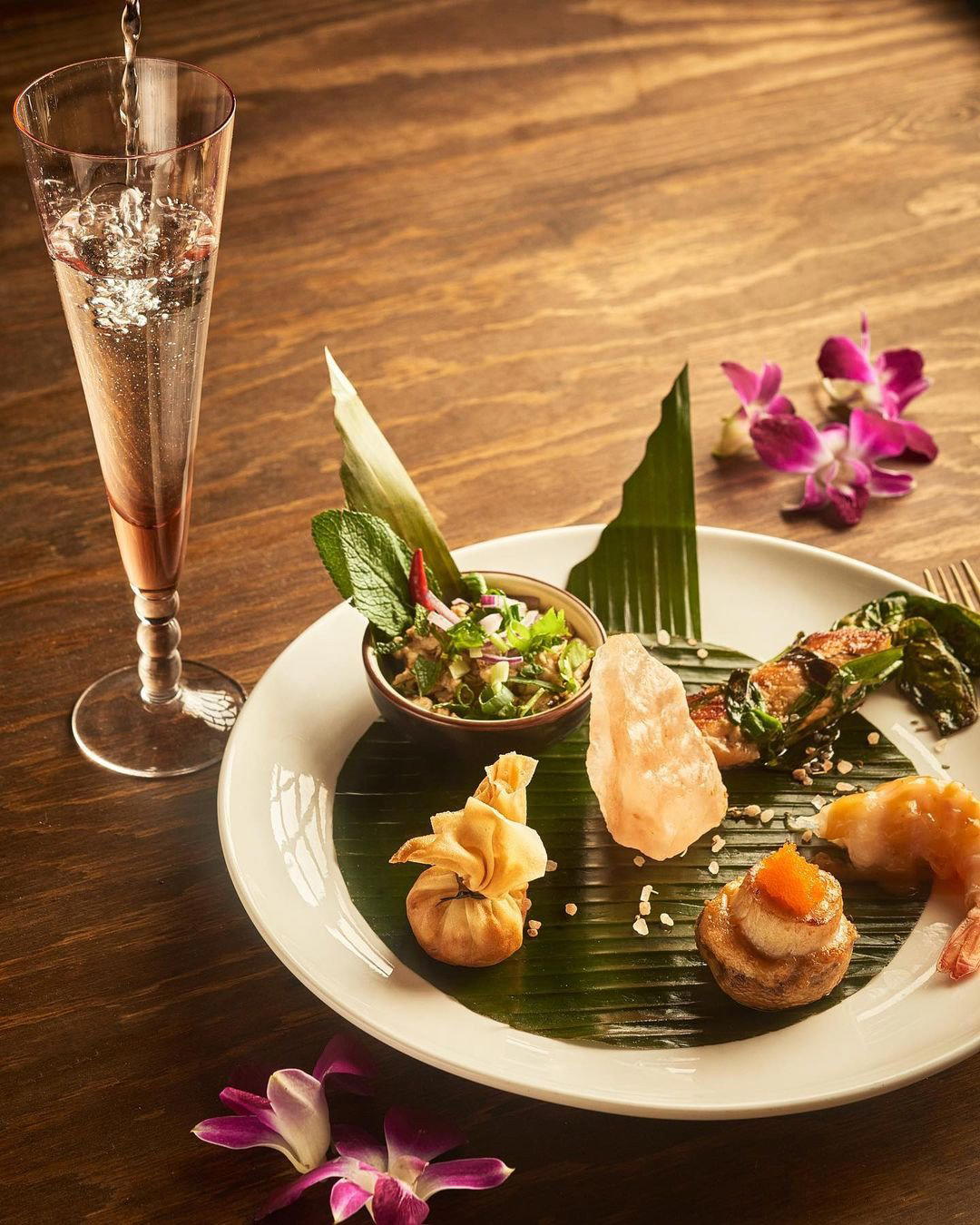
Where Chamberí Meets Southeast Asia
Madrid's relationship with Asian cuisine has matured considerably over the past decade. The city that once confined Thai and Southeast Asian cooking to budget delivery formats has developed a middle tier of serious restaurant projects, places where sourcing decisions, presentation discipline, and kitchen technique carry real weight. Chamberí, a barrio defined more by its nineteenth-century architecture and local bar culture than by destination dining, has become an unlikely host for several of these projects. Diamantes de Sal Rosa by Thai Garden, at Calle de Eguilaz 13, sits within that neighbourhood dynamic: an address that requires intent to reach rather than foot-traffic discovery.
In a city where the high-end creative conversation centres on names like DiverXO, Coque, and Deessa, all operating at the €€€€ tier with Michelin recognition behind them, the mid-market Asian dining segment occupies a quieter but increasingly credible space. Diamantes de Sal Rosa reads as part of that quieter segment: a project with a distinct identity suggested by its name alone, referencing pink salt as both an ingredient and an aesthetic signal.
Reading the Name as a Menu Signal
Restaurant naming in the contemporary Spanish scene has become more deliberate. When a venue calls itself Diamantes de Sal Rosa, the reference to pink salt, whether Himalayan, Maldon flake, or Peruvian, is almost certainly doing conceptual work. Salt is the inflection point in Thai cooking between sweet, sour, heat, and umami; it is what prevents a dish from being merely aggressive and pushes it toward balance. A name built around it suggests a kitchen interested in that calibration rather than in spectacle.
In Thai cooking as practiced at its more considered end, and as seen in internationally recognised projects from Bangkok's Nahm-era influence through to European Thai restaurants that take the herb and fermentation vocabulary seriously, the meal tends to progress through a logic of contrast rather than escalation. Appetisers establish acidity and herb brightness. Curries introduce depth and fat. Finishing courses, often fruit-forward or coconut-based, return the palate to a cooler register. This arc, when executed with intention, produces a dining sequence as structured as any European tasting menu. How closely Diamantes de Sal Rosa by Thai Garden adheres to or departs from that logic is the central question for a first visit.
The Chamberí Context
Few barrios in Madrid operate as consistently on local loyalty as Chamberí. It lacks the tourist footfall of Malasaña or the gallery-and-gallery-bar circuit of Lavapiés. Its restaurants succeed because residents return, which means that a dining project here has to function at a neighbourhood restaurant level, accessible enough for a regular Tuesday, considered enough to hold attention over multiple visits. This is a different commercial pressure than the one faced by a one-time-occasion destination restaurant.
That pressure shapes what the better Chamberí restaurants do well: cooking that delivers on a plate-by-plate basis rather than relying on a theatrical tasting menu format to carry the experience. Madrid's four-star creative tier, represented by DSTAgE and Paco Roncero alongside DiverXO, operates on a different logic entirely, one where the sequence, the room, and the occasion are inseparable from the food. Diamantes de Sal Rosa likely plays a different game: individual dishes as the unit of satisfaction, and the meal's arc determined as much by the diner as by a fixed kitchen progression.
Spanish Asian Dining in European Context
Madrid is not alone in taking Asian cuisine more seriously at the mid-to-upper tier. Across Europe, Thai and Southeast Asian kitchens have moved from the perception that they occupy a budget category into a space where wine pairing, premium sourcing, and technically demanding preparation are expected. London, Amsterdam, and Paris each have Thai-adjacent projects operating at price points and with ambition levels that would have seemed implausible fifteen years ago.
Spain brings its own particular ingredient logic to this. The country's produce supply, Iberian pork, Galician seafood, Andalusian citrus and olive oil, sits alongside Southeast Asian pantry imports in Madrid's restaurant supply network in ways that create real fusion potential without requiring forced creativity. The leading Spanish-Asian projects, whether at the experimental end of the spectrum or at the neighbourhood level, tend to find those intersections instinctively rather than forcing them. Projects of this type appear elsewhere in Spain's dining map: the discipline of El Celler de Can Roca in Girona around ingredient-led creativity, the seafood precision of Aponiente in El Puerto de Santa María, and the vegetable-forward thinking of Ricard Camarena in València all represent different angles on the same underlying question: how does Spanish produce logic interact with non-Spanish culinary traditions?
Internationally, the multi-course progression model has become a shared language across categories and cuisines. Le Bernardin in New York City and Lazy Bear in San Francisco both demonstrate that tasting progression as a format works regardless of cuisine origin when kitchen discipline is present. What changes between formats is the internal logic of the arc, and in Thai cooking, that arc has its own rules worth understanding before you sit down.
Planning Your Visit
Chamberí is reachable via the Alonso Martínez or Iglesia metro stops on Lines 4 and 7 respectively, with Calle de Eguilaz a short walk from either. The neighbourhood has a concentrated restaurant scene along nearby Calle de Ponzano, which means pre- or post-dinner options for drinks are within easy reach.
| Venue | Area | Format | Price Tier |
|---|---|---|---|
| Diamantes de Sal Rosa by Thai Garden | Chamberí, Madrid | Thai / Asian, à la carte likely | Not confirmed |
| DiverXO | Madrid | Progressive Asian, Creative | €€€€ |
| Deessa | Madrid | Modern Spanish, Creative | €€€€ |
| Paco Roncero | Madrid | Creative | €€€€ |
The Minimal Set
Comparable venues nearby, for context on price, style, and recognition.
| Venue | Cuisine | Price | Notes |
|---|---|---|---|
| Diamantes de Sal Rosa by Thai GardenThis venue — the venue you are viewing | Trafalgar, Thai Haute Cuisine | $$$$ | Not listed |
| Chambao Madrid | Not listed | $$$$ | Recoletos, Fashion Steakhouse & Seafood Grill |
| Élkar | Not listed | $$$$ | La Paz, Sophisticated Basque-Mediterranean Fine Dining |
| Amazónico | Recoletos, Amazonian Fusion | $$$$ | Not listed |
| Loca Obsesión | Sol, Fusion Brunch | $$$$ | Not listed |
| 99 Sushi Bar Nh Eurobuilding | Not listed | $$$$ | Chamartín, Modern Japanese & Sushi with Mediterranean Fusion |
Recognition history
Dated appearances from independent guides and award organizations, with the underlying list record or original source where available.
Macarfi 7.4 Food Rating
Macarfi



At a Glance
- Elegant
- Intimate
- Sophisticated
- Ornate
- Special Occasion
- Date Night
- Private Event
- Private Dining
- Design Destination
- Extensive Wine List
Current opening hours
- Monday
- 1–11 PM
- Tuesday
- 1–11 PM
- Wednesday
- 1–11 PM
- Thursday
- 1–11 PM
- Friday
- 1–11 PM
- Saturday
- 1–11 PM
- Sunday
- 1–11 PM
Hours can change for holidays and private events. Last verified .
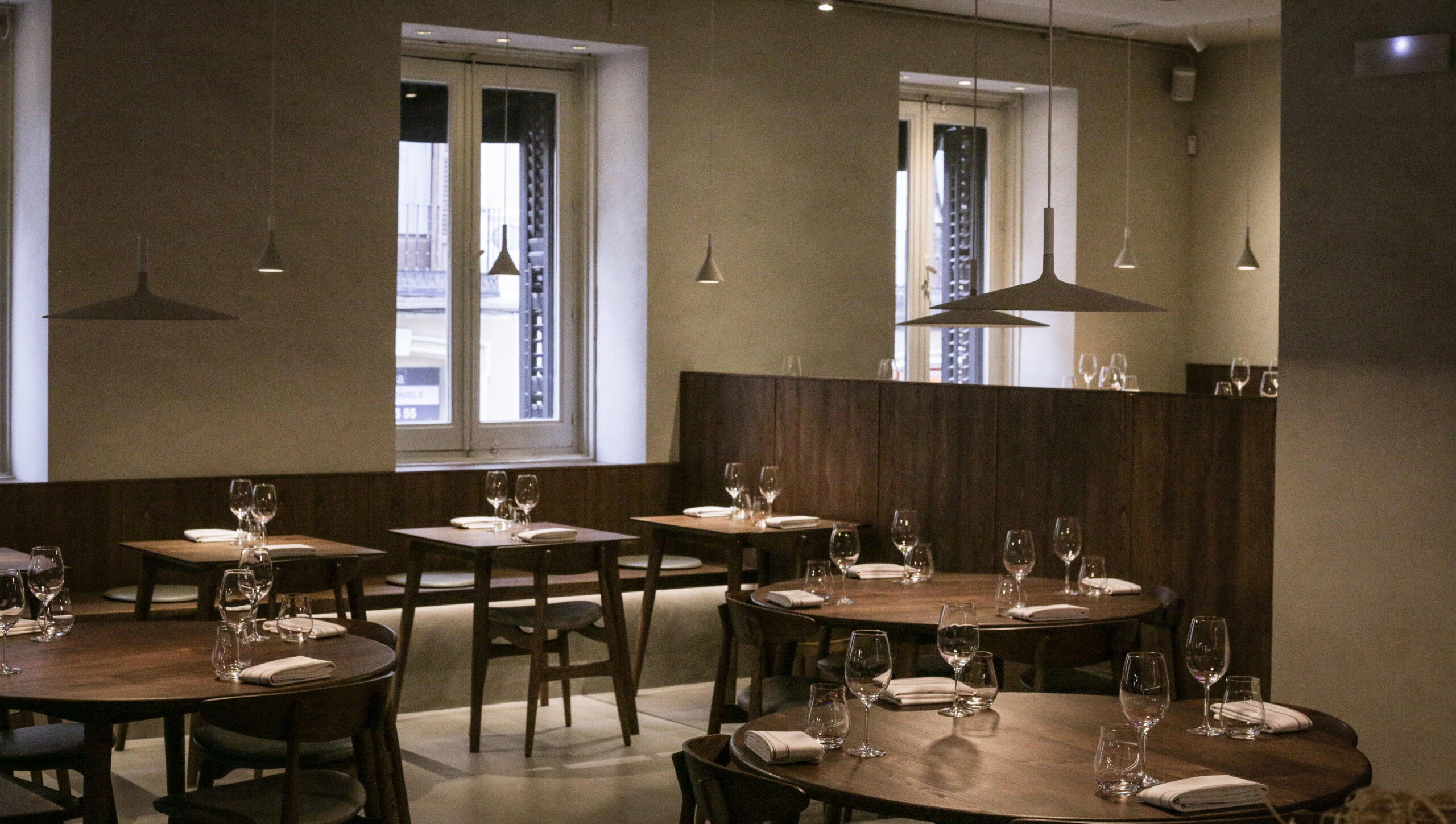
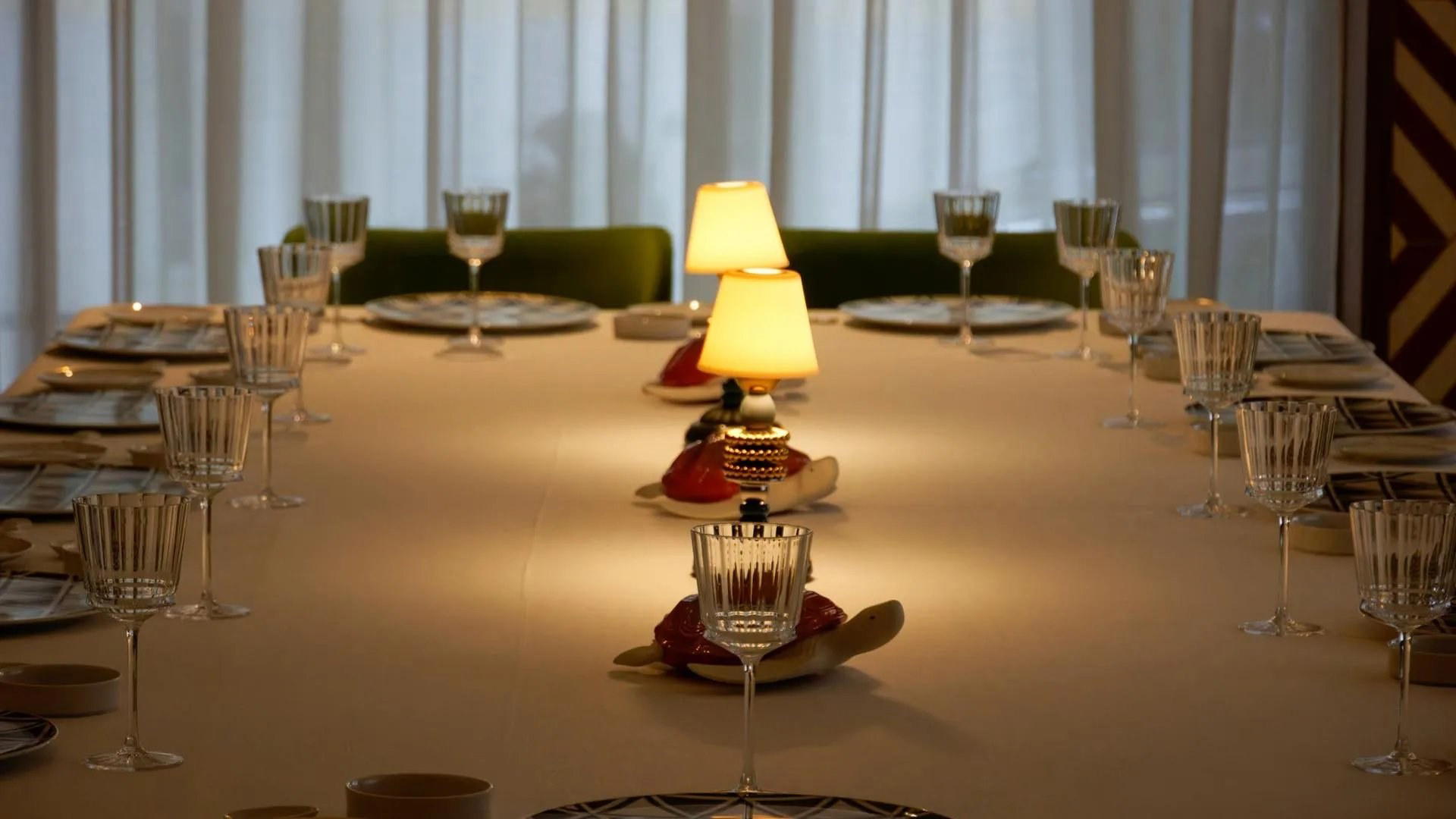
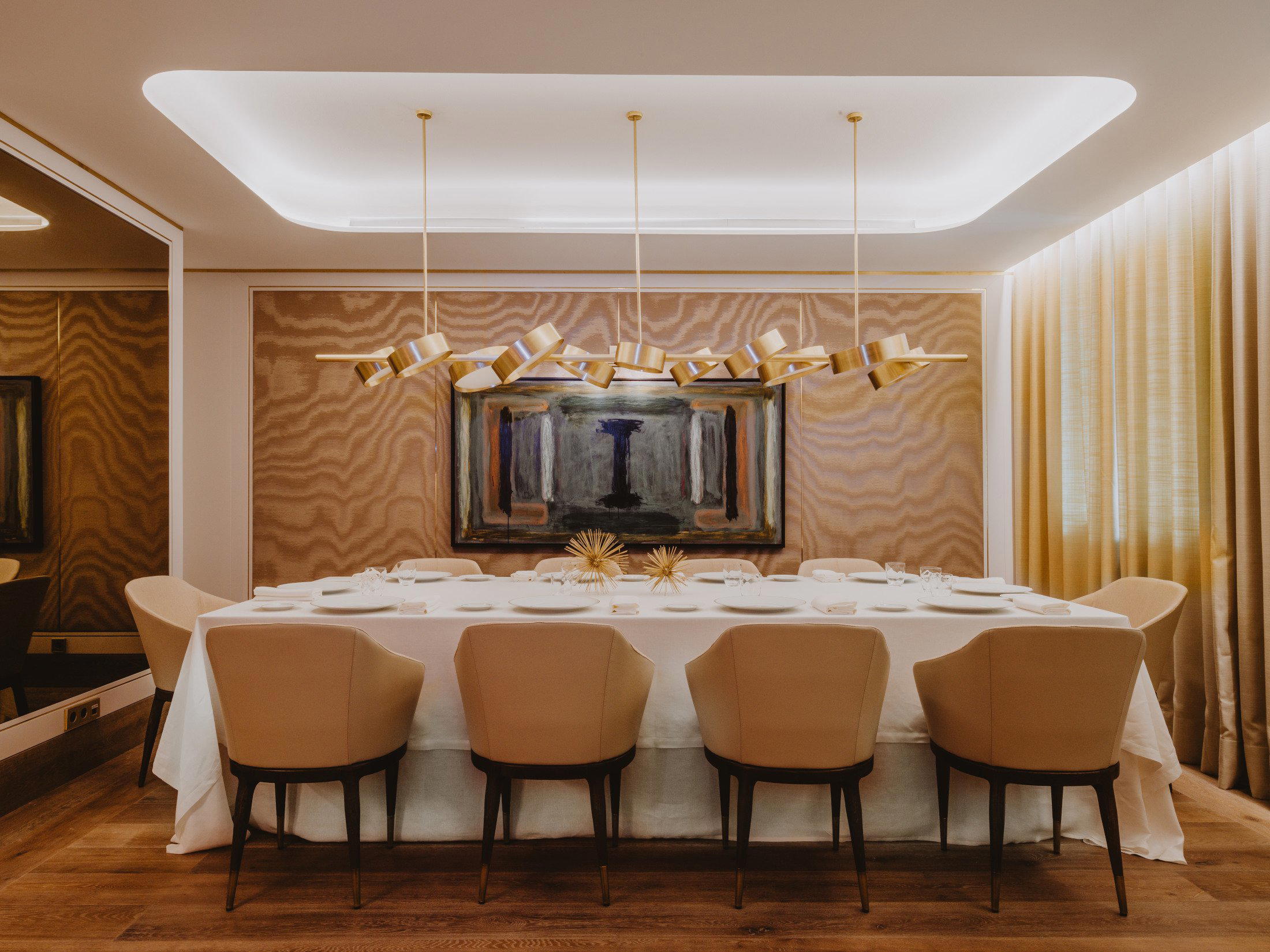
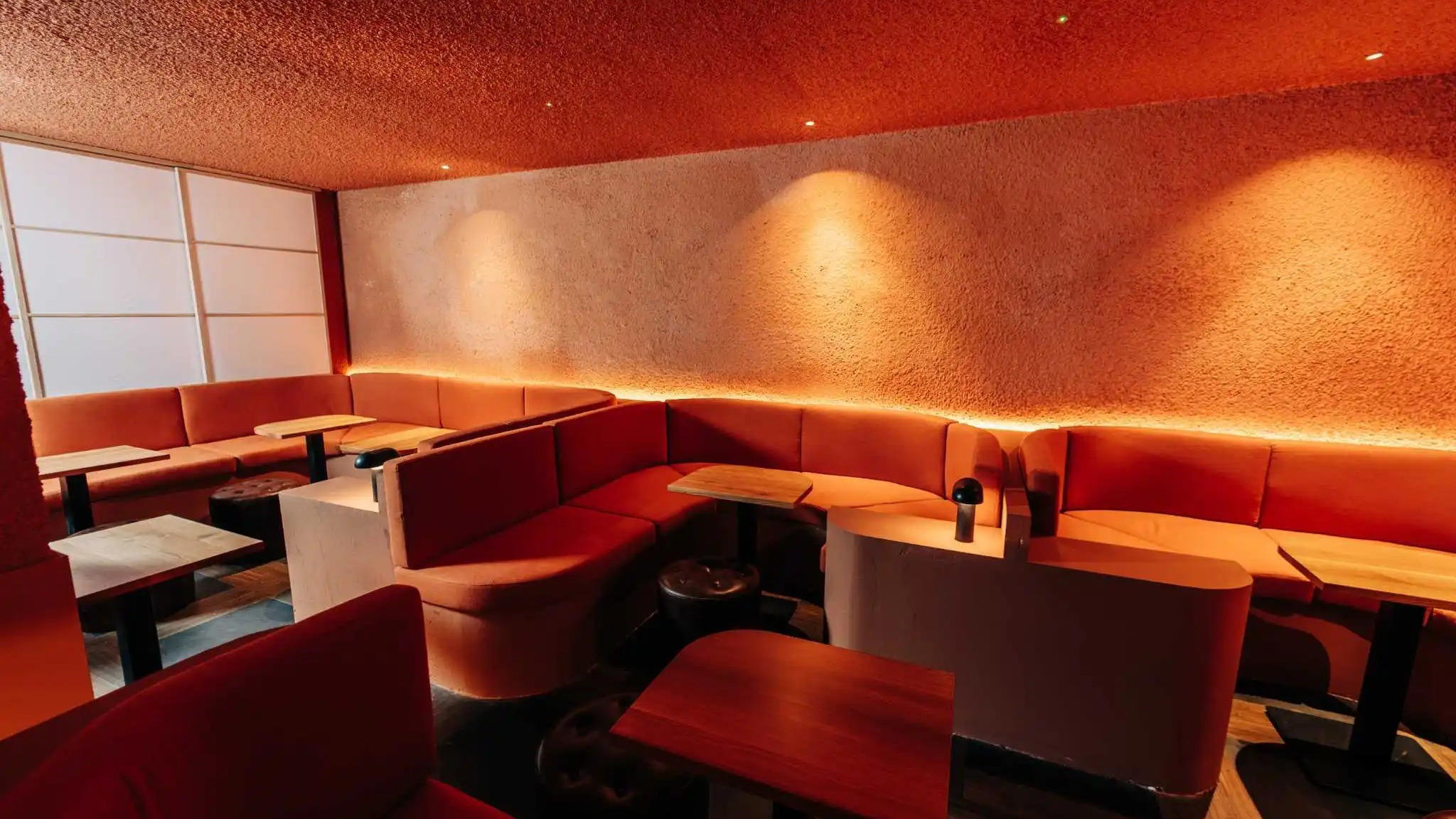
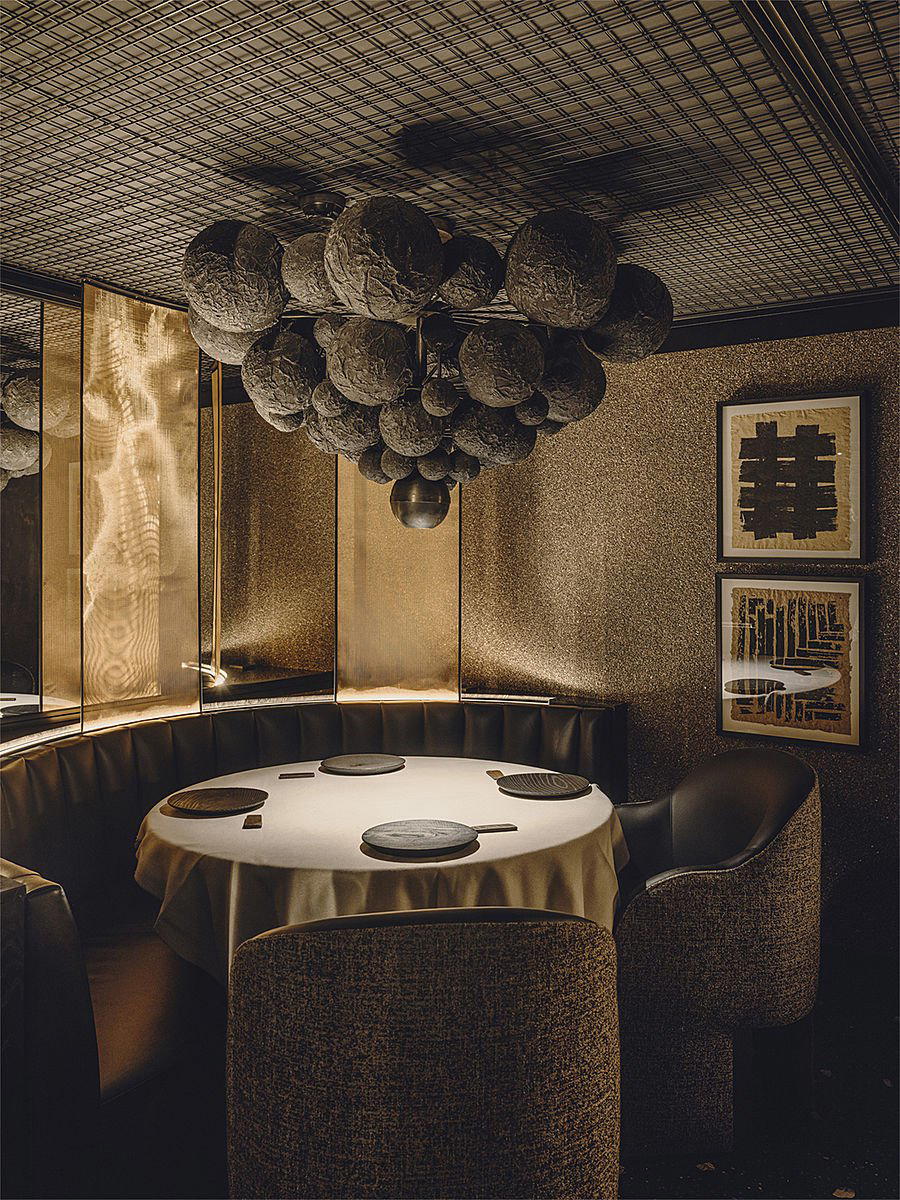
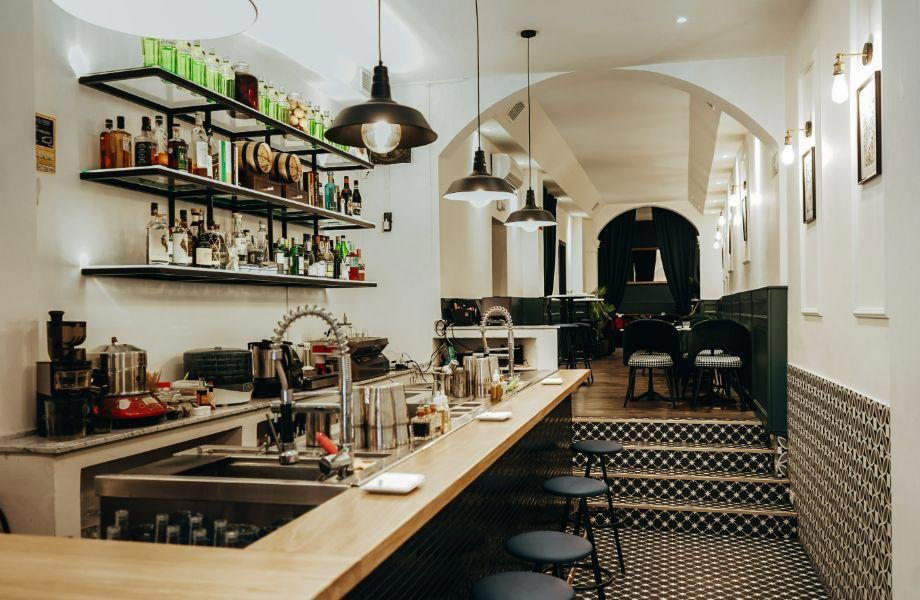
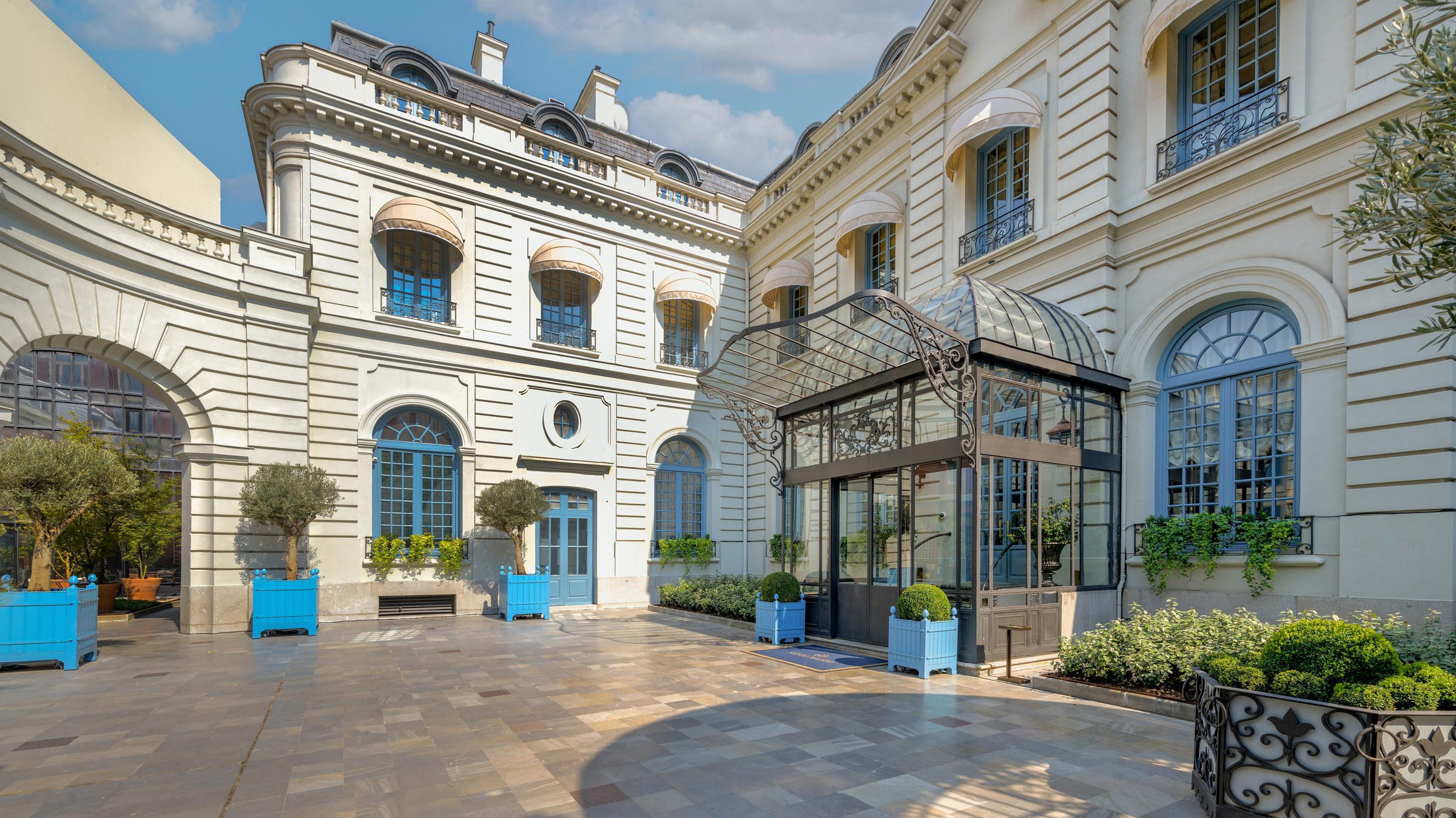
Magical and purified atmosphere decorated with pink Himalayan salt crystals, creating an exotic Southeast Asian ambiance in an intimate private setting.