

Gourmet Traveller Best New Restaurant · Conde Nast Hot List Restaurants
Our verdict
Yiaga places contemporary Australian fine dining inside Fitzroy Gardens, with chef Hugh Allen’s first co-owned venture earning three hats within months of opening. The draw is not just polish but sourcing: grass-fed Blackmore wagyu, Victorian coast wakame and custom-made tableware point to a dining culture where local material, craft and produce carry equal weight.

Pearl is the En Primeur Club membership app, where members save venues, book tables and use the concierge.
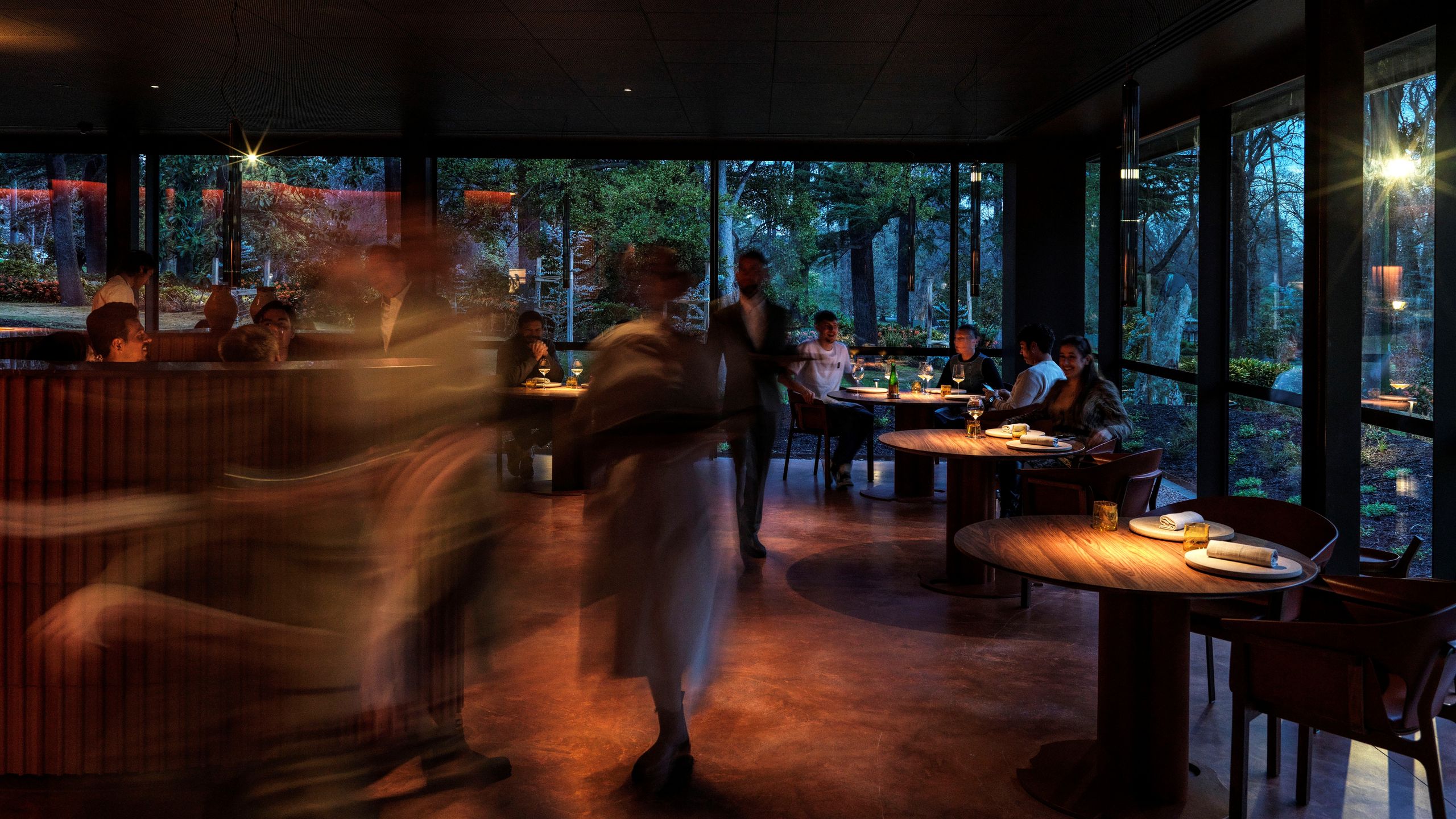
Approaching dinner in Melbourne changes the usual restaurant-planning rhythm. The city’s dining energy gathers in many different kinds of rooms, from compact spaces to polished special-occasion settings; here, the frame is Yiaga itself. The safest way to place Yiaga is as a Melbourne restaurant that has entered a wider international conversation through Condé Nast Traveler’s 2026 Hot List recognition. For travellers, that recognition is the anchor: it marks Yiaga as a venue to consider when mapping the city’s current dining landscape.
That context matters because Melbourne rewards careful editing. A visitor can spend a trip moving through casual meals, late-night drinking, hotel dining and ambitious restaurant bookings, but not every stop plays the same role. Yiaga belongs in the part of the itinerary reserved for a considered restaurant experience rather than a purely spontaneous meal. Without over-defining the kitchen, room or format, the useful reading is that Yiaga is a Melbourne address with enough critical attention to justify planning around it.
Yiaga as part of Melbourne's current restaurant conversation
The value of Yiaga is best understood through its position in the city rather than through an unsupported checklist of dishes, prices or personnel. Melbourne’s dining culture is broad, and a restaurant recognised on an international Hot List sits differently from a casual neighbourhood stop. The point is not to force a cuisine label onto the venue, but to treat it as one of the Melbourne restaurants that has drawn attention beyond the local market.
That attention is specific. Yiaga has been recognised on Condé Nast Traveler’s 2026 Hot List, placing it within an international conversation about notable restaurants. The credential matters less as a trophy than as a practical signal for travellers deciding where to spend a limited number of meals in Melbourne. It gives the restaurant a clear reason to appear on a premium shortlist without needing extra claims about rankings, ownership, opening dates or menu structure.
One useful way to read the restaurant is through selection pressure: Melbourne has many possible dining paths, and Yiaga is the kind of booking that makes sense when recognition, city context and a more deliberate meal matter. The strongest grounded case is simple and enough on its own: Yiaga is in Melbourne, and it has Condé Nast Traveler 2026 Hot List recognition.
Why the room matters in Melbourne's fine-dining conversation
Melbourne has a long appetite for restaurants that can carry both occasion and ease, but the city’s most ambitious meals do not all need to be described with the same vocabulary. Yiaga’s Melbourne setting gives it a place in that wider conversation without requiring unsupported detail about its design, chef, format or exact location. For travellers, the important distinction is that it is a recognised Melbourne restaurant to weigh against the city’s many other dining options.
That distinction is useful for deciding how to allocate limited meals in the city. Melbourne can be read through many forms of dining and drinking, but Yiaga sits in the branch concerned with a planned restaurant experience backed by Hot List recognition. For a wider map of the city, start with Our full Melbourne restaurants guide, then cross-check the city’s after-dark rhythm through Our full Melbourne bars guide, its lodging base through Our full Melbourne hotels guide, regional drinking context via Our full Melbourne wineries guide, and cultural planning through Our full Melbourne experiences guide.
The restaurant also clarifies how broad Melbourne’s dining spread has become. A trip built around comfort food, a tighter drinking itinerary or another style of meal would each point to different kinds of unnamed Melbourne venues. Yiaga belongs to a different decision: the meal chosen because it is a Melbourne restaurant with international recognition and enough profile to justify advance consideration.
How to place it on an Australian itinerary
For visitors comparing major-city dining, the useful contrast is not a single rival restaurant but the way each Australian market expresses premium taste. Other Australian cities can read very differently through their own dining rooms, drinking culture and coastal or urban settings. Melbourne’s argument here is specific: Yiaga is a restaurant in Melbourne recognised on the 2026 Hot List, making it a clear candidate for travellers building a focused dining itinerary.
The clean verdict is this: Yiaga is for diners who want a Melbourne restaurant with current international recognition and a reason to be planned rather than discovered by accident. Its strongest case is not an unsupported list of signatures or labels, but the simple fact that it is Yiaga in Melbourne, recognised by Condé Nast Traveler’s 2026 Hot List.
Frequently asked questions
Is Yiaga good for families?
Yiaga is a Melbourne restaurant with Hot List recognition, so families should consider whether the occasion suits the group before booking. It may be better approached as a planned restaurant meal than as an improvised casual stop.
What should I expect atmosphere-wise at Yiaga?
Expect a Melbourne restaurant that has attracted Condé Nast Traveler 2026 Hot List recognition. Beyond that, avoid relying on unsupported assumptions about the room, format or service style and check current details directly before visiting.
Is Yiaga award-winning?
Yiaga has received recognition from Condé Nast Traveler’s 2026 Hot List.
Where is Yiaga in Melbourne?
Melbourne.
How It Compares
Comparable venues nearby, for context on price, style, and recognition.
| Venue | Cuisine | Price | Awards | Notes |
|---|---|---|---|---|
| YiagaThis venue (the venue you are viewing) | Modern Australian tasting menu | $200–300 | Gourmet Traveller Best New Restaurant · Conde Nast Hot List Restaurants | Not listed |
| Brico | European-inspired Small Plates | $50–100 | Star Wine List | Carlton North |
| Centonove | Contemporary Italian | $100–150 | Not listed | Kew |
| Tedesca | Wood-Fired Italian Osteria | $100–150 | Star Wine List | Red Hill |
| Cote Basque | Basque Coast-Inspired European Grill | Not listed | Not listed | CBD |
| Embla | Modern Wine Bar Small Plates | $100–150 | Star Wine List | Melbourne |
Recognition history
Dated appearances from independent guides and award organizations, with the underlying list record or original source where available.
Conde Nast Hot List Restaurants
Conde Nast
Gourmet Traveller Best New Restaurant
Gourmet Traveller
Continue exploring
More in Melbourne
Restaurants in Melbourne
All restaurants in Melbourne →
Bars in Melbourne
All bars in Melbourne →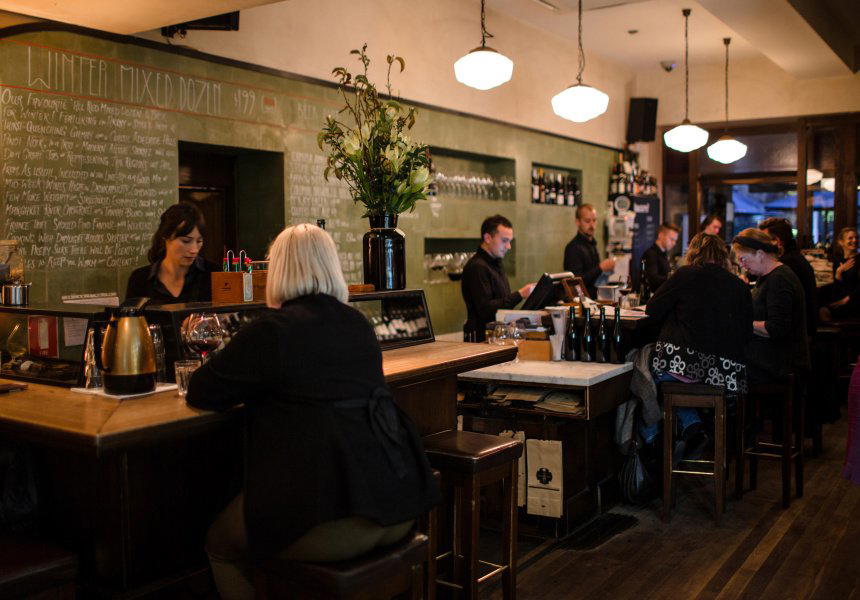
Details
- Modern
- Elegant
- Sophisticated
- Intimate
- Special Occasion
- Date Night
- Celebration
- Business Dinner
- Design Destination
- Standalone
- Garden
- Extensive Wine List
- Local Sourcing
- Garden
- Tasting Menu
- Set Menu
- Wine
- Pairings
- Craft Cocktails
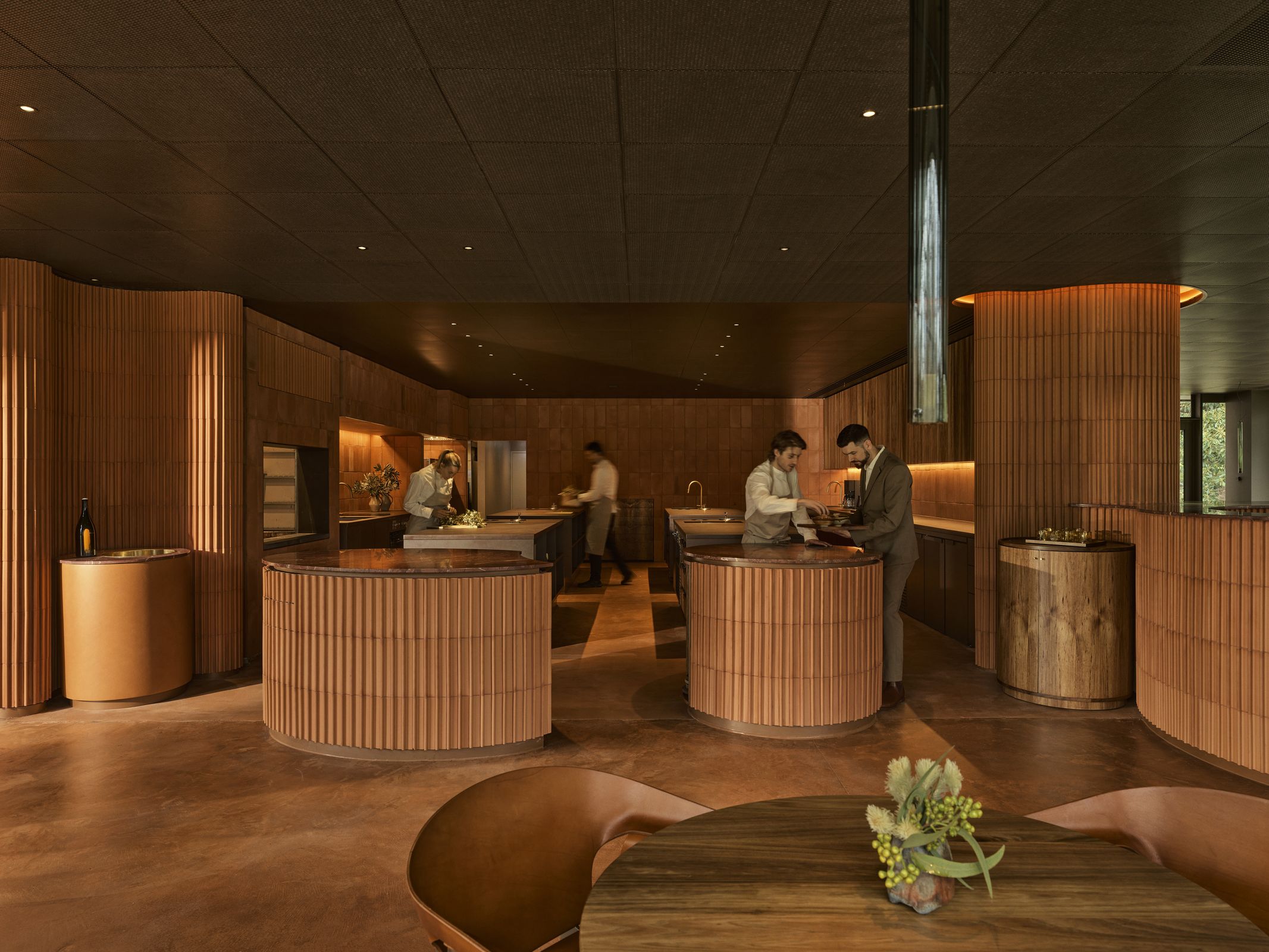
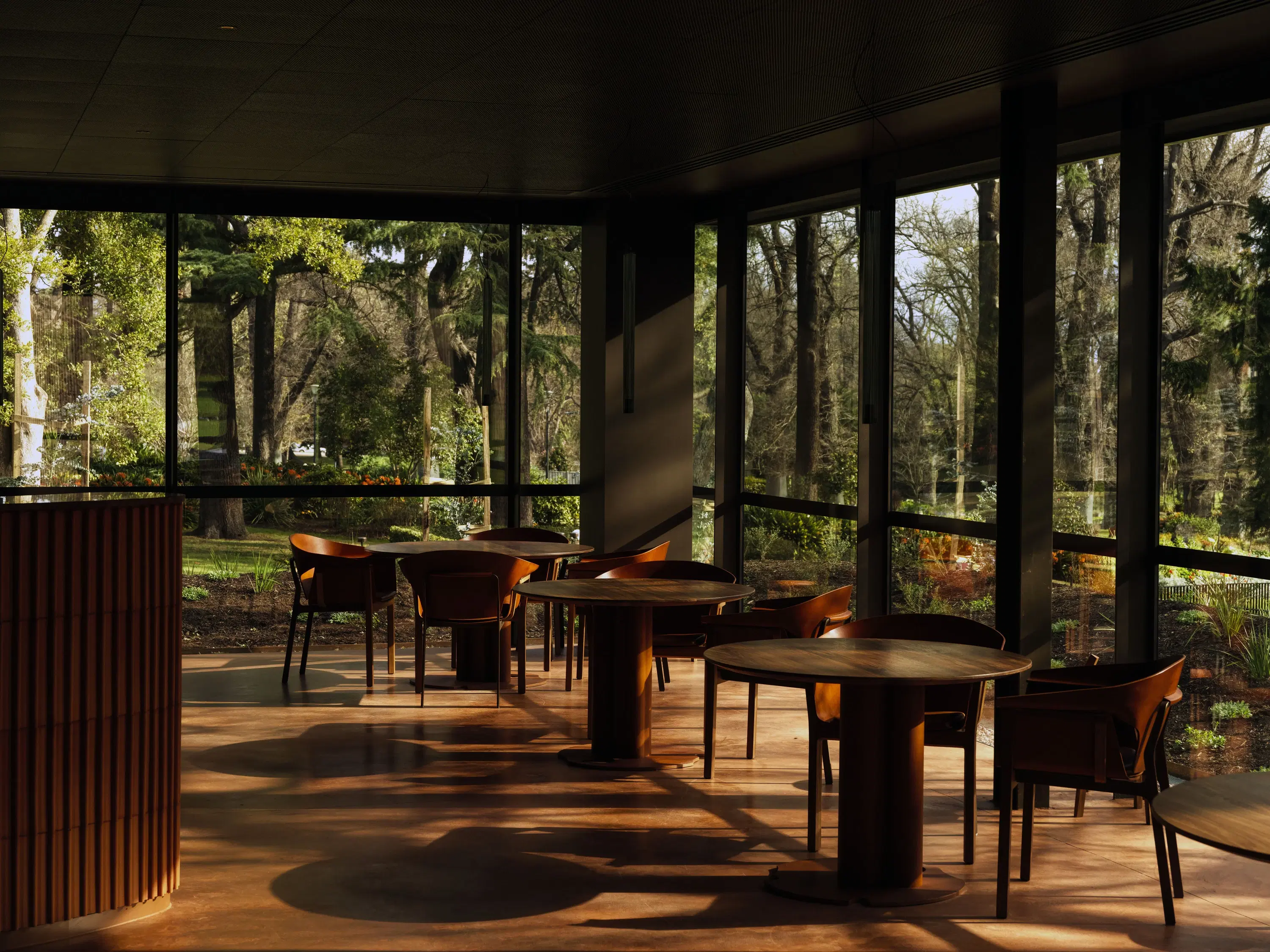
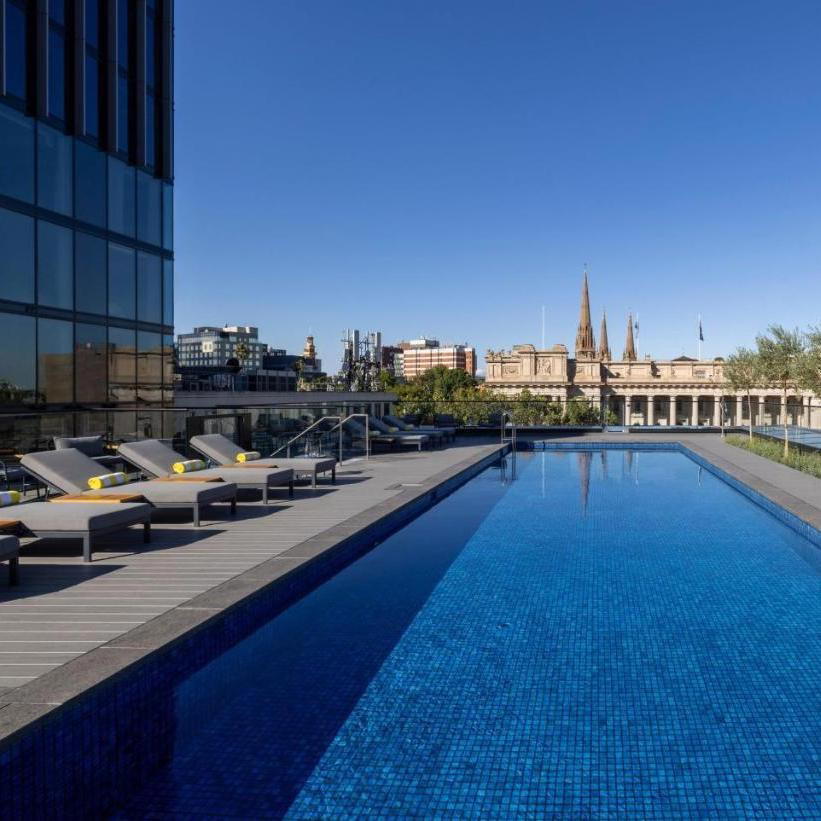
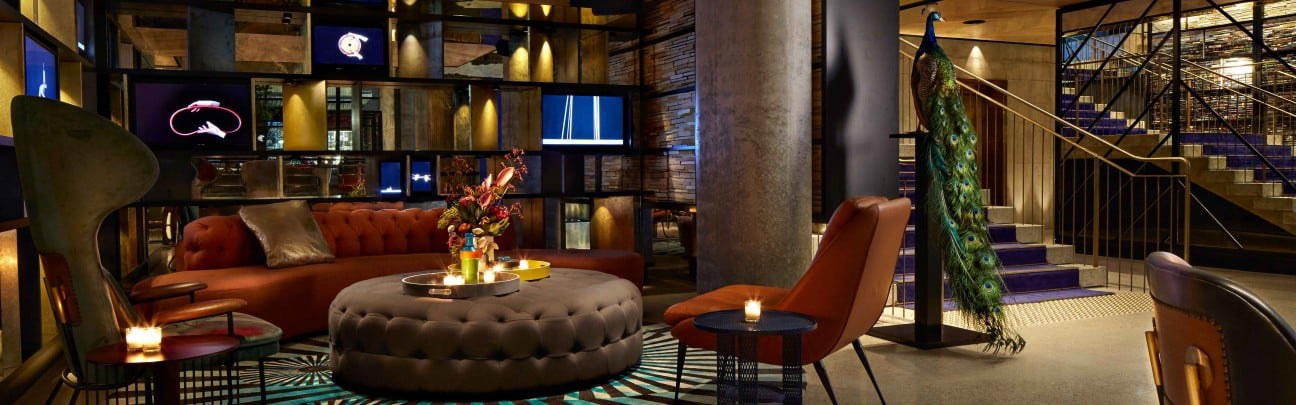
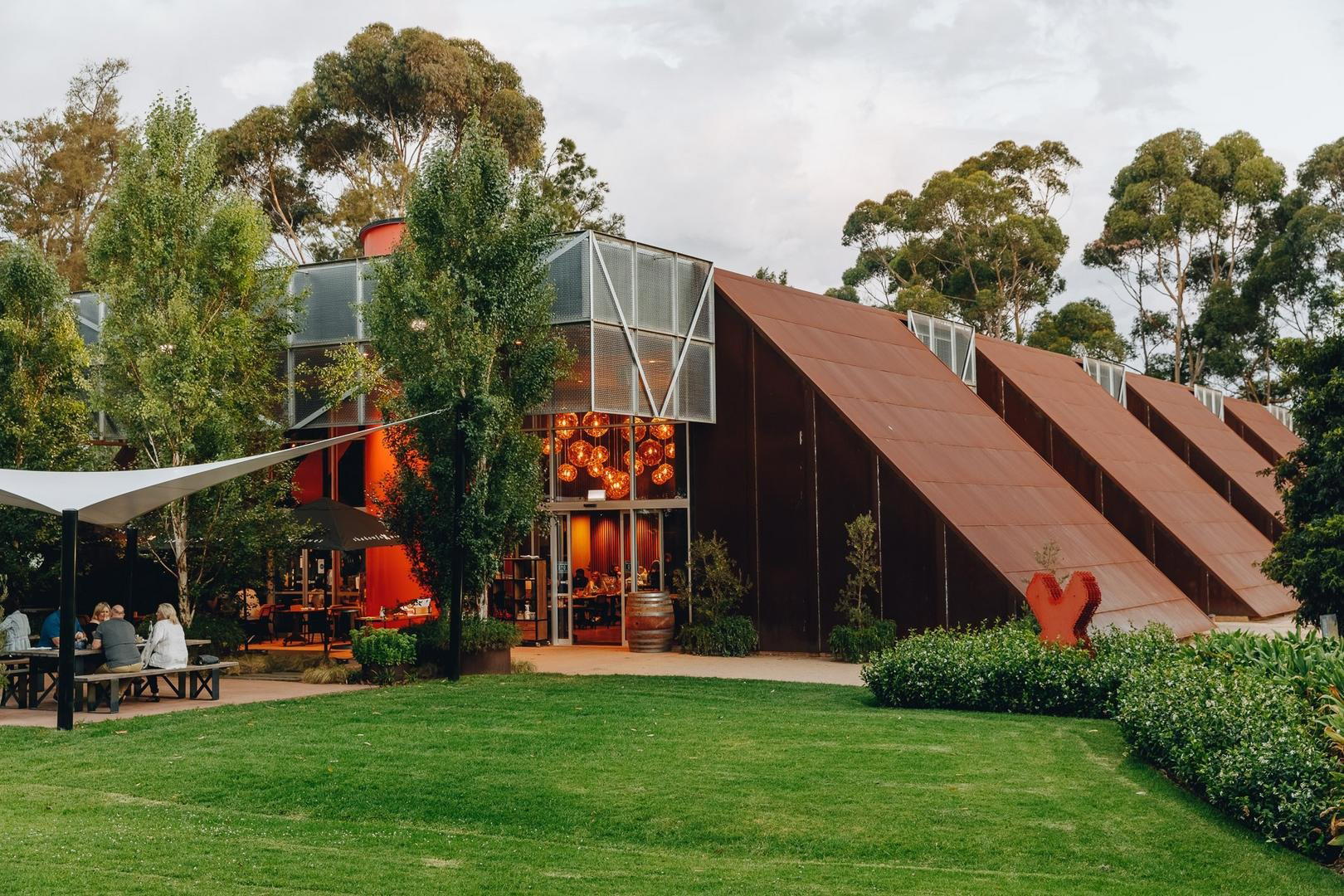
A refined, intimate fine-dining room with a strong focus on Australian design, where diners sit in a small pavilion surrounded by century-old elm trees, creating a calm, polished atmosphere that feels both contemporary and closely connected to the gardens outside.