
Michelin Plate
Our verdict
Order the madrouba, the date cake, and a speciality coffee before heading into the galleries.

Pearl is the En Primeur Club membership app, where members save venues, book tables and use the concierge.
Where the Museum Ends and the Meal Begins
Museum restaurants occupy a peculiar position in any city's dining order. They serve a captive audience, which historically has given their kitchens permission to coast. The better ones use their cultural setting as a brief, treating the food as an extension of the institution's argument about place and identity. At Desert Rose Café, situated inside the National Museum of Qatar on Abdullah Bin Jassim Street, the second model applies. The café holds consecutive Michelin Plate recognition for 2024 and 2025, a designation that signals cooking worth seeking out on its own terms rather than simply adequate food in an impressive building.
The Michelin Plate sits below star level but above the noise of unrecognised restaurants. In Doha's current dining structure, where venues like Jiwan and Saasna represent the premium end of the Middle Eastern dining tier and Baron and Bayt Sharq anchor the broader mid-range scene, Desert Rose holds a position defined less by price or formality and more by editorial credibility.
The Logic of the Qatari Table
Traditional Qatari dining has a rhythm that differs from the theatrical multi-course formats common in fine dining across the Gulf. It tends toward communal sharing, textured slow-cooked dishes, and a patience with process that shows up in preparations like madrouba, a rice and meat porridge beaten to a smooth, almost paste-like consistency that takes time and attention to execute correctly. The ritual of the meal here is less about spectacle and more about the accumulated weight of individual dishes that reward unhurried eating.
This is the frame through which Desert Rose is most usefully understood. The menu is structured around the kind of ordering sequence that Qatari hospitality has long followed: something lighter and more immediately engaging to open, a heavier traditional centrepiece, and something sweet to close. Starting with the arancini or the Dynamite shrimps provides contrast before moving into Chef Noof's madrouba, which is prepared to a specific in-house recipe. The date cake at the close of the meal is not incidental, dates carry cultural weight in Gulf hospitality, and their presence in a dessert format here is deliberate positioning rather than menu decoration.
Across the broader Middle Eastern dining category, from Bait Maryam in Dubai to Al Farah in Abu Dhabi to Al Badawi in New York City, there is a growing appetite for regional cooking that doesn't flatten its traditions into something more internationally legible. Desert Rose sits comfortably in this category: the keema and khabees on the menu are dishes with specific regional identities, not fusion adaptations. For comparison outside the Gulf, Ayat in New York City and Kismet in Los Angeles operate in a different cultural register but share the same editorial positioning, Middle Eastern cooking presented on its own terms, without apology or over-explanation.
Reading the Room
The physical setting at the National Museum of Qatar is not incidental context. Jean Nouvel's building, with its interlocking disc forms inspired by the desert rose crystal formation, provides an architectural backdrop that has made the museum one of the more photographed cultural structures in the region since its 2019 opening. The café's name is drawn directly from that same geological reference, which means the food and the setting are in genuine conversation rather than accidental proximity.
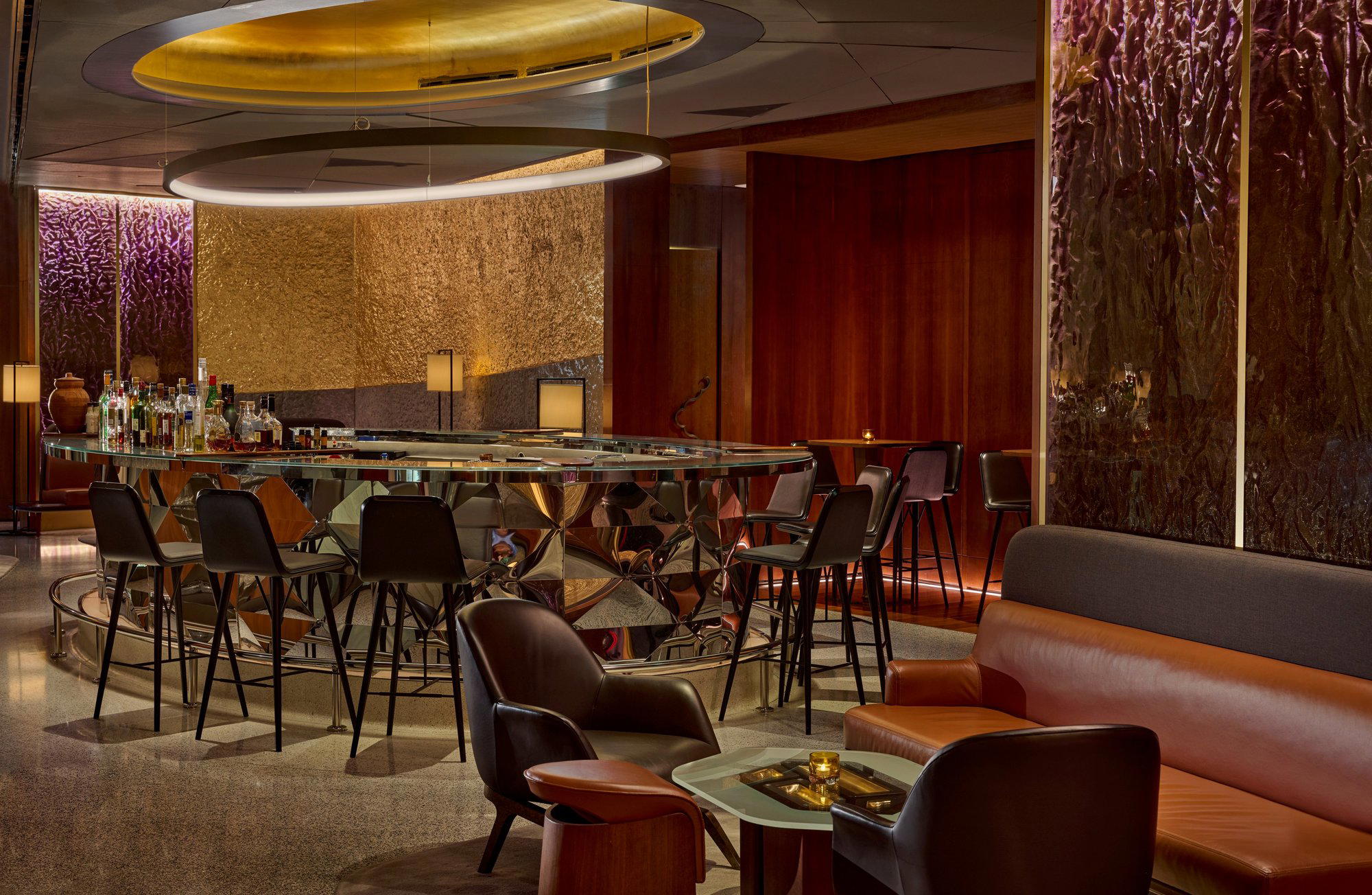
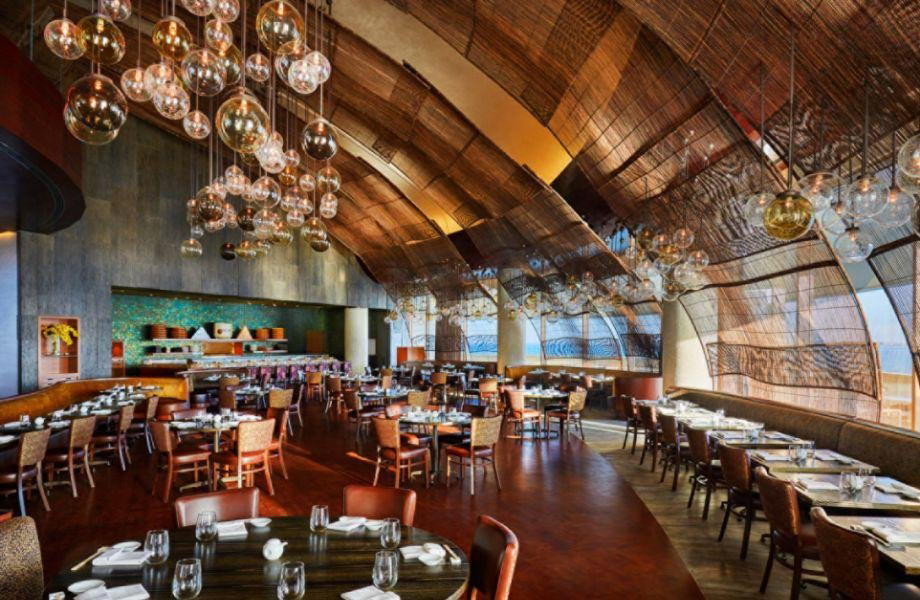
What this produces is a dining experience where the environment does interpretive work without the kitchen having to overexplain itself. A bowl of madrouba inside the National Museum of Qatar carries different meaning than the same dish served in a generic hotel lobby. The framing matters, and Desert Rose uses it well. The tone in the space is described as easy-going and friendly, with staff engagement that reads as genuine hospitality rather than front-of-house formality. This is consistent with the broader character of Qatari café culture, which tends toward warmth over ceremony.
For visitors planning around the museum visit itself, the café functions as a natural anchor for the day. The speciality coffee programme provides a practical starting point before the galleries, or a considered stopping point mid-visit. The strawberry mojito serves as an alternative for those not drinking coffee, and the drink selection is broader than most institution cafés in the region. The single-riyal price tier keeps the total spend well below the formal dining addresses in Doha, which at the leading end, SAWA by Sanad and Michelin-starred venues like IDAM by Alain Ducasse, sit at four-riyal pricing.
Planning the Visit
Desert Rose Café is inside the National Museum of Qatar on Abdullah Bin Jassim Street, which puts it east of the city centre near the Corniche. Access to the museum is the access point for the café. The price point is accessible by any standard in Doha's dining range, making it viable as either a standalone meal or a lighter stop around the museum programme.
For a fuller picture of dining, drinking, and staying in the city, EP Club maintains comprehensive guides to Doha restaurants, Doha hotels, Doha bars, Doha wineries, and Doha experiences. For Middle Eastern dining in other cities, the EP Club listings for Adana Restaurant in Los Angeles, Astoria Seafood in New York City, and Adamá in Oaxaca offer useful comparative reference across the category.
at Desert Rose Café?
The ordering sequence that holds up across the menu is: arancini or Dynamite shrimps to open, Chef Noof's madrouba as the centrepiece (the in-house recipe distinguishes it from standard versions of the dish), and the date cake to close. The keema and khabees extend the traditional Qatari section of the menu for those eating a larger meal. On drinks, the speciality coffee programme is the stronger choice for anyone visiting before or during the galleries; the strawberry mojito works as a lighter alternative. The café carries consecutive Michelin Plate recognition (2024, 2025), and the madrouba in particular reflects why that recognition applies to the cooking rather than just the setting.
Frequently asked questions
What awards or recognition does Desert Rose Café have?
Desert Rose Café has received recognition including: Beaming smiles greet you from behind the counter at this easy-going and friendly spot tucked away in the National Museum of Qatar. When it comes to ordering, start off with their arancini or ‘Dynamite shrimps’ then go traditional with keema….
What's the best thing to order at Desert Rose Café?
The ordering sequence that holds up is: arancini or Dynamite shrimps to start, then Chef Noof's madrouba as the centrepiece, a dish prepared to an in-house recipe that earned the café back-to-back Michelin Plates in 2024 and 2025. Keema and khabees round out the traditional Qatari side of the menu. Close with the date cake, and pair the meal with a strawberry mojito or one of the speciality coffees before heading into the museum.
Is Desert Rose Café expensive?
Pricing at Desert Rose Café is listed as ﷼.
Fast Comparison
| Venue | Cuisine | Price | Awards | Notes |
|---|---|---|---|---|
| Desert Rose CaféThis venue (the venue you are viewing) | Ukrainian-Arabic Fusion | $10–20 | Michelin Plate | Not listed |
| IDAM by Alain Ducasse | Contemporary French Mediterranean with Arabian influences | $50–100 | 1 Michelin Star · World's 50 Best #44 | French, French Contemporary, ﷼﷼﷼﷼ |
| Argan | Authentic Moroccan | $20–30 | Michelin Bib Gourmand | Not listed |
| Hakkasan | Modern Cantonese | $100–150 | Michelin Plate | Not listed |
| Jiwan | Modern Qatari Fine Dining | Not listed | Michelin Bib Gourmand | Not listed |
| Morimoto | Contemporary Japanese Fusion | $100–150 | Michelin Plate · Wine Spectator Award of Excellence | Not listed |
Recognition history
Dated appearances from independent guides and award organizations, with the underlying list record or original source where available.
Michelin Plate
Michelin
Full recognition history (3 entries)
Michelin Plate
Michelin
Michelin Plate
Michelin
Continue exploring
More in Doha
Restaurants in Doha
All restaurants in Doha →
Bars in Doha
All bars in Doha →
Details
- Cozy
- Elegant
- Modern
- Family
- Casual Hangout
- Terrace
- Craft Cocktails
- Waterfront
- A La Carte
- Allergy Accommodating
Current opening hours
- Monday
- 8:30 AM–1:30 AM
- Tuesday
- 8:30 AM–1:30 AM
- Wednesday
- 8:30 AM–1:30 AM
- Thursday
- 8:30 AM–1:30 AM
- Friday
- 8:30 AM–1:30 AM
- Saturday
- 8:30 AM–1:30 AM
- Sunday
- 8:30 AM–1:30 AM
Hours can change for holidays and private events. Hours as of .
Refreshing, light, and airy with beautiful food presentations, indoor and outdoor seating by fires, and a lively souk atmosphere.