.png)
Among Doha's small tier of Chinese fine-dining addresses, Liang at the Mandarin Oriental occupies the Cantonese end of the spectrum, holding a Michelin Plate for two consecutive years. The à la carte spans Cantonese classics alongside regional Chinese dishes, calibrated for a Gulf audience without abandoning precision. Modern screens, composed service, and a ﷼﷼﷼﷼ price point place it firmly in the city's upper dining bracket.

Cantonese Fine Dining in a City That Rarely Does It
Doha's fine-dining circuit skews heavily toward European and Middle Eastern cuisines. French-leaning rooms like IDAM by Alain Ducasse and Middle Eastern-focused addresses such as Baron and Bayt Sharq dominate the upper tier. Chinese cuisine at comparable spend levels is a considerably shorter list. That relative scarcity gives Liang, the Cantonese restaurant at the Mandarin Oriental's Msheireb address, a position that has little to do with marketing and a great deal to do with the absence of serious competition.
The broader Cantonese fine-dining circuit — from Forum and T'ang Court in Hong Kong to Jade Dragon and Chef Tam's Seasons in Macau, Summer Pavilion in Singapore, and Le Palais in Taipei — sets a high bar for technical precision, ingredient sourcing, and the discipline required to keep a classical tradition alive. Doha is geographically removed from all of those reference points. What makes Liang worth reading about is the degree to which it maintains credibility inside that tradition while adapting for a Gulf audience, a balance that most hotel Chinese restaurants in the region never convincingly strike.
The Room: Privacy as Architecture
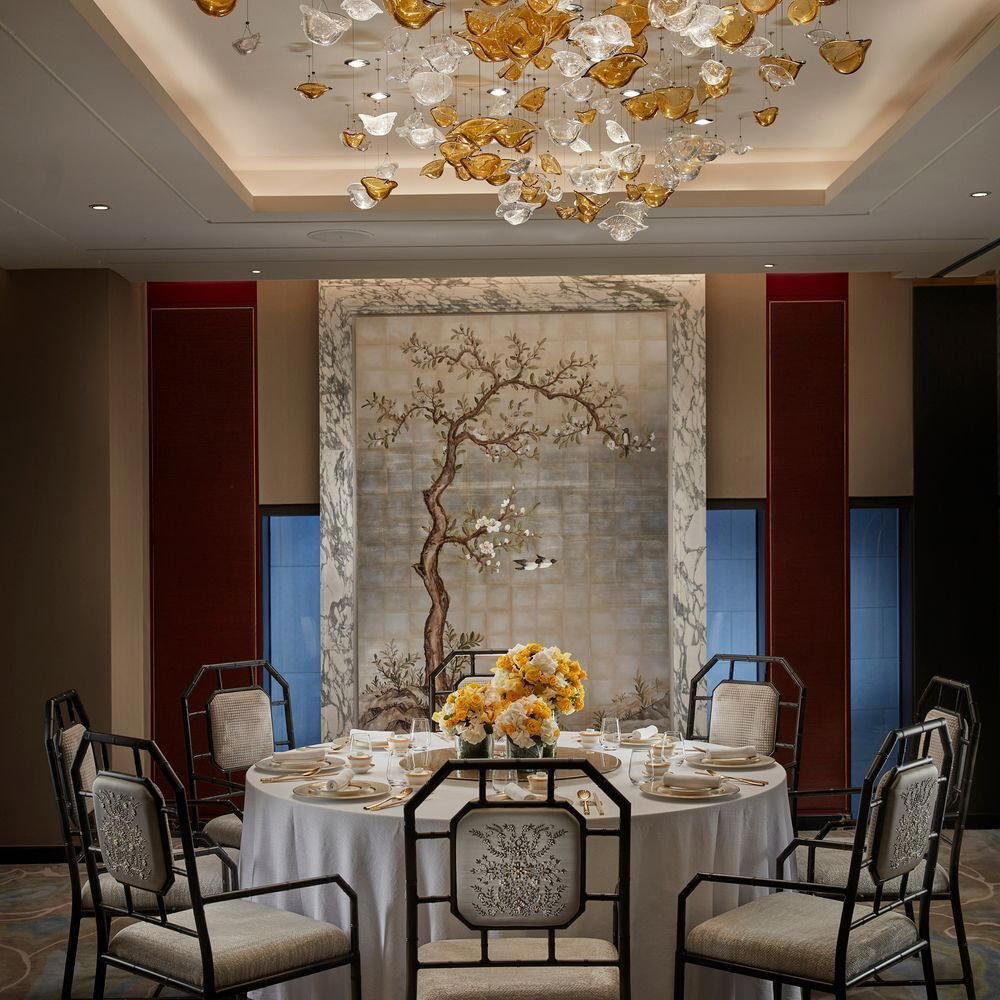
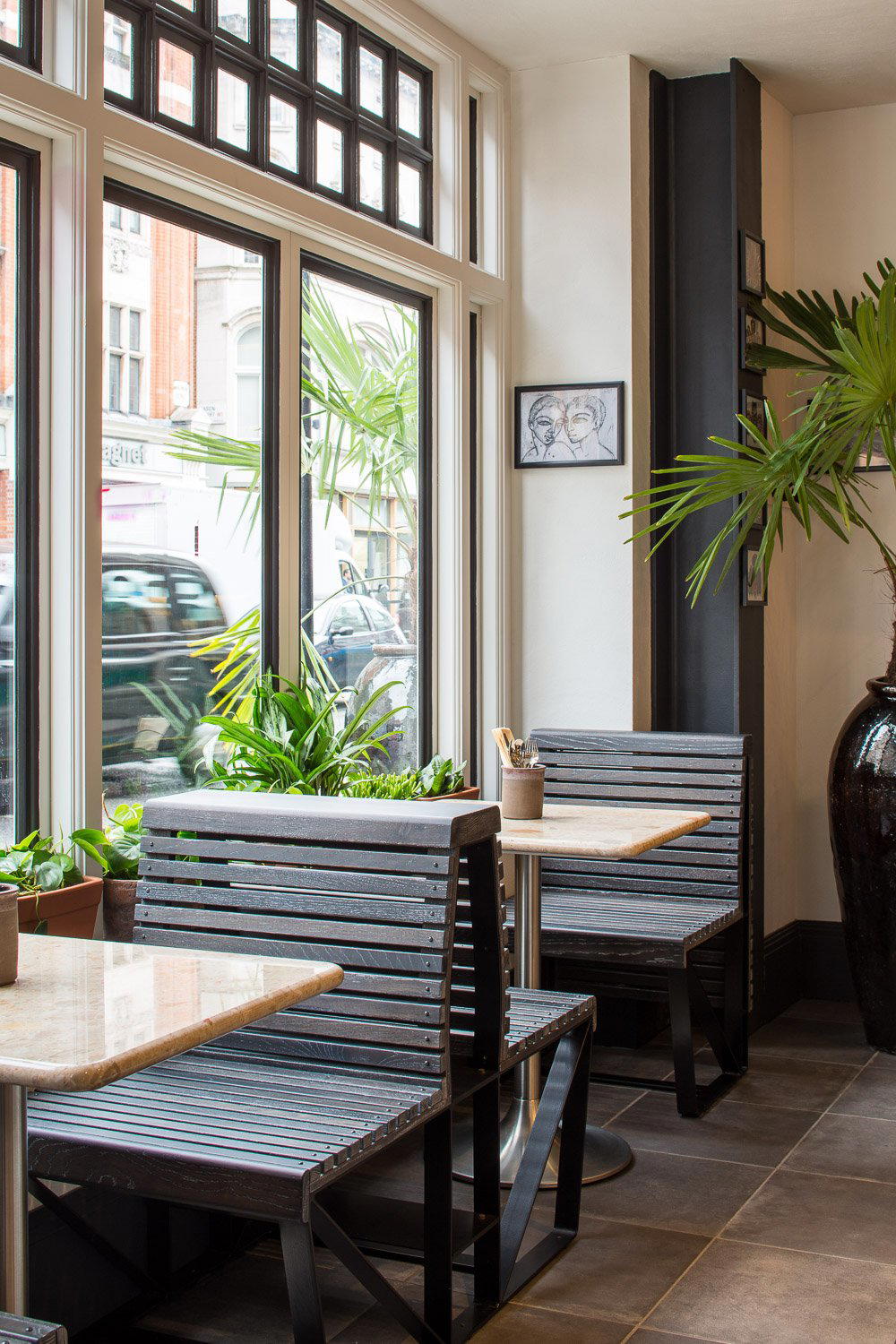
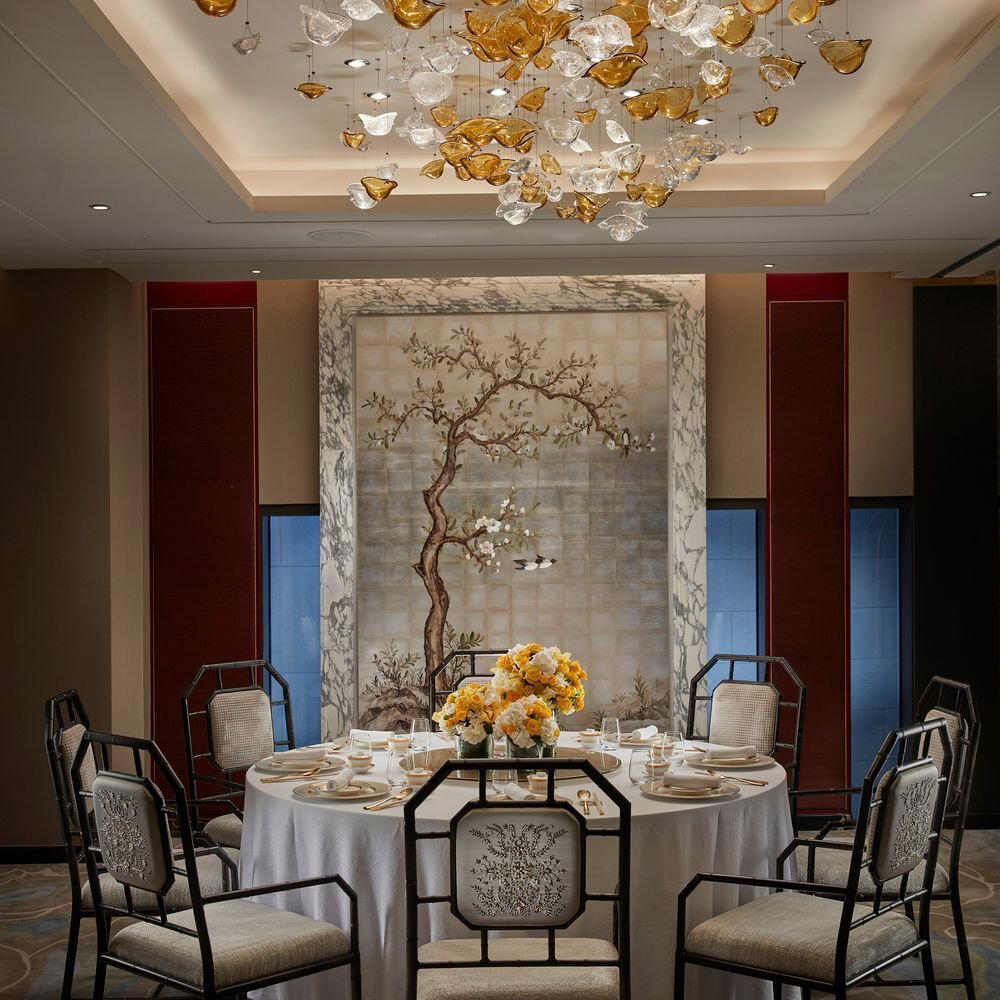
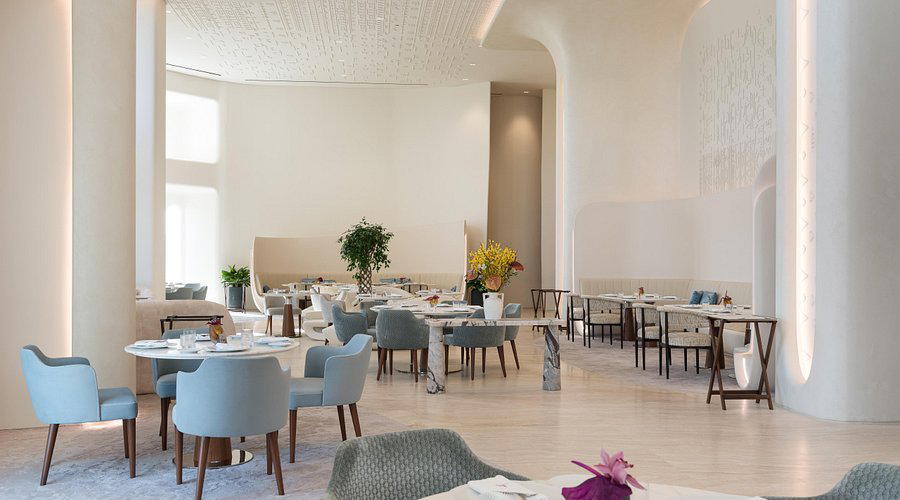
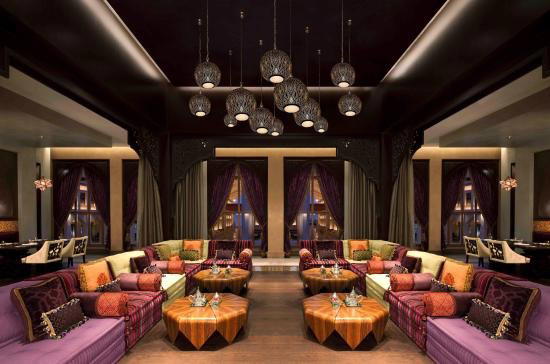
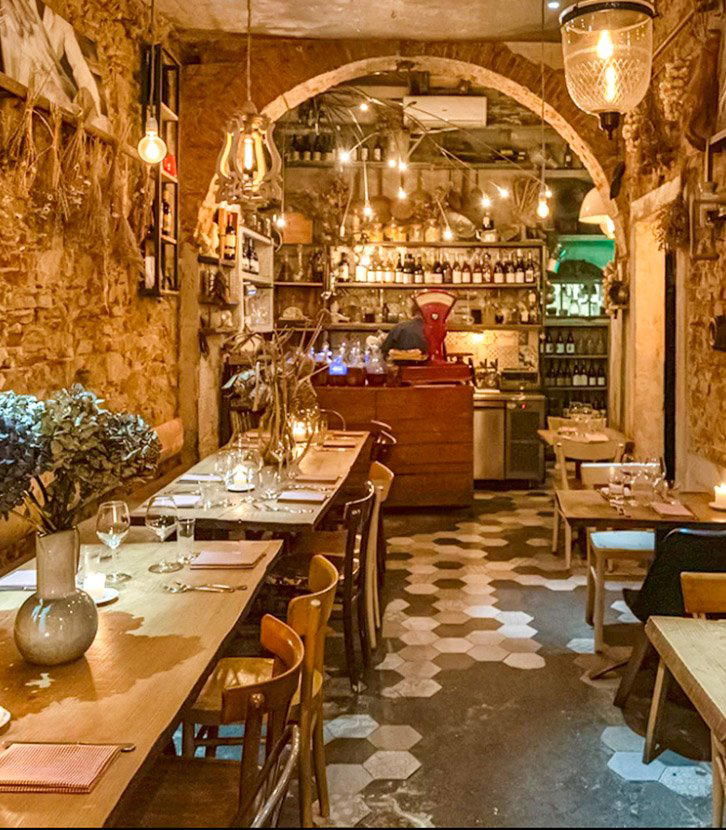
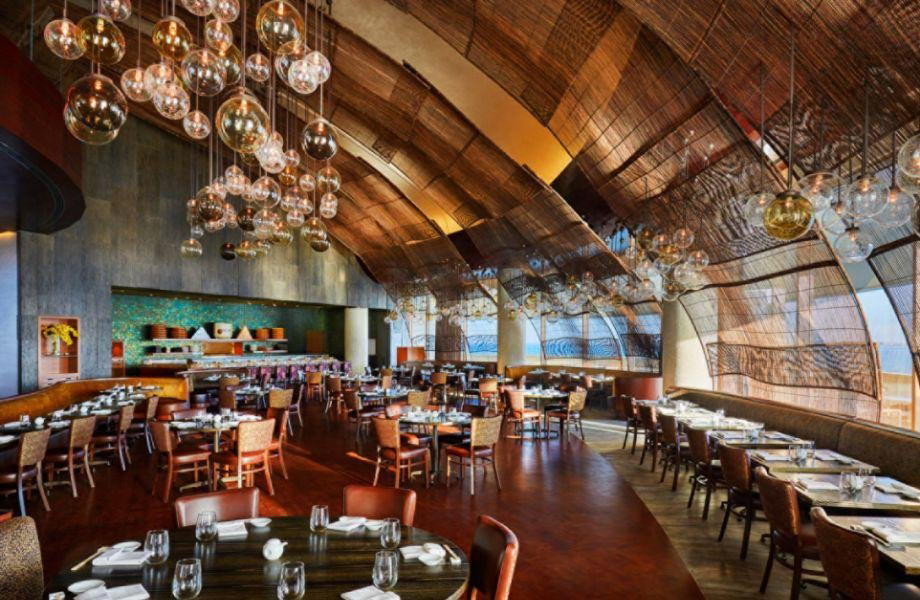
Approaching Liang through the Mandarin Oriental's Msheireb lobby, the transition from hotel corridor to dining room is marked by a shift in material register. The contemporary dining room uses modern decorative screens at intervals around the space, a design choice that operates functionally as well as aesthetically: tables acquire a sense of enclosure without the cost of full private rooms. The effect is a restaurant that can serve corporate dinners and quieter couples simultaneously, managing the acoustic and visual separation that Chinese restaurant formats have traditionally achieved through private room allocation.
The service team is described as charming and actively engaged in making recommendations, which matters in a room where a significant portion of diners will be encountering Cantonese cooking at this level for the first time. That orientation toward guidance rather than passive order-taking reflects the restaurant's adaptation to its market without compromising the food's ambition.
The Menu: Cantonese Foundation, Regional Range
The kitchen works from a Cantonese base but covers a wider Chinese geography on the à la carte, which allows the menu to hold both the technically demanding and the broadly accessible without forcing guests to choose. Dishes such as Kung Pao tiger prawns and Peking duck appear as reference points in the Michelin documentation, and they tell a story about the menu's logic: both are dishes with specific regional identities (Sichuan and Beiing respectively) that have become sufficiently embedded in the international Chinese restaurant vocabulary to function as anchors for guests who might find a purely Cantonese offering less immediately legible.
This is a meaningful design decision. A restaurant like 102 House in Shanghai or Bao Li Xuan can afford to assume a locally literate audience. Liang cannot make the same assumption, and the menu reflects that honestly rather than pretending otherwise. The adaptation to local tastes noted in the Michelin citation is a practical acknowledgment of Doha's dining demographic, where Gulf palates, South Asian residents, and international visitors sit at adjacent tables with meaningfully different reference points for what Chinese food should taste like.
For diners familiar with the Cantonese dining tradition, the carefully prepared core dishes remain the primary draw. For a comparison of how this kitchen's approach reads against peers working the same tradition elsewhere in Asia, the Macau and Hong Kong addresses above provide useful calibration points.
Sourcing and Preparation in a Gulf Context
The sustainability dimensions of serving Cantonese cuisine in Qatar deserve more attention than they typically receive. The province's classical ingredients , live seafood, specific varieties of Cantonese vegetables, particular cuts of pork , arrive from supply chains that are inherently long when the kitchen sits in the Arabian Gulf. The Michelin citation's emphasis on careful preparation points to a kitchen that takes ingredient quality seriously, which, given those supply chain distances, requires consistent sourcing discipline rather than the opportunistic market visits that anchor Cantonese kitchens in Hong Kong or Guangzhou.
The adaptation of dishes to suit local tastes also has a practical sustainability dimension: working with ingredients that move more reliably through Gulf supply chains, including locally-sourced seafood where quality allows, reduces the environmental cost of the long cold-chain logistics that define Gulf fine dining's relationship with imported produce. How far Liang takes that approach is not documented in available data, but the structural logic of a Mandarin Oriental property at this price point suggests procurement standards that go beyond what most hotel restaurants in the city apply.
Where Liang Sits in Doha's Dining Picture
At the ﷼﷼﷼﷼ price tier, Liang shares its bracket with Hakkasan, which runs a Chinese program oriented toward nightlife integration and a broader pan-Asian aesthetic, and with IDAM by Alain Ducasse, which operates at an entirely different culinary reference point. Within the Chinese segment specifically, Liang holds consecutive Michelin Plate recognitions for 2024 and 2025, which places it clearly ahead of the undifferentiated hotel Chinese restaurants that populate the city's four and five-star properties.
The Michelin Plate designation sits below star level but above the undifferentiated mass of listed restaurants: it signals that inspectors found the cooking consistently good enough to recommend without identifying it as exceptional. For a Cantonese restaurant operating this far from its source tradition, consistent is a harder standard to maintain than it sounds, and two consecutive Plate recognitions indicate that the kitchen has not drifted.
Compared with the Moroccan-oriented Argan or the Italian address Alba, Liang occupies a different culinary register entirely. The relevant comparison set for Liang is the thin global network of hotel Cantonese restaurants in non-Chinese cities: a category where the floor is low and the ceiling is determined by how seriously the parent hotel takes the kitchen's autonomy.
Planning a Visit
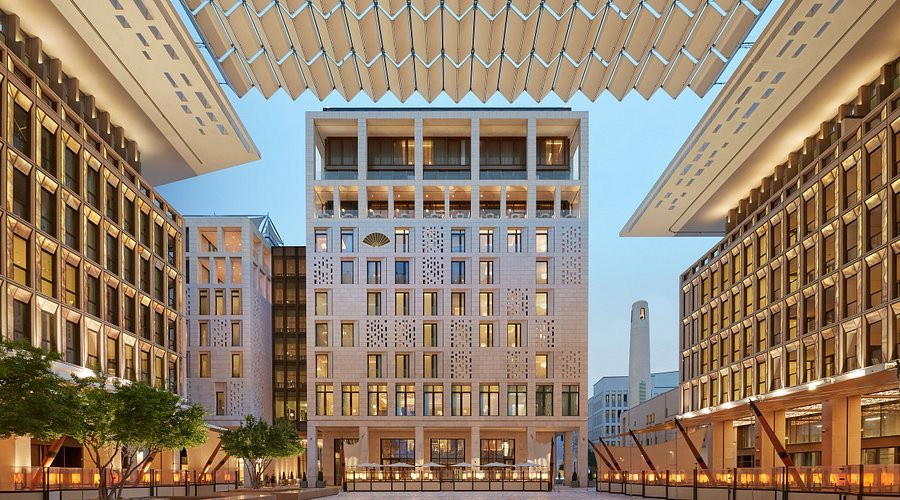
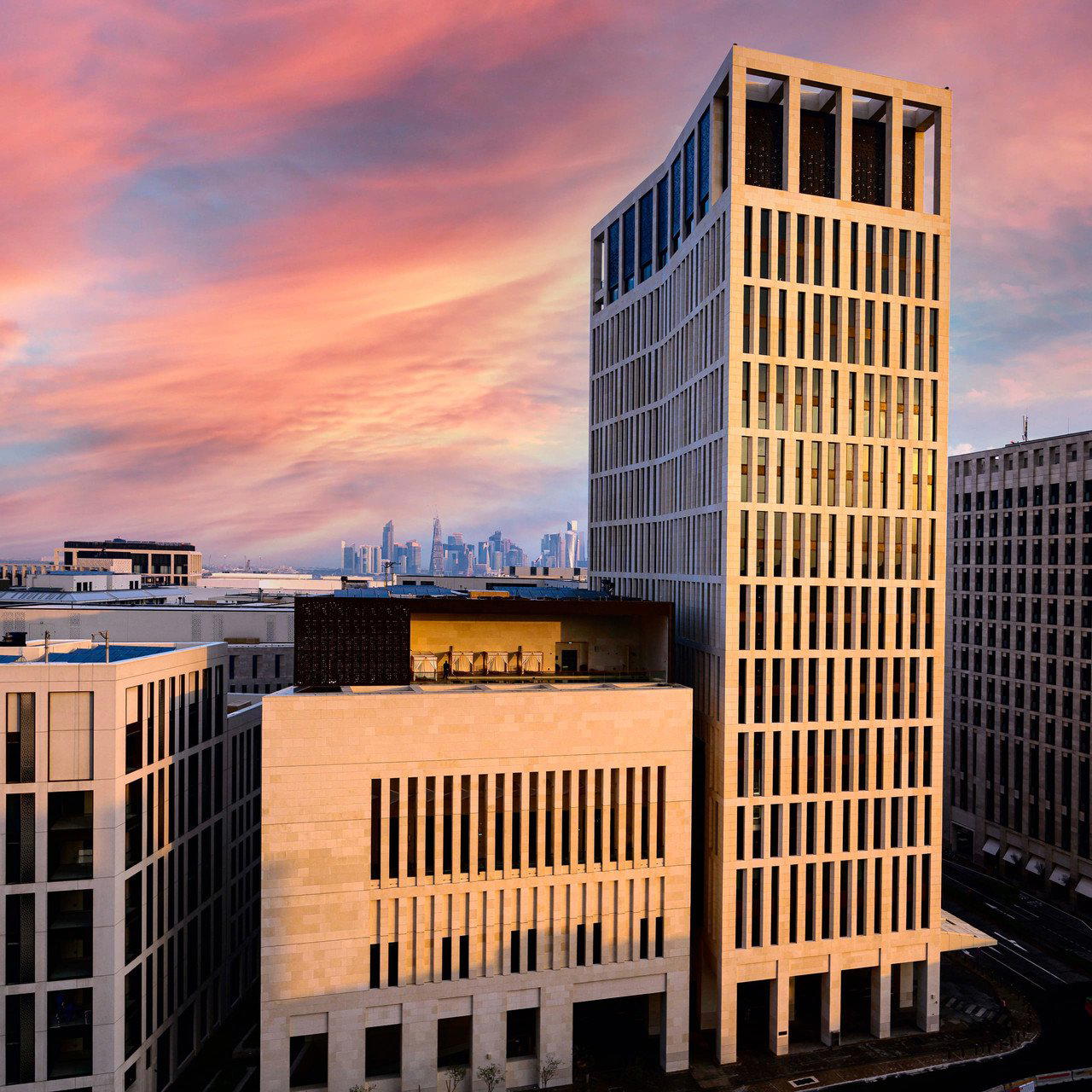
Liang is located at Barahat Msheireb within the Mandarin Oriental Hotel, placing it in the Msheireb Downtown development, one of Doha's most coherent mixed-use urban districts. The ﷼﷼﷼﷼ pricing reflects the leading end of the city's restaurant market, consistent with the hotel's positioning. Booking in advance is advisable, particularly for dinner on weekends, given the limited number of comparable Chinese dining options in the city. The service team's readiness to make recommendations makes the restaurant accessible for guests without prior Cantonese dining experience, while the menu's classical grounding gives regulars enough range to return without repetition.
For a fuller picture of where Liang sits among Doha's dining options, see our full Doha restaurants guide. For accommodation context, our Doha hotels guide covers the full range of the city's property tiers. Drinking options before or after dinner are covered in our Doha bars guide, and the wider city programme is mapped in our Doha experiences guide and Doha wineries guide.
What Should I Eat at Liang?
The menu draws from a Cantonese core with regional Chinese reference points throughout the à la carte. Michelin documentation identifies Kung Pao tiger prawns and Peking duck as dishes likely to appear, both of which function as accessible anchors for guests less familiar with Cantonese specifics. For diners with deeper knowledge of the tradition, the carefully prepared Cantonese dishes are the kitchen's primary focus and the basis for its consecutive Michelin Plate recognitions in 2024 and 2025. The service team is noted as actively helpful with recommendations, which makes the menu navigable regardless of prior experience. The kitchen's approach involves calibrated adaptation to Gulf tastes without abandoning the precision that the Cantonese tradition requires, meaning most diners will find both familiar reference points and cooking that rewards attention.
Continue exploring
More in Doha
Bars in Doha
Browse all →At a Glance
- Elegant
- Sophisticated
- Modern
- Business Dinner
- Special Occasion
- Brunch
- Hotel Restaurant
Refined and contemporary dining room with modern screens providing privacy, soft lighting, and an elegant atmosphere praised by guests.