
DENDA brings Basque cooking into Osaka’s compact Spanish dining circuit, with pintxos, à la carte plates, wine, and a sourcing vocabulary that points to Basque salt, anchovies, pickles, and regional bottles rather than generic Mediterranean shorthand. Its Tabelog Spanish Cuisine 100 selections in 2024 and 2026 place it in a small, quality-screened category for travelers tracking Osaka beyond sushi, kaiseki, and counter ramen.
Pearl is the En Primeur Club membership app — saves, bookings, and concierge access live there. Same editors, same standards.
- Address
- Japan, 〒550-0011 Osaka, Nishi Ward, Awaza, 1 Chome−14−4 サインカンパニービル 1階
- Phone
- +81 6-6616-9825
- Website
- instagram.com
 Saves & bookings on Pearl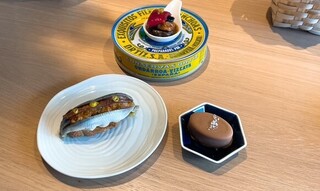
Awaza is not Osaka’s neon riverfront or station-building department-store dining scene. Around DENDA, the mood is lower-key: office blocks, local foot traffic, and Nishi Ward’s practical rhythm rather than destination spectacle. That suits the food. Serious Basque cooking is not Spanish cliché; it is salt, preserved fish, vinegar, pickles, wine, and small-format eating that can move from pintxo to fuller plate without ceremony.
Osaka has long understood casual precision: takoyaki counters, kushikatsu bars, kappo rooms, and ramen shops with narrow menus. Spanish dining fits better than it first appears because pintxos and small plates reward the same habits: appetite, pace, and tolerance for standing close to the action. DENDA sits in that overlap. Its public positioning points specifically to Basque cuisine, naming Basque salt, anchovies, pickles, and Basque wines. These are not decorative details; they signal preservation, acidity, marine salinity, and drinking food rather than cream-heavy pan-Spanish comfort.
Basque sourcing, Osaka scale
Read this restaurant through ingredients rather than format alone. Basque salt matters because seasoning here is structural, especially around seafood, cured products, and grilled or preserved elements. Anchovies and pickles sharpen the same argument. In Japan, where Spanish menus can flatten into paella, jamón, and familiar tapas, the Basque reference gives the meal a narrower spine.
That specificity also explains why wine is central, not auxiliary. The restaurant’s drink listing identifies wine, and Basque bottles are part of the proposition. In the Basque Country, wine and cider culture sit close to the table, not above it. In Osaka, that suits diners who want a composed meal without the pacing of a long tasting menu. The category has local peers, including Los Sitios in Osaka, but the Basque sourcing cue separates DENDA from broader Spanish rooms with looser regional identity.
The recognition is worth parsing. DENDA was selected for Tabelog Spanish Cuisine 100 in 2024 and again in 2026, with a Tabelog score of 3.68. Tabelog’s category lists matter in Japan because they reward depth within a genre, not just fame. In a city where visitors often default to okonomiyaki, sushi, or beef, a Spanish Cuisine 100 selection signals Osaka’s specialist dining layer, not a novelty detour.
A pintxos logic rather than a luxury script
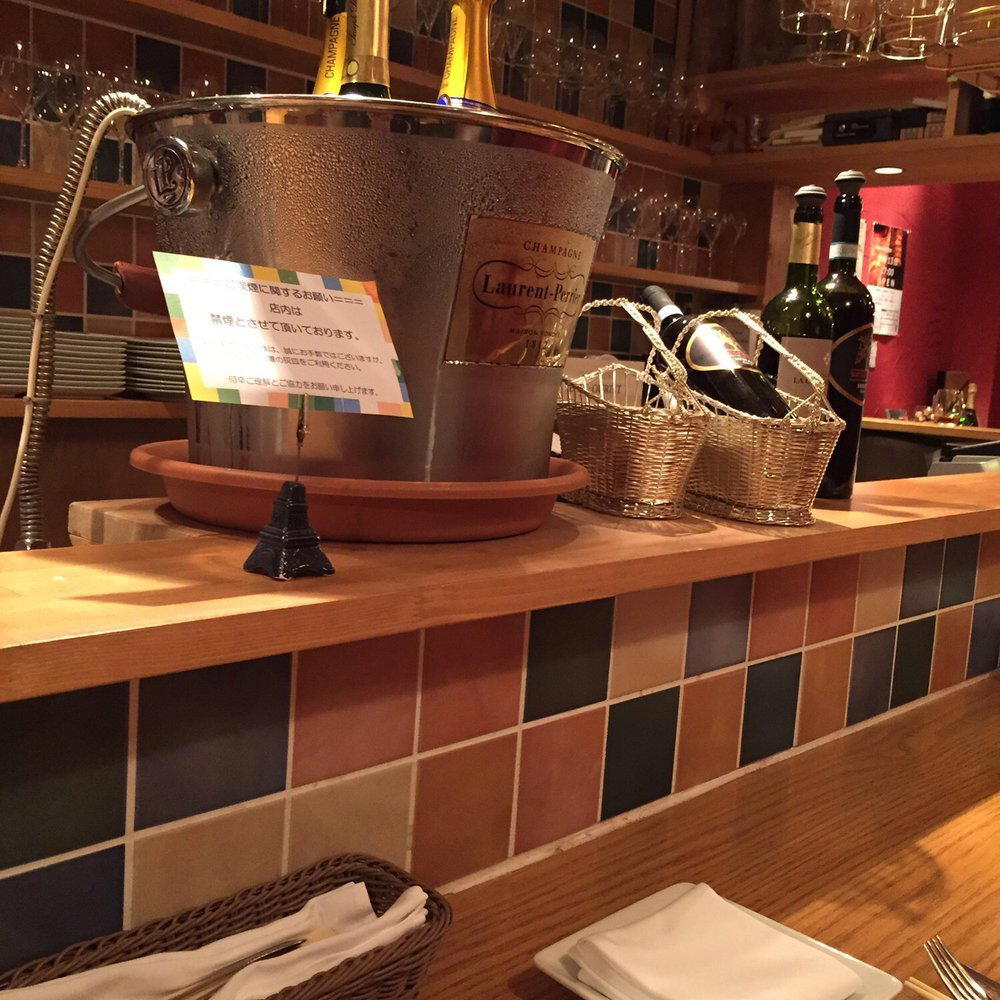
DENDA’s strongest case is not that it imitates the Basque Country, but that it adopts a Basque grammar at Osaka scale. Pintxos and à la carte dishes let appetite lead, unlike the chef-led omakase structures that dominate high-end Japan itineraries. The small shared-seat setup reinforces the point: a compact, social bar-restaurant hybrid rather than a formal dining room.
That matters for Osaka planning. A meal here can sit between broader city eating patterns rather than compete with them. Someone tracking bakeries might pair the day with 52CHO-ME BAKERY or .cafe; someone chasing mass-market classics will read 551 Horai (551蓬莱) differently after seeing how Osaka absorbs regional European cooking. Italian specialists such as a canto (Italian) and 99 Pizza Napoletana Gourmet show the same pattern: Osaka’s non-Japanese dining is strongest when it narrows its brief instead of chasing a general international menu.
The restaurant also carries a family-friendly note, including children and strollers, less common in Japan’s tighter specialist rooms. That does not make it careless; it makes the format more flexible than reservation-only counters and hushed tasting rooms. Private rooms are not part of the setup, so the experience is shared and compact rather than secluded.
Where it fits in an Osaka food itinerary
For travelers, the question is whether to spend an Osaka meal slot on Spanish food. It depends on the itinerary. With only one night, Osaka’s native genres should come first. With room for a second register, DENDA adds a view of how the city handles foreign regional cooking when the reference points are disciplined. It is not an alternative to Osaka’s everyday food culture; it proves the city’s appetite extends beyond it.
Comparison helps. Chuka Soba Kazura and Spice Shokudo Nikki occupy lower-price, high-frequency categories where speed and repeatability shape the experience. DENDA belongs to a compact specialist tier, closer in meal structure to Osaka’s European small restaurants than to noodle or curry counters. Its connection to Aralde, publicly identified as a Michelin-starred sister restaurant with Tabelog Bronze recognition, gives the Basque angle credibility without turning the meal into a chef biography. The point is the lineage of the cooking style and the discipline behind the sourcing.
Readers mapping the city should use Our full Osaka restaurants guide for the wider dining field, then cross-check drinking and sleep logistics through Our full Osaka bars guide and Our full Osaka hotels guide. The city also rewards adjacent planning through Our full Osaka experiences guide and, for category completists, Our full Osaka wineries guide. Beyond Osaka, Japan’s dining map can swing from [ki:] in Kyoto to.know in Kumamoto, [Curry Senmon Ten] Maruyama Kyoju. in Sapporo, (Shoku) Vietnam in Kawasaki. 鮪と炭火焼き うお炭 秋葉原店 in Tokyo, and -Grilled beef Sukiyaki- KAMAKURA TANUKIAN 鎌倉 たぬき庵 in Kamakura. Overseas, the same ingredient-led lens applies to focused Japanese formats such as Jōdo Saké Bar in Los Angeles and Onigiri Time in Pasadena.
The verdict is simple: DENDA is for diners who care about regional specificity. The draw is not a generic Spanish night in Osaka, but Basque ingredients and wine translated into a compact local format, backed by repeated Tabelog Spanish Cuisine 100 recognition.
Comparable Spots, Quickly
Nearby venues at a similar price tier for orientation.
| Venue | Cuisine | Price | Notes |
|---|---|---|---|
| DENDAThis venue — the venue you are viewing | Basque / Spanish restaurant and wine store | $$$ | Not listed |
| É nye | Spanish Restaurant | $$$ | Chūō |
| Osteria e Bar Geno | Cozy Spanish Osteria & Bar | $$$ | Esaka |
| Midosuji Lodge | Yoshoku (Japanese-style Western) | $$$ | Chūō |
| Sumibi Yakitori Nakao | Traditional Charcoal-Grilled Yakitori | $$$ | Chūō |
| Shin Chinese HARAKAWA Kitashinchi ten | Modern Chinese (New Chinese Cuisine) | $$$ | Kita |
Recognition history
Dated appearances from independent guides and award organizations, with the underlying list record or original source where available.
Tabelog 100 #27 · No. 27
Tabelog · Tabelog 100 - Spanish cuisine - 2026
Continue exploring
More in Osaka
Restaurants in Osaka
Browse all →




Bars in Osaka
Browse all →
Hotels in Osaka
Browse all →



Wineries in Osaka
Browse all →
At a Glance
Current opening hours
- Monday
- 1–7 PM
- Tuesday
- 1–7 PM
- Wednesday
- 1–7 PM
- Thursday
- 1–7 PM
- Friday
- 1–7 PM
- Saturday
- 1–7 PM
- Sunday
- Closed
Hours can change for holidays and private events. Last verified .